filter_list Showing 10 results for "spac" close Clear
search
dashboard All 229 museum exhibitions 121article local 62article news 14article culture 10person people 8trending_up market 4article policy 4candle obituary 3rate_review review 2article architecture 1
date_range Range Today This Week This Month All
Subscribe

The Contemporary Art Destinations Gallerists and Artists Have on Their Radar

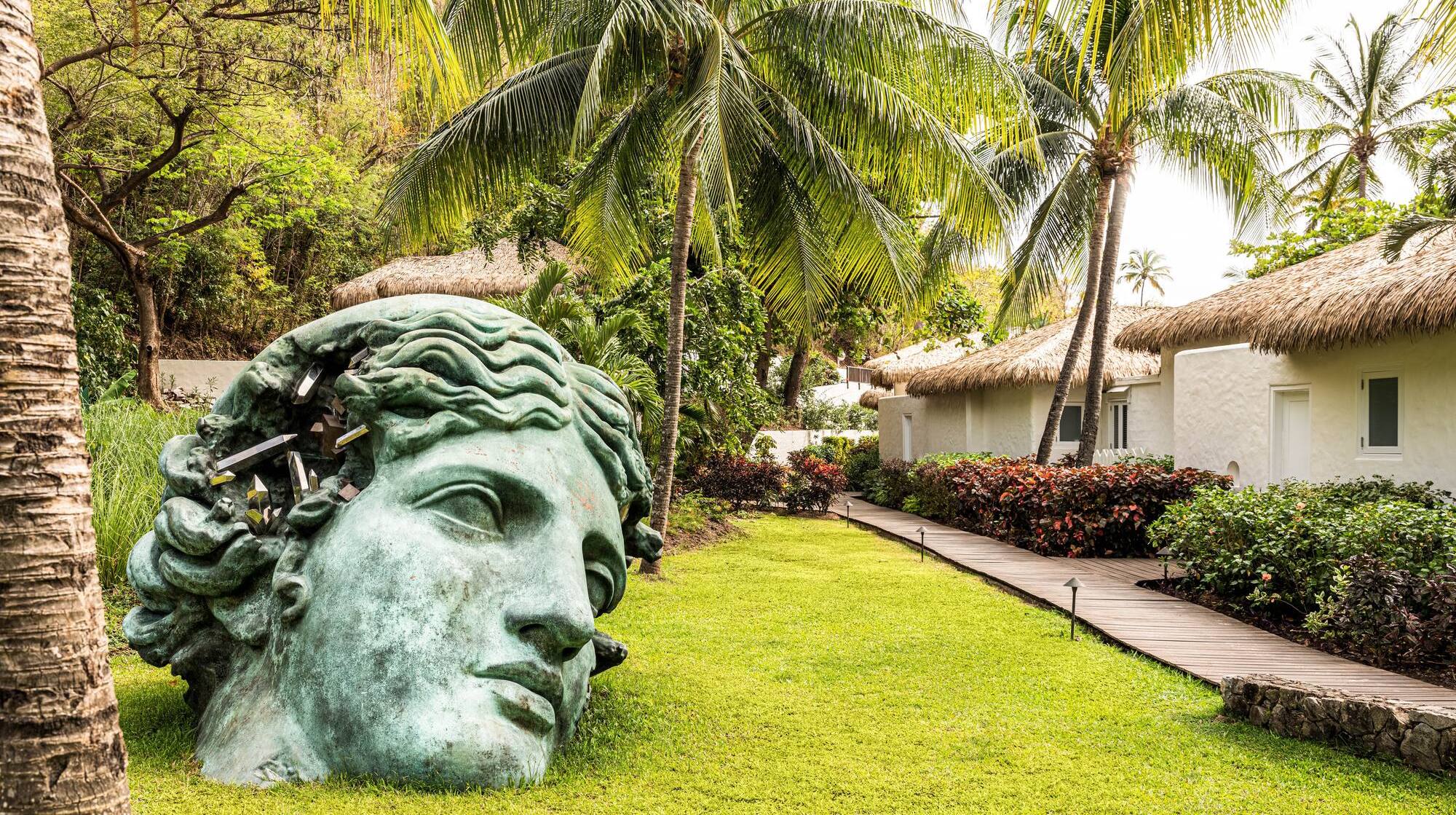
WWD asked top international gallerists, collectors, and artists to name the cities they find most exciting for contemporary art. Karen and Christian Boros recommend Naples and the Amalfi Coast, highlighting galleries like Galleria Giangiacomo Rossetti, Thomas Dane Gallery, and Lia Rumma, as well as Fondazione Morra Greco and Le Sirenuse hotel. Daniel Arsham points to Sugar Beach in St. Lucia for its large contemporary sculpture collection. Jean-Michel Othoniel champions South Korea, citing Seoul's Leeum Samsung Museum of Art, Kukje Gallery, and the Kiaf Seoul fair, plus the city of Busan. Emma Lavigne of the Pinault Collection names Venice, especially during the Biennale Arte di Venezia, as an essential destination.
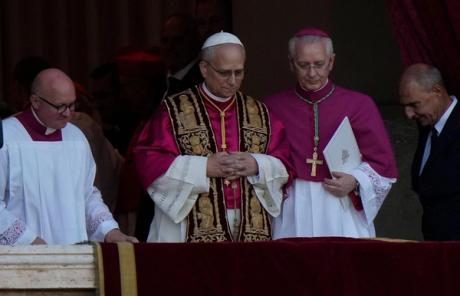
We are in danger of losing our sense of community

"Wir drohen das Gespür für die Gemeinschaft zu verlieren"

Christophe Cherix, the new director of the Museum of Modern Art in New York, discusses his first months in the role, emphasizing museums as "safe social places" in an era of anxiety and screen-induced isolation. He advocates for collective vision-building with staff and defends the MoMA's independence against political pressure in Trump-era America. Separately, critic Paco Barragán argues in The Observer that biennials are in a structural crisis of repetition, tracing their history from instruments of national soft power to a "Global Neo-Liberal Biennial" system that co-opts diversity without changing its core logic. He introduces the concept of the "vibe-ennial," where discourse is replaced by atmosphere and critique by affect. Meanwhile, longtime Bonn museum director Stephan Berg critiques the boom in immersive art experiences like "Van Gogh – The Immersive Experience," calling them a "surrogate reality" tailored to the Instagram age that destroys the integrity of original works. Artforum reconstructs late-1960s debates on art criticism, focusing on Barbara Rose's challenge to formalists like Clement Greenberg and Rosalind Krauss, arguing that art must engage with societal conflicts such as Black Power and war resistance.

A modern Tower of Babel? Pope Leo XIV warns against artificial intelligence

Pope Leo XIV has issued his first encyclical, titled *Magnifica Humanitas*, warning that artificial intelligence poses a major threat to humanity and could lead to a modern Tower of Babel. In the 43,000-word letter, he calls for disarming AI, establishing robust legal frameworks, and regulating tech giants like Meta. He also references Picasso's *Guernica* (1937) as a prophetic work denouncing dehumanization, alongside Beethoven's Ninth Symphony and the novel *Schindler's List*. Separately, the Vatican is expanding its contemporary art program, with a new space called Conciliazone 5 currently showing works by British artist George Rouy, and future exhibitions planned for Yan Pei-Ming and Vivian Suter.

Opinion: In galleries across Canada, too much art is being hidden away

Don LePan, a novelist, book publisher, and painter, argues that public art galleries across Canada are failing to display their permanent collections, using the MacKenzie Art Gallery in Regina as a prime example. During a visit in early March, LePan found that none of the gallery's extensive permanent collection—which includes works by Group of Seven artists, European masters like Picasso and Gauguin, and modernists such as Agnes Martin—was on view. Instead, the entire exhibition space was devoted to three special shows: a photographic and conceptual art exhibition by Plains Cree artist Joi T. Arcand, a selection of works by 2025 Governor General’s Awards in Visual and Media Arts recipients, and an Indigenous art exhibition. LePan praises these exhibits but criticizes the gallery's decision to completely exclude its permanent collection.

A Culture Lover’s Guide to Northwest Arkansas, a Land of Contradictions

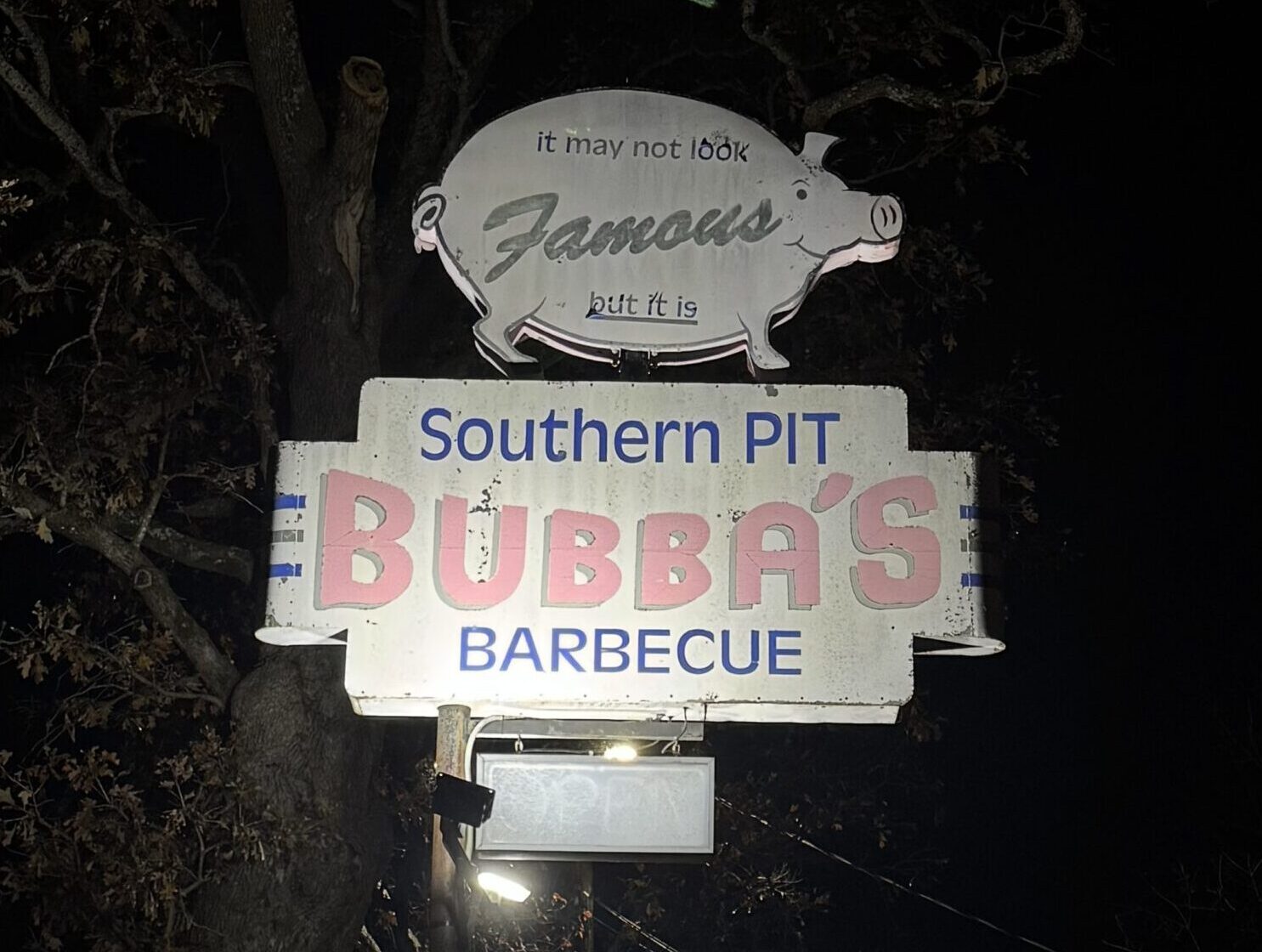
This travel guide explores the cultural landscape of Northwest Arkansas, focusing on the upcoming 114,000-square-foot expansion of the Crystal Bridges Museum of American Art in Bentonville, set to open June 6, 2026. The author recounts a road trip from Little Rock to the Ozarks, visiting the Arkansas Museum of Fine Arts (with its new Studio Gang-designed building), dining at Coursey's Smoked Meats, and encountering a white supremacist billboard in Harrison, while also highlighting Thorncrown Chapel by E. Fay Jones as a transcendent architectural stop.

A pop-up hotel format is born that focuses on culture: starting in an architecture in Arles, France (with photos by Carla Sozzani)

Nasce un format di hotel pop up che punta sulla cultura: si inizia in un’architettura di Arles in Francia (con le foto di Carla Sozzani)

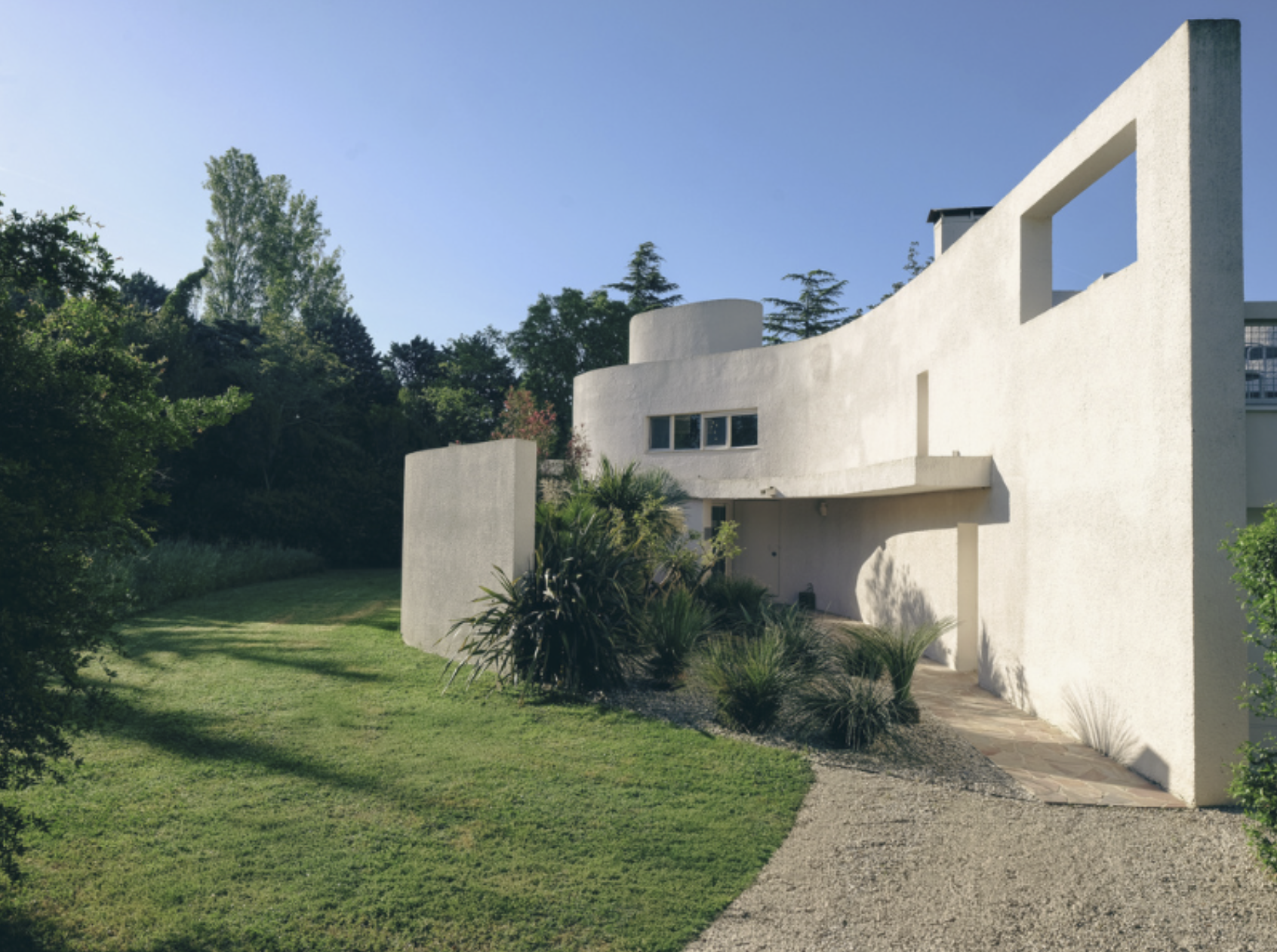
Luca Pronzato, founder of the pop-up restaurant platform We Are Ona, is launching a new itinerant hospitality concept called Casa Ideale. The first edition will take place from July 1–10, 2026, at Villa Bank, a 1970s villa near Arles, France, designed by Emile Sala and protected as a Remarkable Contemporary Architecture by the French Ministry of Culture. Guests will stay in the villa and dine at a restaurant run by chef Gil Nogueira, while the space also hosts a photography exhibition titled "Prologo" curated by Maddalena Scarzella for Fondazione Sozzani, featuring over 60 works from Carla Sozzani's archive by artists such as Urs Lüthi and Helmut Newton, alongside design pieces from the gallery Downtown+ by Luna Laffanour.

Stripteases, ecstatic embraces and a dog in a dress: the full-on photos celebrating queer dancefloors worldwide

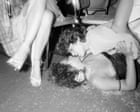
A new photo book titled *Sex, Clubs, Dissent: Visualising Queer Nightlife*, edited by writer Amelia Abraham, collects photographs from the 1960s to today that document queer nightlife around the world. The anthology features works by artists such as Wolfgang Tillmans, Sunil Gupta, Kia LaBeija, Phyllis Christopher, Roxy Lee, Ajamu X, and Del LaGrace Volcano, alongside images from trans community archives in Mexico City and Buenos Aires. The book is organized into sections on sex, clubs, and dissent, and includes a range of media from film stills to a Grindr screenshot, aiming to capture the messy, sexy, and politically charged atmosphere of queer social spaces.

The New Generation of Berlin Curators: Independent Laboratory or New Establishment

La nuova generazione dei curatori di Berlino: laboratorio indipendente o nuovo establishment

The article examines the shift in Berlin's contemporary art curation landscape, focusing on a new generation of curators who are more pragmatic and operational than their predecessors. Figures like Anna Gritz at Haus am Waldsee, Lisa Long at Julia Stoschek Foundation, and Bonaventure Soh Bejeng Ndikung—who moved from independent space Savvy Contemporary to lead Haus der Kulturen der Welt—exemplify this change. The piece argues that Berlin's art ecosystem has evolved from a low-pressure experimental zone into a competitive, almost corporate environment where curators must act as project managers, fundraisers, and cultural mediators.

The Whelm of Massive Group Shows, and My Tender Eyes

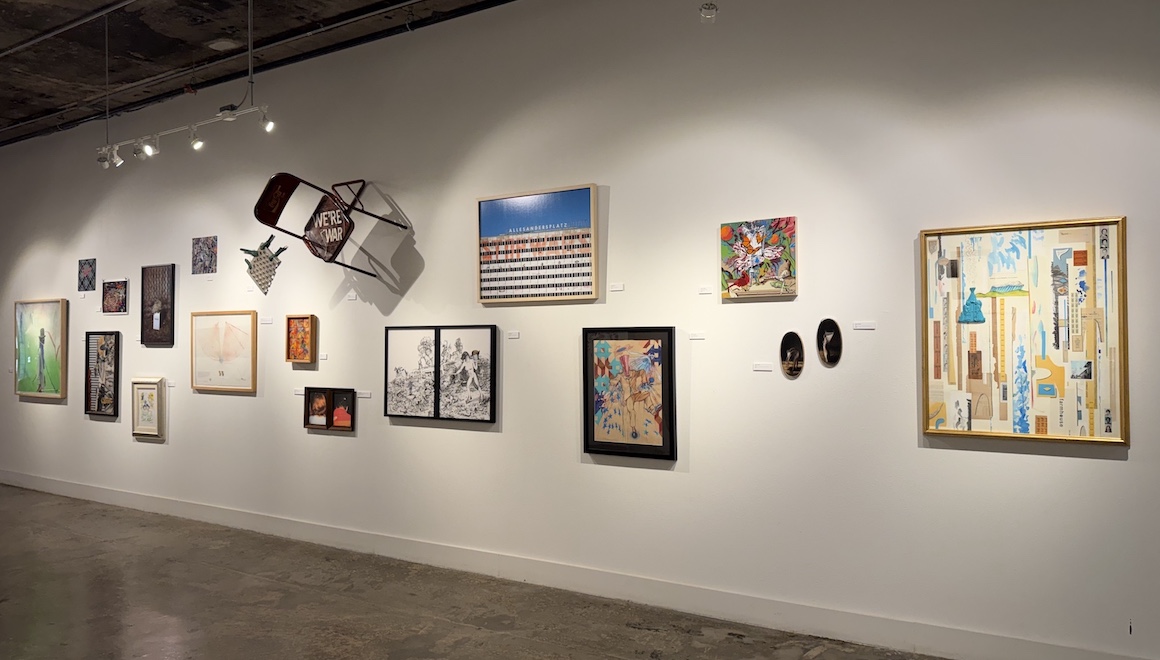
The article reflects on the overwhelming experience of massive group exhibitions, using examples like Lawndale's "The Big Show" (77 artists in 2025), "Hecho en Dallas" (66 artists), and the School of the Art Institute of Chicago's 1999 MFA thesis show (around 150 artists). The author, a gallerist, recounts visiting two recent San Antonio shows—"A Postmodernist Says ¿Que?" at Centro de Artes and "Fan of a Fan 3" at C7 Space—which feature dozens of works hung salon-style, forcing viewers to make choices about where to focus attention.

Where Art Meets Memory: The Gallery Kalo Journey

Gallery Kalo founder Përparim Kalo discusses the origins and philosophy of his Tirana-based gallery in a Q&A. Founded in 2014, the gallery began as a personal collection shared with the public and has since grown into a cultural meeting point that promotes artistic authenticity, inclusivity, and community engagement. Its vision has expanded beyond Tirana to villages along the Vjosa and Drino rivers, connecting art with landscape and local heritage.