filter_list Showing 145 results for "History" close Clear
dashboard All 211 museum exhibitions 145article local 19article culture 12candle obituary 12article news 11rate_review review 7trending_up market 3person people 1article policy 1
date_range Range Today This Week This Month All
Subscribe

“Primary Structures,” Turns 60

On April 28, 1966, The New York Times published a review by conservative critic Hilton Kramer of the Jewish Museum's exhibition “Primary Structures,” organized by curator Kynaston McShine. Kramer, disdainful of contemporary art, described the 42 American and British artists as rejecting personal expression and subjective inflection, yet he acknowledged the show as the first comprehensive glimpse of a style that would define the 1960s. The exhibition featured then-little-known artists including Carl Andre, Dan Flavin, Donald Judd, Sol LeWitt, Walter De Maria, Robert Morris, Anne Truitt, John McCracken, Larry Bell, Robert Smithson, Judy Chicago, Philip King, Michael Bolus, and David Annesley, and is now recognized as the ur-survey of Minimalism—a term McShine deliberately avoided.
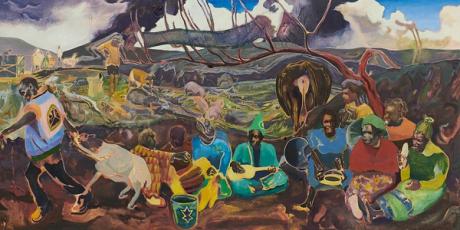
East Africa meets Western Europe as Michael Armitage takes on Venice's Palazzo Grassi

The artist Michael Armitage opens a monographic exhibition titled 'The Promise of Change' at Venice's Palazzo Grassi, featuring 46 large paintings and nearly 100 sketches that survey his past decade of work. At 42, Armitage is the youngest artist to receive a solo show at the palazzo, which is owned by François Pinault and has previously hosted Albert Oehlen, Luc Tuymans, and Marlene Dumas. The exhibition highlights Armitage's fusion of East African and Western European artistic influences, drawing on his upbringing in Kenya and his training at London's Byam Shaw School of Art, the Slade, and the Royal Academy.

Digital Art Pioneer Nancy Burson Collapses the Border Between Mysticism and Quantum Physics

Nancy Burson, a pioneering digital artist, presents her latest solo exhibition "Light Matter" at Heft Gallery in New York, featuring "Quantum Entanglement" paintings that appear as white dots on black canvases but reveal jittering forms and depth when viewed through a phone camera. The 78-year-old artist, known for her 1980s composite portraits blending faces of businessmen and movie stars, continues her exploration of perception and technology, claiming a special gift to perceive the universe's emergent energy grid. The exhibition runs through May 2.

Overlooked Artist Louisa Chase Returns to the Spotlight

Artnet News reports on a solo exhibition at Berry Campbell, New York, dedicated to overlooked American painter Louisa Chase (1951–2016). Titled "Louisa Chase: The Eighties," the show is the largest and most comprehensive survey of her work in 25 years and the first since the gallery began representing her estate. It features a curated selection of works on paper from the mid-1970s to mid-1980s, highlighting Chase's unique synthesis of abstraction and representation that positioned her between Neo-Expressionism and the New Image movement. Chase, who studied under Philip Guston at Yale, had major early success including solo shows at Robert Miller Gallery, appearances at the Whitney Biennial (1981, 1983), and inclusion in the American Pavilion at the Venice Biennale (1984), with works held by MoMA, the Met, the National Gallery of Art, and the Walker Art Center.

Au boulot ! 10 œuvres qui célèbrent le travail

Beaux Arts Magazine presents a feature on ten artworks that celebrate labor, from ancient Egyptian frescoes to modern depictions of workers. The article highlights pieces such as Pieter Brueghel the Elder's "The Harvesters" (1565), Diego Velázquez's "The Spinners" (c. 1657), and Johannes Vermeer's "The Milkmaid" (c. 1660), examining how artists have elevated peasant, artisan, and domestic work from background detail to central subject. The feature coincides with the Musée d'Orsay's nationwide initiative "100 œuvres qui racontent le travail" (100 Works That Tell the Story of Work), which explores the history and representation of labor in art.

Whitney Biennial 2026: Care, Catastrophe, and Private Gestures

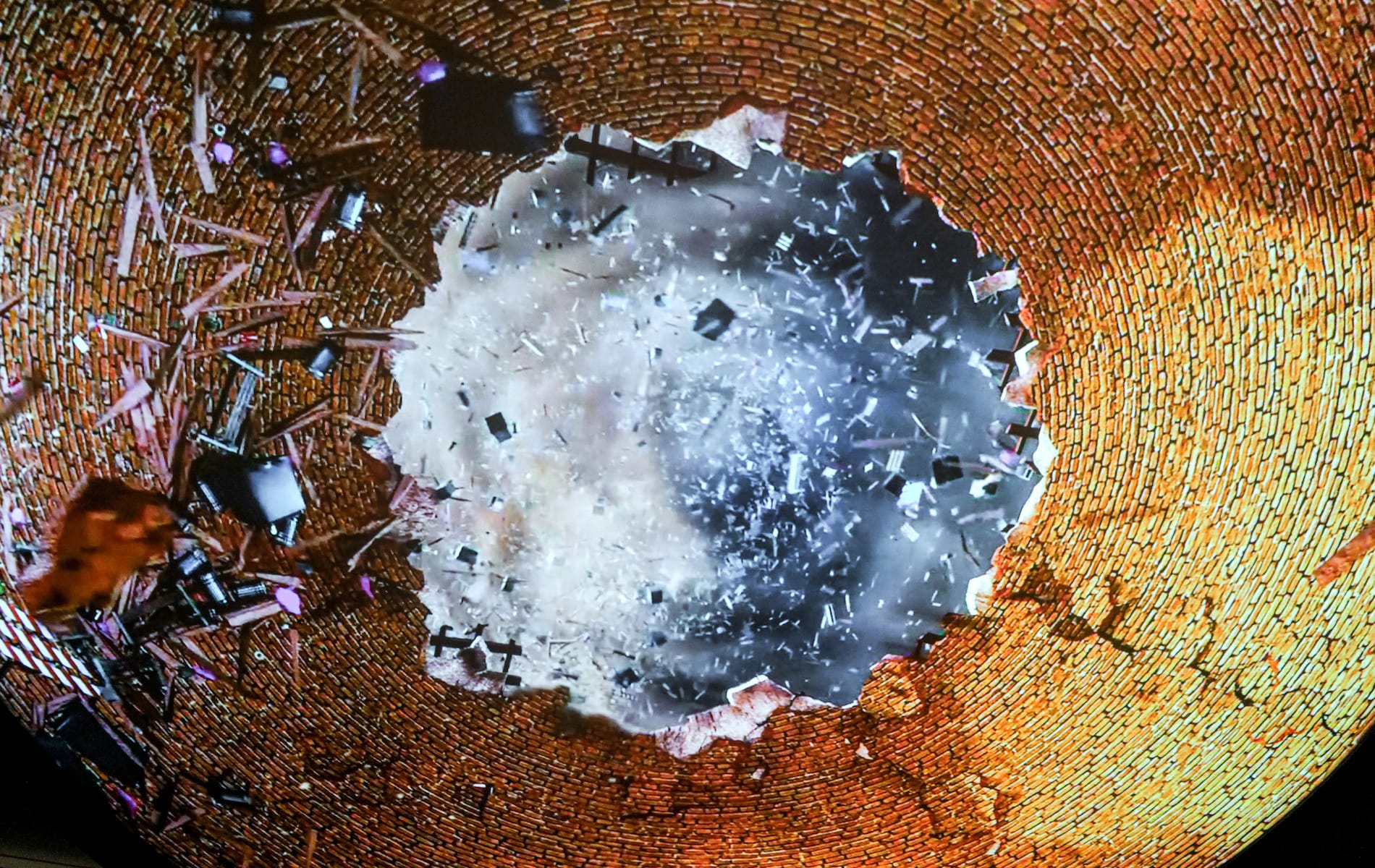
The Whitney Biennial 2026, the 82nd edition of the longest-running survey of American art, opened with a stripped-down, self-referential title and no subtitle, reflecting a moment of national self-questioning. The exhibition features 56 artists, duos, and collectives, with highlights including Agosto Machado's shrine sculptures dedicated to friends lost to AIDS, Emilie Louise Gossiaux's tender works about her guide dog London, and Michelle Lopez's apocalyptic video projection *Pandemonium*. Machado, a longtime downtown New York artist and caregiver, died shortly after the biennial opened, and his ashes are to be mixed with those of Marsha P. Johnson and spread in the Hudson River.

At MAXXI L'Aquila, exhibition dedicated to Ai Weiwei recounts catastrophes and memory

From April 29 to September 6, 2026, MAXXI L'Aquila presents "AI WEIWEI: Aftershock," an exhibition curated by Tim Marlow featuring approximately seventy works by Chinese artist, architect, and activist Ai Weiwei. The show spans his entire career, focusing on themes of earthquakes, wars, political repression, and memory. The centerpiece is the installation "Straight" (2009–2012), made from 150 tons of steel rods recovered from schools that collapsed in the 2008 Sichuan earthquake, displayed across three rooms. The exhibition is held at Palazzo Ardinghelli, a Baroque building that houses MAXXI L'Aquila and was itself restored after the 2009 L'Aquila earthquake, creating a dialogue between the works and the building's history of recovery.

The Relentless Avant-Garde of The Renaissance Society

The Renaissance Society at the University of Chicago, founded in 1915, has consistently championed avant-garde contemporary art from its modest gallery space on the fourth floor of Cobb Hall. Under the leadership of current director Myriam Ben Salah (since 2020), the institution continues its legacy of presenting visionary works by artists who later become household names, including Henri Matisse, Pablo Picasso, Man Ray, and Félix González-Torres. The article traces the society's history through its pioneering female directors—Eva Watson Schütze, Frances Strain Biesel, and Suzanne Ghez—who shaped its forward-thinking exhibition program, from early modernist shows to local Chicago talent and cross-disciplinary collaborations.

The Devil Wears Prada 2 to Lenny Henry: your complete entertainment guide to the week ahead

The Guardian's weekly entertainment guide highlights two major art exhibitions opening in May 2025: 'Aleksandra Kasuba' at Tate St Ives (2 May to 4 October) and 'Zurbarán' at the National Gallery, London (2 May to 23 August). The Kasuba show is the first UK presentation of the Lithuanian American artist's proto-immersive 'spatial environments,' featuring early paintings, mosaics, and installations focused on utopian social harmony. The Zurbarán exhibition presents a blockbuster survey of the 17th-century Spanish Baroque master, known for his intense religious subjects and dramatic chiaroscuro.

Simply divine: the extraordinary supernatural visions of Francisco de Zurbarán

Francisco de Zurbarán, one of the three great Spanish 17th-century painters alongside Velázquez and Murillo, is finally receiving his first solo exhibition in the UK at the National Gallery in London. The show highlights his distinctive style of religious painting, characterized by stark chiaroscuro, sculptural realism, and a meditative stillness that makes the immaterial seem tangible. Works such as his crucified Christ and The Apparition of Saint Peter to Saint Peter Nolasco exemplify his ability to depict visions and inner spirituality, often commissioned by powerful religious foundations in Seville during the Counter-Reformation.

Sue Webster: Fandoms and Icons

Sue Webster's solo exhibition 'Birth of an Icon' at Firstsite in Colchester traces her lifelong obsession with pop culture, from teenage fandom of Siouxsie Sioux to her evolution as an artist. The show features a sprawling installation 'The Crime Scene' (2017–) that maps her personal history through albums, newspaper clippings, and objects, alongside painted jackets and self-portraits. It marks a departure from her earlier work as half of the duo Tim Noble and Sue Webster, embracing a more personal, amateurish style that reflects her journey through adolescence, marriage dissolution, and motherhood.

Return of Aparicio painting to Prado exemplifies trajectory of human taste

The Prado Museum in Madrid has launched a new exhibition series called "A Work, a Story," beginning with José Aparicio's 1818 painting "El año del hambre de Madrid" (The Year of the Famine in Madrid). Once the museum's most popular attraction, the propagandistic work celebrating Spanish resistance to Napoleon fell from favor and was removed from display for over 150 years, residing in government buildings and other museums before returning to the Prado.

It’s not all movies: LA’s art, museums and exhibitions are world class

Los Angeles is expanding its cultural offerings with several new and renovated art institutions. The Museum of AI Arts, called Dataland, is set to open this spring at the Grand L.A. complex, created by artist Refik Anadol. It claims to be the world's first museum dedicated to AI art, featuring immersive installations like an Infinity Room with AI-generated scents. Meanwhile, the Natural History Museum completed a $75 million renovation in 2024, adding a 60,000-square-foot wing and displaying a unique green-boned dinosaur named Gnatalie, along with Barbara Carrasco's previously censored mural. The Los Angeles County Museum of Art is opening the David Geffen Galleries on May 4, a 110,000-square-foot space for its permanent collection.

Natasha Tontey to Unveil Major New Immersive Installation Exploring Indigenous Resistance During Venice Biennale

Artist Natasha Tontey will unveil a major immersive installation titled "The Phantom Combatants and the Metabolism of Disobedient Organs" during the Venice Biennale at the Ateneo Veneto di Scienze, Lettere ed Arti. Jointly commissioned by Berlin’s LAS Art Foundation and Helsinki’s Amos Rex, the work combines video, sound, light, and sculpture to reimagine the story of Len Karamoy, a combatant in the CIA-supported Permesta movement that fought the Indonesian government from 1957 to 1961 in North Sulawesi. Tontey, a Minahasan Indigenous artist, uses LiDAR, quantum ghost imaging, and other technologies to explore Indigenous identity, ecology, and the blurring of history and myth.

Sebastiaan Bremer: Super Modern Things

Edwynn Houk Gallery presents "Super Modern Things," an exhibition of new works by Sebastiaan Bremer. The artworks blend photography and painting, starting from historical source images such as 17th-century Dutch botanical catalogues and Golden Age still life paintings. Bremer photographs these reproductions and adds ink and acrylic marks—dots, lines, stains, and washes—creating rhythms that evoke language, music, emotion, and constellations. The exhibition continues his long-standing exploration of flowers and the layered histories of still life, addressing themes of beauty, mortality, value, ecology, and global exchange. An accompanying monograph of his flower series is scheduled for Fall 2026.

Forgotten 'environment' of 11 women artists brought back to life at Leeum

The Leeum Museum of Art in Seoul has opened "Inside other spaces: Environments by women artists 1956-1976," an exhibition restoring immersive artworks by 11 women artists from Asia, Europe, and South America, including Jung Kang-ja, Judy Chicago, Tsuruko Yamazaki, and Aleksandra Kasuba. The show revives pieces that were often dismantled after their original displays, such as Jung Kang-ja's "Incorporeal Exhibition," which was destroyed in 1970 after being deemed political propaganda under South Korea's authoritarian regime. Curators Andrea Lissoni and Marina Pugliese, who first organized the project at Haus Der Kunst in Munich, worked with researchers to reconstruct the works using archival materials, correspondence, and blueprints.

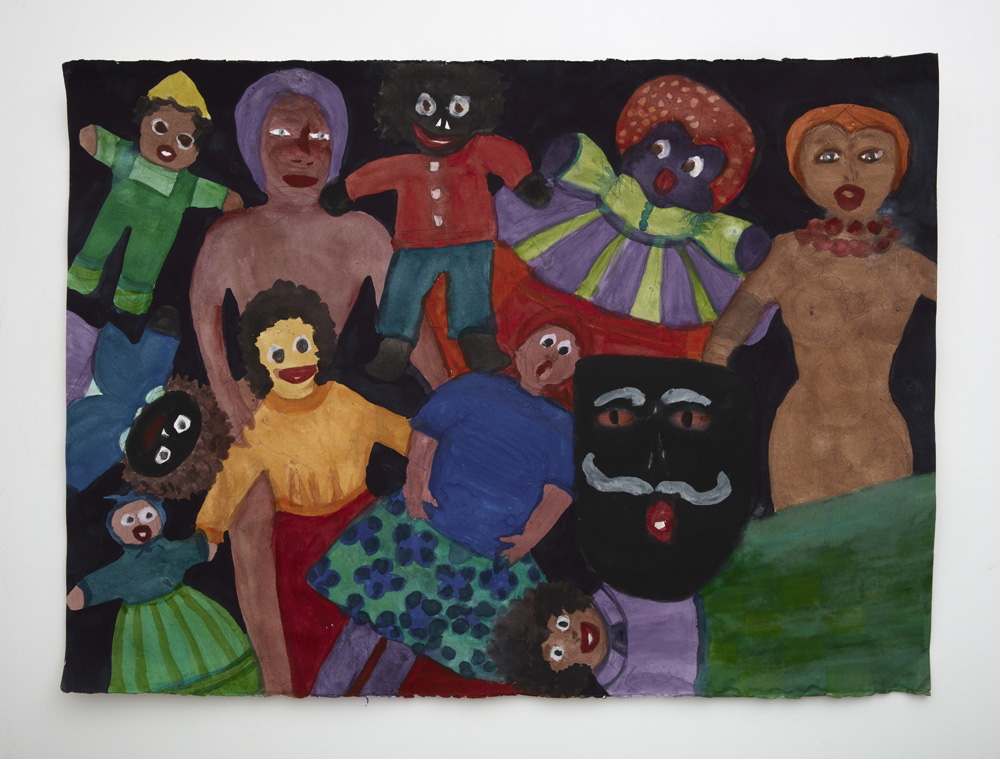
The New York Historical Celebrates Artist Betye Saar’s 100th Birthday with a New Exhibition Featuring Her Black Doll Collection

The New York Historical will present "Betye Saar’s Black Dolls" from May 8 to October 4, 2026, celebrating the artist’s 100th birthday. The exhibition features 27 dolls from Saar’s promised gift of over 100 Black dolls to the museum, alongside 15 watercolors and several assemblages, including "Hoo Doo Woman" (1974) and "Indigo Mercy" (1975). Saar, a key figure in the Black Arts and feminist art movements, began collecting Black dolls in the late 1960s after growing up without one.

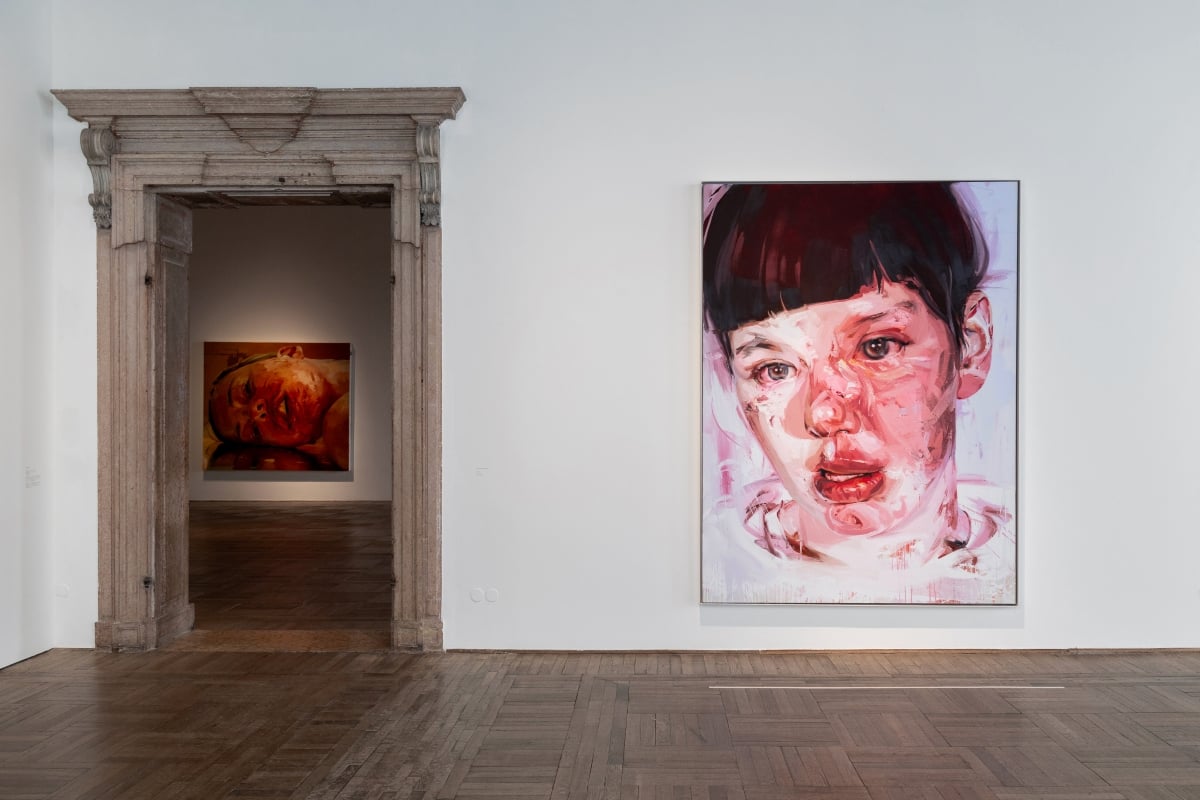
A Venezia una mostra ripercorre l’opera di Jenny Saville con un inedito omaggio a Tiziano. La recensione

A major solo exhibition of British painter Jenny Saville has opened at Ca' Pesaro in Venice, tracing her career from early works like "Propped" (1992) and "Hybrid" (1997) to new paintings explicitly inspired by Titian. The show, curated by Elisabetta Barisoni, highlights Saville's monumental female nudes, her engagement with Renaissance masters, and her place within the Young British Artists generation that also included Damien Hirst and Tracey Emin.

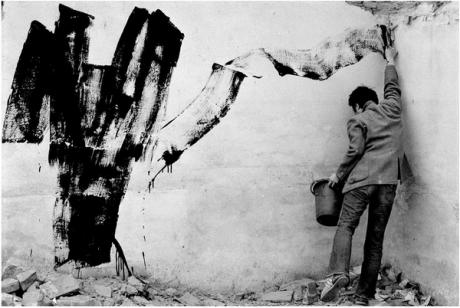
The forgotten Chinese conceptualists: Melbourne show brings together works by New Measurement Group

An exhibition at Buxton Contemporary in Melbourne, titled "Poetry Goes No Further Than Language: a Historical Moment of Art Becoming Art Again," brings together the complete artistic output of the New Measurement Group, a pioneering Chinese conceptual art collective from Beijing, alongside four conceptual experiments by Shanghai-based artist Qian Weikang. Curated by Carol Yinghua Lu and artist Liu Ding, the show aims to reassess early Chinese conceptual art, featuring works by the New Measurement Group (Chen Shaoping, Gu Dexin, Wang Luyan), pieces from the New Wave art movement, and new commissions by Melbourne artist Darcey Bella Arnold. The curators faced challenges locating the group's five publications, including one purchased on eBay from Europe, and used re-enactment and re-fabrication to recreate lost works like Qian's "Ladder Poem" (1990).

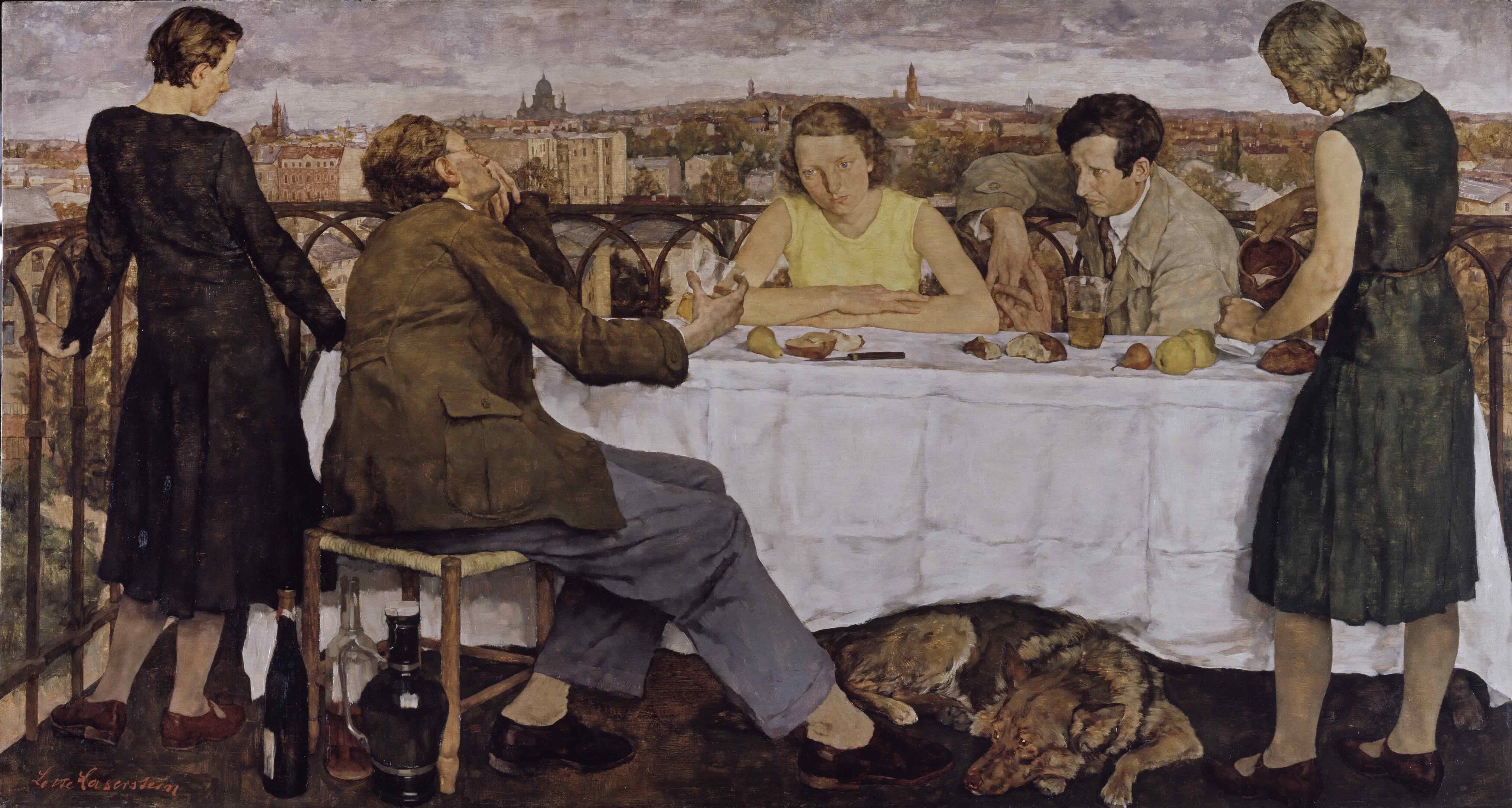
How much Berlin fits on 230 square meters?

Wie viel Berlin passt auf 230 Quadratmeter?

The Neue Nationalgalerie in Berlin has opened a compact exhibition titled "Ruin und Rausch: Berlin 1910–1930," featuring 35 works across just 230 square meters in a side cabinet of the lower floor. The show uses paintings, sculptures, film clips, and audio poems to tell the story of Berlin between World War I and the Nazi takeover, contrasting themes of excess and poverty, emancipation and extremism. It is structured in three chapters: "Berlin im Taumel" (Berlin in Frenzy), "Schatten der Großstadt" (Shadows of the Big City), and "Die Urbane Frau" (The Urban Woman), with works by artists such as Ernst Ludwig Kirchner, Otto Dix, and Otto Nagel.

Au Louvre, l’ambitieuse restauration du cycle de Marie de Médicis

The Louvre Museum in Paris is undertaking an ambitious restoration of Peter Paul Rubens's monumental cycle of 24 paintings depicting the life of Marie de Médicis. The project, which will take four years and cost €4 million funded by the Société des Amis du Louvre, begins this autumn with the paintings being restored in situ in the Médicis Gallery. The gallery will close in May to prepare the space as a restoration workshop, where two teams of 10–15 restorers will work simultaneously on cleaning, relining, and filling gaps. The last major restoration of the cycle dates to the 1950s, and recent diagnostics revealed yellowed varnish, discordant repaints, and flaking paint layers that risk irreversible loss.

Fascinante artiste des Années folles, Sarah Lipska remise en lumière dans une exposition à Poitiers

The Musée Sainte-Croix in Poitiers, France, is hosting a new exhibition reviving the legacy of Sarah Lipska, a Polish-born artist who thrived in 1920s Paris as a costume designer, decorator, and fashion creator. Once a celebrated figure with her own boutique on the Champs-Élysées, Lipska collaborated with Léon Bakst and designed for the theater, including the operetta 'Annabella' (1922), before falling into obscurity. The museum, which holds the world's largest collection of her work, has built this through decades of acquisitions and a major donation from Lipska's daughter.

At Yale: the commercial empire within the British empire

The Yale Center for British Art presents 'Painters, Ports, and Profits,' an exhibition of 115 items spanning a century of art and history, focusing on the East India Company's commercial empire. The show includes paintings, prints, drawings, books, and artifacts such as a 37-foot watercolor scroll of Lucknow (1826) and works by Indian artist Gangaram Chintaman Navgire Tambat, who emerges as the artistic star with 20 pieces. It also features prints of the company's opium factory and 'The Opium Fleet Descending The Ganges' by Walter Stanhope Sherwill, highlighting the company's role in the Opium Wars with China.

Five Independent Souls: The Signers from New Jersey

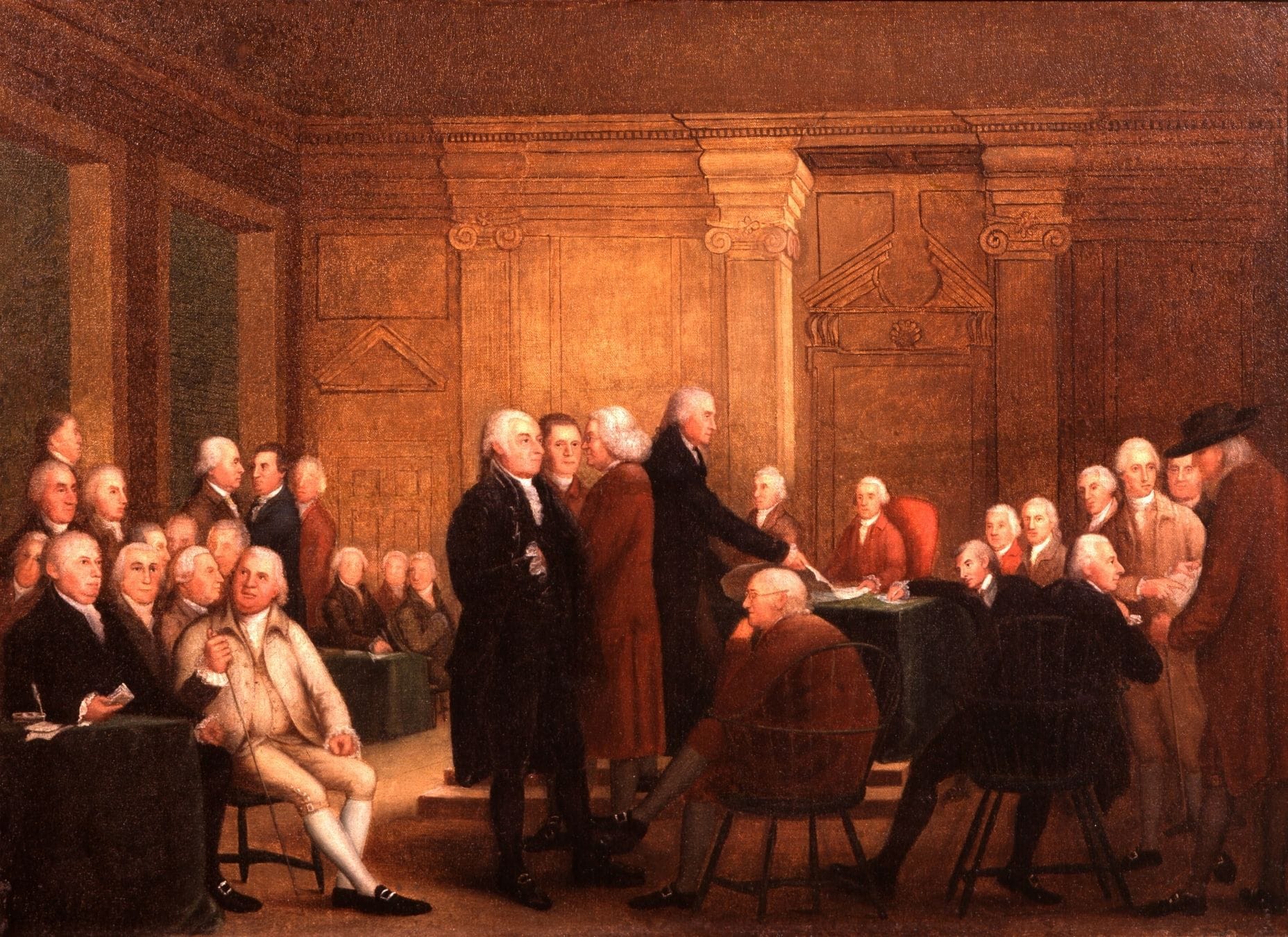
Morven Museum & Garden in Princeton, New Jersey, is presenting "Five Independent Souls: The Signers from New Jersey," an exhibition opening May 3, 2026, through January 17, 2027. The show examines the lives of five lesser-known signers of the Declaration of Independence—Abraham Clark, John Hart, Francis Hopkinson, Richard Stockton, and John Witherspoon—through over 100 historic artifacts including manuscripts, paintings, furniture, and personal objects. It confronts the paradox that these men fought for liberty while enslaving people, and also addresses the impact of American independence on New Jersey's indigenous population. Highlights include the painting "Congress Voting Independence" (1796-1817), the first known American depiction of the vote for Independence.

Meet the Mona Lisa! A free new immersive exhibition opens at Hong Kong Heritage Museum

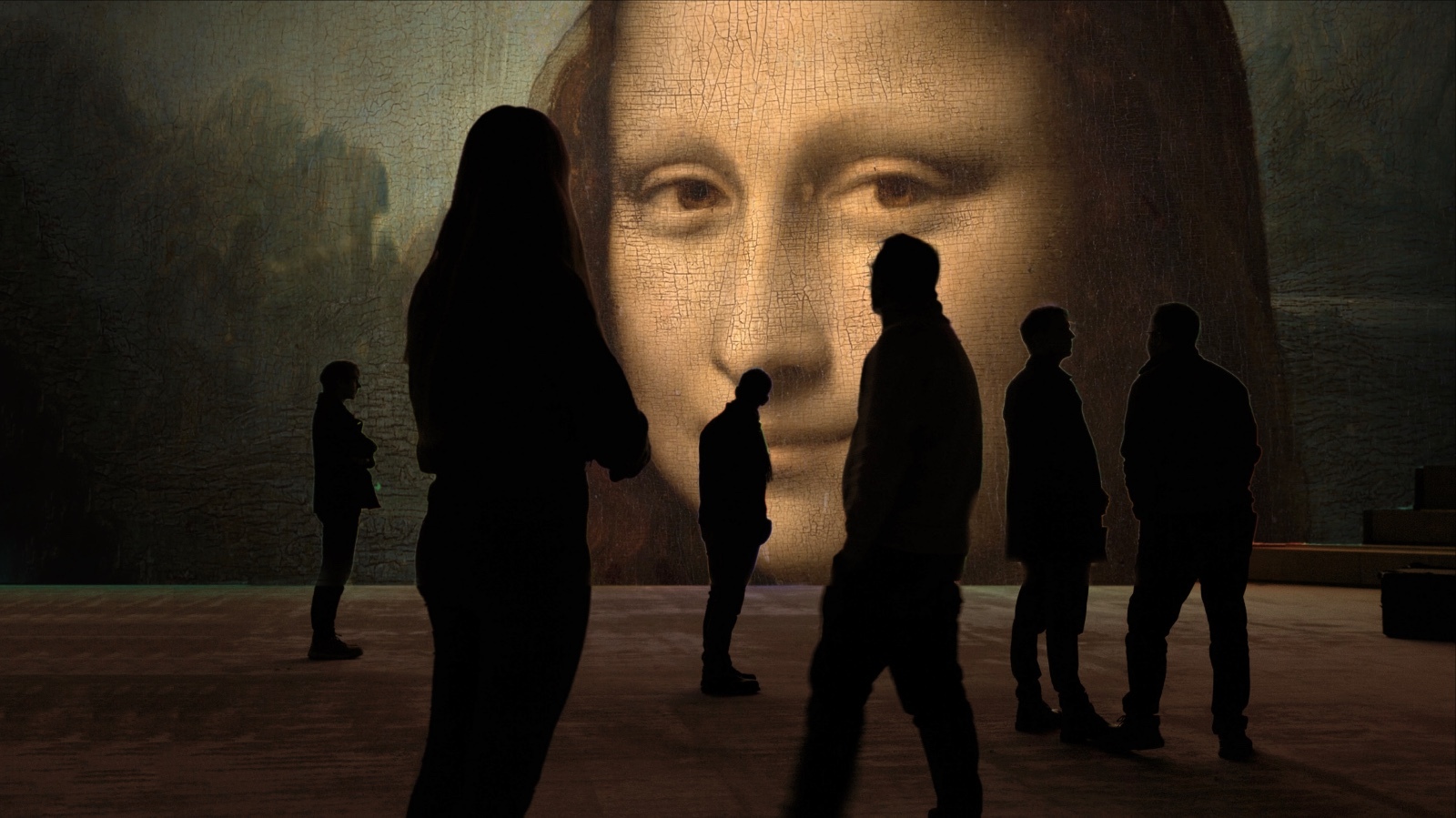
A free immersive digital exhibition titled 'Meet Mona Lisa & Portraying the Renaissance' opens on May 1 at the Hong Kong Heritage Museum, running through July 27. Created in collaboration with the Musée du Louvre and the Grand Palais Immersif, the show is split into two sections: a multimedia journey guided by a narrated Mona Lisa across six chapters, including an interactive photo booth, and a second section featuring over 100 Renaissance treasures from European institutions. Highlights include four original manuscripts of the human body and faces by Leonardo da Vinci, shown for the first time in Hong Kong, alongside loans from the Pinacoteca Ambrosiana, the Musée national de la Renaissance, works by mainland artist Xu Lei, and items from the museum's own collection.

Summer Previews: The Season’s Most Anticipated Shows

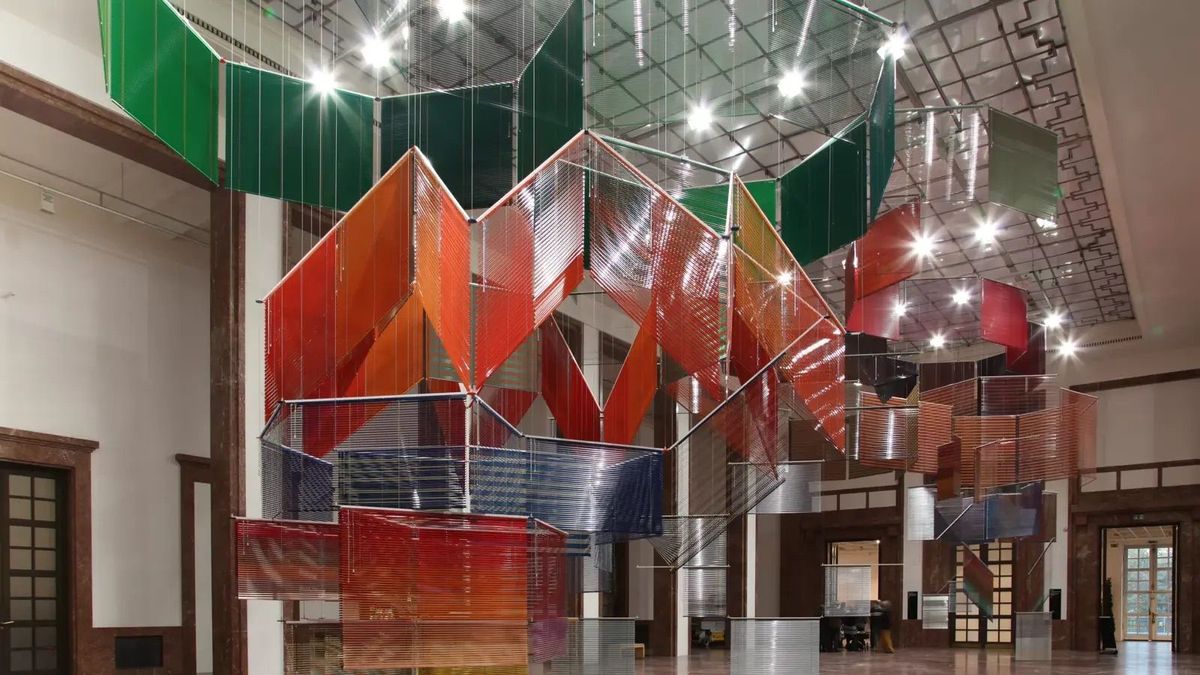
Artforum's editors preview twenty-five anticipated institutional exhibitions opening worldwide between May and August. Highlights include "Fade" at the Studio Museum in Harlem, the latest in its career-making "F show" series featuring seventeen emerging artists of African descent; "Modernity and Opulence: Women of the Wiener Werkstätte" at the Jewish Museum in New York, showcasing over 180 women designers from Austria's famed atelier; "Replica of a Chip: The Weaving Technology of Marilou Schultz" at the Hessel Museum of Art, exploring the intersection of Navajo weaving and microchip history; the 59th Carnegie International at the Carnegie Museum of Art, with 61 artists spread across Pittsburgh venues; and "Mary Ellen Carroll: How to Talk Dirty and Influence People" at the Contemporary Arts Museum Houston.

This Y/Project Suit Defines The Met’s “Costume Art” Exhibition

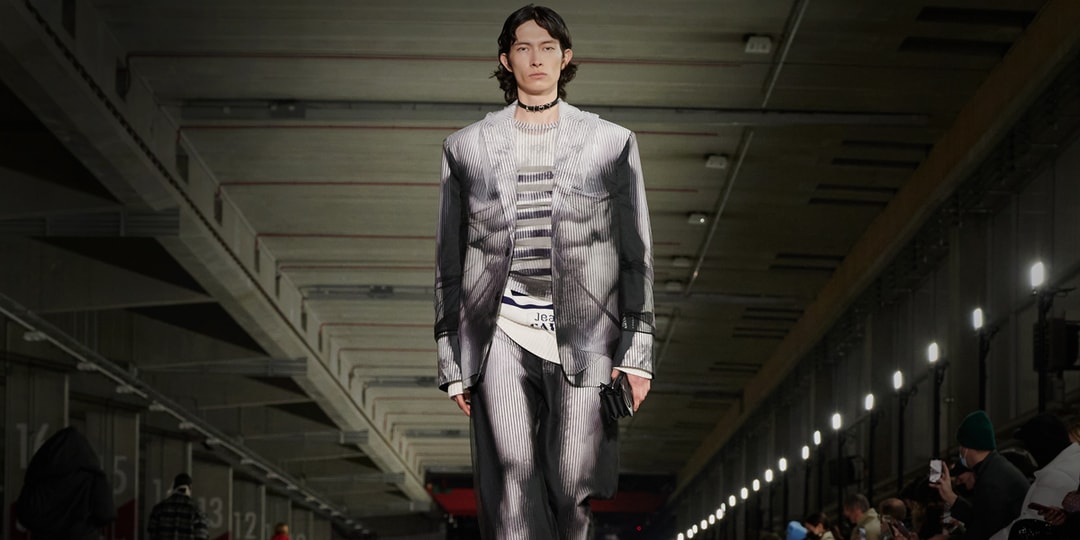
The Metropolitan Museum of Art has announced its 2026 exhibition "Costume Art," which will inaugurate the new Condé M. Nast Galleries. Curator Andrew Bolton explains the show will focus on the dressed body's connection to art history, emphasizing materiality and corporeality over visuality. A key preview piece is a Y/Project suit from FW22, designed by Glenn Martens and Jean Paul Gaultier, featuring a trompe-l'oeil nude male figure that will be displayed alongside a 1st–2nd century CE marble statue of Diadoumenos. Other sections include "The Naked Body," "The Aging Body," and "The Anatomical Body."

National Museum of Asian Art Opens New Exhibition in June About Its Origin Story

The Smithsonian's National Museum of Asian Art will open a new exhibition titled "A Museum in the Making" on June 27, 2026, running through August 8, 2027. The show explores the origin story of the Freer Gallery of Art, America's first national art museum, by examining how collector Charles Lang Freer used his Detroit home as a living laboratory for museum design. It highlights collaborations with artists and architects, including James McNeill Whistler, Stanford White, and Mary Chase Perry Stratton, and features a video walkthrough of the Freer House. The exhibition is part of the nation's 250th anniversary celebrations and the Smithsonian's broader "Our Shared Future" initiative.

Exhibition | Haegue Yang, 'Leap Year' at Hayward Gallery, London, United Kingdom

The Hayward Gallery in London is presenting 'Leap Year', the first major UK survey of internationally celebrated artist Haegue Yang. The exhibition spans Yang's career from the early 2000s to the present, featuring key works from her Light Sculptures and Sonic Sculptures series alongside three new commissions. Yang's practice incorporates a vast range of media—from paper collage and performative sculpture to immersive sensory installations—using household and industrial objects such as drying racks, light bulbs, metal-plated bells, and hanji (Korean paper) to explore themes of labour, migration, and displacement.

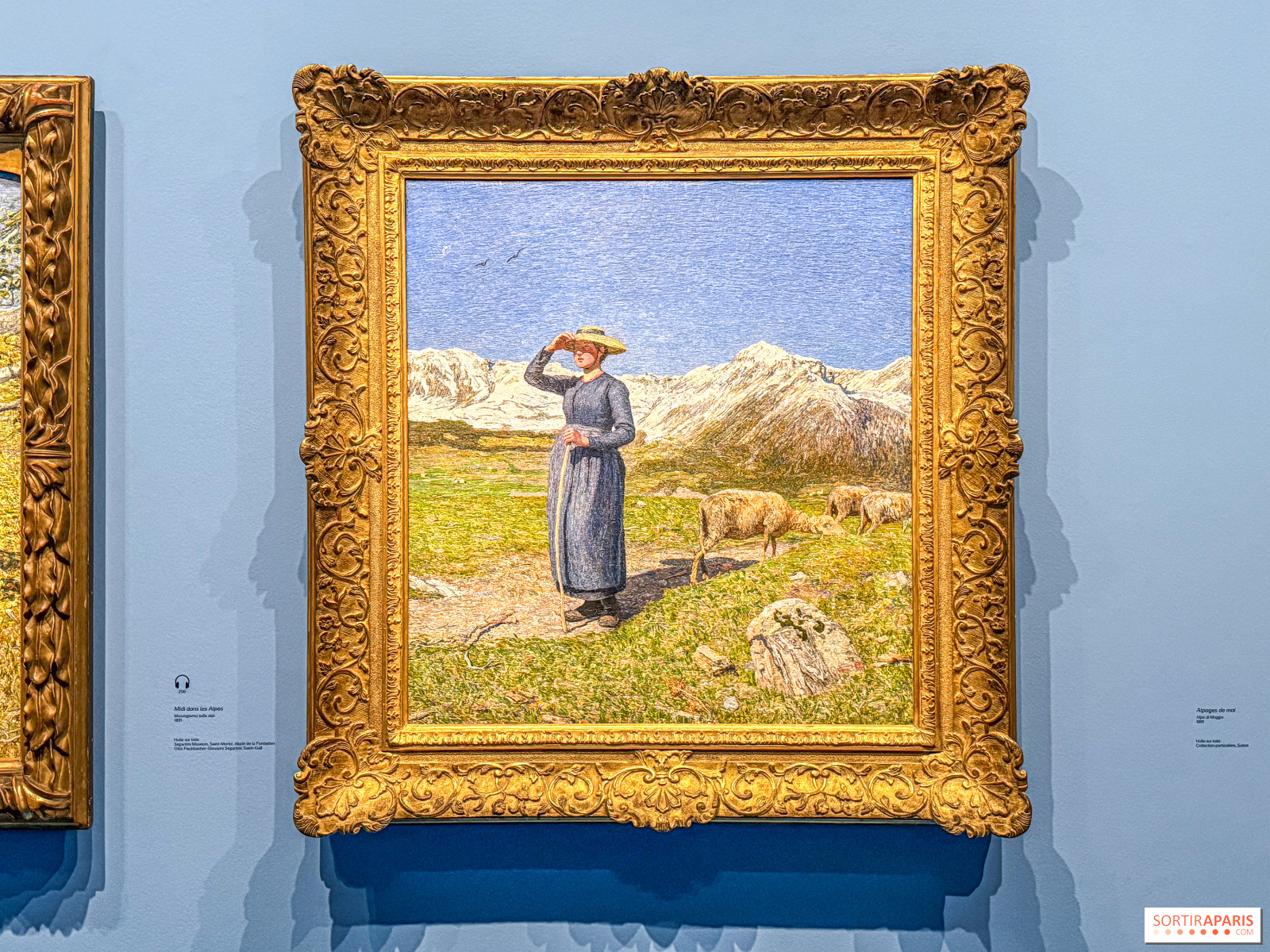
Giovanni Segantini at the Marmottan Monet Museum: our photos from the exhibition on the painter of the Alps

The Marmottan Monet Museum in Paris has opened a major retrospective of Giovanni Segantini, an Italian painter known for his Symbolist and Divisionist Alpine landscapes. Titled "I Want to See My Mountains," the exhibition runs from April 29 to August 16, 2026, and features over 60 works including oil paintings, pastels, and drawings, plus around 30 works on paper from European collections. Curated by Gabriella Belli and Diana Segantini, the show traces Segantini's artistic journey from his early days in Italy to his time in the Engadine Valley in Switzerland, where he found inspiration in mountain landscapes. The exhibition is divided into ten sections and also includes a contemporary tribute to Anselm Kiefer, whose works create a dialogue with Segantini's vision.