
filter_list Showing 3 results for "Recurso" close Clear
search
dashboard All 3 museum exhibitions 3
date_range Range Today This Week This Month All
Subscribe

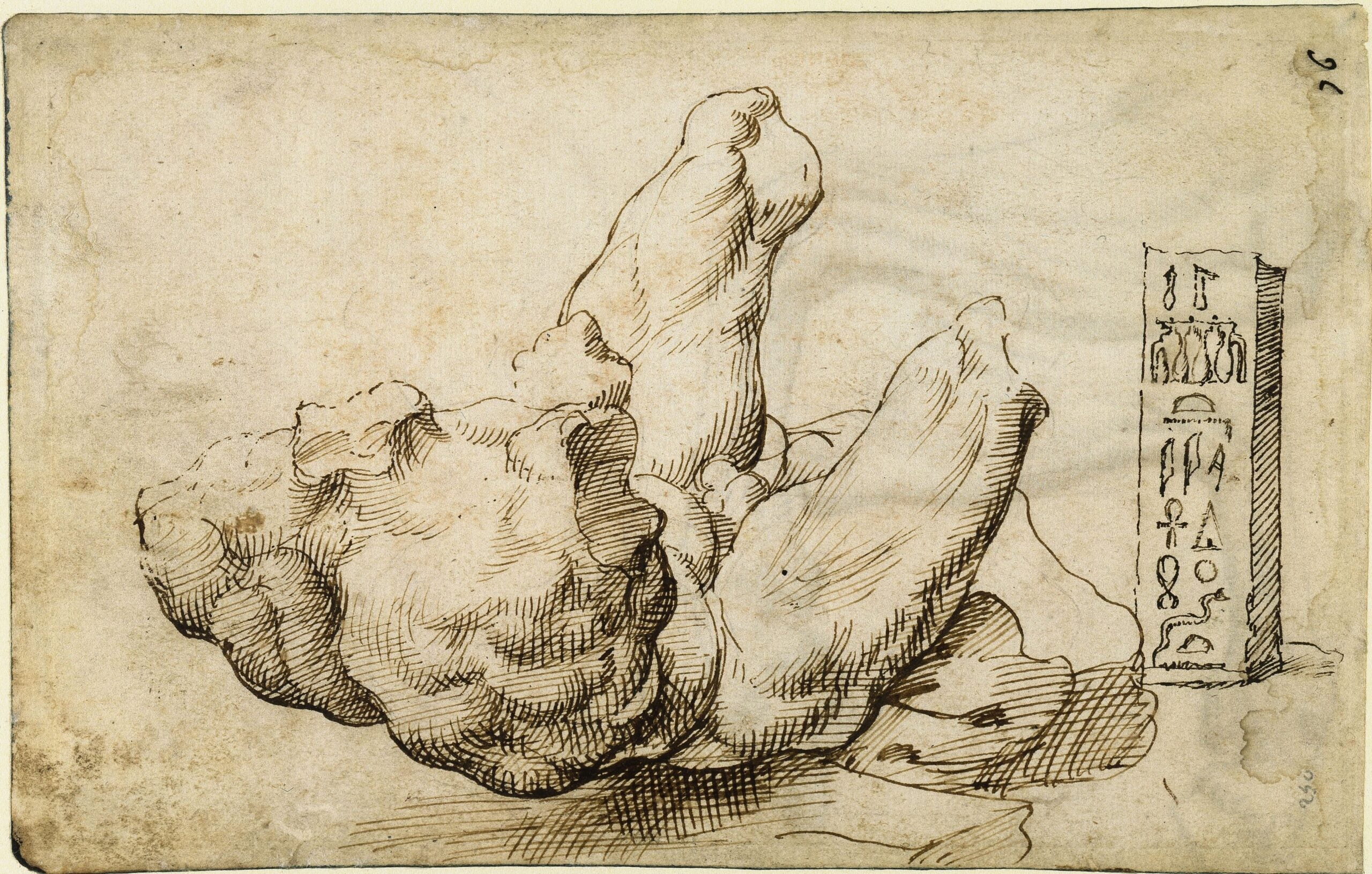
Rediscovering the Eternal City of the 1500s in the drawings of Maarten van Heemskerck. The exhibition in Rome

Riscoprire la Città Eterna del ‘500 nei disegni di Maarten van Heemskerck. La mostra a Roma

A major exhibition at Palazzo Poli in Rome, hosted by the Istituto Centrale per la Grafica, showcases a selection of drawings by Dutch artist Maarten van Heemskerck (1498–1574) from his so-called 'little sketchbook,' now held at the Kupferstichkabinett in Berlin. The show, titled 'Maarten van Heemskerck e il fascino di Roma' and running until June 7, presents the artist's meticulous studies of Roman antiquities made during his four-year stay in the city from 1532, offering a rare visual record of Renaissance Rome's ancient collections before and after the 1527 Sack of Rome.
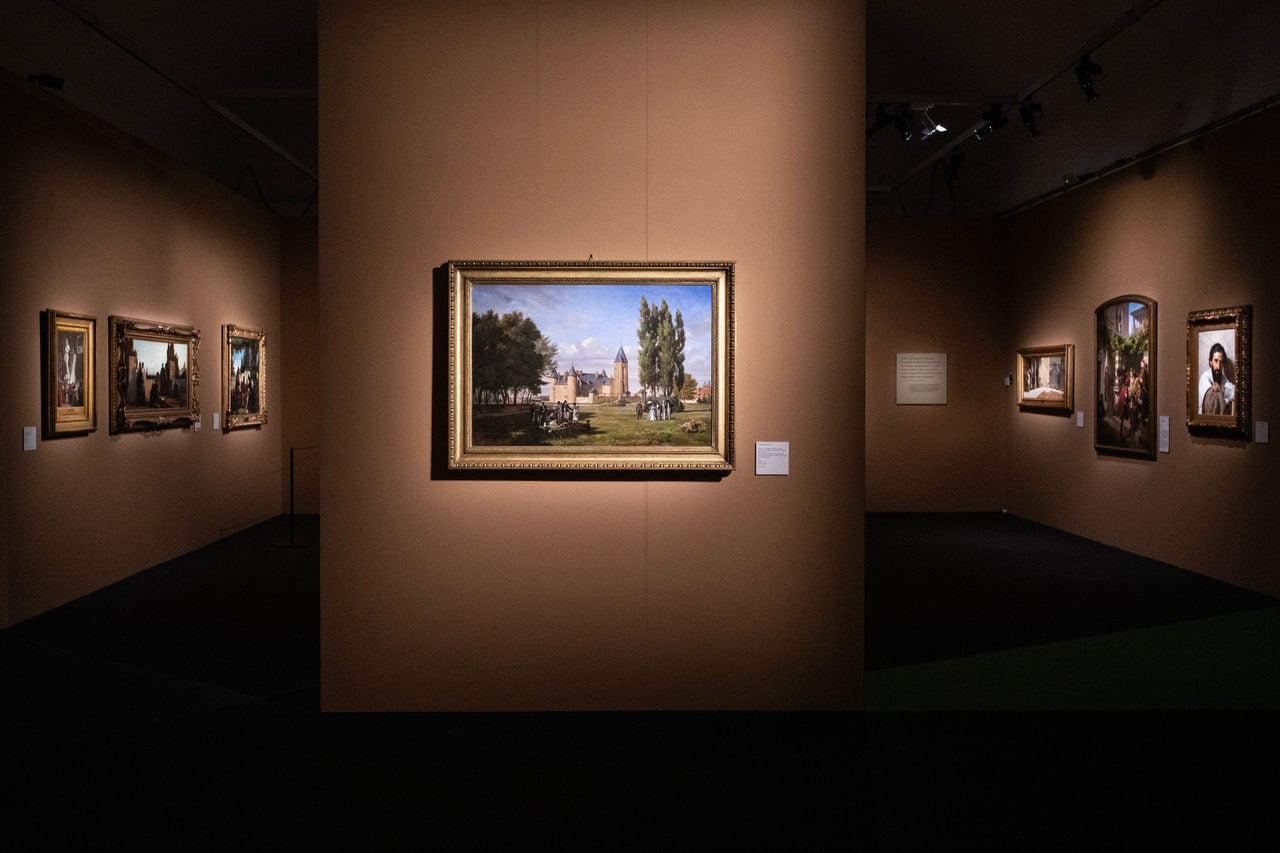
A Milano una grande mostra a Palazzo Reale racconta i Macchiaioli (e l’Italia del loro tempo)

A major exhibition at Palazzo Reale in Milan explores the Macchiaioli, the 19th-century Italian painting movement often seen as a precursor to Impressionism. The show brings together works by key figures such as Giovanni Fattori, Silvestro Lega, Telemaco Signorini, Giuseppe Abbati, and Odoardo Borrani, alongside tangential artists like Giovanni Boldini, Federico Faruffini, and Gerolamo Induno. It traces the movement's origins at Florence's Caffè Michelangiolo, its epicenter at Castiglioncello under patron Diego Martelli, and its evolution from the 1850s through the 1870s, when the group's democratic ideals and en plein air techniques challenged academic conventions.

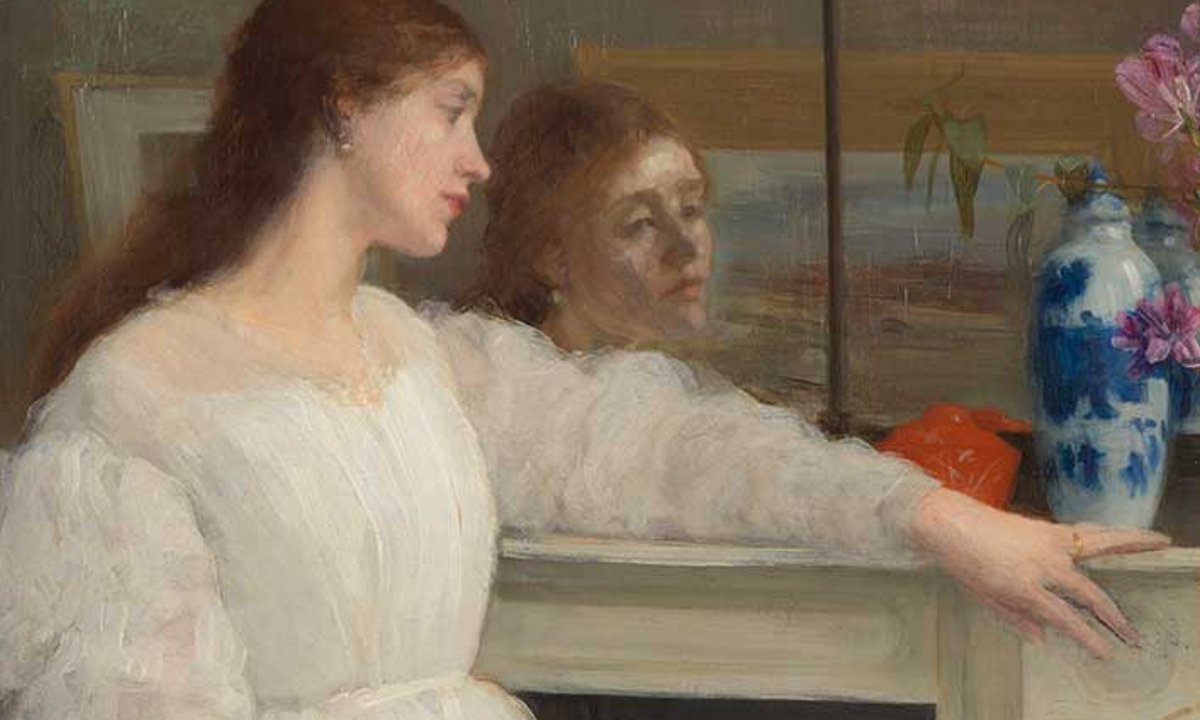
James McNeill Whistler was more than just a combative ‘coxcomb’

Carol Jacobi, curator of a new exhibition at Tate Britain in London, aims to reframe the legacy of James McNeill Whistler (1834-1903), an artist often reduced in public memory to his 1877 libel lawsuit against critic John Ruskin. The show, the UK's first full Whistler survey since 1994, highlights his prolific output, evolving style, and belief that art should seek "a more fundamental beauty" beyond mere impression. It brings together many of his celebrated nocturnes and, for the first time, his sketchbooks, though the infamous Nocturne in Black and Gold: The Falling Rocket (1875) could not be loaned.