filter_list Showing 178 results for "Discovery" close Clear
search
dashboard All 545 article news 178museum exhibitions 178trending_up market 93article local 32article culture 31gavel restitution 15person people 9article policy 3article event 2candle obituary 2rate_review review 2
date_range Range Today This Week This Month All
Subscribe

Megamurals, Guerrilla Girls and something rotten in the Oval Office – the week in art

The Guardian's weekly art roundup highlights several exhibitions, including Wilhelm Sasnal's politically charged paintings at Sadie Coles HQ in London, a Joan Eardley retrospective in Edinburgh, and a Guerrilla Girls show in East Sussex. It also reports on Art UK's digitization of over 6,700 UK murals, the theft of Impressionist paintings from an Italian museum, and the discovery of a stolen ancient gold helmet.
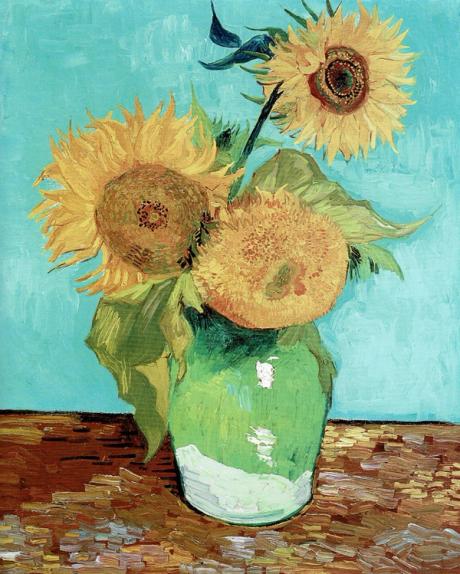
Revealed: the amazing frame once created for Van Gogh’s Sunflowers

A long-lost, custom-designed Art Deco frame for Vincent van Gogh's painting "Three Sunflowers" has been identified through archival research. The frame, which featured a dark lacquer finish, randomly placed gold circles, and angled outer edges, was commissioned by the Parisian couturier and collector Jacques Doucet shortly after he acquired the painting in 1912. Its existence was pieced together from a 1930s interior photograph, a 1967 family snapshot, and a frame sold at Sotheby's in 1989, allowing for a digital reconstruction of the complete artwork.

Art Basel Curbs Pre-Fair Sales—and More Art Industry News

Art Basel has launched a "Basel Exclusive" initiative to curb pre-fair PDF sales, encouraging galleries to withhold works from previews to drive in-person discovery at its flagship Swiss event (June 16–21). Around 170 of 232 exhibitors have opted in. Meanwhile, Volta returns to Basel with a new "5,000 Edit" section for works under CHF 5,000 to attract younger collectors, and the alternative fair Esther will hold its third edition in New York during Frieze Week. In other news, Sotheby's set a U.S. record for design auctions with the Jean and Terry de Gunzburg collection totaling $96 million, and billionaire collector Mitchell P. Rales pledged $116 million to the National Gallery of Art to fund loans to smaller museums. The Smithsonian American Art Museum named Lynda Roscoe Hartigan as its new director, and Gladstone Gallery plans a new Seoul space for 2026.

david wojnarowicz mural rediscovered kentucky

In 1985, David Wojnarowicz and other New York artists traveled to Louisville, Kentucky, to create site-specific murals for a weeklong fundraiser benefiting the Kentucky Child Victims' Trust Fund. The murals were expected to be destroyed after the event, but in 2023, the Wojnarowicz Foundation discovered that Wojnarowicz's mural, titled 'The Missing Children Show' Mural, had survived behind a false wall. However, the work has since been covered again, leaving its fate uncertain.

art culture technology photography ai

This article from Cultured magazine presents a roundup of five distinct stories spanning art, culture, and technology. It features a new column by psychoanalyst Jamieson Webster in conversation with artist Mindy Seu about digital libidinal history; an analysis of the declining photography auction market by collector Ralph DeLuca; a review of the Los Angeles art scene by Juliana Halpert; a guide to Paris Art Week following a heist at the Louvre and the opening of Art Basel Paris; and a report on the Fondation Louis Vuitton's retrospective of Gerhard Richter curated by Nicholas Serota and Dieter Schwarz.

Rare Medieval Seal Rediscovered After 40-Year Disappearance

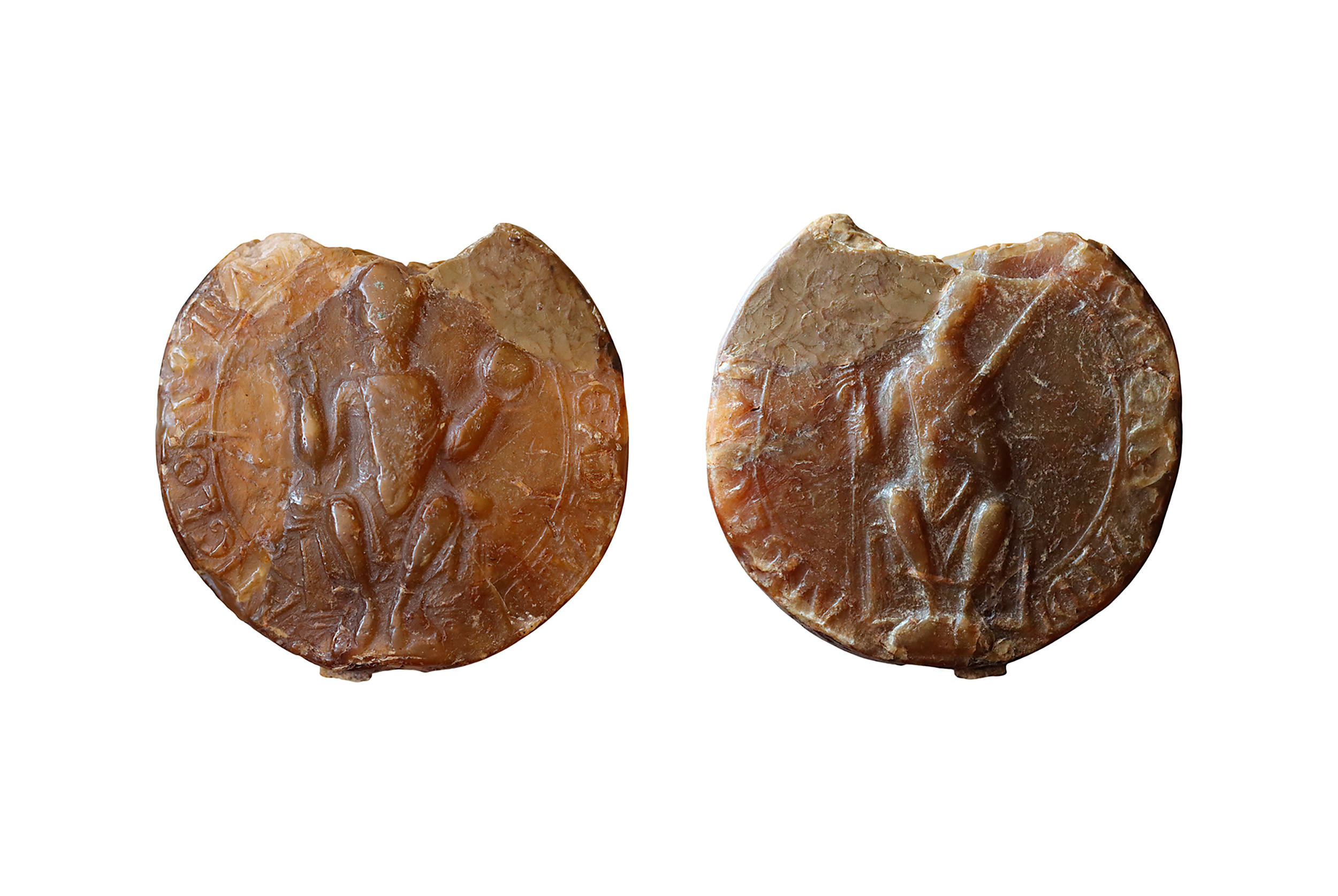
A rare 11th-century wax seal belonging to the Anglo-Saxon king Edward the Confessor has been rediscovered in France’s National Archives after being missing for over 40 years. The artifact, known as the Saint-Denis seal, was not stolen but rather misplaced due to a clerical error during a conservation transfer decades ago. It was identified by doctoral student Guilhem Dorandeu, who noticed the misfiled item while conducting research.

Researchers Identify Enslaved Boy in Joshua Reynolds Painting

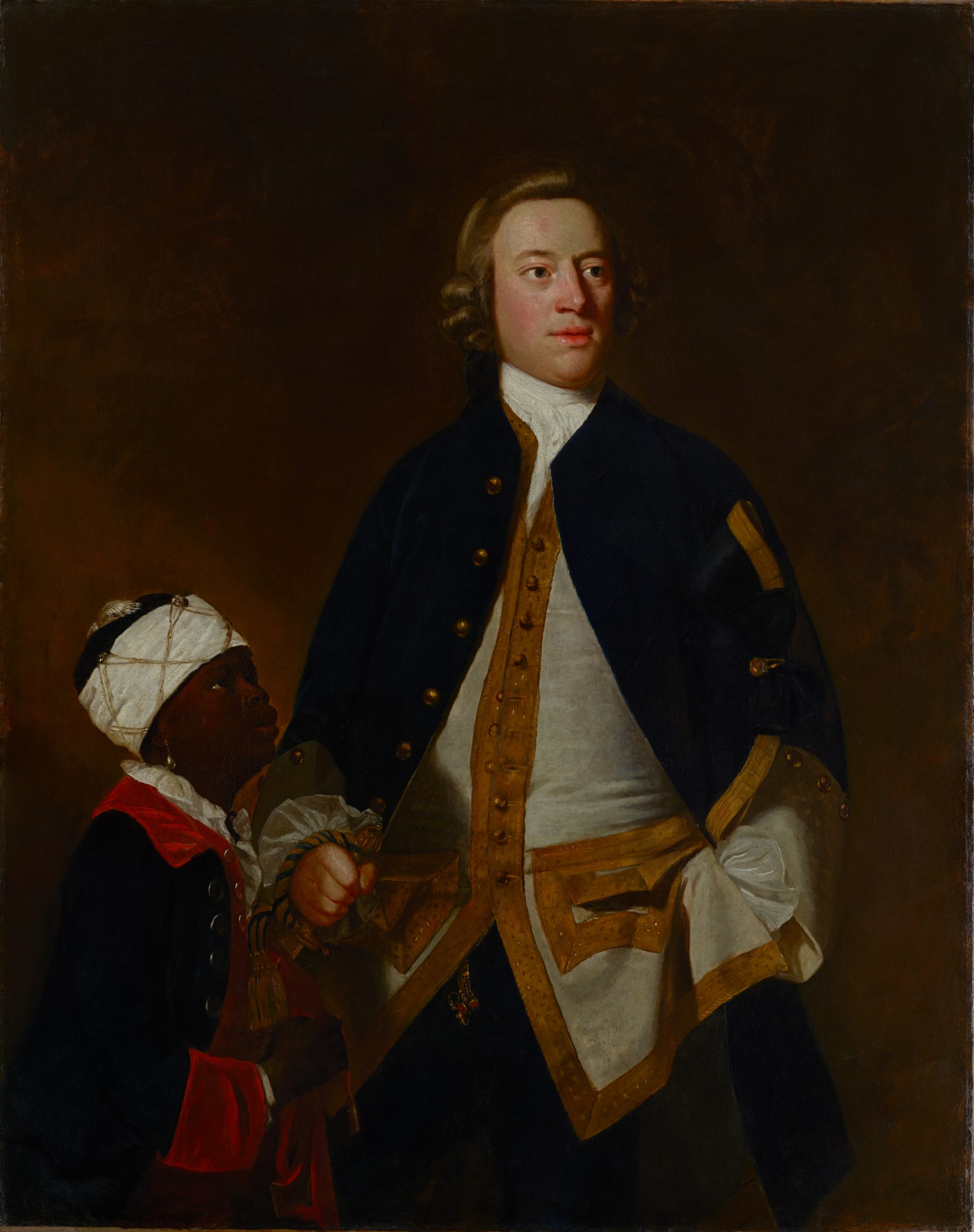
Researchers in the U.K. have identified the enslaved boy depicted in Joshua Reynolds's 1748 painting of Royal Navy lieutenant Paul Henry Ourry. For centuries known only as "Jersey," the boy has been identified as George Walker, also called Boston Jersey, through baptismal and admiralty records. Walker was baptized at age 15 in Westminster in 1752, served on HMS Monmouth and HMS Deptford, and was discharged in 1753, after which his fate remains unknown. The research, a collaboration between the National Trust, the National Gallery in London, and Royal Museums Greenwich, also used scientific analysis to reveal Reynolds's original compositional intentions.

See Inside the Long-Lost Lee Miller and Cecil Beaton Album Full of WW2-Era Photographs

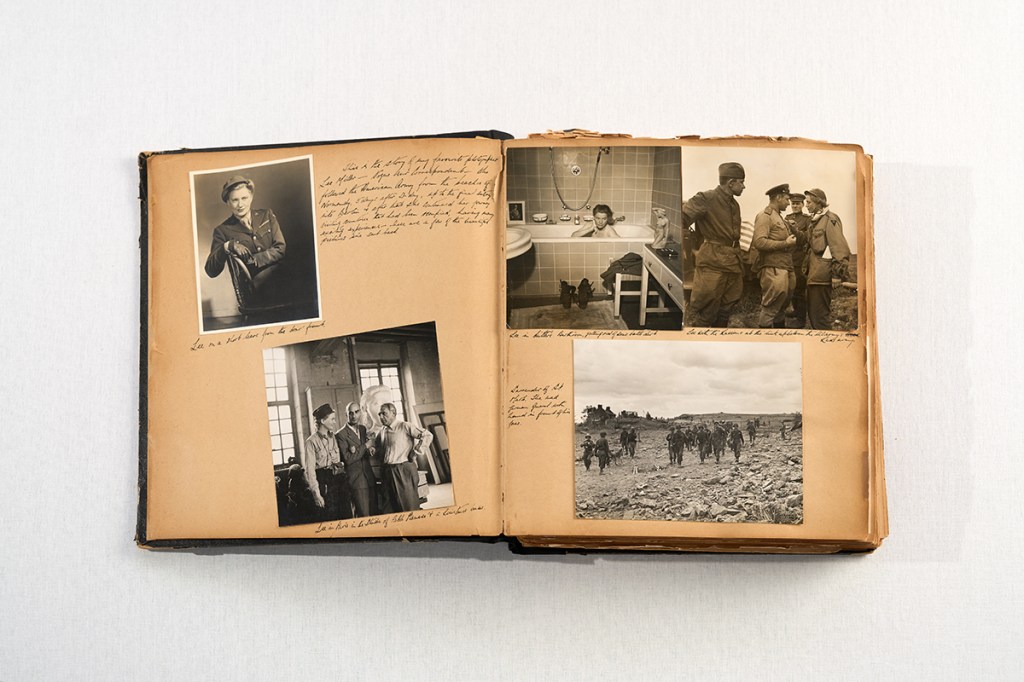
The Bodleian Libraries at the University of Oxford has acquired a rare photographic "daybook" compiled by Roland Haupt, a former darkroom assistant at British Vogue. Created between 1943 and 1949, the annotated scrapbook contains hundreds of original photographs and clippings by legendary photographers Lee Miller and Cecil Beaton. The acquisition, brokered by dealer Michael Hoppen, ensures that the album—which includes iconic images of Miller in Hitler’s bathtub and portraits of Picasso—remains intact as a singular historical record rather than being sold piecemeal at auction.

claes oldeburg yale lipstick sculpture vandalized

Claes Oldenburg's 1969 sculpture *Lipstick (Ascending) on Caterpillar Tracks* was vandalized in October when the letters "ATB" were etched into its metal base. Yale University is relocating the 24-foot-tall work from the Morse College courtyard to the Yale University Art Gallery for conservation and care, following the discovery of the defacement. The sculpture, a beloved campus landmark originally installed in Beinecke Plaza, has a history of being removed and restored due to weather damage and graffiti.

emily sargent

The article reveals that Emily Sargent (1857–1936), sister of famed portraitist John Singer Sargent, was a dedicated and original watercolorist whose extensive body of work remained hidden for decades. In 1998, a family member discovered a trunk containing 440 of her watercolors, and after nearly 25 years, the Sargent family has begun donating these works to major museums in the U.S. and U.K., including the Museum of Fine Arts, Boston (45 works), the Tate, London (29), the National Gallery of Art in Washington, D.C. (24), the Metropolitan Museum of Art (22), and the Brooklyn Museum (20).

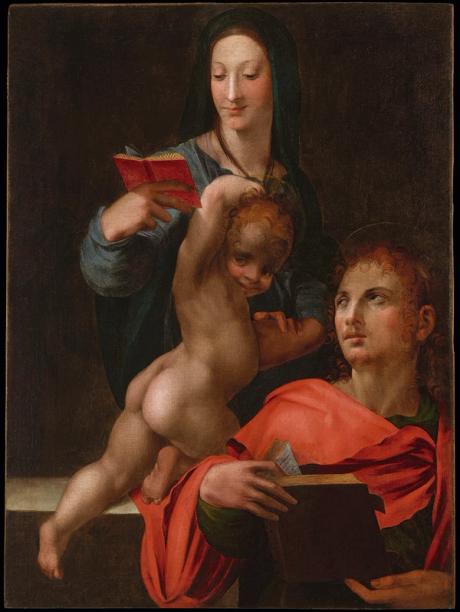
Met Museum to Acquire Rediscovered Renaissance Painting Admired by Vasari

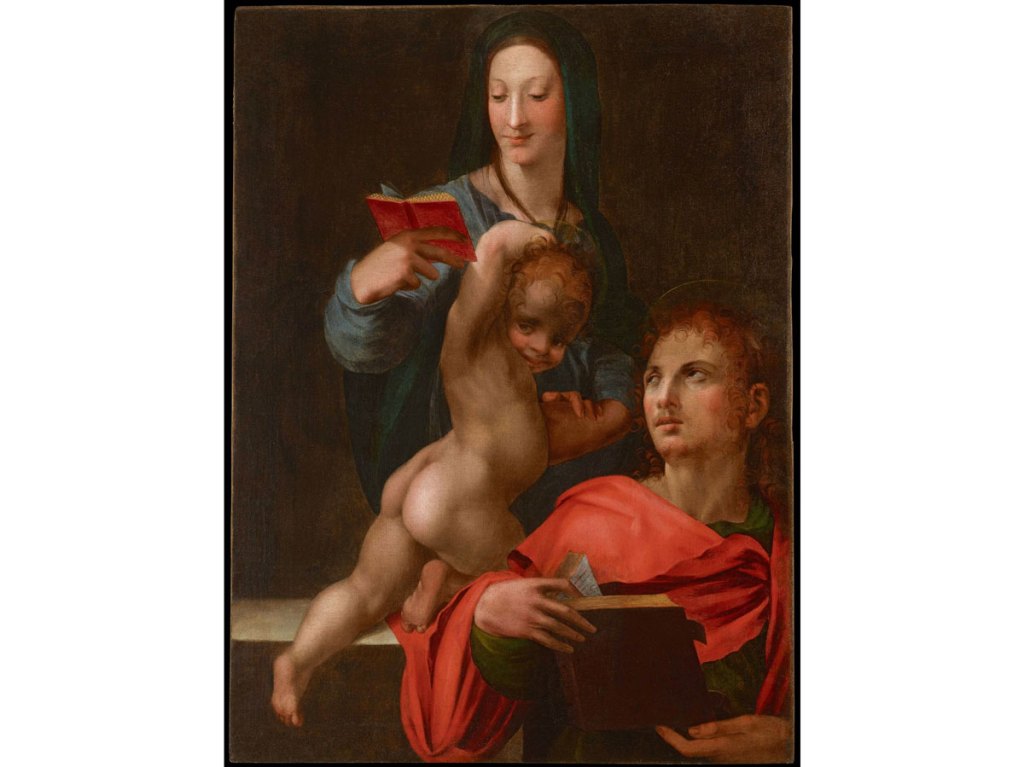
The Metropolitan Museum of Art has acquired a recently rediscovered Renaissance painting, 'Madonna and Child with Saint John the Evangelist,' by Rosso Fiorentino. The work, believed lost for centuries, was identified after conservation removed layers of overpaint, revealing the figure of Saint John. The Met has already placed the painting on view in its European painting galleries.

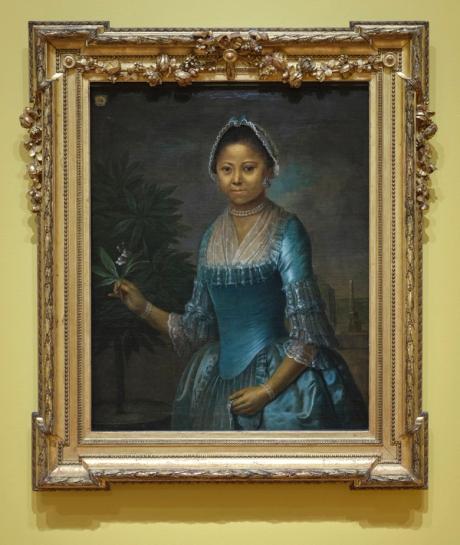
Researchers at Art Gallery of Ontario identify painter and subject of 18th-century portrait of Black woman

Researchers at the Art Gallery of Ontario have identified the artist and sitter of an 18th-century portrait of a young Black woman. The painting, purchased in 2020, is now titled 'Portrait of Eleonora Susette' (1775), revealing the subject as a woman born around 1756 in the Dutch colony of Berbice (now Guyana). The artist is Berlin-born Jeremias Schultz, who painted the portrait in Amsterdam after Eleonora Susette was brought there by her enslaver, the artist's cousin.

Museum acquisitions round-up: a rediscovered work by Rosso Fiorentino, a circular painting by Salman Toor and 16th-century gold goblet

The Art Newspaper reports on three notable museum acquisitions: a rediscovered Renaissance painting by Rosso Fiorentino acquired by the Metropolitan Museum of Art, a 16th-century silver gilt goblet by Hans Rappolt I acquired by the Siegerland Museum, and a circular painting by Salman Toor donated to the National Gallery of Art. The Rosso Fiorentino work, 'Madonna and Child with Saint John the Evangelist' (1512/13), was thought lost for centuries and was identified after cleaning revealed a hidden figure. The goblet, made around 1581, is a rare example of Nuremberg goldsmithing and was supported by a €75,000 donation from the German Federal Cultural Foundation. The Toor painting, 'Wandering Beggars' (2022), is the first by the artist to enter the NGA's collection, donated by the Bronzini-Vender family.

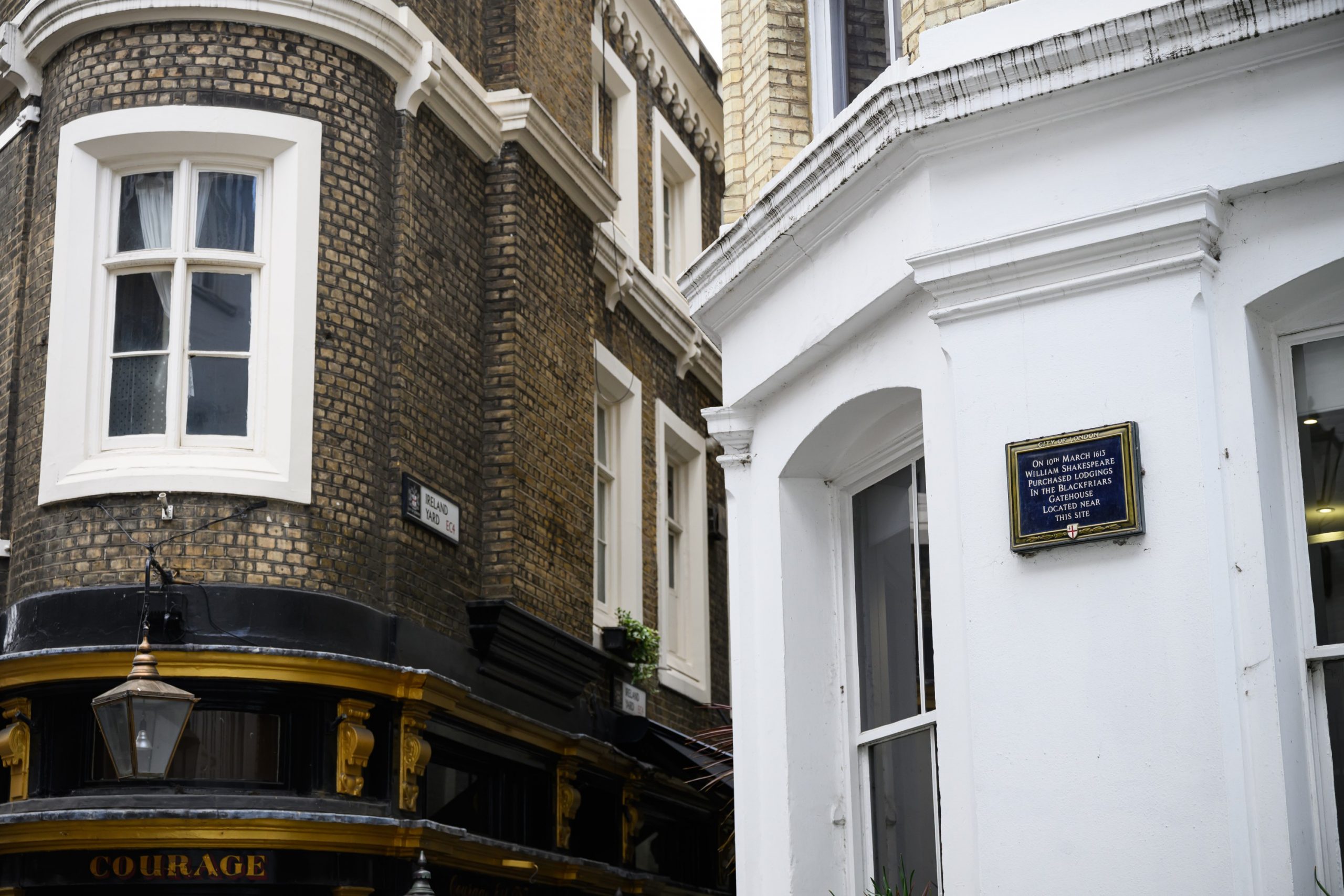
Shakespeare’s London Home Finally Located After Centuries of Mystery

Scholar Lucy Munro of King’s College London has identified the precise location of William Shakespeare’s only owned London home in the Blackfriars neighborhood. By analyzing a 1668 property map created after the Great Fire of London, Munro pinpointed the site—now occupied by Ireland Yard and St. Andrew’s Hill—which was previously known only through vague historical references to the Blackfriars Gatehouse.

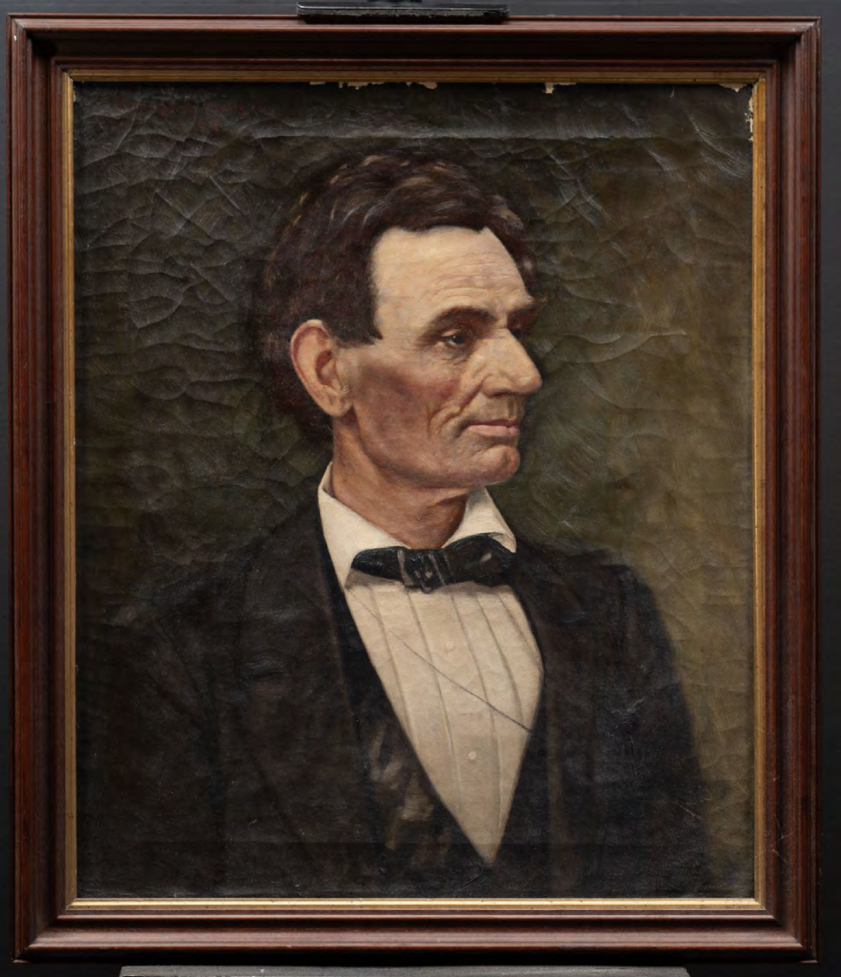
Lost Lincoln Portrait From Teddy Roosevelt’s Office Reemerges After a Century

A long-lost portrait of Abraham Lincoln by American realist Ernest Wells has reemerged after more than a century. The painting, which hung in President Theodore Roosevelt’s office throughout his term and served as a source of personal inspiration, was recently identified in the collection of the descendants of antique dealers Ann and Jack Rouchaud. The work’s provenance was confirmed via a letter from Roosevelt’s friend and Lincoln’s former bodyguard, Colonel William H. Crook, which remains affixed to the back of the canvas.

Mystery 17th-Century Portrait Sparks Search for Identity of Black Sitter

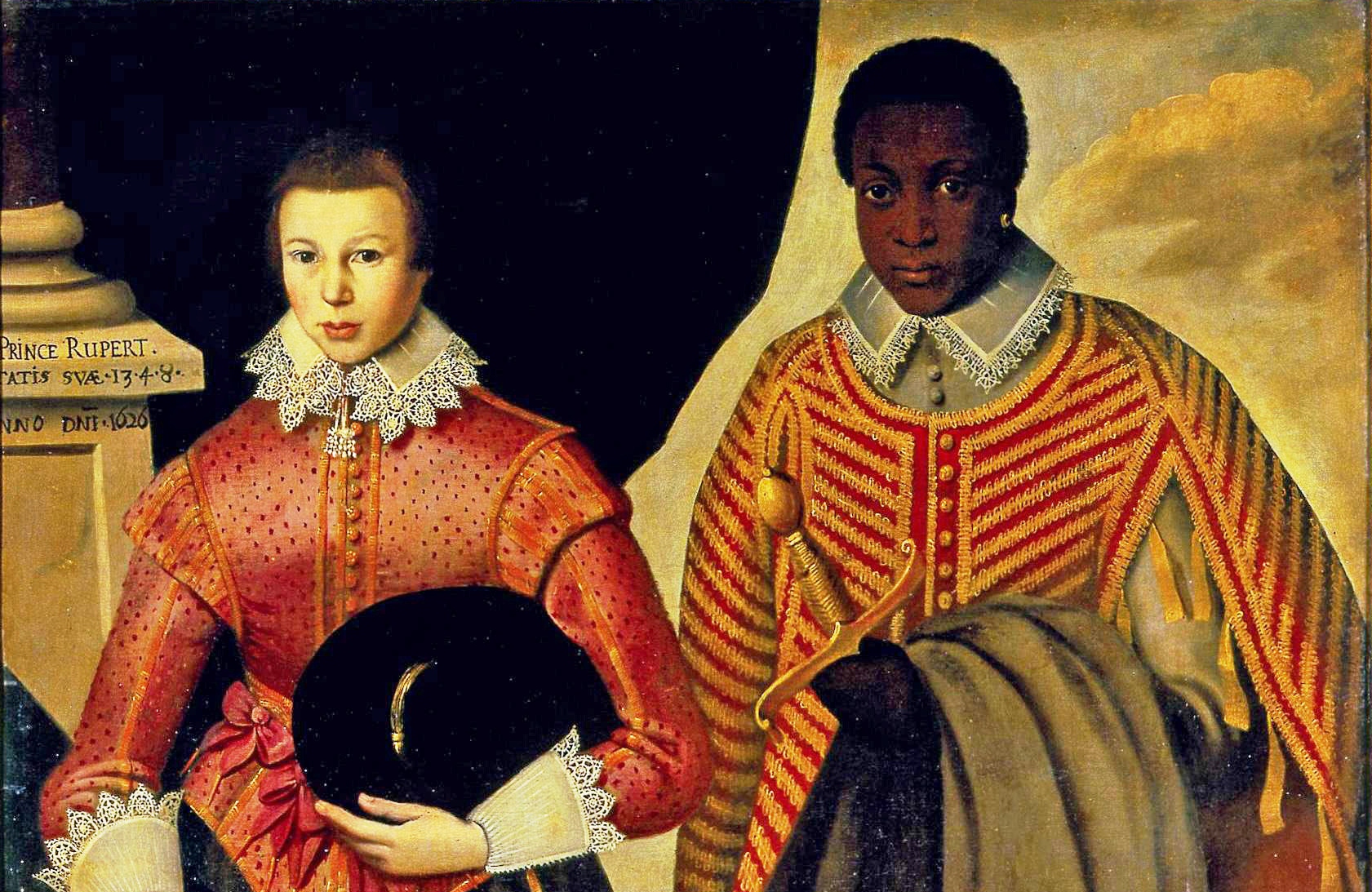
Researchers at the National Portrait Gallery in London have launched a landmark investigation into a rare 17th-century double portrait featuring a Black boy and a white boy standing side-by-side. The painting, which has hung at the historic Penshurst Place in Kent for centuries, is undergoing extensive restoration and technical analysis to identify the sitters. Experts are particularly struck by the composition, which depicts the Black figure at the same scale and status as the white figure, a significant departure from the era's typical portrayal of Black individuals as marginal attendants.

Lost-Lost Film by French Cinema Pioneer Turns Up in Michigan

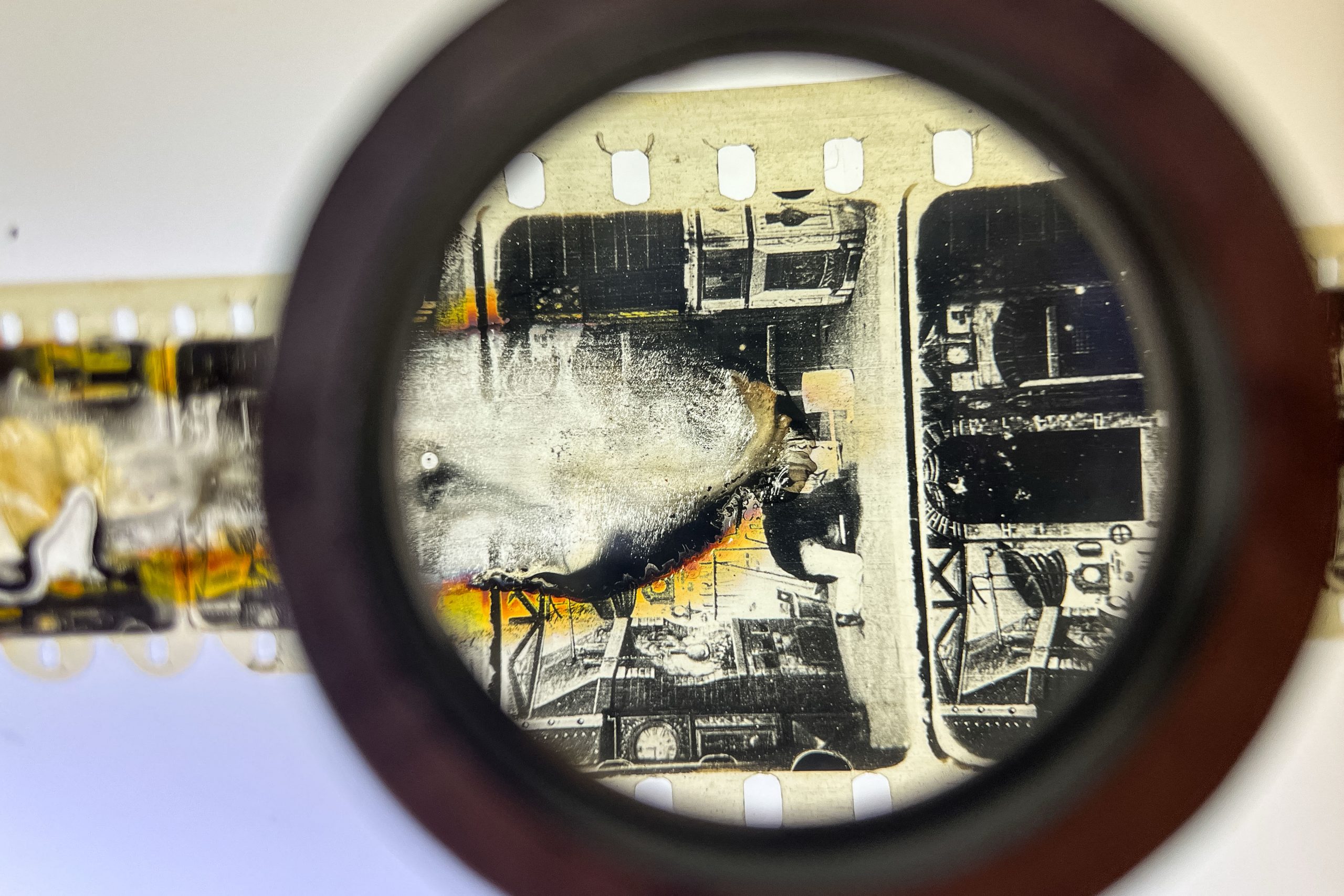
A long-lost film by French cinema pioneer Georges Méliès has been discovered in a garage in Grand Rapids, Michigan, after sitting in a trunk for two decades. The 45-second silent short, titled 'Gugusse and the Automaton' (1897), was identified by specialists at the Library of Congress after the owner, Bill McFarland, donated a collection of nitrate reels that had belonged to his showman great-grandfather.

the hunt edmonia lewis death of cleopatra statue

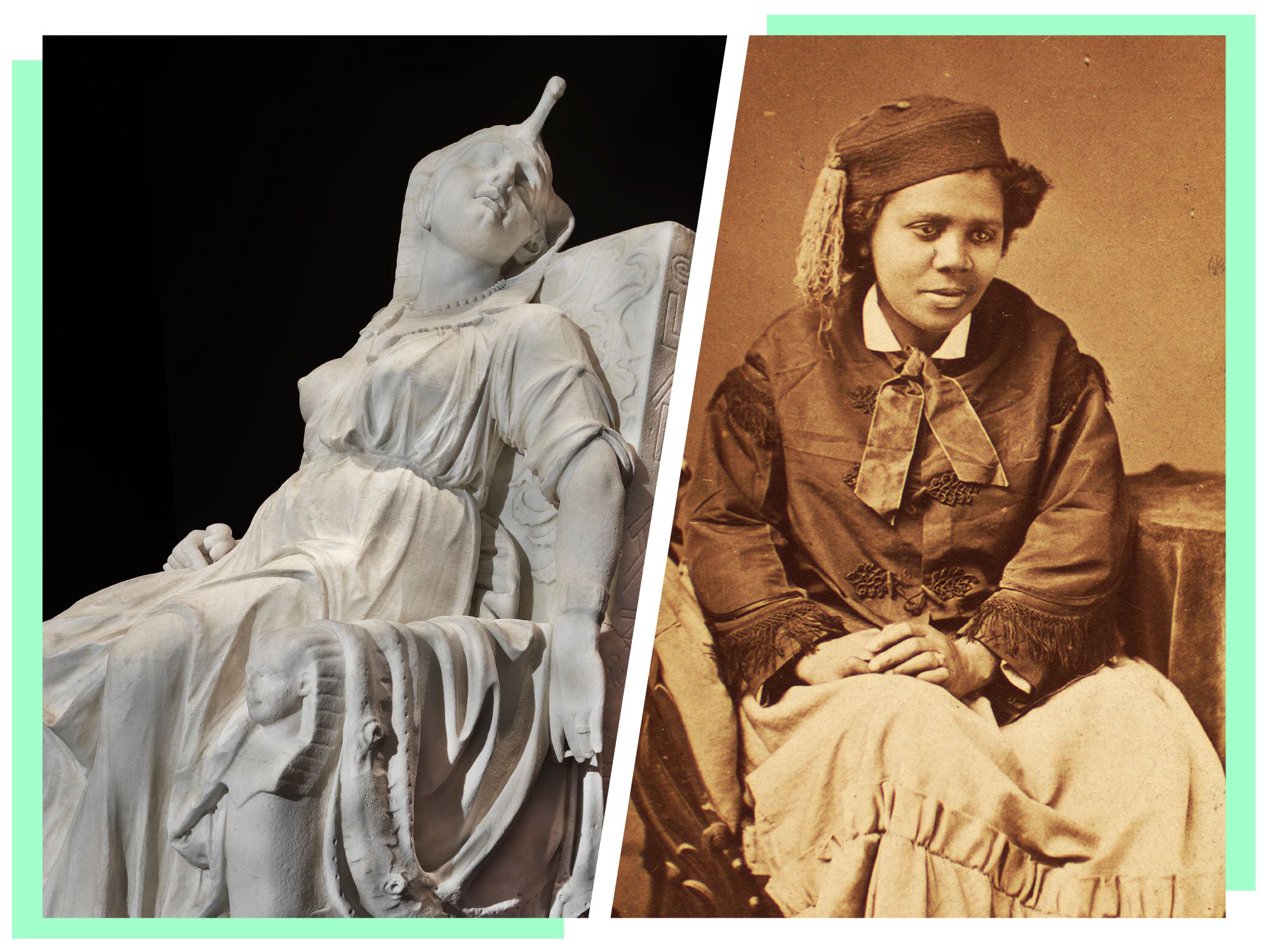
Edmonia Lewis’s monumental marble sculpture, 'The Death of Cleopatra', debuted to massive acclaim at the 1876 Centennial Exhibition in Philadelphia before vanishing into a bizarre century-long obscurity. After failing to sell, the two-ton masterpiece transitioned from Chicago saloons to a racetrack—where it served as a grave marker for a horse—and eventually sat neglected at a shopping mall construction site, exposed to vandalism and the elements.

Whitney Biennial Trends, a New Baroque Art Star, and Banksy Unmasked

The Art Angle podcast, hosted by Ben Davis and Kate Brown with guest Eileen Kinsella, recapped major art stories from March 2026. The discussion centered on three key developments: the opening of the 2026 Whitney Biennial, the rising art historical prominence of 17th-century Flemish painter Michaelina Wautier, and a new investigation claiming to have definitively unmasked the identity of the anonymous street artist Banksy.

Lost Page of Archimedes Palimpsest Found

lost page of archimedes palimpsest found

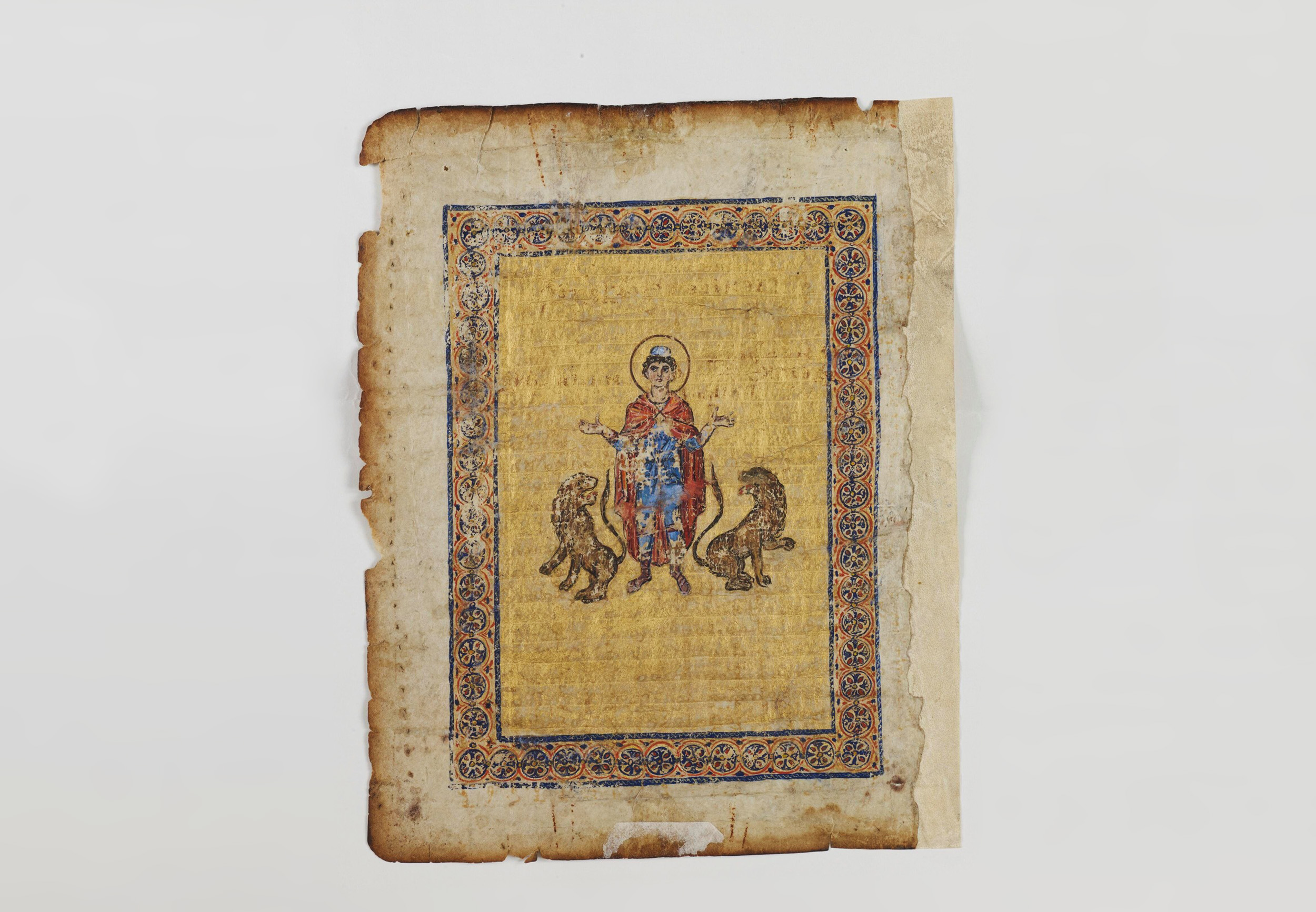
Researchers from France’s National Centre for Scientific Research (CNRS) have identified a missing page from the Archimedes Palimpsest at the Musée des Beaux-Arts in Blois. The leaf, identified as page 123, contains geometric diagrams and passages from the mathematician’s treatise on the sphere and the cylinder, which were scrubbed and overwritten by monks with religious texts in the 13th century. The discovery was confirmed by comparing the leaf to 1906 photographs taken by scholar Johan Ludvig Heiberg before the manuscript was broken up and partially forged by an art dealer in the 1930s.

roman ingots found ceredigion wales

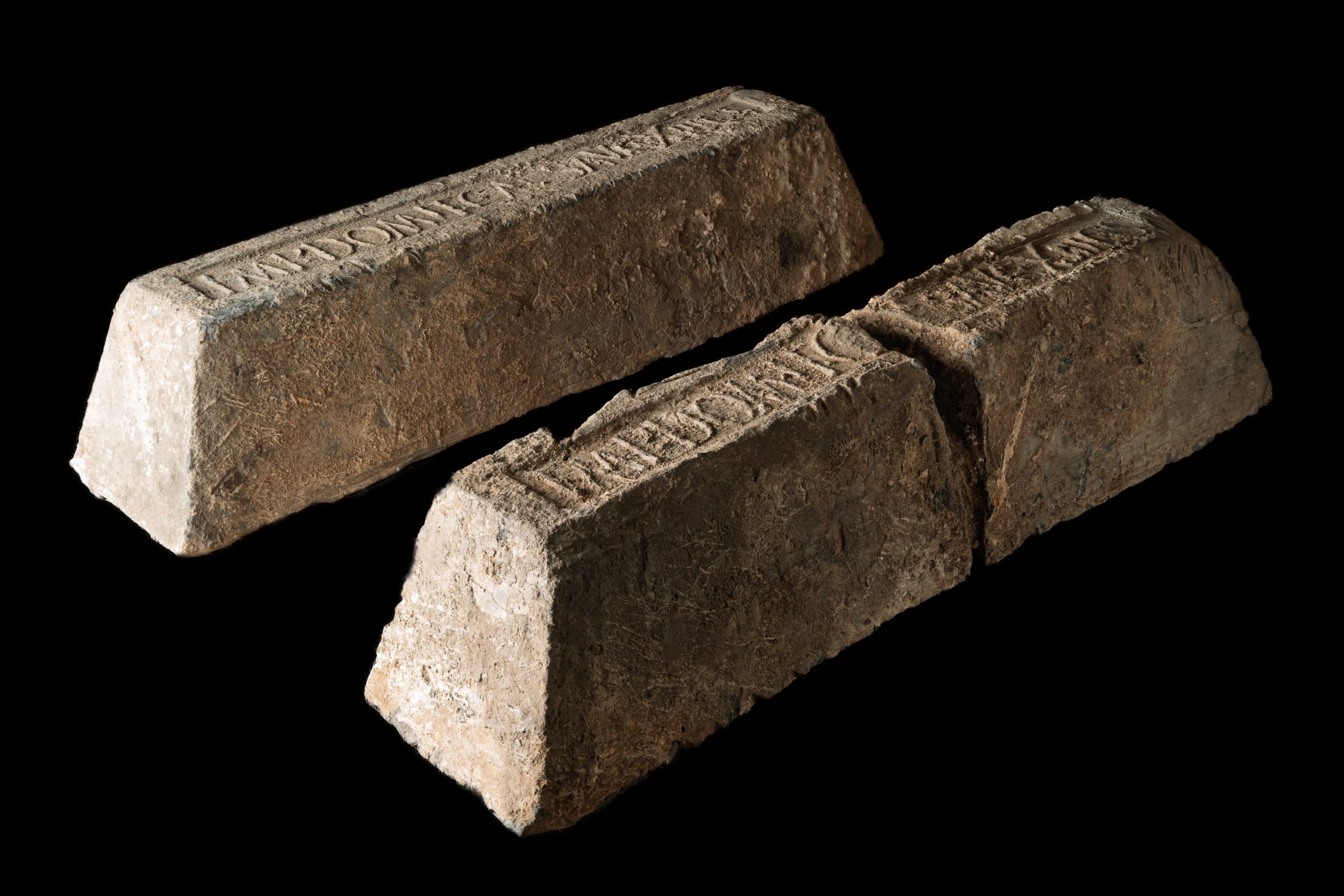
Metal detectorists Nick Yallope and Peter Nicolas discovered two rare Roman lead ingots, or 'pigs,' in the community of Llangynfelyn, West Wales. Dated precisely to 87 C.E. during the reign of Emperor Domitian, the artifacts were found buried approximately 1.5 feet underground. Following a geophysical survey by the archaeology trust Heneb, the finds were officially declared treasure under the U.K.’s Treasure Act, marking a significant addition to the region's archaeological record.

gardner museum restoration dutch room chairs

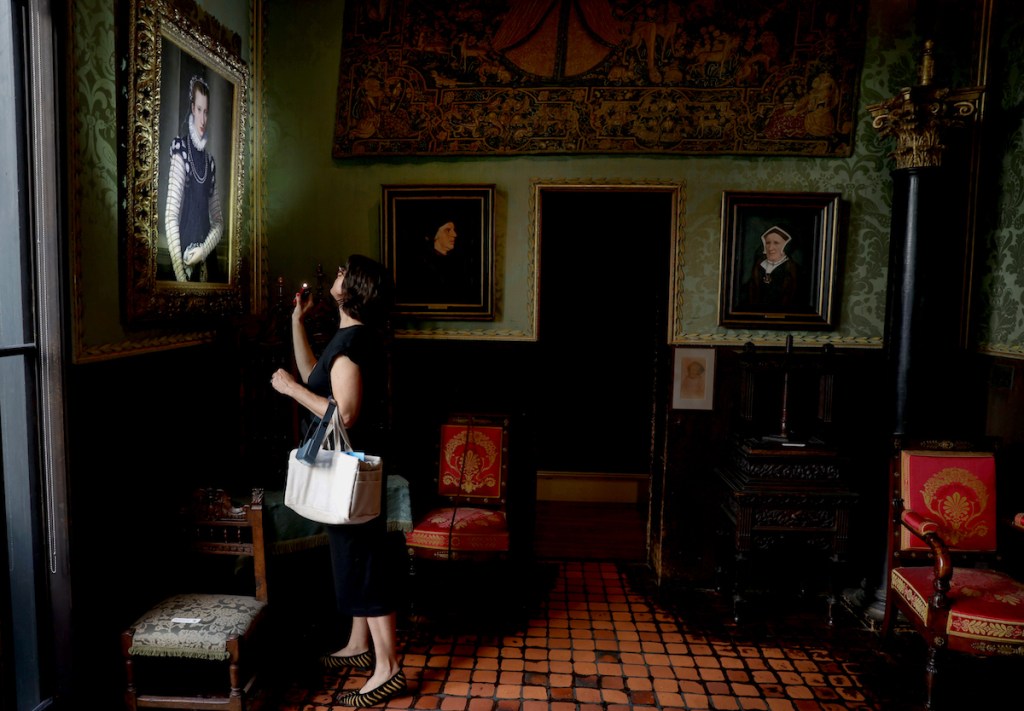
Conservators at the Isabella Stewart Gardner Museum have successfully identified the original 17th-century upholstery for a set of 14 chairs in the Dutch Room, the site of the infamous 1990 art heist. Using a combination of AI colorization software called Palette and the discovery of a single faded thread, the team determined that the chairs were originally vibrant red with pink stripes, rather than the fabric used in a 1970s restoration. This discovery is part of a comprehensive three-year project to restore the room to the founder's original vision.

mysterious art installation turns up on nycs north brother island

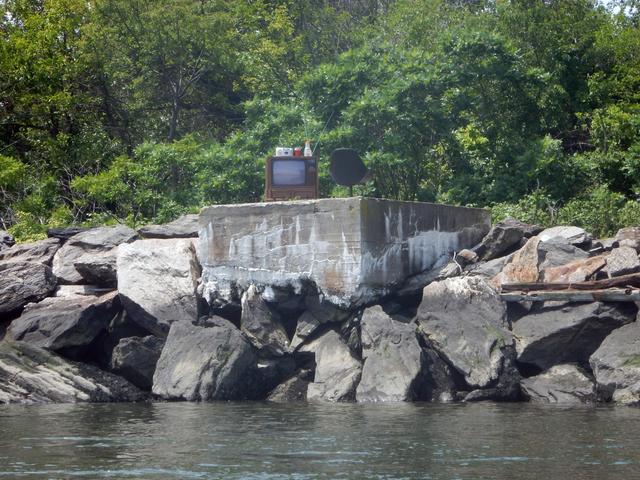
A mysterious art installation featuring an outdoor living room has been discovered on the shores of North Brother Island, an abandoned site in New York City’s East River. The arrangement, which includes a vintage wood-paneled television and a leather armchair perched on a concrete block, was spotted by a local kayaker. The island, once home to a quarantine hospital and the site of the General Slocum maritime disaster, has been closed to the public since 1963.

rembrandt authenticated rijksmuseum

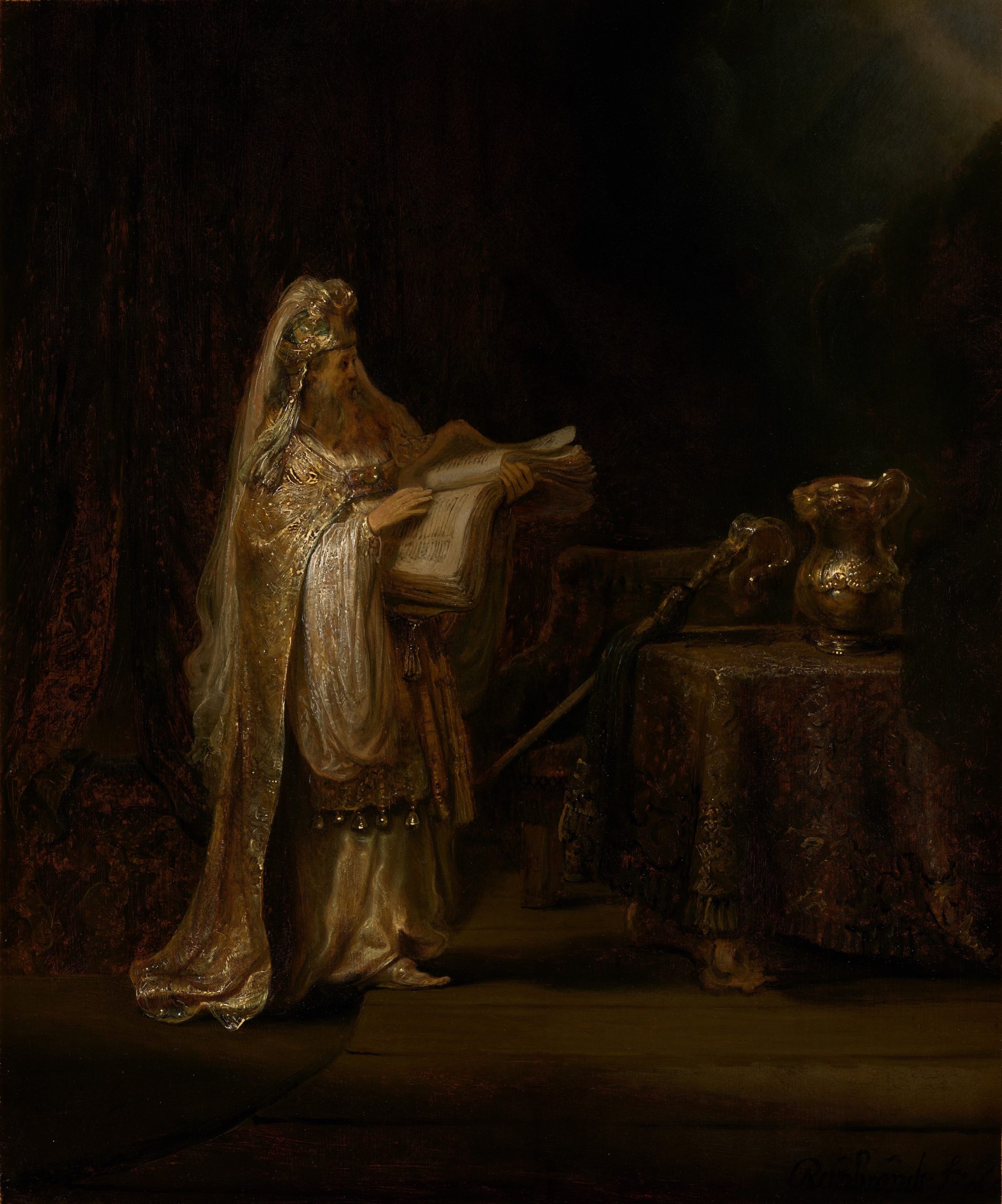
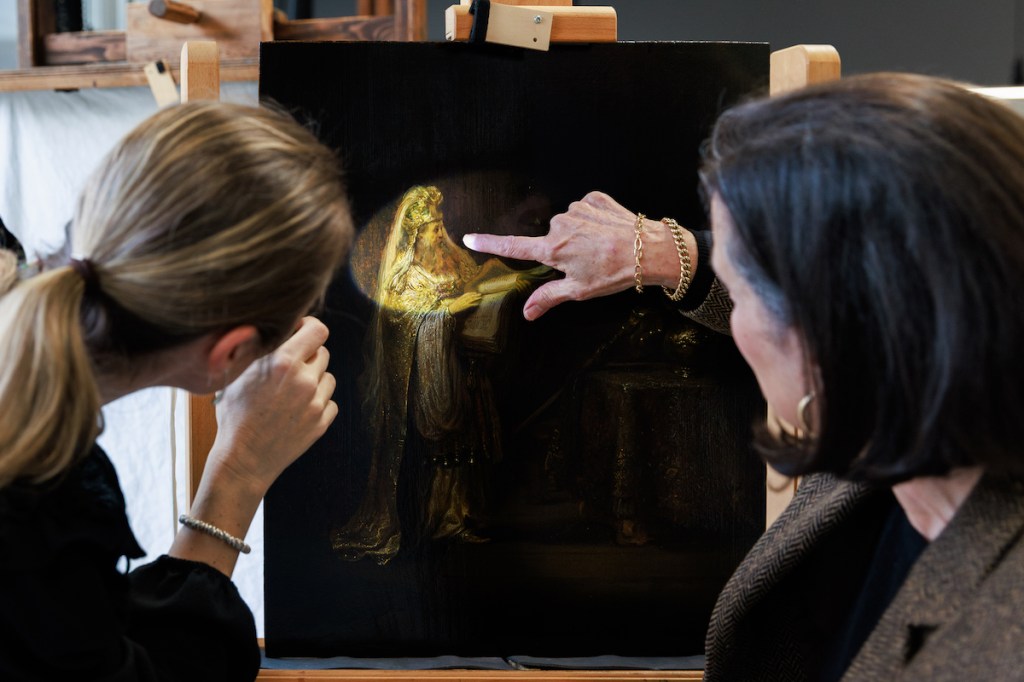
Advanced imaging and material analysis have officially reattributed the 1633 painting "Vision of Zacharias in the Temple" to Rembrandt van Rijn. The work, which had been dismissed by scholars in the 1960s as the product of a collaborator, underwent a rigorous two-year study by the Rijksmuseum’s conservation department. Using macro-XRF scanning and dendrochronological analysis, researchers identified characteristic pentimenti and period-accurate materials that confirm it as a masterpiece from the artist's early Amsterdam period.

rembrandt discovered rijksmuseum zacharias in the temple

The Rijksmuseum in Amsterdam has officially authenticated a long-lost painting, 'Vision of Zacharias in the Temple' (1633), as a genuine work by Rembrandt van Rijn. The painting had been dismissed by scholars in the 1960s and remained in a private collection for over six decades until the owner approached the museum for a technical analysis. Using advanced imaging and material studies similar to those used on 'The Night Watch', experts confirmed that the pigments, signature, and date align perfectly with Rembrandt’s early Amsterdam period.

35 rembrandt etchings discovered family home netherlands

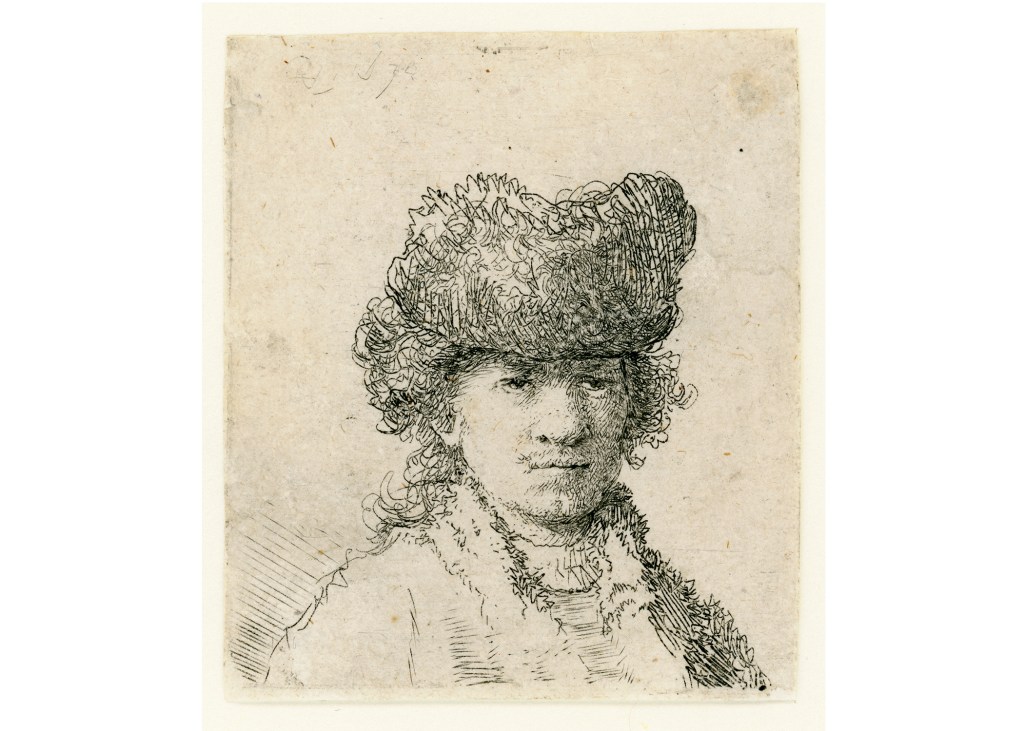
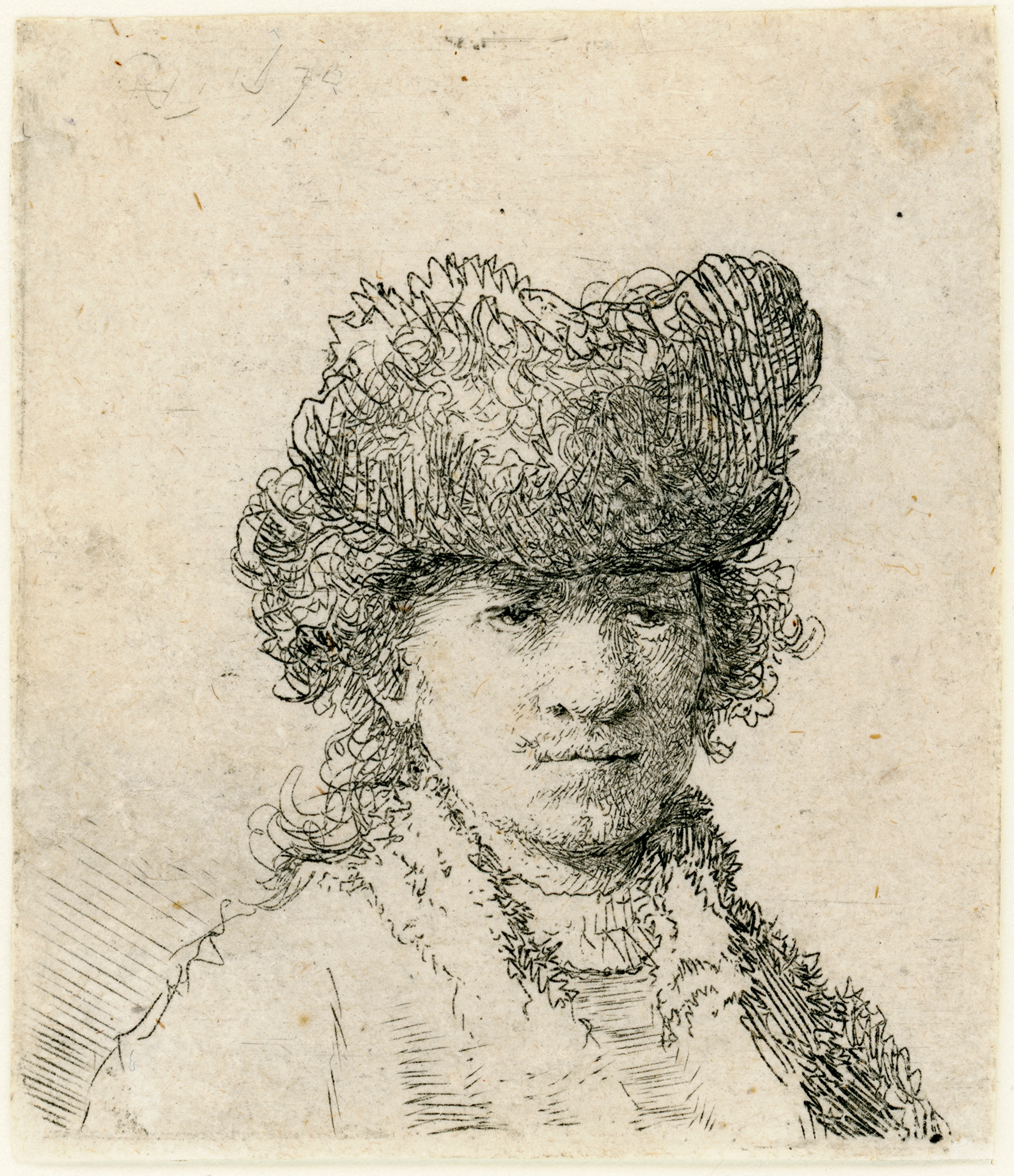
Charlotte Meyer discovered a folder containing 35 original Rembrandt etchings while organizing her family home in Zutphen, Netherlands, during the COVID-19 pandemic. Inherited from her grandfather, who purchased them for a nominal sum in the early 20th century, the works were authenticated by the Rembrandt House Museum in Amsterdam after being stored in a drawer for decades.

rembrandt prints discovered

A collection of 35 rare Rembrandt van Rijn etchings has been rediscovered in the Netherlands after being stored in a family safe for nearly a century. Inherited by Charlotte Meyer from her grandfather, the prints were authenticated by experts from the Rembrandt House Museum, who were stunned by their exceptional condition. The works had remained out of the public eye since the early 20th century until Meyer sought professional appraisal during the 2020 pandemic.

Gaudí Attribution Confirmed for Xalet del Catllaràs

gaudi xalet catllaras attribution

A comprehensive architectural report commissioned by the Government of Catalonia has officially confirmed that Antoni Gaudí designed the Xalet del Catllaràs, a remote chalet in the Catalan mountains. Built between 1901 and 1908 for engineers working at coal mines owned by Gaudí’s patron Eusebi Güell, the building’s attribution was previously suspected but unverified. Researchers used structural analysis of the canted arches, room distribution, and specific lime plastering techniques to link the pyramidal structure to Gaudí’s signature modernist style.

anne boleyn portrait sixth finger witchcraft rebuttal

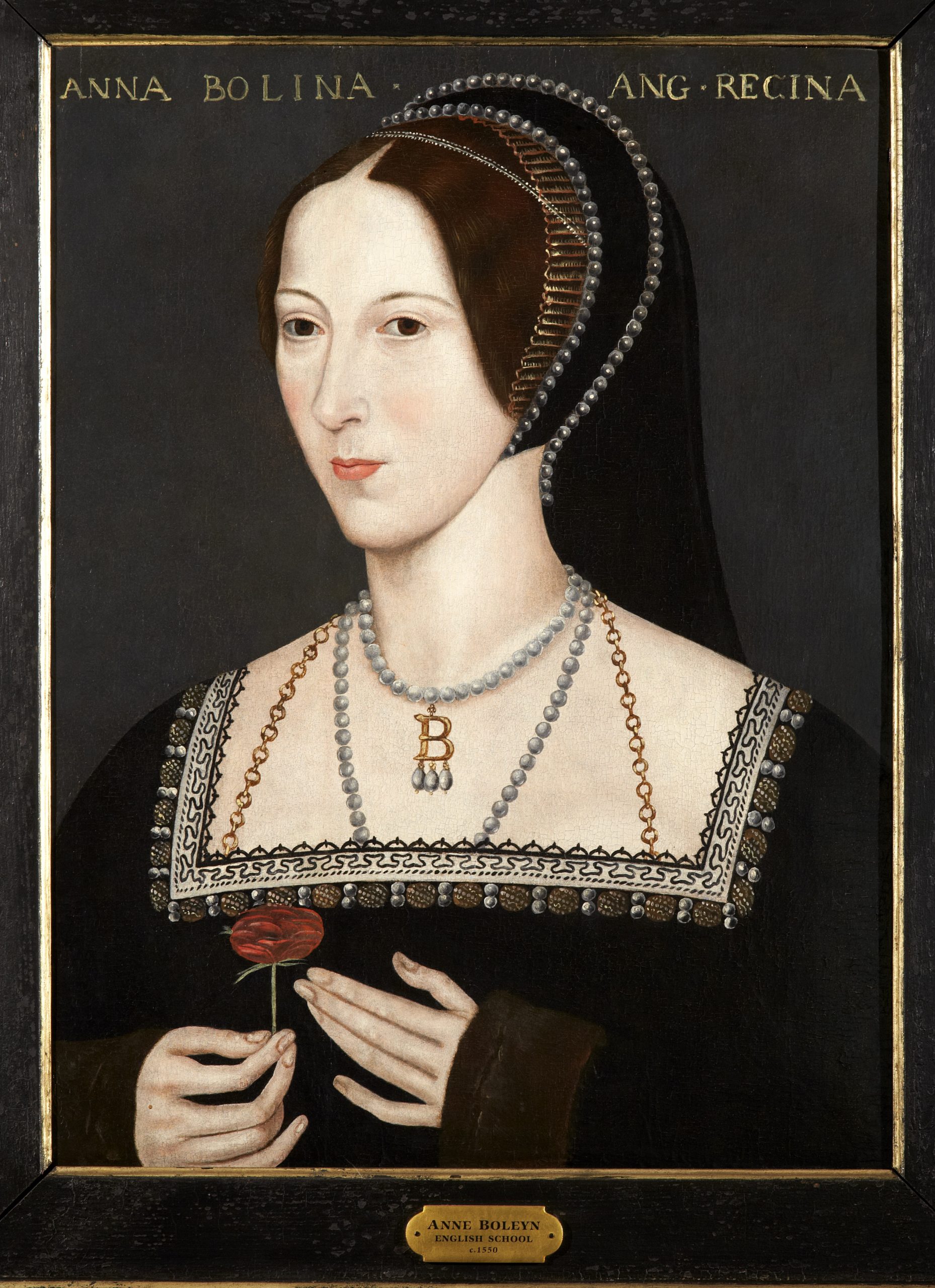
Technical analysis of a 16th-century portrait of Anne Boleyn at Hever Castle has revealed that the artist deliberately reworked the queen's hands to clearly display five fingers. Using infrared reflectography and tree-ring dating, researchers determined the painting dates to 1583, during the reign of her daughter, Elizabeth I. This specific composition, known as the 'Rose' portrait, is now identified as the earliest scientifically dated panel portrait of the doomed queen.

10 art restorations in 2025

In 2025, a series of major art restorations unveiled transformative discoveries in masterpieces by Caravaggio, Raphael, and Artemisia Gentileschi, among others. Caravaggio's final work, *The Martyrdom of St. Ursula* (1610), owned by Intesa Sanpaolo, was cleaned ahead of Rome's "Caravaggio 2025" exhibition, revealing hidden faces and a soldier's helmet previously only visible by x-ray. At the Vatican Museums, a decade-long restoration of the Raphael Rooms concluded with the revelation that two allegorical figures in the Hall of Constantine were painted by Raphael himself, not just his assistants, rewriting art history. Meanwhile, Artemisia Gentileschi's *Hercules and Omphale* (ca. 1635–37), damaged in the Beirut explosion, underwent emergency conservation by the Getty.