filter_list Showing 6 results for "Display" close Clear
dashboard All 121 museum exhibitions 69article local 30article news 6trending_up market 5rate_review review 3gavel restitution 3article culture 3person people 1article policy 1
date_range Range Today This Week This Month All
Subscribe

Artist Alleges Hair Dress in the Met’s ‘Costume Art’ Show Copies Her Design

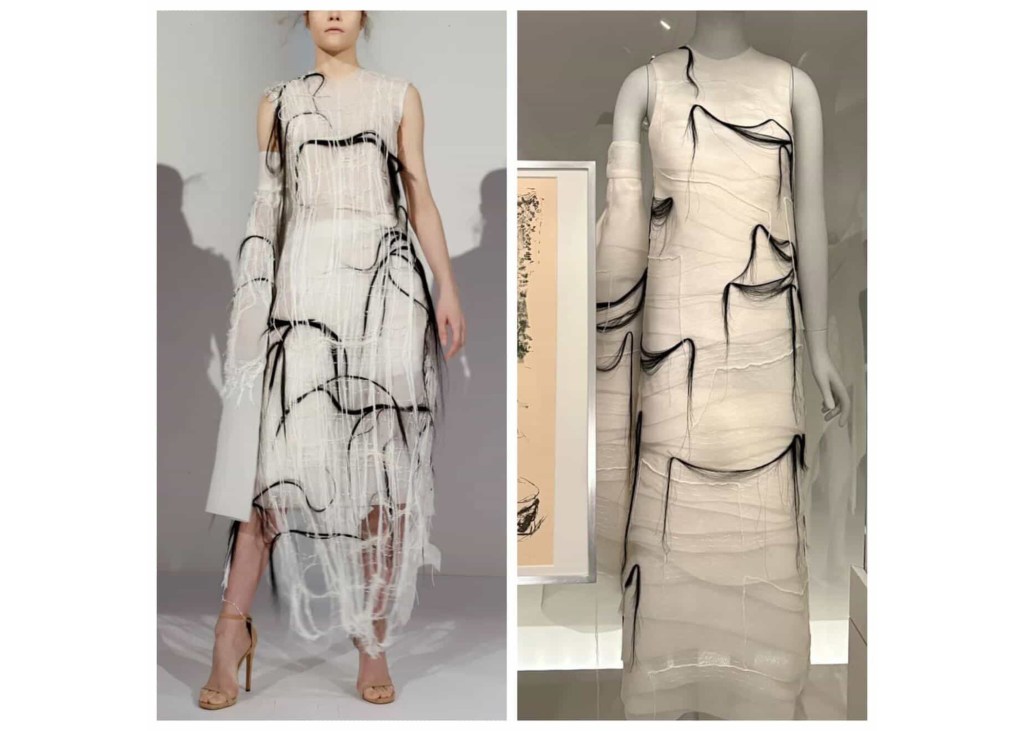
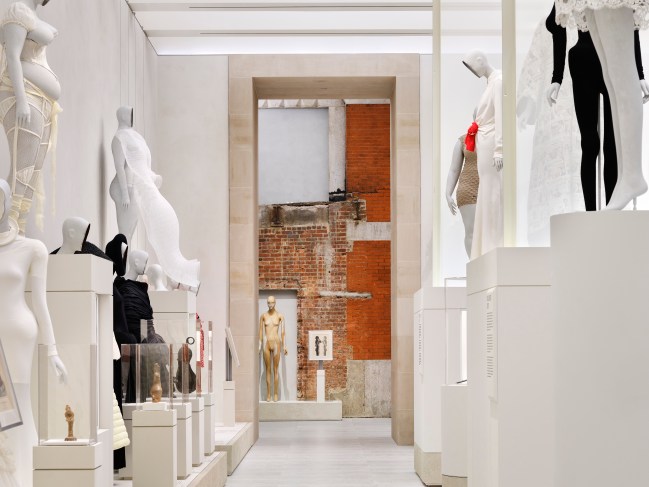
London-based artist Anouska Samms has accused the Metropolitan Museum of Art's Costume Institute and curator Andrew Bolton of displaying a garment in the spring 2026 exhibition "Costume Art" that she claims is a counterfeit of her collaborative work. Samms says the piece, titled Corpus Nervina 0.0, was inspired by a 2023 hair dress she co-created with fashion designer Yoav Hadari for his label Psycheangelic. Despite a contract giving Samms sole ownership of the hair-based textile's intellectual property, the museum's wall label credits only Hadari and states Samms's textile was not used. Samms's lawyer, Jon Sharples, says the museum initially expressed interest in acquiring the original dress but later shifted to a remake after Hadari reported water damage, then stalled entirely before the exhibition opened.

Artists Spar Over Credit For A Dress Displayed In The Met’s ‘Costume Art’ Exhibition

London-based artist Anouska Samms has accused the Metropolitan Museum of Art's Costume Institute of exhibiting a dress that she claims is a counterfeit of her work in the ongoing "Costume Art" exhibition. The dress, titled Corpus Nervina 0.0, is credited solely to New York-based Israeli designer Yoav Hadari, but Samms alleges it closely resembles an earlier Nervina hair dress she co-developed with Hadari during their 2023 residency at the Lee Alexander McQueen Sarabande Foundation. Samms discovered the display via a social media post and has since spoken out, noting that a contract from their collaboration designated her as the sole owner of the intellectual property of the fabric. The Met has requested that the two parties resolve their dispute before the museum takes further action.

« No art washing ! » : à la Biennale de Venise, près de 3 000 manifestants réunis pour dénoncer la présence du pavillon israélien

On May 8, 2026, nearly 3,000 protesters gathered in Venice to demonstrate against the presence of the Israeli pavilion at the Venice Biennale. Led by the collective Art Not Genocide Alliance (Anga), the crowd included artists, curators, and cultural workers who chanted slogans such as "Stop al Padiglione genocidio" and called for a strike on the closing day of the professional previews. Dozens of national pavilions, including those of France, Belgium, Poland, Spain, the United Kingdom, Lebanon, and Ukraine, closed in solidarity. The protest followed a letter sent by Anga in March demanding Israel's exclusion, which went unanswered, and the self-dissolution of the awards jury on April 30 over the presence of both Israel and Russia.

There is an absent pavilion at the 2026 Venice Art Biennale that no one has talked about: Venezuela

C’è un padiglione assente alla Biennale d’Arte di Venezia 2026 di cui nessuno ha parlato: il Venezuela

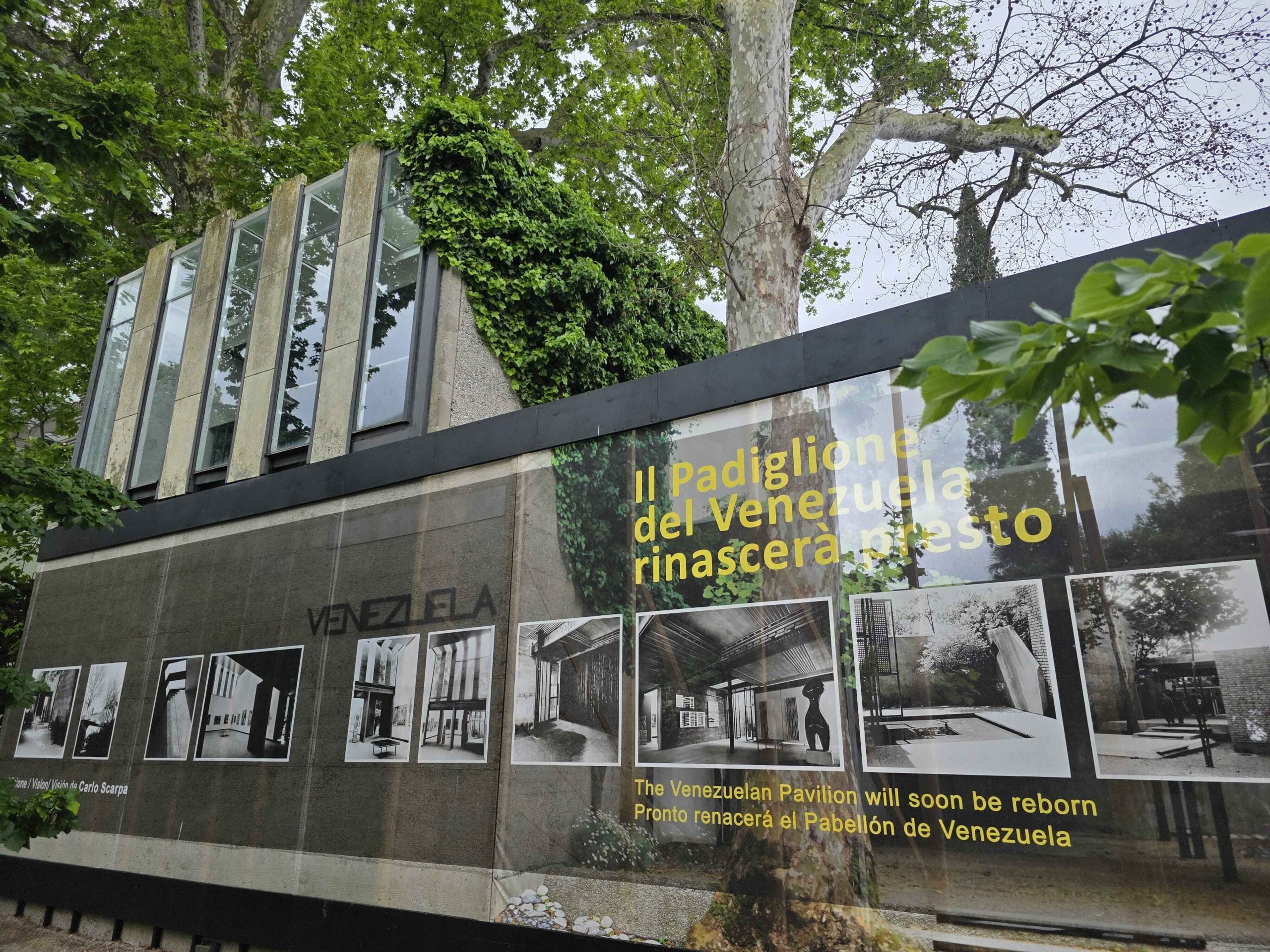
The Venezuelan pavilion at the 2026 Venice Art Biennale remains closed, an absence that has gone largely unnoticed amid other controversies surrounding the Russian, Israeli, South African, and Iranian pavilions. Designed by architect Carlo Scarpa and built between 1953 and 1956, the pavilion now displays a trilingual sign stating it will "rise again soon," reflecting the country's collapse after the kidnapping and imprisonment of President Nicolás Maduro by the United States and the installation of a fragile pro-American interim government.

Ancient Greek and Roman Statues Found in Alexandria

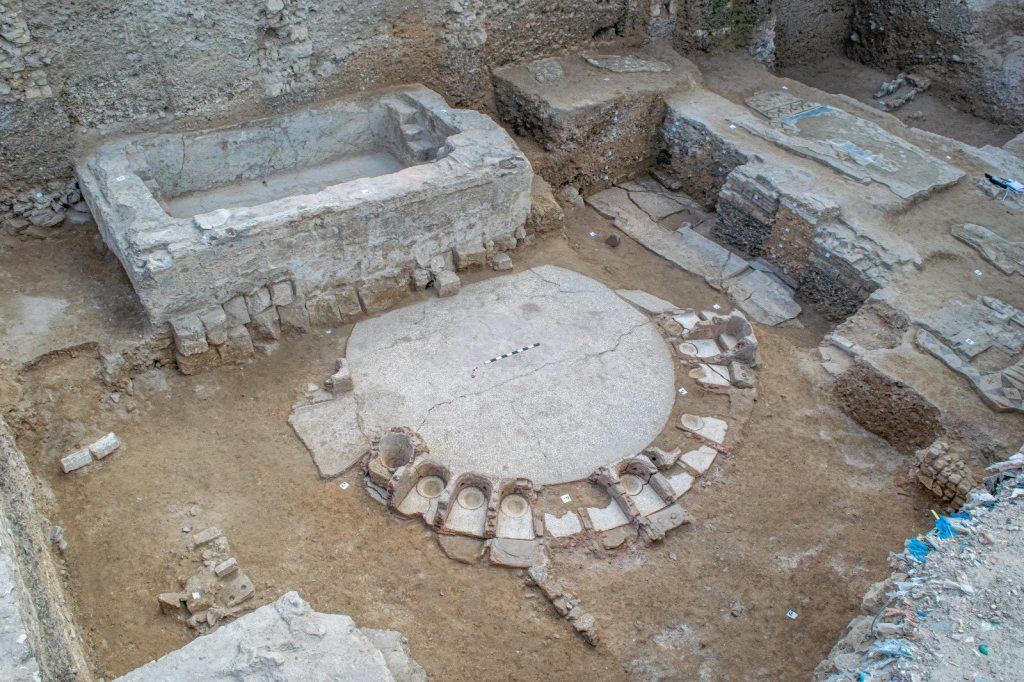
An excavation in the Moharam Bek neighborhood of Alexandria, Egypt, has uncovered a significant trove of artifacts from the Greek, Roman, and Byzantine periods, including statues of deities such as Bacchus, Asclepius, and Minerva, as well as coins, lamps, ceramic vessels, a public bathhouse, mosaic flooring from a Roman villa, and advanced water systems. The discovery was announced by Egypt’s Ministry of Tourism and Antiquities and reported by Greek City Times, with officials from the Supreme Council of Antiquities highlighting the site’s comprehensive view of ancient residential and service architecture.

Helen McNicoll: An Impressionist Journey

The article titled "Helen McNicoll: An Impressionist Journey" appears to be about the Canadian Impressionist painter Helen McNicoll, likely focusing on her life, work, and artistic legacy. However, the actual content of the article is inaccessible due to a security verification page from the National Gallery of Canada's website, which blocks access to the full text. The page displays a security challenge requiring JavaScript and cookies to proceed, preventing any substantive information from being extracted.