filter_list Showing 13 results for "Japan" close Clear
search
dashboard All 180 museum exhibitions 121article news 13article local 13rate_review review 8person people 8article culture 8trending_up market 6candle obituary 2article policy 1
date_range Range Today This Week This Month All
Subscribe

Wet Paint Does Frieze Week: The Dinosaur Dealer Downtown, David Zwirner Tribeca, and More Juicy Art-World Gossip

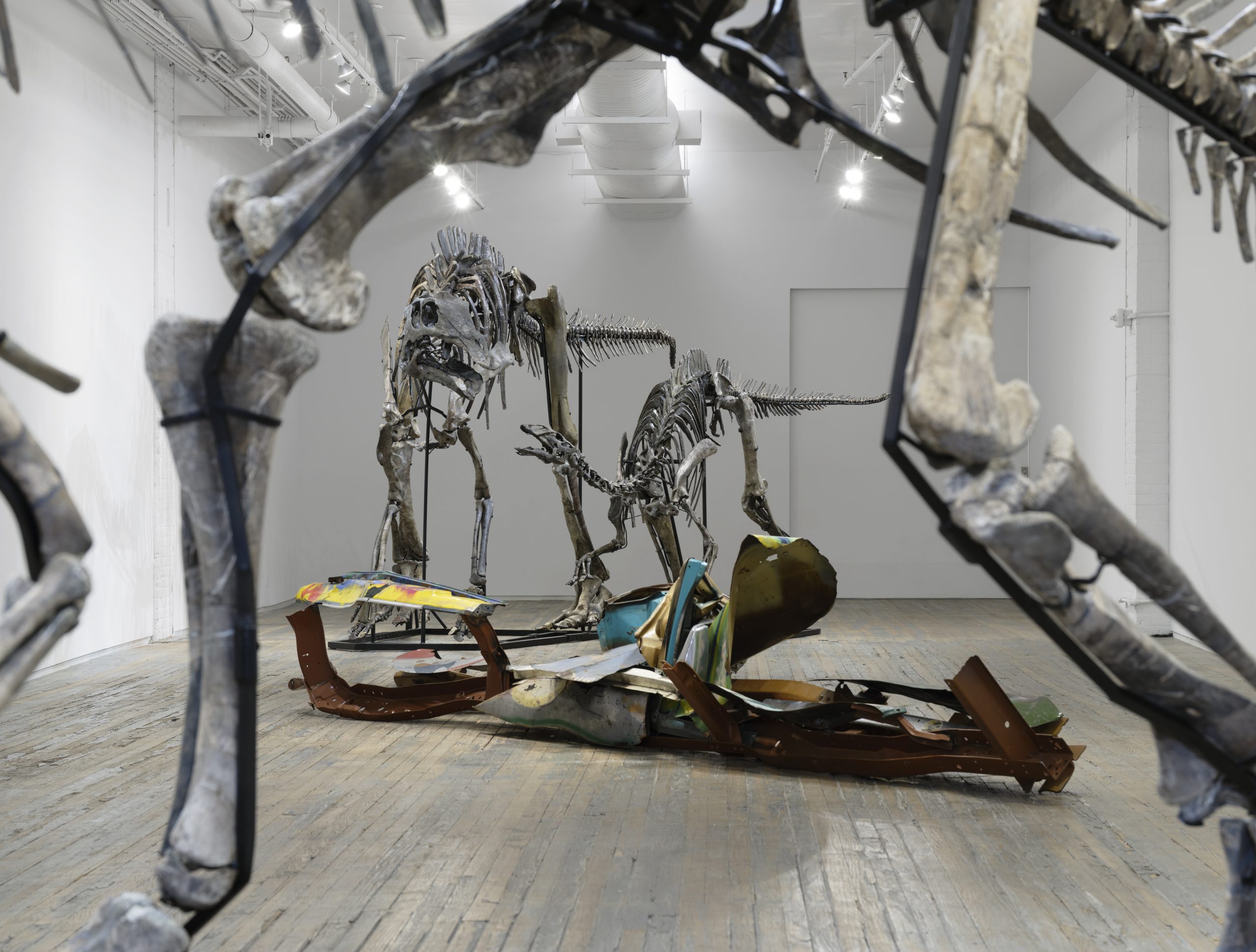
Artnet News' gossip column 'Wet Paint' covers the opening week of Frieze New York, beginning with the group show 'Statics of an Egg' at David Zwirner's newly renamed Tribeca gallery (formerly 52 Walker). Curated by Martin Germann, the exhibition features Japanese artists gathered by Yu Nishimura and Kenji Ide, with Nishimura's painting 'in waiting' highlighted. The column also reports on a private party at the River art-world hangout and a visit to Amanita gallery for 'A Land Before Time: Three Dinosaurs and a Gondola,' which includes a John Chamberlain sculpture. Notable attendees include artists Sasha Gordon, Olivia van Kuiken, Calvin Marcus, and Josh Smith, as well as dealers Marlene Zwirner and Matthew Brown.
Who Went to Venice Last Week? Jenny Saville, Glenn Lowry, Jewel, and Many Other Power Players

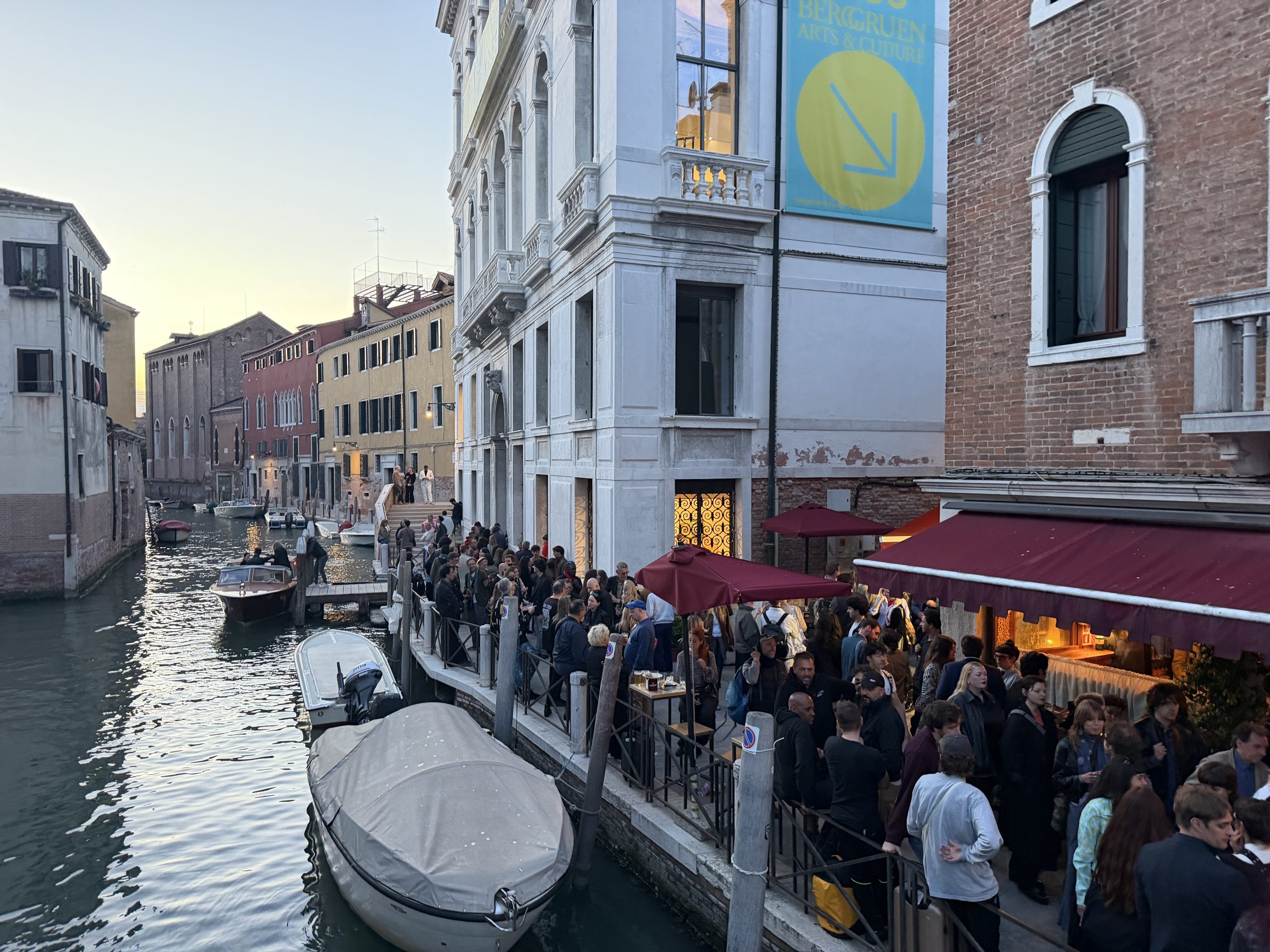
Artnet News reporter Katya Kazakina recounts her experience at the opening week of the 61st Venice Biennale, describing a whirlwind of art, parties, and chance encounters. Notable figures spotted include former MoMA director Glenn Lowry, singer-songwriter Jewel (who debuted her visual art show "Matriclysm: An Archaeology of Connections Lost"), and Japanese Nintendo heir and collector Banjo Yamauchi. High-profile events included Thaddaeus Ropac gallery's reception for Georg Baselitz's final paintings (priced up to $1.5 million) and François Pinault's annual party at Fondazione Giorgio Cini, attended by Selma Hayek, Lorna Simpson, and JR. The article also highlights the social dynamics of the biennale, where dealers, curators, and collectors network across historic palazzos and hotels.

The Only Guide to This Year’s Venice Biennale You Will Ever Need

The 61st Venice Biennale opens amid significant turmoil. The entire jury of the International Art Exhibition resigned after a statement about withholding prizes from countries with leaders charged with crimes against humanity by the ICC, leading to the cancellation of the Golden Lion awards in favor of 'Visitors' Lions' to be given at the exhibition's end. The event has been further marred by the sudden death of artistic director Koyo Kouoh from liver cancer in early 2025, and the death of artist Henrike Naumann, who was set to debut work in the German pavilion. Additionally, the selection process for the American pavilion artist, Mexico-based sculptor Alma Allen, sparked controversy after a delayed grant application process.

Everyone Keeps Getting Yoko Ono Wrong

Paul Morley's new biography of Yoko Ono, *Love Magic Power Danger Bliss*, attempts to reframe the artist beyond her reputation as a 'Beatles wife' but ultimately fails, according to this critical review. The book covers Ono's first three decades, from her birth in Japan in 1933 to meeting John Lennon in 1969, but is dominated by lengthy asides on male avant-garde figures like George Maciunas and Pete Townshend, leaving Ono a passive presence in her own story. Morley promises not to mention Lennon but breaks that promise, and the review argues the book is aimed more at 'rock dads' still upset about the Beatles breakup than at understanding Ono's artistic contributions.

A Time of Transition

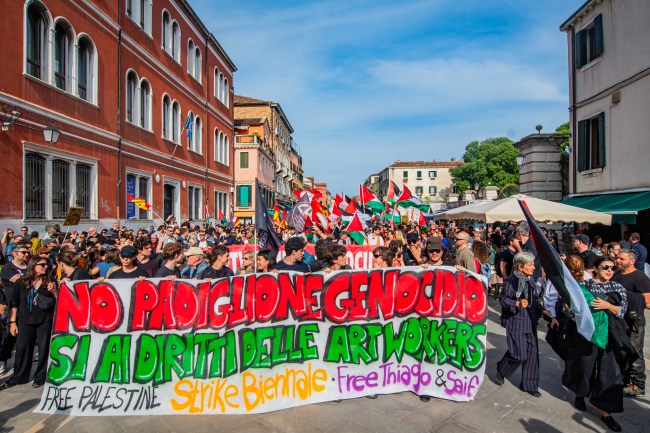
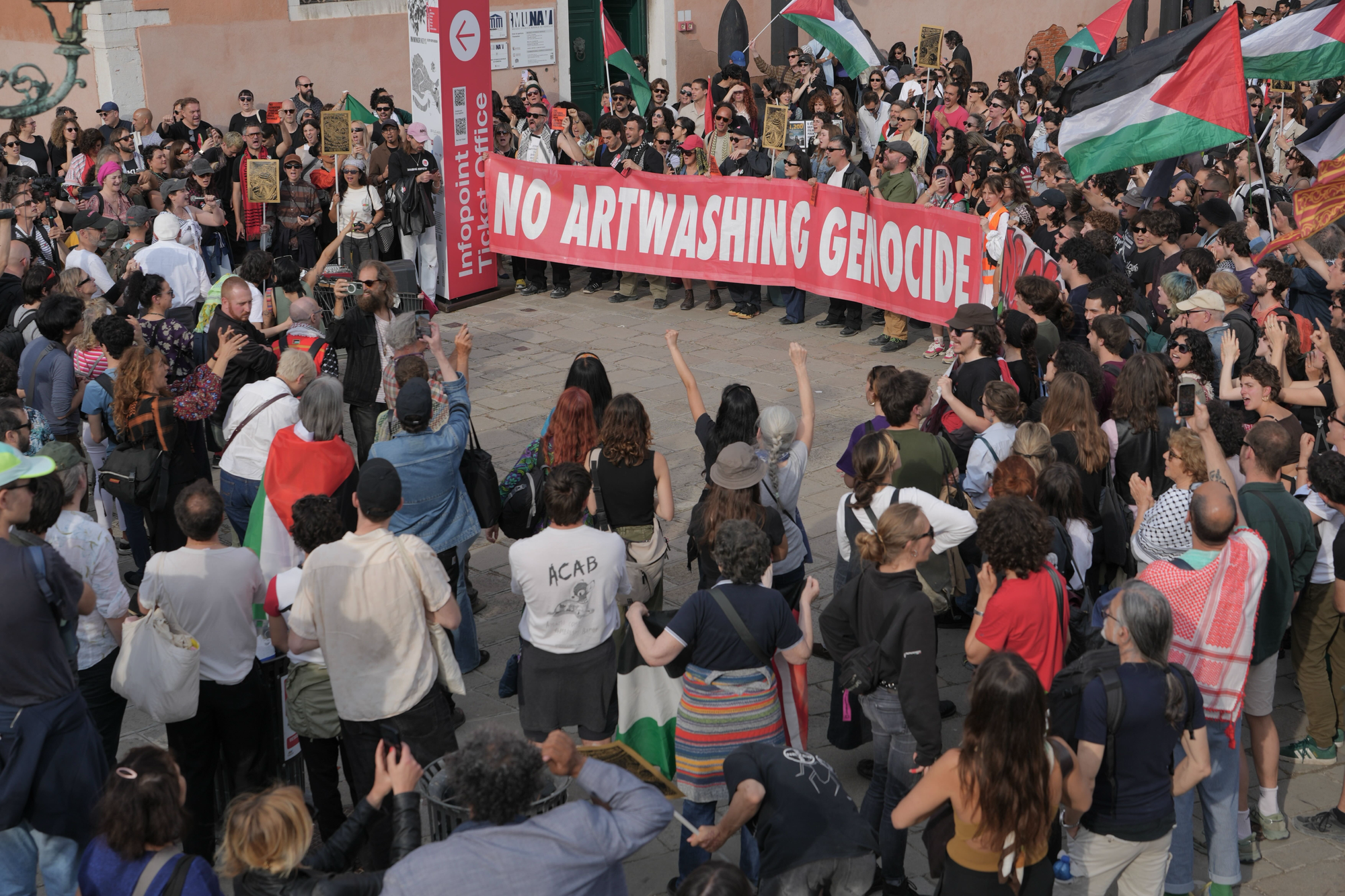
During the preview week of the 61st Venice Biennale, escalating protests targeted the national pavilions of Israel and Russia, with demonstrations by Pussy Riot, ANGA (Art Not Genocide Alliance), and Baltic pavilions. A major protest on May 8 drew over 3,000 people in solidarity with Palestine, and 27 national pavilions—including Austria, the Netherlands, France, and Japan—staged a strike, the first at the Biennale since 1968. The Golden Lion jury resigned after declaring they would not consider countries under ICC investigation (Israel and Russia), and the Biennale administration replaced the prize with a visitors' award, from which half the artists in the main exhibition have withdrawn.

Fundación Casa Wabi x ArtReview Open-Call Residency Prize 2026–27

Fundación Casa Wabi and ArtReview have announced the ninth annual open-call residency prize for three artists or collectives, offering a residency at Casa Wabi in Puerto Escondido, Oaxaca, Mexico. The residency includes lodging, studio space, meals, and support for a community project, with applications due by 14 June 2026 and winners notified in July 2026. The prize aims to foster cultural cross-pollination between artists and local communities, with past winners including artists from Australia, the UK, Germany, Argentina, Brazil, and Mexico.

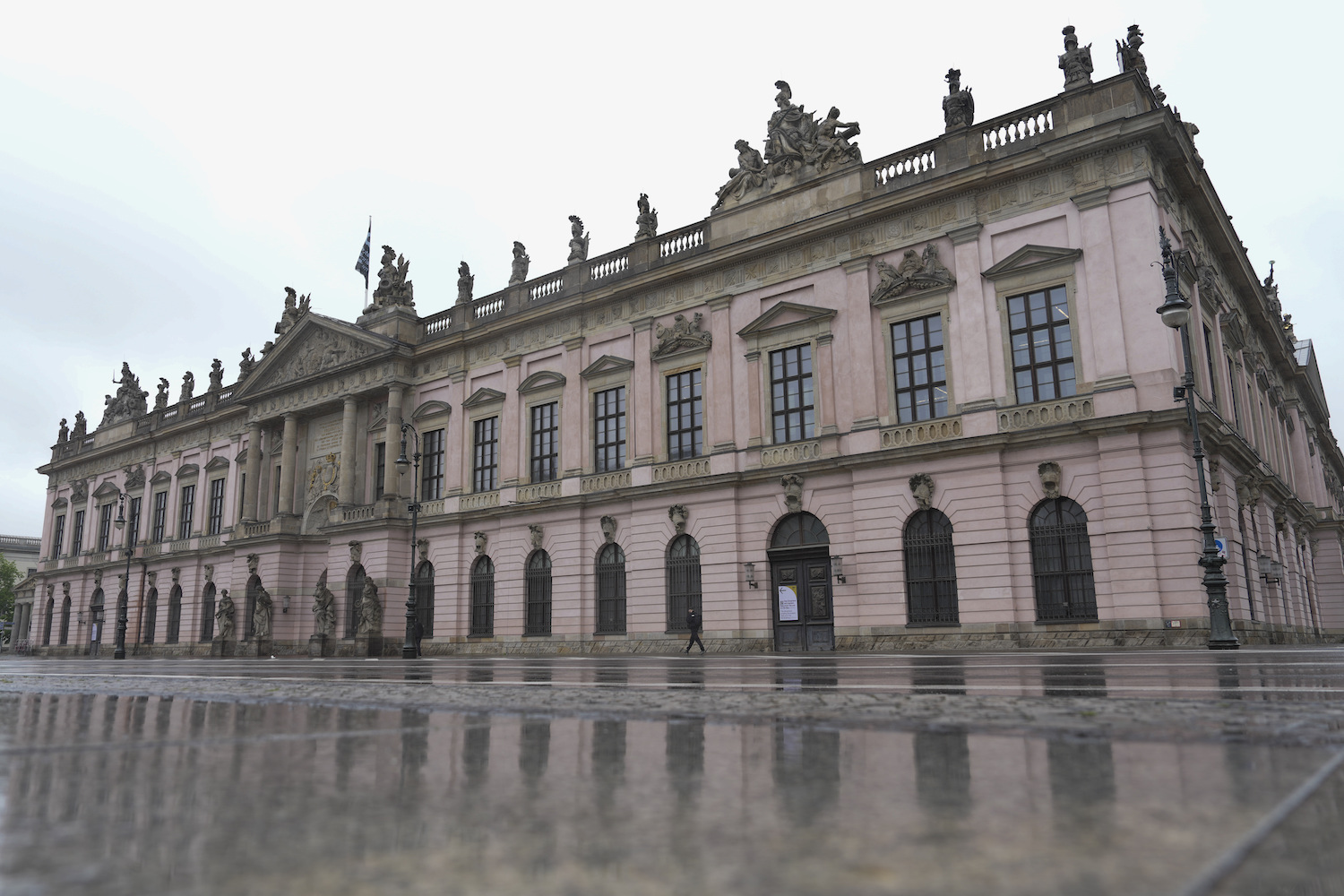
DHM main building likely closed until 2031

DHM-Hauptbau wohl bis 2031 dicht

The German Historical Museum (DHM) in Berlin will remain without its main building, the Zeughaus on Unter den Linden, until at least 2031 due to further delays in its renovation. Museum director Raphael Gross announced that a binding timeline from the property owner and the federal construction authority is not expected until 2027, and a reopening before 2031 is unrealistic. In the meantime, the museum is using its modern Pei-Bau wing to host a new exhibition titled "Objekte. Geschichte. Geschichten," featuring around 200 highlights from its collection of one million objects, including a samurai armor once gifted to Adolf Hitler and objects from a refugee shelter.

Several Venice Biennale pavilions shut in protest over inclusion of Israel

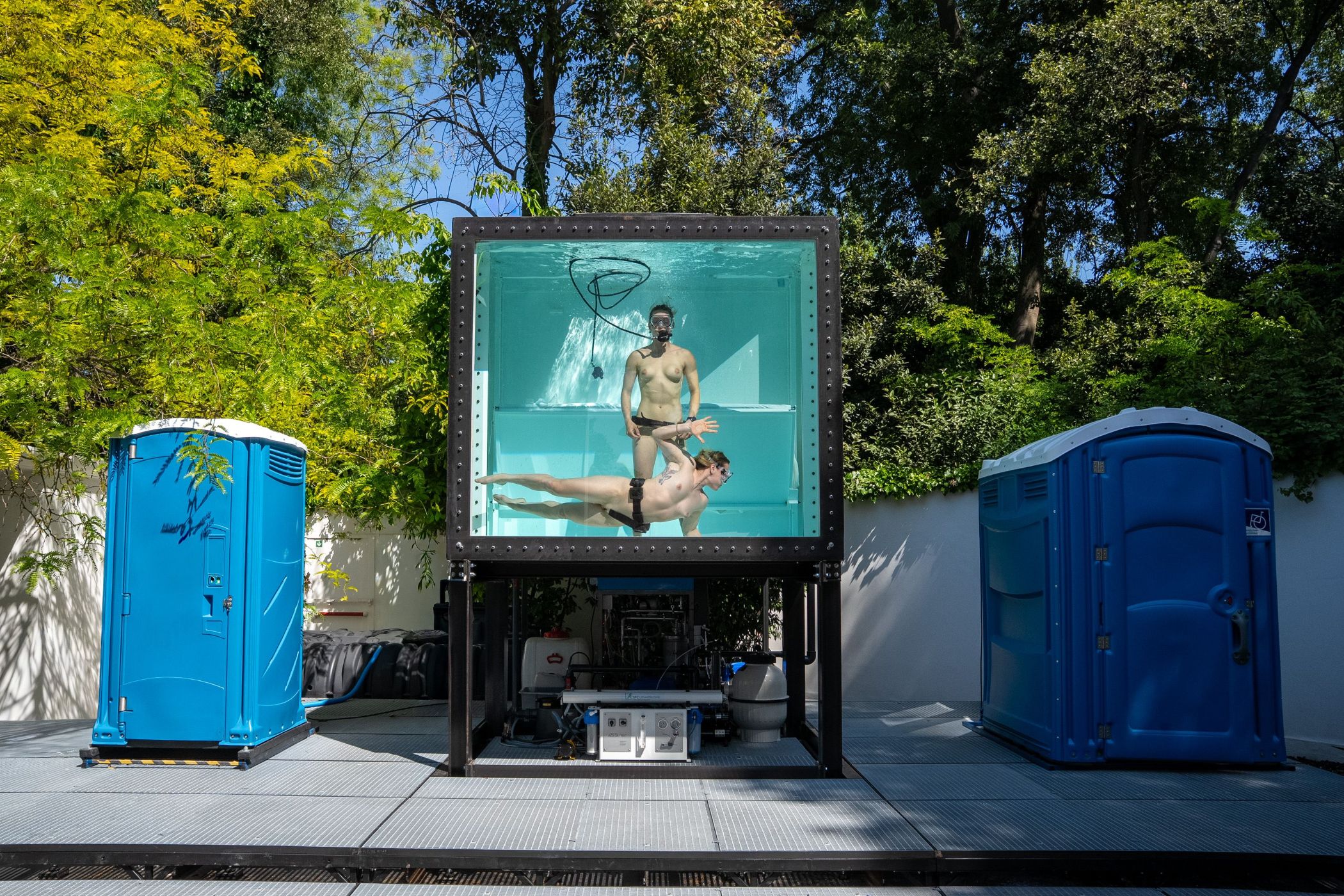
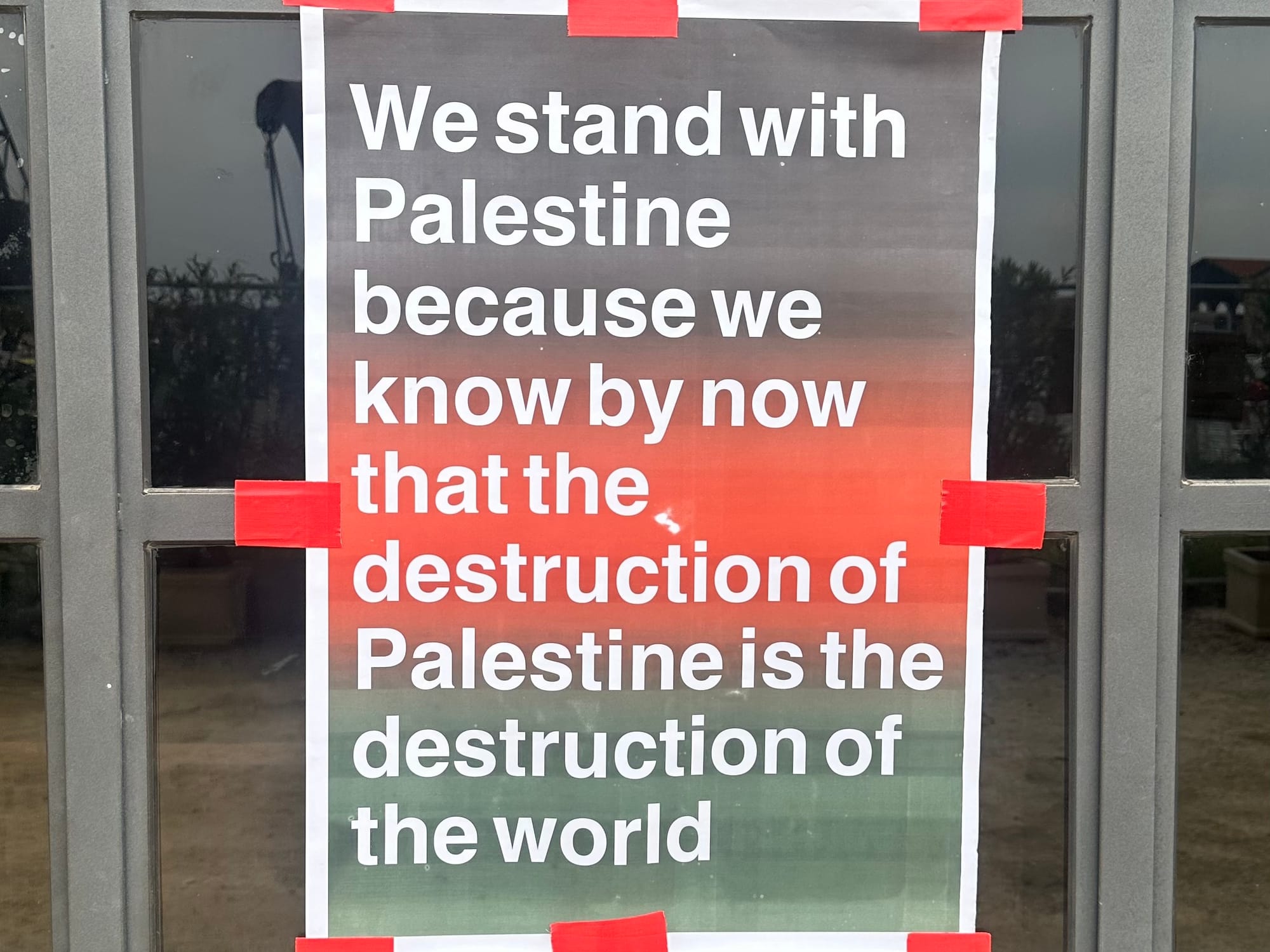
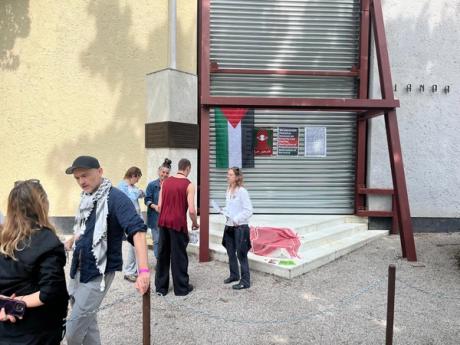
Several national pavilions at the 2026 Venice Biennale shut down during the final preview day in a strike organized by the Art Not Genocide Alliance (Anga) protesting Israel's inclusion due to its war in Gaza. Pavilions from Belgium, the Netherlands, Austria, Japan, Macedonia, and Korea closed entirely, while others like Britain, Spain, France, Egypt, Finland, and Luxembourg partially closed or reopened later. Artists in the main exhibition added Palestinian flags and posters reading "Palestine is the future of the world." The Israeli pavilion was closed for a private event, and earlier in the week Pussy Riot staged a protest at the Russian pavilion.

Strike Rocks Venice Biennale Ahead of Public Opening as Pavilions Close

Thousands of protesters marched through Venice to demonstrate against Israel's presence at the Venice Biennale, leading many national pavilions to close in solidarity. Pavilions from Austria, Belgium, Egypt, Japan, the Netherlands, South Korea, and over a dozen other countries shut fully or partially, with some displaying signs reading "We Stand with Palestine." The Israeli pavilion remained closed for its exhibition opening, and armed police clashed with protesters. The main exhibition, curated by Koyo Kouoh, stayed open initially but the Arsenale closed by late afternoon with riot police outside. The 24-hour strike, organized by Art Not Genocide Alliance (ANGA) and Italian activist groups, was described as the largest protest in Biennale history.

Historic Strike Disrupts Biennale as Thousands March in Venice

On May 8, 2026, artists and cultural workers staged the first strike in the 131-year history of the Venice Biennale, disrupting the pre-opening of the international exhibition. At least 27 of the 100 national pavilions were partially or fully shut down, and thousands marched through Venice to the Arsenale, which was barricaded by Italian riot police. The strike, organized by the Art Not Genocide Alliance (ANGA) and local activist groups, was a 24-hour action for Palestine and workers' rights, with some artists altering or draping their works in the main exhibition, "In Minor Keys."

Dozens of Pavilions Close During Strike at 61st Venice Biennale

On May 8, 2026, a 24-hour strike organized by the Art Not Genocide Alliance (ANGA) and several Italian activist groups brought the 61st Venice Biennale to a standstill. Approximately 27 of the 100 national pavilions closed fully or partially in solidarity with protesters demanding Israel’s exclusion from the event, including those of Austria, Belgium, France, Great Britain, Japan, South Korea, and Ukraine. Over 3,500 people marched through Venice, with speakers including artist Gabrielle Goliath and curator Caroline Dumalin. The main exhibition, "In Minor Keys," curated by the late Koyo Kouoh, closed by late afternoon, and riot police were stationed outside the Arsenale. The Israeli pavilion, already shuttered during previews, remained closed.

Venice Biennale strike sees more than 15 pavilions temporarily or partially close

On 8 May, more than 15 national pavilions at the Venice Biennale temporarily or partially closed in a coordinated strike organized by the Art Not Genocide Alliance (ANGA). The protest opposes Israel’s participation in the event, which organizers say normalizes what they call genocide and exploits precarious labor. Participating countries include Austria, Lebanon, Slovenia, Egypt, Poland, and the Netherlands, whose artist Dries Verhoeven stood outside his shuttered pavilion with a Palestinian flag. Some pavilions, like Japan’s, remained open but suspended interactive elements. The strike follows earlier controversies, including the resignation of the prize jury and an open letter demanding the Israeli pavilion’s cancellation.

Stilllive Documents 2019–2025 @ The 5th Floor

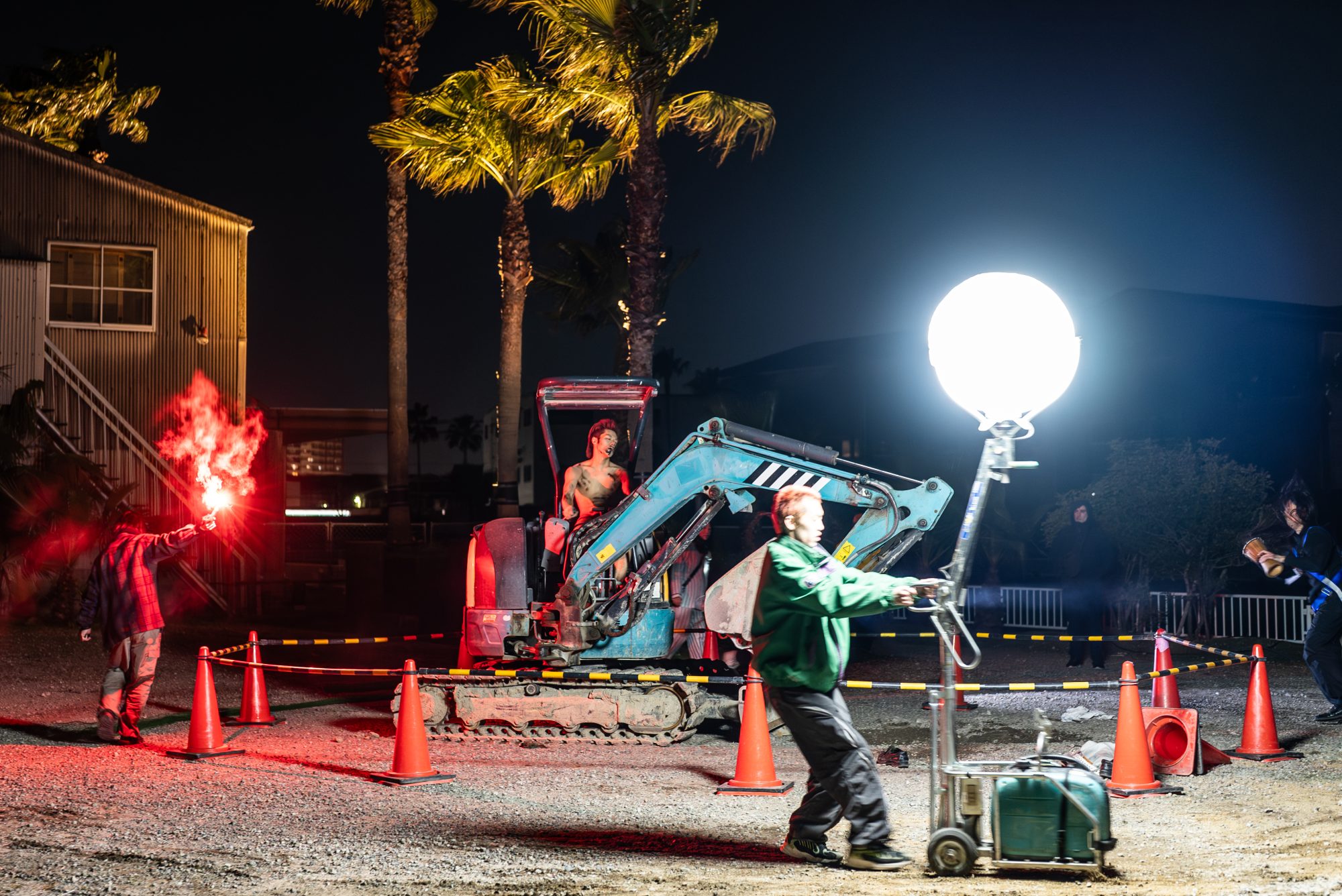
The 5th Floor in Tokyo is hosting "Stilllive Documents 2019–2025," a retrospective exhibition running from May 14 to June 7, 2026, that reviews the activities of the performance platform Stilllive. The show features unpublished photographs and video materials from 2019 to 2025, presenting them not as mere traces of events but as records of relationships, tensions, and responses that emerged in each moment. Stilllive was founded in 2016 by Yuki Kobayashi and graduates of the Royal College of Art's Performance program, and has held annual events since 2019 at venues including the Goethe-Institut Tokyo. A new performance, "Stilllive 2026," will take place on May 16–17 at BUoY in Senju Nakamachi, Tokyo, connecting past accumulations to future practice.