filter_list Showing 7 results for "curator" close Clear
search
dashboard All 138 museum exhibitions 92article culture 13person people 12article local 8article news 7rate_review review 4article policy 2
date_range Range Today This Week This Month All
Subscribe

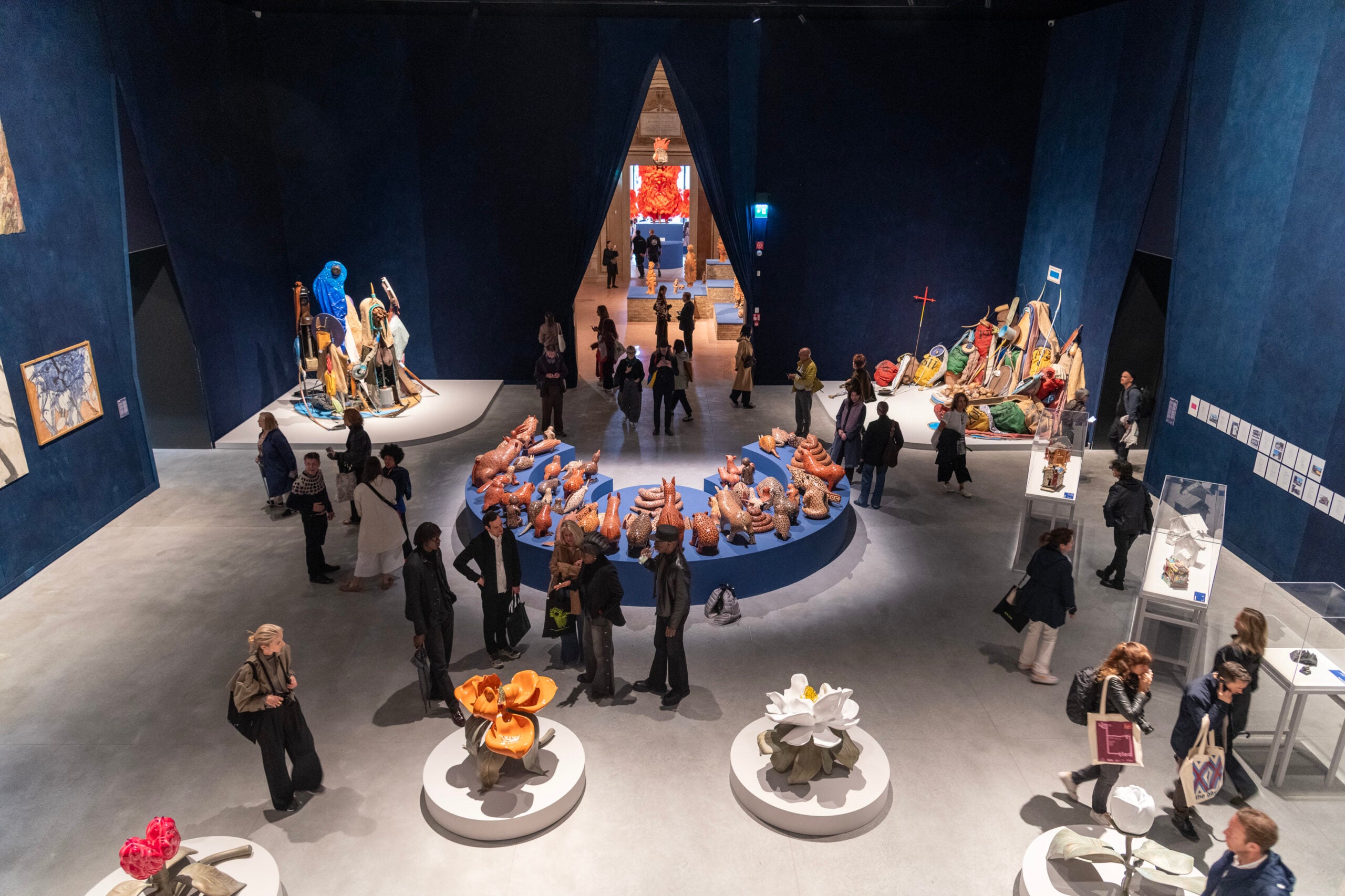
The Short Circuit of Art in Venice. The Tensions at the Biennale Are Not Just Geopolitics

Il cortocircuito dell’arte a Venezia. Le tensioni alla Biennale non sono solo geopolitica

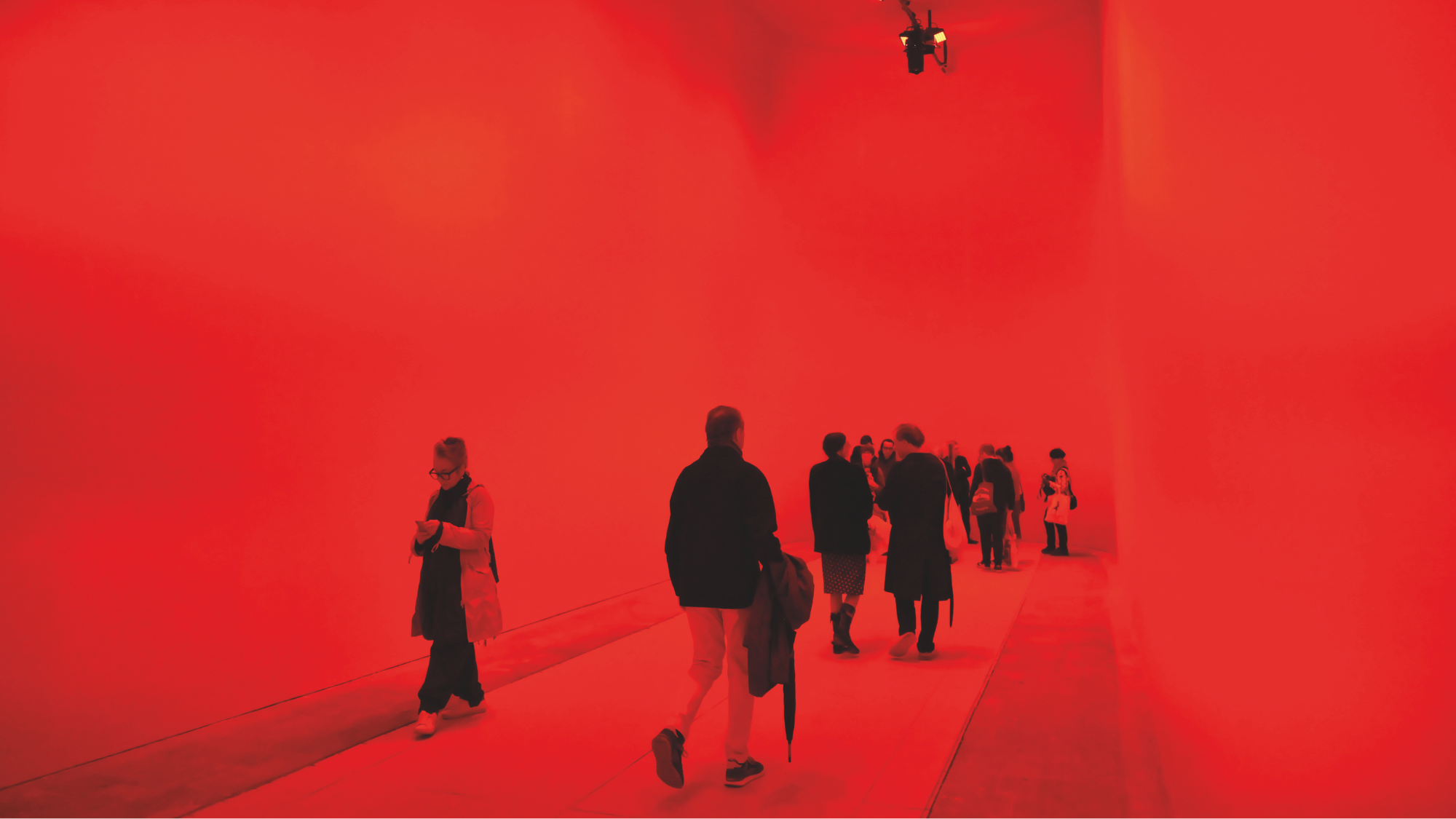
The article analyzes the recent tensions and controversies surrounding the 2026 Venice Biennale, which began with President Pietrangelo Buttafuoco's announcement in March that Russia, Iran, Israel, Ukraine, and Belarus would all be allowed to participate, framing it as a foreign policy gesture. This sparked immediate polarization, leading to two open letters from half the invited artists and curators demanding the exclusion of Russia, Israel, and the United States; the resignation of the jury a week before the opening over a decision to exclude countries under ICC indictment; and a historic strike by workers on May 8 that shut down many pavilions, merging protests against genocide with those against precarious labor conditions.

Krakow’s MOCAK Sacks Director Adam Budak, Angering Artists

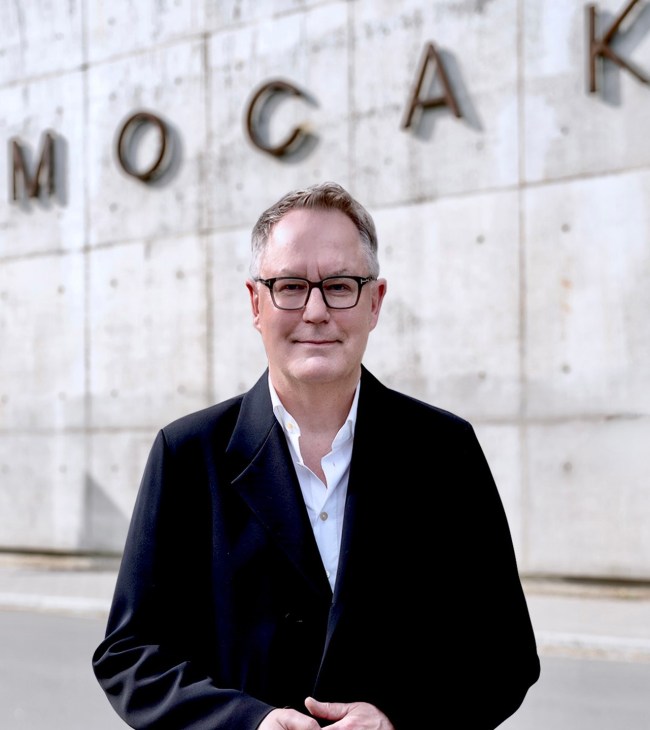
The City of Krakow dismissed Adam Budak as director of the Museum of Contemporary Art in Krakow (MOCAK) on May 16, citing improper performance of duties related to work organization and team management. Budak, who took the helm last summer, was replaced by acting director Grzegorz Kuźma, formerly the museum's deputy director, and will be officially terminated when his contract ends June 30. The dismissal followed an internal investigation spurred by a complaint signed by thirty-seven MOCAK staffers. In response, artists and curators including Paulina Olowska, Sabine Breitweiser, Alison Gingeras, and Candice Breitz signed a petition demanding Budak be heard, while several artists withdrew from MOCAK's 2026–27 programming.

Open Letter in Support of the Artist Asel Kadyrkhanova

An open letter initiated by members of the Kazakhstani and international art community protests the removal of artist Asel Kadyrkhanova's work *Machine* (2013) from the Kazakhstan pavilion at the 2026 Venice Biennale. The mixed-media installation, which addresses Stalinist repression through a vintage typewriter, arrest warrants, and red threads, was dismantled on May 5, 2026, reportedly by order of Kazakhstan's Ministry of Culture and Information, just before the pavilion's opening. The artist and curator were allegedly pressured to alter the work beforehand, and the ministry initially cited restrictions from the Italian side, but the Italian Ministry of Defense denied involvement.

Lagos curator establishes private art society with focus on cross-disciplinary exchange

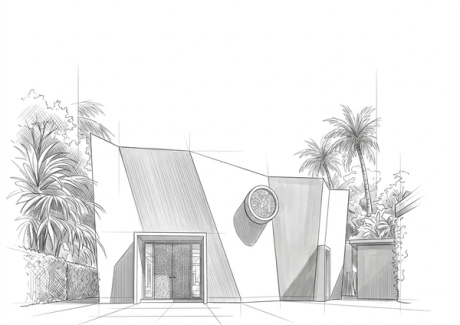
Ugoma Chinelo Ebilah, an economist-turned-curator who founded Bloom Art Lagos in 2010 and the Mbari Kola Arts and Culture Foundation in 2019, is opening Mbari Kola, a private art society and members club in Lagos. Located in the affluent Ikoyi district, the 800 sq. m space will include a public gallery, shop, and garden, along with a private lounge, terrace, library, and multifunctional rooms for members. The venue will host exhibitions, residencies, film screenings, concerts, performances, and readings, focusing on pan-African art and culture. A soft launch for founding members is set for Africa Day (25 May), with further phases after summer and during Lagos Art Week in November. The club is part-funded by Ebilah and crowdfunded through around 50 founding patrons and members.

Biennale’s Kazakh Pavilion Roiled by Controversy after Artwork Fails to Make It on View

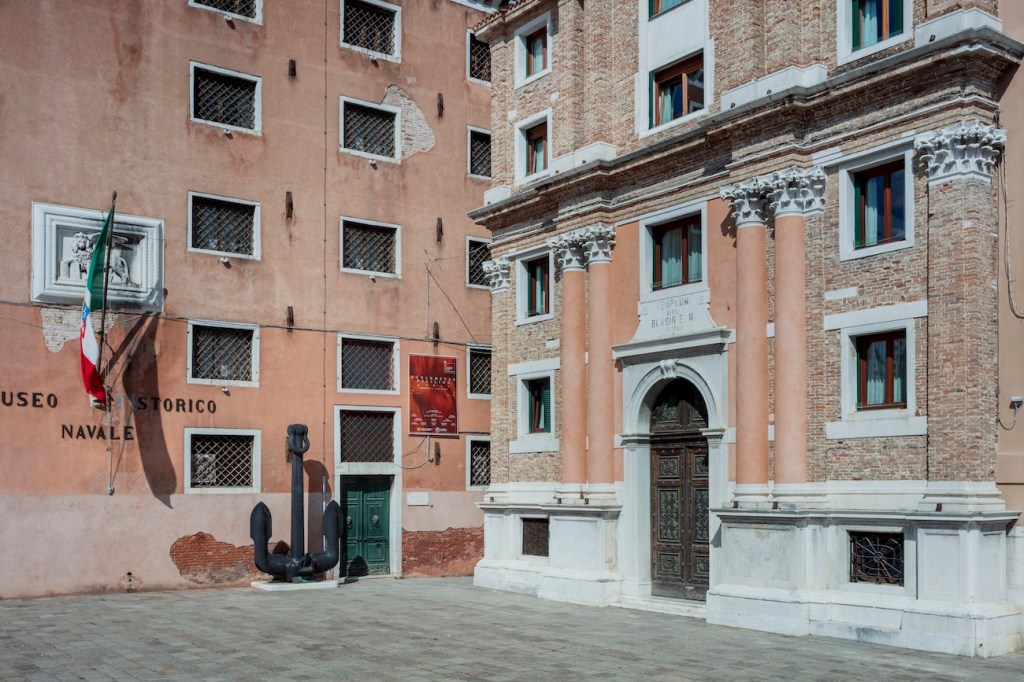
Controversy has erupted at the Kazakhstan pavilion of the Venice Biennale after artist Äsel Kadyrhanova's multimedia installation *Machine* (2013), which addresses Stalin-era repression in Kazakhstan, was dismantled before the exhibition opened. An open letter published on e-flux, signed by prominent Kazakhstani art community members, alleges the work was removed on May 5 on orders from the nation's Ministry of Culture or pavilion organizers. The pavilion's curator, Syrlybek Bekbota, claims he personally made the decision to dismantle the work after negotiations with the artist failed, citing contractual restrictions from the venue, the Museo Storico Navale di Venezia, which prohibits "political, ideological," or "propagandistic" content. The venue's management company, D'Uva, denies any role in the removal, while the project's co-commissioner, Danagul Tolepbay, disputes the accuracy of the open letter's claims.

RESONANCE 2026 Opens Fully Funded Paris Residency

ART X Lagos and Cité internationale des arts, in partnership with the Embassy of France in Nigeria / Institut Français du Nigeria, have opened applications for the 2026–2027 edition of the RESONANCE residency programme. The fully funded three-month residency in Paris is open to Nigeria-based visual artists, curators, and designers, offering a live-in studio at the Marais site, a monthly allowance of €1,200, round-trip travel, professional mentoring, and institutional visits. Applications are due by 31 May 2026, with separate residency periods for curators (October–December 2026) and visual artists/designers (November 2026–January 2027).

Venice Biennale 2026: controversy in contemporary art

The 2026 Venice Biennale has been overshadowed by controversy rather than its art. The main curator, Cameroon-born Koyo Kouoh, died unexpectedly in May. Russia, absent since 2022, returned to the exhibition, prompting the biennale jury to resign in protest after declaring it would not award prizes to countries accused of war crimes, with protests also targeting Israel.