filter_list Showing 16 results for "main exhibition" close Clear
search
dashboard All 57 museum exhibitions 36article news 16rate_review review 4article culture 1
date_range Range Today This Week This Month All
Subscribe

As Her Venice Biennale Opens, Koyo Kouoh Foundation Launches in Memory of Late Curator

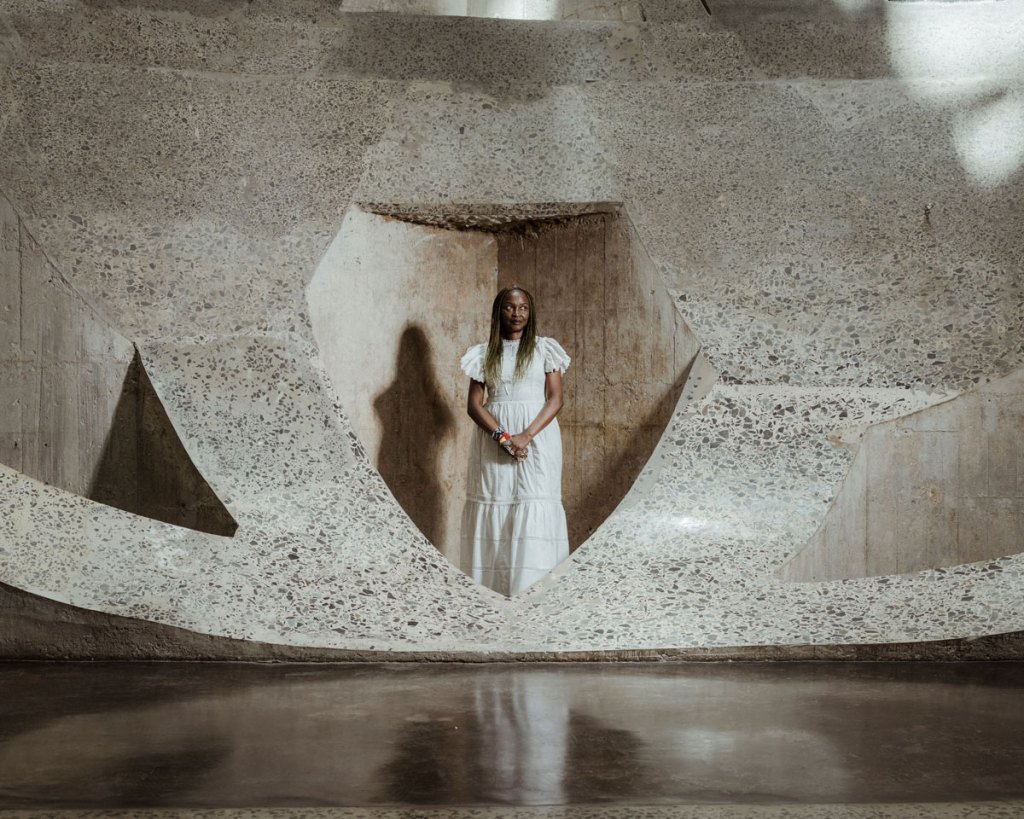
The Koyo Kouoh Foundation has launched in Basel, Switzerland, coinciding with the opening of the 2026 Venice Biennale, which features the late curator Koyo Kouoh's main exhibition "In Minor Keys." The foundation aims to continue Kouoh's work supporting contemporary African cultural production globally, including plans for the Koyo Kouoh Prize and a permanent home for the Koyo Kouoh Collection. It is led by her partner, saxophonist Philippe Mall, and includes board members such as artist Alfredo Jaar, curator Adrienne Edwards, and former Kunstmuseum Basel director Josef Helfenstein.


Here’s Why the Venice Biennale Main Show Lost One Artist During the Planning Stages

The Venice Biennale's main exhibition, curated by the late Koyo Kouoh, originally included 111 artists when announced in February, but now lists only 110. ARTnews reveals that the removed artist is Bodys Isek Kingelez, a Congolese sculptor known for his colorful cardboard "extreme maquettes" of fantastical cities. A Biennale spokesperson stated that works initially considered for Kingelez were ultimately unavailable. Kingelez, who died in 2015, was to be one of the few deceased artists in the show, alongside figures like Marcel Duchamp and Issa Samb.

"Kultursenator ist kein Nebenjob"

Berlin's finance senator Stefan Evers is set to additionally take on the role of culture senator following the resignation of Sarah Wedl-Wilson, a move criticized as a stopgap solution that creates a conflict of interest between austerity and cultural advocacy. Meanwhile, the Venice Biennale faces multiple controversies: critics question how to evaluate curator Koyo Kouoh's posthumous main exhibition "In Minor Keys," completed after her death in May 2025; Israeli artist Belu-Simion Fainaru speaks out against his exclusion from the Biennale competition, calling it politically biased and reminiscent of historical persecution; and German press decries the politicization of the Biennale, particularly the exclusion of Israel and Russia from the competition.

A Time of Transition

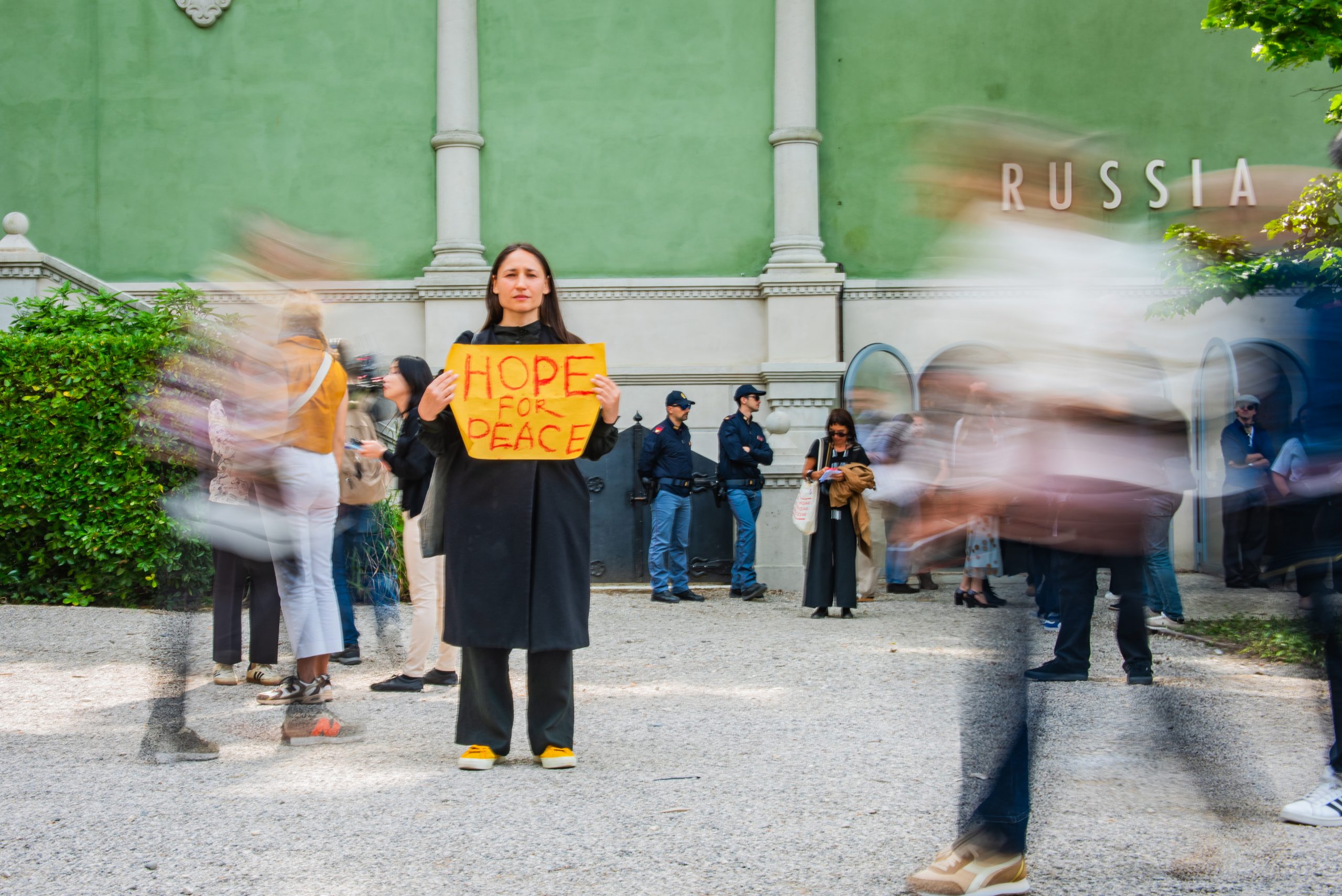
During the preview week of the 61st Venice Biennale, escalating protests targeted the national pavilions of Israel and Russia, with demonstrations by Pussy Riot, ANGA (Art Not Genocide Alliance), and Baltic pavilions. A major protest on May 8 drew over 3,000 people in solidarity with Palestine, and 27 national pavilions—including Austria, the Netherlands, France, and Japan—staged a strike, the first at the Biennale since 1968. The Golden Lion jury resigned after declaring they would not consider countries under ICC investigation (Israel and Russia), and the Biennale administration replaced the prize with a visitors' award, from which half the artists in the main exhibition have withdrawn.

A True-to-Life Biennale

Hakim Bishara, editor-in-chief of Hyperallergic, reflects on the 61st Venice Biennale after returning to New York, describing it as historical, political, and thrilling. He counters critics who claimed the Biennale imploded due to boycotts and resignations, arguing it was more alive than ever. The late Koyo Kouoh's main exhibition "In Minor Keys" is praised for reflecting global woes and joys. The article also highlights a major strike by artists and cultural workers that disrupted the pre-opening, the first cultural strike in the Biennale's 131-year history, with 54 artists in the international exhibition and 22 national pavilion teams withdrawing from awards consideration in solidarity with the jury's resignation.

Political Fallout Rocks Venice Biennale Prize System

Dozens of artists participating in the 2026 Venice Biennale have withdrawn from consideration for the newly created Visitor Lion awards, replacing the traditional Gold and Silver Lion prizes. A total of 57 artists from the main exhibition and 22 national pavilions signed a statement published on e-flux on May 9, acting in solidarity with the five-person prize jury that resigned on April 30 over the continued participation of Russia and Israel. The jury had objected to awarding prizes to artists from countries whose leaders face International Criminal Court charges, including Russian president Vladimir Putin and Israeli prime minister Benjamin Netanyahu. In response, the Biennale organizers postponed the awards ceremony to November 22 and introduced visitor voting, a move they described as consistent with openness and dialogue. Meanwhile, the Russian Pavilion, which returned after lending its space to Bolivia in 2024, faced protests, closure after previews, and a €2 million funding pull by the European Union for the 2028 Biennale.

Venice Biennale Artists Decline Consideration for Golden Lions Chosen by Public Vote

Nearly half of the artists in the main exhibition of the Venice Biennale have signed a statement declining consideration for the Golden Lion awards, in solidarity with the jury that resigned last month. The statement, published by e-flux, includes prominent names such as Alfredo Jaar, Tuan Andrew Nguyen, Otobong Nkanga, and Walid Raad, as well as national pavilion representatives from France, Lithuania, and the Netherlands. The Biennale had planned to replace the jury-selected Golden Lions with "Visitor Lions" decided by public vote, but the artists' refusal marks an unprecedented protest within the exhibition.

Several Venice Biennale pavilions shut in protest over inclusion of Israel

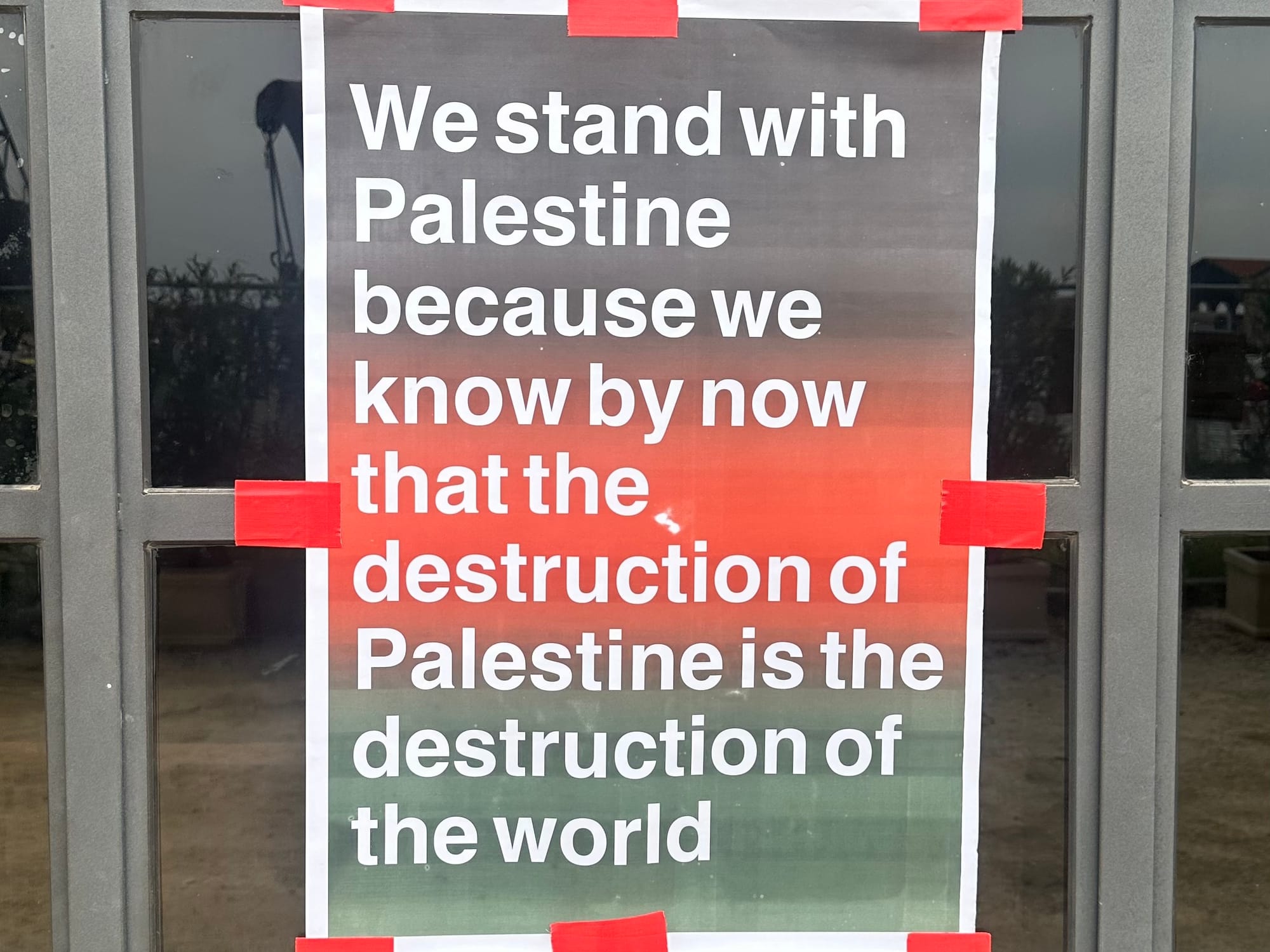
Several national pavilions at the 2026 Venice Biennale shut down during the final preview day in a strike organized by the Art Not Genocide Alliance (Anga) protesting Israel's inclusion due to its war in Gaza. Pavilions from Belgium, the Netherlands, Austria, Japan, Macedonia, and Korea closed entirely, while others like Britain, Spain, France, Egypt, Finland, and Luxembourg partially closed or reopened later. Artists in the main exhibition added Palestinian flags and posters reading "Palestine is the future of the world." The Israeli pavilion was closed for a private event, and earlier in the week Pussy Riot staged a protest at the Russian pavilion.

Strike Rocks Venice Biennale Ahead of Public Opening as Pavilions Close

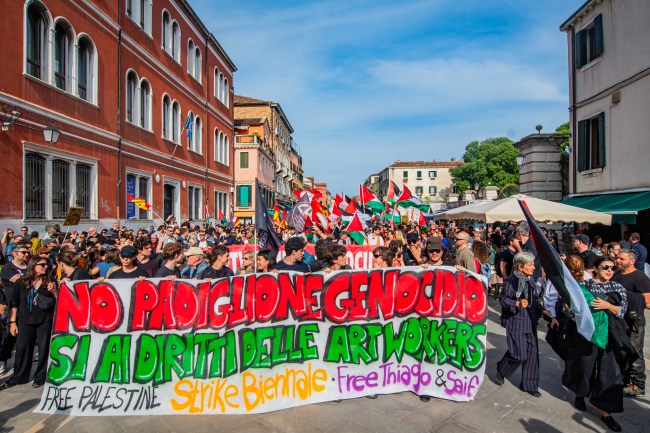
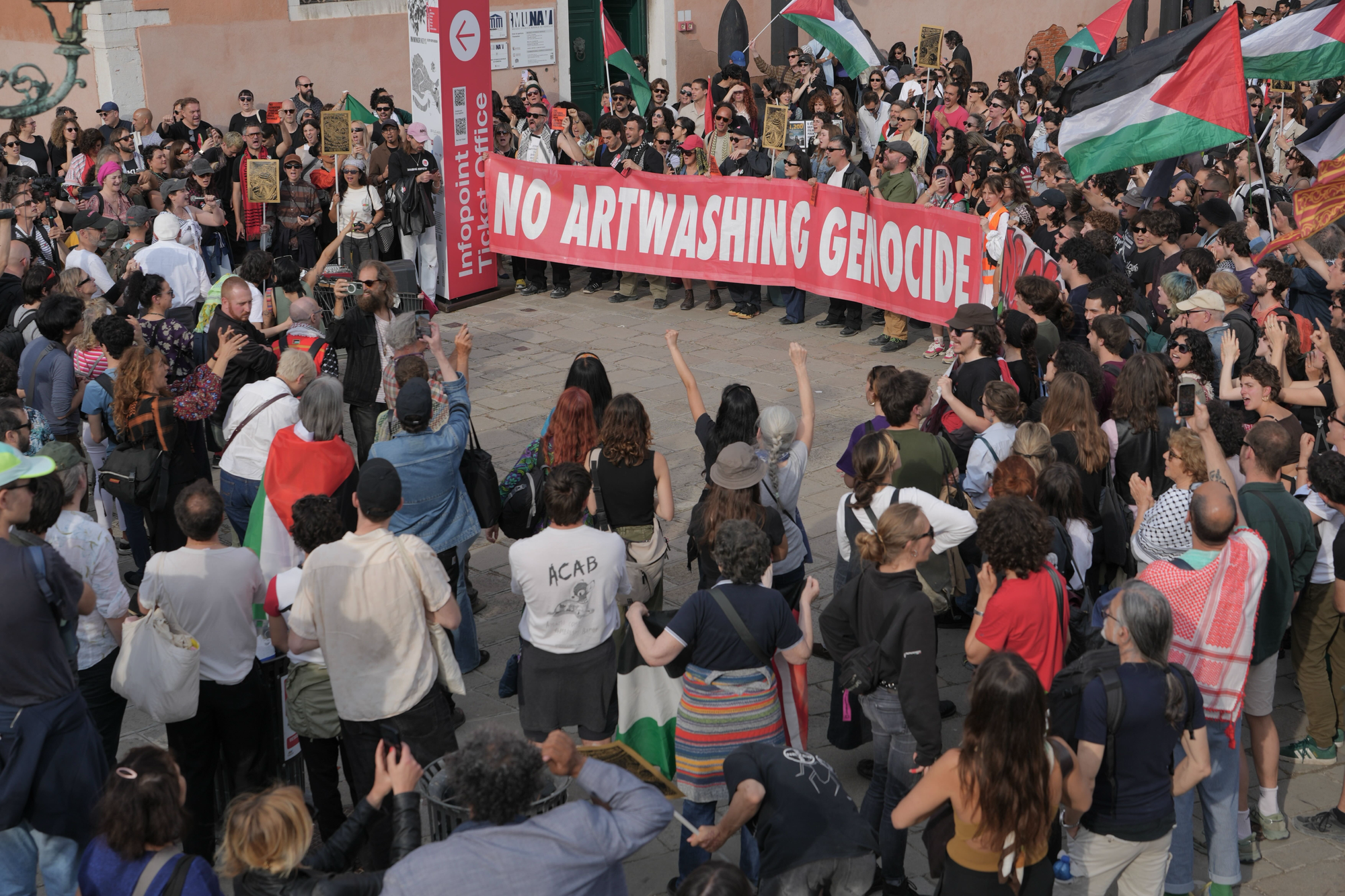
Thousands of protesters marched through Venice to demonstrate against Israel's presence at the Venice Biennale, leading many national pavilions to close in solidarity. Pavilions from Austria, Belgium, Egypt, Japan, the Netherlands, South Korea, and over a dozen other countries shut fully or partially, with some displaying signs reading "We Stand with Palestine." The Israeli pavilion remained closed for its exhibition opening, and armed police clashed with protesters. The main exhibition, curated by Koyo Kouoh, stayed open initially but the Arsenale closed by late afternoon with riot police outside. The 24-hour strike, organized by Art Not Genocide Alliance (ANGA) and Italian activist groups, was described as the largest protest in Biennale history.

Anish Kapoor Condemns Inclusion of US in Venice Biennale

Anish Kapoor has publicly condemned the inclusion of the United States in the upcoming 61st Venice Biennale, calling for its exclusion due to what he describes as the country's 'abhorrent politics of hate and its incessant warmongering.' In an interview with The Guardian, Kapoor praised the five-person jury that resigned en masse after refusing to consider Israel and Russia for the event's top prize, both nations having been accused by the International Criminal Court of crimes against humanity. Kapoor's remarks come amid the ongoing US war with Iran under the Trump administration, and he previously threatened to sue the Trump administration over a photo taken at his Cloud Gate sculpture in Chicago.

Historic Strike Disrupts Biennale as Thousands March in Venice

On May 8, 2026, artists and cultural workers staged the first strike in the 131-year history of the Venice Biennale, disrupting the pre-opening of the international exhibition. At least 27 of the 100 national pavilions were partially or fully shut down, and thousands marched through Venice to the Arsenale, which was barricaded by Italian riot police. The strike, organized by the Art Not Genocide Alliance (ANGA) and local activist groups, was a 24-hour action for Palestine and workers' rights, with some artists altering or draping their works in the main exhibition, "In Minor Keys."

Seen in Venice, Bought in Venice

"In Venedig gesehen, in Venedig gekauft"

The article reports on multiple developments surrounding the Venice Biennale. Iran has withdrawn from the Biennale, citing political and economic crises, with logistical challenges such as no flights or postal service making participation nearly impossible. Artist Anish Kapoor has called for the exclusion of the United States from the Biennale, criticizing its "abhorrent policy of hate" and "ongoing warmongering." A memorial installation by Derrick Adams for the late curator Koyo Kouoh, who was set to lead the main exhibition, will be displayed near the Arsenale. Additionally, the Biennale faces a funding cut from the EU due to Russia's continued participation despite the Ukraine war, leading to the resignation of the jury and the culture minister's withdrawal.

Dozens of Pavilions Close During Strike at 61st Venice Biennale

On May 8, 2026, a 24-hour strike organized by the Art Not Genocide Alliance (ANGA) and several Italian activist groups brought the 61st Venice Biennale to a standstill. Approximately 27 of the 100 national pavilions closed fully or partially in solidarity with protesters demanding Israel’s exclusion from the event, including those of Austria, Belgium, France, Great Britain, Japan, South Korea, and Ukraine. Over 3,500 people marched through Venice, with speakers including artist Gabrielle Goliath and curator Caroline Dumalin. The main exhibition, "In Minor Keys," curated by the late Koyo Kouoh, closed by late afternoon, and riot police were stationed outside the Arsenale. The Israeli pavilion, already shuttered during previews, remained closed.

Dozens of Venice Biennale Artists Stage ‘Drone’ Perfomance in Protest of Israel’s Participation

On the opening day of the Venice Biennale, around 60 artists and dozens of other participants staged a protest titled “Solidarity Drone Chorus” at the Giardini entrance, humming a viral song by Gazan composer Ahmed “Muin” Abu Amsha to sonically occupy the space. The action, organized by artists in the main exhibition over several months, protested Israel’s participation in the Biennale and expressed support for Palestine, with participants wearing T-shirts bearing the names and artworks of Gazan and Palestinian artists, many of whom have been killed. The protest follows an open letter from the Art Not Genocide Alliance demanding Israel’s exclusion.

Venice Biennale in crisis: The controversies explained

The Venice Art Biennale's official awards ceremony, scheduled for May 9, has been canceled after the entire five-member jury resigned days before the event. The jury had previously announced they would not consider countries whose leaders face International Criminal Court charges, directly impacting Russia and Israel. Instead of jury-selected prizes, visitors will vote throughout the Biennale's run, with "Visitor Lions" awarded on November 22. The event, running from May 9 to November 22, features 100 national participations, including seven first-time countries, and a posthumous main exhibition titled "In Minor Keys" curated by the late Koyo Kouoh, the first African woman to lead the show. Iran withdrew on May 4 amid Middle East tensions, while Russia's return to the Biennale in 2026 has sparked EU threats to cut funding.

Jury of the Venice Biennial resigns, Russia and Israel return to Award Contention

The five-member international jury of the 61st Venice Biennale, led by Brazilian curator Solange Farkas, has resigned effective April 30, 2026. The jury—comprising Solange Oliveira Farkas, Zoe Butt, Elvira Dyangani Ose, Marta Kuzma, and Giovanna Zapperi—announced their resignation in a written statement, referencing a prior Statement of Intention issued on April 22. In response, La Biennale di Venezia postponed the Awards Ceremony from May 9 to November 22, the final public day, and introduced two new "Visitors' Lions" awards—one for the Best Participant in the main exhibition "In Minor Keys" by Koyo Kouoh, and one for the Best National Participation—to be decided by ticket-holder vote.