filter_list Showing 46 results for "sanctions" close Clear
search
dashboard All 83 article news 46article policy 21museum exhibitions 6trending_up market 5gavel restitution 4person people 1
date_range Range Today This Week This Month All
Subscribe

nan goldin neue nationalgalerie 2

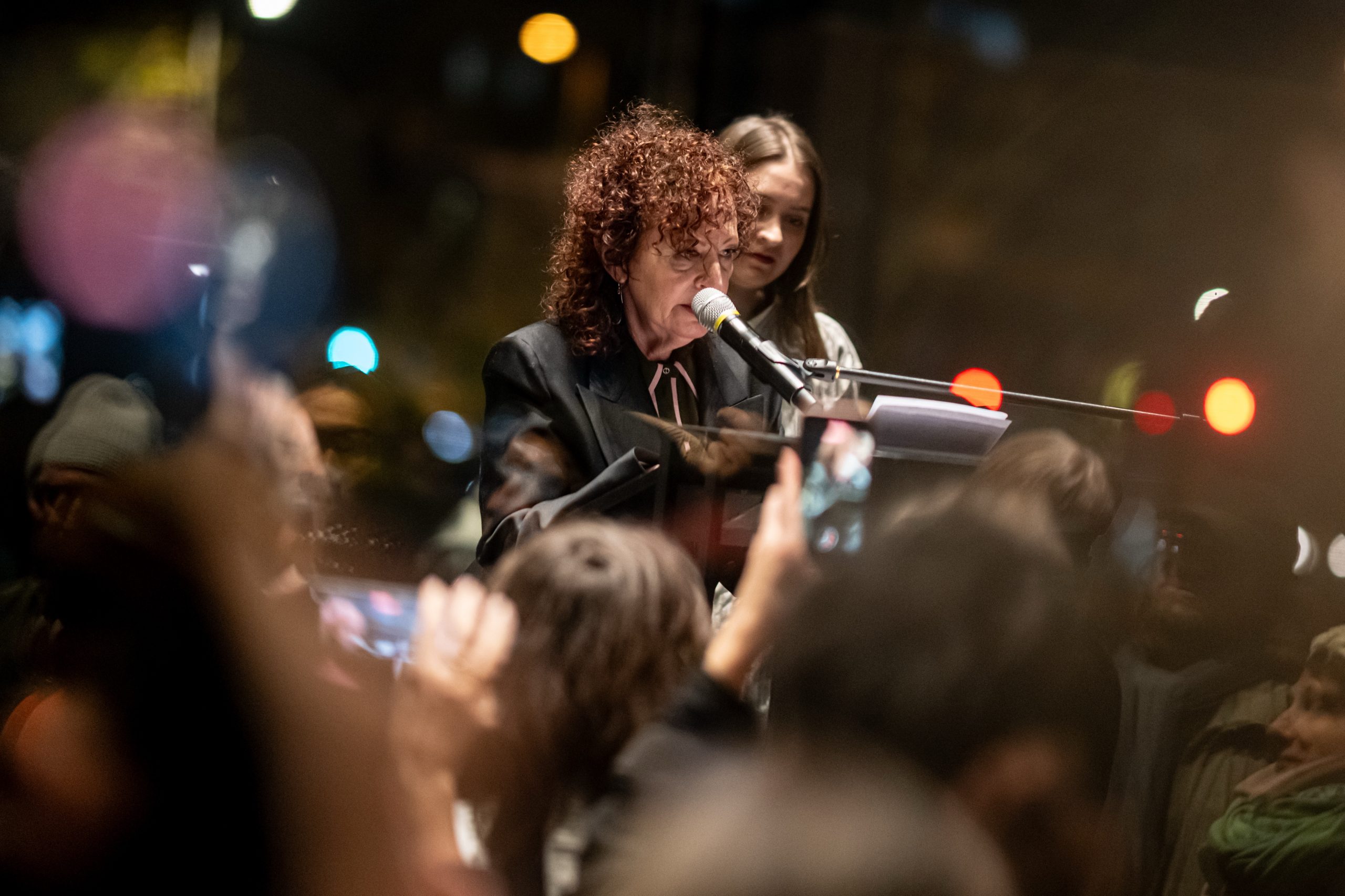
Nan Goldin used the opening of her retrospective “This Will Not End Well” at Berlin’s Neue Nationalgalerie to deliver a forceful 14-minute speech condemning the Israel-Gaza war and criticizing Germany’s censorship of pro-Palestinian voices. She called for a phone-free moment of silence for the dead in Palestine, Israel, and Lebanon, and framed her exhibition as a test case for artistic freedom. The event drew a large crowd, police presence, and was widely shared on social media by figures like Ai Weiwei and Wolfgang Tillmans.

hauser and wirth russia sanctions case court date

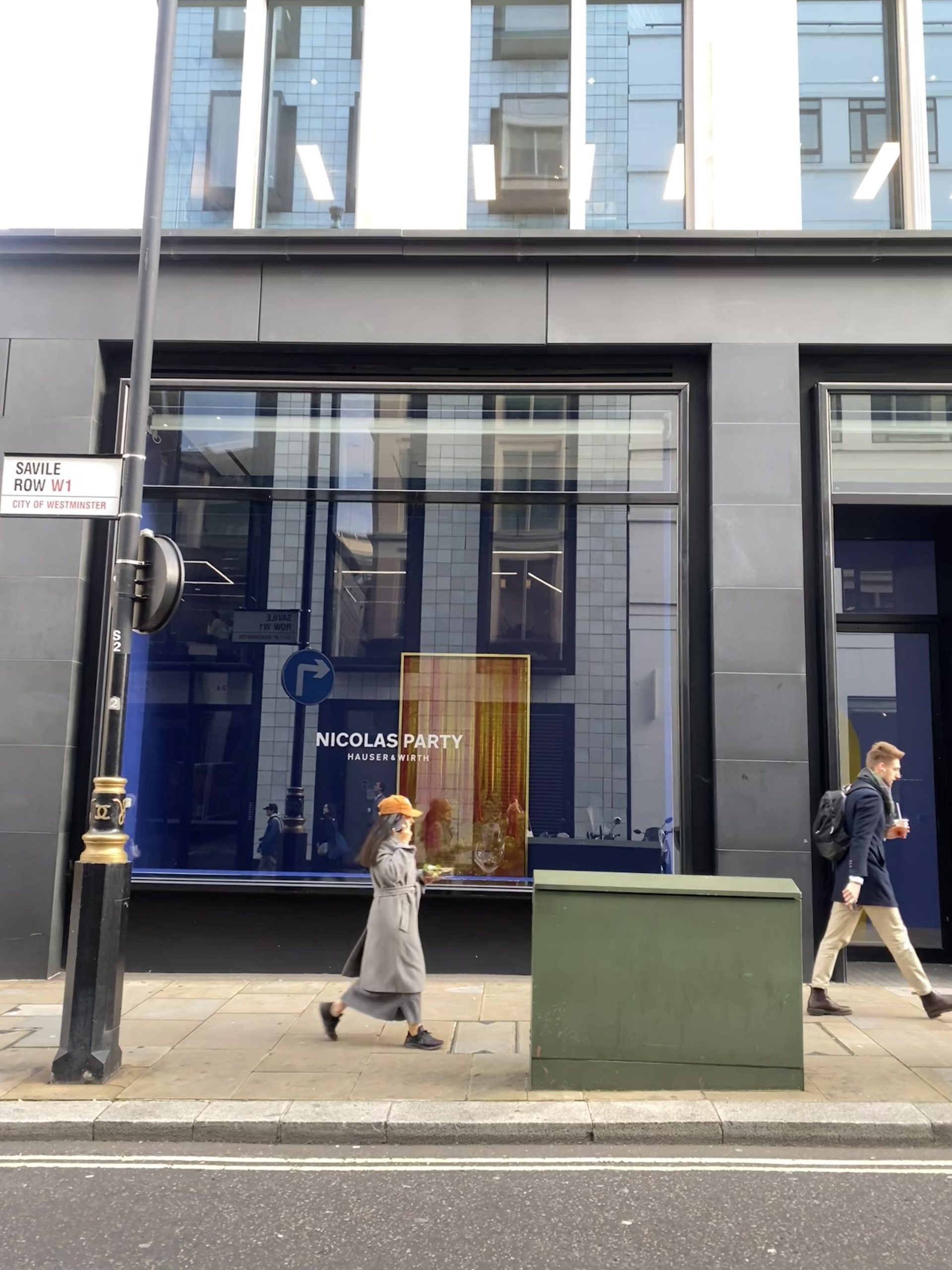
A UK judge has scheduled a 10-day trial for January 2028 in the case against mega-gallery Hauser & Wirth and liquidated shipping firm Artay Rauchwerger Solomons over alleged violations of UK sanctions against Russia. The Crown Prosecution Service (CPS) charged the gallery with making George Condo's 2021 work on paper, *Escape from Humanity*, available in 2022 to a person connected to Russia. The next hearing is set for May 5, 2026, for arraignment. Hauser & Wirth has stated it strongly contests the charge and intends to plead not guilty, while the shipping company went into voluntary liquidation in April 2024.

hauser and wirth russia sanctions trial

Hauser & Wirth and art shipping company Artay Rauchwerger Solomons face trial over charges of evading U.K. sanctions by allegedly making artist George Condo's 2021 work on paper, *Escape from Humanity*, available to a person connected with Russia in 2022. The U.K. Crown Prosecution Service brought the charge in November, and a judge has scheduled a 10-day trial for January 2028, with a hearing on May 5, 2026, for arraignment. Hauser & Wirth has stated it will plead not guilty, while the shipping firm, which went into voluntary liquidation in April 2024, did not respond to requests for comment.

hauser wirth charged by uk authorities for breaching criminal sanctions

UK tax authority HM Revenue and Customs (HMRC) has charged mega-gallery Hauser & Wirth with breaching criminal sanctions by allegedly making a luxury artwork available to a person connected with Russia. The case involves a 2021 work-on-paper by George Condo titled *Escape from Humanity*, sold by the gallery between April and December 2022, after the UK banned luxury goods exports to Russia-linked individuals in April 2022. The gallery, along with shipping company Artay Rauchwerger Solomons, faces charges under the sanctions law, which was enacted following Russia's invasion of Ukraine. Hauser & Wirth has stated it strongly contests the charge and intends to plead not guilty.

art institute chicago school pro palestine labor activism

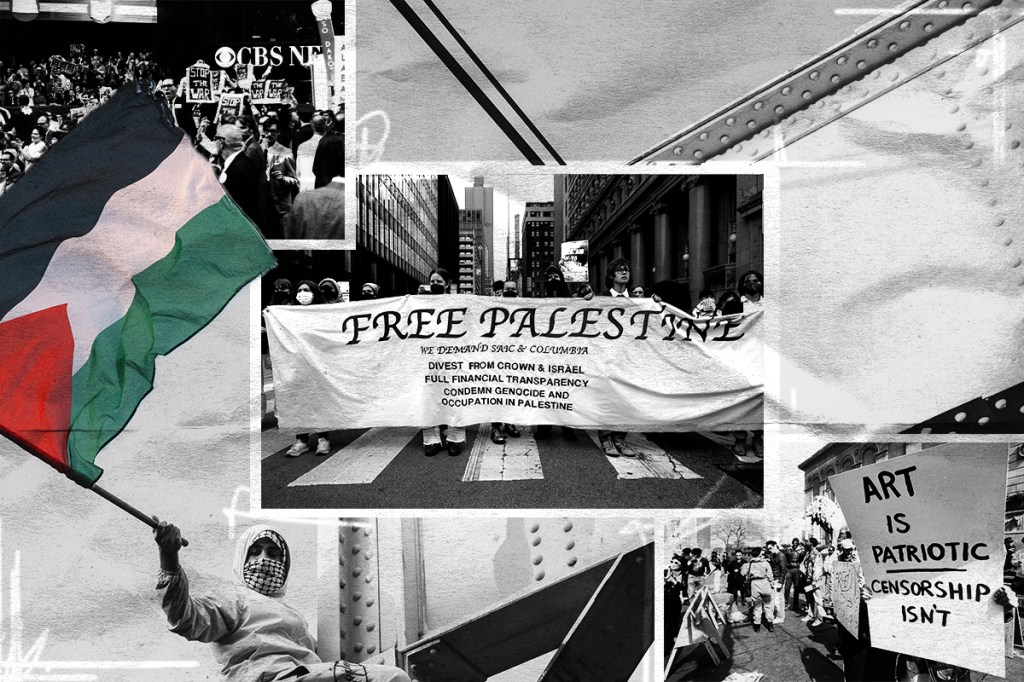
Kelly Xi, an artist and lecturer at the School of the Art Institute of Chicago (SAIC), was placed under investigation and administrative leave after using a school photocopier to produce materials for a pro-Palestine student exhibition and sharing an email list for a faculty union petition. The exhibition advocated for divestment from Israel and criticized the school's handling of a protest encampment that led to dozens of arrests in May 2024. The actions were organized by Students for the Liberation of Palestine (SLP), targeting trustee A. Steven Crown, whose family owns a stake in defense contractor General Dynamics and donated to pro-Israel groups.

Russia's 2026 Venice Biennale Will Not Open to the Public, and Other News.

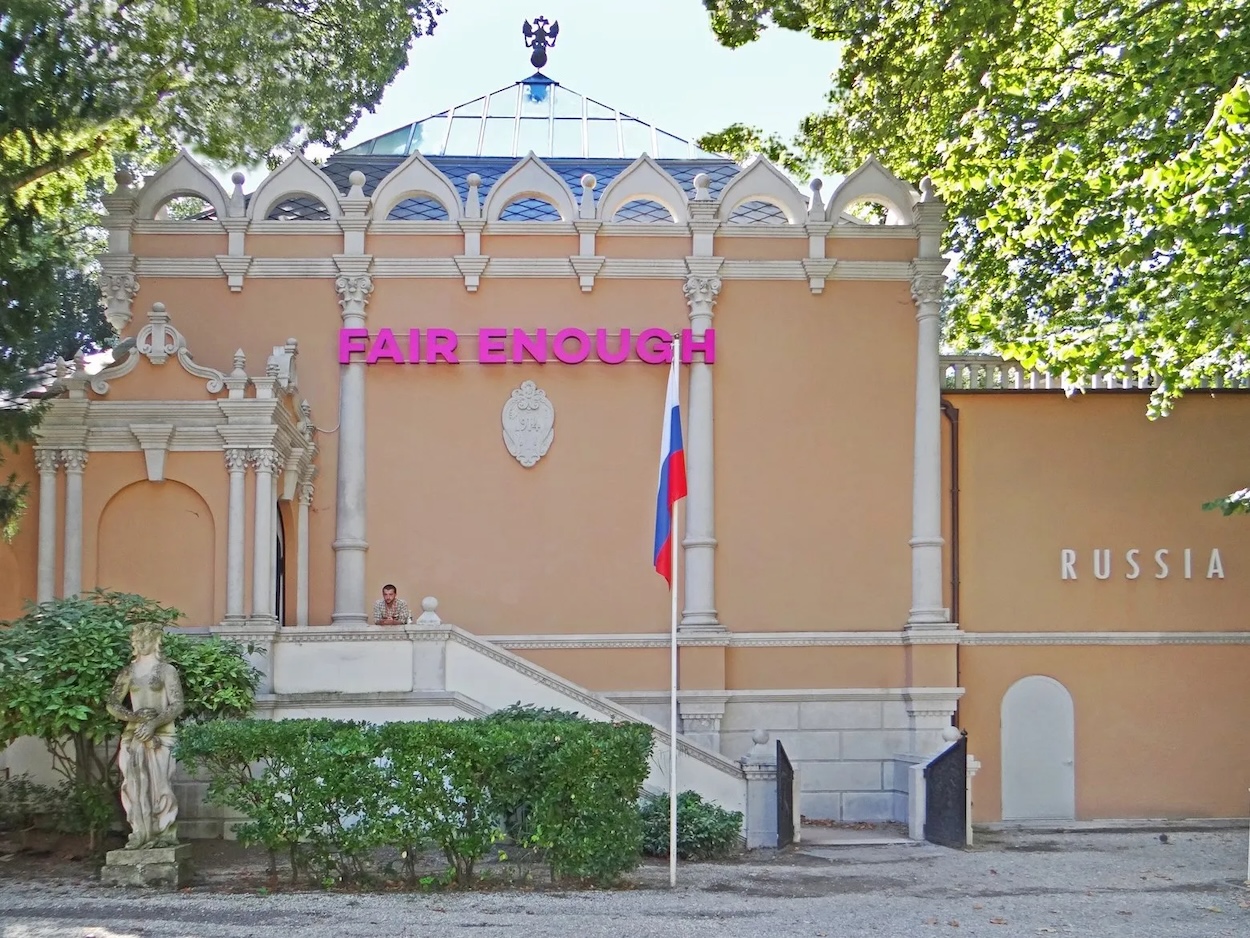
Russia's pavilion at the 2026 Venice Biennale will be closed to the public for nearly the entire run of the exhibition (May 9–November 22), with access limited to a brief preview period for press and invited guests. Instead of physical access, visitors will experience the pavilion's project—titled 'The Tree Is Rooted in the Sky'—via video documentation displayed on exterior screens. The arrangement is widely seen as a compromise shaped by international sanctions and political backlash over Russia's return following its absence after the 2022 invasion of Ukraine. In other news, Matthieu Blazy unveiled his first Chanel cruise collection in Biarritz; San Francisco appointed Matthew Goudeau as its first-ever executive director of arts and culture; the Saudi Arabia Museum of Contemporary Art received a $490 million construction grant from Diriyah Company; and online auction sales grew 8 percent in 2025, generating $423.9 million.

Pussy Riot Storms Russia Pavilion at Venice Biennale

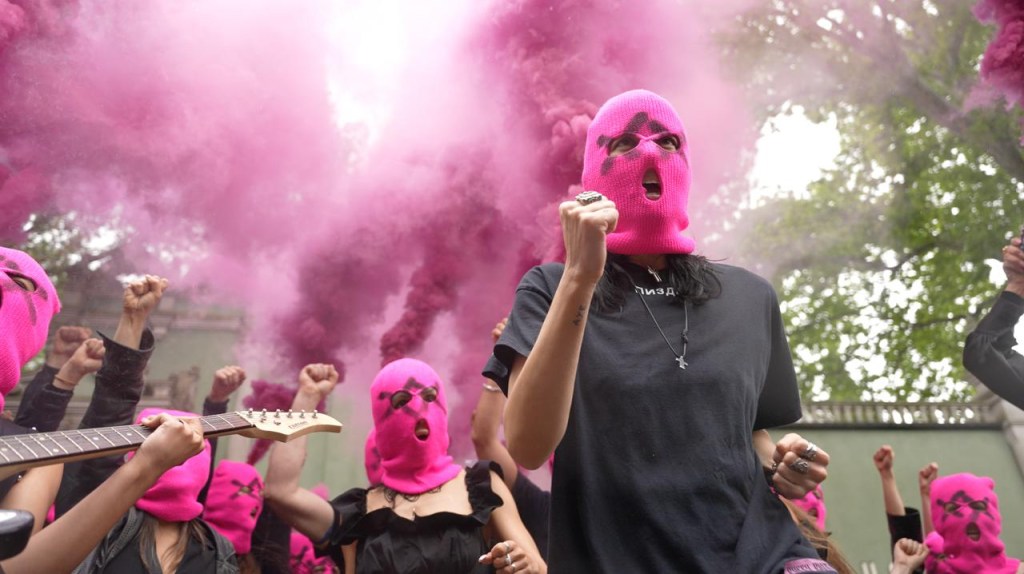
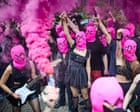
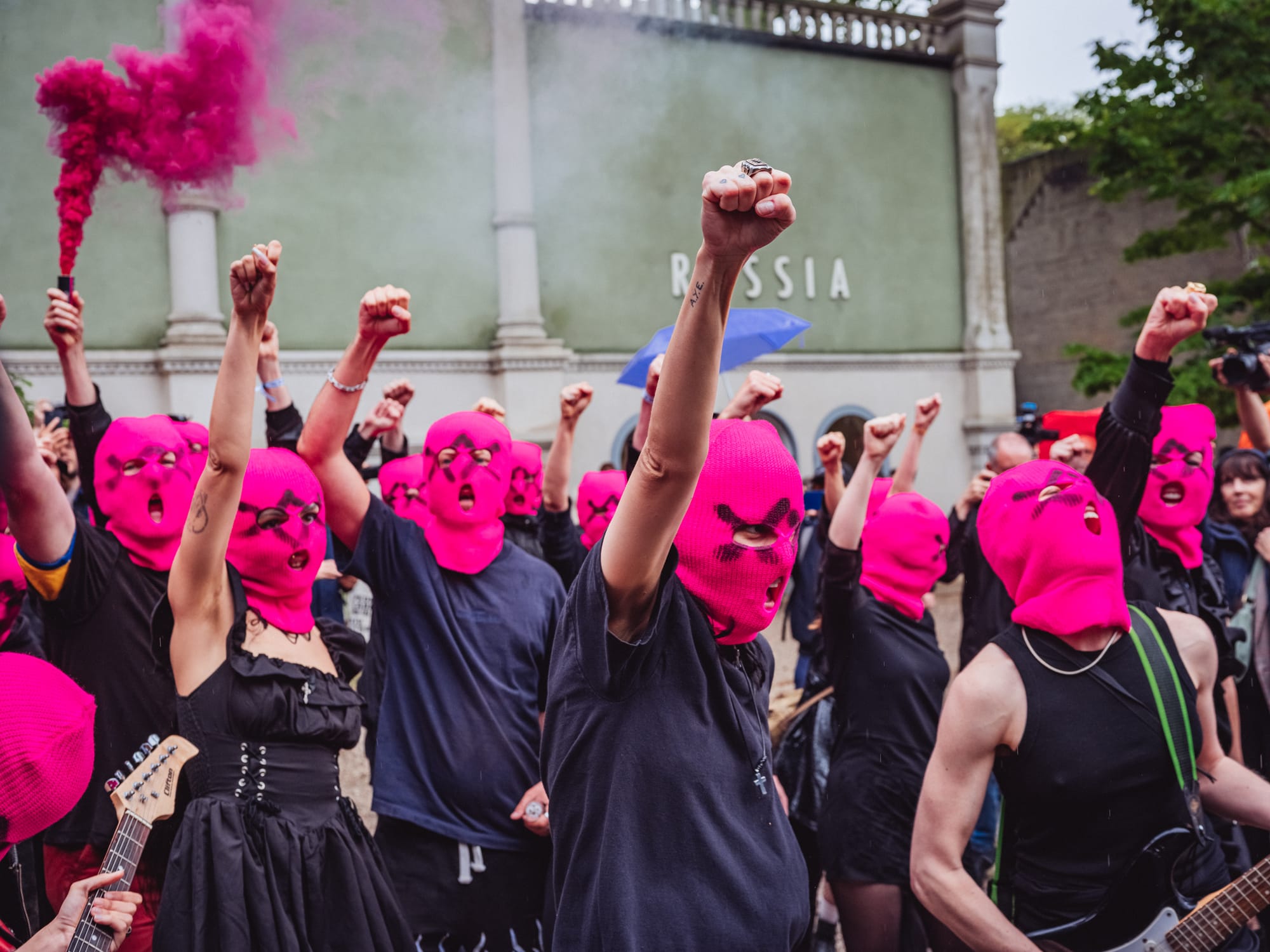
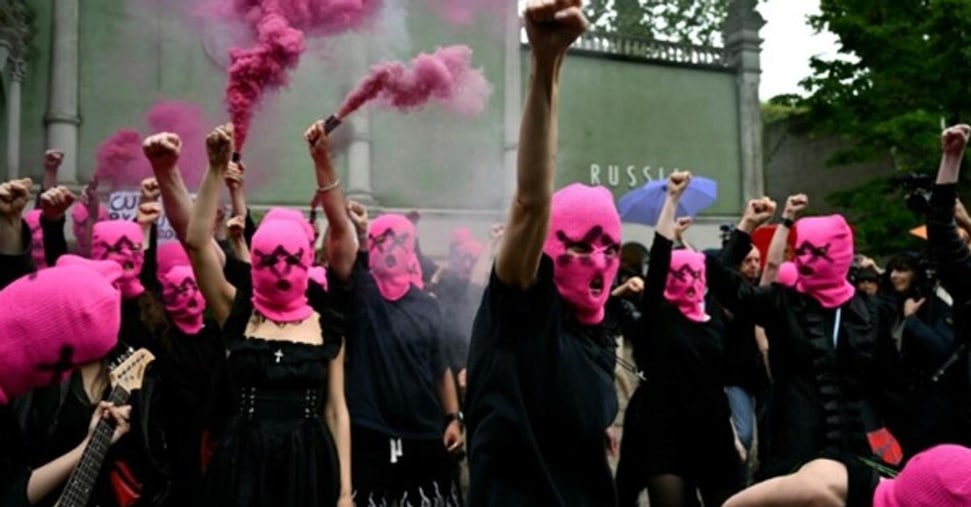
Pussy Riot staged a dramatic protest at the Russia Pavilion during the Venice Biennale, releasing pink smoke and waving Ukrainian flags while chanting slogans like 'Blood is Russia’s art.' Around 50 protesters, including members of Femen, occupied the area. Pussy Riot founder Nadya Tolokonnikova called for the pavilion to be closed and given to oppressed peoples, challenging Biennale president Pietrangelo Buttafuoco to meet her. The protest lasted about 20 minutes, with performers climbing the pavilion and exposing political slogans on their chests.

May You Live in Less Interesting Times

The international jury for the Venice Biennale has collectively resigned just before the press preview, following their announcement that countries accused of crimes against humanity—specifically Israel and Russia—would be excluded from award consideration. The jurors did not provide an explicit reason for their resignation. Meanwhile, Russia's return to the 61st Venice Biennale will involve workarounds to comply with international sanctions, including restricted pavilion access. The article also highlights a widely-read essay by Hakan Topal on the financialization and 'administrification' of American art schools and academia.

How Pussy Riot Is Challenging Russia’s Return to the Venice Biennale

The feminist art collective Pussy Riot is campaigning to replace the official Russian exhibition at the 2024 Venice Biennale with their own show, "Resistance Imprisoned." The alternative exhibition features art created by nearly 30 current and former political prisoners in Russia, using improvised materials like envelopes, bedding, and blood. The collective's founder, Nadya Tolokonnikova, aims to expose the country's repressive system, drawing from her own experience in a penal colony.

At the Venice Biennale I saw anger at Russia and Israel – and its leadership pretending everything was fine | Charlotte Higgins

At the 2024 Venice Biennale, the Russian pavilion returned with festive performances and prosecco deliveries, drawing sharp criticism from observers who saw it as a propaganda effort to distract from Russia's war in Ukraine. Meanwhile, Ukraine's Kramatorsk was bombed, and protests erupted, including a Pussy Riot intervention. Biennale president Pietrangelo Buttafuoco defended Russia's and Israel's participation, rejecting preemptive bans despite open letters and appeals. European Commission investigated potential sanctions breaches, and culture ministers from Ukraine, Poland, Estonia, and Baltic states boycotted or condemned the biennale's stance, accusing it of yielding to the aggressor.

dealer oghenochuko ojiri pleads guilty hezbollah financier

London art dealer Oghenochuko Ojiri has pleaded guilty to eight charges of failing to disclose potential terrorist financing after selling artworks to Nazem Ahmad, a collector sanctioned by the US since 2019 for funding Hezbollah. The charges, brought by the Metropolitan Police’s National Terrorist Financial Investigation Unit, cover transactions from October 2020 to December 2021, with artwork valued at approximately £140,000 ($186,000). Ojiri, who owned a namesake gallery in East London and appeared as an art expert on BBC’s Bargain Hunt, allegedly filled out paperwork in other individuals' names to disguise Ahmad’s ownership of the works.

Art and politics clash at Venice Biennale, as world conflicts upstage exhibition's opening

The 61st Venice Biennale, the world's most prestigious art exhibition, opens under unprecedented turmoil. For the first time, its vision was shaped by the late Cameroonian curator Koyo Kouoh, who centered artists from Africa and its diaspora. However, political conflicts over Russia and Israel have overshadowed the art. All five jurors resigned after the Italian culture minister investigated their decision to withhold prizes from Russia and Israel over alleged crimes against humanity. Protests erupted at the Russian pavilion, with Pussy Riot activists denouncing Russia's participation, while the Israeli pavilion artist threatened legal action over the jury's snub. The Biennale will proceed without a jury, with visitors voting for two awards, and the fate of the Golden Lion remains uncertain.

Museum diplomacy in action at ICOM UK 2026: museums in a changing world

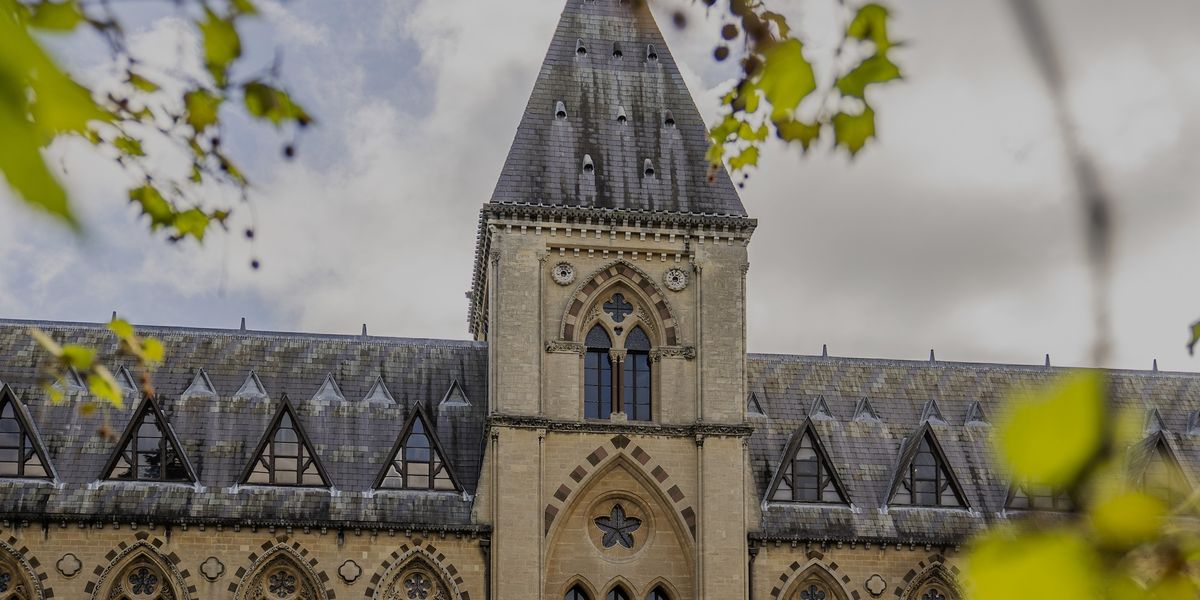
ICOM UK hosted its 2026 annual conference in Oxford, bringing together delegates from over 20 countries to explore the theme of 'Museum Diplomacy.' Keynote speaker Dr. Sascha Priewe of the Aga Khan Museum and ICOM Canada framed the current geopolitical moment as a 'GZERO World,' where no country is willing or able to lead globally, and discussed how sanctions, export controls, and shifting alliances are straining international museum collaborations. Sessions featured case studies from the Science Museum Group and International Arts & Artists, emphasizing that trust and networks, not grand gestures, are essential for enduring partnerships.

EU imposes sanctions on Mikhail Piotrovsky, director of Russia's State Hermitage Museum

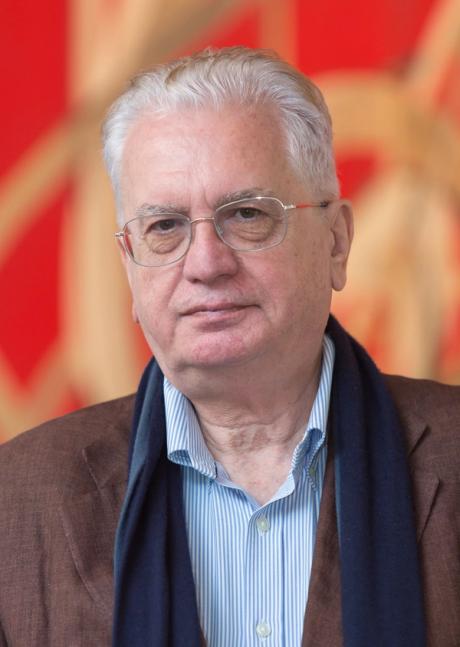
The European Union has imposed sanctions on Mikhail Piotrovsky, the director of Russia's State Hermitage Museum, as part of its 20th sanctions package adopted on 23 April. Piotrovsky, a vocal supporter of Russia's full-scale invasion of Ukraine, is cited for being a close associate of Vladimir Putin and for actively supporting the war, including justifying Russian cultural policies that incorporate Ukrainian museum items into Russia's State Museum Fund and enabling unauthorized archaeological excavations in occupied Crimea. The sanctions also target three other cultural officials involved in the Crimean digs. Meanwhile, Hermitage archaeologist Alexander Butyagin, arrested in Poland in December 2025 at Ukraine's request, was released in a prisoner exchange on 28 April.

Israel’s foreign ministry accuses Venice Biennale's jury of ‘politicising’ exhibition

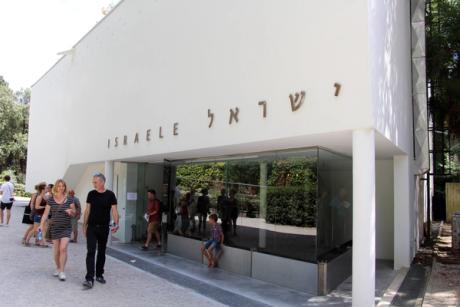
Israel’s foreign ministry has accused the Venice Biennale's jury of politicizing the exhibition after jurors announced they would not consider for prizes countries whose leaders face International Criminal Court charges for crimes against humanity. The jury’s statement, which did not name specific nations, is broadly understood to apply to Israel and Russia, both returning to the Biennale for the first time since the Gaza war and the Ukraine invasion, respectively. The Israeli ministry posted on X that the jury had decided to 'boycott' Israeli sculptor Belu-Simion Fainaru, calling it 'a contamination of the art world.' The Biennale distanced itself from the jury’s announcement, stating the jury acts autonomously, while the Russian pavilion is reportedly set to open only for a limited pre-opening period due to budget constraints amid sanctions.

Russian Pavilion Will Be Closed to the Public During Venice Biennale: Report

The Russian Pavilion will be closed to the public for most of the 2025 Venice Biennale, opening only during the pre-opening vernissage (May 5–8) for live performances tied to the exhibition “The Tree Is Rooted in the Sky.” After May 9, the pavilion will remain closed, with digital documentation displayed in the windows. The compromise follows weeks of pressure from European cultural and political figures—including Italy’s culture minister—to shutter the pavilion due to Russia’s ongoing war in Ukraine. Plans were confirmed via email correspondence between Biennale Foundation president Pietrangelo Buttafuoco, general director Andrea Del Mercato, and Russian Pavilion commissioner Anastasia Karneeva, as reported by Italian outlets Open and La Repubblica.

Venice Biennale’s Russian Pavilion and Pussy Riot Spar Over Usage of Protest Footage

The Russian Pavilion at the 2026 Venice Biennale has become embroiled in a new controversy after accusing the anti-Putin art collective Pussy Riot of censorship. The pavilion posted on Instagram that Pussy Riot demanded the removal of footage featuring them from a documentary film about the pavilion's project, labeling the request as self-censorship. Pussy Riot responded sarcastically, questioning the pavilion's use of Instagram given Russia's 2022 ban of the platform. The dispute follows earlier protests at the pavilion's opening, led by Pussy Riot and FEMEN, against Russia's participation in the Biennale amid its ongoing invasion of Ukraine.

Putin ‘Won’ the Venice Biennale, Quips Italian Culture Minister

Italian Culture Minister Alessandro Giuli stated that Russian President Vladimir Putin "won" the 2024 Venice Biennale, criticizing Russia's controversial return to the event. Giuli, who repeatedly denounced Russia's presence, told Corriere della Sera that Russian artists in the pavilion cannot express dissent against their regime. The Biennale faced widespread calls to remove Russia, with the EU threatening to withhold a €2 million grant, but organizers argued they lacked legal authority to exclude the country. Protests by Pussy Riot and FEMEN marked the pavilion's opening, while the Biennale's jury resigned en masse after announcing that nations charged with crimes against humanity would be ineligible for Golden Lions.

‘Exclusion can only satisfy the ego’: Venice Biennale president hits out at critics amid Russia and Israel controversy

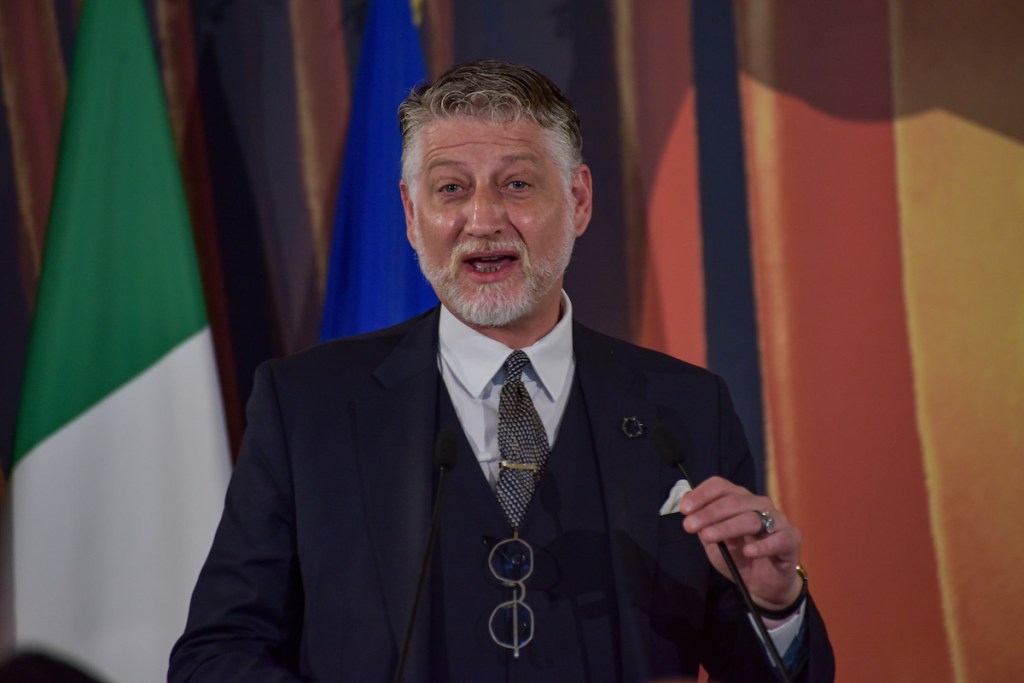
Venice Biennale president Pietrangelo Buttafuoco defended the institution against critics at a conference on May 6, three days before the public opening, amid controversy over Russia's return to the event for the first time since its 2022 invasion of Ukraine and ongoing disputes over Israel's participation. He accused critics of “narcissism” and “censorship,” while Italian culture minister Alessandro Giuli sent inspectors to investigate whether Russia's involvement breached sanctions; a report was submitted to Prime Minister Giorgia Meloni's office. Meanwhile, the Biennale faces legal threats from the artist representing Israel over alleged discrimination, and protests have erupted, including a demonstration by Art Not Genocide Alliance and a Pussy Riot action at the Russia pavilion.

The Biennale Isn’t a Court. Tell That to the Protesters.

Pietrangelo Buttafuoco, president of the Venice Biennale, defended the decision to allow Russia to reopen its pavilion for the first time since its 2022 invasion of Ukraine, stating that the Biennale is "not a court; it is a garden of peace." The move has sparked widespread backlash, including threats to pull €2.3 million in EU funding. Protests have erupted on the ground, with Pussy Riot and FEMEN staging a theatrical demonstration outside the Russian Pavilion, setting off smoke flares and chanting slogans. Separately, around 60 artists performed a "Solidarity Drone Chorus" to protest Israel's participation, and the Art Not Genocide Alliance has called for a 24-hour strike and rallies across Venice. The Russian Pavilion will be open only during press preview days due to EU sanctions, with video projections visible from outside for the rest of the Biennale's run.

Pussy Riot protest at Venice Biennale forces Russian pavilion to briefly close

On the second day of the Venice Biennale preview, the activist group Pussy Riot staged a chaotic protest at the Russian pavilion, forcing it to temporarily close. Wearing pink balaclavas and carrying flares, about 40 activists—including members of Femen—gathered outside the pavilion, shouting slogans like "Blood is Russia's Art" and attempting to enter before being pushed back by police. Founding member Nadya Tolokonnikova led the protest, condemning Europe for allowing Russian participation despite the war in Ukraine. Separately, the Art Not Genocide Alliance (Anga) demonstrated outside the Israeli pavilion, which was locked from inside, over Israel's war in Gaza.

Venice Bound? Here’s All the News You Need to Know About This Year’s Biennale

The 61st Venice Biennale is embroiled in geopolitical controversy over Russia's return to the event in 2026, which has sparked widespread backlash. Nearly 10,000 artists and cultural leaders signed an open letter opposing Russia's participation, and the European Union withdrew €2 million in funding for the 2028 edition. Leaked emails reveal Biennale officials worked with Russian pavilion commissioner Anastasia Karneeva to circumvent EU sanctions, while Italy's culture minister Alessandro Giuli plans to boycott the opening week. Meanwhile, activists continue to push for Israel's removal from the Biennale, though Israel will be accommodated in the Arsenale this year.

What You Need to Know About the Venice Biennale’s Russian Pavilion Controversy

The Russian pavilion is set to return to the Venice Biennale for the first time since the 2022 invasion of Ukraine, presenting an exhibition titled 'The tree is rooted in the sky.' This has sparked significant controversy, with artists, curators, and politicians from Ukraine and several European nations calling for the pavilion's exclusion, citing the ongoing war and sanctions. The Biennale organizers have refused to remove Russia, stating they lack the authority to exclude a state recognized by Italy and emphasizing the event's role as a neutral space for cultural dialogue.

barbra kruger to unveil new installation on ukrainian passenger train

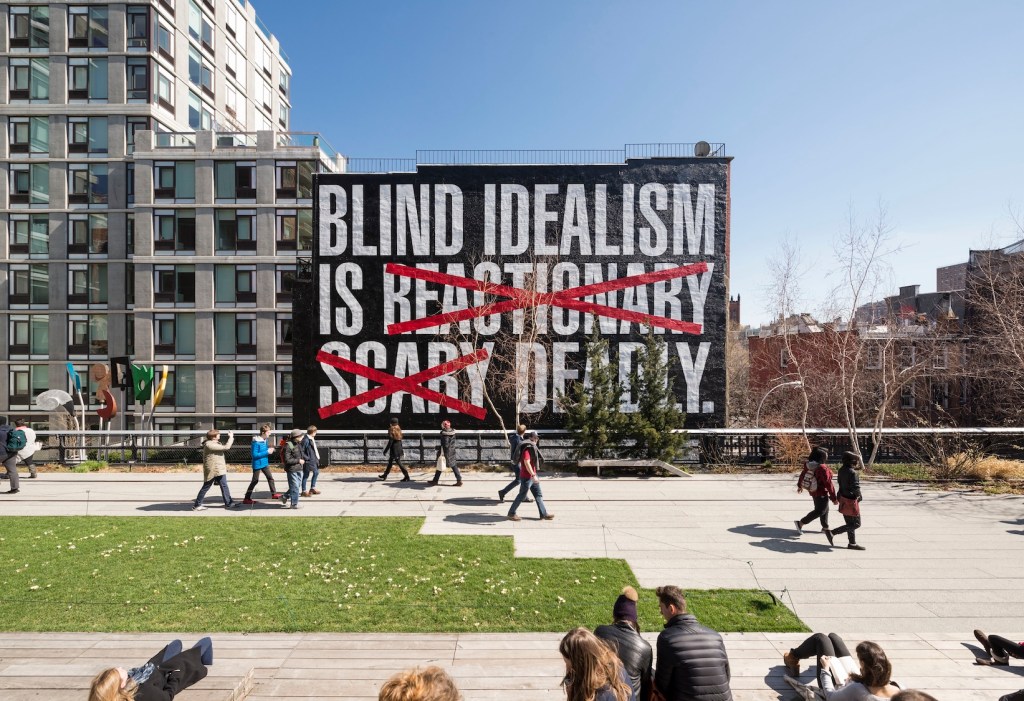
Artist Barbara Kruger has created a new typographic installation, *Untitled (Another Again)*, for the exterior of a Ukrainian Railways Intercity train. The work will be unveiled on May 1 before the train's maiden voyage from Kyiv-Pasazhyrskyi to Darnytsia Station, with a future route spanning Ukraine including stops in Lviv, Kharkiv, and Kramatorsk. Commissioned by the nonprofit RIBBON International in collaboration with Ukrzaliznytsia, the text appears in Ukrainian and English, reflecting Kruger's signature style of bold, critical messaging.

Venice Biennale Jury Bars Israel and Russia from Official Prizes

The international jury of the 61st Venice Biennale announced on April 23 that it will not consider the Israeli and Russian pavilions for official prizes, including the Golden Lion for national participation. The five-member, all-women panel—comprising Solange Farkas, Zoe Butt, Elvira Dyangani Ose, Marta Kuzma, and Giovanna Zapperi—said it would exclude countries whose leaders are currently charged with crimes against humanity by the International Criminal Court, a criterion that applies to Israel and Russia due to ICC arrest warrants for Benjamin Netanyahu and Vladimir Putin. The decision comes amid mounting controversy over the Biennale's decision to host both pavilions, with Russia returning after its artists withdrew in 2022 over the Ukraine invasion and Israel reopening after its 2024 pavilion remained closed pending a Gaza ceasefire. The European Commission had also threatened to suspend a €2 million grant over the Russian pavilion's reopening.

Pussy Riot and Topless Activists Rally Against Russian Pavilion at Venice Biennale

On May 6, 2026, the art collective Pussy Riot and the Ukrainian feminist group FEMEN staged a protest outside the Russian Pavilion at the 61st Venice Biennale. Approximately 50 activists released pink smoke and blue-and-yellow flares evoking the Ukrainian flag, while FEMEN members staged a topless protest with anti-war slogans like “RUSSIA KILLS, BIENNALE EXHIBITS.” Italian police and Biennale security blocked access to the pavilion, and some Pussy Riot activists were tackled after entering. The protest targeted Russia’s participation in the Biennale for the first time since its full-scale invasion of Ukraine in 2022, with activists condemning the event for lending legitimacy to Russian officials and artists aligned with the government.

Venice Biennale’s jury resigns

The entire jury of the 61st Venice Biennale, presided by Brazilian curator Solange Farkas and comprising four other curators, resigned just nine days before the exhibition's scheduled opening on 9 May 2026. The jury had announced it would not award prizes to countries whose leaders are charged with crimes against humanity by the International Criminal Court, a move widely understood to target Israel and Russia. In response, the Biennale's organisers cancelled the prize-giving ceremony and will instead award Golden Lions via a popular vote among ticketholders. The row escalated further when the Israeli representative, sculptor Belu-Simion Fainaru, accused the jury of discrimination and threatened legal action, prompting intervention from Italy's culture ministry.

Art Biennale: artists reject the popular jury

Fifty-two artists and curators, along with sixteen National Participants of the 61st Venice Art Biennale, have withdrawn from the newly introduced 'Lions of the Visitors' (People's Prizes) competition. The boycott follows the resignation of the jury appointed by artistic director Koyo Kouoh, who died in 2025, and is a protest against the inclusion of Russia and Israel in the prize—countries initially excluded by the international jury. The controversy escalated after Italian Minister of Culture Alessandro Giuli publicly opposed the Biennale president Pietrangelo Buttafuoco's decision to allow Russia's participation, drawing in the European Commission and even Ursula von der Leyen, who warned of potential sanctions violations. The signatories include artists and curators from France, Belgium, Luxembourg, Turkey, Switzerland, Spain, the Netherlands, and several other nations.

Venice Biennale jury resigns in latest politically charged controversy at art exhibition

The entire jury of the Venice Biennale has resigned, including president Solange Farkas and members Zoe Butt, Elvira Dyangani Ose, Marta Kuzma, and Giovanna Zapperi. The jury had announced it would not consider for prizes countries charged with crimes against humanity by the International Criminal Court, a stance that would affect Israel and Russia, both of which have national pavilions at the exhibition. As a result, the Biennale will not award several jury prizes, including the Golden Lion for best national pavilion and best artist in the group show, replacing them with visitor-voted awards.

Despite Putin’s repressive regime, a new private museum opens in Moscow

A new private museum called Zilart is set to open in Moscow on December 2, founded by billionaire couple Andrey and Yelizaveta Molchanov. The museum will showcase their collection of roughly 10,000 works, spanning Russian avant-garde, Soviet nonconformist art, international contemporary art, photography, and African art. Originally conceived in 2015 as a modern art branch of the State Hermitage Museum, the project underwent significant changes: architect Hani Rashid was replaced by Sergei Tchoban in 2021, and the Hermitage withdrew in 2023. The museum is entirely funded by the Molchanovs' LSR Group and receives no state support.