filter_list Showing 10 results for "Daniel" close Clear
search
dashboard All 286 museum exhibitions 164article local 33article news 31article culture 18trending_up market 14candle obituary 10person people 8rate_review review 4article policy 2gavel restitution 2
date_range Range Today This Week This Month All
Subscribe

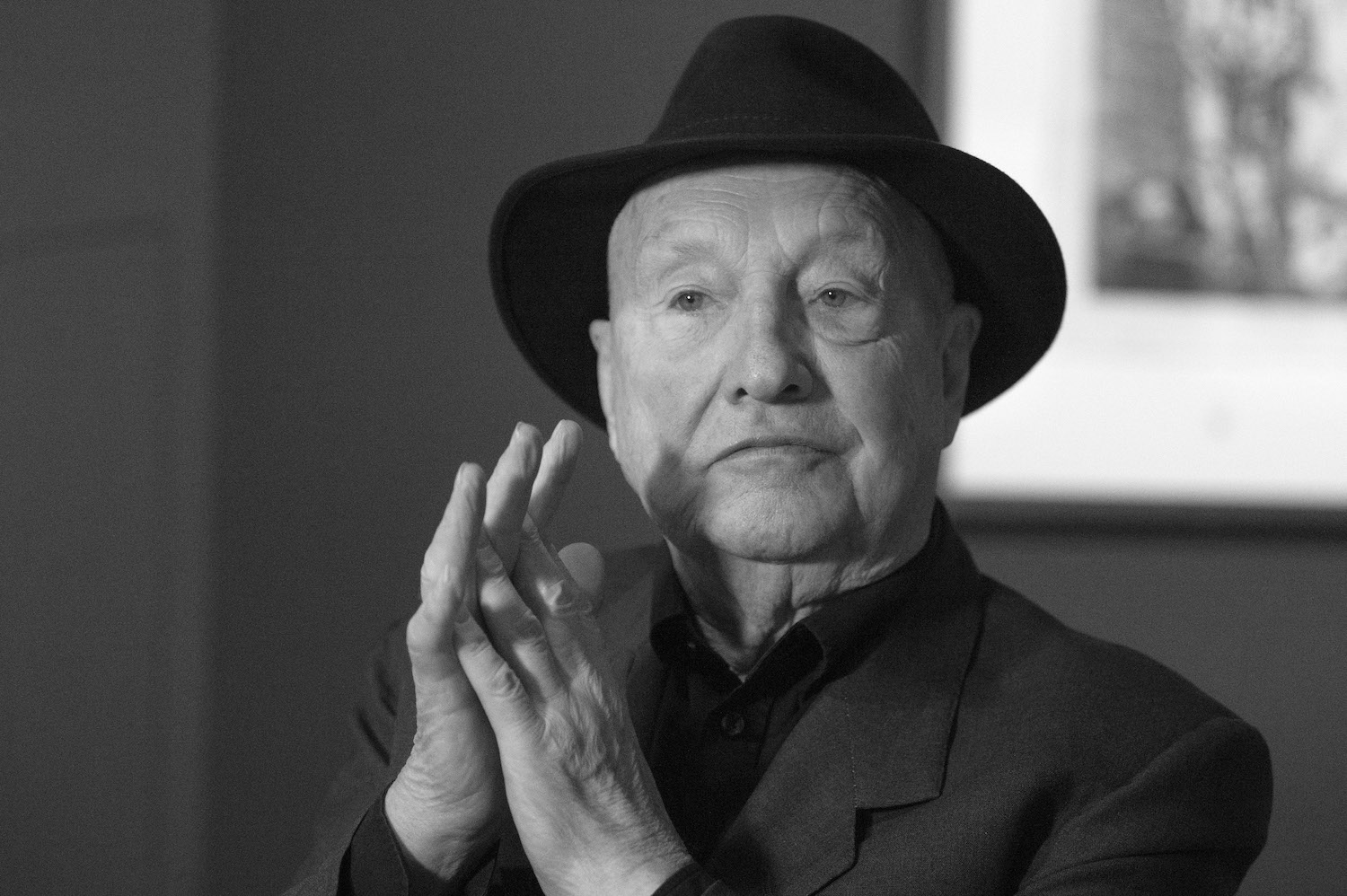
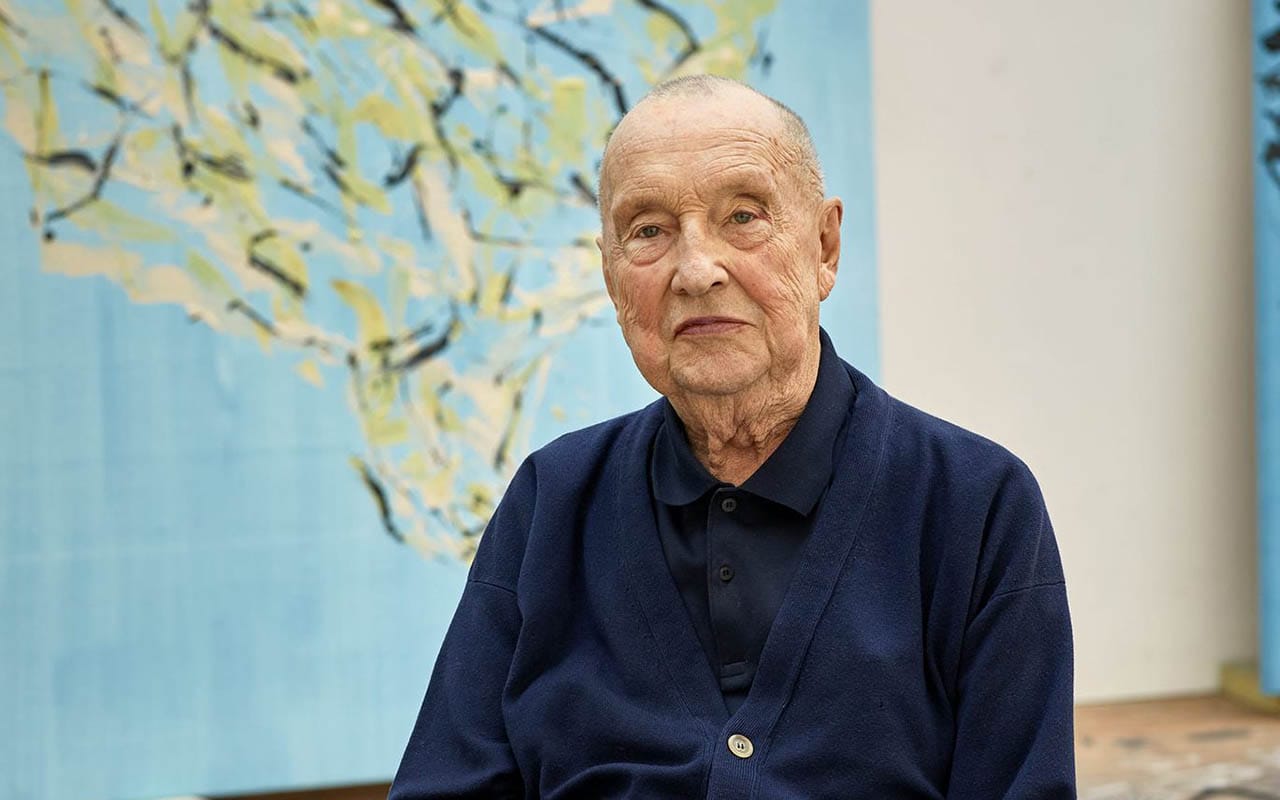
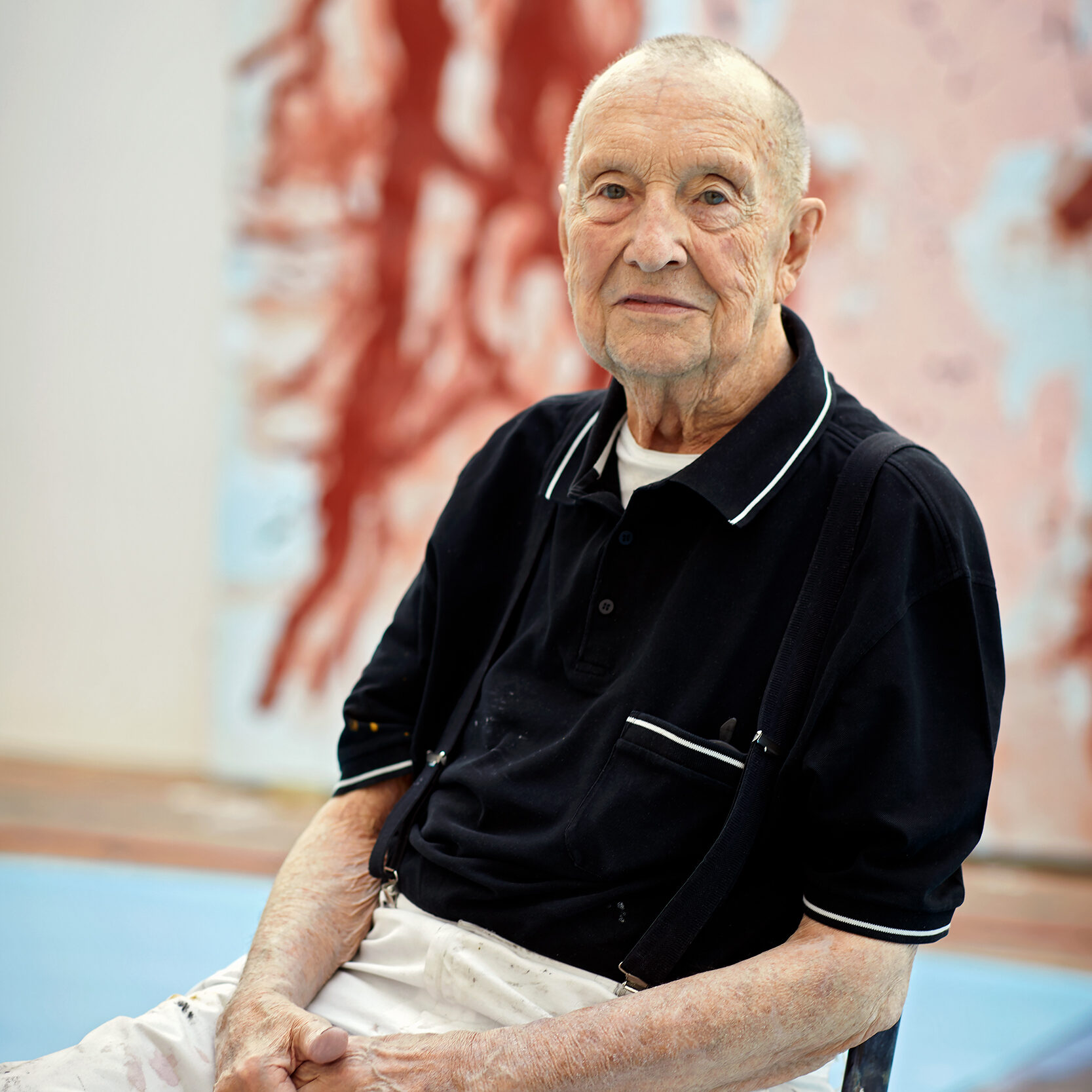
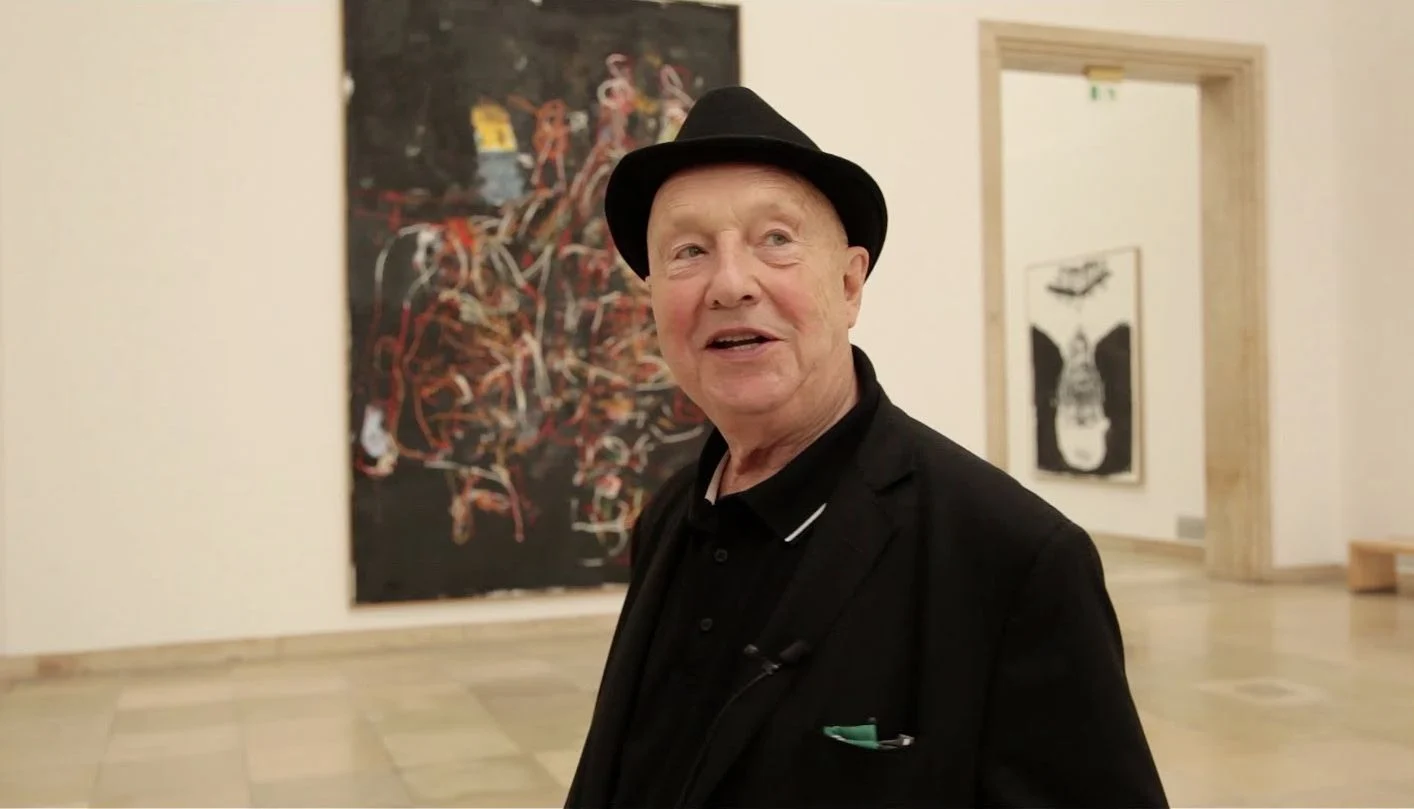
Georg Baselitz obituary

Georg Baselitz, the German painter and sculptor known for his provocative, expressionistic works and his iconic upside-down paintings, has died at the age of 88. The article traces his life from his childhood in war-torn Germany, through his early career as a rebellious artist in divided Berlin, to his rise as an international art star. It highlights his 1961 manifesto poster "Pandemonium I," his rejection of American abstraction, and his controversial 1963 exhibition that was raided by police for its explicit content.
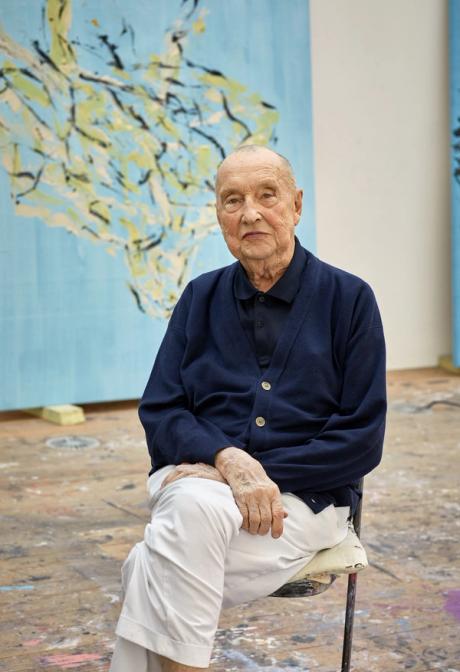
Georg Baselitz, German artist who turned figurative painting on its head, has died, aged 88

Georg Baselitz, the influential German painter and sculptor, died on 30 April at age 88. Born Hans-Georg Kern in 1938 in Deutschbaselitz, he grew up amid the ruins of Nazi Germany and later adopted his surname from his birthplace. Expelled from the East Berlin Academy for "sociopolitical immaturity," he moved to West Berlin, where he rejected both gestural abstraction and Expressionism. His first solo exhibition in 1963 was shut down for obscenity. In 1969 he pioneered his signature inverted paintings, turning subjects upside down to sever image from representation. He also created large carved sculptures using axes and chainsaws. His later series, from 2014 onward, are considered his most astonishing work, culminating in a sustained focus on his wife, artist Elke Kretzschmar.

Georg Baselitz, Lion of German Neo-Expressionism, Dead at 88

Georg Baselitz, the influential German Neo-Expressionist painter, printmaker, and sculptor, died on April 30 at age 88. His death was announced by Thaddaeus Ropac gallery, his longtime representative. Born Hans-Georg Kern in 1938 in Saxony, Baselitz was profoundly shaped by his childhood experience of war and the destruction of Nazi Germany. He was expelled from art school in East Berlin for "socio-political immaturity," moved to West Berlin, and adopted his pseudonym from his hometown. His first solo exhibition in 1963 was raided by police for obscenity, cementing his reputation as a provocateur. Known for his upside-down figures and fierce brushwork, he created series such as "Heroes" and "Fracture" that addressed trauma, violence, and the psychic toll of postwar life.

The Great Lone Wolf of Art

Der große Einzelgänger der Kunst

Georg Baselitz, the German painter known for his radical, figurative works and iconic upside-down motifs, has died at age 88. Born Hans-Georg Kern in 1938 in Deutschbaselitz, Saxony, he fled East Germany for West Berlin in 1957 after being expelled from art school for "socio-political immaturity." Baselitz rose to international fame with his expressive, fractured depictions of the human figure, famously inverting his compositions starting with "Der Wald auf dem Kopf" (1969). He also worked as a stage and costume designer for operas by Harrison Birtwistle, György Ligeti, and Richard Wagner.

George Baselitz, Purveyor of the Tortured Male Genius Myth, Dies at 88

Georg Baselitz, the influential German Neo-Expressionist painter known for his emotionally charged, often violent works and his controversial statements about women artists, has died at age 88. His final paintings will be shown in the exhibition "Eroi d’Oro" at the Fondazione Giorgio Cini in Venice starting May 6. Baselitz rose to prominence with his "Heroes" series of monumental male soldiers and his signature "upside down" paintings, which forced viewers to focus on painterly gesture over representation. He was a key precursor to Germany's Neue Wilde movement and confronted Germany's World War II trauma in works that combined expressionistic brutality with Wagnerian grandeur.

In His Last Interview, Georg Baselitz Unpacks His New Nudes, Identity Art, and Being a Lifelong Outsider

Georg Baselitz, the influential German painter known for his inverted, upside-down works, gave his final interview before his death on April 30 at age 88. In the conversation, he discussed his upcoming exhibition "Eroi d’Oro [Heroes of Gold]" at the Fondazione Giorgio Cini in Venice, featuring monumental gold-primed canvases depicting nude portraits of himself and his wife Elke. Baselitz reflected on his lifelong outsider status, his refusal to follow artistic movements, and the controversial nature of his work, including his 1963 painting that led to an obscenity trial.

art georg baselitz artist venice death

Georg Baselitz, the influential German painter known for his inverted, upside-down artworks, has died at age 88 on April 30. The news was announced by his longtime gallery, Thaddaeus Ropac, via an obituary written by Robert Isaf. Baselitz gave his final spoken interview weeks before his death, discussing his upcoming exhibition “Eroi d’Oro [Heroes of Gold]” at the Fondazione Giorgio Cini in Venice, which opened May 6. The show features monumental gold-primed canvases with inverted portraits of himself and his wife Elke, which he described as a summary of his career and a reflection on art history.

È morto a 88 anni il grande artista tedesco Georg Baselitz

German painter Georg Baselitz, known for his expressionist works that confronted the horrors of Nazi Germany, died on April 30, 2026 at age 88. Born Hans-Georg Kern in 1938, he grew up amid World War II rubble and became a pioneering, anti-conformist figure of the post-war era, famously inverting his images to force viewers to reconstruct meaning. A major exhibition, 'GEORG BASELITZ – AVANTI!', had just opened on March 25 at the Museo Novecento in Florence, focusing on his graphic works and his ties to the city. Another show, 'Georg Baselitz. Eroi d’Oro', was set to open May 6 at the Fondazione Giorgio Cini in Venice during the 61st Venice Biennale, featuring large recent paintings and portraits of his wife Elke.

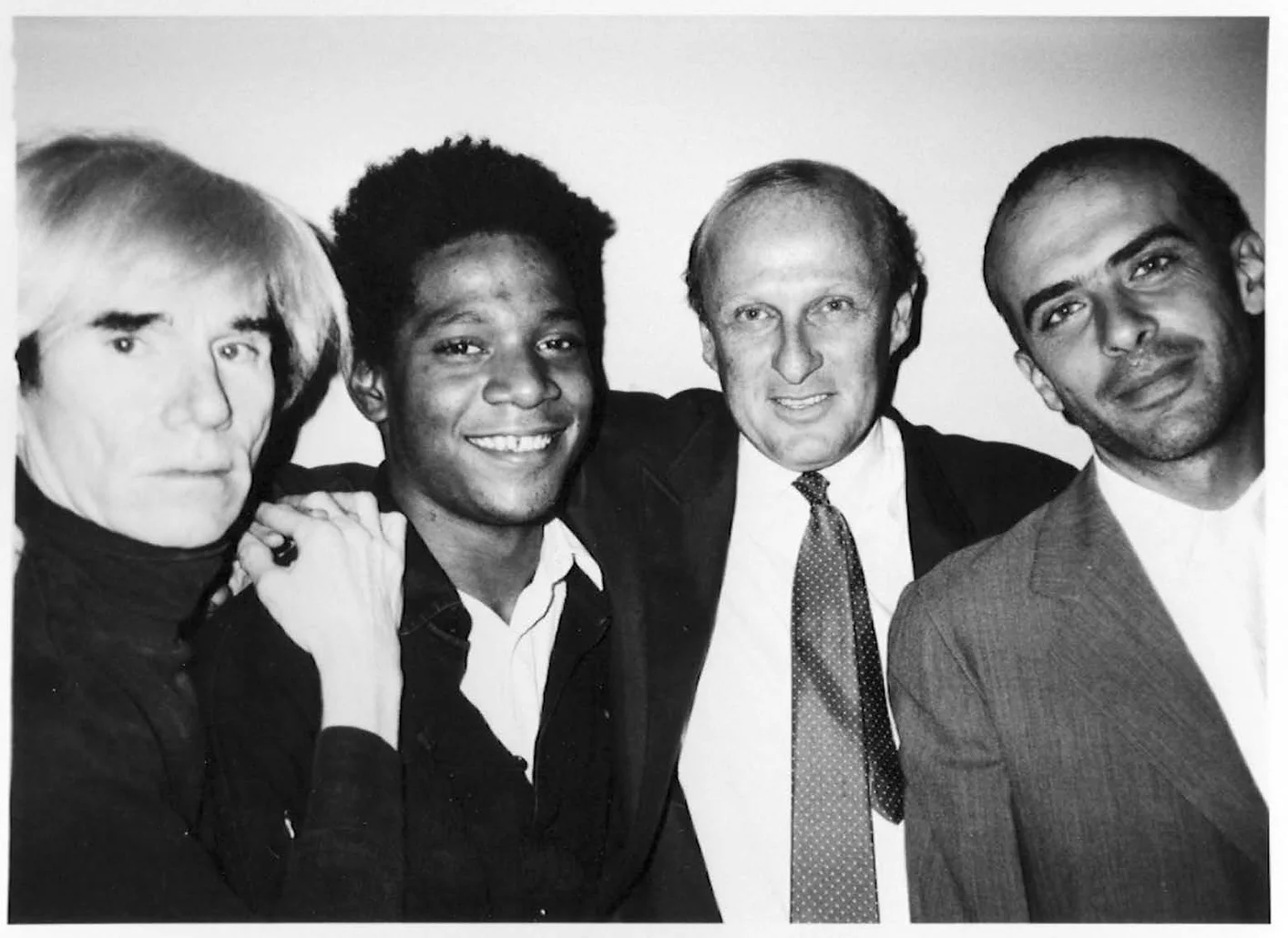
È morto Bruno Bischofberger, il gallerista e collezionista svizzero che fece lavorare assieme Warhol e Basquiat

Bruno Bischofberger, the influential Swiss gallerist and collector, has died at age 86. A pivotal figure in the contemporary art market, he opened his first gallery in Zurich in 1963 and was instrumental in introducing American Pop Art to Europe, exhibiting Warhol, Lichtenstein, and Rauschenberg. He later championed Minimalism, Land Art, and Neo-Expressionism, representing artists like Sol LeWitt, Donald Judd, and Francesco Clemente. Most famously, Bischofberger discovered Jean-Michel Basquiat in 1981 and orchestrated the legendary collaboration between Warhol, Basquiat, and Clemente. His close relationship with Warhol included a first-refusal agreement on future works and the suggestion of standardized portrait commissions that became Warhol's primary income source.

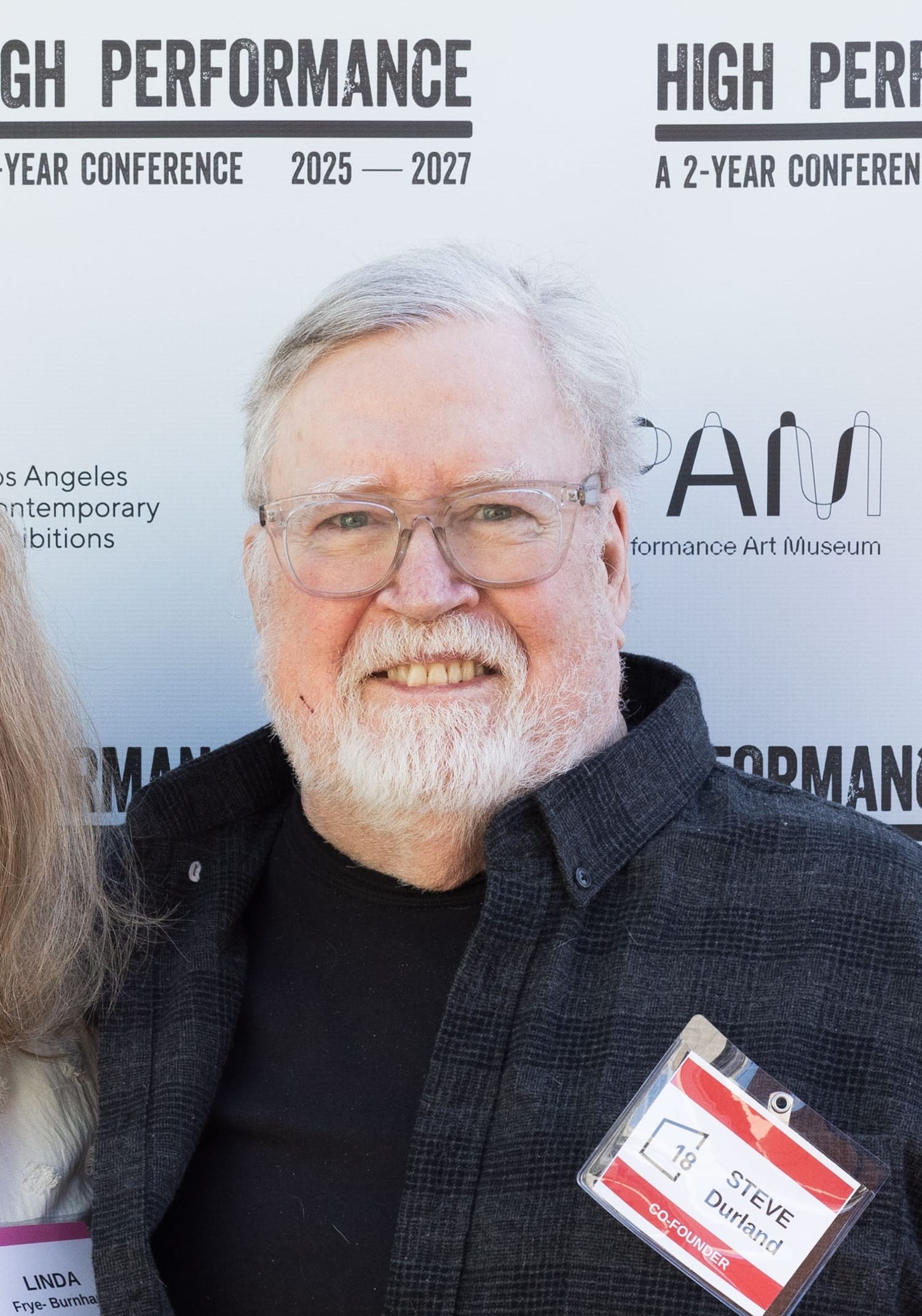
Steven Durland, Champion of Performance Art, Dies at 75

Steven Durland, a longtime editor of *High Performance* magazine and a champion of performance art, died on March 11 at age 75 after a brief illness. His life partner, Linda Frye Burnham, confirmed his death in Saxapahaw, North Carolina. Durland was born in Long Beach, California, raised in South Dakota, and trained as a ceramic artist with a BFA from the University of South Dakota and an MFA from the University of Massachusetts Amherst. He became deeply involved in performance and mail art, and from 1986 to 1994 served as editor of *High Performance*, a magazine founded by Burnham that featured thousands of artists including Nancy Buchanan, Carolee Schneemann, Paul McCarthy, Suzanne Lacy, and Ulysses Jenkins. Durland also maintained his own artistic practice, creating performances such as "Win Defeat/BID FOR POWER" (1978) and "Death and Taxis" (1982), and produced the micro-newspaper *Tacit*.