filter_list Showing 17 results for "Eli" close Clear
dashboard All 217 museum exhibitions 109article news 28article local 24candle obituary 17article culture 12trending_up market 12rate_review review 9person people 3gavel restitution 2article policy 1
date_range Range Today This Week This Month All
Subscribe

Georg Baselitz obituary

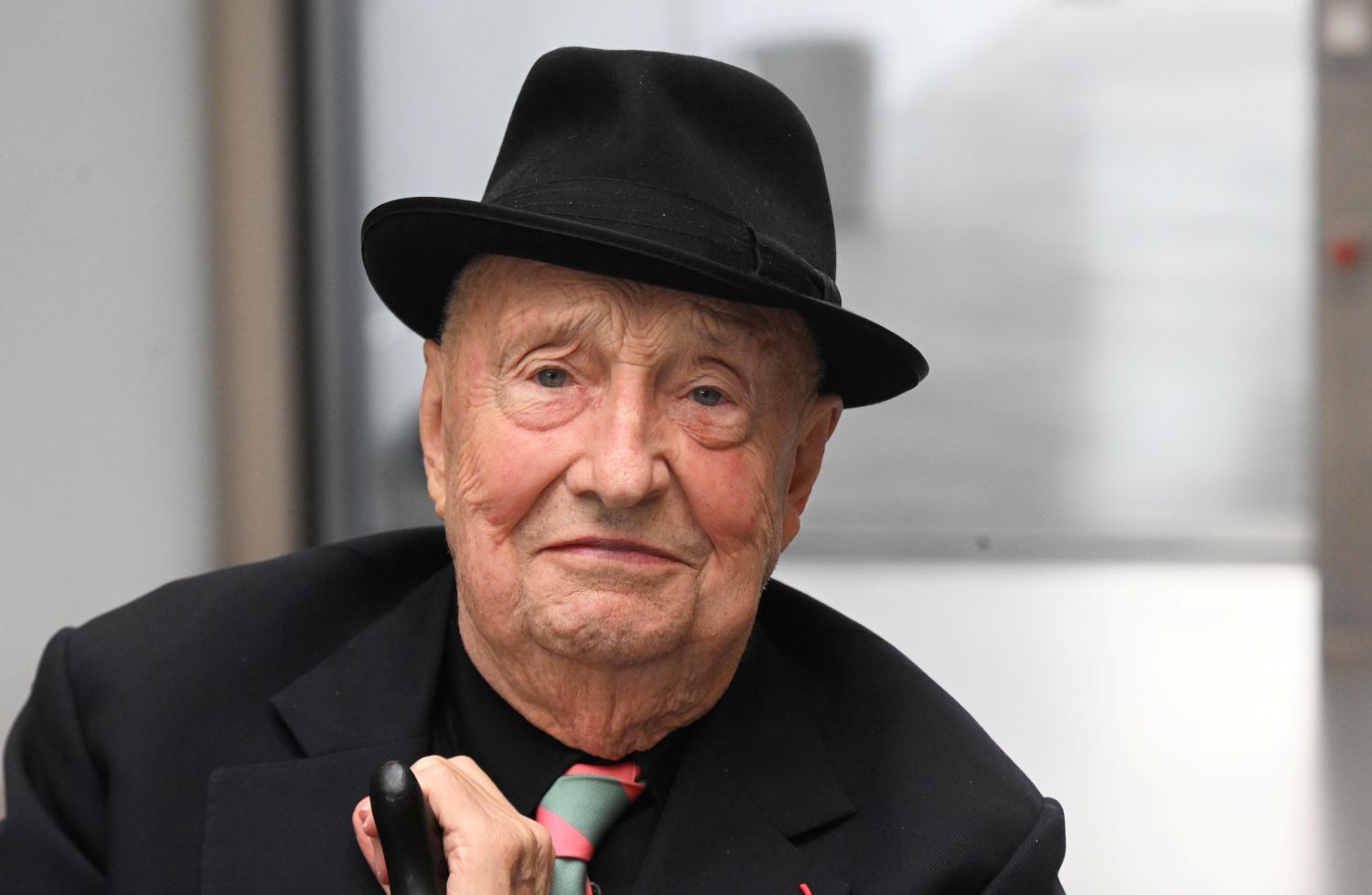
Georg Baselitz, the German painter and sculptor known for his provocative, expressionistic works and his iconic upside-down paintings, has died at the age of 88. The article traces his life from his childhood in war-torn Germany, through his early career as a rebellious artist in divided Berlin, to his rise as an international art star. It highlights his 1961 manifesto poster "Pandemonium I," his rejection of American abstraction, and his controversial 1963 exhibition that was raided by police for its explicit content.
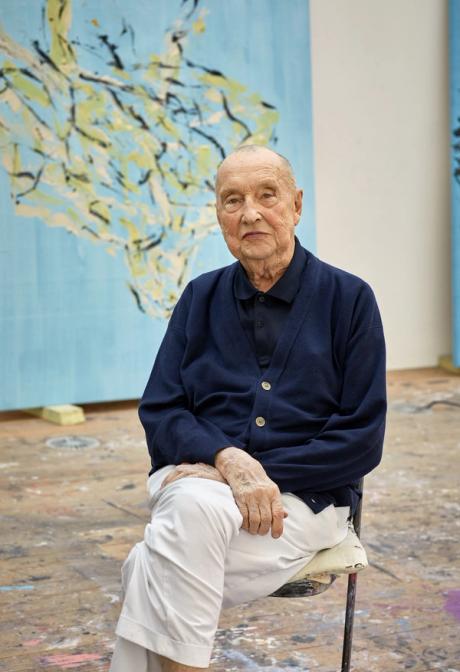
Georg Baselitz, German artist who turned figurative painting on its head, has died, aged 88

Georg Baselitz, the influential German painter and sculptor, died on 30 April at age 88. Born Hans-Georg Kern in 1938 in Deutschbaselitz, he grew up amid the ruins of Nazi Germany and later adopted his surname from his birthplace. Expelled from the East Berlin Academy for "sociopolitical immaturity," he moved to West Berlin, where he rejected both gestural abstraction and Expressionism. His first solo exhibition in 1963 was shut down for obscenity. In 1969 he pioneered his signature inverted paintings, turning subjects upside down to sever image from representation. He also created large carved sculptures using axes and chainsaws. His later series, from 2014 onward, are considered his most astonishing work, culminating in a sustained focus on his wife, artist Elke Kretzschmar.

Georg Baselitz, artist who turned painting upside down, 1938–2026

Georg Baselitz, the German painter, sculptor, and printmaker known for turning his canvases upside down, has died at age 88. Born Hans-Georg Kern in Saxony in 1938, he witnessed the bombing of Dresden as a child, an experience that shaped his artistic vision. Expelled from art school in East Berlin, he moved to West Berlin and adopted the name Baselitz. His first solo exhibition in 1963 was deemed obscene and confiscated. In 1969, he created his first upside-down painting, which became his signature. He rose to international prominence as a neo-expressionist in the late 1970s and 80s, represented Germany at the Venice Biennale in 1980, and continued working until his death. A recent series of his paintings will be shown at the Fondazione Giorgio Cini in Venice from May to September 2026.

Georg Baselitz, Lion of German Neo-Expressionism, Dead at 88

Georg Baselitz, the influential German Neo-Expressionist painter, printmaker, and sculptor, died on April 30 at age 88. His death was announced by Thaddaeus Ropac gallery, his longtime representative. Born Hans-Georg Kern in 1938 in Saxony, Baselitz was profoundly shaped by his childhood experience of war and the destruction of Nazi Germany. He was expelled from art school in East Berlin for "socio-political immaturity," moved to West Berlin, and adopted his pseudonym from his hometown. His first solo exhibition in 1963 was raided by police for obscenity, cementing his reputation as a provocateur. Known for his upside-down figures and fierce brushwork, he created series such as "Heroes" and "Fracture" that addressed trauma, violence, and the psychic toll of postwar life.

German artist Georg Baselitz dies aged 88

German artist Georg Baselitz has died at age 88, as confirmed by the Thaddaeus Ropac gallery. Known for his expressive paintings and sculptures, Baselitz rose to prominence in the 1960s after a scandal over sexually symbolic works led to a high-profile court case. He pioneered painting canvases upside down from 1969 onward, a technique he used to grapple with German history and collective guilt. His work spanned six decades and included notable sculptures, such as a wooden figure at the 1980 Venice Biennale that appeared to perform a Nazi salute, which he later clarified was inspired by an African artifact. Baselitz achieved international acclaim in the 1980s and became one of Germany's highest-priced living artists, alongside Gerhard Richter.

The Prototype of an Artist

Der Prototyp eines Künstlers

Timm Ulrichs, the self-proclaimed "Totalkünstler" (total artist) known for his boundary-pushing performances—tattooing himself, locking himself inside a hollowed boulder, and running naked in thunderstorms—has died at age 86 in Berlin. A pioneer of Land Art, Body Art, concrete poetry, and endoscopic imaging, Ulrichs created works that anticipated later artists like Isa Genzken, and was invited to Documenta 6 in 1977. Despite his prolific output and influence on younger generations, he often lamented being overlooked by the international art market compared to peers like Georg Baselitz and Gerhard Richter.

Remembering Raghu Rai, Jack Thornell, and Jarvis Rockwell

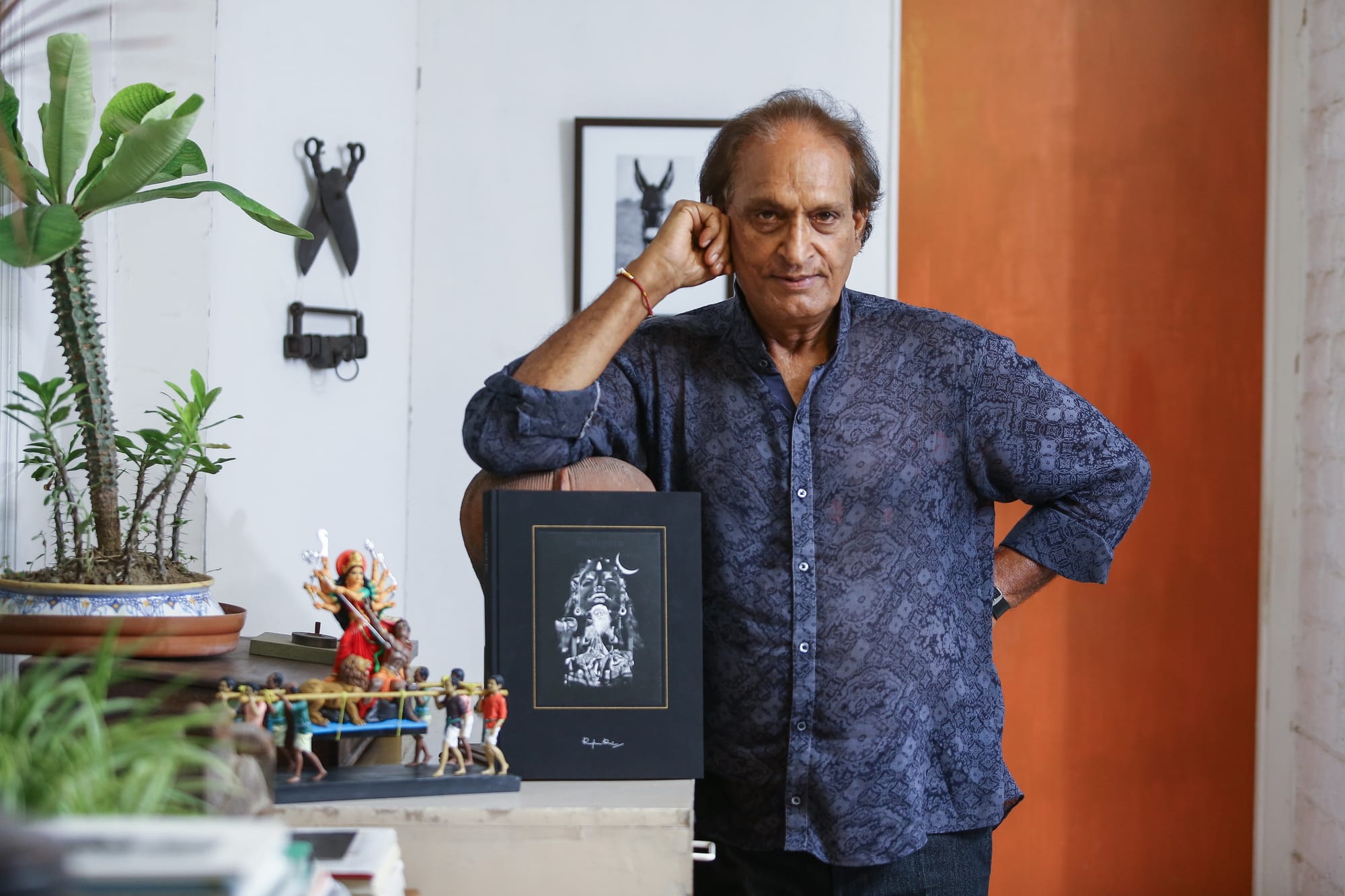
Hyperallergic's weekly 'In Memoriam' column honors eight recently deceased figures from the art world, including Indian photojournalist Raghu Rai (1942–2026), Argentine abstract painter Ides Kihlen (1917–2026), Israeli painter and activist Yair Garbuz (1945–2026), British photographer Mark Gerson (1921–2026), Japanese art collector Kurt Gitter (1937–2026), Danish antiquities dealer Ittai Gradel (1965–2026), indigo textile artist Leigh Magar (1968–2026), and Kenyan muralist Patrick Mukabi (1967–2026). Each entry summarizes their life, career highlights, and contributions to visual art and photography.

The Great Lone Wolf of Art

Der große Einzelgänger der Kunst

Georg Baselitz, the German painter known for his radical, figurative works and iconic upside-down motifs, has died at age 88. Born Hans-Georg Kern in 1938 in Deutschbaselitz, Saxony, he fled East Germany for West Berlin in 1957 after being expelled from art school for "socio-political immaturity." Baselitz rose to international fame with his expressive, fractured depictions of the human figure, famously inverting his compositions starting with "Der Wald auf dem Kopf" (1969). He also worked as a stage and costume designer for operas by Harrison Birtwistle, György Ligeti, and Richard Wagner.

George Baselitz, Purveyor of the Tortured Male Genius Myth, Dies at 88

Georg Baselitz, the influential German Neo-Expressionist painter known for his emotionally charged, often violent works and his controversial statements about women artists, has died at age 88. His final paintings will be shown in the exhibition "Eroi d’Oro" at the Fondazione Giorgio Cini in Venice starting May 6. Baselitz rose to prominence with his "Heroes" series of monumental male soldiers and his signature "upside down" paintings, which forced viewers to focus on painterly gesture over representation. He was a key precursor to Germany's Neue Wilde movement and confronted Germany's World War II trauma in works that combined expressionistic brutality with Wagnerian grandeur.

Georg Baselitz – a life in pictures

Georg Baselitz, the German painter known for his raw, expressive works and inverted imagery, has died at age 88. Born in 1938 in Deutschbaselitz, he lived through Nazi Germany and East German communist rule, experiences that deeply shaped his art. The Guardian's obituary traces his life through photographs, from his early years to major exhibitions at Thaddaeus Ropac, White Cube, and the Serpentine, highlighting key works such as 'Das Grosse Pathos' (1966) and his 2024 series 'A Confession of My Sins'.

Raghu Rai’s masterful images of Indian life – in pictures

Raghu Rai, the celebrated Indian photographer who was recruited to Magnum Photos by Henri Cartier-Bresson in 1977, has died at the age of 83. Over five decades, he produced defining images of Indian life, ranging from intimate portraits of Mother Teresa to stark documentation of the Bhopal disaster. His work captured both the grand and the everyday, from crowds at Mumbai's Churchgate railway station to slums in Dharavi, and he published more than 18 books, receiving multiple awards for his unflinching human gaze.

Georg Baselitz, grande figure de l’art allemand, est mort à l’âge de 88 ans : retour sur sa vie et son œuvre

Georg Baselitz, one of Germany's most significant post-war artists, has died at age 88. Born Hans-Georg Kern in 1938, he grew up in Nazi-era Saxony and later rejected his father's ideology, fleeing to West Berlin in 1957. Known for his provocative, expressionist works and signature upside-down paintings, Baselitz challenged artistic conventions with brutalist techniques—attacking wood with chainsaws and axes—and created scandalous pieces like "Die große Nacht im Eimer" (1962–1963), which was banned from exhibition. His career included major retrospectives at the Musée d'Art Moderne de la Ville de Paris (2011) and Centre Pompidou (2021), and commissions for the Reichstag.

Georg Baselitz, German Neo-Expressionist Painter, Dies at 88

Georg Baselitz, the German Neo-Expressionist painter known for his provocative, upside-down figurative works, has died at age 88. Along with contemporaries like Anselm Kiefer, Baselitz led a frontal assault on the dominant Minimalist and Conceptualist art movements of the 1970s, reviving expressive, gestural painting in postwar Germany.

È morto a 88 anni il grande artista tedesco Georg Baselitz

German painter Georg Baselitz, known for his expressionist works that confronted the horrors of Nazi Germany, died on April 30, 2026 at age 88. Born Hans-Georg Kern in 1938, he grew up amid World War II rubble and became a pioneering, anti-conformist figure of the post-war era, famously inverting his images to force viewers to reconstruct meaning. A major exhibition, 'GEORG BASELITZ – AVANTI!', had just opened on March 25 at the Museo Novecento in Florence, focusing on his graphic works and his ties to the city. Another show, 'Georg Baselitz. Eroi d’Oro', was set to open May 6 at the Fondazione Giorgio Cini in Venice during the 61st Venice Biennale, featuring large recent paintings and portraits of his wife Elke.

‘In every drop of paint he slurped, you see the Holocaust’: the genius and torments of Georg Baselitz

Georg Baselitz, the German painter and sculptor known for his provocative confrontations with Nazi history, has died. Born in 1938, he was one of the last living artists with direct childhood memories of the Third Reich. His early works, such as *Die große Nacht im Eimer* (1961) and his upside-down German eagles, deliberately shocked postwar West Germany by depicting obscene, shameful images of a society trying to forget the Holocaust. He famously exhibited a zombie Hitler woodcarving at the 1980 Venice Biennale alongside Anselm Kiefer, insisting on confronting rather than ignoring the Nazi heritage of the German Pavilion.

Georg Baselitz ist tot

German artist Georg Baselitz has died at the age of 88. According to Galerie Thaddeus Ropac, he passed away peacefully on Thursday. Born Hans-Georg Bruno Kern in 1938 in Deutschbaselitz, Saxony, Baselitz fled East Germany in 1957 after political repression and academic conflicts. His first solo exhibition in West Berlin in 1963 was shut down due to scandal, and works were confiscated. He became internationally known in the late 1960s for his radical upside-down painting, a signature inversion that destabilized pictorial logic. He also created an extensive sculptural body of work. Key career milestones include representing Germany at the Venice Biennale in 1980 alongside Anselm Kiefer, multiple Documenta appearances, the Praemium Imperiale in 2004, and election to the Académie des Beaux-Arts in Paris in 2019. Major late-career exhibitions included "Nackte Meister" at the Kunsthistorisches Museum in Vienna in 2023.

georg baselitz dies at 88, pioneer of inverted painting and postwar german art

Georg Baselitz, the influential German painter known for his inverted figures and raw, expressive style, has died at age 88. A pioneer of postwar German art, Baselitz gained international fame in the 1960s by turning his canvases upside down, forcing viewers to focus on form and paint rather than narrative. His work often grappled with the trauma of Nazi Germany and the divided nation's identity, making him a central figure in the Neo-Expressionist movement.