filter_list Showing 18 results for "Material" close Clear
dashboard All 744 museum exhibitions 489article news 61article local 38rate_review review 34article culture 34trending_up market 28person people 27candle obituary 18article policy 11gavel restitution 4
date_range Range Today This Week This Month All
Subscribe

Remembering Pearl Fryar, Siri Aurdal, and Frank Stack

The art world mourns the loss of several influential figures, including self-taught topiary artist Pearl Fryar, who transformed a South Carolina cornfield into a botanical landmark, and painter Celeste Dupuy-Spencer, known for her politically charged works featured in the Whitney Biennial. The week's memorials also include Norwegian sculptor Siri Aurdal, a pioneer of industrial materials in the 1960s Scandinavian scene, and Frank Stack, the educator and cartoonist credited with creating the first underground comic.
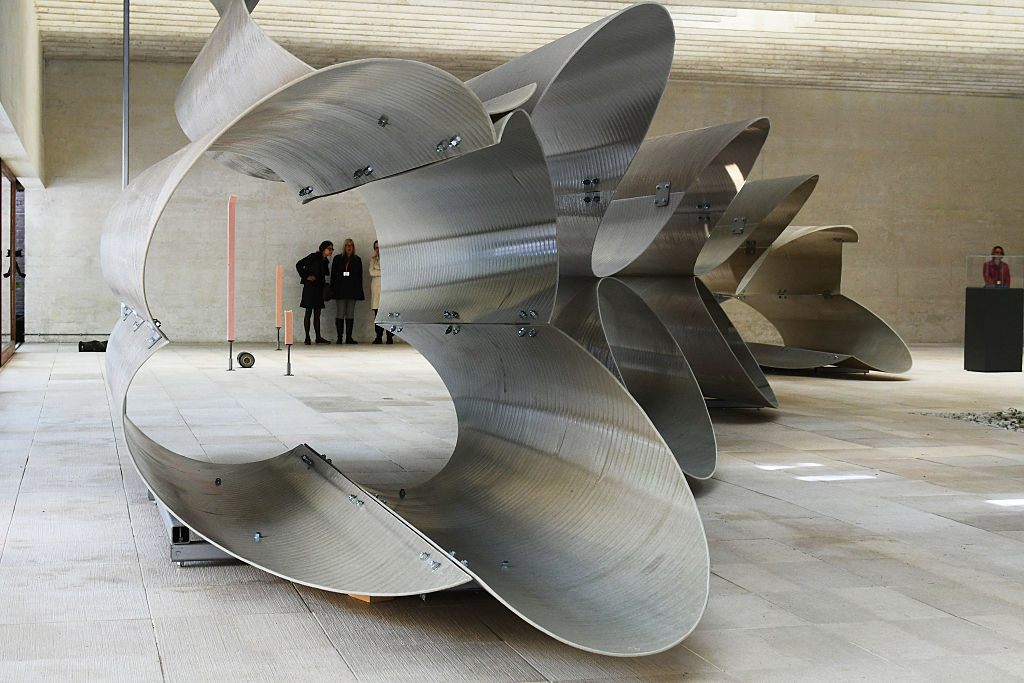
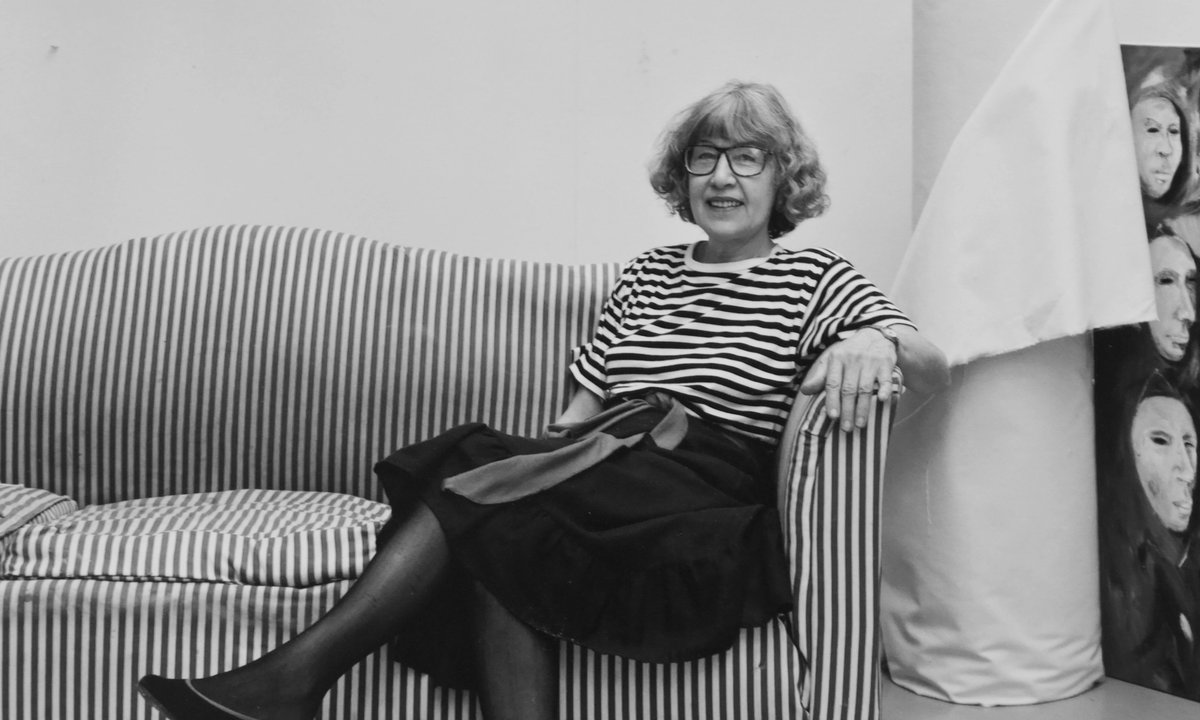
Siri Aurdal, Artist Who Elevated Industrial Materials Into Visions of Shared Humanity, Dies at 88

Norwegian artist Siri Aurdal, known for her pioneering use of industrial materials to create socially-driven sculptures, has died at the age of 88 in Oslo. Born into a prominent artistic family, Aurdal rose to prominence in the late 1960s by repurposing materials like reinforced fiberglass and plexiglass—often sourced from Norway’s oil industry—into modular, interactive installations. Her work frequently bridged the gap between fine art and public utility, manifesting in monumental playground structures and politically charged pieces that responded to global events like the Vietnam War.

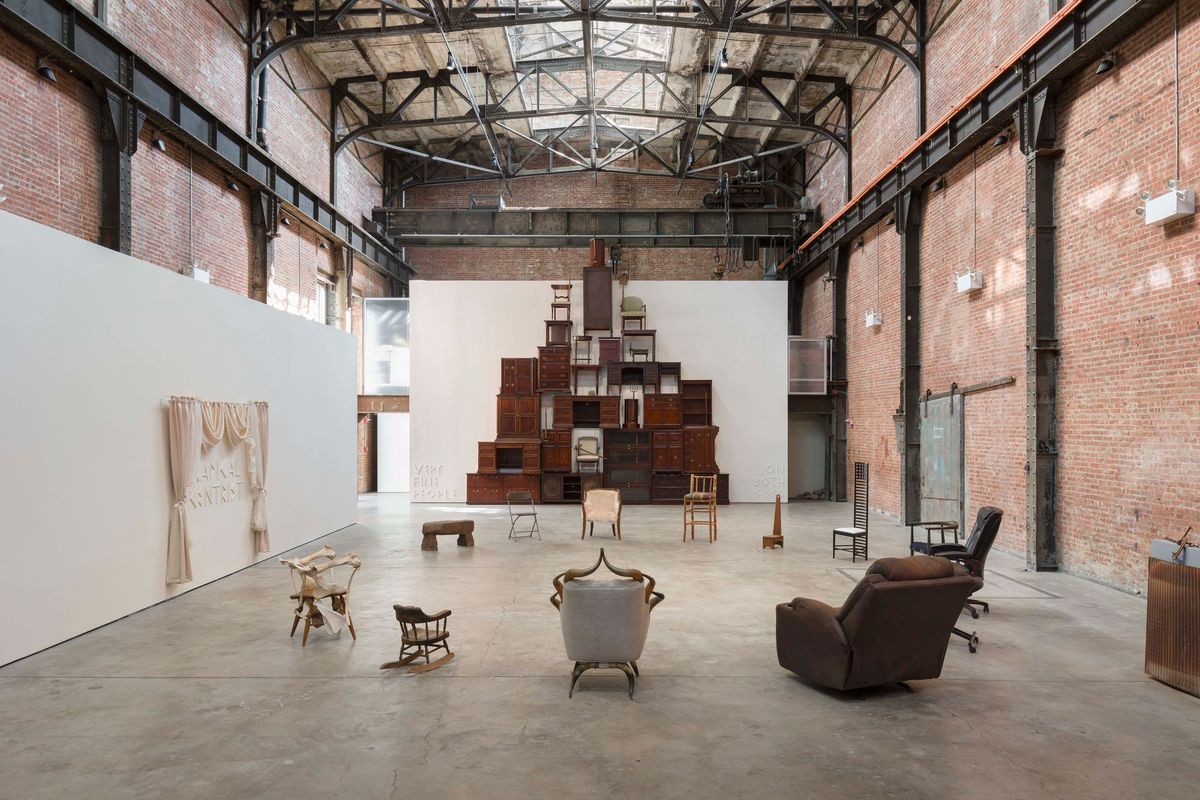
Henrike Naumann (1984–2026): Domestic Responsibilities

The article is a personal reflection on the work and legacy of artist Henrike Naumann, who passed away in 2026. The author, a peer from West Germany, contrasts their own upbringing with Naumann's East German background, detailing how Naumann's practice critically examined the domestic interiors and built environments of post-war Germany to explore the social and political responsibilities embedded within everyday objects and art's role as "stage design" in a fascist-leaning society.

Thomas Gentille, Artist Who Made Wearable Sculpture, Dies at 89

Thomas Gentille, an influential American artist and master jeweler, has died at the age of 89. His work, which he described as "wearable sculpture," blurred the lines between jewelry and contemporary art, favoring abstract, architectural forms in materials like eggshell, wood, and stone over traditional precious gems and metals.

Desmond Williams obituary

Architect Desmond Williams, known for designing modern Catholic churches, has died at age 93. His work, which includes four listed churches, was celebrated for its innovative integration of liturgical function, architectural ambition, and artistic collaboration, placing him among the leading figures of postwar British architecture.

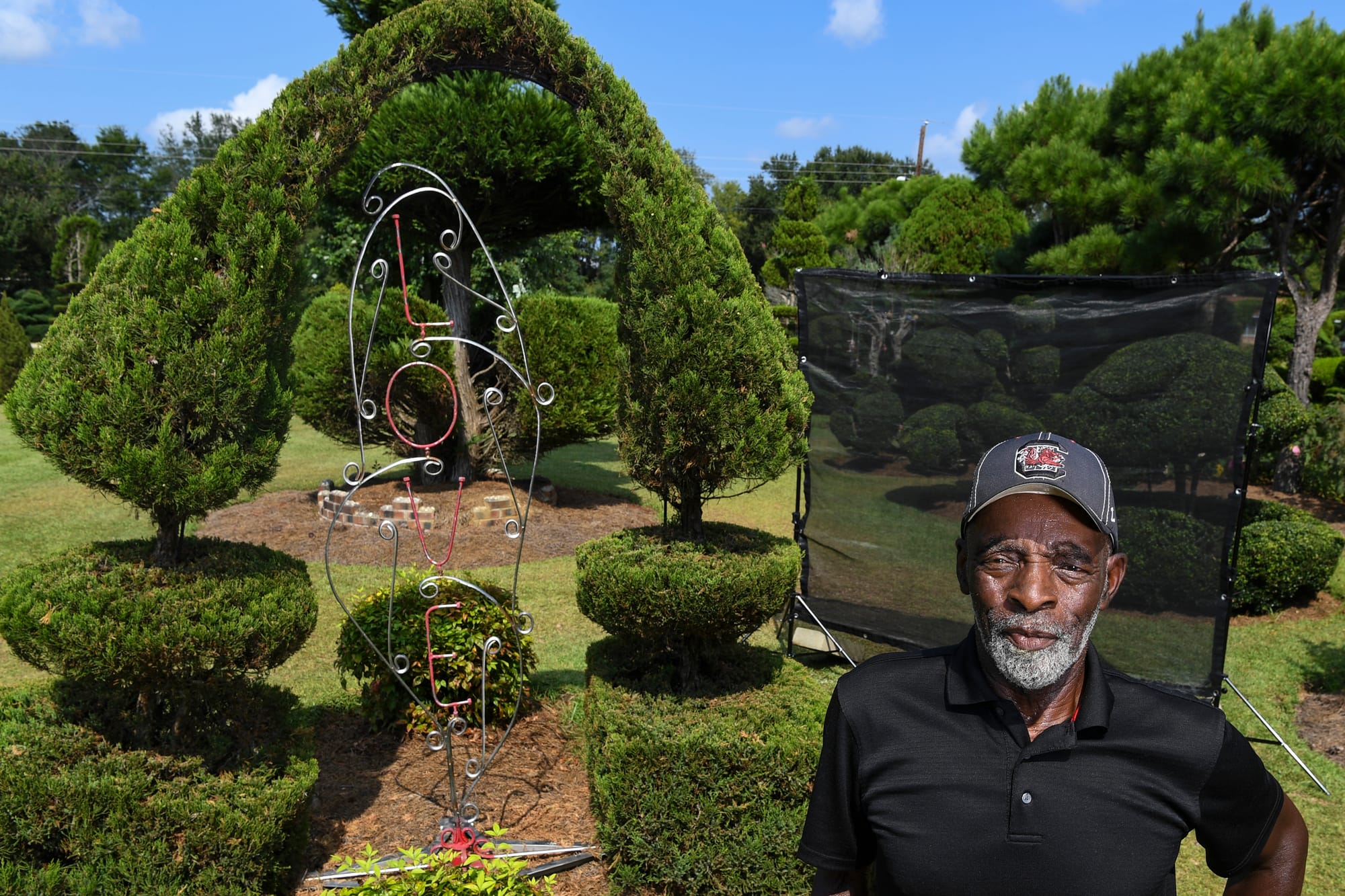
Pearl Fryar, a Picasso of Plants, Dies at 86

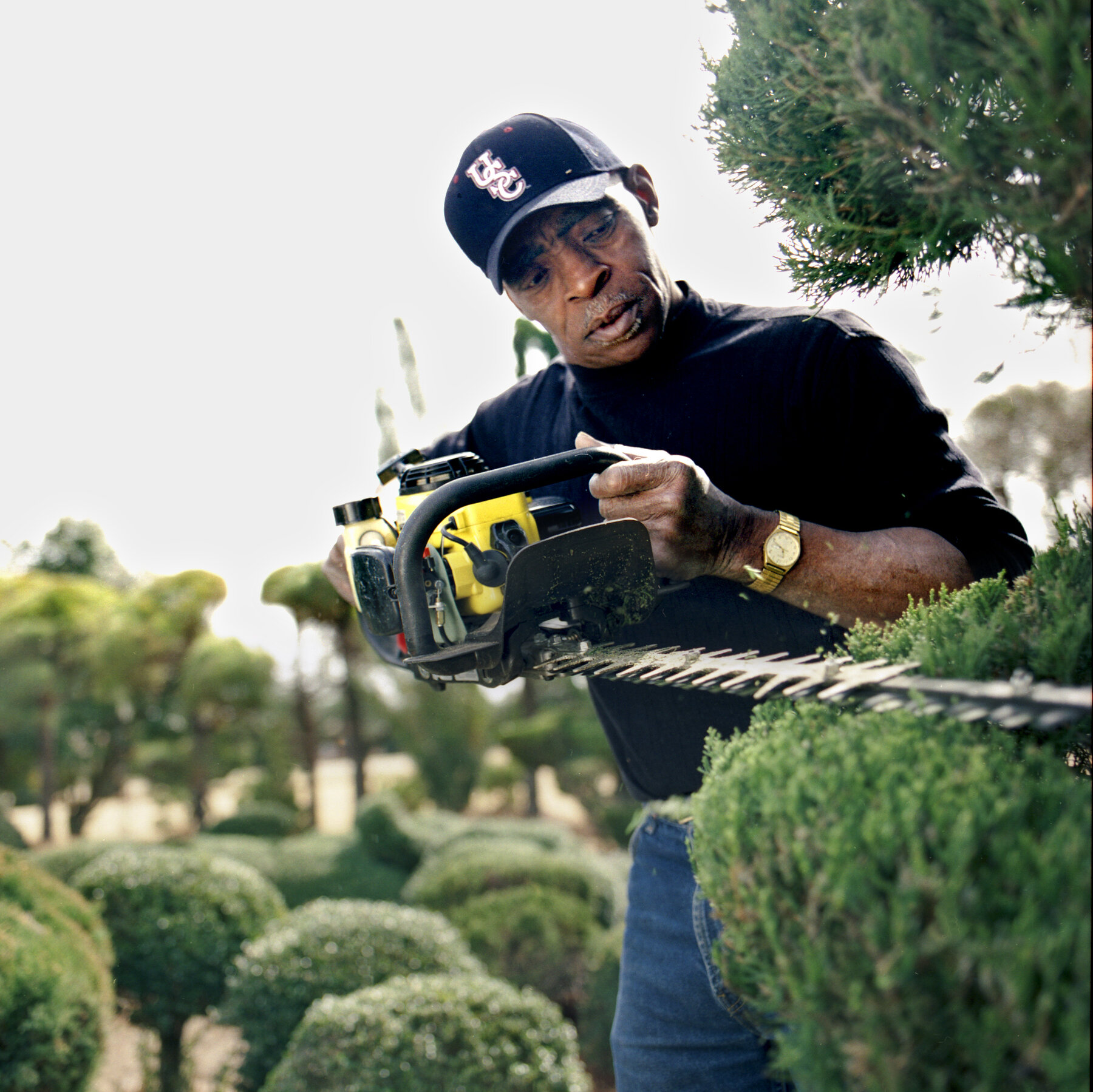
Pearl Fryar, the visionary self-taught topiary artist who transformed his yard in Bishopville, South Carolina, into a world-renowned botanical masterpiece, has died at age 86. Starting in the 1980s with no formal training, Fryar used a gas-powered hedge trimmer to sculpt salvaged plants into gravity-defying, abstract geometric forms that drew thousands of international visitors to his three-acre property.

Shigeo Toya, artist who looked to nature with his wood sculptures, 1947–2026

Shigeo Toya, the Japanese artist renowned for his chainsaw-hewn wood sculptures, has died at age 79. Born in 1947 in a small village in Nagano Prefecture, Toya began his signature Woods series in 1984, carving rough textures into tall lumber and arranging the pieces like a forest. His series Twenty Eight Deaths featured stacked wooden blocks with cavities and burn marks. Toya represented Japan at the Venice Biennale in 1988 and later exhibited at the Asia Pacific Triennial (1993) and Gwangju Biennale (2000). A major survey of his work was held at the Nagano Prefectural Art Museum and The Museum of Modern Art, Saitama, in 2022–23.

Remembering Desmond Morris, James Hayward, and Flo Oy Wong

This week's obituaries mark the passing of several significant figures in the visual arts. They include British surrealist painter and zoologist Desmond Morris, known for his 'biomorph' paintings and experiments with chimpanzee art; West Coast monochrome abstractionist James Hayward, who developed a cult following for his thickly painted canvases; and Chinese American artist Flo Oy Wong, a foundational storyteller of Oakland's Chinatown and the Asian American experience. Also remembered are assemblage artist Aldwyth, Ethiopian painter and educator Behailu Bezabih, Anglo-Irish conservator and designer Alec Cobbe, Bangladeshi art director Tarun Ghosh, and New Mexico painter Michael Hurd.

Remembering Melvin Edwards (1937–2026)

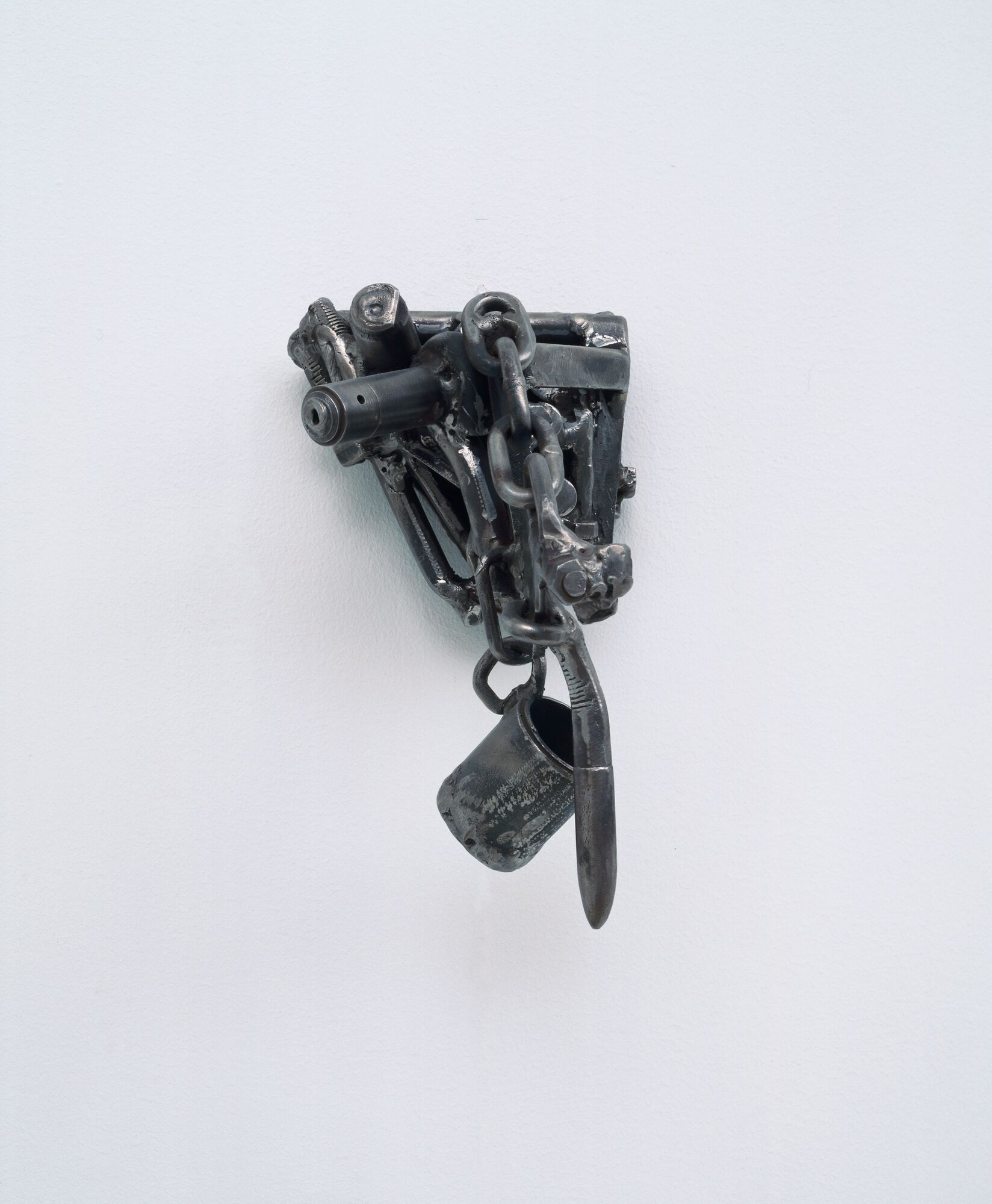
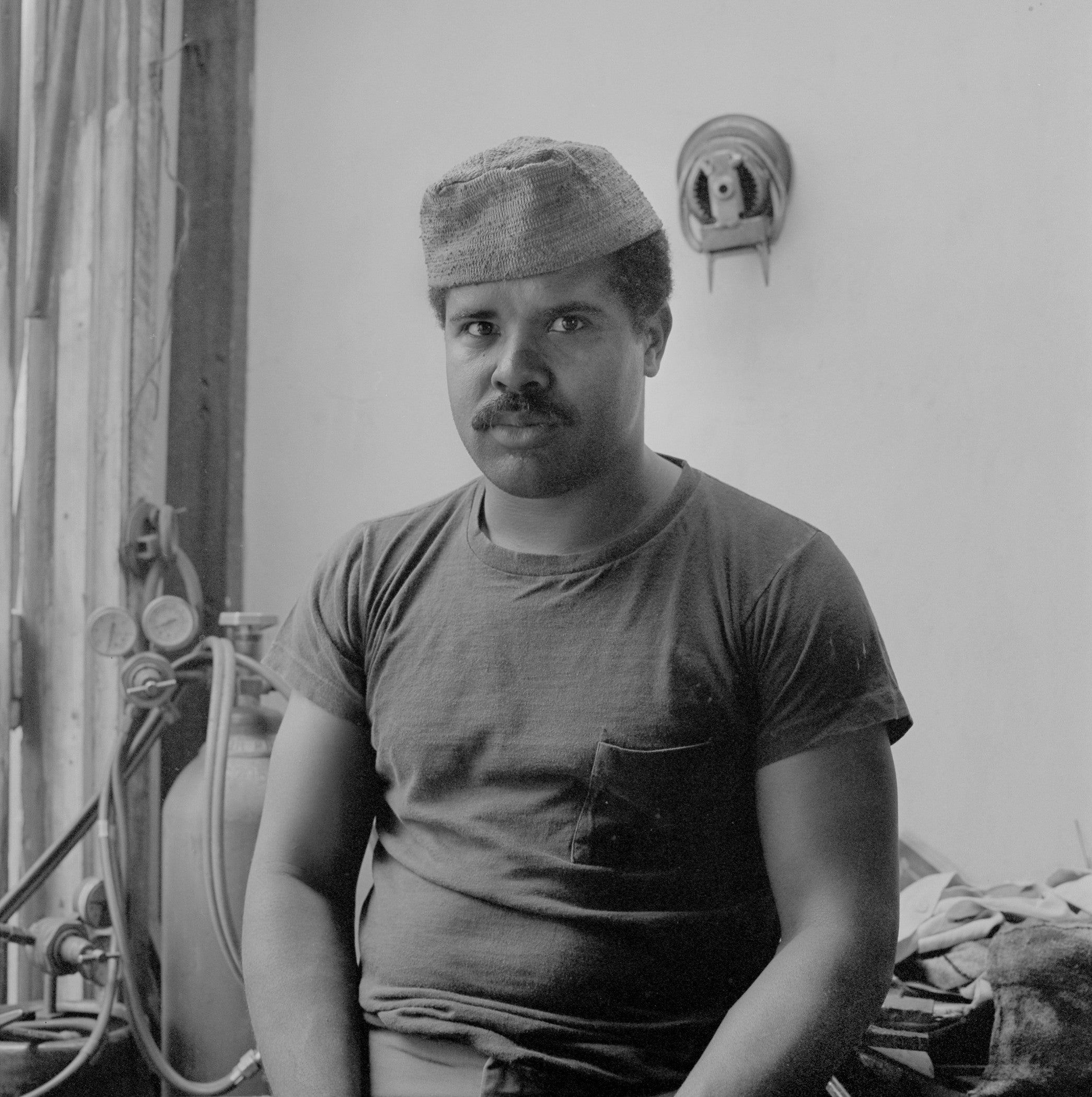
The art world mourns the passing of Melvin Edwards, a pioneering American sculptor who died on March 30, 2026. Known for his mastery of steel, iron, and barbed wire, Edwards rose to prominence in the 1960s with works that balanced formal abstraction with the heavy symbolism of chains and industrial materials. His career was marked by significant milestones, including being the first African American sculptor to have a solo exhibition at the Whitney Museum in 1970 and his long-standing presence in the permanent collection of the Museum of Modern Art.

In Memoriam: Melvin Edwards (1937–2026)

Renowned sculptor Melvin Edwards, a pioneer of the Black Art Movement who transformed welded steel into powerful explorations of African American identity, has passed away at the age of 88. Edwards was best known for his "Lynch Fragments," a series of over 300 compact, wall-mounted assemblages that utilized industrial materials like chains, meathooks, and barbed wire to evoke the history of racial violence and the struggle for civil rights. His career spanned over six decades, beginning with a breakout solo show at the Santa Barbara Museum of Art in 1965 and a landmark exhibition at the Whitney Museum of American Art in 1970.

melvin edwards sculptor dead 1234779467

Melvin Edwards, the pioneering sculptor known for his powerful steel assemblages and "Lynch Fragments" series, has died at the age of 88 in Baltimore. Edwards was a trailblazer who reframed Minimalism by infusing it with political and cultural weight, becoming the first Black sculptor to have a solo exhibition at the Whitney Museum in 1970. His work utilized industrial materials like chains and barbed wire to address histories of enslavement, anti-Black violence, and global conflict while maintaining a sophisticated abstract language.

thaddeus mosley sculptor dead 1234775273

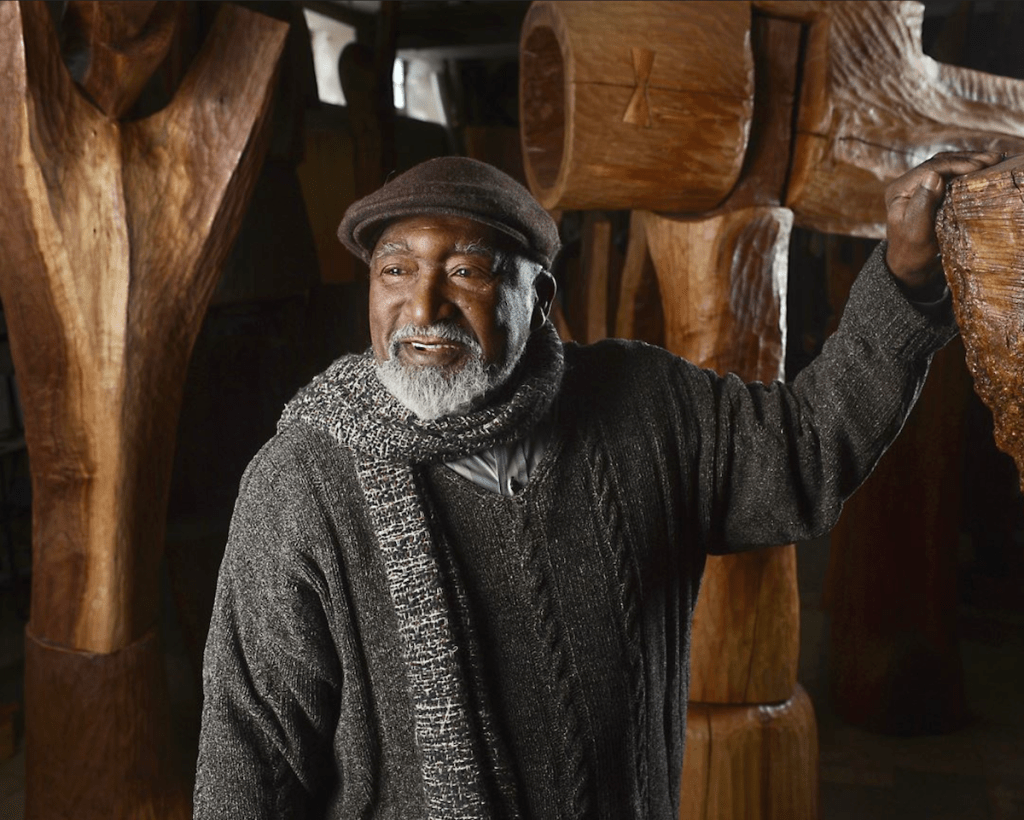
Thaddeus Mosley, the acclaimed American sculptor known for his monumental wood abstractions, has died at the age of 99 in Pittsburgh. Throughout a career spanning seven decades, Mosley transformed salvaged walnut, sycamore, and cherry wood into curvaceous, gravity-defying forms that balanced immense weight with a sense of lightness. Though he was a long-standing pillar of the Pittsburgh creative community, he achieved widespread national recognition and major museum representation only in his 90s.

egidio marzona dead avant garde collector archive 1234777644

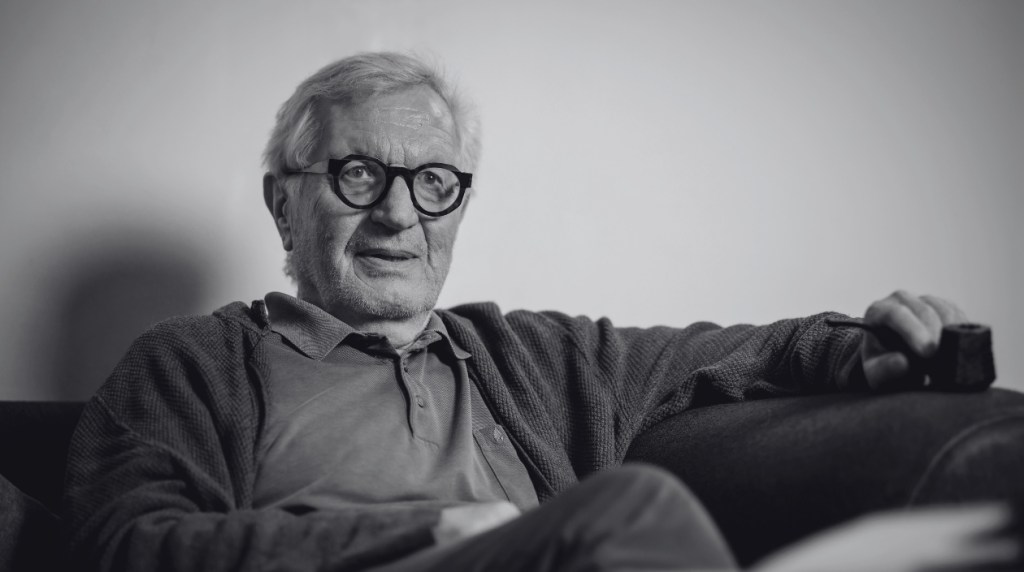
Egidio Marzona, the influential German-Italian collector, publisher, and patron, has died at the age of 81 in Berlin. Renowned for his intellectual approach to collecting, Marzona focused on the 20th-century avant-garde, including movements such as Bauhaus, Dada, Fluxus, and Arte Povera. Unlike traditional collectors, he prioritized the preservation of archives, letters, and ephemera alongside physical artworks, viewing the "paper trail of ideas" as essential to understanding artistic history.

icelandic artist bjorn roth dead at 64 morning links 1234771727

Icelandic artist Björn Roth, known for his collaborative installations and as a member of the artist collective The Roth Family, has died at the age of 64. His death was reported alongside other significant arts news, including the planned closure of the Kennedy Center for renovations and the permanent shuttering of Glasgow's Centre for Contemporary Arts due to financial difficulties.

Remembering Gathie Falk, Canadian artist whose singular practice sparked comparisons to Surrealism and Pop art

Gathie Falk, the acclaimed Canadian artist known for her six-decade practice spanning Surrealist paintings, hand-fashioned ceramics, sculptural installations, and performance, died at her home in Vancouver on 22 December at age 97. Her work transformed everyday objects—glazed ceramic apples, cabbages, shoes, and watermelons—into jewel-like sculptures and installations, with notable series including "Picnics" (1976-77), "Cement With Poppies" (1982), and "55 Oranges" (1969-70). Born in rural Manitoba in 1928 to Mennonite refugees, Falk initially pursued music before turning to art at age 37, studying ceramics with Glenn Lewis and developing a practice rooted in what she called a "veneration of the ordinary."

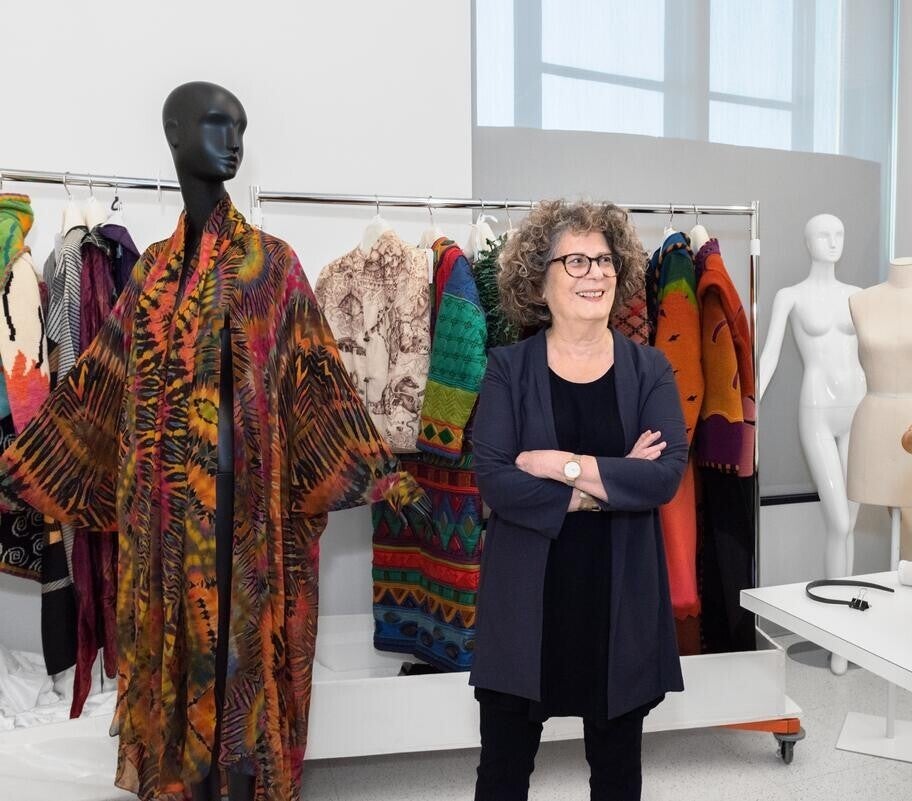
Dilys Blum, longtime curator of clothes at the Philadelphia Art Museum, dies at 77

Dilys Blum, the longtime curator of fashion and textiles at the Philadelphia Museum of Art, has died at age 77. She retired last summer after 38 years at the museum, where she served as head of the costumes and textiles department, overseeing the care and interpretation of historic clothing and fabric-based art. Blum began her career at the Museum of London, later working at the Brooklyn Museum and the Chicago Conservation Center before joining the Philadelphia Museum in 1987. She curated notable exhibitions including "Off the Wall" (2019) and "BOOM: Art and Design of the 1940s" (2025), and authored several books on fashion history, including works on Elsa Schiaparelli, Roberto Capucci, and Patrick Kelly.

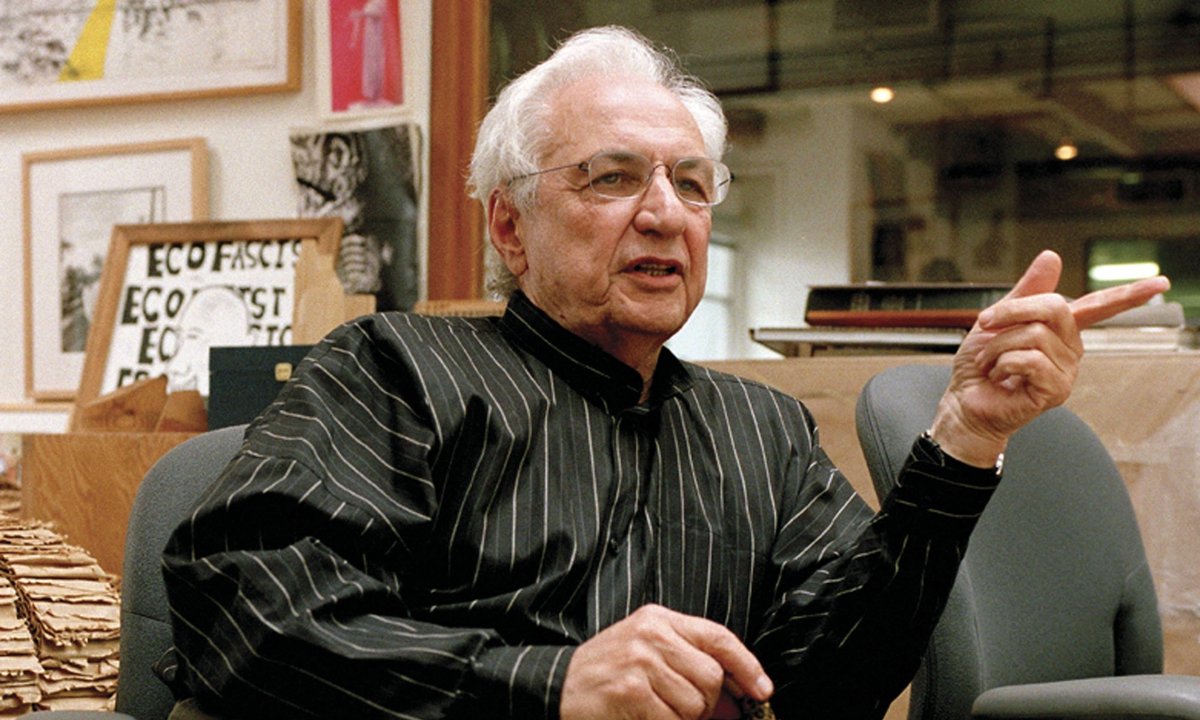
Comment | Why Frank Gehry was the ultimate artist’s architect

Frank Gehry (1929-2025) is remembered as the ultimate artist's architect, a figure whose career was deeply intertwined with the visual arts. The article highlights his lifelong friendships with numerous Los Angeles artists, his design of exhibitions for them, and his creation of iconic art museums like the Museo Guggenheim Bilbao (1997) and the Fondation Louis Vuitton in Paris (2014). Gehry believed his buildings offered artists a strong alternative to the white cube, and he renovated museums such as the Geffen Contemporary at MOCA and the Philadelphia Museum of Art with a remarkably light touch. His early exposure to art through a ceramics course with Glen Lukens at USC helped steer him toward architecture.

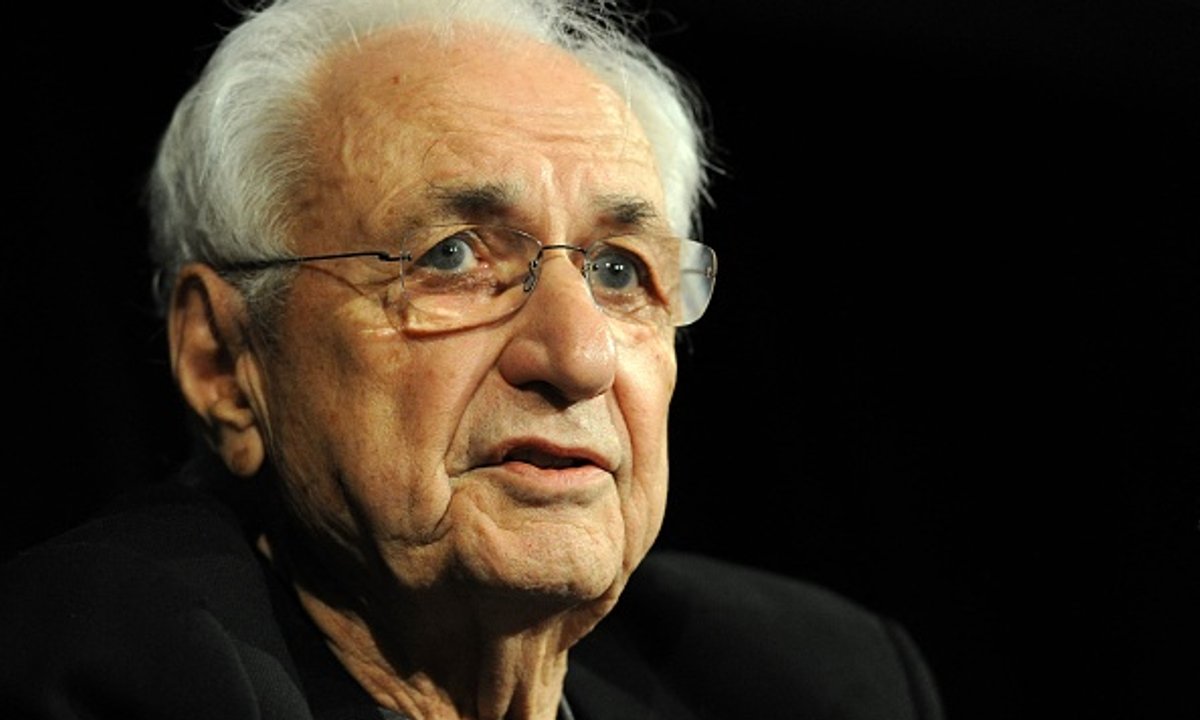
Remembering Frank Gehry, legendary architect of Guggenheim Museum Bilbao

Frank Gehry, the legendary architect who transformed the global architectural landscape with his deconstructivist style, has died in Santa Monica on 5 December. The article traces his career from his early days remodeling his own Santa Monica home—a controversial project that used corrugated metal, plywood, and chain-link fencing—to his rise as a Pritzker Prize winner and the creator of the iconic Guggenheim Museum Bilbao (1997). Gehry, born Ephraim Goldberg in Toronto in 1929, studied at the University of Southern California and Harvard before founding Frank O. Gehry & Associates in 1962, and spent over six decades championing buildings that embraced emotion and movement over cold minimalism.