filter_list Showing 34 results for "Material" close Clear
dashboard All 785 museum exhibitions 513article news 64article local 39article culture 37trending_up market 37rate_review review 34person people 27candle obituary 18article policy 11gavel restitution 5
date_range Range Today This Week This Month All
Subscribe

Jasper Johns Keeps Looking

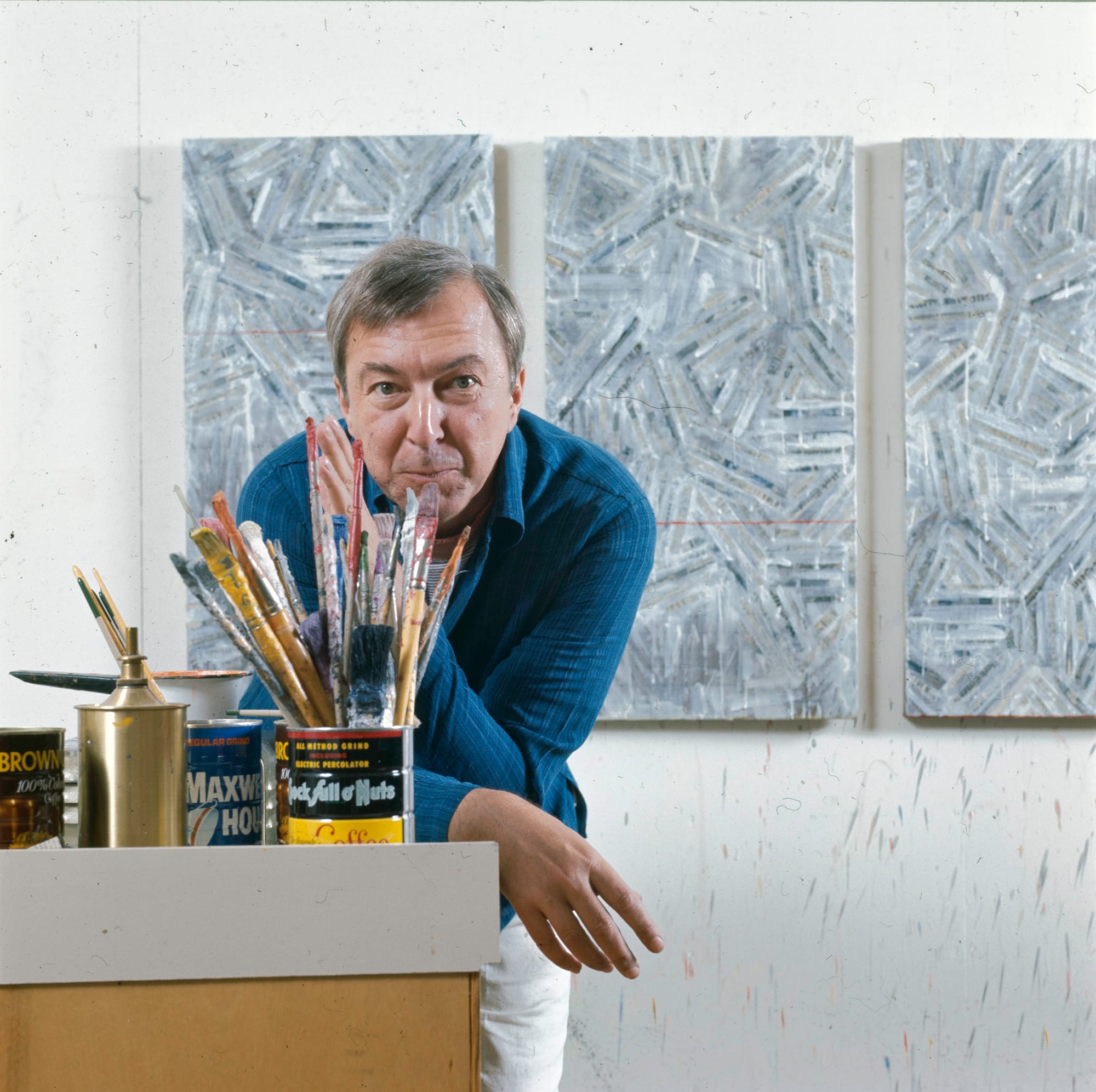
Jasper Johns’s latest exhibition at Gagosian, 'Between the Clock and the Bed,' serves as a profound meditation on the artist's career-long investigation into the 'things the mind already knows.' By revisiting his signature motifs—including flags, targets, and crosshatch patterns—the show highlights Johns’s rejection of Abstract Expressionist spontaneity in favor of a deliberate, analytical process using encaustic and collage. The works document a transformation where familiar symbols are rendered into a complex visual language that bridges the gap between memory and physical presence.
The Robots Were Never the Problem

The New Museum has reopened with 'New Humans: Memories of the Future,' a massive survey featuring over 150 contributors including Hito Steyerl, Precious Okoyomon, and H.R. Giger. Spanning 13 sections across the museum's new 5,500 square-meter extension, the exhibition traces the intersection of art, technology, and the human body from the early 20th century to the present. It juxtaposes interwar European works, such as Hannah Höch’s photomontages and Bauhaus ballets, with contemporary installations like Simon Denny’s sculpture of an Amazon worker's cage.

The Artist Whose Shimmering Obelisks Are Cropping Up All Over the World

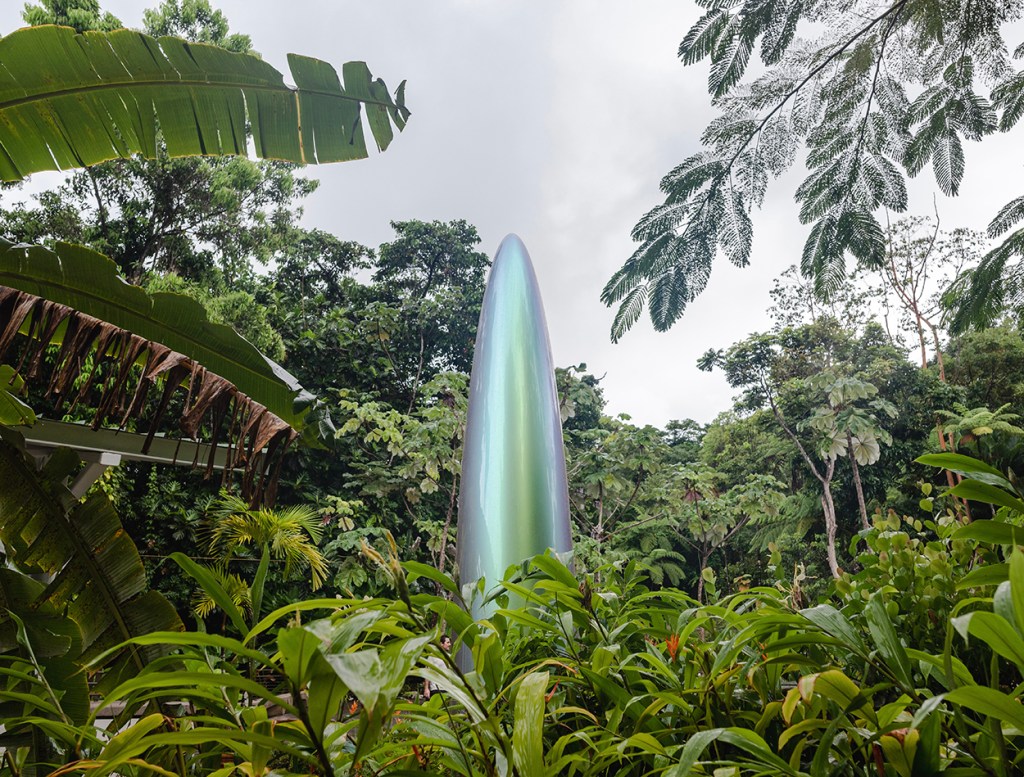
Artist Gisela Colón is currently the subject of a major retrospective at the Museo de Arte Contemporáneo de Puerto Rico (MAC), showcasing her signature "monoliths" and iridescent obelisks. These monumental sculptures, which have appeared in global locations ranging from the Great Pyramids of Giza to the Saudi Arabian desert, utilize advanced aerospace carbon fiber and site-specific minerals to create shifting, phenomenological experiences. The exhibition tracks her evolution from 1996 to the present, highlighting her unique ability to blend high-tech materials with ancient totemic forms.

Leah Ki Yi Zheng’s Personal I Ching

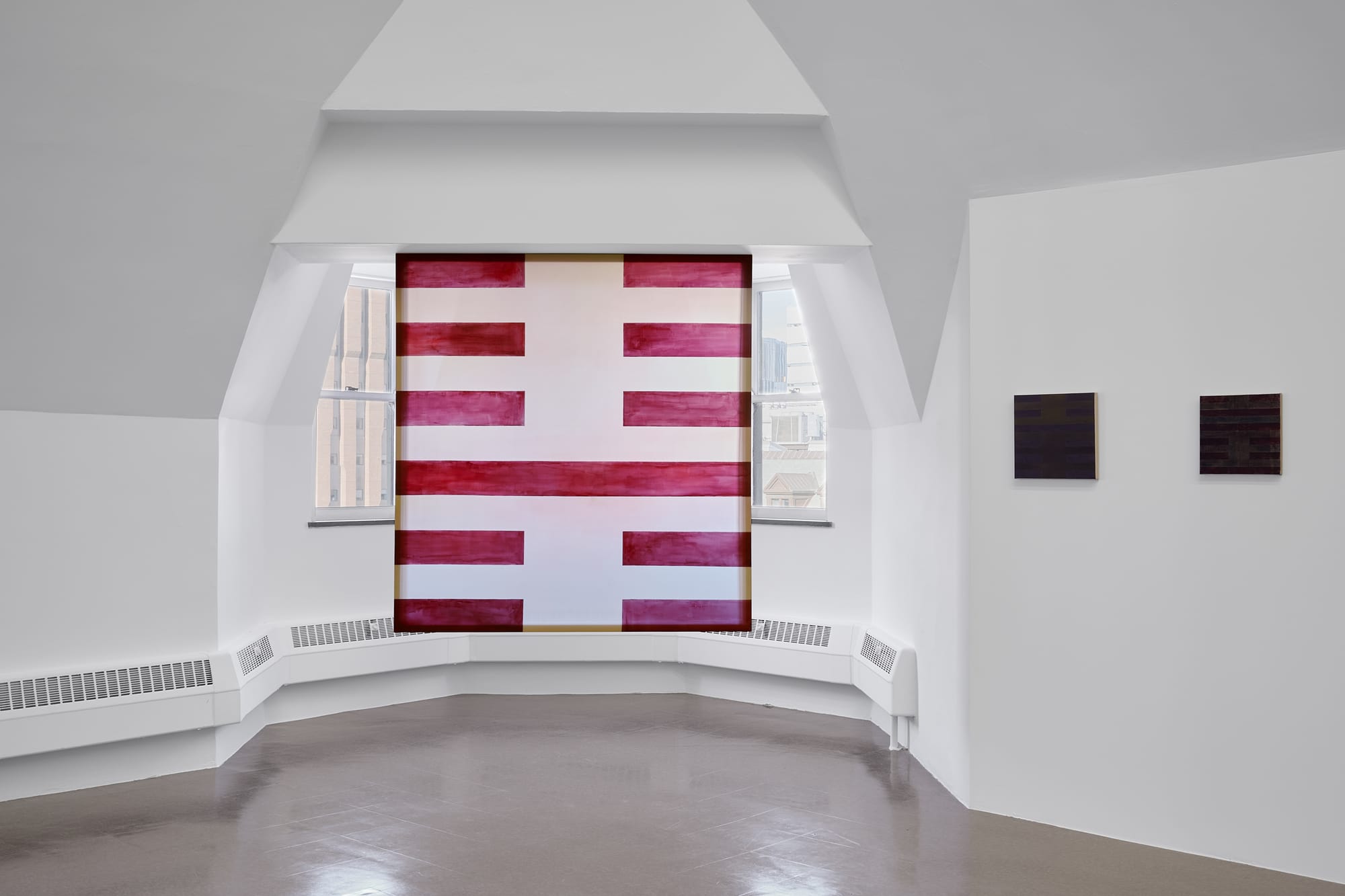
Artist Leah Ke Yi Zheng's exhibition "Change, I Ching (64 Paintings)" at the Renaissance Society in Chicago presents a series of oil and acrylic paintings on silk, each depicting one of the 64 hexagrams from the ancient Chinese divination text, the I Ching. The artist physically altered the gallery's architecture to control light and create a specific viewing rhythm, synthesizing materials and techniques from Chinese ink painting traditions with Western geometric abstraction and oil painting.

Hydrojustice: A Review

A Non-Aspirational Justice: Review of Hydrojustice

The article is a critical review of Andreas Philippopoulos-Mihalopoulos's book 'Hydrojustice,' which uses the concept of water as a lens to critique traditional, top-down legal justice and propose a more fluid, collective, and embodied alternative. The review frames this analysis through the recent erasure of a Banksy graffiti piece on the London Courts of Justice, which depicted a judge violently silencing a protester.

Anne Hardy’s Hollow Humanoids

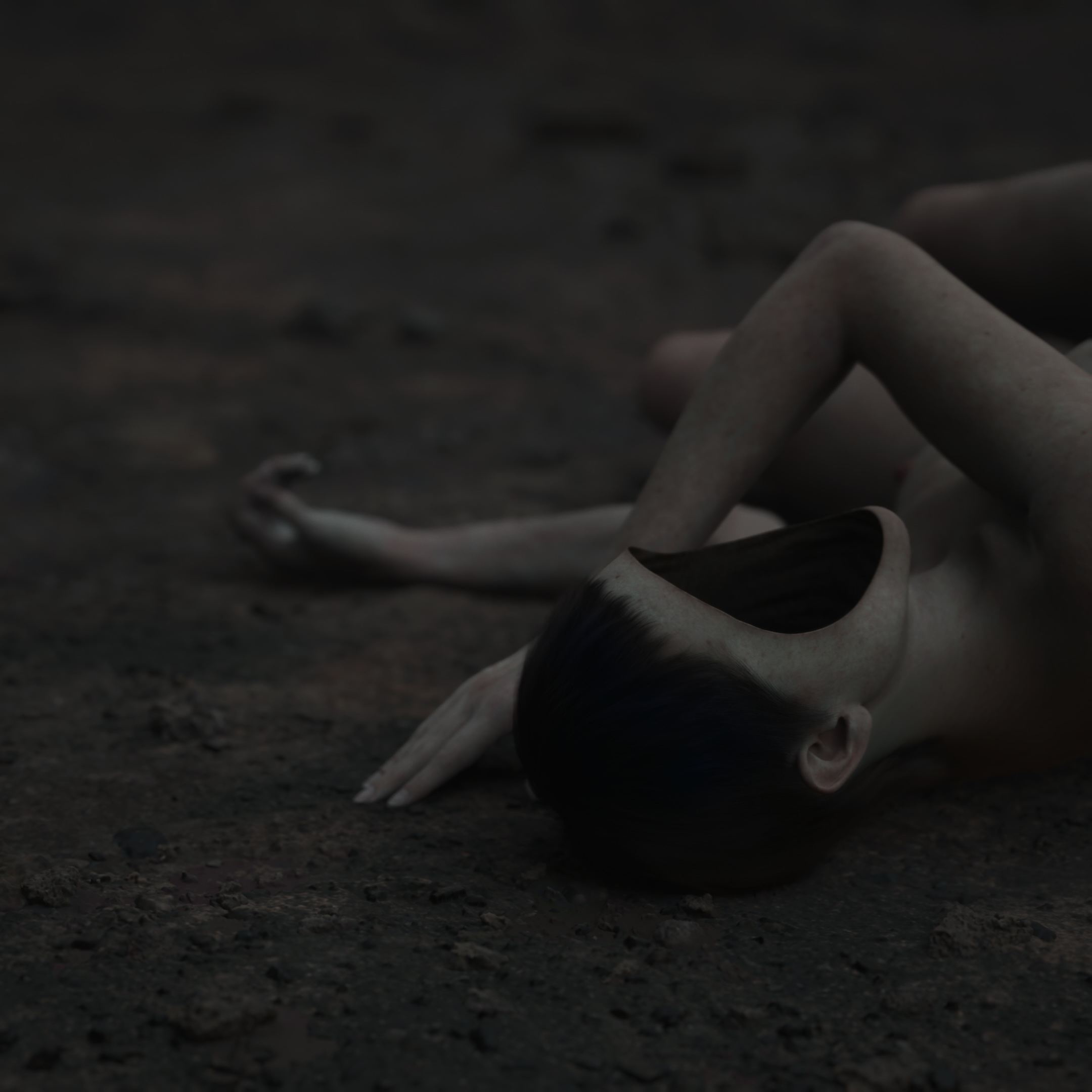
British artist Anne Hardy presents a suite of floor-based installations and assemblage sculptures titled "Interloper" at Visual. The exhibition features a series of "Beings"—twisted, life-size humanoid entities constructed from rusted wire, crushed cans, soil, and the artist’s own cast body parts and clothing. These figures, often posed in yoga-like positions or meditative stances, appear as hollow, faceless outlines that blend a sense of vitality with physical disintegration.

Nat Faulkner: The Stuff of Photography

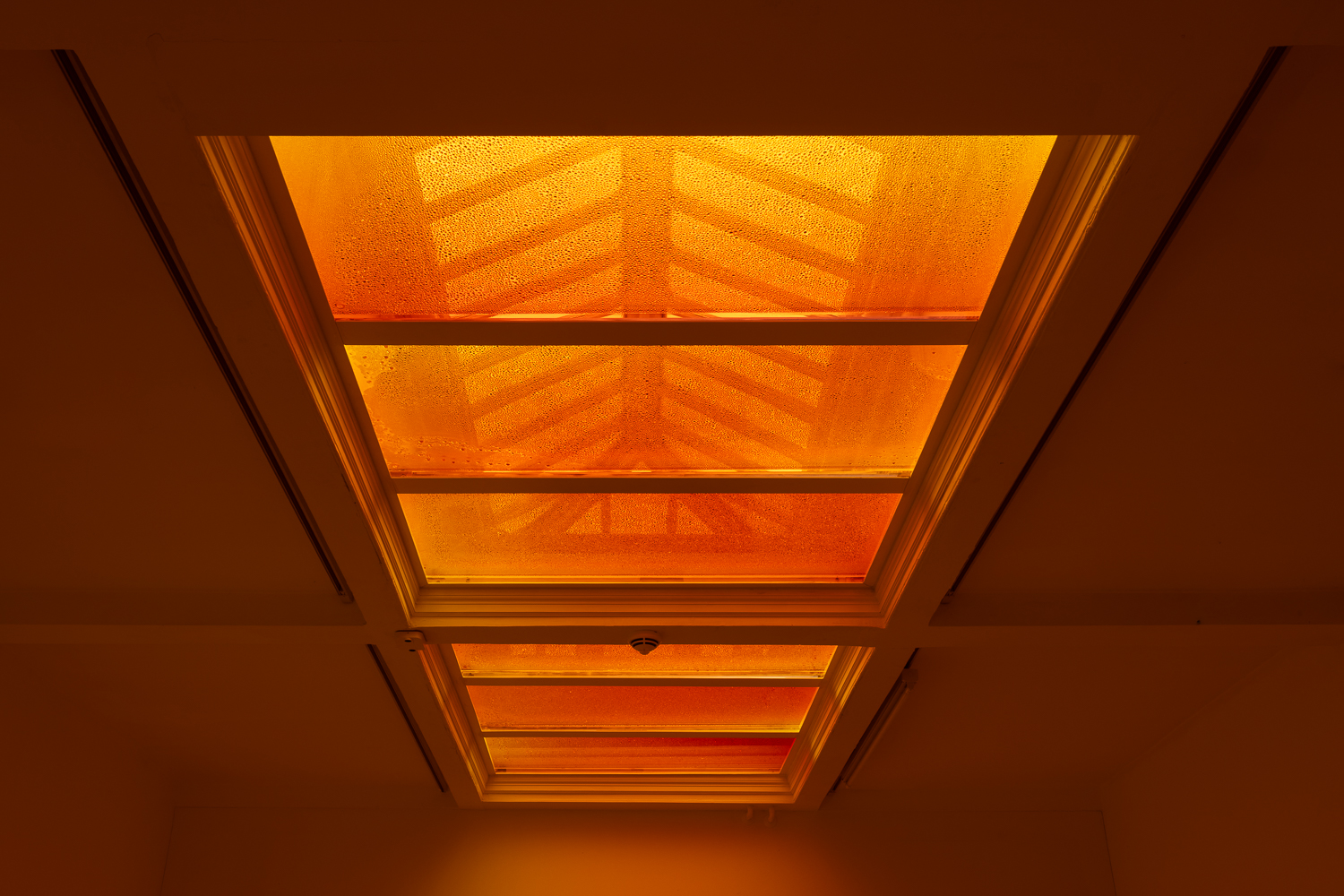
Artist Nat Faulkner has opened a new exhibition at Camden Art Centre featuring works that explore the physical and chemical foundations of photography. The show includes large-scale photographic pieces like 'Aqua Fortis' and sculptural works such as 'Aperture (Iodine)', which uses iodine solution in skylight panels to bathe the space in amber light, alongside silver-plated 'Analogue' reliefs created through electroplating.

Michael Armitage in Venice, monumental and disturbing. What the exhibition at Palazzo Grassi looks like

Michael Armitage is the subject of a major solo retrospective at Palazzo Grassi in Venice, marking his largest exhibition in Europe to date. Organized by the Pinault Collection, the show features monumental paintings that blend African identity, local Kenyan chronicles, and mythological narratives. Armitage’s work is noted for its physical scale and its ability to transform the chaos of human affairs into a syncretic epic, utilizing traditional materials like Lubugo bark cloth to ground his contemporary subjects.

‘The Secret Agent’ Finds Desire in the Archive

The article reviews the exhibition 'The Secret Agent' at the Institute of Contemporary Arts (ICA) in London, curated by artist and writer Hannah Gregory. The show features works by artists including Louise Lawler, Susan Hiller, and John Stezaker, exploring themes of desire, secrecy, and the archival impulse through photography, film, and installation.

Locating Luigi Ghirri

Fashion photographer Alessio Bolzoni and film director Luca Guadagnino have collaborated on 'Felicità', a new book and exhibition at Thomas Dane Gallery featuring 45 previously unseen color photographs by the late Italian master Luigi Ghirri. The project is divided into two portfolios: the first focuses on intimate, abstract details of found objects and surfaces in Modena, while the second expands into larger vistas and populated spaces across Italy during the 1980s.

Craig Jun Li: Scrapping the Camera

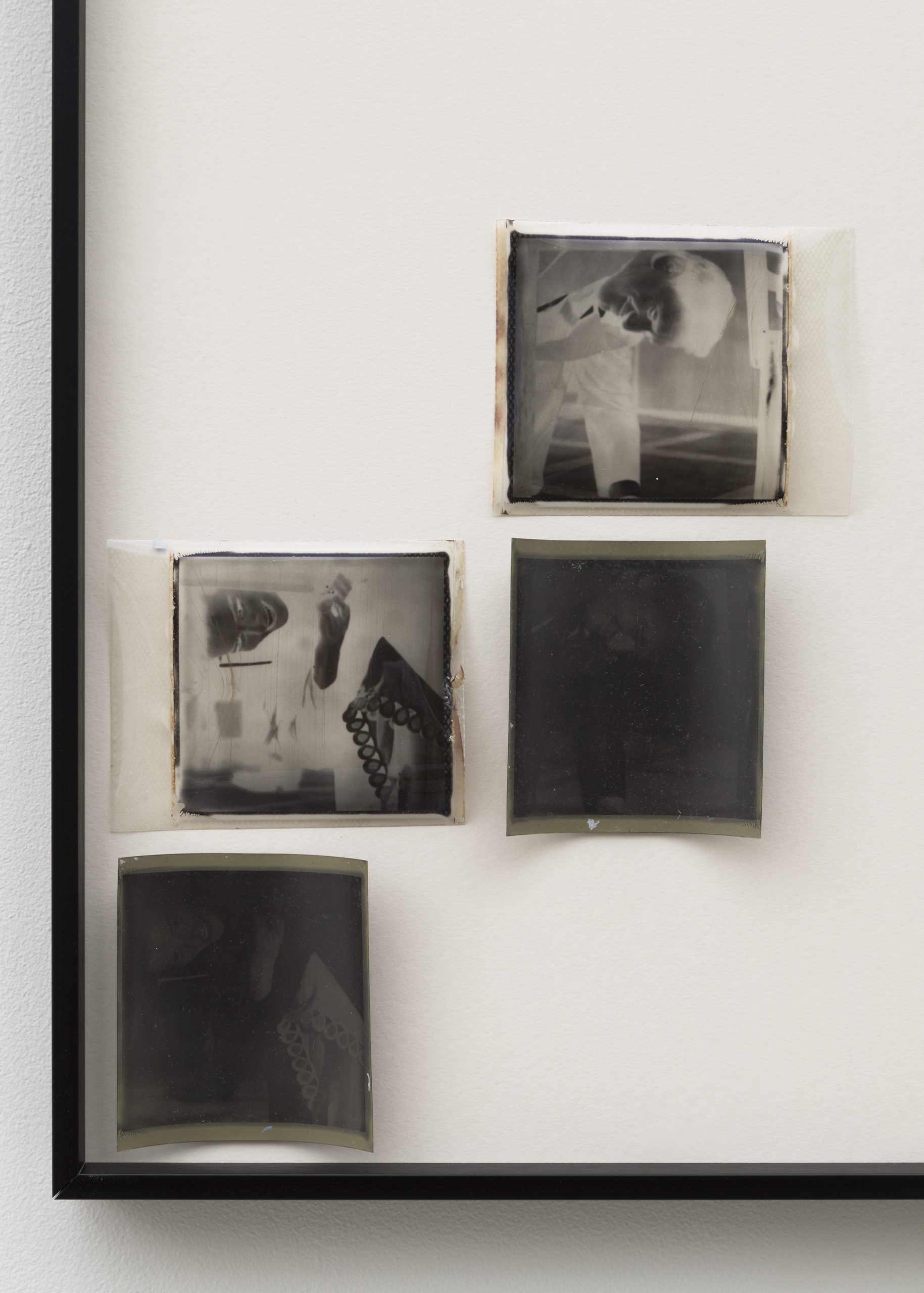
Artist Craig Jun Li's solo exhibition features collagist wall-works and installations that deconstruct photographic technology. Works like the 2025 silicone sheets incorporate altered dye-transfer prints, Polaroids, and actual camera parts like SX-70 film cartridge springs, redirecting focus from pictorial representation to the mechanical apparatus of image-making.

Theresa Hak Kyung Cha Made Human Again

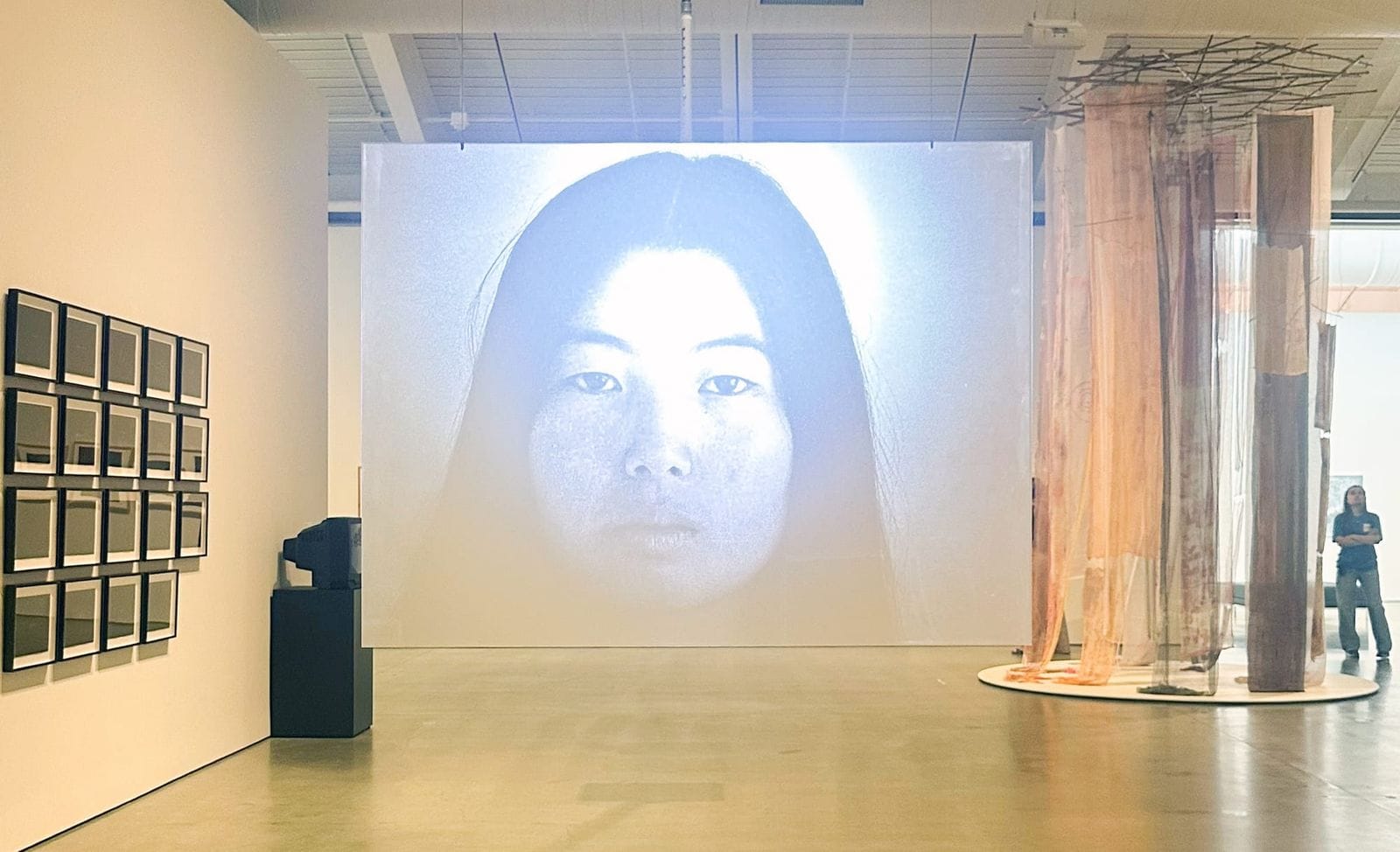
The Berkeley Art Museum and Pacific Film Archive (BAMPFA) is hosting "Theresa Hak Kyung Cha: Multiple Offerings," a comprehensive exhibition that draws from the artist’s complete archives. The show highlights Cha’s multidisciplinary practice, spanning film experiments, performance documentation, and her signature linguistic explorations. By pairing finished artworks with archival materials and personal ephemera, the exhibition reveals a playful, puckish side of the artist that is often obscured by the tragic circumstances of her death and the heavy themes of exile and dislocation in her work.

Veronica Ryan review – the seeds are sensational but the detritus is distracting

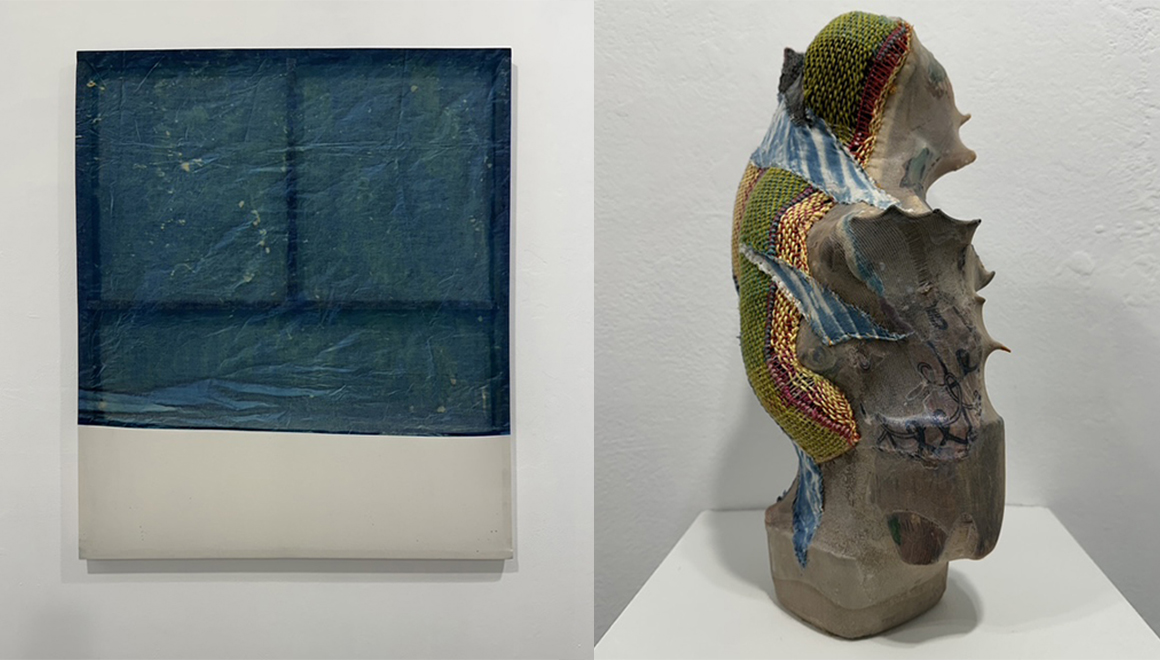
A major retrospective of Turner Prize-winning artist Veronica Ryan has opened, showcasing her career-long exploration of organic forms and repurposed materials. The exhibition features new works made from plastic bottles, bandages, and avocado trays, alongside earlier sculptures in bronze and lead that reference seed pods and fruit.

These Ghosts. Clémentine Bruno  by Michela Ceruti

Clémentine Bruno’s artistic practice explores the tension between presence and absence, treating the canvas as a site of temporal layers rather than a flat surface for representation. Her work emphasizes the preparatory stages of painting—the laying of gesso and the construction of supports—allowing images to emerge reluctantly through processes of sanding, veiling, and partial erasure. Recent exhibitions, such as "Educational Complex" at Tonus and "Vision of Fading" at Mendes Wood DM, highlight her interest in how institutional structures and memory maps dictate what is retained and what is forgotten.

Review: “The Things We Carry” at Un Grito Gallery

The exhibition "The Things We Carry" at Un Grito Gallery serves as the centerpiece for the 2026 Contemporary Art Month (CAM) Perennial in San Antonio. Curated by Casie Lomeli and Leslie Moody Castro, the show features eight artists including Matt Rebholz, whose vibrant, alien-like landscapes subvert traditional Western imagery, and Tina Linville, who presents tactile sculptures composed of salvaged materials and concrete. The exhibition is part of a larger city-wide initiative spread across five artist-run spaces.

What Did Happen or What Might Have Happened or What Can Never Happen. Dustin Hodges by Nick Angelo

Dustin Hodges presents a new body of work across two exhibitions, "Barley Patch" at 15 Orient in New York and "Barley Patch 2" at Sebastian Gladstone in Los Angeles. The artist utilizes thin layers of pigment, color glazing, and distemper on linen to create compositions that superimpose cartoon motifs, such as black crows and characters from the "Arthur" series, over complex grids. His process involves a cyclical layering that drives a wedge between the logic of the image and the materiality of painting, resulting in works that feel both choreographed and visceral.

All and Nothing review – inspiring tale of the Chinese artist who cultivated a grassroots scene in Cumbria

A new documentary film, 'All and Nothing,' profiles the life and legacy of Chinese artist Li Yuan-chia, who founded the influential LYC Museum and Art Gallery in rural Cumbria, England, in 1972. The film, directed by Liao I-ling and Chu Po-ying, uses his abstract art and archival materials to trace his journey from China and Taiwan to Italy and London, before he settled in Brampton.

Spectral Nomenclature. Anastasia Pavlou  by Arnisa Zeqo

Artist Anastasia Pavlou’s practice is explored through her engagement with literature, memory, and the materialization of language. Her large-scale paintings, which draw formal comparisons to Art Informel and Abstract Expressionism, function as conceptual lexicons where titles—often direct citations from writers like Dionne Brand and Virginia Woolf—carry as much weight as the paint itself. Works such as "The Reader Interrogates Narrative, but Poetry Interrogates the Reader" demonstrate her interest in the "spectral" side of nomenclature, where naming serves to summon ghosts of the past while acknowledging the failures of language to capture emotion.

François Ozon’s 'The Stranger': A Film Between Surface Aesthetics and Political Reinterpretation

“Lo straniero” di François Ozon. Un film tra estetica delle superfici e rilettura politica

Director François Ozon has adapted Albert Camus’s existentialist masterpiece 'The Stranger' into a new feature film, premiering at the 82nd Venice Film Festival. Shot in stark black and white by cinematographer Manuel Dacosse, the film departs from the 1967 Luchino Visconti adaptation by leaning into a cold, clinical aesthetic inspired by Michelangelo Antonioni. The narrative follows Meursault, an emotionally detached clerk in colonial Algiers, whose impassive reaction to his mother's death and the subsequent senseless murder of an Arab man leads to his legal and moral condemnation.

Super Mario Galaxy is the first true video game film

Super Mario Galaxy è il primo vero film videoludico

The article analyzes the 2023 animated film 'Super Mario Galaxy – Il film,' arguing it represents a significant evolution in video game adaptations. The film, a sequel to 'Super Mario Bros. – Il film,' abandons traditional narrative concerns and instead structures itself like a video game, constantly introducing new characters, power-ups, and scenarios directly from the Super Mario game series, as if the protagonists are moving through game levels.

IN REVIEW: To be felt, not read — ‘Paper Trails: Unfolding Indigenous Narratives’ at IAIA MoCNA

A new exhibition titled 'Paper Trails: Unfolding Indigenous Narratives' has opened at the Museum of Contemporary Native Arts (MoCNA), part of the Institute of American Indian Arts (IAIA). The show features works by contemporary Indigenous artists who utilize paper as a primary medium to explore themes of history, memory, and cultural identity, moving beyond text-based narratives to create visceral, sensory experiences.

Jan Staller Photographs the Nuts and Bolts of Manhattan's Urban Symphony

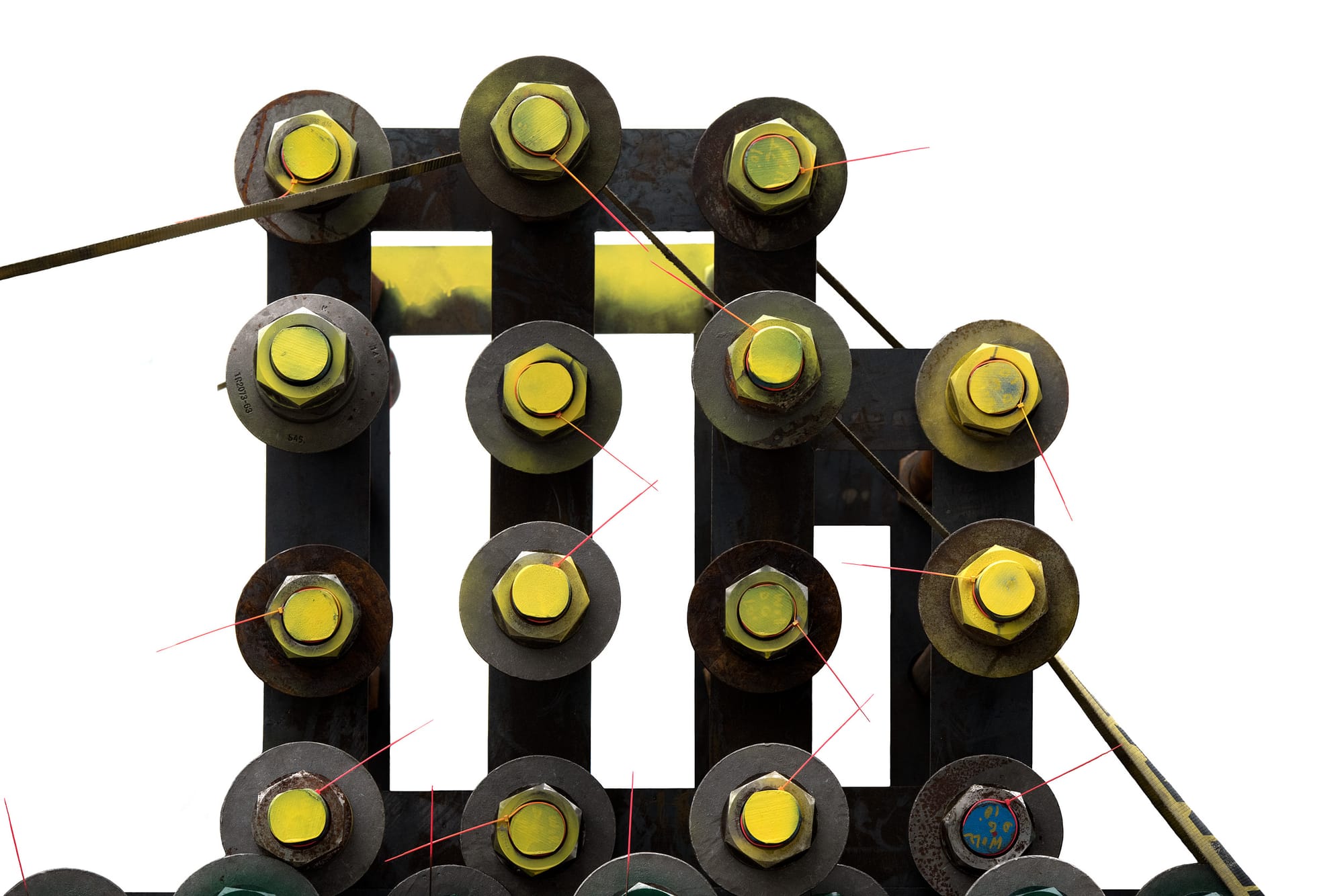
Photographer Jan Staller has released a new book titled "Manhattan Project," featuring photographs of construction materials—pipes, beams, rebar, and drill bits—suspended midair against white skies. The book marks a shift from his earlier moody night photography to a hard-edged focus on utilitarian objects, transforming New York City's construction sites into otherworldly, readymade-like visions. The book includes a foreword by Neil deGrasse Tyson and an essay by curator Brett Littman, with images spanning locations across the Upper West Side.

Special Interest: Marble

Spezialinteresse: Marmor

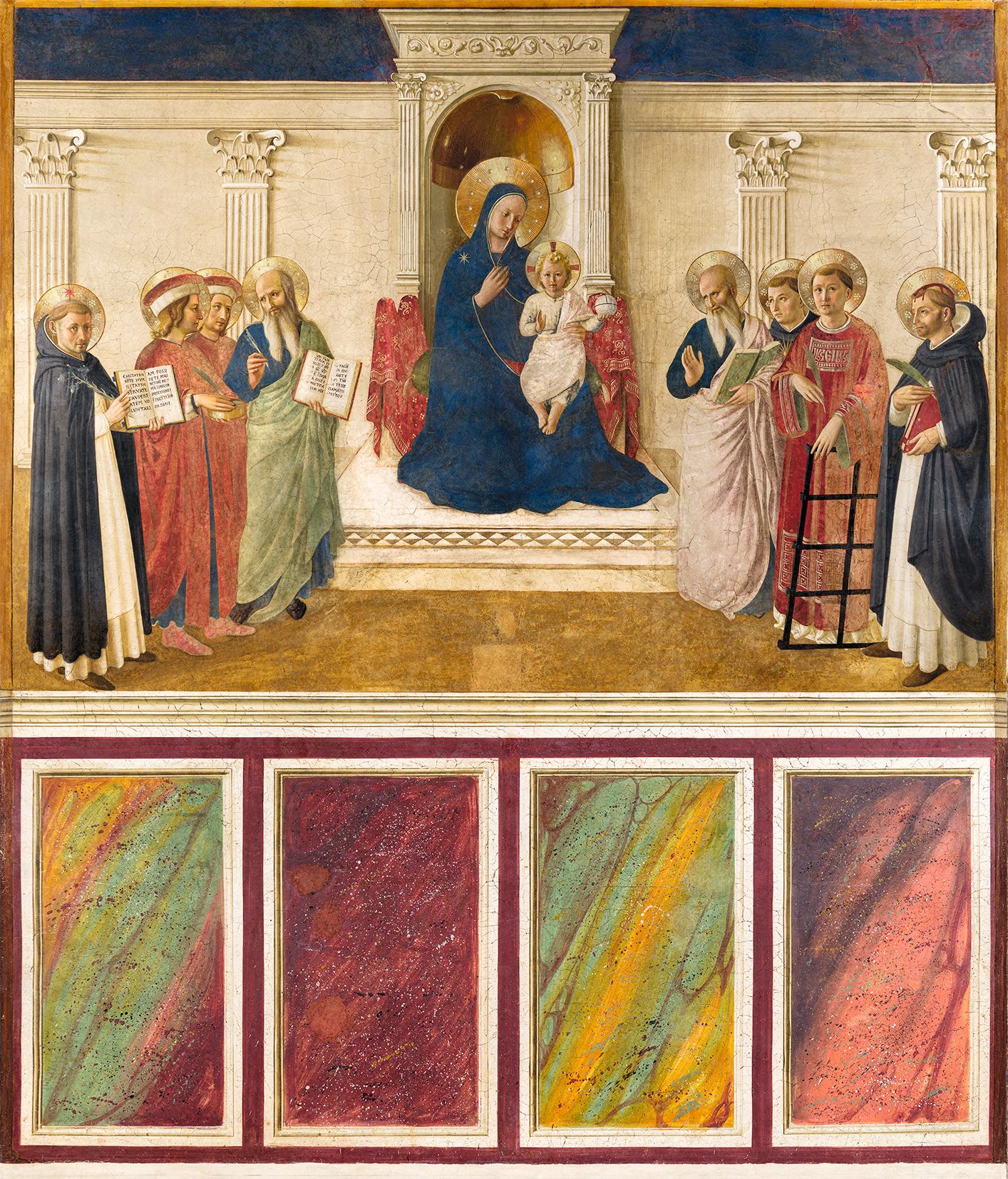
Karl Kolbitz has published a new book focusing on the depiction of marble in Early Renaissance paintings. He explores how artists used the fictional representation of marble to visualize the divine, drawing inspiration from art historian Georges Didi-Huberman and employing modern imaging techniques to reveal previously hidden details.

What We Loved (And Didn’t) in “Greater New York”

The article presents a critical review of the 2026 "Greater New York" exhibition at MoMA PS1, a massive survey featuring over 150 works by more than 50 artists. The Hyperallergic editorial team highlights specific artists and works they loved, disliked, or found puzzling, offering a curated list of around 20 standout pieces. The review includes detailed commentary on individual works by artists like Dean Millien, the collective Red Canary Song, and Kameron Neal, capturing the diverse and often contentious reactions the show provokes.

A Blockbuster Take on Ovid’s “Metamorphosis”

The Rijksmuseum in Amsterdam has opened a major exhibition titled 'Metamorphoses,' inspired by Ovid's poem. The show brings together Renaissance masterpieces, antiquities, and contemporary works, grouping them by the myths they depict to explore themes of transformation, desire, and gender through striking visual juxtapositions.

Leonardo Madriz’s Monuments to the Precarity of Now

Artist Leonardo Madriz presents his solo exhibition 'Do Not Be Afraid' at Parent Company, featuring five totemic sculptures constructed from rope, resin, and found objects. These works, which Madriz calls 'sentinels,' use materials like rebar, barbed wire, a fake Rolex, and a fragment of a US flag made in Vietnam to create anthropomorphic forms that appear weary and burdened.

whitney biennial 2026 systems infrastructure andrea fraser carmen de monteflores emilie gossiaux david johnson 1234775255

The 2026 Whitney Biennial, curated by Marcela Guerrero and Drew Sawyer, moves beyond the traditional geographic borders of the United States to explore 'the greater United States.' Drawing inspiration from historian Daniel Immerwahr, the exhibition features artists from occupied territories, military outposts, and nations impacted by American intervention, including Okinawa, Chile, and Palestine. The show shifts the focus from identity politics to the material reality of infrastructure, examining how global systems of finance, energy, and empire operate and often fail.

joseph beuys daniel spaulding honigpumpe 1234776979

Joseph Beuys remains one of the most polarizing figures in 20th-century art, a former Nazi soldier who reinvented himself as a shamanic healer and a founding member of the Green Party. A new monographic study by art historian Daniel Spaulding, 'Joseph Beuys and History', re-evaluates the artist's legacy by confronting his refusal to apologize for his wartime past and his use of ambiguous materials like fat and felt. Spaulding argues that Beuys’s work should be read through the lens of 'bad faith,' where his utopian slogans masked a deep, unresolved engagement with the horrors of the Holocaust.

carol bove guggenheim museum retrospective review 1234775914

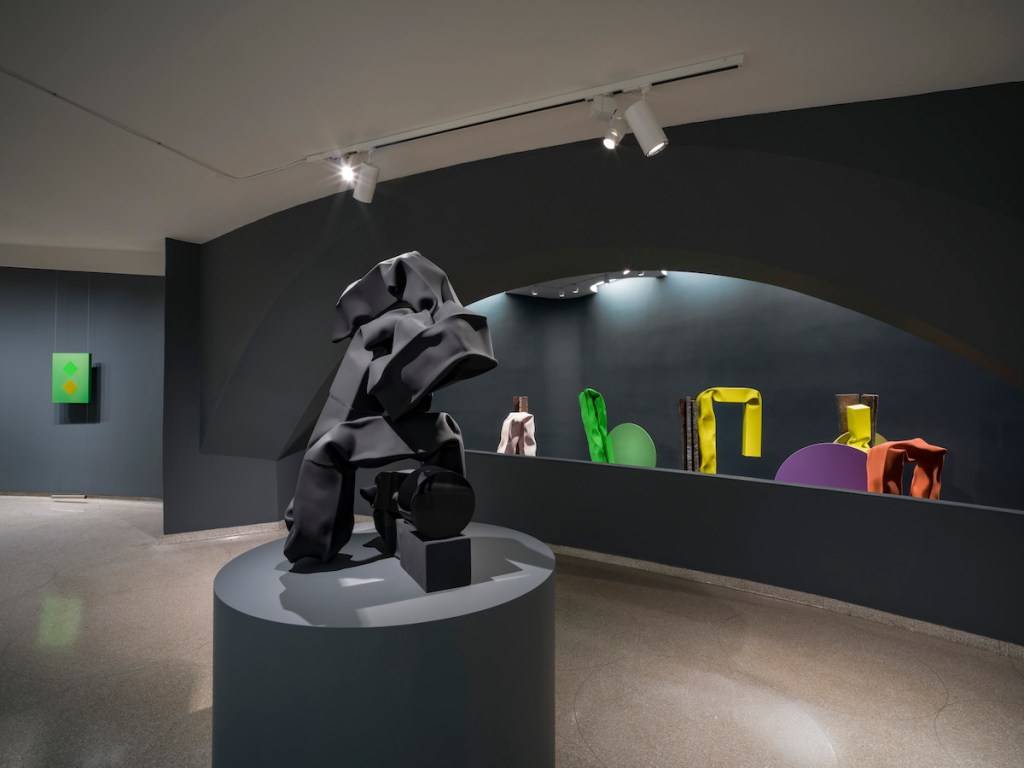
The Solomon R. Guggenheim Museum has launched a major retrospective of Carol Bove, filling the iconic Frank Lloyd Wright rotunda with approximately 100 works spanning her career. The exhibition showcases Bove’s evolution from her early assemblages of driftwood, peacock feathers, and vintage books to her more recent large-scale, brightly colored steel sculptures. A defining feature of the show is Bove’s inclusion of "para-artworks"—pieces by other artists such as Lionel Ziprin, Agnes Martin, and Arnaldo Pomodoro—integrated into her own installations to highlight the influences and histories that inform her practice.

pierre huyghe las foundation 2746797

Pierre Huyghe has unveiled his most ambitious project to date in Berlin, a major exhibition titled 'Liminals' staged at the cavernous Halle am Berghain. Commissioned by the LAS Art Foundation as part of its 'Sensing Quantum' program, the installation features a massive 50-minute film projected in a former electrical station, accompanied by a droning, atmospheric soundscape. The work continues Huyghe’s exploration of AI-driven systems and 'unworlding,' attempting to create a space that transcends human subjectivity through bio-technological environments.