filter_list Showing 46 results for "ANI" close Clear
search
dashboard All 2422 museum exhibitions 1340article local 318article news 249article culture 160trending_up market 109rate_review review 73person people 62article policy 46candle obituary 45gavel restitution 16article event 2article gallery 1article events 1
date_range Range Today This Week This Month All
Subscribe

Difficult search for new culture senator in Berlin

Schwierige Suche nach neuem Kultursenator in Berlin

Berlin's culture senator Sarah Wedl-Wilson resigned on Friday after a state audit found that her allocation of anti-Semitism prevention funds was unlawful. The CDU politician is being succeeded by former justice senator and Bundestag member Thomas Heilmann (CDU), who is reportedly the favorite for the post. Heilmann, 61, studied law, ran a successful advertising firm, and served as Berlin's justice senator from 2012 to 2016 before sitting in the Bundestag from 2017 to 2025. Governing Mayor Kai Wegner has not yet made a final decision, but transport senator Ute Bonde publicly endorsed Heilmann, citing his experience with Berlin's administration.
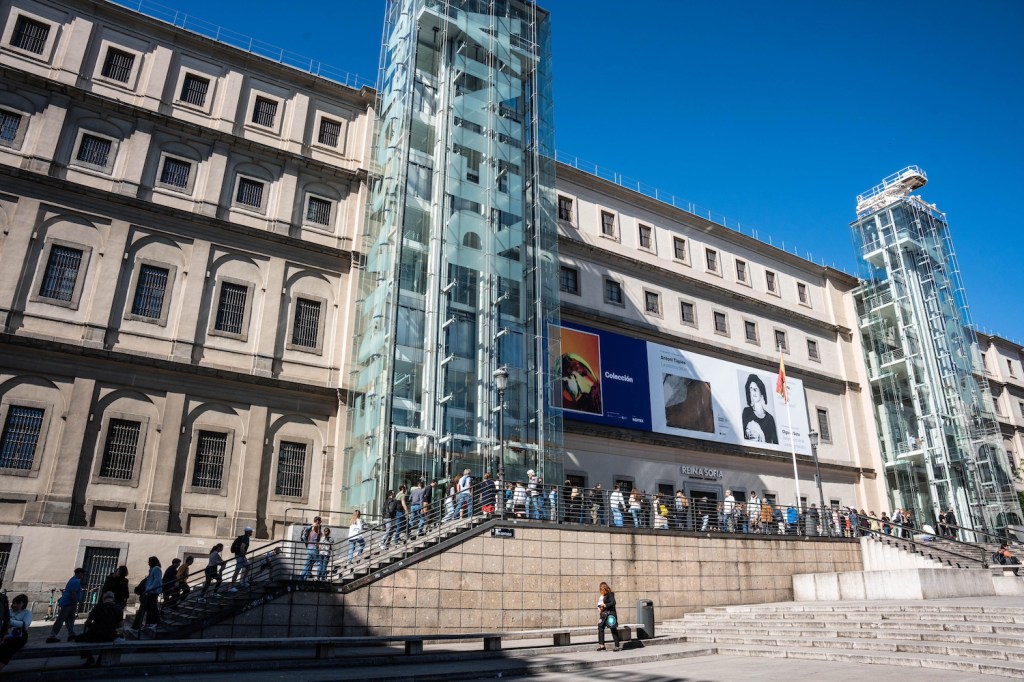
Spain Threatens to Oust Reina Sofía Director Over Missing Artworks and Finances

Spain’s government has escalated pressure on the Museo Nacional Centro de Arte Reina Sofía, demanding a complete inventory of its 25,000-plus artworks by December 31, 2026. A parliamentary oversight committee passed a resolution backed by the conservative Popular Party and far-right, warning that failure to comply could lead to the removal of museum director Manuel Segade. The resolution calls for a full audit of holdings, including loans and missing pieces, and updated financial valuations. The museum faces years of criticism from Spain’s Court of Auditors over weak internal controls and tracking issues, including a 2021 donation that can no longer be fully accounted for.

America’s Finest Renaissance Tapestry Set for Major Restoration

The European Fine Art Foundation (TEFAF) has awarded its €25,000 Museum Restoration Fund to the Minneapolis Institute of Art (MIA) for the conservation of *The Meeting of Dante and Virgil*, a mid-16th century Italian Renaissance tapestry. This is the first time TEFAF has funded a tapestry restoration since the initiative began in 2012. The wool and silk tapestry, made between 1547 and 1549 by the Florentine workshop of Duke Cosimo I de’ Medici and designed by Francesco Salviati, depicts the opening scene of Dante’s *The Divine Comedy*. It is the only early Medici tapestry held by a public collection outside Italy, standing 17 feet tall and eight feet wide. Due to structural weaknesses and light sensitivity, it has been largely in storage for 70 years. Conservation work by the Midwest Art Conservation Center will include wet cleaning, stabilization, and partial reweaving, along with a new display system. The tapestry is scheduled to return to public view at MIA on July 11.

A New Landmark Survey Aims to Bring Transparency to Museum Collecting Practices

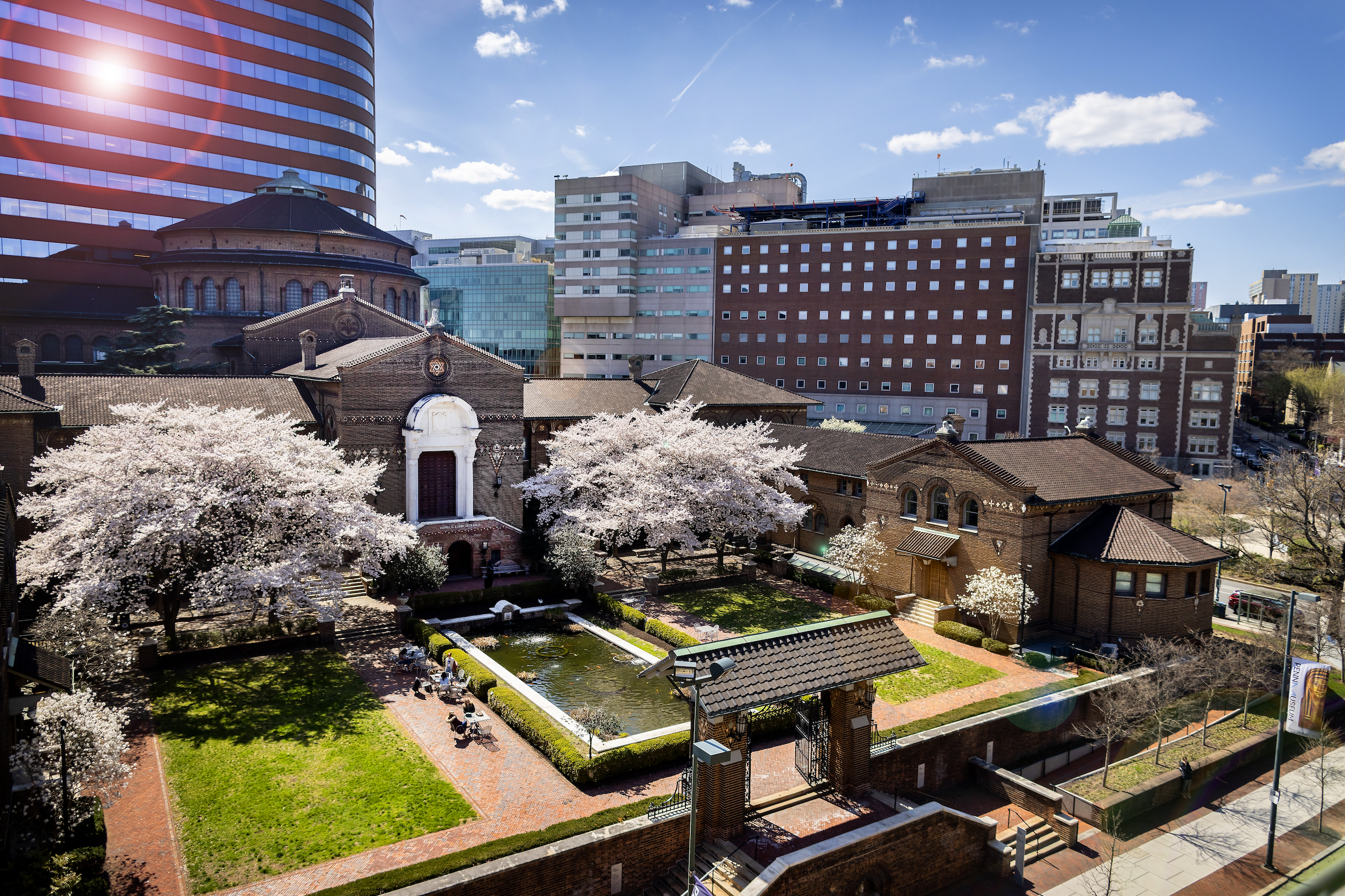
The Penn Cultural Heritage Center (PennCHC) at the University of Pennsylvania's Penn Museum will launch the National Survey of Museum Collecting Practices on May 20, running through August 20. This first-of-its-kind survey, part of the Museums: Missions and Acquisitions Project (M2A Project), will collect data on acquisitions, deaccessions, loans, provenance research, and policies from U.S. nonprofit museums and libraries. Results will be published in 2027, with only generalized insights to maintain anonymity.

San Francisco announces its first-ever executive director of arts and culture.

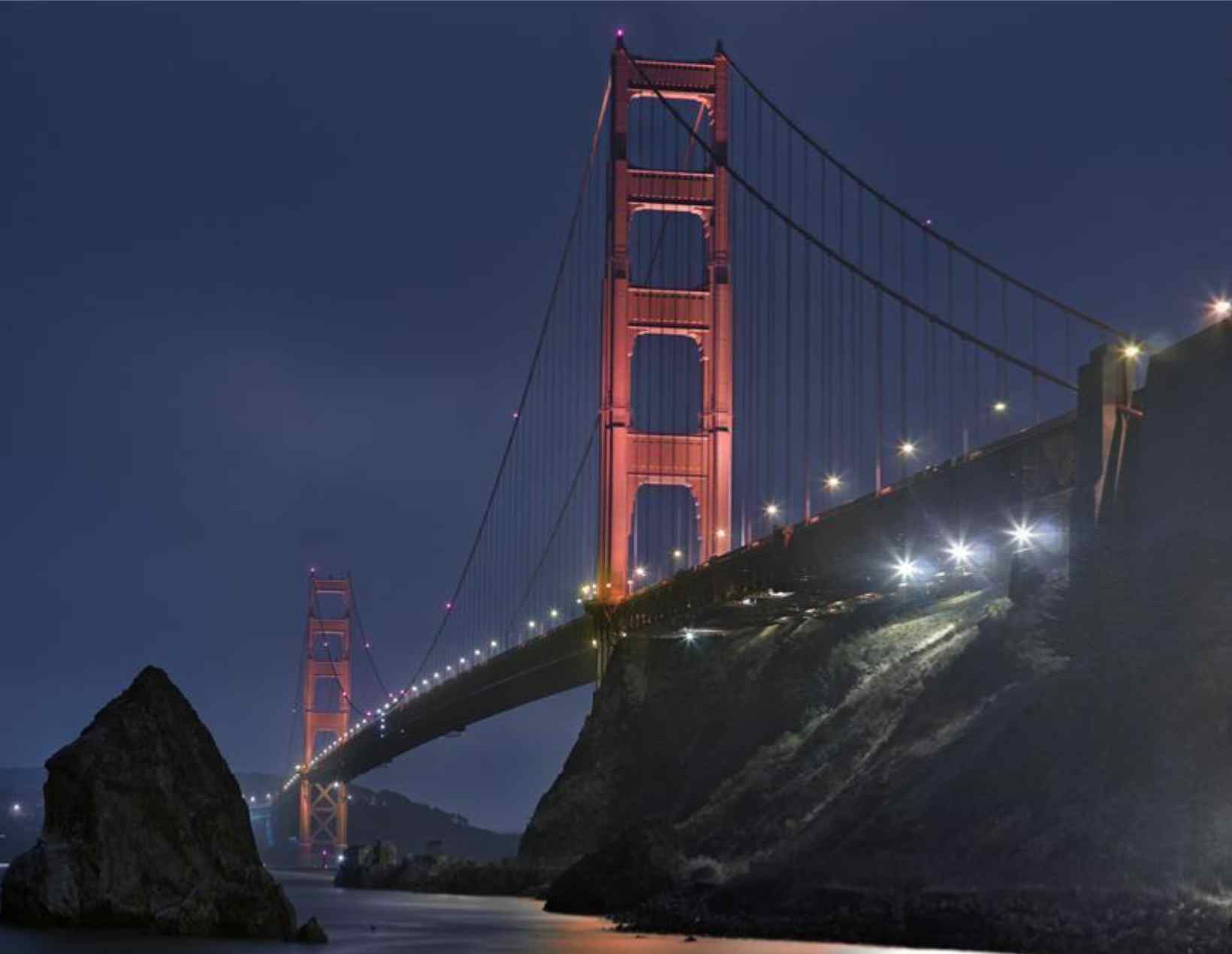
Matthew Goudeau has been appointed as San Francisco's first-ever executive director of arts and culture, tasked with safeguarding the arts as a key part of the city's creative economy and identity. The appointment comes amid uncertain federal arts funding, but local arts funding in San Francisco is projected to increase this year under Mayor Daniel Lurie's leadership.

Getty’s Black Visual Arts Archives receives additional $1.8m in funding

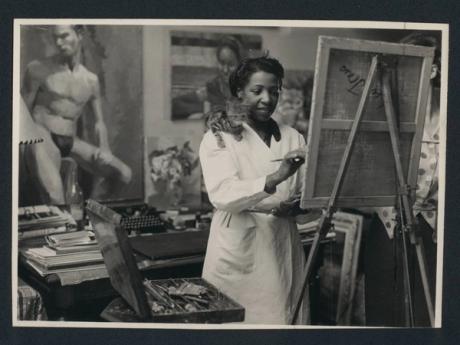
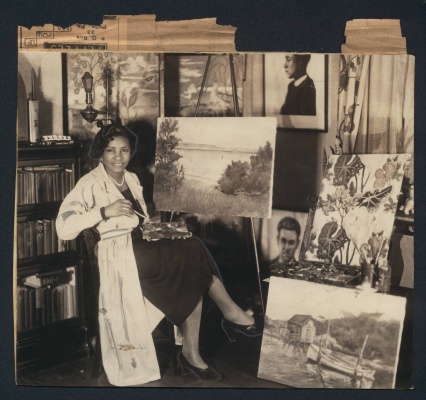
The Getty Foundation has awarded an additional $1.8 million to its Black Visual Arts Archives initiative, bringing total funding to $4.5 million across 20 awards. The program supports institutions in processing, digitizing, preserving, and activating archival collections related to Black artists and arts organizations in the US. Grantees include Afro Charities, the Auburn Avenue Research Library, Berkeley Art Museum and Pacific Film Archive, Charles H. Wright Museum, Morgan State University, the South Side Community Art Center, the University of Chicago’s South Side Home Movie Project, and the David C. Driskell Center. Notable discoveries include footage of the original Wall of Respect mural from the South Side Home Movie Project.

US National Gallery of Art receives $116m gift to continue nationwide lending programme

The National Gallery of Art (NGA) in Washington, DC, has received a landmark $116 million donation from the Mitchell P. Rales Family Foundation to permanently endow its Across the Nation lending programme. Launched in spring 2025, the initiative has already reached around 900,000 visitors at ten partner institutions, including the Anchorage Museum and the Mint Museum, by loaning works from the NGA's collection at no cost—covering transport, installation, insurance, and marketing. The next cycle will run from autumn 2027 to 2029, with new partners to be announced.

Art for art’s sake, but for people’s health too | Letter

Art Fund director Jenny Waldman responds to a philosophical article about art's intrinsic value, arguing that while art should be enjoyed for its own sake, promoting its measurable health benefits can serve as a crucial entry point for new audiences. She cites the organization's National Art Pass adverts and recent research with King's College London, which demonstrated immediate physiological responses to viewing original art, as tools to invite people who might otherwise feel excluded from cultural institutions.

(BPRW) Getty Awards $1.8M to Increase Access to Black Visual Arts Archives

The Getty Foundation has awarded $1.8 million in grants to eight institutions through its Black Visual Arts Archives initiative, a multi-year program aimed at increasing access to archival collections related to Black artists and arts organizations. The grants will support processing, digitization, and public programming at venues including Afro Charities, Auburn Avenue Research Library, Berkeley Art Museum and Pacific Film Archive, Charles H. Wright Museum, Morgan State University, South Side Community Art Center, the University of Chicago's South Side Home Movie Project, and the David C. Driskell Center. This brings Getty's total funding for the initiative to $4.5 million since 2022, supporting 20 grants nationwide.

Gulag Museum rebrand marks latest phase in Kremlin’s assault on free speech

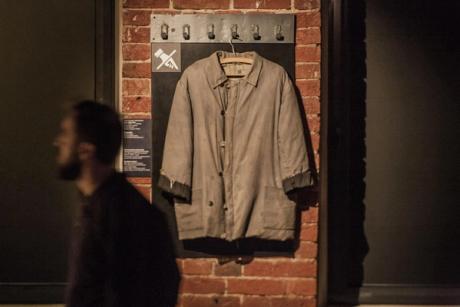
The Kremlin is systematically erasing the memory of Soviet repression under Joseph Stalin from Russian museums. The Gulag Museum in Moscow, which documented Stalin-era crimes, has been rebranded as a "Museum of Memory" focused on Nazi war crimes, with its entire website replaced and exhibitions packed up. Simultaneously, Russia's supreme court banned Memorial, a human rights organization founded to document Stalin-era atrocities, labeling it an "anti-Russian" extremist group. The Yeltsin Presidential Center in Yekaterinburg has also removed references to Memorial from its walls, and the Sakharov Center in Moscow was disbanded and evicted from its facilities.

DOGE Cuts to National Endowment for the Humanities Were Unconstitutional, Court Rules

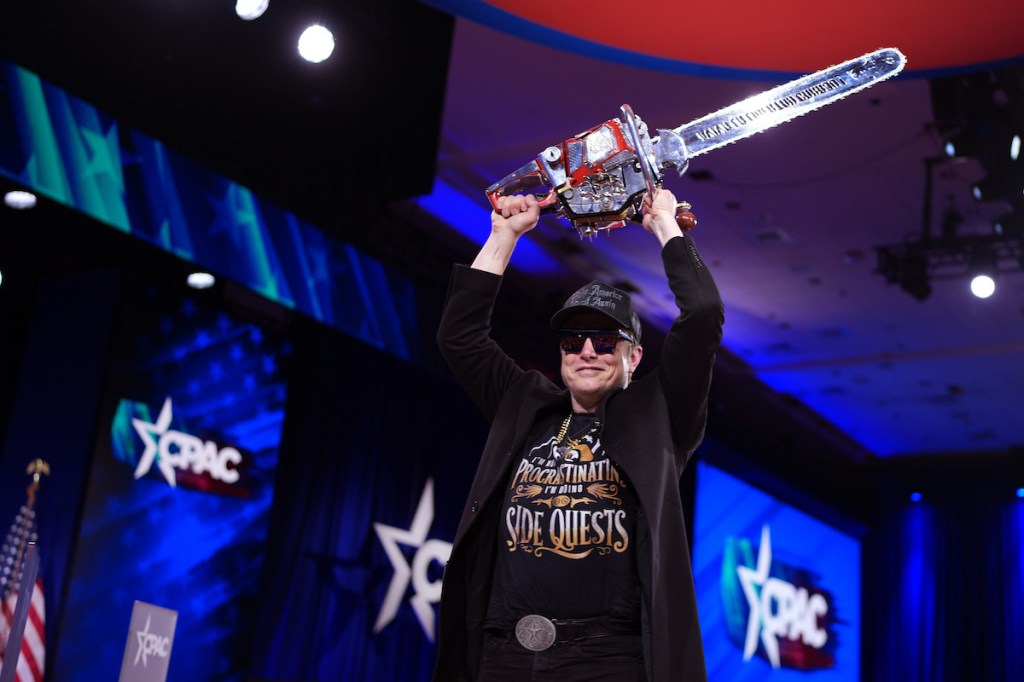
A federal judge ruled that the cancellation of over 1,400 grants by the National Endowment for the Humanities, carried out by Elon Musk's Department of Governmental Efficiency (DOGE), was unconstitutional. Judge Colleen McMahon of the Federal District Court in Manhattan ordered DOGE to rescind the cancellations, finding that the cuts violated the First Amendment and the equal protection component of the Fifth Amendment. The lawsuits were filed after the NEH chairman was dismissed and the agency was redirected under President Donald Trump's "America First" cultural campaign, with acting chair Michael McDonald cutting most grants awarded by the previous administration. The cuts, totaling more than $100 million, disrupted research, publications, and humanities programming, and were reportedly flagged using ChatGPT to target grants related to diversity, equity, and inclusion.
"Geschichtspolitisch fatal und realitätsblind"

A German media roundup reports on a planned restructuring of the Stiftung Flucht, Vertreibung, Versöhnung (Foundation Flight, Expulsion, Reconciliation), which would shift its focus toward German expellees and reduce the influence of the Federal Government Commissioner for Culture and the Media. The reform, criticized by FAZ commentator Andreas Kilb as a fundamental cultural-political intervention, would detach the foundation from the German Historical Museum and give greater weight to the Federation of Expellees in its board. Separately, the roundup covers a review of a legal study on artistic freedom sparked by the antisemitism debate around Documenta Fifteen, and a speech by Culture Minister Wolfram Weimer warning of democratic backsliding and rising antisemitism.

Victorien Bornéat : « De l’échec de la démocratisation culturelle est né un sentiment d’exclusion »

Victorien Bornéat has published a manifesto arguing that French cultural democratization policy, rooted in André Malraux's vision of making masterworks accessible to all, has failed. He cites budget cuts by regional presidents Laurent Wauquiez and Christelle Morançais, police raids on bookshops like Violette and Co, and statistical studies showing that working-class audiences still do not spontaneously attend theaters, museums, or opera. Bornéat contends that the policy's emphasis on direct confrontation with canonical works ignored the need for cultural codes and institutional literacy, creating an exclusion that politicians now exploit for electoral gain.

Director of the Hermitage Museum Sanctioned by the European Union

Le directeur du Musée de l'Ermitage sanctionné par l'Union européenne

The European Union has imposed sanctions on Mikhail Piotrovsky, the 81-year-old director of the State Hermitage Museum in Saint Petersburg, as part of its 20th sanctions package against Russia. Piotrovsky was blacklisted for supporting the war in Ukraine and overseeing illegal archaeological excavations in occupied Crimea. The EU cited his use of Kremlin war rhetoric—calling the museum's exhibition policy a "cultural special operation"—and the Hermitage's role in incorporating Ukrainian cultural objects from occupied territories into Russia's state museum fund. Additionally, under his leadership, unauthorized digs were conducted at the ancient Greek site of Myrmekion in Crimea, led by Hermitage archaeologist Alexander Butyagin, who was arrested in Warsaw and later released in a prisoner exchange.

Cigarette Taxes Have Funneled $270 M. Toward Arts and Culture in Cleveland Since 2007

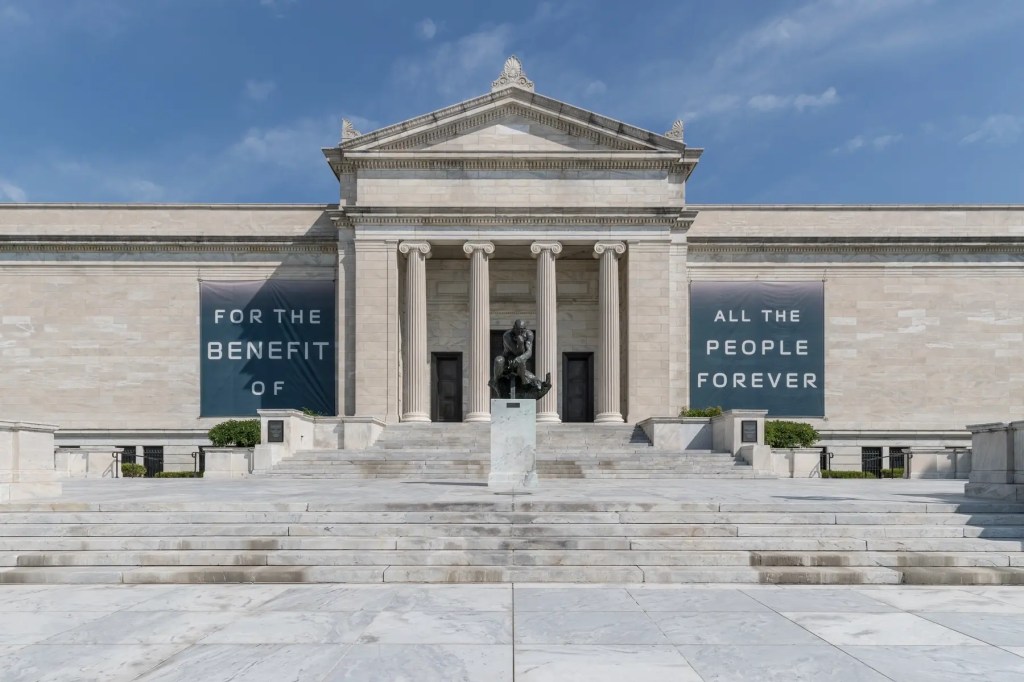
Cuyahoga County, Ohio, has funneled $270 million into arts and culture since 2007 through a cigarette tax, distributed by the nonprofit Cuyahoga Arts and Culture. Beneficiaries include the Cleveland Museum of Art, the Museum of Contemporary Art Cleveland, the Cleveland Institute of Art, ICA-Art Conservation, Sculpture Center, and the Cleveland Arts Prize. The tax has funded roughly 4,000 grants to 485 organizations, far exceeding the $48 million the entire state received from the National Endowment for the Arts in the same period.

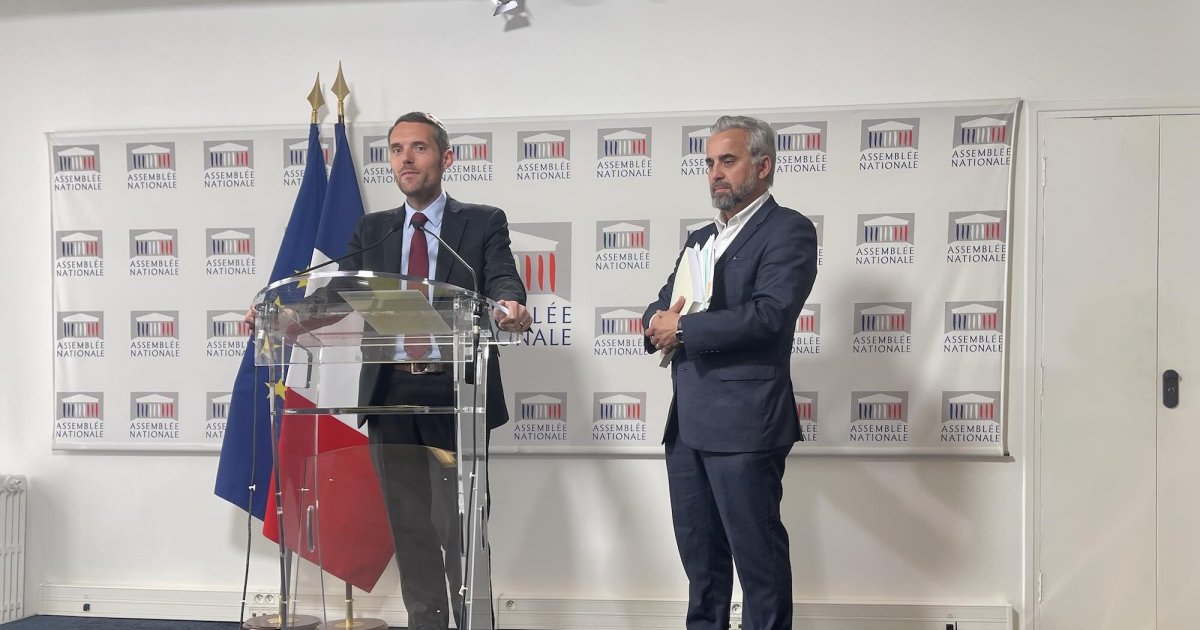
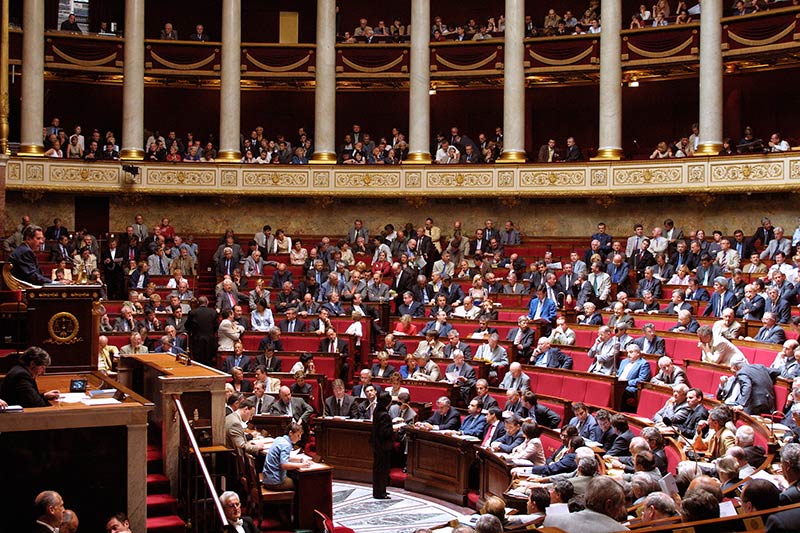
L'excellent rapport de la commission d'enquête sur la sûreté des musées est paru

A French parliamentary commission of inquiry into museum security, initiated by Alexandre Portier (president) and reported by Alexis Corbière, has published its findings. The report, unanimously adopted across party lines, includes forty recommendations and is notably critical of the Louvre's management under director Laurence des Cars, accusing her of neglecting security priorities and causing significant delays in the museum's master plan. The commission validated earlier criticisms by La Tribune de l'Art, describing the Louvre as an "État dans l'État" (state within a state) and estimating that twenty to twenty-seven months were lost due to postponed decisions.

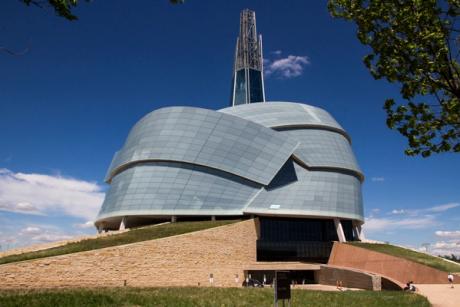
Israeli organisation threatens legal action against Canadian Museum for Human Rights over Palestine exhibition

The Israeli organization Shurat Hadin has threatened legal action against the Canadian Museum for Human Rights (CMHR) in Winnipeg over its upcoming exhibition "Palestine Uprooted: Nakba Past and Present," scheduled to open on June 27. The group sent a legal letter to the museum's board and leadership, alleging the exhibition promotes a one-sided narrative that could fuel antisemitism and violate Canadian federal law, and calling for an independent review. The CMHR is reviewing the letter but declined further comment, while supporters like Independent Jewish Voices argue the museum is right to tell the story of the Nakba from the perspective of Palestinian victims.

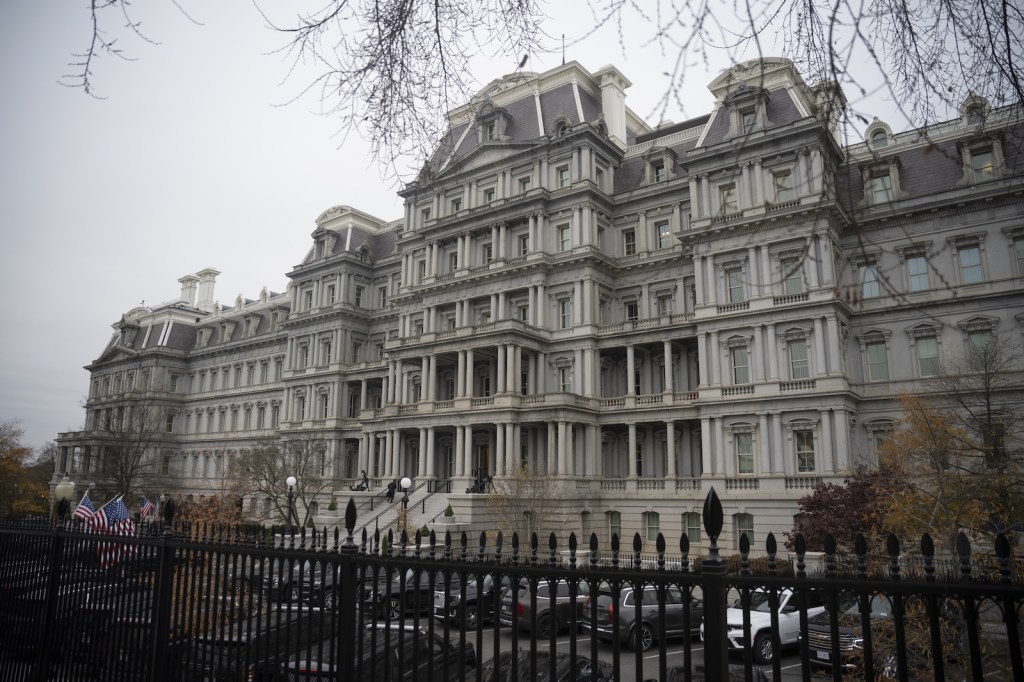
Federal Panel Considers Plan to Paint Granite Eisenhower Executive Office Building White

The Trump administration has proposed painting the granite Eisenhower Executive Office Building in Washington, D.C., white. The National Capital Planning Commission met on May 7, 2026, to review the plan, which was also submitted to the U.S. Commission of Fine Arts on April 16. That commission approved the idea conditionally, pending successful paint testing. The project, estimated to cost $7.5 million, has drawn over 2,000 public comments, most negative.

Italian Culture Minister Launches Inspection of Venice Biennale’s Russian Pavilion

Italian Culture Minister Alessandro Giuli has launched an official inspection of the Russian Pavilion at the 61st Venice Biennale, just days before the exhibition opens. An inspector has been sent to Venice to review all documentation related to Russia's participation, focusing on potential irregularities such as visa issues for Russian artists and delegation members. The investigation follows the Biennale's international jury decision to exclude Russia and Israel from awards due to accusations of crimes against humanity. The Russian Pavilion will be open only during the pre-opening vernissage, after which it will close, with digital documentation displayed in its windows.

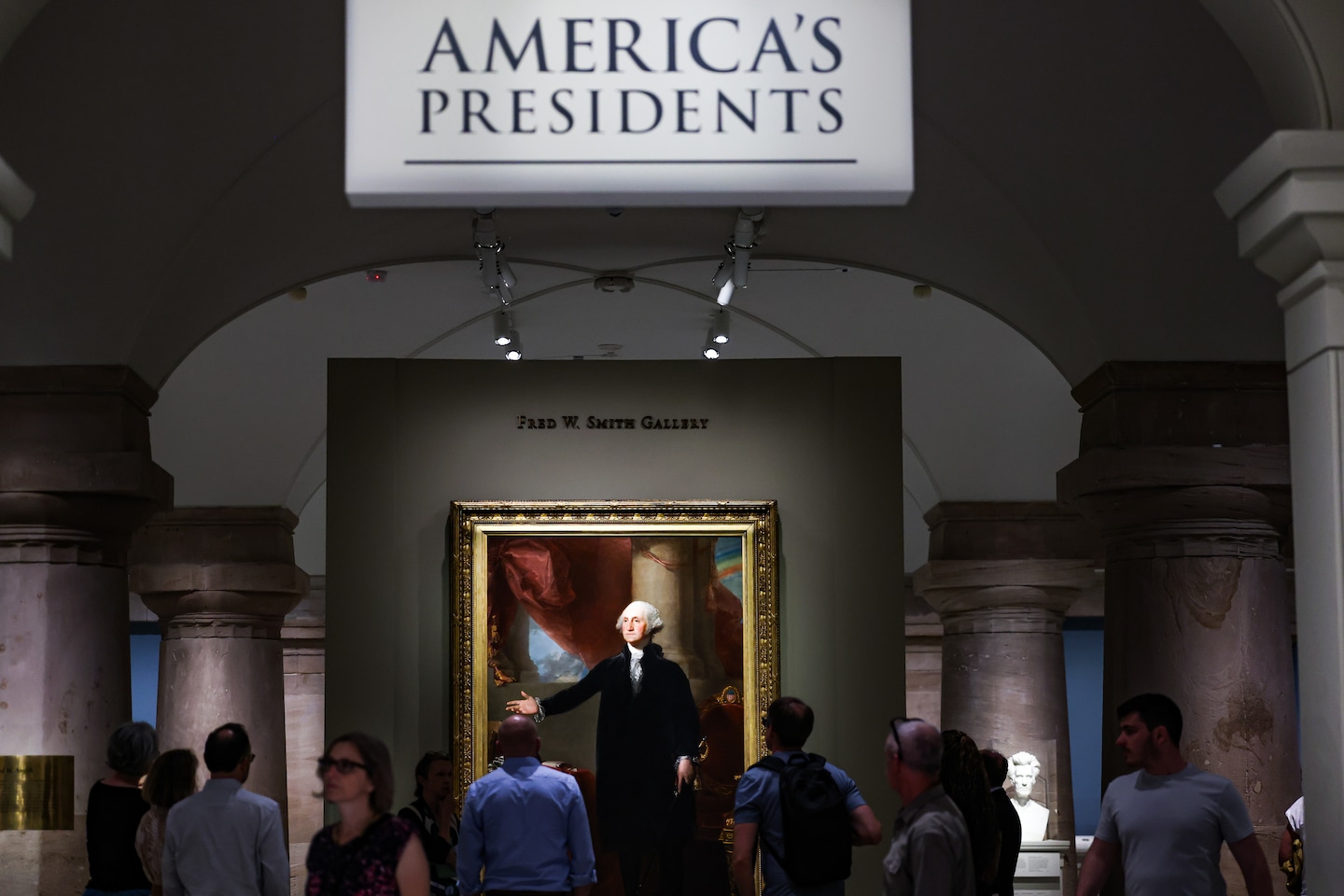
Column | The Smithsonian’s most contested exhibition is back on view, mostly intact

Columnist Philip Kennicott reports that the Smithsonian's most contested exhibition has returned to public view, largely intact, despite ongoing culture war attacks from the Trump administration. Since Donald Trump returned to office in January 2025, the Smithsonian has been a primary target for the administration's campaign against diversity and inclusion initiatives, as well as historical narratives that address slavery, Native American genocide, and the struggles of marginalized communities.
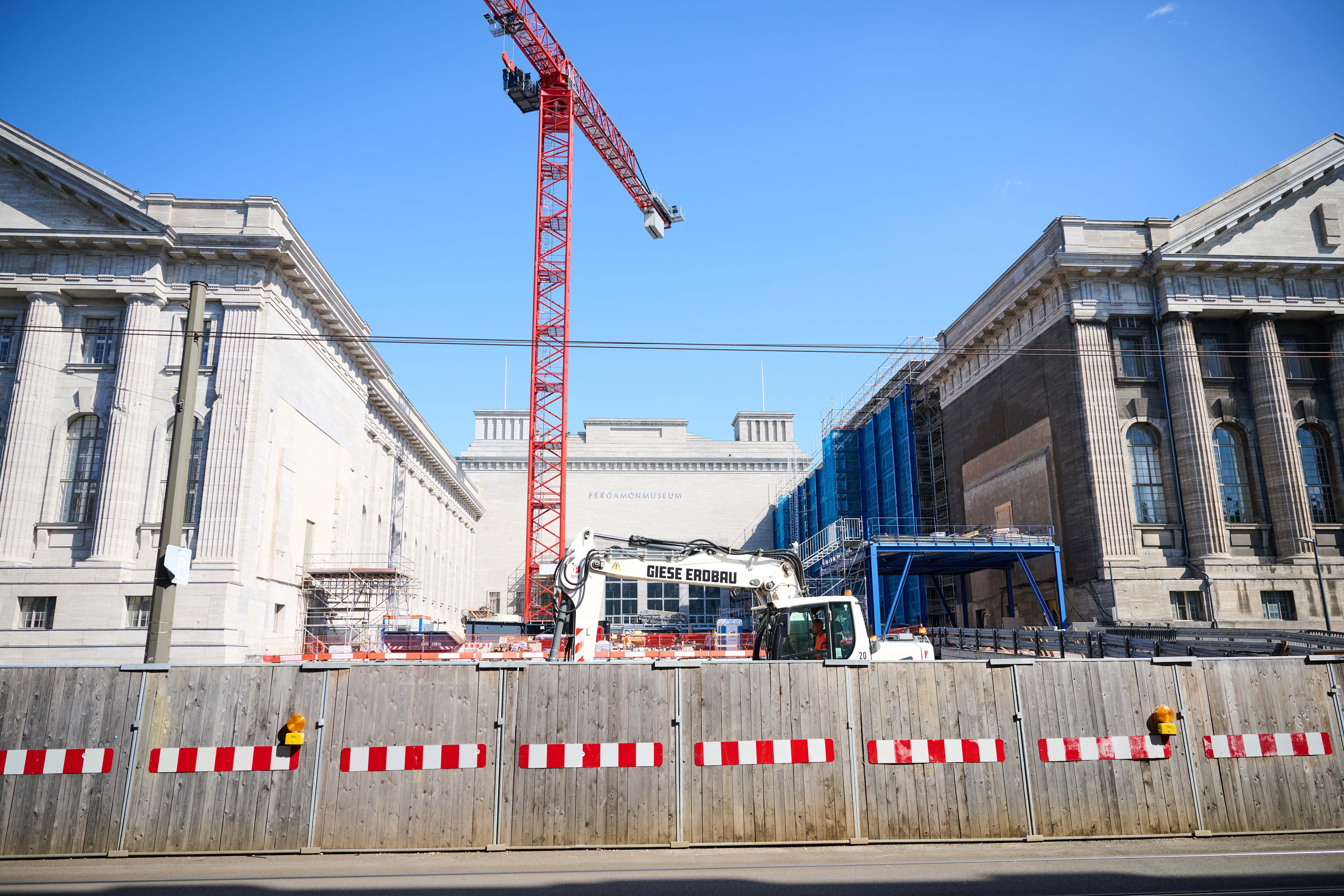
What the renovation of the Pergamon Museum costs

Was die Sanierung des Pergamonmuseums kostet

The Pergamon Museum in Berlin is undergoing a major renovation with a total budget of €1.5 billion for both construction phases, including cost risks. The Federal Office for Building and Regional Planning (BBR) has announced that current projections indicate the overall costs will not be exceeded. Phase A, which includes the hall housing the famous Pergamon Altar, is expected to open on June 4, 2027, with a potential cost increase of up to 5% over the originally approved €489 million. Phase B, covering the Ishtar Gate and Babylonian Processional Way, has seen its cost forecast reduced by €27 million to €722.4 million, with an additional €295.6 million set aside for risks and price increases. The museum will fully reopen only in 2037.

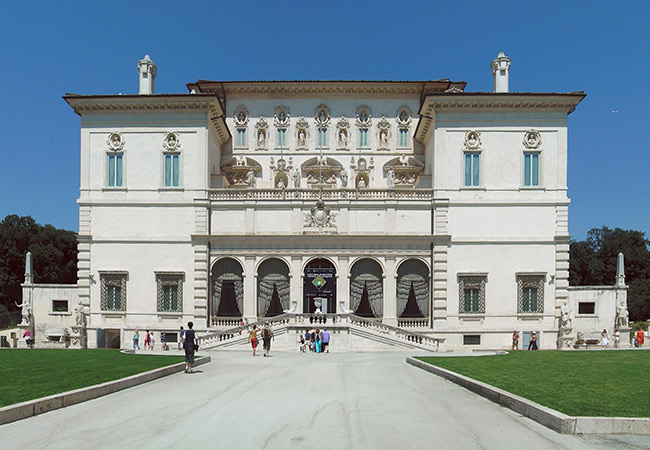
In Rome, the extension of the Galleria Borghese provokes a revolt

À Rome, l’extension de la Galerie Borghèse provoque une fronde

The Galleria Borghese in Rome has sparked controversy by initiating a feasibility study for a new building attached to its 17th-century villa. Museum director Francesca Cappelletti, in office since 2020, cites the need to increase visitor capacity, improve security, and create spaces for mediation, conferences, and temporary exhibitions. The museum, which saw nearly 630,000 visitors in 2025, operates with strict two-hour time slots capped at 180 people, often sold out in high season. Engineering firm Proger has offered to fund the study for €875,750 in exchange for institutional visibility, and Rome's mayor Roberto Gualtieri has declared the project of public interest.

PRESS RELEASE: OK Arts Council announces historic gift of artworks for the Oklahoma State Art Collection

The Oklahoma Arts Council has announced a historic gift of artworks for the Oklahoma State Art Collection. The donation, described as one of the largest in the collection's history, includes a significant number of works by Oklahoma artists and will be formally added to the state's holdings.

The Artists' Foundation Celebrates its 50th Anniversary

La Fondation des artistes célèbre ses 50 ans

The Fondation des artistes, a major independent French organization supporting visual artists, is celebrating its 50th anniversary. Founded in 1976, it operates from the Hôtel Salomon de Rothschild and the Nogent-sur-Marne estate, providing production grants, residencies, and support for elderly artists at the Maison nationale des artistes. Its anniversary program includes exhibitions, performances, and public events, with a key date on June 27 in Nogent-sur-Marne.

La loi sur les restitutions des biens culturels pillés pendant la colonisation définitivement adoptée

The French Parliament has definitively adopted a permanent law on the restitution of cultural property looted during colonization, replacing the previous case-by-case legislative approach. The Senate unanimously approved the final text on May 7, 2026, following agreement in a joint committee on April 30, and the National Assembly had approved it the day before. The law creates a general derogation from the principle of inalienability of public collections, establishing a bilateral scientific committee to examine provenance, with final decisions made by decree of the Council of State. Key amendments from the National Assembly—including binding parliamentary votes on restitution and conditions on conservation and public access—were removed by the joint committee to avoid perceptions of neocolonial tutelage.

La loi-cadre sur les restitutions définitivement adoptée par le Parlement

The French Parliament has definitively adopted a framework law on the restitution of cultural property that was illicitly acquired. The Senate unanimously approved the conclusions of the joint committee on May 7, following the National Assembly's approval on May 6, after an agreement was reached on April 30. The law establishes a general mechanism for returning objects from French public collections without requiring a specific law for each case, covering items acquired through looting, theft, forced sale, or other illicit means before the 1970 UNESCO Convention. It creates a permanent national commission and a bilateral scientific committee to assess claims, with restitution ultimately decided by government decree subject to legal review by the Council of State.

Why Italy's cultural wealth never really enters public accounts and budgets?

Perché la ricchezza culturale italiana non entra mai davvero nei conti e nei bilanci pubblici?

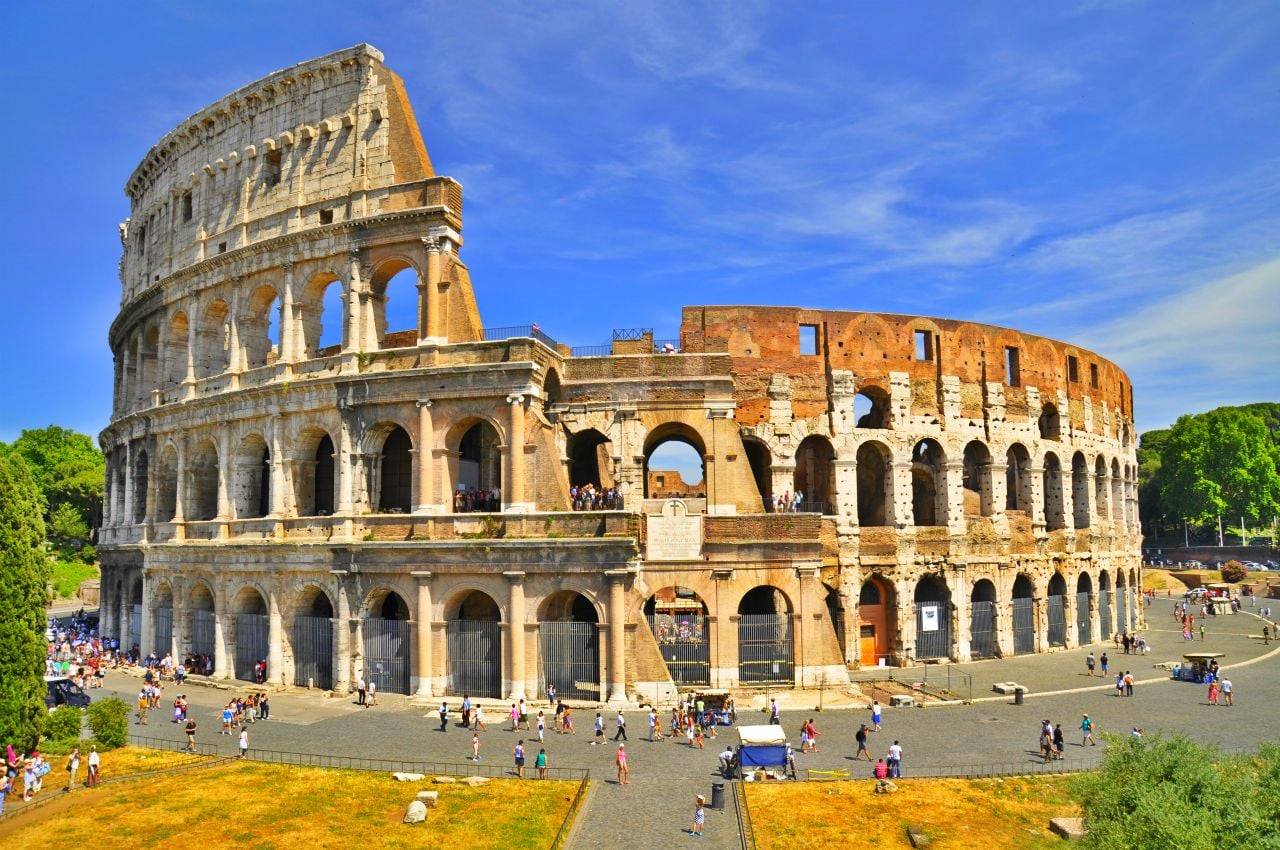
Italy has exceeded the European Commission's structural adjustment path by 0.1 percentage points of GDP, reopening fiscal scrutiny. Amid this debate, the article highlights a deeper issue: Italy's immense cultural heritage is drastically undervalued in public accounts. For example, the Pompeii Archaeological Park is recorded at just €48.9 million, the Colosseum at under €15 million, and the Uffizi at about €2 billion—figures based on outdated 2002 ministerial criteria that bear no relation to actual economic or cultural worth. The State General Accounting Office, with the University of Roma Tre and EU technical assistance, has proposed a new methodology to value cultural assets by discounting their future net financial flows, including direct revenues and indirect tourism-related returns.

Bayeux Tapestry: A Blank Voyage That Tests Nothing

Tapisserie de Bayeux : un voyage à blanc qui ne teste rien

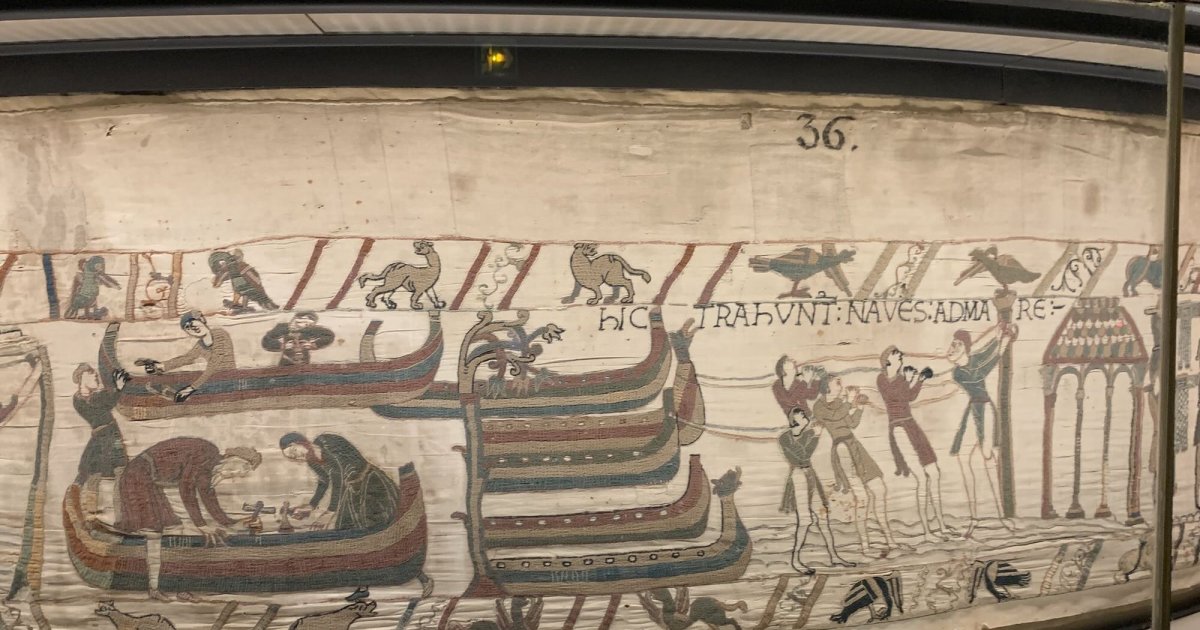
A confidential interim report obtained by La Tribune de l'Art reveals that the "blank voyage" test transport of the Bayeux Tapestry from Bayeux to London in February 2026 failed to measure actual risks to the artwork. The report admits that the vibration threshold used (2 mm/s) is arbitrary and based on paintings, not on a textile of this size and fragility. Because the tapestry has been stored and inaccessible since September 2025, no mechanical tests could be conducted beforehand to determine safe vibration levels, rendering the test meaningless. A second test took place on April 15, 2026, but its report has not yet been finalized; the actual loan is planned for July 2026, with transport via Eurostar.

Today’s war, tomorrow’s loot: attempts at stemming the illicit trade in art

The article examines the ongoing challenge of preventing the illicit trade in cultural property looted from conflict zones. It discusses the Hague Convention of 1954 and its protocol, which require signatory countries to prevent theft and pillage during armed conflict and to seize and repatriate unlawful exports. However, the protocol only applies to situations of 'occupation,' leaving a gap for looting that occurs in the chaos of war beyond formal occupation. The article also notes UN Security Council Resolutions that restrict unlawfully removed cultural property from Iraq and Syria, but no similar consensus exists for countries like Afghanistan, Libya, Ukraine, Lebanon, Yemen, Sudan, and Iran. EU Regulation 2019/880 is highlighted as a measure that prohibits introducing goods removed unlawfully from their place of origin into the EU, though its scope has expanded beyond its original anti-terrorist financing purpose.

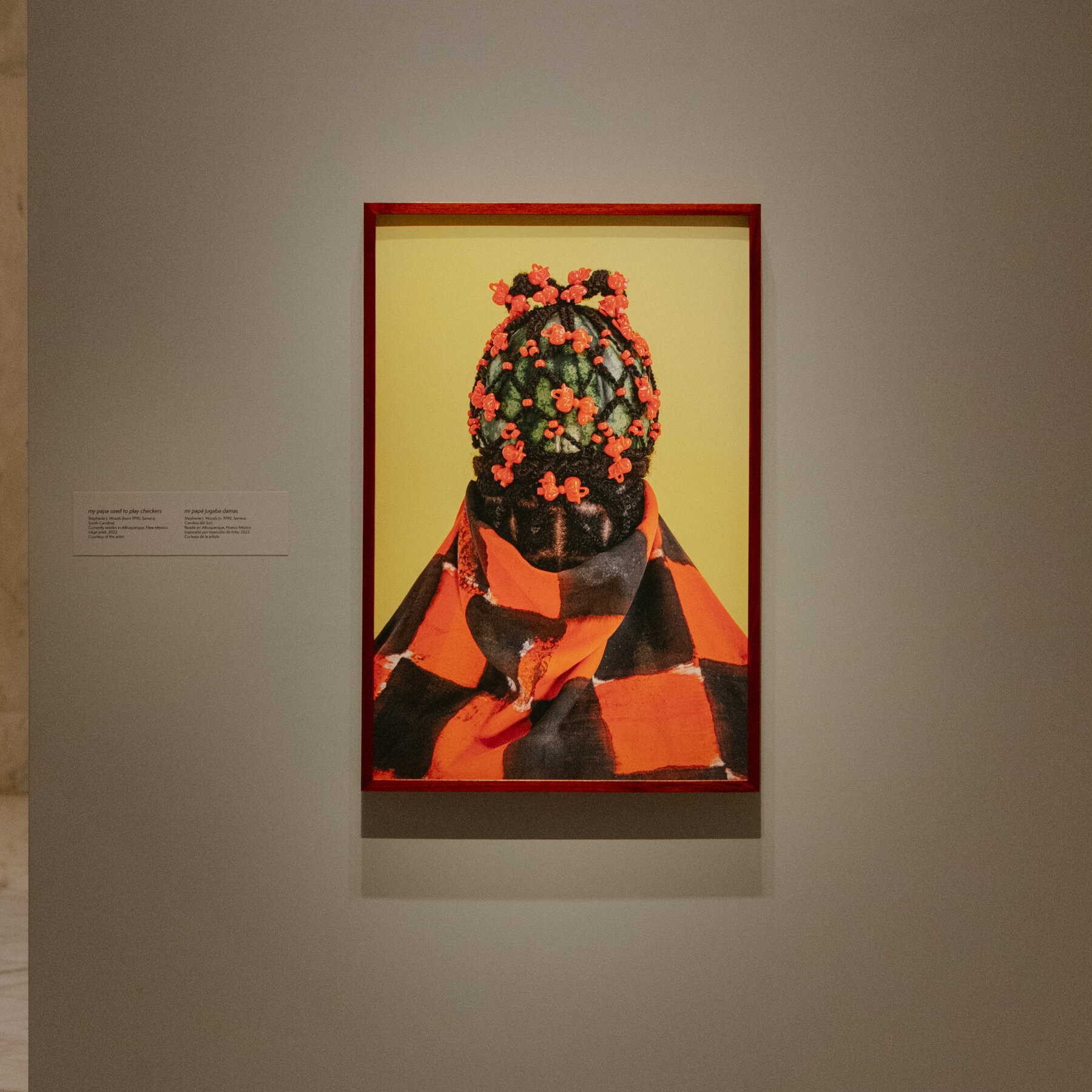
Is Museum Wall Text the Next Political Battleground?

The Smithsonian Institution has altered or removed interpretive wall text that accompanies artworks on display, according to a New York Times report. Critics argue these changes amount to self-censorship, suggesting the institution is bowing to political pressure by softening or eliminating contextual language that could be seen as controversial.