filter_list Showing 17 results for "Allen" close Clear
search
dashboard All 1317 museum exhibitions 828article culture 121article news 101article local 75rate_review review 54trending_up market 39person people 37candle obituary 33article policy 17gavel restitution 10article gallery 1article events 1
date_range Range Today This Week This Month All
Subscribe

Chanel Renews Financial Support of Centre Pompidou During Long-Term Renovation

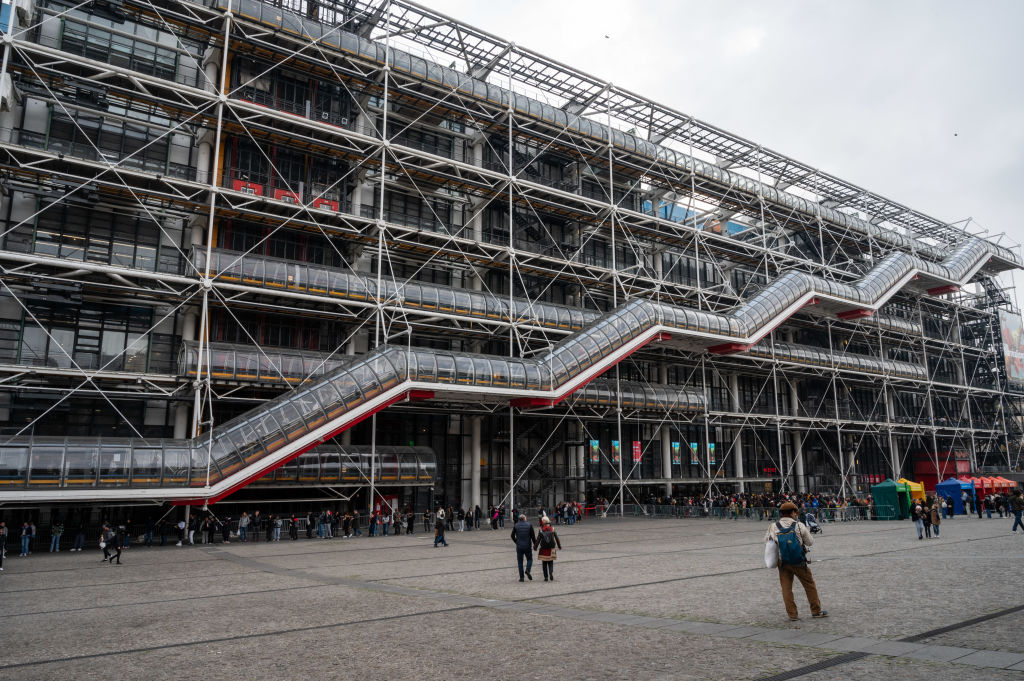
Chanel has renewed its financial partnership with Paris's Centre Pompidou, extending their collaboration through another five-year agreement. The luxury fashion house will continue supporting the museum's operations, acquisitions, and exhibitions, despite the Pompidou being closed until 2030 for a major renovation costing over $500 million. Chanel previously sponsored the museum's acquisition of 21 artworks by 15 contemporary Chinese artists in 2024 and supported the related exhibition “目 China: A New Generation of Artists.” The renewed investment aims to bolster access, scholarship, and preservation of public knowledge.
Paris Judge Rejects Bid to Suspend the Replacement of Notre-Dame’s Windows

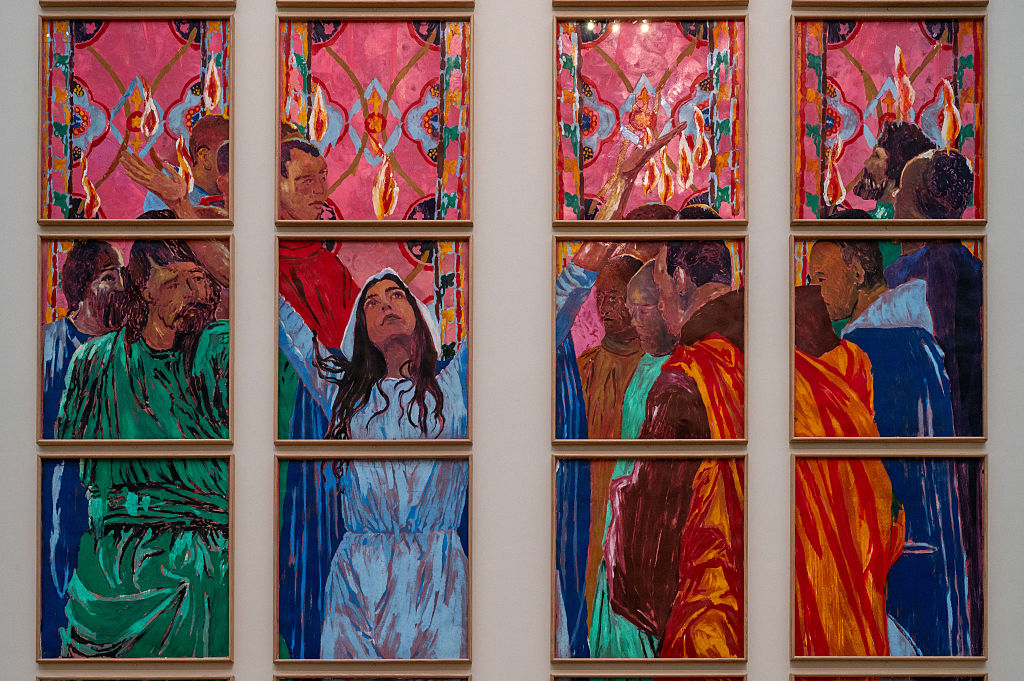
A Paris judge has rejected a bid to suspend the removal of six 19th-century stained-glass windows by Eugène Viollet-le-Duc from Notre-Dame Cathedral, clearing the way for their replacement with contemporary works commissioned by the French government. The Paris Administrative Court ruled that the project does not constitute an irreversible alteration because the new windows, designed by artist Claire Tabouret and produced by glassmakers Simon-Marq, could be removed in the future, and the original windows will be preserved. The judge did not rule on the legality of the project, which had previously been vetoed by the National Commission of Patrimony and Architecture, leaving the door open for further legal challenges.

Architectural Competition for Louvre ‘New Renaissance’ Project Reportedly Set to Relaunch in May

The international architectural competition for the Louvre Museum's $778 million 'New Renaissance' renovation project is set to relaunch in mid-May, according to a report in Le Figaro. The jury will convene on May 13 to assess proposals from five shortlisted firms, ending a period of uncertainty and delays caused by staff unrest, leadership upheaval following a major jewel theft, and the French municipal elections. The project, championed by President Emmanuel Macron, aims to modernize the museum and reduce overcrowding.

Gundlach Collection to Remain in the Deichtorhallen Until 2046

Gundlach-Sammlung bleibt bis 2046 in den Deichtorhallen

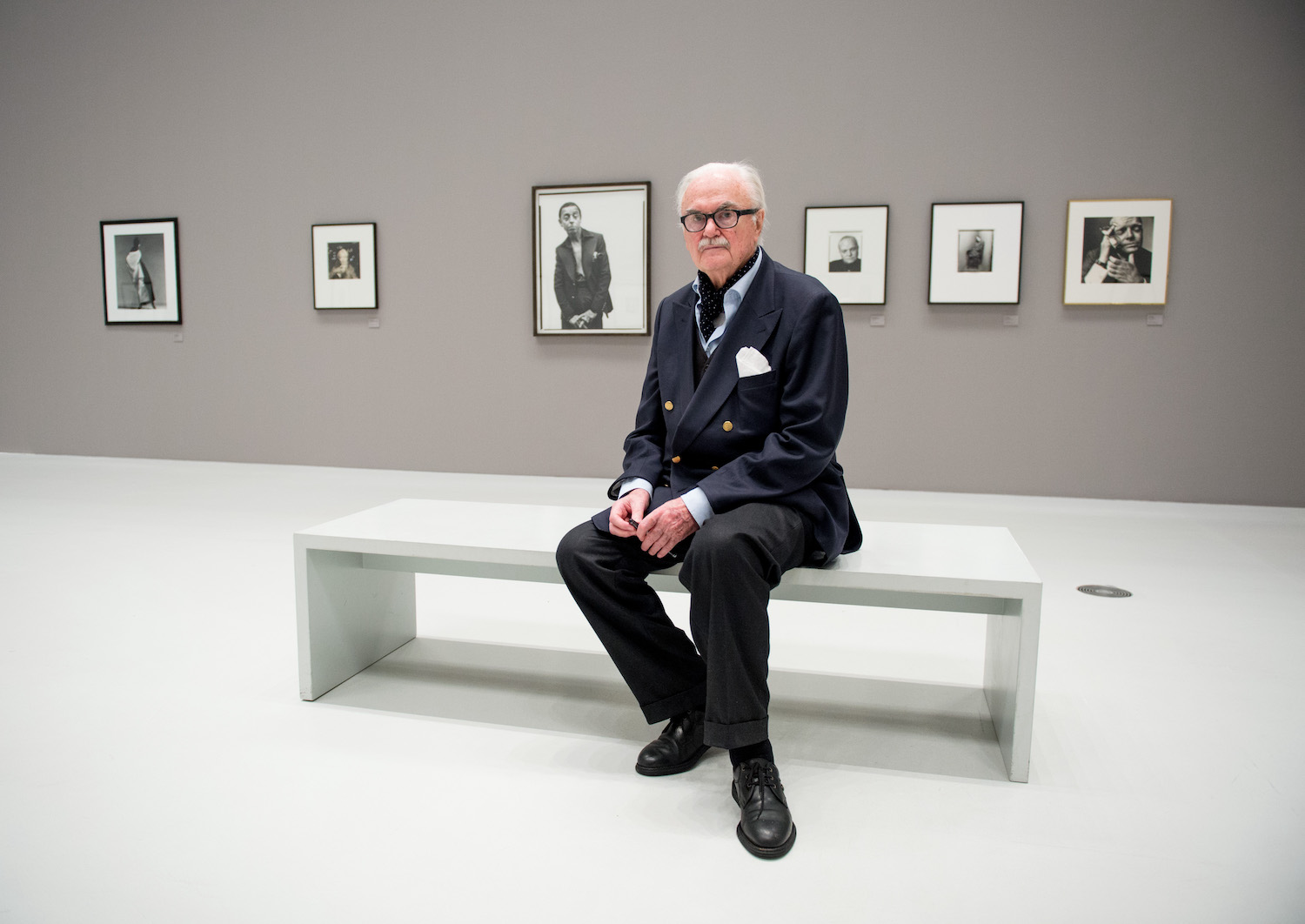
The Hamburg Senate has announced a 20-year extension of the loan agreement for the F.C. Gundlach Collection at the Deichtorhallen. The prominent photography collection, which has grown to 14,000 works, will remain in the institution's 'Haus der Photografie' until 2046 and will receive a dedicated exhibition area on the first floor.

Victorien Bornéat : « De l’échec de la démocratisation culturelle est né un sentiment d’exclusion »

Victorien Bornéat has published a manifesto arguing that French cultural democratization policy, rooted in André Malraux's vision of making masterworks accessible to all, has failed. He cites budget cuts by regional presidents Laurent Wauquiez and Christelle Morançais, police raids on bookshops like Violette and Co, and statistical studies showing that working-class audiences still do not spontaneously attend theaters, museums, or opera. Bornéat contends that the policy's emphasis on direct confrontation with canonical works ignored the need for cultural codes and institutional literacy, creating an exclusion that politicians now exploit for electoral gain.

Sainsbury Centre receives one of largest ever UK museum donations

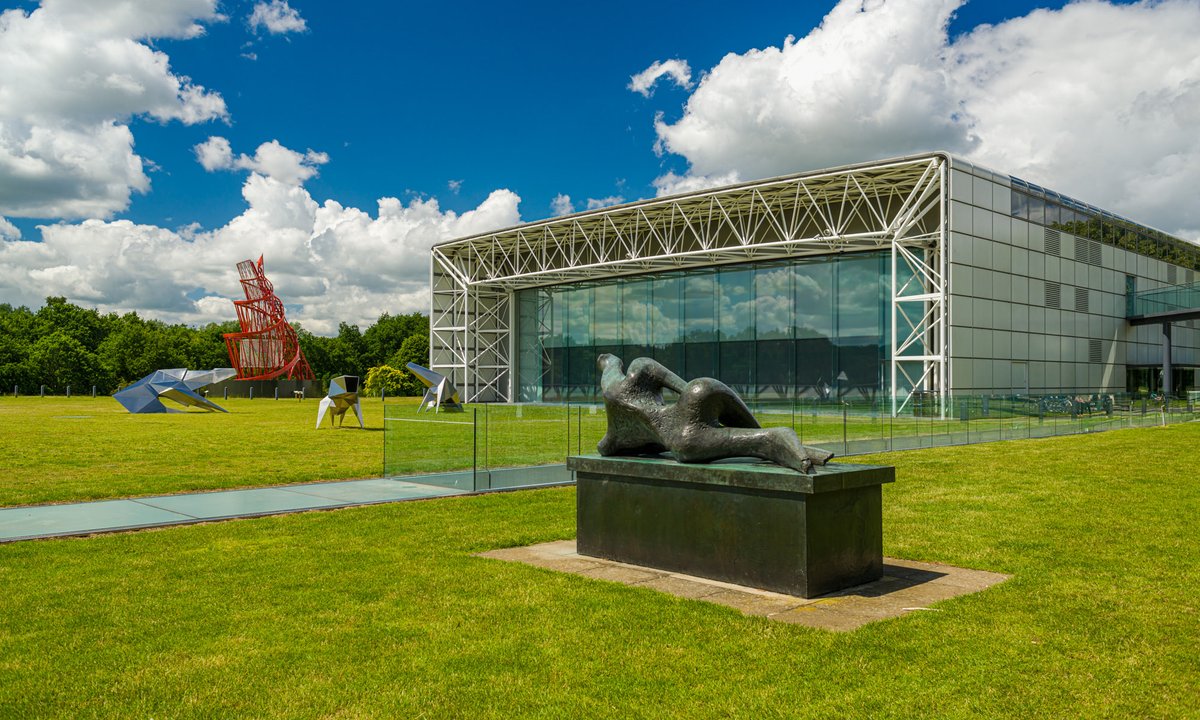
The Sainsbury Centre, an art museum in Norwich, England, has received a £91.2 million donation from British politician and businessman David Sainsbury through his charitable foundation, Gatsby. The funds will be used to renovate the grade II* listed building, originally designed by Norman Foster and completed in 1978. The renovation, led by Foster + Partners, includes improvements to the building envelope, photovoltaic panels, and upgraded visitor facilities, aiming to halve the museum's energy use and support the University of East Anglia's net zero campus goal by 2045.

Parliamentary report calls for major changes at French museums in the wake of Louvre heist

A French parliamentary report published on 13 May, following the October 19 heist of the crown jewels at the Louvre, issues a damning assessment of the country's museum security and management. The commission heard around 100 testimonies and examined some 2,000 museums, dedicating a special chapter to the Louvre. It blames former director Laurence des Cars's leadership for a "dysfunctional drift" that prioritized contemporary art interventions and fashion shows over basic infrastructure and collection protection, allowing the heist to occur. The report lists rising threats including riots, burglaries, cyberattacks (which forced the National Museum of Natural History in Paris to cancel an exhibition after a ransomware attack in July 2025), and terrorist plots. It proposes 40 recommendations, including raising budgets by an estimated €20–25 billion over a decade, enhancing staff training, and overhauling museum leadership.

Cigarette Taxes Have Funneled $270 M. Toward Arts and Culture in Cleveland Since 2007

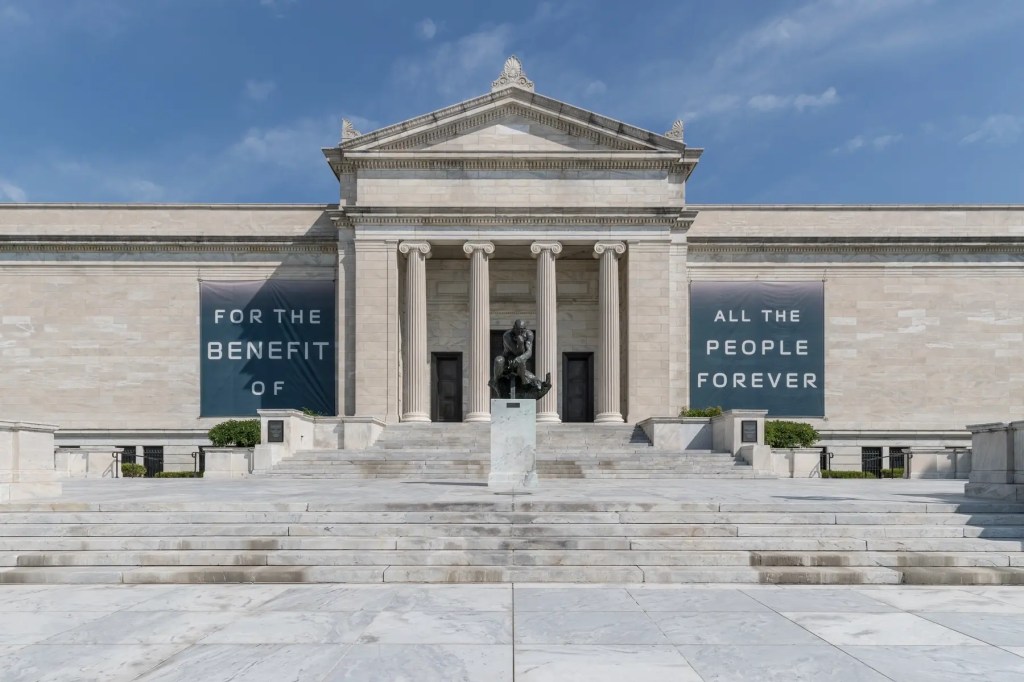
Cuyahoga County, Ohio, has funneled $270 million into arts and culture since 2007 through a cigarette tax, distributed by the nonprofit Cuyahoga Arts and Culture. Beneficiaries include the Cleveland Museum of Art, the Museum of Contemporary Art Cleveland, the Cleveland Institute of Art, ICA-Art Conservation, Sculpture Center, and the Cleveland Arts Prize. The tax has funded roughly 4,000 grants to 485 organizations, far exceeding the $48 million the entire state received from the National Endowment for the Arts in the same period.

America’s Museums Have a Building Problem

A new report from the Government Accountability Office, analyzed by The Art Newspaper, reveals that roughly 85 percent of American museums are dealing with deferred maintenance or major repair needs, and about 77 percent have at least one structural issue that could endanger their collections. Many of the country's 16,700 museums are small, under-resourced operations housed in aging or historic buildings, with half reporting over $100,000 in deferred maintenance. Basic repairs like roofs or HVAC systems can consume large portions of annual budgets, forcing some institutions to store artworks in makeshift spaces like garages or bathrooms.

No money, more problems: 85% of US museums in urgent need of building repairs

A recent survey by the US Government Accountability Office (GAO) found that approximately 85% of US museums face a costly backlog of maintenance or building repairs, with 77% having at least one structural issue that puts their collections at risk. Based on a survey of around 300 museums and 17 site visits, the report reveals that institutions across the country struggle to keep buildings updated and safe due to a lack of funding, with challenges especially pronounced in rural and remote locations where shipping materials and finding skilled workers is prohibitively expensive. Many museums are housed in historic homes or sites that are part of their collections, adding further complexity, and smaller museums often lack the budget to address major problems like new roofs or HVAC systems.

Comment | Museums are civic institutions. It’s time we acted like it

Lindsay C. Harris, director of the Oakland Museum of California (OMCA), publishes a commentary calling for museums to act as true civic institutions. She outlines concrete internal commitments OMCA has made, including voluntarily recognizing a staff union, adopting a pay equity philosophy with a minimum wage of $30.88 per hour, implementing transparent financial practices, and shifting investments toward socially responsible funds. Externally, she advocates for centering community voices, building social cohesion through inclusive programming, and measuring institutional impact through visitor surveys.

L'excellent rapport de la commission d'enquête sur la sûreté des musées est paru

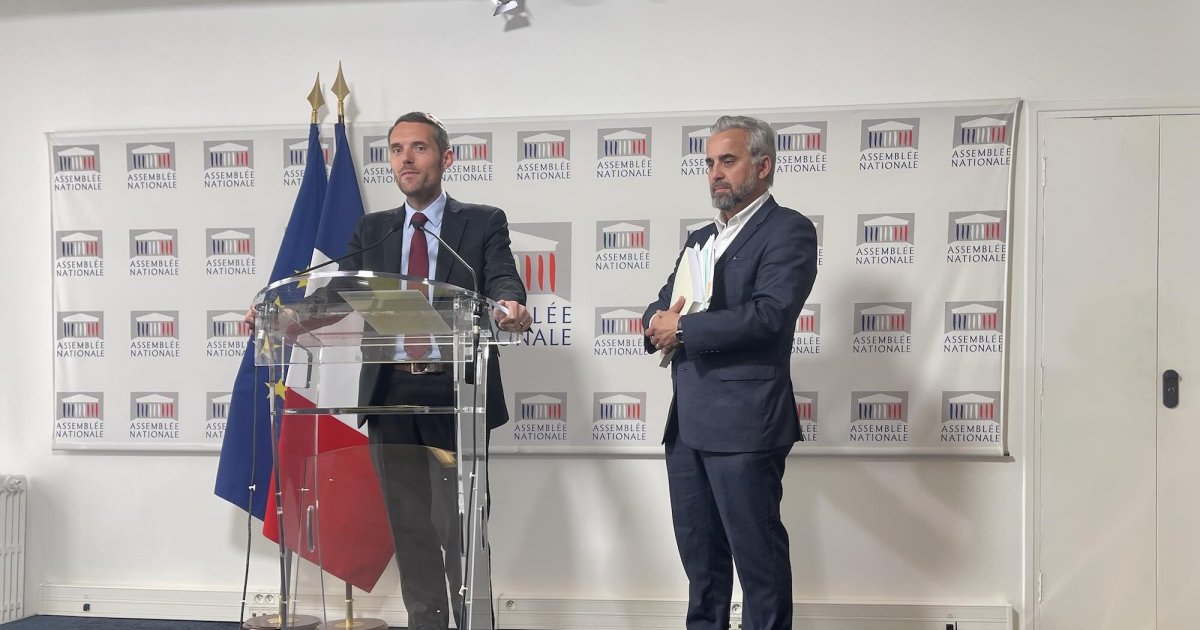
A French parliamentary commission of inquiry into museum security, initiated by Alexandre Portier (president) and reported by Alexis Corbière, has published its findings. The report, unanimously adopted across party lines, includes forty recommendations and is notably critical of the Louvre's management under director Laurence des Cars, accusing her of neglecting security priorities and causing significant delays in the museum's master plan. The commission validated earlier criticisms by La Tribune de l'Art, describing the Louvre as an "État dans l'État" (state within a state) and estimating that twenty to twenty-seven months were lost due to postponed decisions.

Why Italy's cultural wealth never really enters public accounts and budgets?

Perché la ricchezza culturale italiana non entra mai davvero nei conti e nei bilanci pubblici?

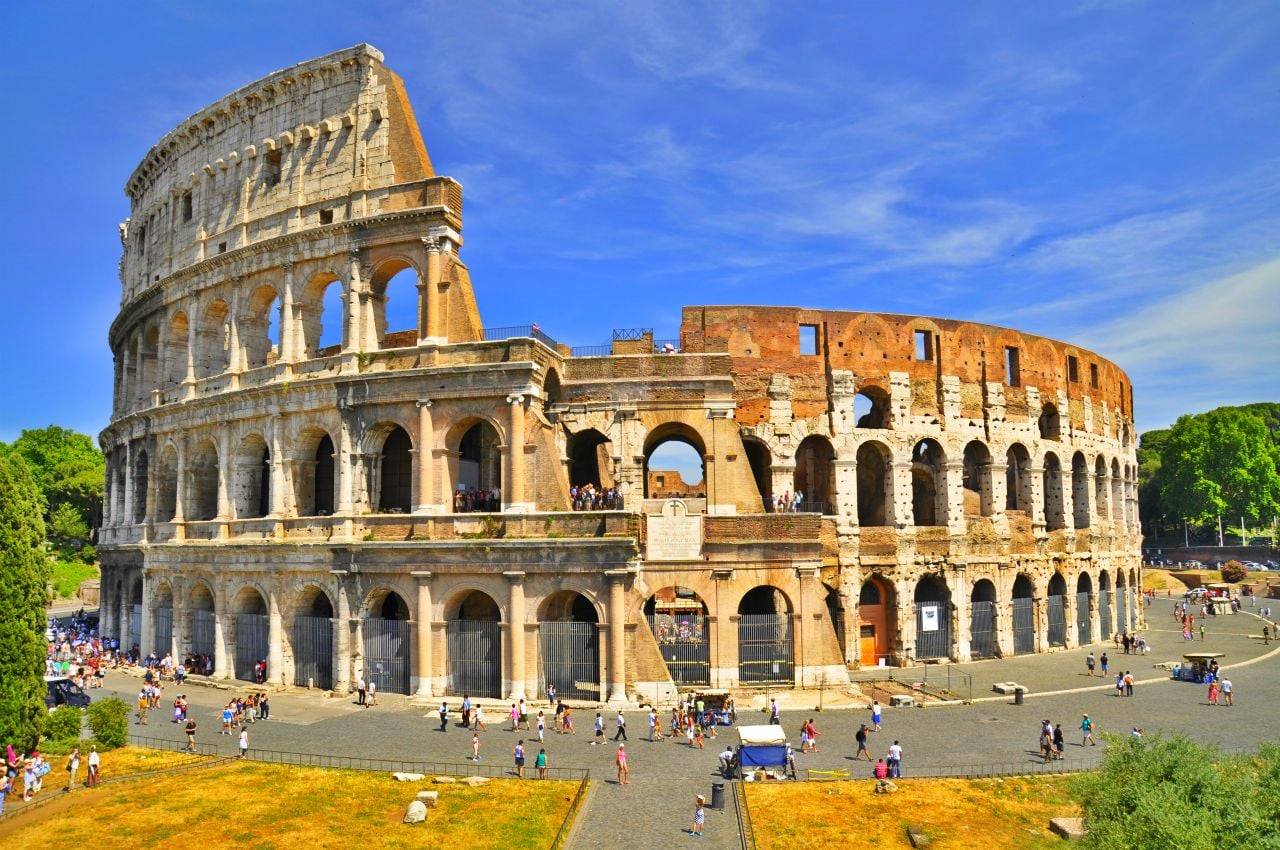
Italy has exceeded the European Commission's structural adjustment path by 0.1 percentage points of GDP, reopening fiscal scrutiny. Amid this debate, the article highlights a deeper issue: Italy's immense cultural heritage is drastically undervalued in public accounts. For example, the Pompeii Archaeological Park is recorded at just €48.9 million, the Colosseum at under €15 million, and the Uffizi at about €2 billion—figures based on outdated 2002 ministerial criteria that bear no relation to actual economic or cultural worth. The State General Accounting Office, with the University of Roma Tre and EU technical assistance, has proposed a new methodology to value cultural assets by discounting their future net financial flows, including direct revenues and indirect tourism-related returns.

Today’s war, tomorrow’s loot: attempts at stemming the illicit trade in art

The article examines the ongoing challenge of preventing the illicit trade in cultural property looted from conflict zones. It discusses the Hague Convention of 1954 and its protocol, which require signatory countries to prevent theft and pillage during armed conflict and to seize and repatriate unlawful exports. However, the protocol only applies to situations of 'occupation,' leaving a gap for looting that occurs in the chaos of war beyond formal occupation. The article also notes UN Security Council Resolutions that restrict unlawfully removed cultural property from Iraq and Syria, but no similar consensus exists for countries like Afghanistan, Libya, Ukraine, Lebanon, Yemen, Sudan, and Iran. EU Regulation 2019/880 is highlighted as a measure that prohibits introducing goods removed unlawfully from their place of origin into the EU, though its scope has expanded beyond its original anti-terrorist financing purpose.

Notre-Dame : les associations attaquent le projet

Two French heritage associations, Sites & Monuments and SOS Paris, have filed legal challenges against the project to replace the stained-glass windows of Notre-Dame de Paris. The groups have submitted requests to an emergency judge and to the administrative court, seeking to suspend the works, which have already begun and threaten to remove the original windows by Viollet-le-Duc within days. The judge will rule on whether there is a serious doubt about the legality of the decision.

Associations Join Warning Against AfD Cultural Policy

Vereine schließen sich Warnung vor AfD-Kulturpolitik an

Nearly 30 cultural institutions in the German state of Saxony-Anhalt have issued a warning against the cultural policy proposals of the far-right Alternative for Germany (AfD) party, which is leading in polls ahead of state elections. The state network of cultural support associations, representing around 680 member groups, has now joined this warning, stating the AfD's plans amount to a restriction of artistic freedom and the instrumentalization of culture according to nationalist guidelines.

A new certification has been created to improve the management and valorization of Italian cultural heritage

È nata una nuova certificazione per migliorare gestione e valorizzazione del patrimonio culturale italiano

A new certification standard called SGPI01:2024 has been launched in Italy to improve the management and valorization of cultural heritage. Developed by Certiquality and the Stati Generali del Patrimonio Italiano (SGPI), the standard was presented in Florence at Palazzo Guadagni Strozzi Sacrati, with the patronage of the Tuscany Region. It applies to all public and private entities that own or manage cultural and landscape assets, introducing a comprehensive management system that goes beyond legal compliance, focusing on conservation, economic sustainability, accessibility, and safety through independent third-party audits.