filter_list Showing 30 results for "Asia" close Clear
search
dashboard All 1266 museum exhibitions 656trending_up market 199article news 136person people 91article local 66article culture 40article policy 30rate_review review 16gavel restitution 15candle obituary 11article event 4article events 2
date_range Range Today This Week This Month All
Subscribe

Cash-Strapped Hong Kong Arts Hub Saved—Plus a Rundown of the Latest in Asia’s Art World

Cash-Strapped Hong Kong Arts Hub Saved—Plus a Rundown of the Latest in Asia’s Art World

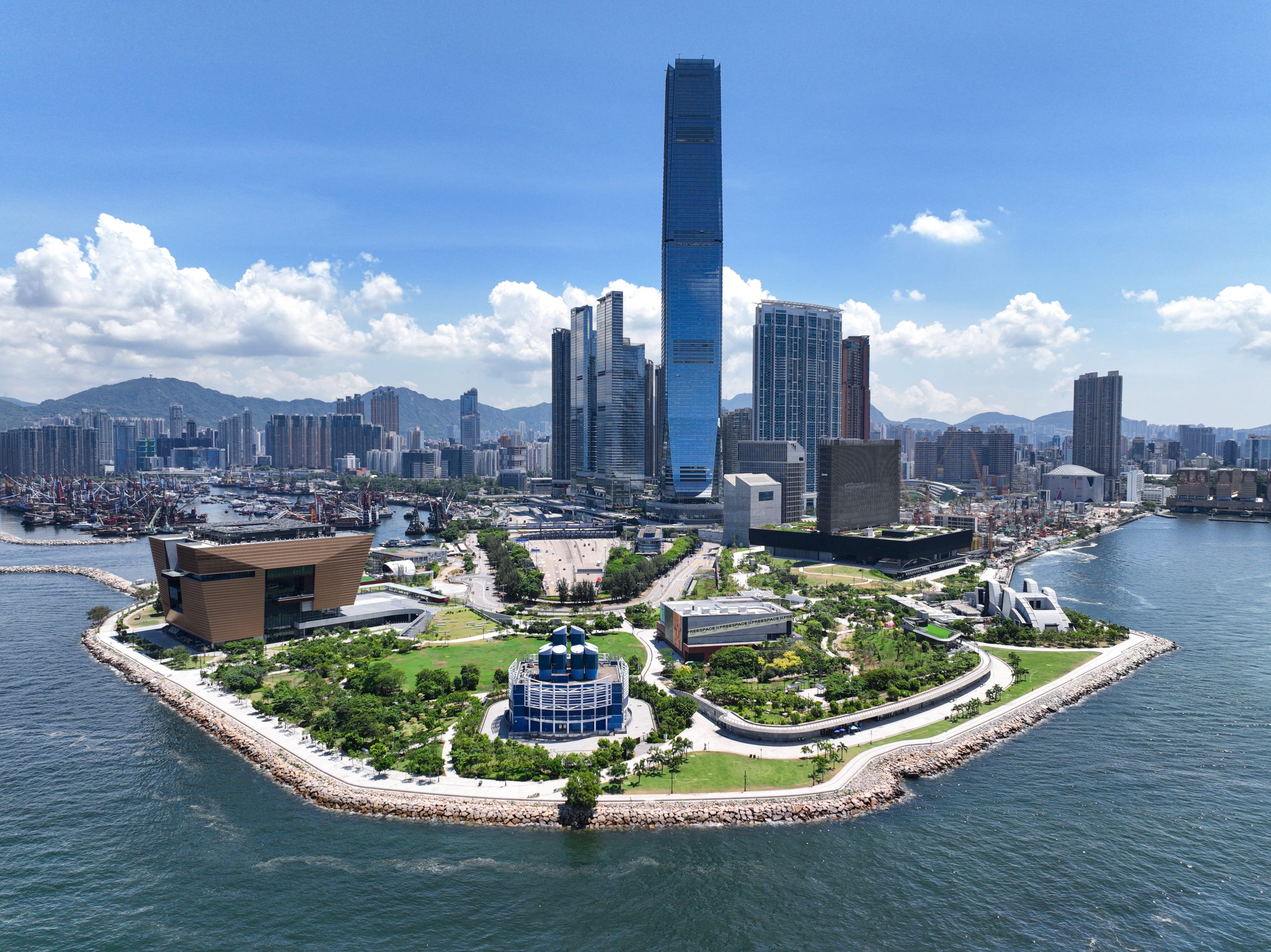
Hong Kong's financially struggling West Kowloon Cultural District, a major arts hub, has been rescued from its cash crisis. This development was part of a broader Asia art world update that also included leadership changes at Japan's Art Collaboration Kyoto and the announcement of a new art fair in Shenzhen.
10 Practical Reasons We Need to Defend the National Endowment for the Arts

10 practical reasons need fund defend national endowment arts

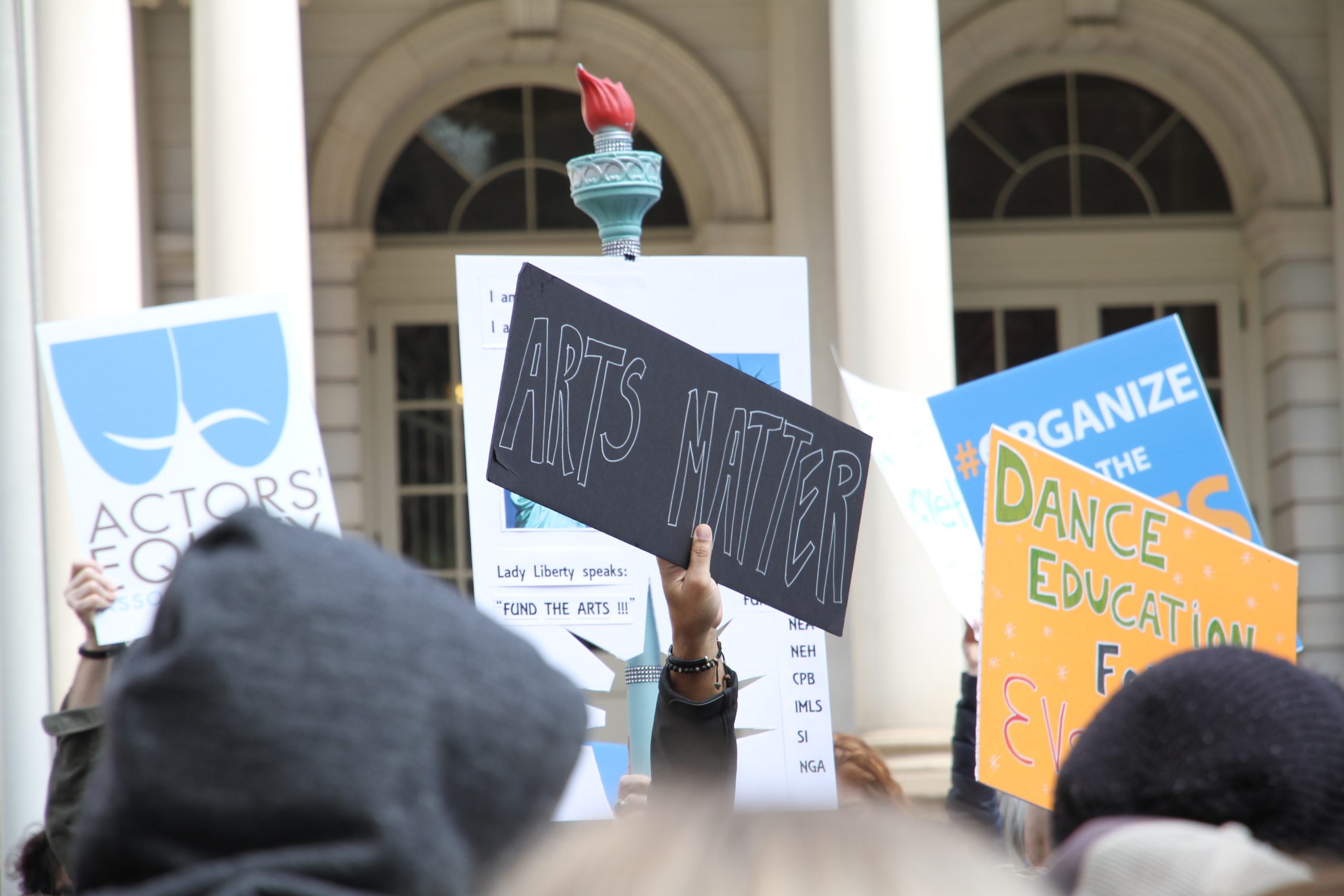
President Donald Trump's administration has renewed efforts to defund the National Endowment for the Arts (NEA), proposing for the fourth consecutive year a budget that would zero out the agency. The Heritage Foundation, a conservative think tank that has staffed the current administration, continues to promote its 1997 report 'Ten Good Reasons to Eliminate Funding for the National Endowment for the Arts' as a key reference in debates. This article, originally published in 2020 and republished in response to these developments, systematically rebuts each of the Heritage Foundation's arguments against the NEA, beginning with the claim that private support alone is sufficient.

nea funding cuts

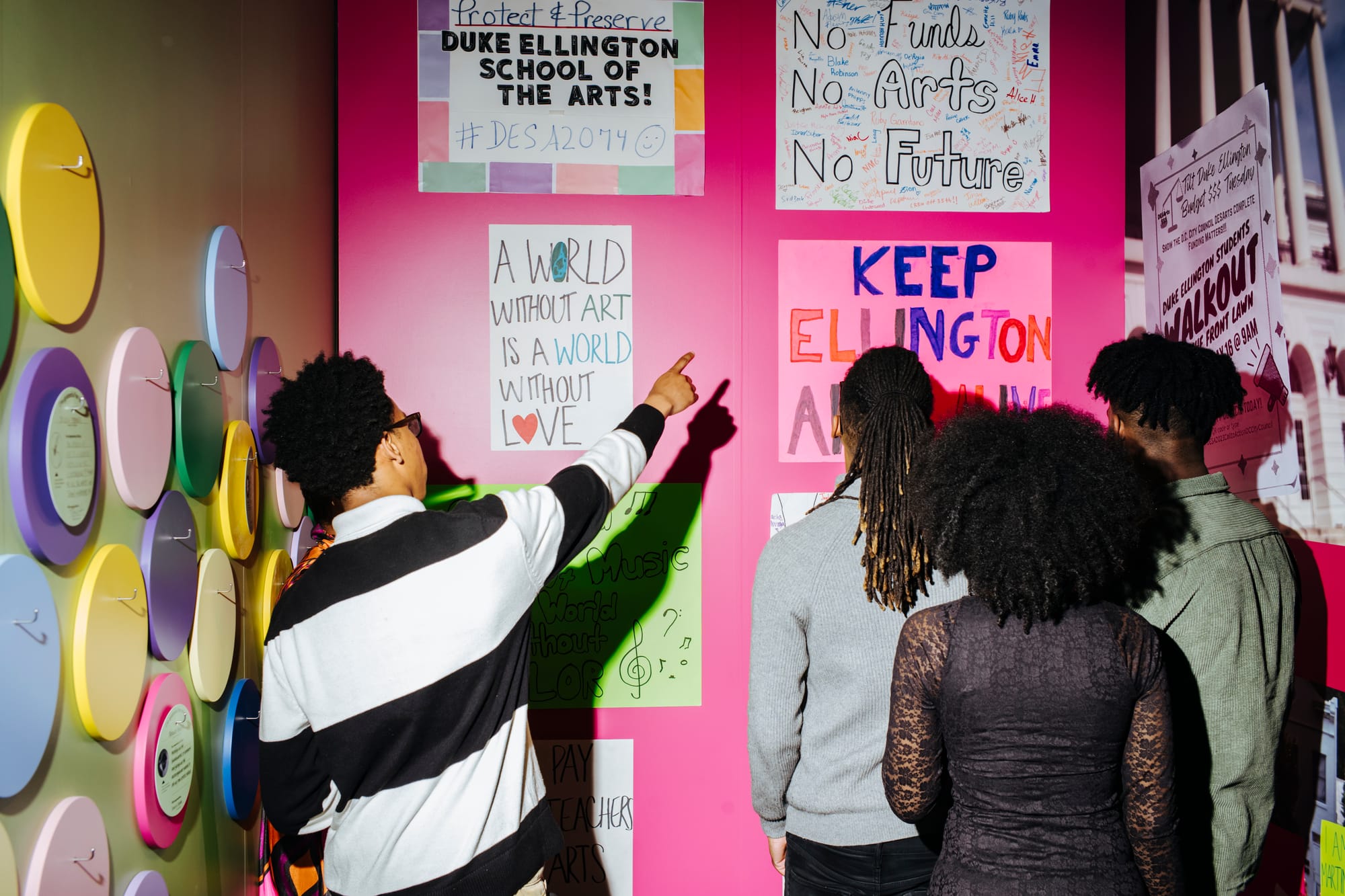
President Donald Trump has proposed eliminating the National Endowment for the Arts (NEA), and arts organizations across the U.S. are already feeling the impact. After a White House budget request in May that excluded the NEA, dozens of institutions received abrupt termination notices for their grant applications, with the NEA citing a shift in policy priorities to focus on projects reflecting the nation's artistic heritage as prioritized by the President. In protest, many senior NEA staff resigned or were asked to retire, leaving the agency in disarray. The cuts are part of broader federal efforts to defund cultural agencies, including the Kennedy Center, the Smithsonian, and the National Endowment for the Humanities, which has seen a 70-80 percent staff reduction and canceled over a thousand grants. Private foundations like the Mellon Foundation and the Helen Frankenthaler and Andy Warhol Foundations have launched emergency funding programs, but the consequences for artists, educators, and community organizations are immediate and destabilizing.

Participating Artists and Curators Push Back on Venice Biennale’s Relocation of Israeli Pavilion, Call for Exclusion of Russia, Israel, and US

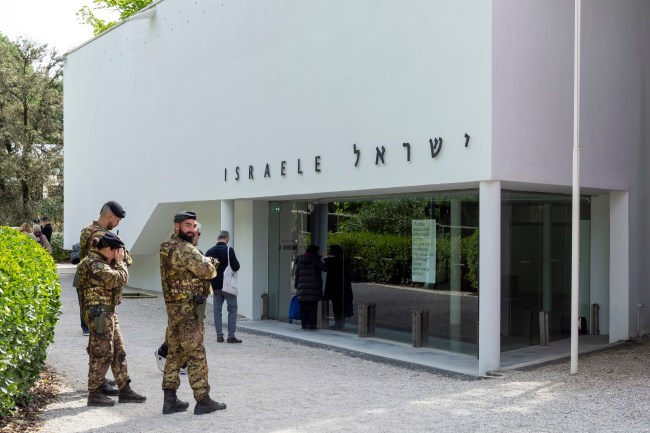
Seventy-three artists and curators participating in the main exhibition of the 2024 Venice Biennale have issued an open letter objecting to the organizers' decision to relocate the Israeli national pavilion to the Arsenale. They argue this move creates an intimidating atmosphere contrary to the late curator Koyo Kouoh's vision of "radical solidarity" and will necessitate a heightened security presence. The signatories, which include key curators tasked with realizing Kouoh's exhibition, also call for the exclusion of Israel, Russia, and the United States from the event, citing their governments' alleged commission of war crimes.

venice biennale russia pavilion eu funding

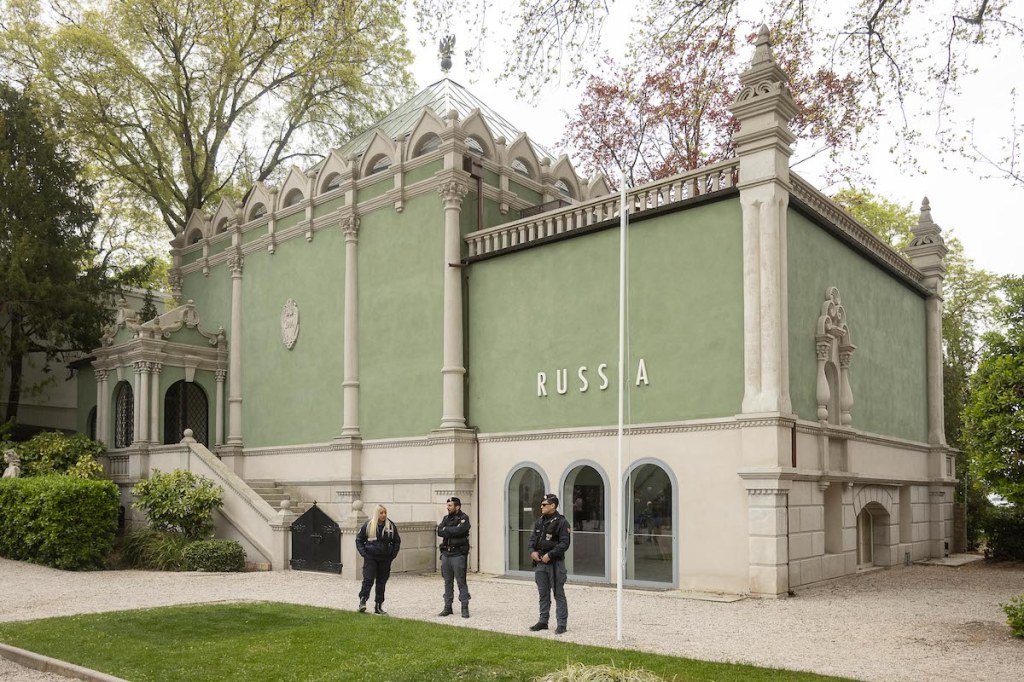
The European Union has threatened to withdraw a €2 million grant from the Venice Biennale following Russia's decision to return to the international exhibition for its 61st edition. The EU Commission warned that providing a platform for a Russian national pavilion risks legitimizing figures connected to the Kremlin and violating sanctions, while Biennale organizers have defended the move as a commitment to artistic freedom and a rejection of censorship.

Venice Biennale Russia Pavilion Return Controversy

venice biennale russia pavilion return controversy

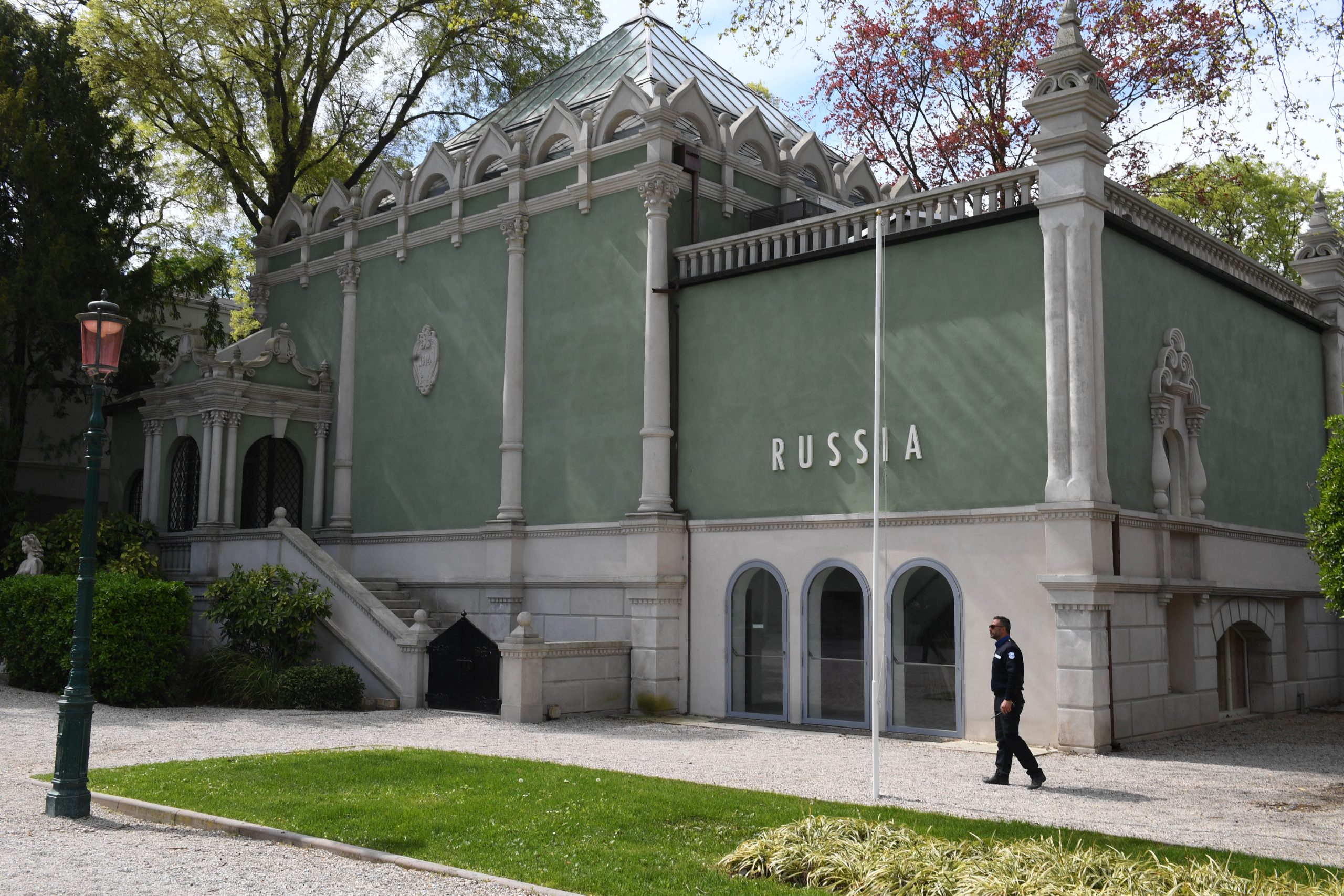
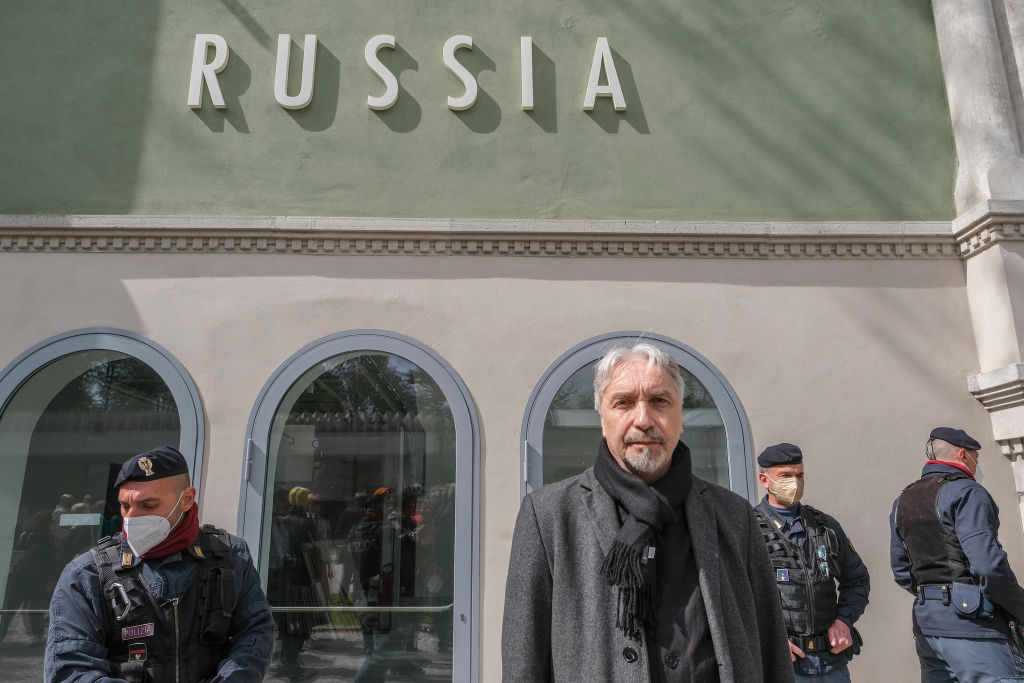
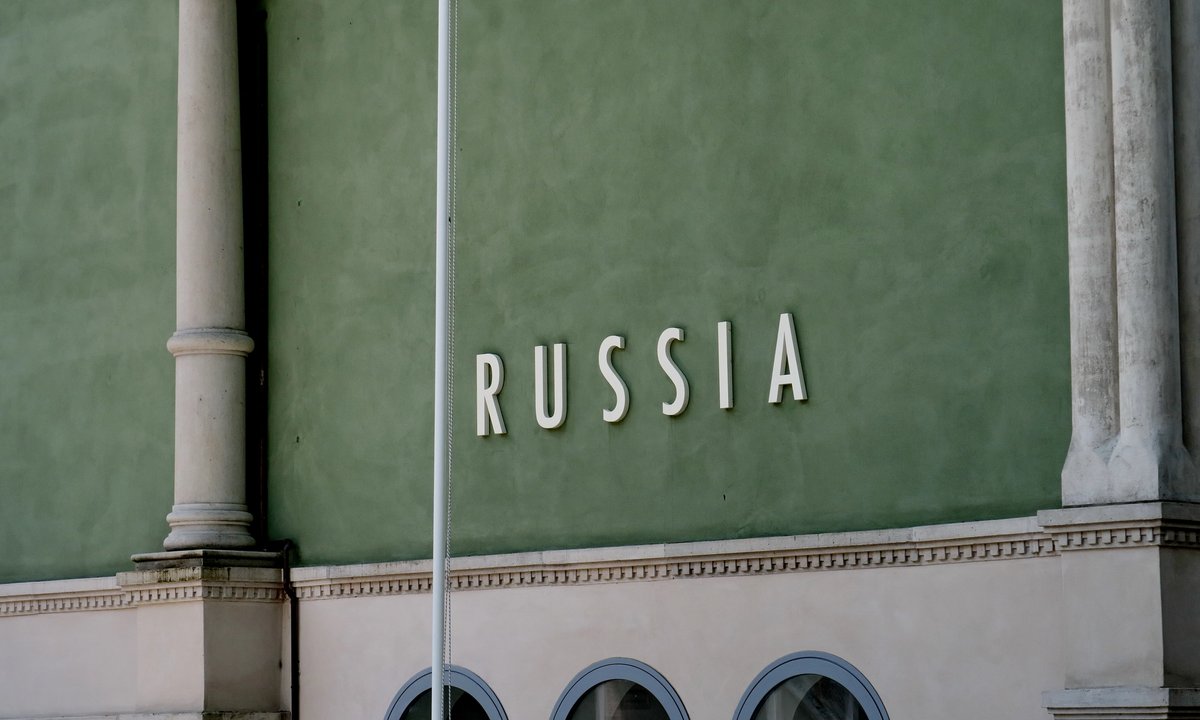
The Venice Biennale is facing intense backlash following the announcement that Russia will return with a national pavilion for the 2026 edition, marking its first official participation since the 2022 invasion of Ukraine. Ukrainian Foreign Minister Andrii Sybiha and various international activists have called for Russia's exclusion, arguing that the platform is being used to whitewash war crimes and exert political influence. In response, the Biennale leadership has maintained a policy of non-exclusion, stating that any country recognized by Italy has an autonomous right to participate.

smithsonian teams up with saudi arabias alula project

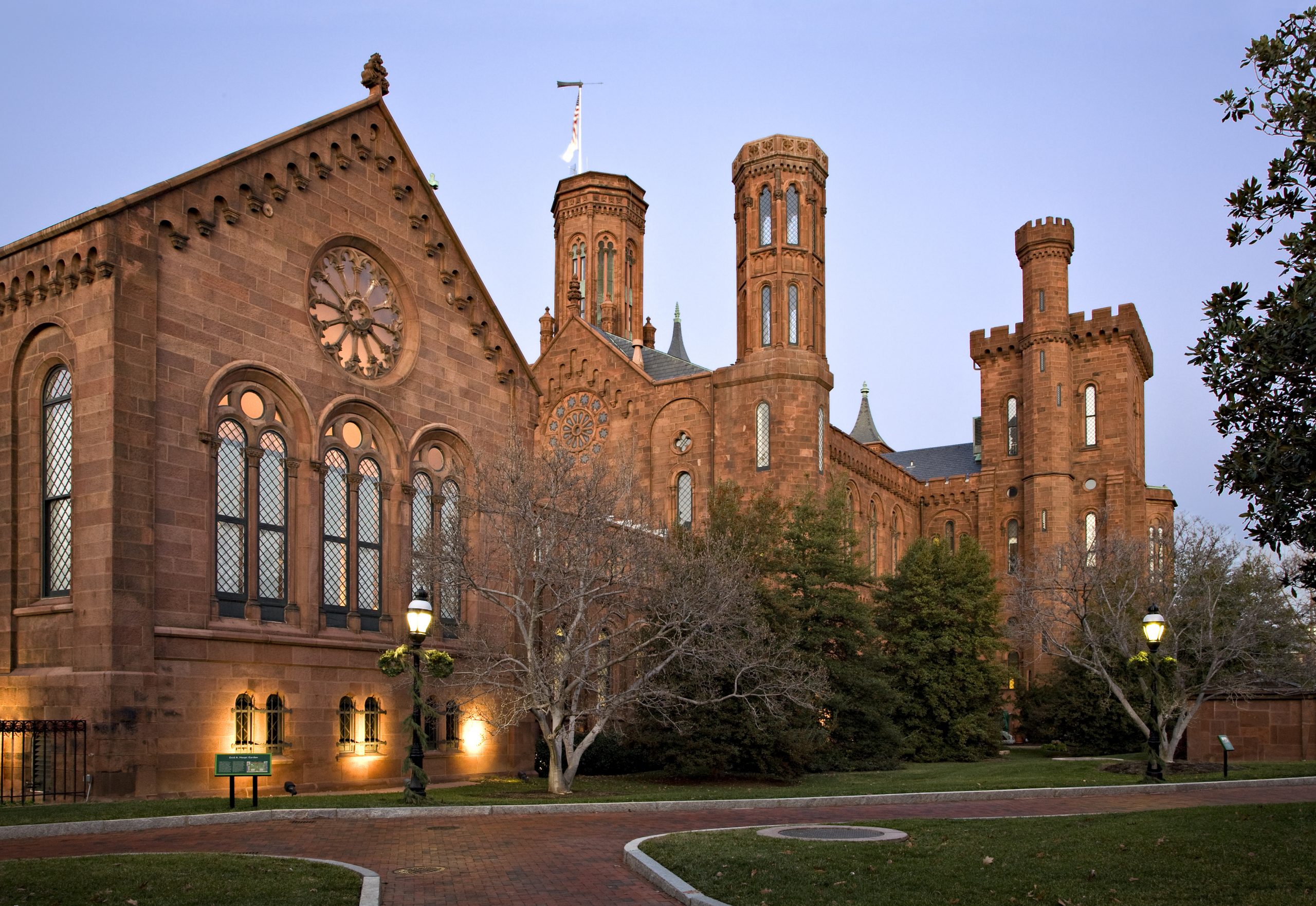
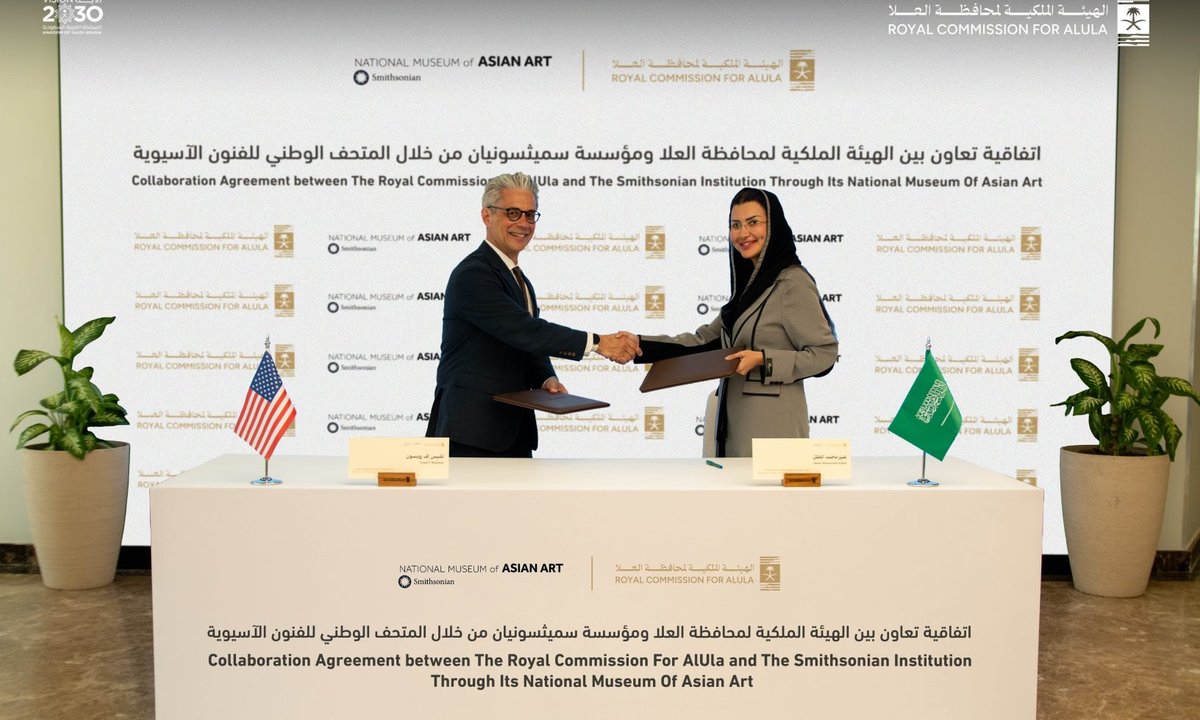
The Smithsonian’s National Museum of Asian Art (NMAA) has signed a formal partnership agreement with Saudi Arabia’s Royal Commission for AlUla (RCU), formalizing two years of behind-the-scenes collaboration. Signed by NMAA director Chase Robinson and RCU chief executive Abeer Al Akel, the deal covers joint archaeological research, exhibition loans, curatorial exchange, and professional development, with a focus on the ancient site of Dadan, a key stop on the Incense Road. The partnership is part of Saudi Arabia’s Vision 2030 plan to rebrand the kingdom as a global cultural destination.

If fashion is art, why doesn’t CNZ fund it?

Creative New Zealand (CNZ) explicitly states on its website that it does not fund fashion design, classifying it as primarily part of the commercial creative industries. The article highlights the contradiction that while major institutions like The Dowse Art Museum, Auckland Art Gallery, and World of WearableArt treat fashion as art, CNZ denies funding to fashion designers, with rare exceptions for non-commercial, cross-cultural, or collaborative projects. Fashion designer Doris de Pont, founder of The New Zealand Fashion Museum, notes that even when her trust received CNZ support, it was for the art connection, not the fashion itself.

La Tour Eiffel aux enchères

The French Senate has definitively adopted a law on the restitution of cultural property looted during the colonial period, marking a major legislative step in France's approach to colonial-era artifacts. The law establishes a legal framework for returning objects held in French public collections to their countries of origin, potentially affecting thousands of items in museums across the country.

Portland Art Museum announces major gift to endow Museum’s top position from Portland’s “First Family of the Arts”

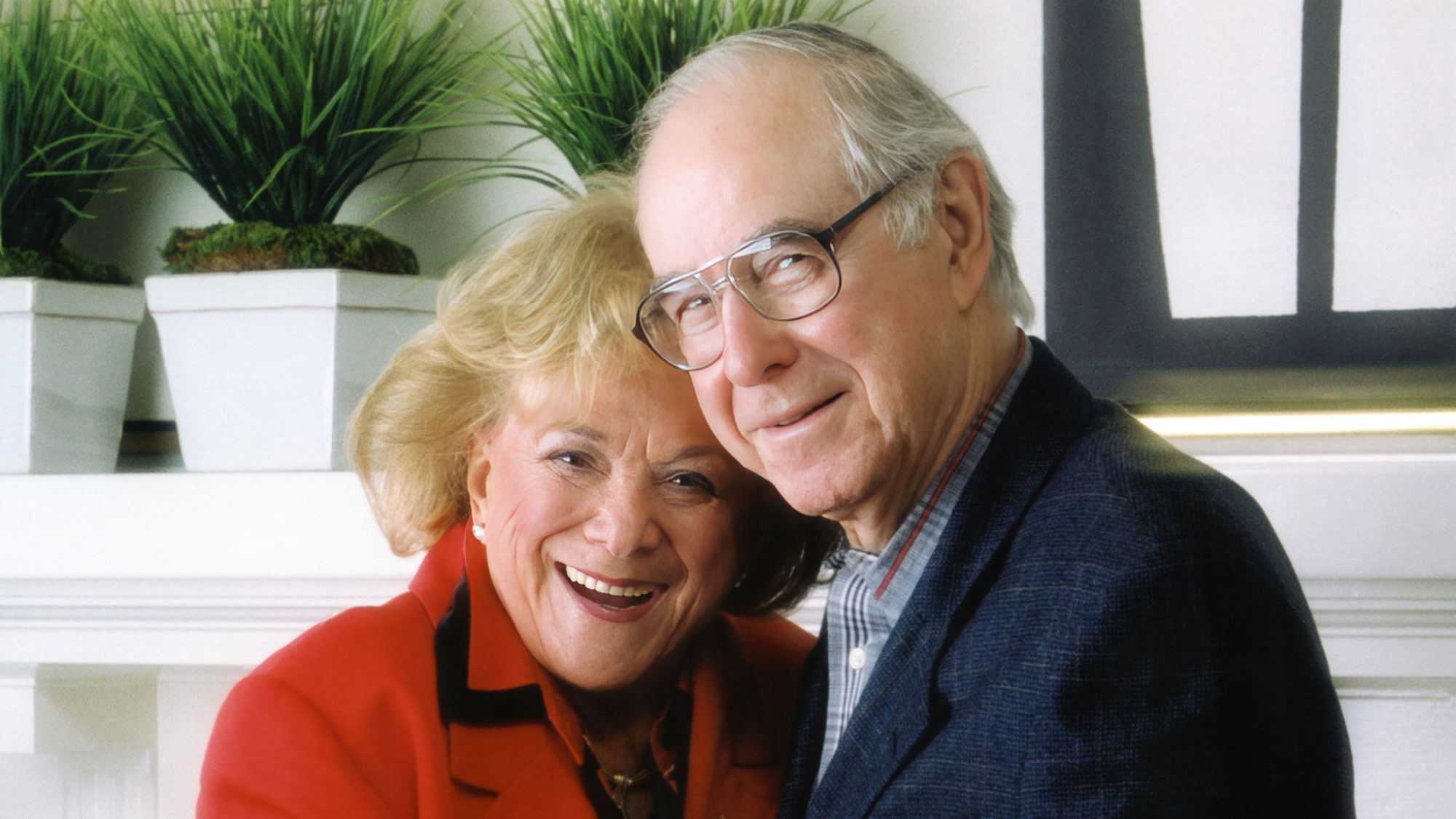
The Portland Art Museum announced a $13.5 million gift from the late Arlene Schnitzer and the Schnitzer family, the largest individual donation in the museum's 132-year history. The endowment names the museum's director position, currently held by Brian Ferriso, as the Arlene & Harold Schnitzer Director. The Schnitzers, known as Portland's 'First Family of the Arts,' have supported the museum for nearly half a century through acquisitions, exhibitions, capital campaigns, and the creation of the Arlene and Harold Schnitzer Center for Northwest Art and the Schnitzer Sculpture Court. The gift is part of the museum's Connection Campaign, which will culminate in a transformed campus opening November 20.

Italy’s Culture Minister Calls For Resignation Over Russian Pavilion’s Return to Venice Biennale

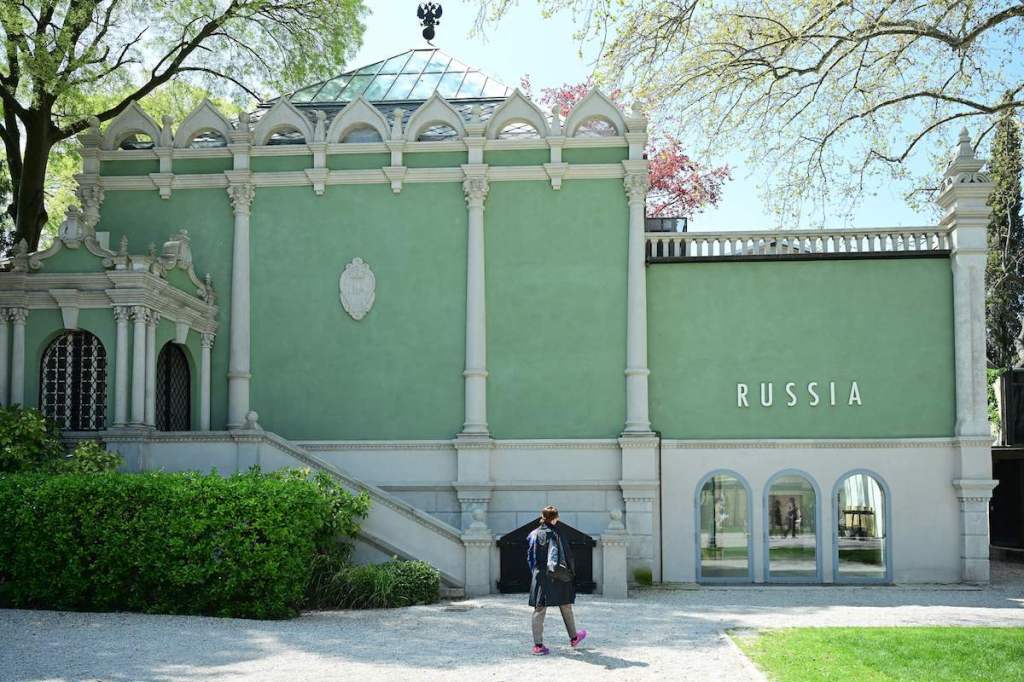
Italy's Culture Minister Alessandro Giuli has demanded the resignation of Tamara Gregoretti, the government's representative on the Venice Biennale board, accusing her of failing to alert the ministry to Russia's planned return to the 2026 exhibition. Russia announced it will reopen its national pavilion for the first time since 2019 with a presentation titled 'The Tree Is Rooted in the Sky,' curated by Anastasia Karneeva and featuring over 30 artists.

what to know about the smithsonian

President Donald Trump issued an executive order titled “Restoring Truth and Sanity to American History,” targeting the Smithsonian Institution. The order tasks Vice President J.D. Vance with removing “improper ideology” from Smithsonian museums, supported by Secretary of the Interior Doug Burgum and advisor Lindsey Halligan. Critics, including historian Raymond Arsenault, have described the move as totalitarian. The Smithsonian, a public-private partnership founded in 1846 with 21 museums and the National Zoo, faces potential loss of federal funding if it does not comply, echoing pressure applied to other institutions like Columbia University.

national endowment for the arts cancels grants trump

President Donald Trump's administration has canceled or withdrawn grant offers from the National Endowment for the Arts (NEA) via email, affecting arts organizations nationwide. The NEA stated it is updating its grantmaking priorities to focus on projects that reflect the nation's artistic heritage as prioritized by the president, including historically Black colleges, Hispanic-serving schools, the 250th anniversary of American independence, AI competency, houses of worship, disaster recovery, skilled trades, military and veterans, Tribal communities, and Asian American economic development. Some affected grants supported artists of color, and the language appeared to conflict with the administration's prior push against DEI initiatives. Similar cancellations have occurred at the National Endowment for the Humanities and the Institute of Museum and Library Services.

The Story of Art + Water

Author Dave Eggers and artist JD Beltran have launched Art + Water, a new initiative located at Pier 29 in San Francisco designed to bypass the traditional art school model. The program seeks to resurrect the historical artist-apprentice and atelier systems, providing students with practical skills and studio space without the prohibitive costs of modern higher education. By partnering with the Port of San Francisco and the Community Arts Stabilization Trust, the founders aim to revitalize the city's waterfront while offering a sustainable alternative to the current debt-heavy academic landscape.

Trump administration’s anti-woke campaign targets Smithsonian museums

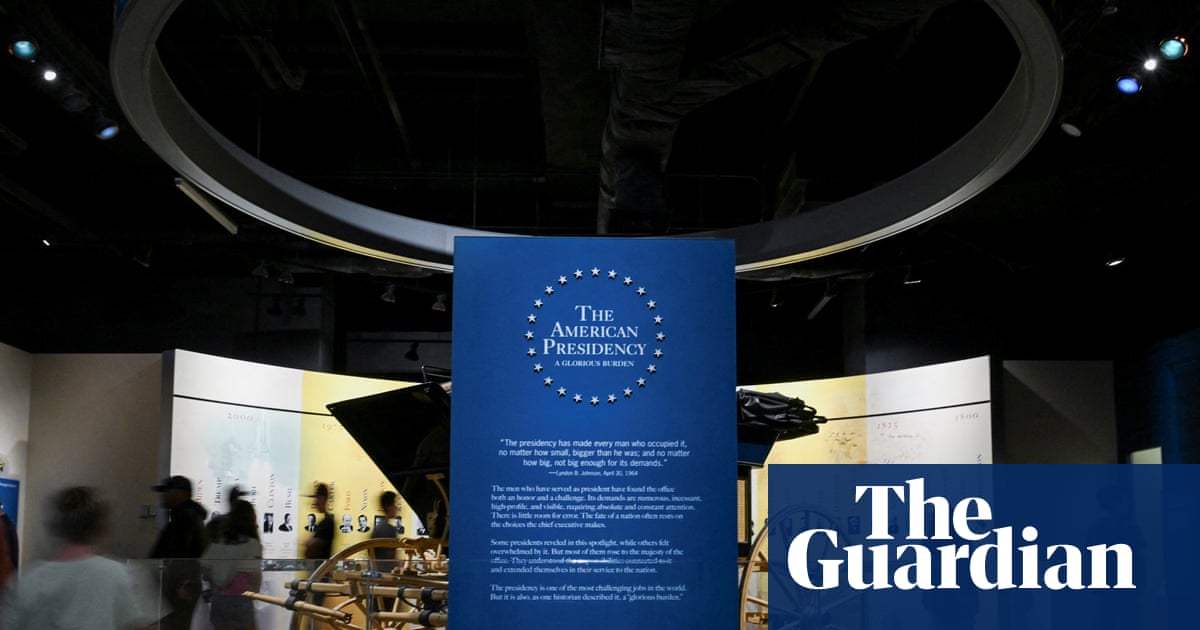
The Trump administration has launched a campaign targeting Smithsonian museums, accusing them of promoting an "anti-American agenda" through exhibits that focus on oppression rather than national achievements. A White House document, obtained by the Guardian, lists problematic exhibits at seven museums, including a Benjamin Franklin display linking his scientific work to slave ownership and a film about George Floyd's murder. The administration has demanded content corrections and threatened to remove what it calls "woke" ideology from the institution.

Smithsonian's National Museum of Asian Art and Saudi Arabia strike deal to collaborate on exhibitions, conservation and more

The Smithsonian's National Museum of Asian Art (NMAA) has signed a partnership agreement with Saudi Arabia's Royal Commission for AlUla (RCU) to collaborate on exhibitions, conservation, research, and staff exchanges. The deal, signed on May 14 by NMAA director Chase Robinson and RCU CEO Abeer AlAkel, focuses on the ancient site of Dadan, a capital of the Lihyanite and Dadanite civilizations. The partnership covers joint conservation and research projects, exhibition loans, and professional development over four years.

Vilcek Foundation to Award $200,000 in Grants to Nonprofits Uplifting Immigrant Contributions

The Vilcek Foundation is accepting applications for its 2026 grant cycle, offering up to $20,000 per grant to nonprofit organizations that highlight immigrant contributions in the arts, sciences, and culture. The total funding pool is $200,000, with a deadline of April 30, 2026. This initiative marks the second year of this specific grant program, expanding the foundation's long-standing mission as it celebrates its 25th anniversary.

Cultural Institutions in Beirut Suspend Operations Amid Escalating Conflict

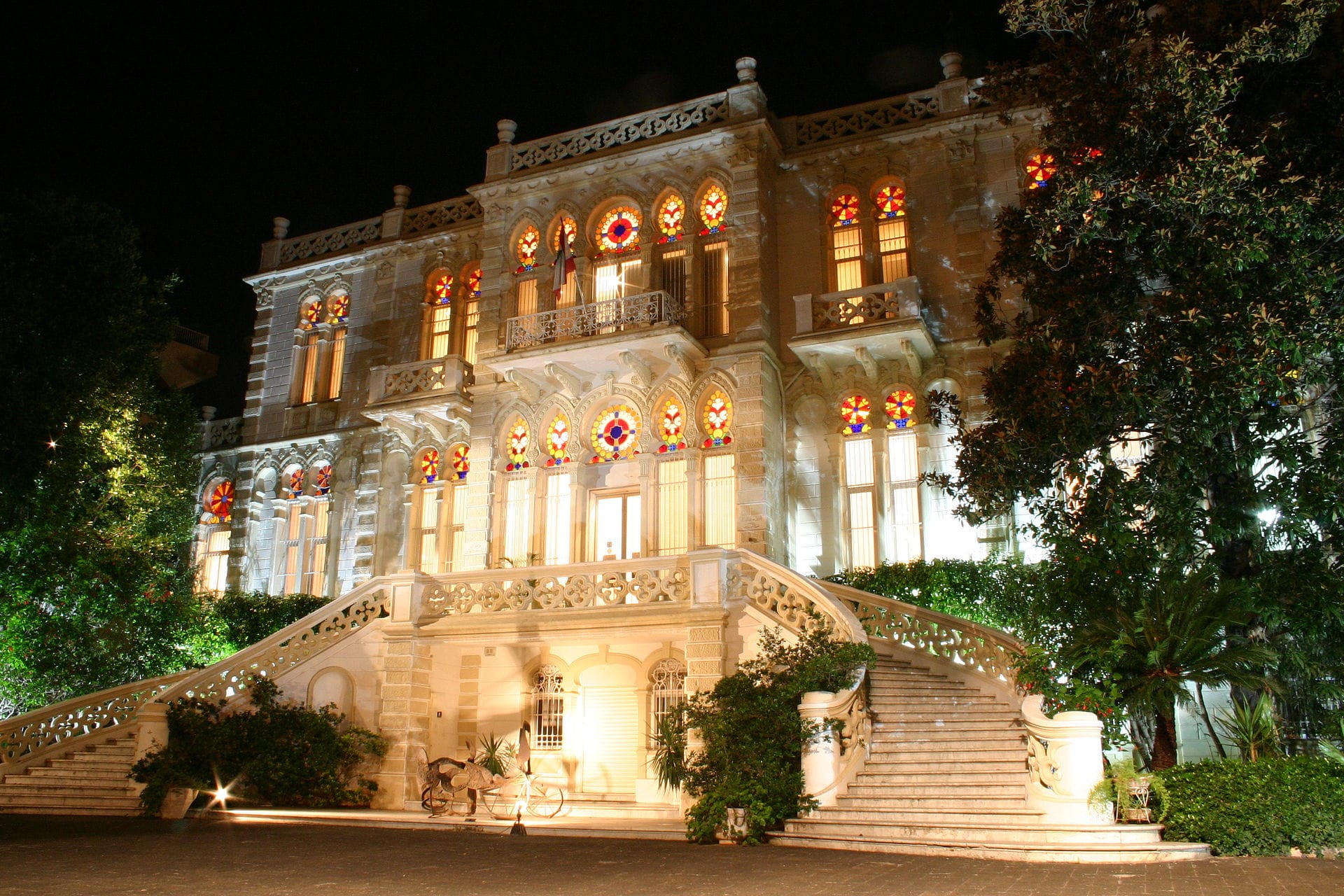
Several major cultural institutions in Beirut have suspended public operations due to escalating regional conflict. The Ramzi and Saeda Dalloul Art Foundation, Sursock Museum, Dar El-Nimer for Arts & Culture, and Beirut Art Center have all paused programs following Israeli airstrikes on Beirut's southern suburbs and southern Lebanon, which were a response to rocket attacks by Hezbollah.

Italian Culture Minister Launches Inspection of Venice Biennale’s Russian Pavilion

Italian Culture Minister Alessandro Giuli has launched an official inspection of the Russian Pavilion at the 61st Venice Biennale, just days before the exhibition opens. An inspector has been sent to Venice to review all documentation related to Russia's participation, focusing on potential irregularities such as visa issues for Russian artists and delegation members. The investigation follows the Biennale's international jury decision to exclude Russia and Israel from awards due to accusations of crimes against humanity. The Russian Pavilion will be open only during the pre-opening vernissage, after which it will close, with digital documentation displayed in its windows.

European Commission Tells Venice Biennale to ‘Clear Its Name’ Regarding Russian Pavilion or Risk Losing $2.3 M. Grant for 2028

The European Commission has issued a 30-day ultimatum to the Venice Biennale, threatening to withdraw a €2 million ($2.3 million) grant for the 2028 edition unless the organization addresses concerns regarding the Russian Pavilion's inclusion in 2026. The Commission alleges that hosting a government-funded delegation violates EU sanctions and provides a cultural platform for Russian state interests amidst the ongoing war in Ukraine. The Biennale's president, Pietrangelo Buttafuoco, must respond by May 11, just two days after the exhibition's public opening.

Ukraine Sanctions Russian Culture Figures Linked to Country’s Participation in Venice Biennale

Ukrainian President Volodymyr Zelenskyy has issued a decree imposing sanctions on five Russian cultural figures involved in the Russian Pavilion for the 2026 Venice Biennale. The sanctioned individuals include pavilion commissioner Anastasia Karneeva, former culture minister Mikhail Shvydkoy, and three performers from the Intrada Ensemble. Ukrainian officials argue that these figures use international art platforms to legitimize Russian aggression and spread state propaganda, specifically citing past activities in occupied territories like Crimea and Donetsk.

POC Arts Nonprofits Face Severe Staffing Challenges, Survey Finds

A new report by Museum Hue reveals that over a third of surveyed museums and cultural centers founded and led by people of color in the Northeastern United States operate without any full-time staff. The study, which examined 38 institutions, found that 67% of smaller-budget organizations (with budgets under $500,000) lack full-time employees, with some operating on less than $100,000 annually and relying heavily on volunteers.

senator john fetterman proposes bill to apply anti money laundering protections to us art market

On July 23, U.S. Senator John Fetterman introduced the Art Market Integrity Act, a bill that would apply anti-money laundering (AML) and counter-terrorism financing regulations to art dealers, auction houses, galleries, advisers, consultants, custodians, museums, collectors, and other intermediaries in the art market. The legislation amends the Bank Secrecy Act, requiring these entities to conduct client due diligence, maintain records, and report suspicious transactions. It exempts artists selling their own work, nonprofits, and businesses with under $50,000 in annual art transactions. The bill is co-sponsored by Senators Chuck Grassley, Sheldon Whitehouse, Bill Cassidy, Andy Kim, and David McCormick.

EU threatens to pull funding from Venice Biennale over return of Russian pavilion

The European Union has threatened to withdraw a €2m grant from the Venice Biennale following the foundation's decision to allow Russia to reopen its national pavilion for the first time since the 2022 invasion of Ukraine. EU commissioners Henna Virkkunen and Glenn Micallef, supported by 22 European culture ministers, argue that the Biennale must not provide a platform for Kremlin propaganda or individuals who justify military aggression. The Russian pavilion's return is reportedly being organized by the Gnesin Russian Academy of Music under the direction of the Russian Ministry of Culture.

Taiwan Strips National Prize from Sakuliu Pavavaljung After Sexual Assault Conviction

Taiwan’s National Culture and Arts Foundation has revoked the National Award for Arts from Indigenous Paiwan artist Sakuliu Pavavaljung, following his conviction for sexual assault. The Supreme Court upheld a four-and-a-half-year prison sentence for forcible sexual intercourse involving a female student in 2021. Pavavaljung, who received the award in 2018, must return the NTD 1 million prize. The case gained traction after artist Kuo Yu Ping disclosed it on social media in December 2021, leading to additional victims coming forward. His planned exhibition for Taiwan at the 59th Venice Biennale was canceled in 2022.

Philadelphia museum sues Trump administration over lost federal funding

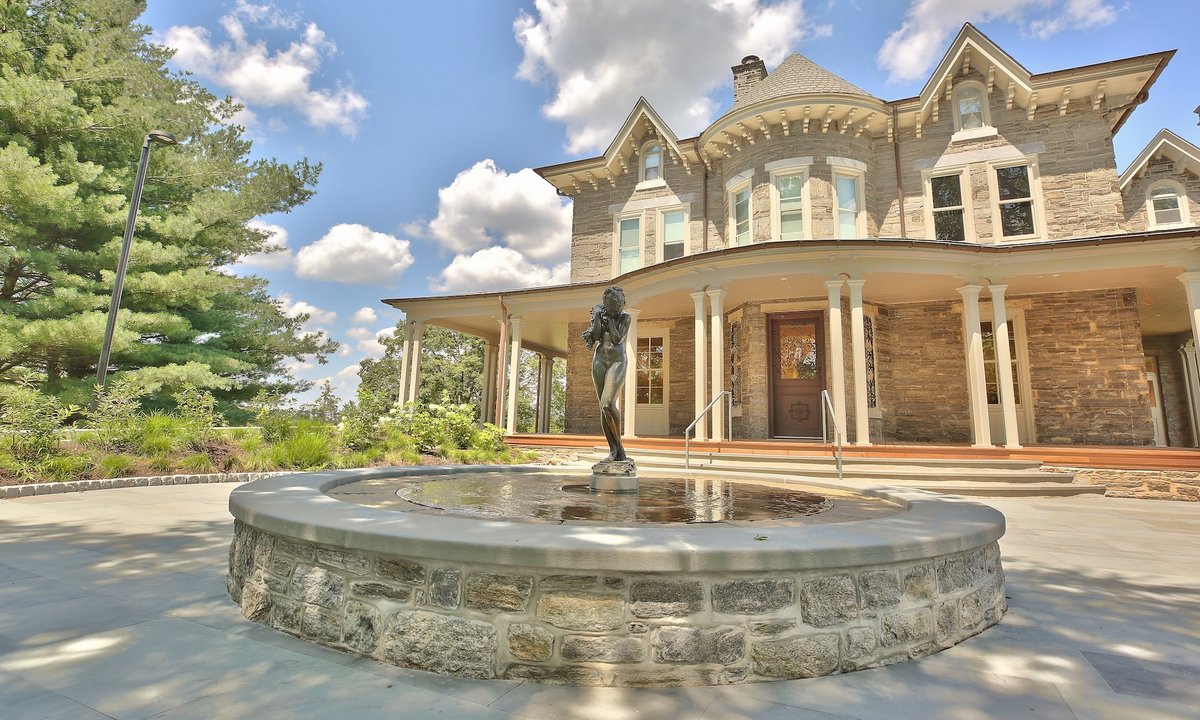
The Woodmere, a museum in Philadelphia, sued the Trump administration after an executive order revoked a $750,000 federal grant from the Institute of Museum and Library Services (IMLS). The museum had already received roughly $195,000 of the funds, but the order targeting "unnecessary" federal bureaucracy cut the remainder. On September 4, the IMLS reinstated the full grant, leading to the dismissal of the lawsuit, which had been scheduled for a first hearing on September 12. The grant, part of the Save America's Treasures program, was intended for conservation, catalog updates, and digitization projects.

Study highlights link between cultural engagement and workforce levels

A new study from the Creative Industries Policy and Evidence Centre (Creative PEC) reveals a strong correlation between the number of people working in arts, culture, and heritage occupations in English local authorities and the rates of public participation in cultural activities. Analyzing data from DCMS's Participation Survey 2023–24 and the Office of National Statistics Labour Force Survey, the report found the strongest link between cultural employment and art gallery attendance, followed by literary events and live dance. London boroughs dominated the top rankings, with Cambridge, Brighton and Hove, Oxford, Bristol, and Waverley also showing high correlations, though exceptions like Stoke-on-Trent and York highlighted local variations in specific art forms.

Art freedom under fire

The Bangkok Art and Culture Centre (BACC) censored an exhibition titled 'Constellation of Complicity: Visualising the Global Machinery of Authoritarian Solidarity' after pressure from the Chinese embassy. The exhibition, which opened on July 24, featured works by exiled artists from Myanmar, Iran, Russia, and Syria exploring authoritarian alliances. Following a visit by Chinese embassy staff, several works were removed, including a multimedia installation by a Tibetan artist, and texts mentioning 'Hong Kong', 'Tibet', and 'Uyghur' were redacted. The curator, Sai, a Myanmar artist in exile, said the interference was not unexpected.

Cultural Observatories: Dinosaurs or Subjects Capable of Interpreting the Present?

Osservatori culturali. Dinosauri o soggetti in grado di interpretare il presente?

The Cultural Observatory of Canton Ticino has published a study on cultural observatories worldwide, including a map and list of surveyed organizations. The analysis reveals that cultural observatories are not a global phenomenon but are concentrated mainly in Europe and South America, with occasional presence in North America (especially Canada and Hispanic-oriented organizations in the US). Africa, Asia, and Oceania are almost entirely absent from the map. The study also highlights a high rate of inactive observatories: among the top 10 countries by active observatories, only Germany shows an effective activity ratio. Spain has 26 active observatories out of about 45 total, while Italy has 11 active out of over 20 inactive. The research defines observatories as non-profit organizations that combine cultural and statistical expertise to deepen and transfer knowledge about the cultural sector, and classifies as inactive those with no recent activity on web or social channels.

Sign Language to Bring Art Exhibitions Closer... Ministry Invites Applications for Sign Language Video Production Institutions

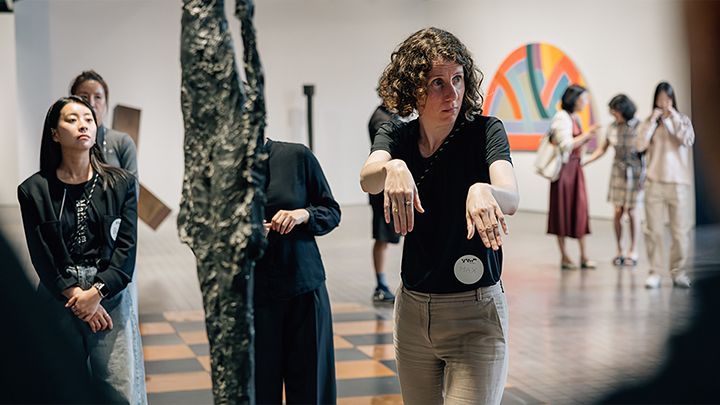
South Korea's Ministry of Culture, Sports and Tourism is accepting applications from ten institutions—including museums and art galleries—for its "2026 Exhibition Information Sign Language Video Production Support Project." Applications run from May 21 to June 12, with priority given to institutions offering permanent or long-term exhibitions. The ministry will evaluate regional balance, facility accessibility, video utilization potential, and exhibition suitability, and will survey the deaf community's viewing needs. The final list of selected institutions will be announced on June 22.