filter_list Showing 9 results for "Demonstrate" close Clear
search
dashboard All 1423 museum exhibitions 714article local 349trending_up market 132article news 83article culture 67person people 28rate_review review 25article policy 9gavel restitution 8candle obituary 8
date_range Range Today This Week This Month All
Subscribe

spain acknowledgement injustice pain colonization mexico 1234759661

Spanish foreign minister José Manuel Albares inaugurated an exhibition titled “Half the World: Women in Indigenous Mexico” at the Cervantes Institute in Madrid, featuring over 400 works on loan from the Mexican government. At the press conference, Albares acknowledged that Spain's colonization of Mexico caused “pain and injustice” toward indigenous peoples, but stopped short of issuing a full apology. This follows a 2019 letter from former Mexican President Andrés Manuel López Obrador demanding an apology from Spain and the Catholic Church for the conquest, which Spain rejected. Current Mexican President Claudia Sheinbaum has reiterated the demand, calling the original letter “very diplomatic” and criticizing Spain's response as “undiplomatic.”
Art for art’s sake, but for people’s health too | Letter

Art Fund director Jenny Waldman responds to a philosophical article about art's intrinsic value, arguing that while art should be enjoyed for its own sake, promoting its measurable health benefits can serve as a crucial entry point for new audiences. She cites the organization's National Art Pass adverts and recent research with King's College London, which demonstrated immediate physiological responses to viewing original art, as tools to invite people who might otherwise feel excluded from cultural institutions.

Memorial Art Gallery admission will become free starting in 2027

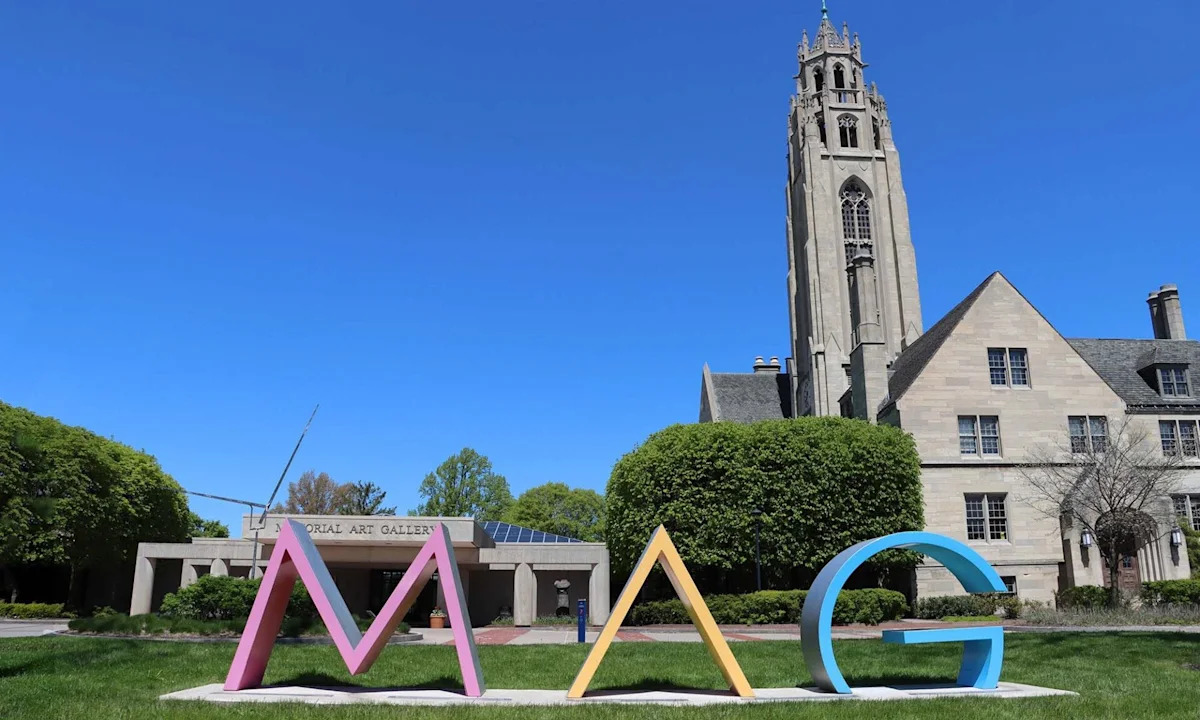
The Memorial Art Gallery (MAG) in Rochester, New York, announced on May 13 that admission will become free for all visitors starting in 2027, eliminating its current $20 entry fee permanently. The museum, part of the University of Rochester, raised over $9 million through its "Free for All, Forever" campaign, surpassing its original target faster than expected. Key donations included a $1 million gift from Dr. Alexander A. Levitan and his wife Lucy K. Levitan, a $3 million donation from UR trustee Doug Bennett, his wife Abby, and the Sands Family Foundation, and $2 million from Mary Ellen Burris. Additional support came from anonymous donors, Kitty and Nick Jospé, and Sandy Hawks Lloyd and Justin Hawks Lloyd.

Comment | What is the role of art museums in times of civic stress?

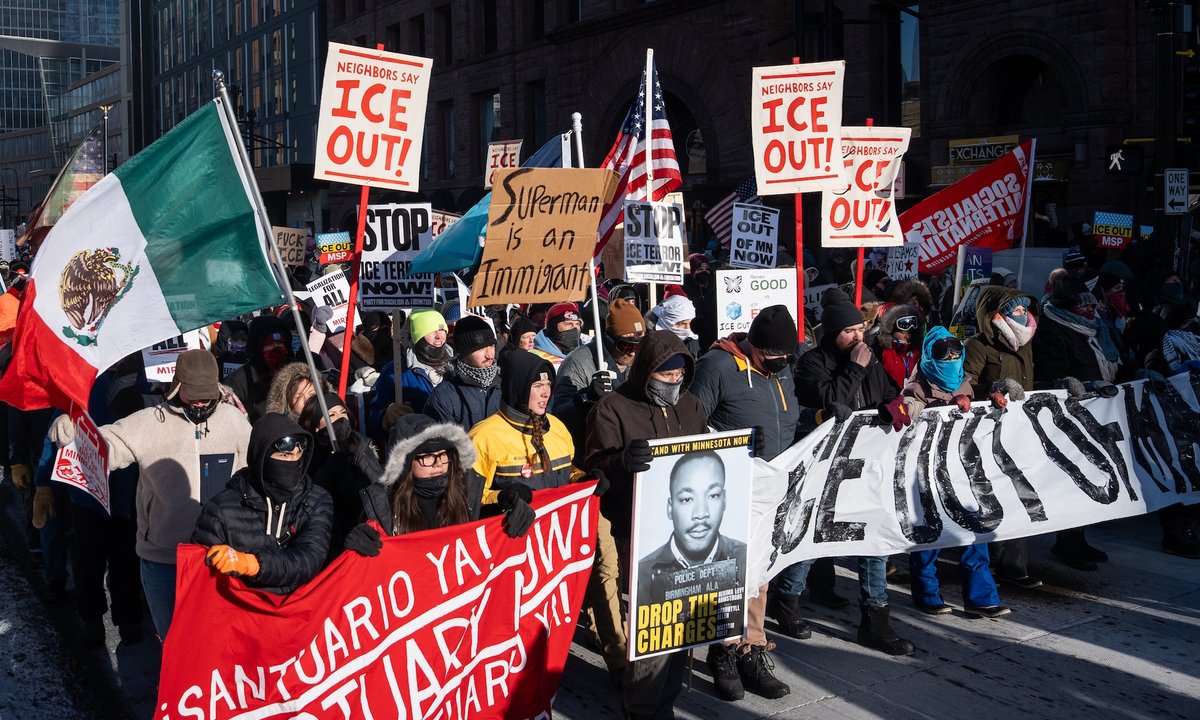
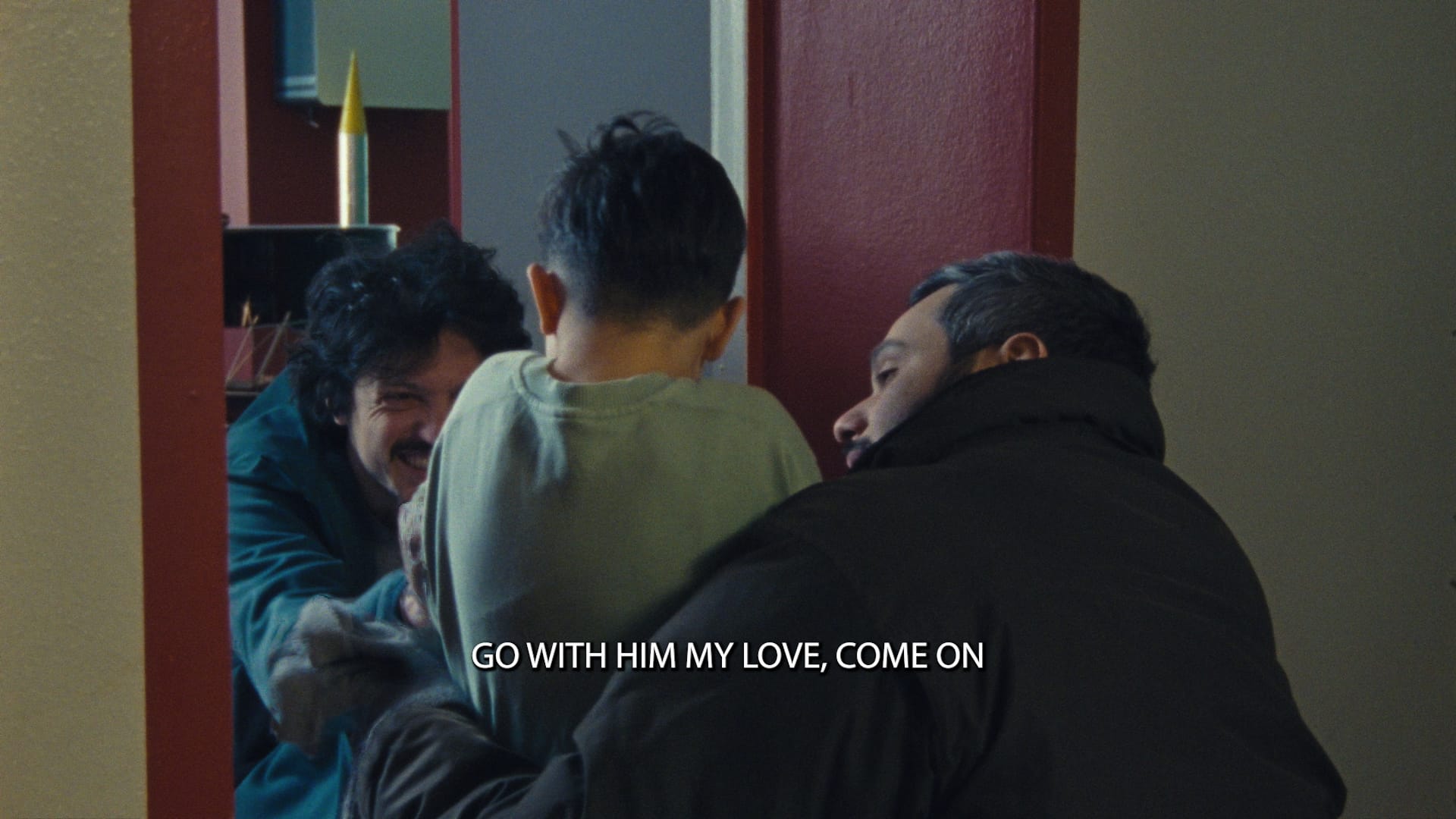
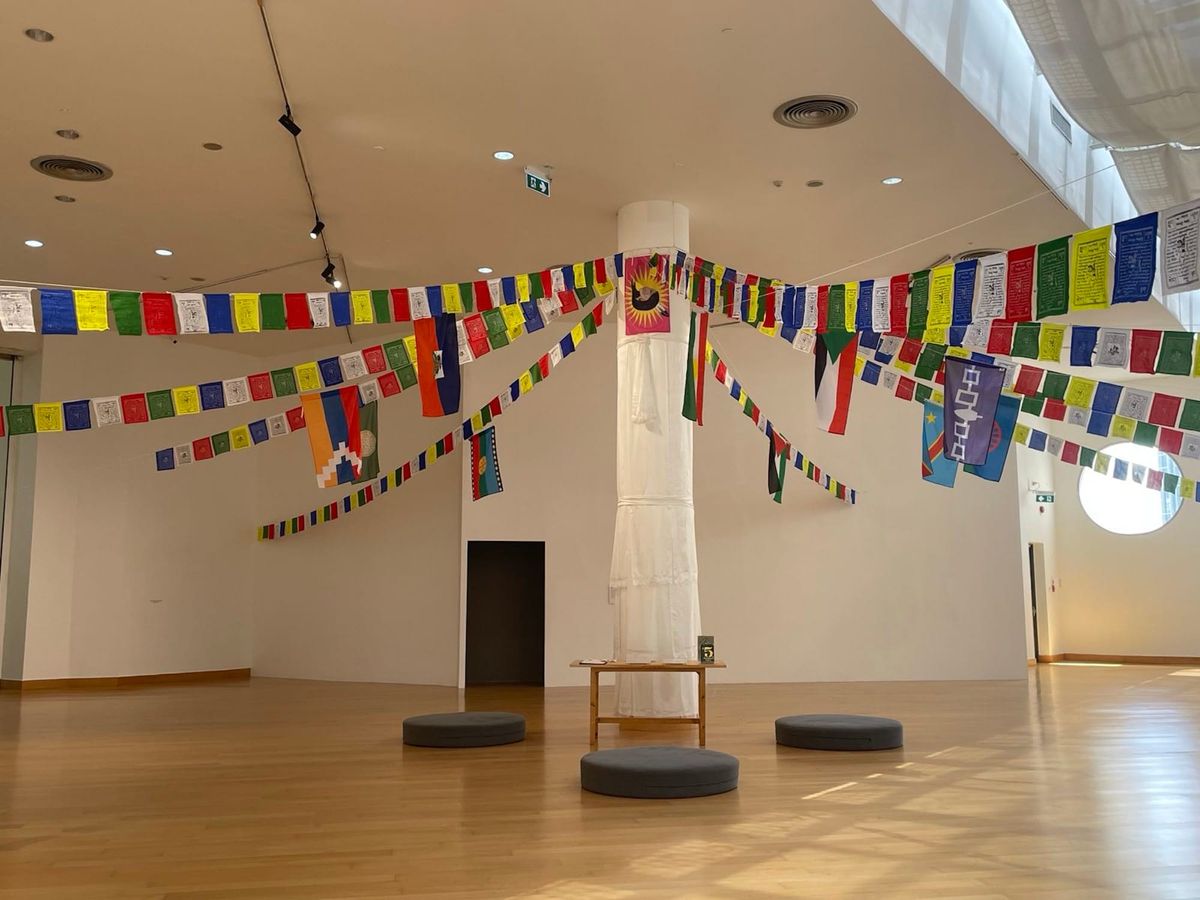
The Walker Art Center in Minneapolis is navigating the civic distress caused by 'Operation Metro Surge,' a federal immigration enforcement initiative that has disrupted the lives of local artists, staff, and residents. In response to the atmosphere of fear and the shift to virtual schooling, the museum has positioned itself as a sanctuary, offering art-making kits, indigenous-led workshops, and public screenings to foster community resilience.

A Holistic and People-Centered Approach to Accessible Exhibition Design: Walker Art Center Case Study

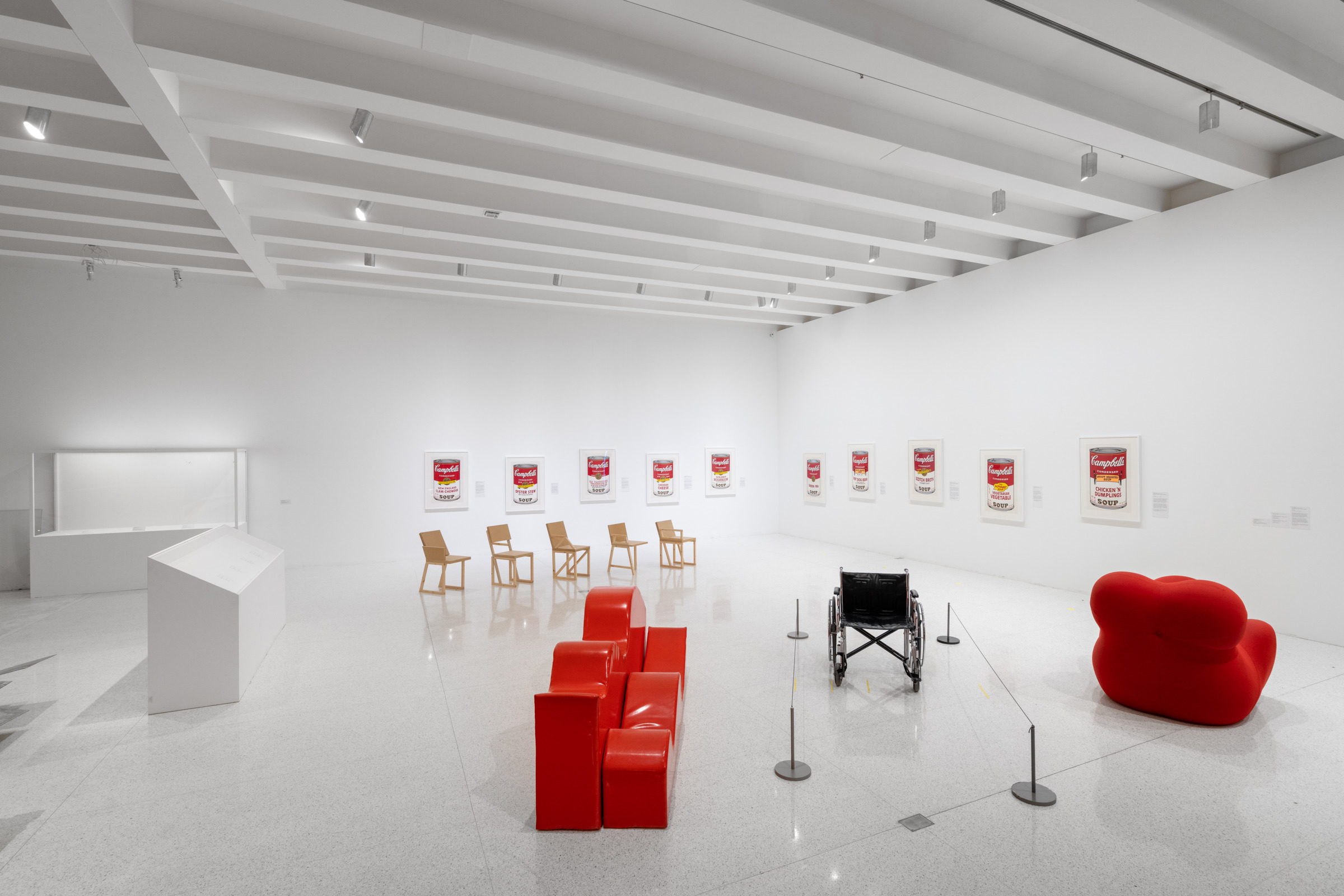
The Walker Art Center in Minneapolis developed a holistic, people-centered set of guidelines for accessible exhibition design, moving beyond legal ADA compliance. The project involved collaboration across curatorial departments, artists, d/Deaf and disabled staff and community members, and the Institute for Human Centered Design (IHCD). The guidelines were created in three stages: identifying the need, drafting and revising, and implementing, with strategies including cross-departmental working groups, targeted interventions for bottlenecks, shared terminology, and embodied learning for staff.

When a Palestinian Artist Asserts Her Own Humanity

Palestinian artist Basma al-Sharif faced a coordinated smear campaign and threats after being invited to screen her film "Morgenkreis" at the Kunstakademie Düsseldorf. The controversy erupted not over the film's content, but over her social media posts referencing Palestinian resistance and historical injustices, leading to demands from public officials and advocacy groups to cancel the event.

Thai Art Center Censors Exhibition After “Pressure” From China

The Bangkok Art and Culture Center (BACC) censored an exhibition titled 'Constellation of Complicity: Visualising the Global Machinery of Authoritarian Solidarity' after pressure from the Chinese Embassy in Thailand. Works by artists from Hong Kong, Tibet, and the Uyghur diaspora were blacked out or removed to avoid 'diplomatic tensions between Thailand and China.' The curators fled the country after Chinese officials and Thai police visited the museum. Affected artists include Doc Tenzin, Mukaddas Mijit, Clara Cheung, and Gun Cheng Yee Man, whose names were blacked out, along with Tibetan and Uyghur flags and a graphic comparing China to Israel.

Walters’ Latin American art exhibit lost $70K in Trump cuts. It’s opening anyway.

The Walters Art Museum in Baltimore is opening its inaugural installation of Latin American art despite losing $70,000 in federal funding due to cuts by the Trump administration. The lost funds represented 6% of the $1,160,000 installation cost, and the museum had little opportunity to raise replacement money. The exhibition features an earthenware burial urn and other works, proceeding as planned despite the financial shortfall.

Cultural Cities at the Heart of New Municipal Conquests

Villes culturelles, au cœur des nouvelles conquêtes municipales

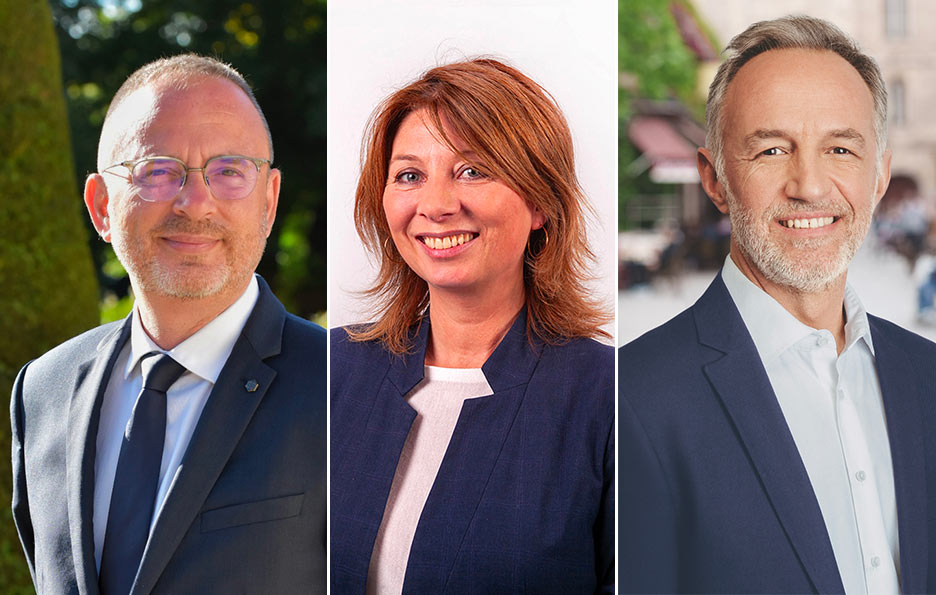
Municipal elections across France have resulted in a wave of new and re-elected mayors, many of whom campaigned on strong cultural platforms. Key victories include Emmanuel Grégoire in Paris, Catherine Trautmann in Strasbourg, Grégory Doucet in Lyon, Yann Galut in Bourges, and Arnaud Deslandes in Lille, each outlining specific cultural visions ranging from continuity and private-public partnerships to fostering urban and street culture.