filter_list Showing 48 results for "Diplo" close Clear
search
dashboard All 384 museum exhibitions 161article news 105article policy 48gavel restitution 24person people 12trending_up market 12article culture 10article local 7rate_review review 3candle obituary 1article event 1
date_range Range Today This Week This Month All
Subscribe

Participating Artists and Curators Push Back on Venice Biennale’s Relocation of Israeli Pavilion, Call for Exclusion of Russia, Israel, and US

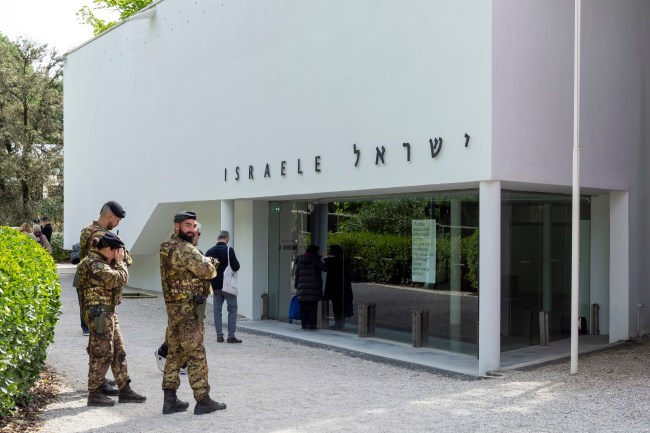
Seventy-three artists and curators participating in the main exhibition of the 2024 Venice Biennale have issued an open letter objecting to the organizers' decision to relocate the Israeli national pavilion to the Arsenale. They argue this move creates an intimidating atmosphere contrary to the late curator Koyo Kouoh's vision of "radical solidarity" and will necessitate a heightened security presence. The signatories, which include key curators tasked with realizing Kouoh's exhibition, also call for the exclusion of Israel, Russia, and the United States from the event, citing their governments' alleged commission of war crimes.
European Ministers Call on Venice Biennale to Exclude Russia

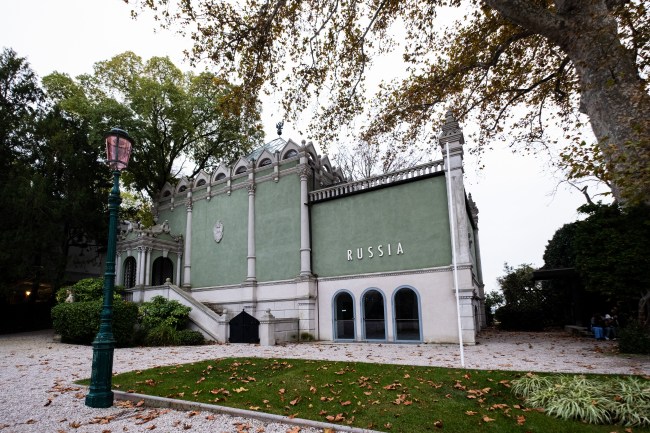
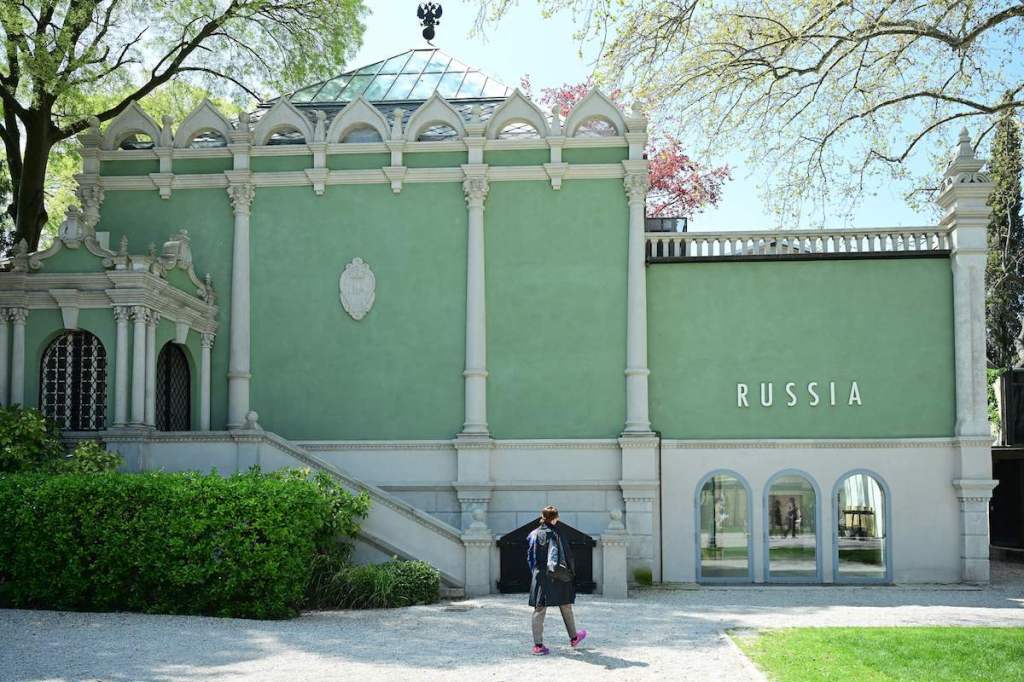
Twenty-two European ministers, led by Latvia's Minister of Culture Agnese Līce, have signed a joint letter calling for Russia to be barred from the 61st Venice Biennale. The ministers argue that Russia's planned participation, following its voluntary absence since the 2022 invasion of Ukraine, would misuse a major cultural platform to legitimize military aggression and undermine international sanctions.

venice biennale neutrality national pavilions russia israel

The Venice Biennale is facing intense international backlash following its decision to allow Russia to return for the 2026 edition after a hiatus caused by the invasion of Ukraine. High-ranking politicians from 22 European nations, along with thousands of artists and curators, have signed open letters condemning the move as a platform for state-directed cultural diplomacy and war-crime whitewashing. The Biennale has defended its stance by claiming a policy of non-censorship, asserting that it accepts any nation recognized by the Italian government.

venice biennale russia pavilion eu funding

The European Union has threatened to withdraw a €2 million grant from the Venice Biennale following Russia's decision to return to the international exhibition for its 61st edition. The EU Commission warned that providing a platform for a Russian national pavilion risks legitimizing figures connected to the Kremlin and violating sanctions, while Biennale organizers have defended the move as a commitment to artistic freedom and a rejection of censorship.

museo reina sofia israeli flags tourists incident

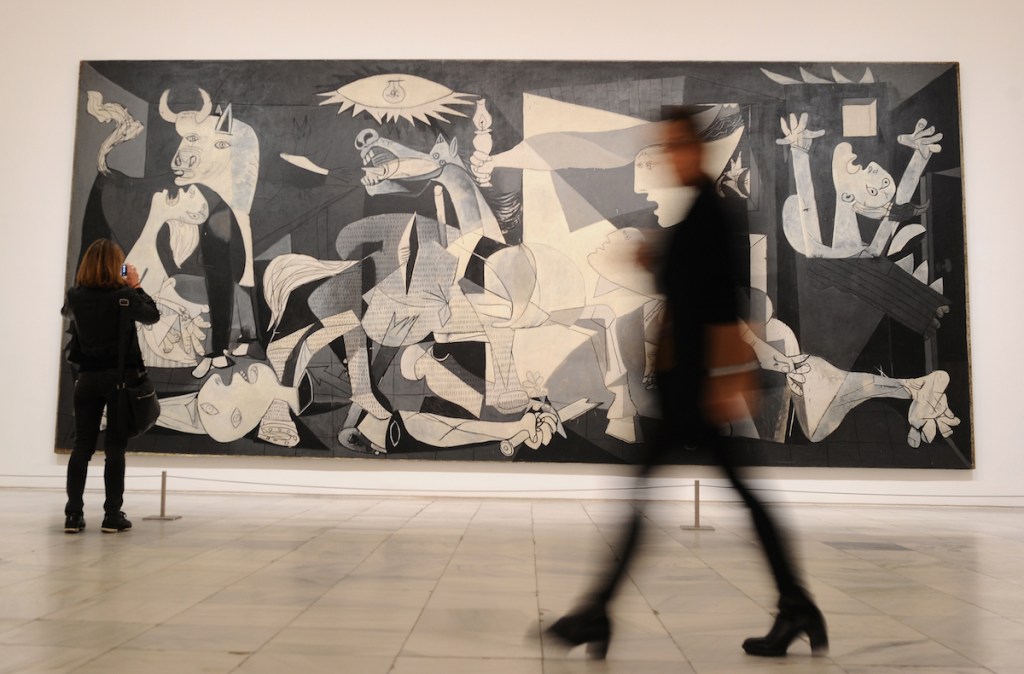
The Museo Reina Sofía in Madrid is seeking an investigation after security officers removed three visitors displaying Stars of David and an Israeli flag from the museum. Video of the incident, published by a conservative Spanish outlet, went viral, showing officers stating other visitors were "bothered" by the symbols. The museum has stated it is investigating the actions of its security team.

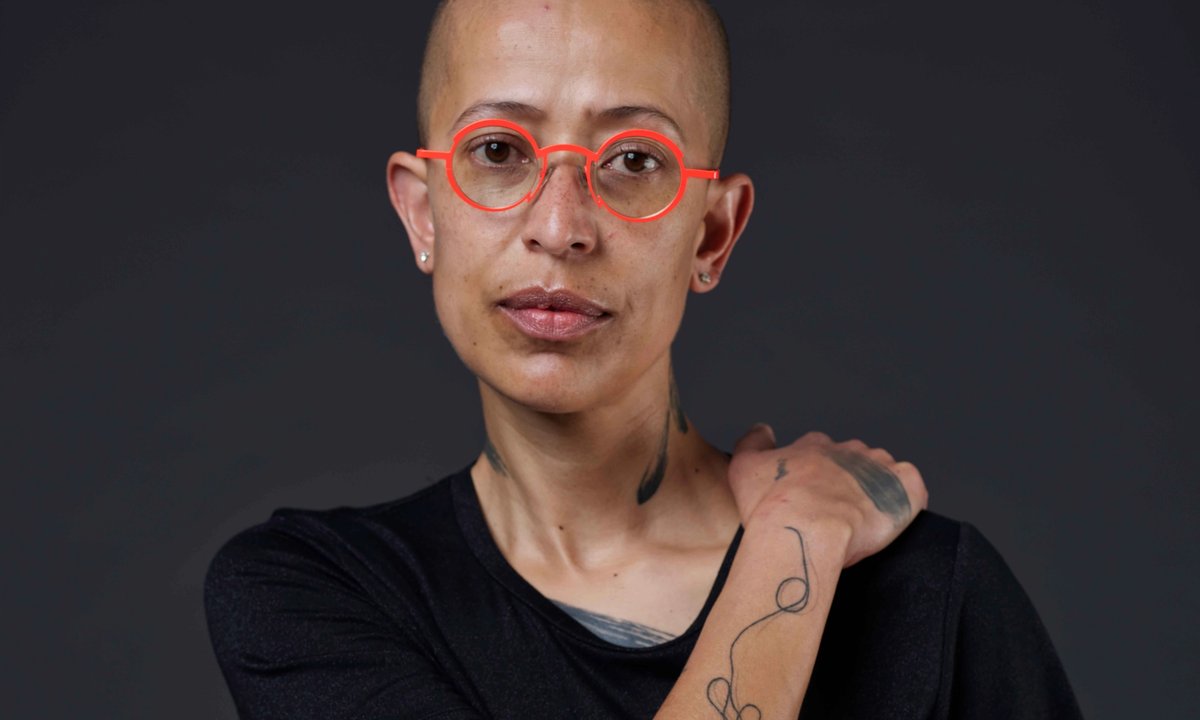
south africa cancels gabrielle goliath gaza venice biennale

South Africa selected a work by artist Gabrielle Goliath for its Venice Biennale pavilion, then rescinded the decision on January 2, just eight days before the finalization deadline. The culture ministry, led by Minister Gayton McKenzie, objected to a section of Goliath's "Elegy" series that included words by Palestinian poet Hiba Abu Nada, who was killed in an Israeli airstrike in 2023. The pavilion's selection committee publicly disagreed with the cancellation, calling it censorship and highlighting a history of mismanagement.

cancelled nea grants for underserved audiences

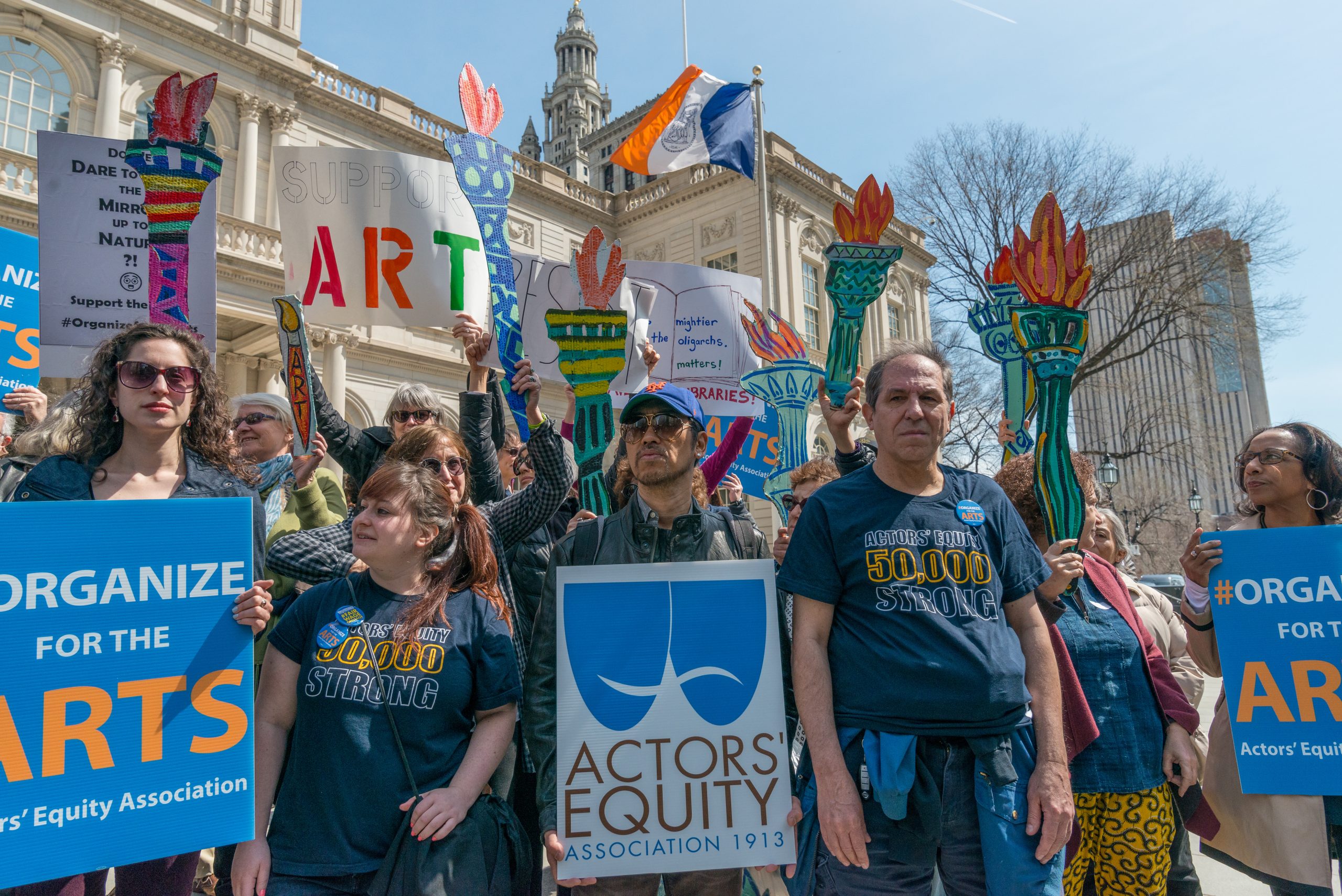
The National Endowment for the Arts (NEA) has updated its 2026 fiscal year grant guidelines, cancelling the Challenge America grants that targeted underserved communities and replacing them with a focus on projects celebrating the 250th anniversary of the United States (America250). The changes, announced in response to executive orders by President Donald Trump, eliminate DEI-related funding and require applicants to have a five-year history of arts programming. Organizations that had applied for the $10,000 Challenge America grants must now resubmit under the broader Grants for Arts Projects category, with extended deadlines.

smithsonian teams up with saudi arabias alula project

The Smithsonian’s National Museum of Asian Art (NMAA) has signed a formal partnership agreement with Saudi Arabia’s Royal Commission for AlUla (RCU), formalizing two years of behind-the-scenes collaboration. Signed by NMAA director Chase Robinson and RCU chief executive Abeer Al Akel, the deal covers joint archaeological research, exhibition loans, curatorial exchange, and professional development, with a focus on the ancient site of Dadan, a key stop on the Incense Road. The partnership is part of Saudi Arabia’s Vision 2030 plan to rebrand the kingdom as a global cultural destination.

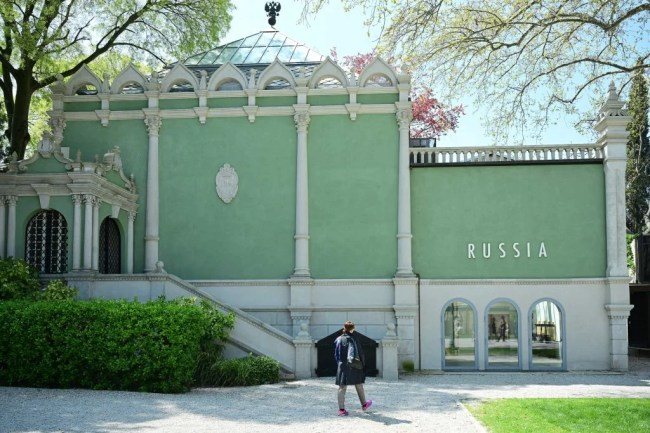
The Politics of Russia’s Return to the Venice Biennale

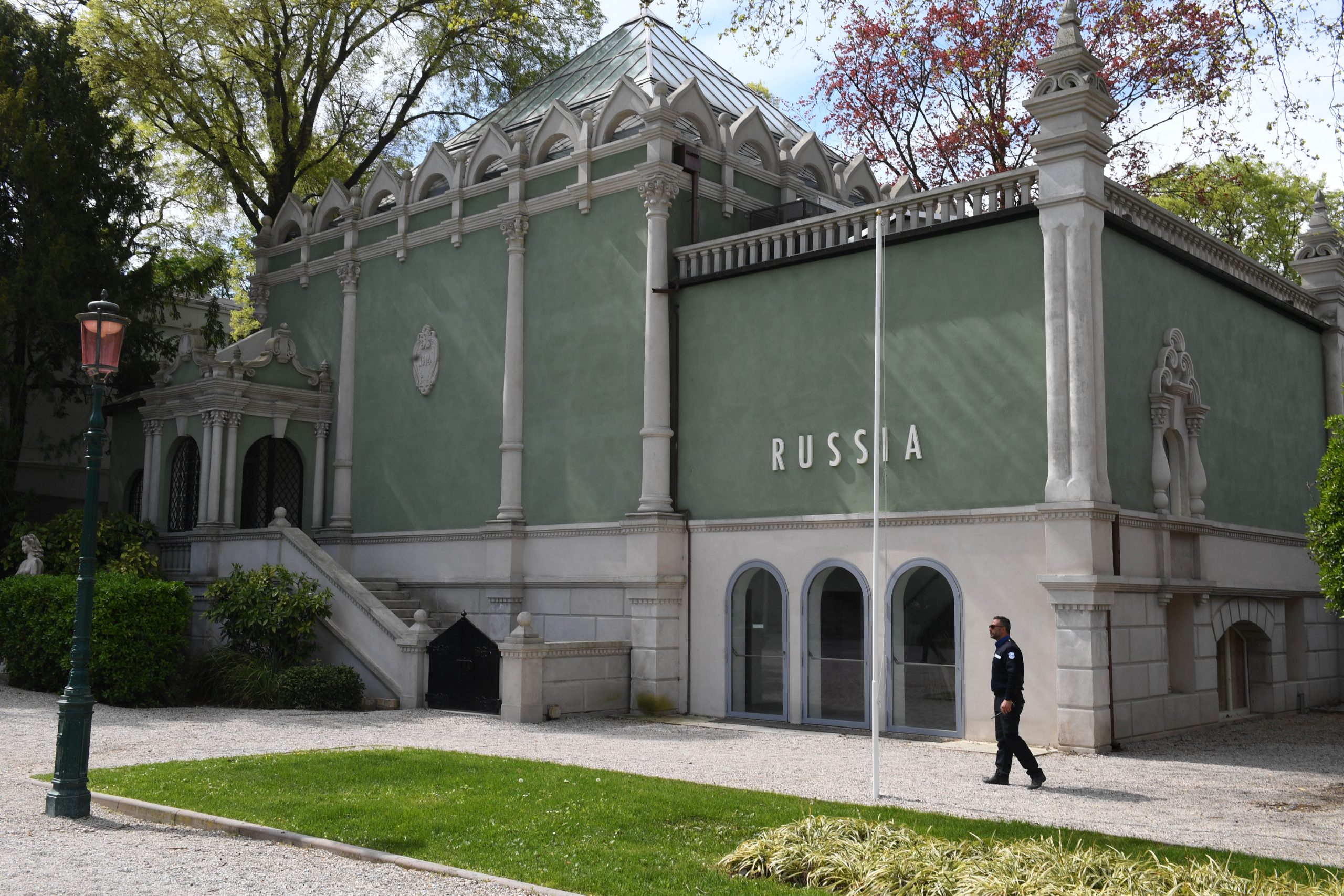
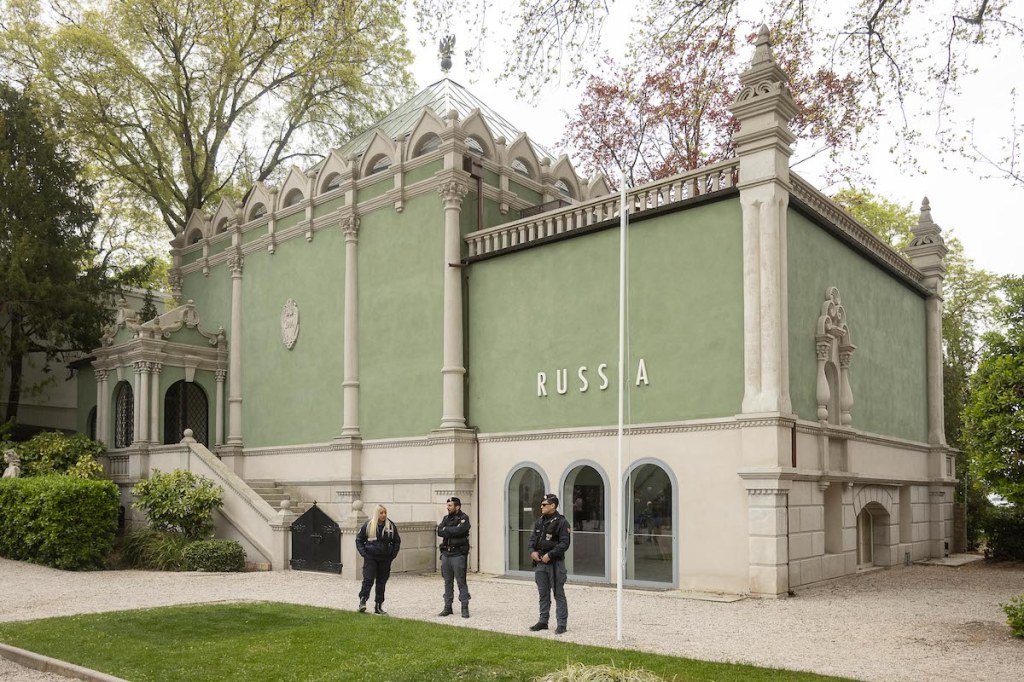
Russia has announced its intention to return to the Venice Biennale in 2026, marking its first participation since the full-scale invasion of Ukraine in 2022. The proposed pavilion, titled "The Tree is Rooted in the Sky," plans to feature 38 participants from Russia and several Global South nations. The announcement has sparked intense backlash from the European Commission and culture ministers across 22 countries, who argue that Russia’s presence undermines democratic values and serves as a tool for "dark cultural diplomacy."

La Tour Eiffel aux enchères

The French Senate has definitively adopted a law on the restitution of cultural property looted during the colonial period, marking a major legislative step in France's approach to colonial-era artifacts. The law establishes a legal framework for returning objects held in French public collections to their countries of origin, potentially affecting thousands of items in museums across the country.

More than 200 cultural figures sign statement criticising international response to destruction of Iran’s heritage

More than 200 international scholars and cultural heritage professionals have signed a joint statement condemning the United States and Israel for inflicting "irreversible damage" on Iran’s cultural heritage. The group, which includes academics from leading global institutions, alleges that recent military strikes have damaged over 130 UNESCO-registered monuments and museums, including the Senate Palace in Tehran and sites in Isfahan. They argue these actions violate the 1954 Hague Convention and criticize international bodies like UNESCO for failing to issue a sufficiently forceful response.

british museum lending program

The British Museum has launched a new long-term lending program, transferring some 80 Greek and Egyptian antiquities to the Chhatrapati Shivaji Maharaj Vastu Sangrahalaya (CSMVS) in Mumbai, India, for a three-year exhibition. Director Nicholas Cullinan presented the initiative as a collaborative alternative to the contentious debate over repatriation, aiming to share artifacts with former British colonies without permanently deaccessioning them. The loans are part of a 15-year partnership between the two museums, and Cullinan has signaled plans to negotiate similar arrangements with China, Nigeria, and Ghana.

spain acknowledgement injustice pain colonization mexico

Spanish foreign minister José Manuel Albares inaugurated an exhibition titled “Half the World: Women in Indigenous Mexico” at the Cervantes Institute in Madrid, featuring over 400 works on loan from the Mexican government. At the press conference, Albares acknowledged that Spain's colonization of Mexico caused “pain and injustice” toward indigenous peoples, but stopped short of issuing a full apology. This follows a 2019 letter from former Mexican President Andrés Manuel López Obrador demanding an apology from Spain and the Catholic Church for the conquest, which Spain rejected. Current Mexican President Claudia Sheinbaum has reiterated the demand, calling the original letter “very diplomatic” and criticizing Spain's response as “undiplomatic.”

south korea president orders major arts investment

South Korea President Yoon Suk-yeol has announced a $3.7 billion fund to support film, TV, art, and cultural projects, along with plans to transform the historic presidential residence Cheong Wa Dae (Blue House) into a cultural complex modeled after France's Palace of Versailles. The initiative aims to boost the country's cultural sector ahead of major art events including Frieze Seoul, Kiaf fairs, and the Busan Biennale. President Yoon also directed that state-owned art collections, including 23,000 works from the late Samsung Group chair Lee Kun-hee, be made accessible through nationwide tours, and that government art purchases prioritize works by disabled and emerging artists.

Foreign Office Reprimands Goethe-Institut for Exhibition

Auswärtiges Amt rügt Goethe-Institut für Ausstellung

The German Foreign Office has formally reprimanded the Goethe-Institut for its involvement in an exhibition in Vilnius, Lithuania, featuring Palestinian-American artist Basma al-Sharif. The ministry stated that events organized by German cultural intermediaries must leave no doubt about the government's firm rejection of antisemitism and hatred of Israel, and demanded greater care in planning and conceptualizing such events with partners. The exhibition, "Bells and Cannons - Contemporary Art in Times of Militarization," was a collaboration between the Goethe-Institut Vilnius, the Contemporary Art Centre Vilnius, and the Berlin Academy of Arts.

European Commission Tells Venice Biennale to Ditch Russian Pavilion

The European Commission has formally accused the Venice Biennale of violating EU sanctions against Russia by planning to reopen the Russian Pavilion for the 2026 edition. In a letter to the Biennale's president, the Commission argues that hosting a government-funded national pavilion constitutes accepting indirect support from the Russian state during its ongoing war in Ukraine. The organization has threatened to withhold a $2.3 million grant intended for the 2028 edition unless the Biennale addresses these concerns by May 11.

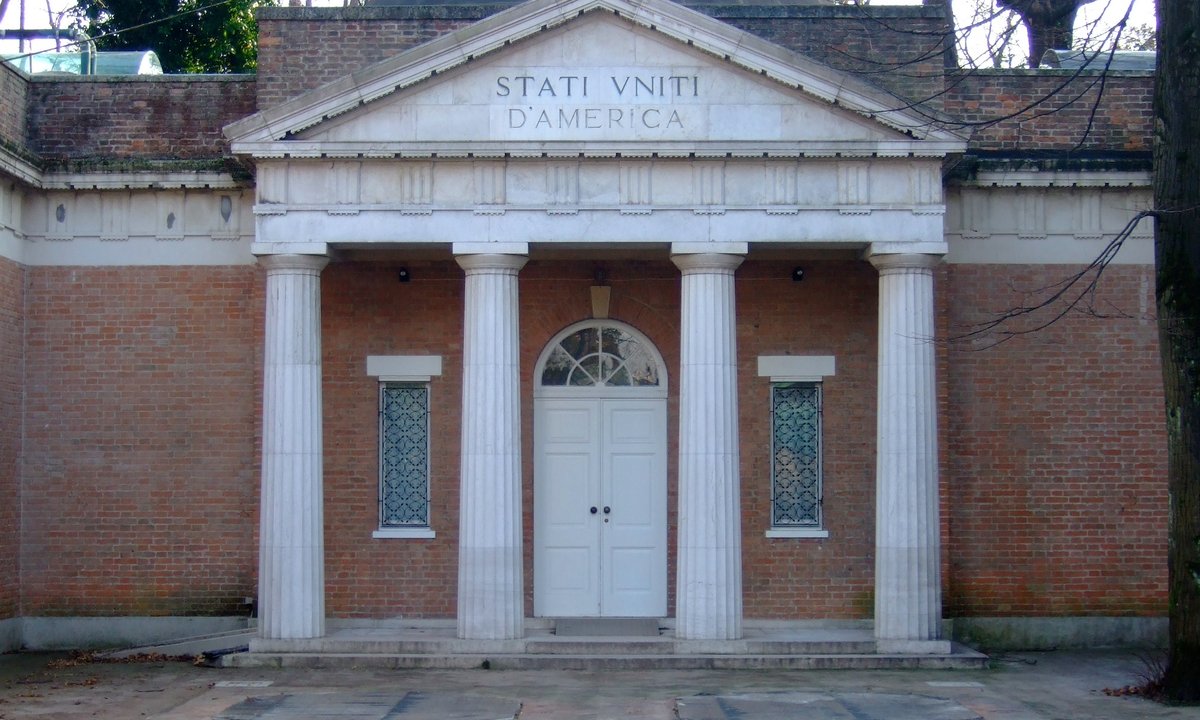
Alma Allen’s US Pavilion Heads to Venice Amid Questions Over Selection Process

The selection of Alma Allen to represent the United States at the 2026 Venice Biennale has ignited controversy over the process. The U.S. State Department abandoned its traditional selection model, which involved a panel of experts convened by the National Endowment for the Arts, and instead handed control to a new nonprofit, the American Arts Conservancy, led by individuals with little museum experience. This shift has drawn criticism from prominent figures in the art world, with some artists declining to participate due to concerns over the political context and unfamiliar leadership.

South Africa pavilion will be empty at 2026 Venice Biennale, culture ministry says

South Africa will not host a national pavilion at the 2026 Venice Biennale following a legal battle between the country’s Department of Sports, Arts and Culture (DSAC) and artist Gabrielle Goliath. The conflict began when Culture Minister Gayton McKenzie labeled Goliath’s planned project, which addressed violence in Gaza, as "highly divisive" and cancelled the exhibition after she refused to alter the content. A South African high court recently dismissed Goliath’s urgent application to overturn the cancellation, leading the government to abandon its participation in the prestigious international event entirely.

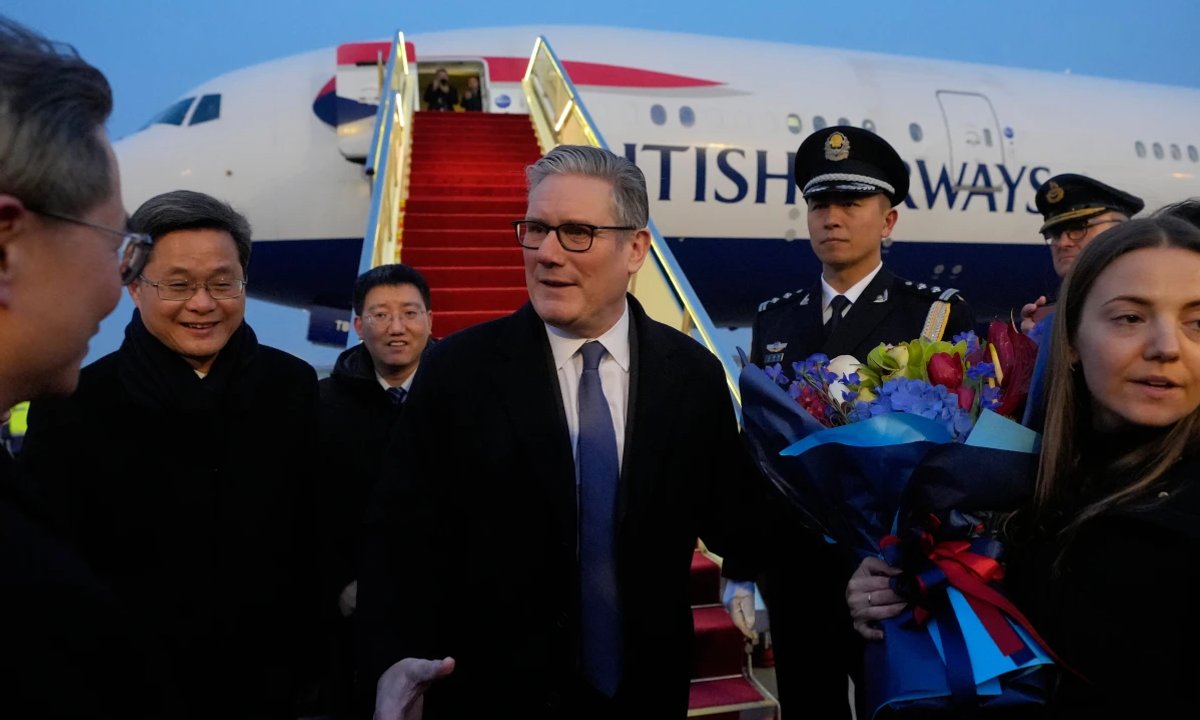
UK museum directors join prime minister on diplomatic mission to China

A delegation of senior UK museum directors, including Tim Reeve of the Victoria and Albert Museum, Doug Gurr of the Natural History Museum, Keith Merrin of North East Museums, Sara Wajid of Birmingham Museums Trust, and Laura Pye of National Museums Liverpool, accompanied Prime Minister Keir Starmer on a three-day diplomatic and trade mission to China. The trip aimed to strengthen bilateral relations, with the museum leaders highlighting existing partnerships and exploring new opportunities for cultural exchange and commercial collaboration in the Chinese market.

Venice Biennale Breaks No Sanctions Over Russia Pavilion

venice biennale no sanctions broken russia pavilion

The Venice Biennale organizers have reaffirmed their decision to allow Russia to participate in the upcoming exhibition, despite intense pressure from the European Commission and Italy’s own Culture Minister, Alessandro Giuli. The Biennale maintains that it has fully complied with all international sanctions and that its mission is to reject censorship while providing a platform for artistic freedom. This stance has been bolstered by Italian Deputy Premier Matteo Salvini, who argued against "Russophobia" and stated that culture should serve as a bridge rather than a tool for division.

gabrielle goliath legal action south africa venice pavilion

Artist Gabrielle Goliath and curator Ingrid Masondo are filing a court case against South African culture minister Gayton McKenzie after he canceled their planned pavilion for the Venice Biennale. McKenzie objected to a performance from Goliath's "Elegy" series that would address Israel’s war in Gaza, calling it "polarizing," a move Goliath described as censorship. McKenzie later attributed the cancellation to alleged interference by an unnamed foreign nation, with reports suggesting Qatar was involved, though the Qatar Museums ultimately did not purchase the work. The application, to be filed in the South African high court in Pretoria, seeks to have McKenzie's actions declared unconstitutional.

south african culture mp denies censoring venice pavilion

The South African Ministry of Sport, Arts, and Culture has denied censoring its 2026 Venice Biennale pavilion after canceling a proposed artwork by artist Gabrielle Goliath on December 2. The work, part of Goliath's "Elegy" series curated by Ingrid Masondo, addressed sexual assault, femicide, the killings of women and queer people in South Africa, colonial-era genocide in Namibia, and included a tribute to Palestinian poet Hiba Abu Nada. Culture minister Gayton McKenzie initially called the piece "highly divisive" and linked to a polarizing international conflict, but a January 10 statement reframed the cancellation as a safeguard against foreign interference, alleging a foreign country attempted to fund or purchase the work to use the pavilion as a proxy for a geopolitical message about Israel's actions in Gaza.

US participation in 2026 Venice Biennale in limbo amid Trump's arts defunding

The United States' participation in the 2026 Venice Biennale is in jeopardy due to the Trump administration's campaign to defund the arts. According to a Vanity Fair report by Nate Freeman, the US government's preparation is behind schedule, with the typical 18-month planning timeline now reduced to just 12 months before the opening. The National Endowment for the Arts (NEA) faces funding cuts, staff reductions, and a vacant position for coordinating biennale affairs, while the application process has been altered to emphasize "American values" and remove references to diversity, equity, and inclusion.

US-based dissident artist put on trial in China over satirical Mao sculptures, says rights group

Chinese dissident artist Gao Zhen, based in the US, has been tried in a closed-door court in China on charges of "defaming national heroes and martyrs" related to his satirical sculptures of former leader Mao Zedong. The one-day trial concluded without a verdict, and the artist faces up to three years in prison. His wife and young son, both US citizens, are under exit bans and unable to leave China.

Italian Culture Minister Launches Inspection of Venice Biennale’s Russian Pavilion

Italian Culture Minister Alessandro Giuli has launched an official inspection of the Russian Pavilion at the 61st Venice Biennale, just days before the exhibition opens. An inspector has been sent to Venice to review all documentation related to Russia's participation, focusing on potential irregularities such as visa issues for Russian artists and delegation members. The investigation follows the Biennale's international jury decision to exclude Russia and Israel from awards due to accusations of crimes against humanity. The Russian Pavilion will be open only during the pre-opening vernissage, after which it will close, with digital documentation displayed in its windows.

European Commission Tells Venice Biennale to ‘Clear Its Name’ Regarding Russian Pavilion or Risk Losing $2.3 M. Grant for 2028

The European Commission has issued a 30-day ultimatum to the Venice Biennale, threatening to withdraw a €2 million ($2.3 million) grant for the 2028 edition unless the organization addresses concerns regarding the Russian Pavilion's inclusion in 2026. The Commission alleges that hosting a government-funded delegation violates EU sanctions and provides a cultural platform for Russian state interests amidst the ongoing war in Ukraine. The Biennale's president, Pietrangelo Buttafuoco, must respond by May 11, just two days after the exhibition's public opening.

Ukraine Sanctions Russian Culture Figures Linked to Country’s Participation in Venice Biennale

Ukrainian President Volodymyr Zelenskyy has issued a decree imposing sanctions on five Russian cultural figures involved in the Russian Pavilion for the 2026 Venice Biennale. The sanctioned individuals include pavilion commissioner Anastasia Karneeva, former culture minister Mikhail Shvydkoy, and three performers from the Intrada Ensemble. Ukrainian officials argue that these figures use international art platforms to legitimize Russian aggression and spread state propaganda, specifically citing past activities in occupied territories like Crimea and Donetsk.

state department report biden paintings gifts

The U.S. State Department's annual report on gifts to senior officials revealed that former President Joe Biden received a painting valued at $19,000 from Angolan President João Lourenço in 2024. The artwork, titled *Marimba*, was created by self-taught Angolan painter Augusto Guizef Guilherme. Other officials, including former Vice President Kamala Harris, also received various artworks from foreign leaders, all of which were subsequently transferred to the National Archives.

french senate passes colonial art bill

The French Senate has unanimously passed a bill to streamline the process of returning artworks and artifacts looted from former colonies during the colonial era. The legislation, which now moves to the National Assembly for final approval, specifically targets items acquired between 1815 and 1972, aiming to remove legal hurdles that have previously required a separate parliamentary vote for each object's restitution.

trump to withdraw us from unesco for second time

President Donald Trump has announced the United States will withdraw from UNESCO for the second time, effective at the end of 2026. The State Department cited the organization's focus on "divisive social and cultural causes" and its alignment with the UN's Sustainable Development Goals as contrary to America First foreign policy, as well as "anti-Israel rhetoric" within UNESCO. This follows a pattern of Trump pulling the US from multilateral bodies, including the UN Human Rights Council and the World Health Organization, and continues a fraught history: the US stopped funding UNESCO under Obama over Palestine's membership, left in 2017 under Trump, and rejoined under Biden in 2023.