filter_list Showing 8 results for "PTI" close Clear
search
dashboard All 222 museum exhibitions 117article local 40article culture 19trending_up market 14article news 11article policy 8rate_review review 6candle obituary 4person people 3
date_range Range Today This Week This Month All
Subscribe

Paris Judge Rejects Bid to Suspend the Replacement of Notre-Dame’s Windows

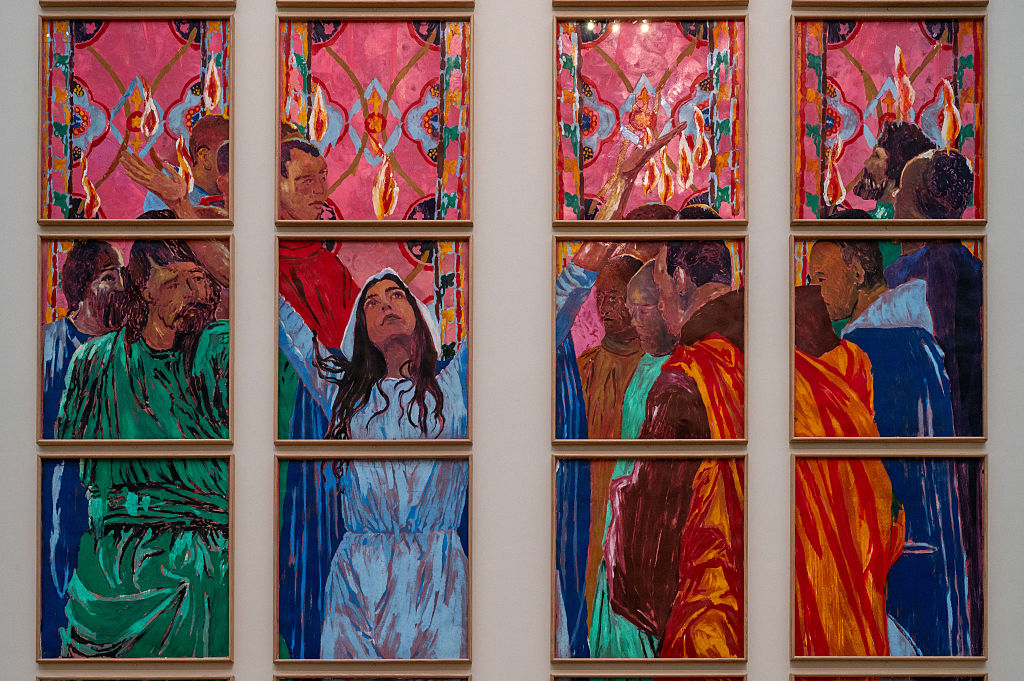
A Paris judge has rejected a bid to suspend the removal of six 19th-century stained-glass windows by Eugène Viollet-le-Duc from Notre-Dame Cathedral, clearing the way for their replacement with contemporary works commissioned by the French government. The Paris Administrative Court ruled that the project does not constitute an irreversible alteration because the new windows, designed by artist Claire Tabouret and produced by glassmakers Simon-Marq, could be removed in the future, and the original windows will be preserved. The judge did not rule on the legality of the project, which had previously been vetoed by the National Commission of Patrimony and Architecture, leaving the door open for further legal challenges.
If fashion is art, why doesn’t CNZ fund it?

Creative New Zealand (CNZ) explicitly states on its website that it does not fund fashion design, classifying it as primarily part of the commercial creative industries. The article highlights the contradiction that while major institutions like The Dowse Art Museum, Auckland Art Gallery, and World of WearableArt treat fashion as art, CNZ denies funding to fashion designers, with rare exceptions for non-commercial, cross-cultural, or collaborative projects. Fashion designer Doris de Pont, founder of The New Zealand Fashion Museum, notes that even when her trust received CNZ support, it was for the art connection, not the fashion itself.

PRESS RELEASE: OK Arts Council announces historic gift of artworks for the Oklahoma State Art Collection

The Oklahoma Arts Council has announced a historic gift of artworks for the Oklahoma State Art Collection. The donation, described as one of the largest in the collection's history, includes a significant number of works by Oklahoma artists and will be formally added to the state's holdings.

Sachsen-Anhalt schützt Kunst und Kultur per neuem Gesetz

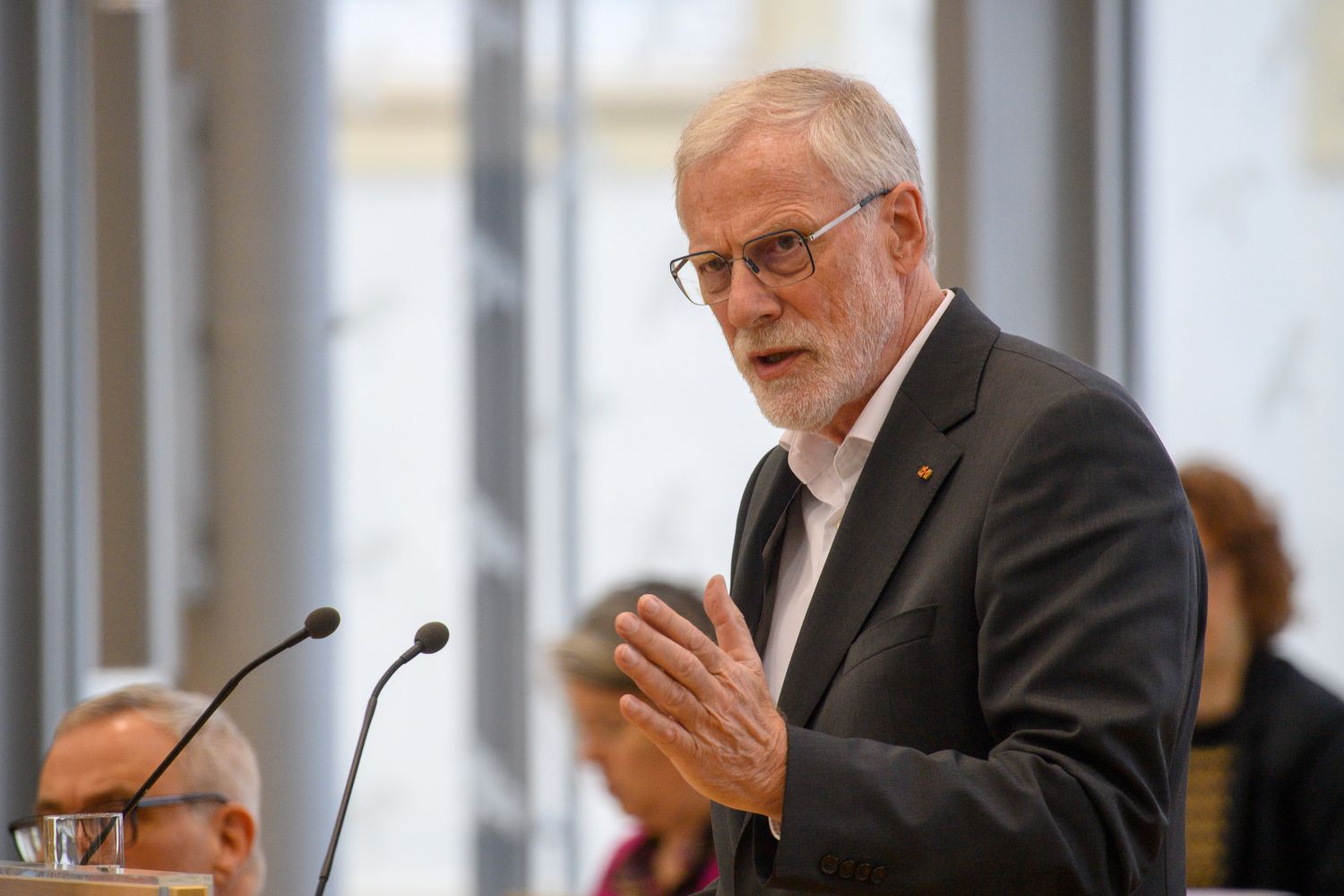
Sachsen-Anhalt has enshrined support for art and culture as a state objective in a new law, passed by the state parliament in Magdeburg with the exception of the AfD faction, which abstained. Culture Minister Rainer Robra (CDU) framed the law as fulfilling a promise from 1989, defining what constitutes art and culture in the state, including their roles in education and as an economic factor, and aiming to make cultural structures resilient against future attacks on artistic freedom.

La loi sur les restitutions des biens culturels pillés pendant la colonisation définitivement adoptée

The French Parliament has definitively adopted a permanent law on the restitution of cultural property looted during colonization, replacing the previous case-by-case legislative approach. The Senate unanimously approved the final text on May 7, 2026, following agreement in a joint committee on April 30, and the National Assembly had approved it the day before. The law creates a general derogation from the principle of inalienability of public collections, establishing a bilateral scientific committee to examine provenance, with final decisions made by decree of the Council of State. Key amendments from the National Assembly—including binding parliamentary votes on restitution and conditions on conservation and public access—were removed by the joint committee to avoid perceptions of neocolonial tutelage.

Why Italy's cultural wealth never really enters public accounts and budgets?

Perché la ricchezza culturale italiana non entra mai davvero nei conti e nei bilanci pubblici?

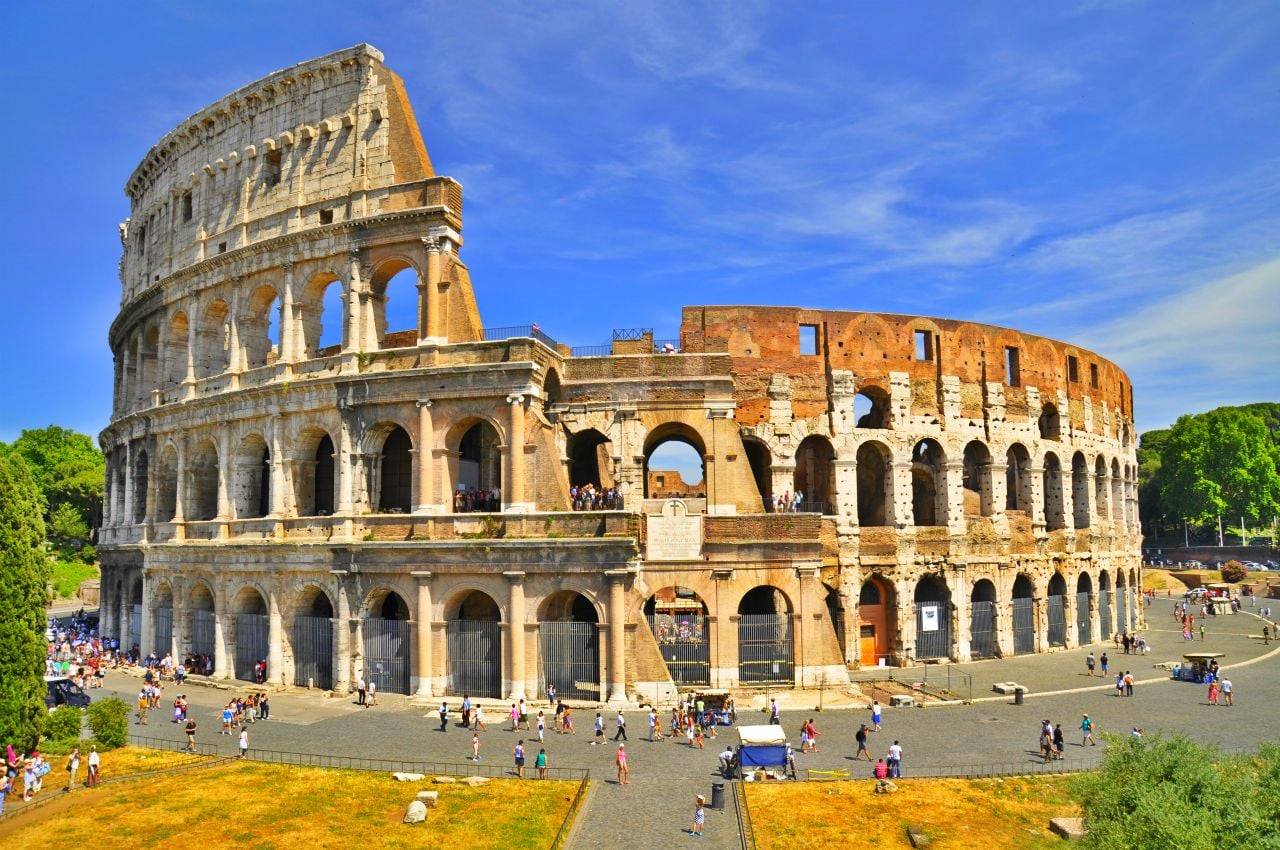
Italy has exceeded the European Commission's structural adjustment path by 0.1 percentage points of GDP, reopening fiscal scrutiny. Amid this debate, the article highlights a deeper issue: Italy's immense cultural heritage is drastically undervalued in public accounts. For example, the Pompeii Archaeological Park is recorded at just €48.9 million, the Colosseum at under €15 million, and the Uffizi at about €2 billion—figures based on outdated 2002 ministerial criteria that bear no relation to actual economic or cultural worth. The State General Accounting Office, with the University of Roma Tre and EU technical assistance, has proposed a new methodology to value cultural assets by discounting their future net financial flows, including direct revenues and indirect tourism-related returns.

Is Museum Wall Text the Next Political Battleground?

The Smithsonian Institution has altered or removed interpretive wall text that accompanies artworks on display, according to a New York Times report. Critics argue these changes amount to self-censorship, suggesting the institution is bowing to political pressure by softening or eliminating contextual language that could be seen as controversial.

Sign Language to Bring Art Exhibitions Closer... Ministry Invites Applications for Sign Language Video Production Institutions

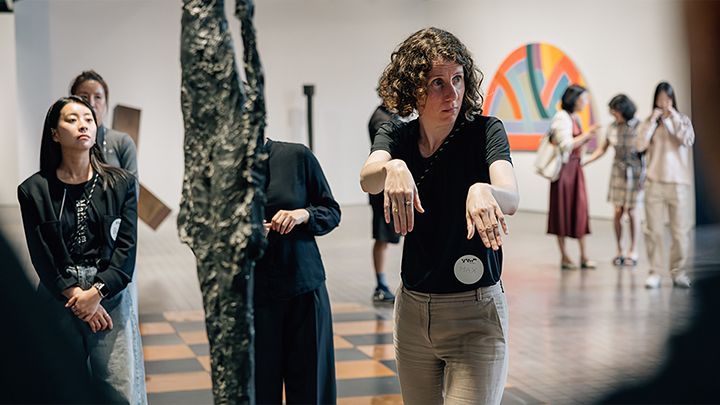
South Korea's Ministry of Culture, Sports and Tourism is accepting applications from ten institutions—including museums and art galleries—for its "2026 Exhibition Information Sign Language Video Production Support Project." Applications run from May 21 to June 12, with priority given to institutions offering permanent or long-term exhibitions. The ministry will evaluate regional balance, facility accessibility, video utilization potential, and exhibition suitability, and will survey the deaf community's viewing needs. The final list of selected institutions will be announced on June 22.