filter_list Showing 18 results for "Patr" close Clear
search
dashboard All 364 museum exhibitions 167article local 49article news 35article culture 28trending_up market 18article policy 18gavel restitution 18candle obituary 17rate_review review 9person people 5
date_range Range Today This Week This Month All
Subscribe

Paris Judge Rejects Bid to Suspend the Replacement of Notre-Dame’s Windows

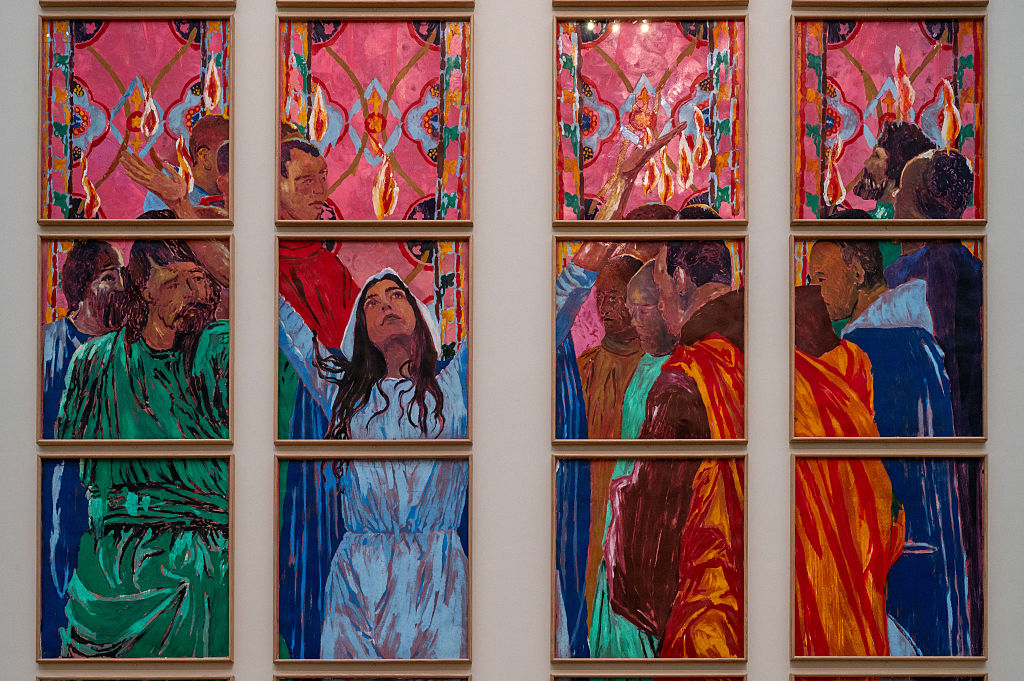
A Paris judge has rejected a bid to suspend the removal of six 19th-century stained-glass windows by Eugène Viollet-le-Duc from Notre-Dame Cathedral, clearing the way for their replacement with contemporary works commissioned by the French government. The Paris Administrative Court ruled that the project does not constitute an irreversible alteration because the new windows, designed by artist Claire Tabouret and produced by glassmakers Simon-Marq, could be removed in the future, and the original windows will be preserved. The judge did not rule on the legality of the project, which had previously been vetoed by the National Commission of Patrimony and Architecture, leaving the door open for further legal challenges.

America’s Finest Renaissance Tapestry Set for Major Restoration

The European Fine Art Foundation (TEFAF) has awarded its €25,000 Museum Restoration Fund to the Minneapolis Institute of Art (MIA) for the conservation of *The Meeting of Dante and Virgil*, a mid-16th century Italian Renaissance tapestry. This is the first time TEFAF has funded a tapestry restoration since the initiative began in 2012. The wool and silk tapestry, made between 1547 and 1549 by the Florentine workshop of Duke Cosimo I de’ Medici and designed by Francesco Salviati, depicts the opening scene of Dante’s *The Divine Comedy*. It is the only early Medici tapestry held by a public collection outside Italy, standing 17 feet tall and eight feet wide. Due to structural weaknesses and light sensitivity, it has been largely in storage for 70 years. Conservation work by the Midwest Art Conservation Center will include wet cleaning, stabilization, and partial reweaving, along with a new display system. The tapestry is scheduled to return to public view at MIA on July 11.

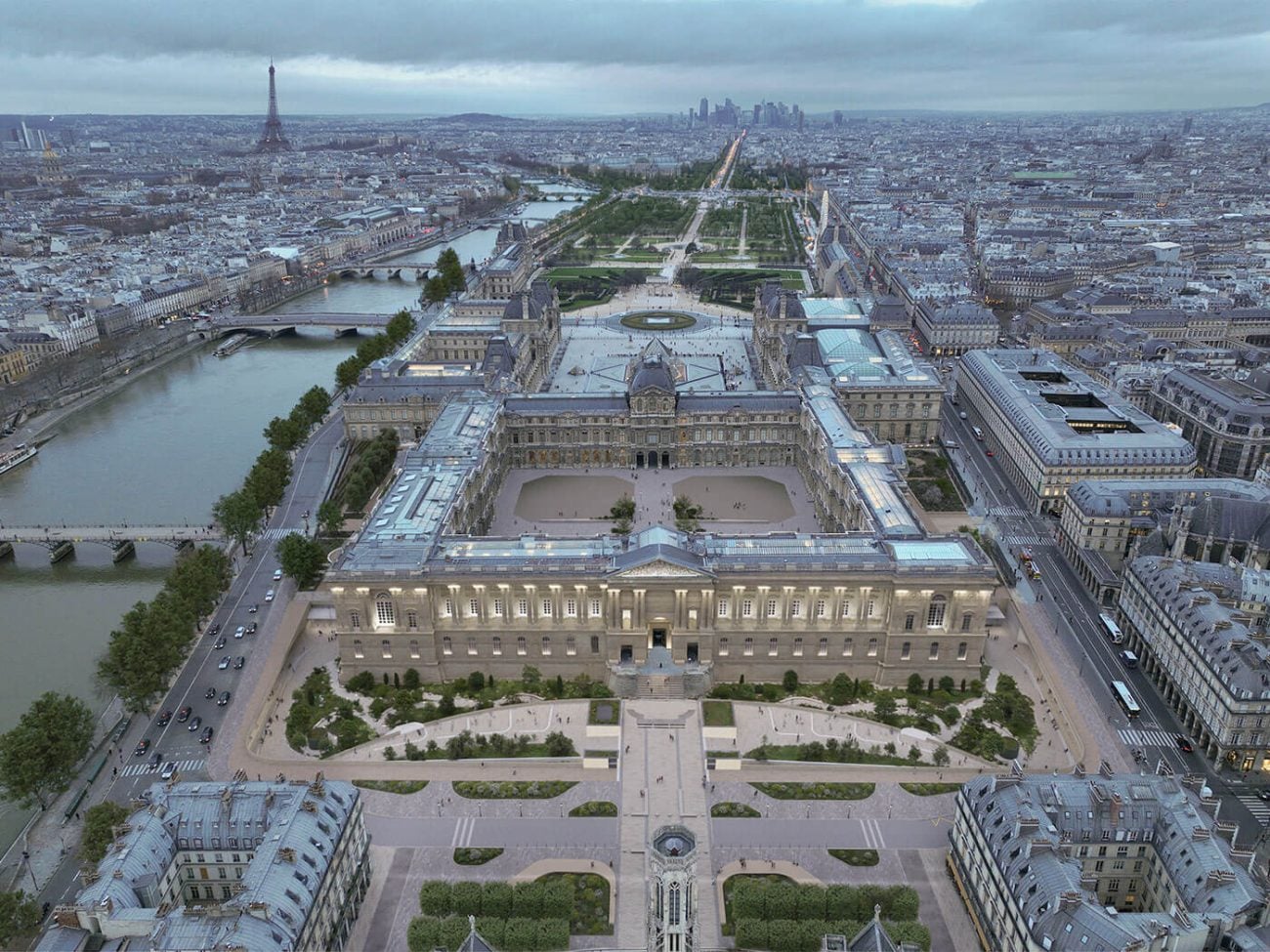
What will the future Louvre museum look like? The architects of the century's construction site have been chosen

À quoi ressemblera le futur musée du Louvre ? Les architectes du chantier du siècle désignés

On May 18, the French Ministry of Culture announced the winner of the international competition for the 'Louvre Nouvelle Renaissance' plan, championed by President Emmanuel Macron in January 2025. The winning consortium, led by Studios Architecture Paris and Selldorf Architects with landscape firm Base, will design a major renovation of the Louvre. The project includes a new entrance on the east side near Saint-Germain-l’Auxerrois to relieve congestion at the pyramid, a belvedere overlooking vegetated moats, and a new 3,000-square-meter gallery dedicated to the Mona Lisa. Construction is not expected to begin before 2028.

A New Landmark Survey Aims to Bring Transparency to Museum Collecting Practices

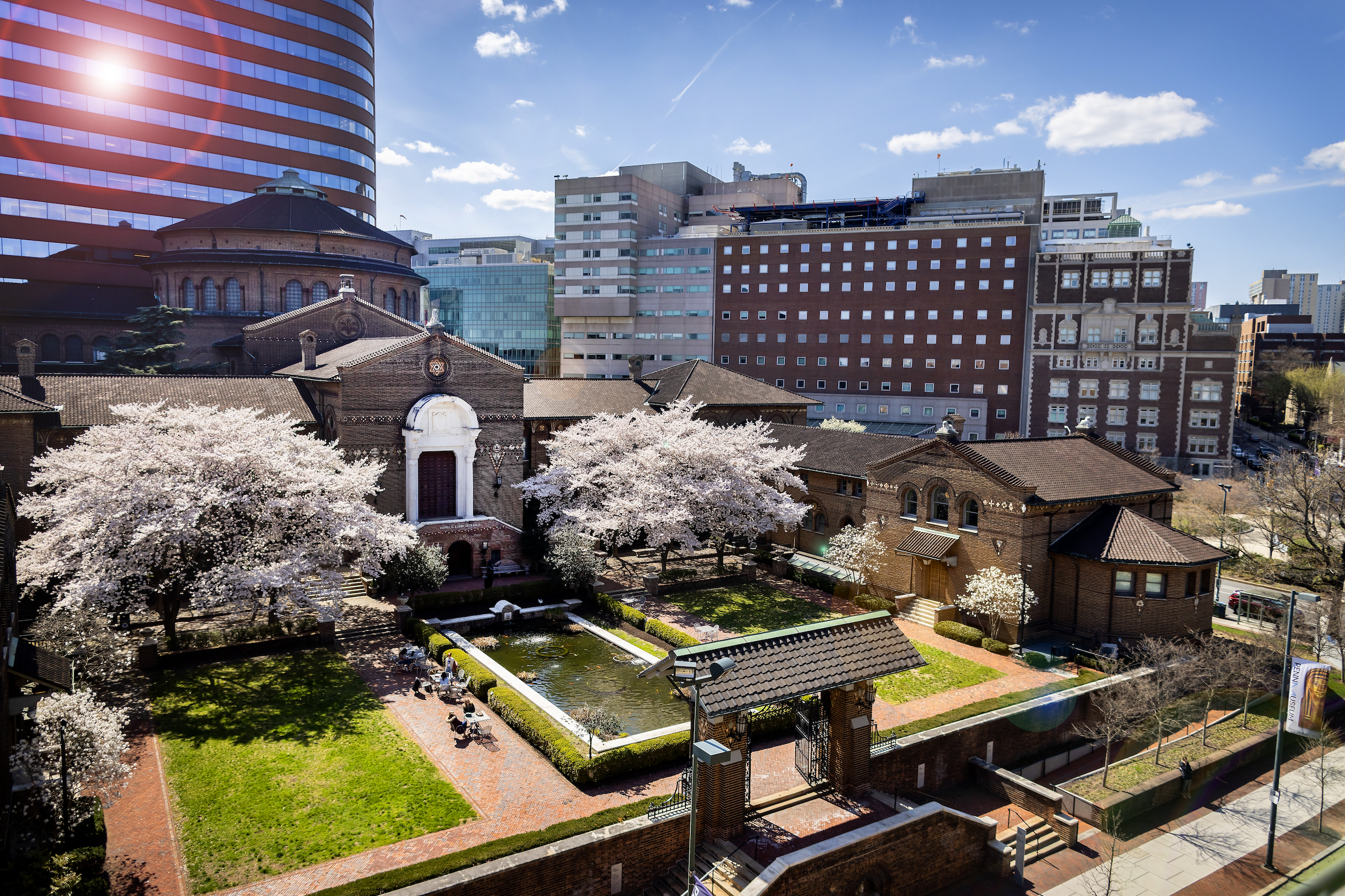
The Penn Cultural Heritage Center (PennCHC) at the University of Pennsylvania's Penn Museum will launch the National Survey of Museum Collecting Practices on May 20, running through August 20. This first-of-its-kind survey, part of the Museums: Missions and Acquisitions Project (M2A Project), will collect data on acquisitions, deaccessions, loans, provenance research, and policies from U.S. nonprofit museums and libraries. Results will be published in 2027, with only generalized insights to maintain anonymity.

Au Louvre, des directeurs de département entre responsabilités internes et rôle national

Maximilien Durand has been reappointed as head of the Department of Byzantine and Eastern Christian Arts at the Louvre Museum, a role that carries both internal museum responsibilities and national duties on behalf of the French state. Two decrees signed by Culture Minister Catherine Pégard formalize his renewal: one as head of the museum department, and another as head of the corresponding major heritage department, a status held by only nine of the Louvre's departments.

Sainsbury Centre Receives £91.2 Million Donation for Refurbishments

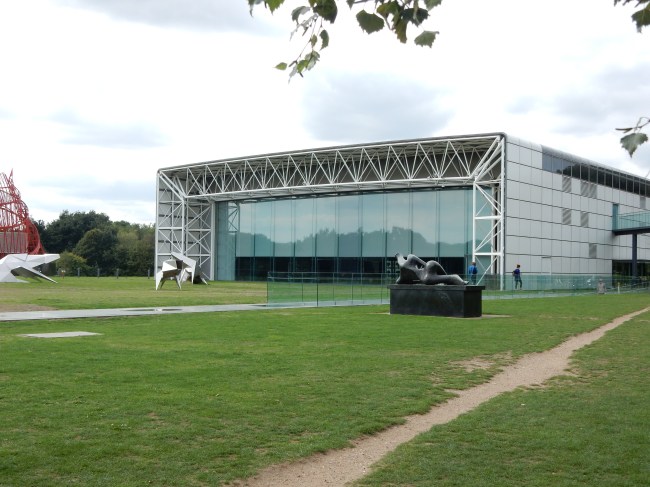
The Sainsbury Centre in Norwich, England, has received a £91.2 million donation from politician and philanthropist Lord David Sainsbury, one of the largest gifts ever made to a UK museum. The funds will support a major refurbishment of the Grade II* listed building, originally designed by Norman Foster, including the conversion of the south cafe terrace into a sustainable space and the installation of photovoltaic panels. The museum was founded in 1973 through a donation from Lord Sainsbury’s parents, Sir Robert and Lady Lisa Sainsbury, who also commissioned Foster to design the gallery.

Gulag Museum rebrand marks latest phase in Kremlin’s assault on free speech

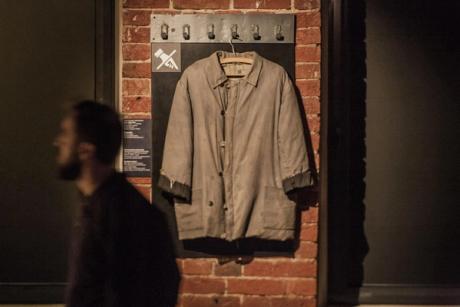
The Kremlin is systematically erasing the memory of Soviet repression under Joseph Stalin from Russian museums. The Gulag Museum in Moscow, which documented Stalin-era crimes, has been rebranded as a "Museum of Memory" focused on Nazi war crimes, with its entire website replaced and exhibitions packed up. Simultaneously, Russia's supreme court banned Memorial, a human rights organization founded to document Stalin-era atrocities, labeling it an "anti-Russian" extremist group. The Yeltsin Presidential Center in Yekaterinburg has also removed references to Memorial from its walls, and the Sakharov Center in Moscow was disbanded and evicted from its facilities.

The AfD Rehearses the Seizure of Power

Die AfD probt die Machtergreifung

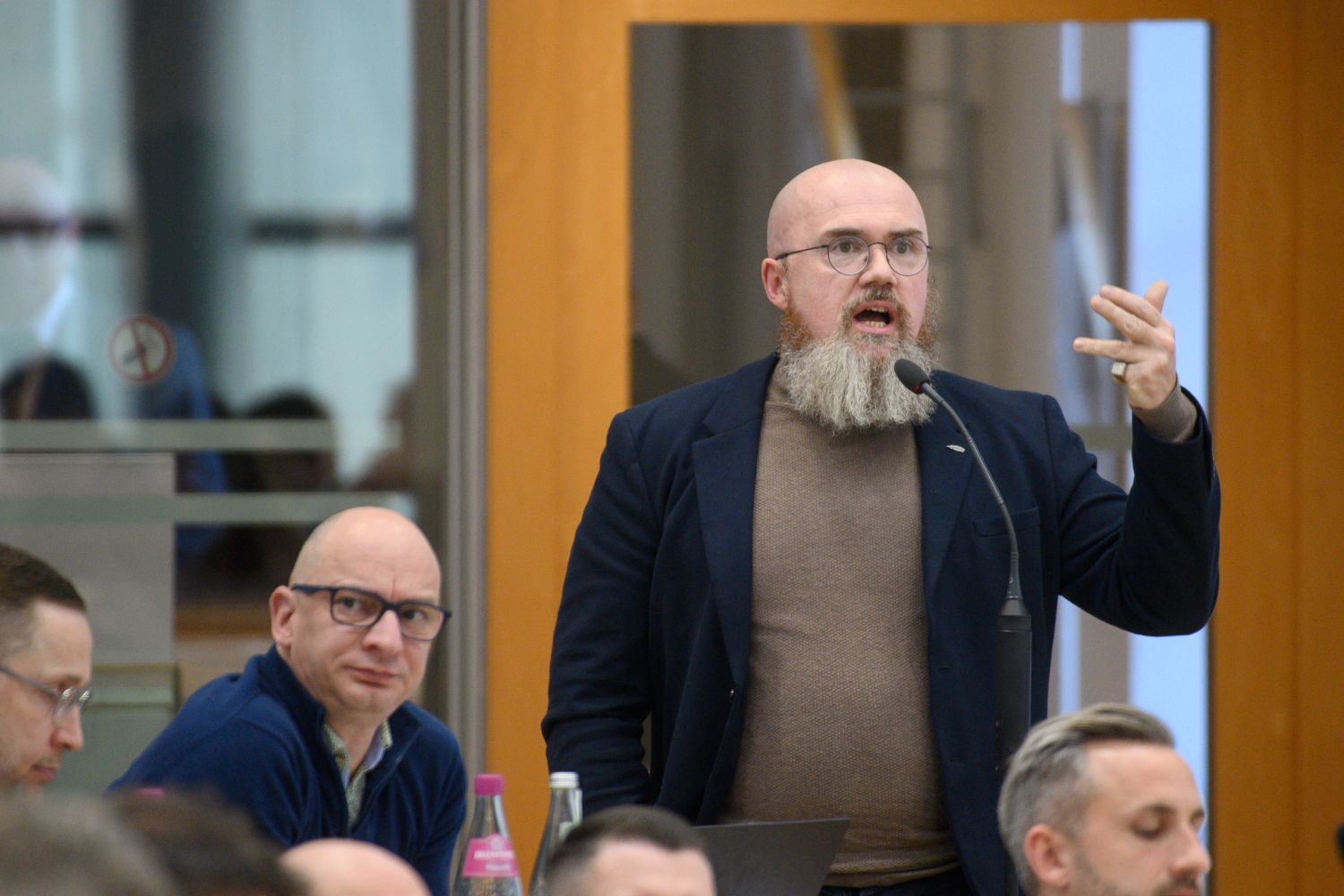
The article reports that in the German state of Saxony-Anhalt, the far-right party AfD could achieve an absolute majority in the upcoming September election—a first in postwar German history. The state government has preemptively introduced a cultural funding law to protect the arts. The AfD's platform includes a "new patriotic cultural policy" under the slogan "#deutschdenken," which explicitly targets the Bauhaus and modernist art as symbols of an "identity disorder" they promise to "heal."

"Geschichtspolitisch fatal und realitätsblind"

A German media roundup reports on a planned restructuring of the Stiftung Flucht, Vertreibung, Versöhnung (Foundation Flight, Expulsion, Reconciliation), which would shift its focus toward German expellees and reduce the influence of the Federal Government Commissioner for Culture and the Media. The reform, criticized by FAZ commentator Andreas Kilb as a fundamental cultural-political intervention, would detach the foundation from the German Historical Museum and give greater weight to the Federation of Expellees in its board. Separately, the roundup covers a review of a legal study on artistic freedom sparked by the antisemitism debate around Documenta Fifteen, and a speech by Culture Minister Wolfram Weimer warning of democratic backsliding and rising antisemitism.

No money, more problems: 85% of US museums in urgent need of building repairs

A recent survey by the US Government Accountability Office (GAO) found that approximately 85% of US museums face a costly backlog of maintenance or building repairs, with 77% having at least one structural issue that puts their collections at risk. Based on a survey of around 300 museums and 17 site visits, the report reveals that institutions across the country struggle to keep buildings updated and safe due to a lack of funding, with challenges especially pronounced in rural and remote locations where shipping materials and finding skilled workers is prohibitively expensive. Many museums are housed in historic homes or sites that are part of their collections, adding further complexity, and smaller museums often lack the budget to address major problems like new roofs or HVAC systems.

In Rome, the extension of the Galleria Borghese provokes a revolt

À Rome, l’extension de la Galerie Borghèse provoque une fronde

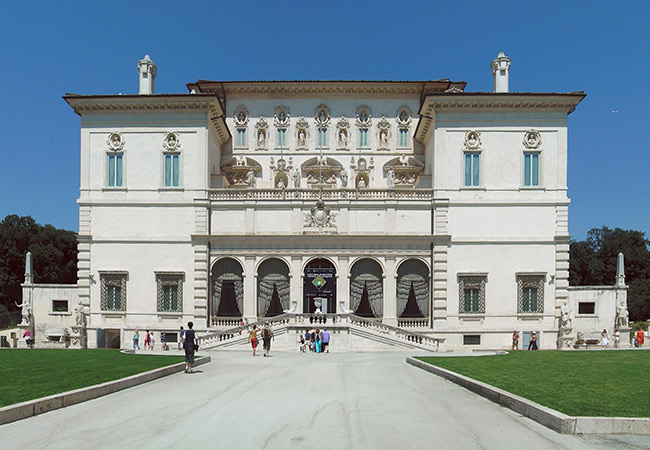
The Galleria Borghese in Rome has sparked controversy by initiating a feasibility study for a new building attached to its 17th-century villa. Museum director Francesca Cappelletti, in office since 2020, cites the need to increase visitor capacity, improve security, and create spaces for mediation, conferences, and temporary exhibitions. The museum, which saw nearly 630,000 visitors in 2025, operates with strict two-hour time slots capped at 180 people, often sold out in high season. Engineering firm Proger has offered to fund the study for €875,750 in exchange for institutional visibility, and Rome's mayor Roberto Gualtieri has declared the project of public interest.

La loi-cadre sur les restitutions définitivement adoptée par le Parlement

The French Parliament has definitively adopted a framework law on the restitution of cultural property that was illicitly acquired. The Senate unanimously approved the conclusions of the joint committee on May 7, following the National Assembly's approval on May 6, after an agreement was reached on April 30. The law establishes a general mechanism for returning objects from French public collections without requiring a specific law for each case, covering items acquired through looting, theft, forced sale, or other illicit means before the 1970 UNESCO Convention. It creates a permanent national commission and a bilateral scientific committee to assess claims, with restitution ultimately decided by government decree subject to legal review by the Council of State.

Why Italy's cultural wealth never really enters public accounts and budgets?

Perché la ricchezza culturale italiana non entra mai davvero nei conti e nei bilanci pubblici?

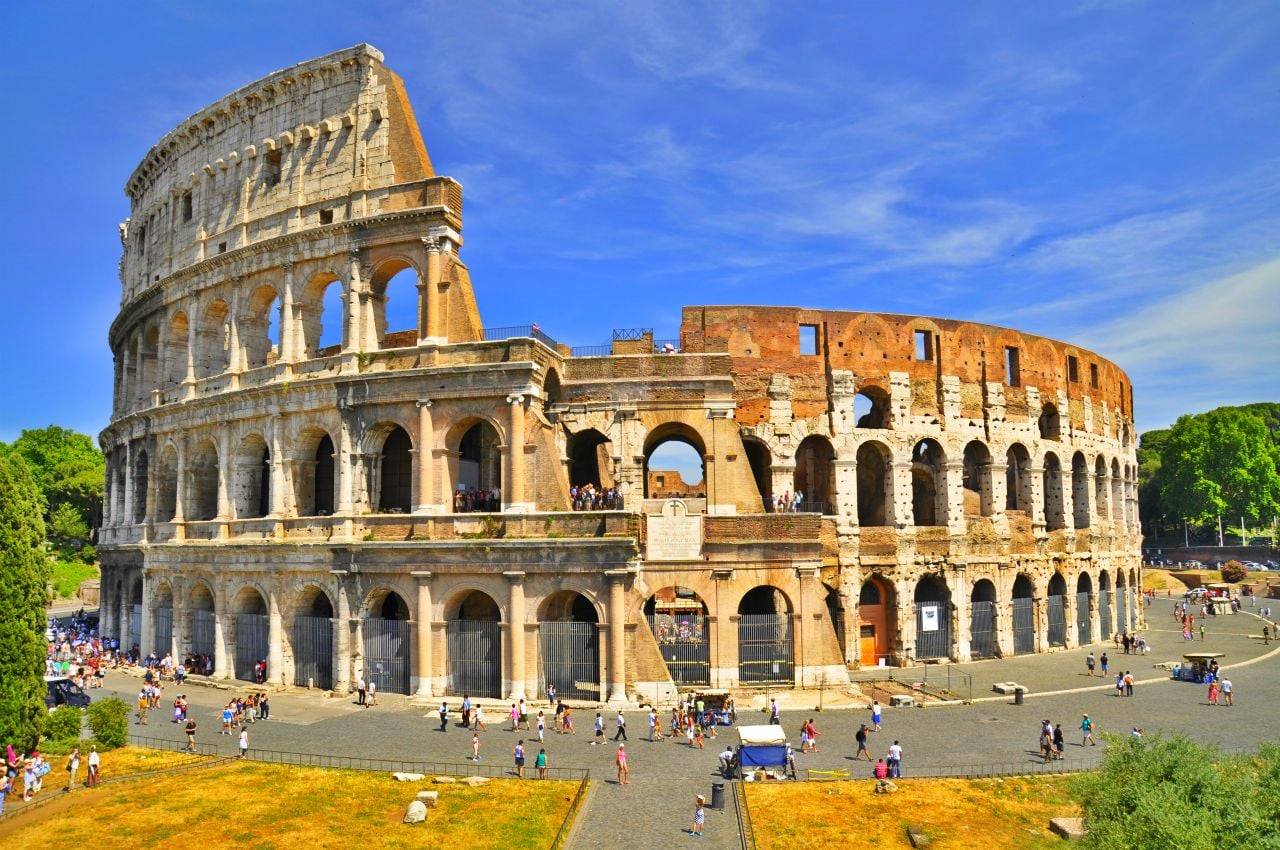
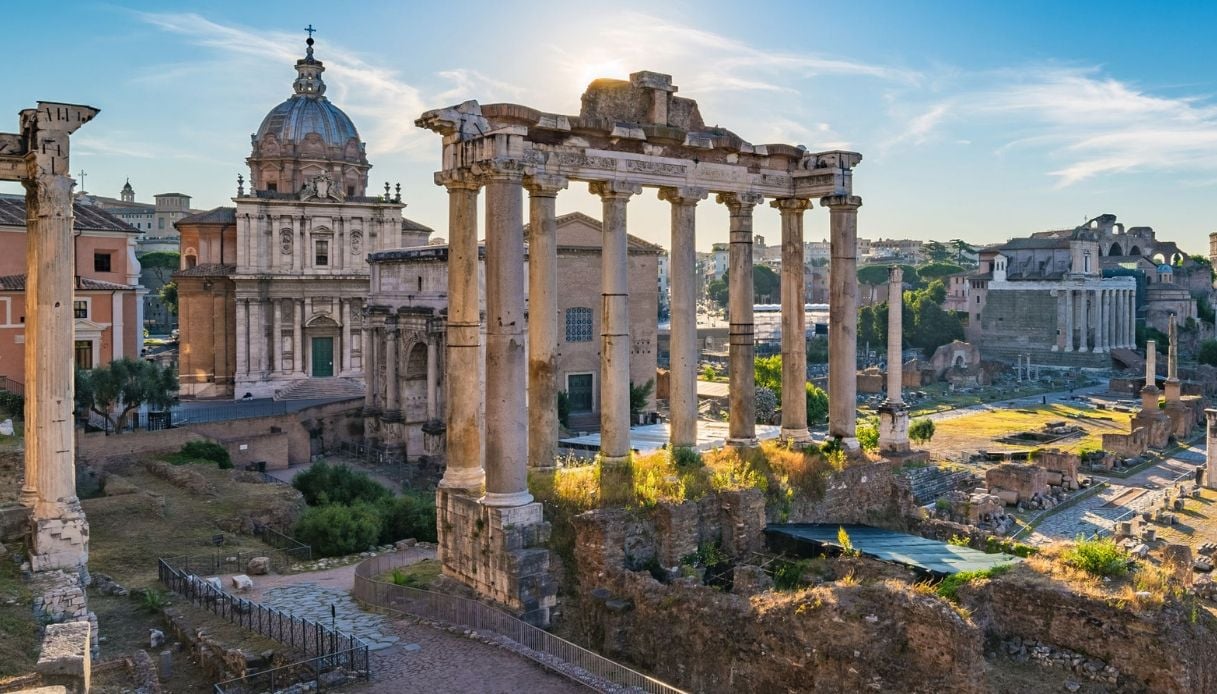
Italy has exceeded the European Commission's structural adjustment path by 0.1 percentage points of GDP, reopening fiscal scrutiny. Amid this debate, the article highlights a deeper issue: Italy's immense cultural heritage is drastically undervalued in public accounts. For example, the Pompeii Archaeological Park is recorded at just €48.9 million, the Colosseum at under €15 million, and the Uffizi at about €2 billion—figures based on outdated 2002 ministerial criteria that bear no relation to actual economic or cultural worth. The State General Accounting Office, with the University of Roma Tre and EU technical assistance, has proposed a new methodology to value cultural assets by discounting their future net financial flows, including direct revenues and indirect tourism-related returns.

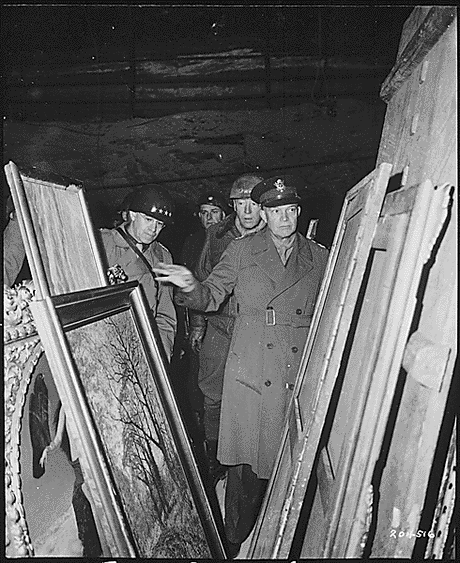
Today’s war, tomorrow’s loot: attempts at stemming the illicit trade in art

The article examines the ongoing challenge of preventing the illicit trade in cultural property looted from conflict zones. It discusses the Hague Convention of 1954 and its protocol, which require signatory countries to prevent theft and pillage during armed conflict and to seize and repatriate unlawful exports. However, the protocol only applies to situations of 'occupation,' leaving a gap for looting that occurs in the chaos of war beyond formal occupation. The article also notes UN Security Council Resolutions that restrict unlawfully removed cultural property from Iraq and Syria, but no similar consensus exists for countries like Afghanistan, Libya, Ukraine, Lebanon, Yemen, Sudan, and Iran. EU Regulation 2019/880 is highlighted as a measure that prohibits introducing goods removed unlawfully from their place of origin into the EU, though its scope has expanded beyond its original anti-terrorist financing purpose.

Future cultural professionals in Africa will be trained by six Italian museums

I futuri professionisti della cultura in Africa saranno formati da sei musei italiani

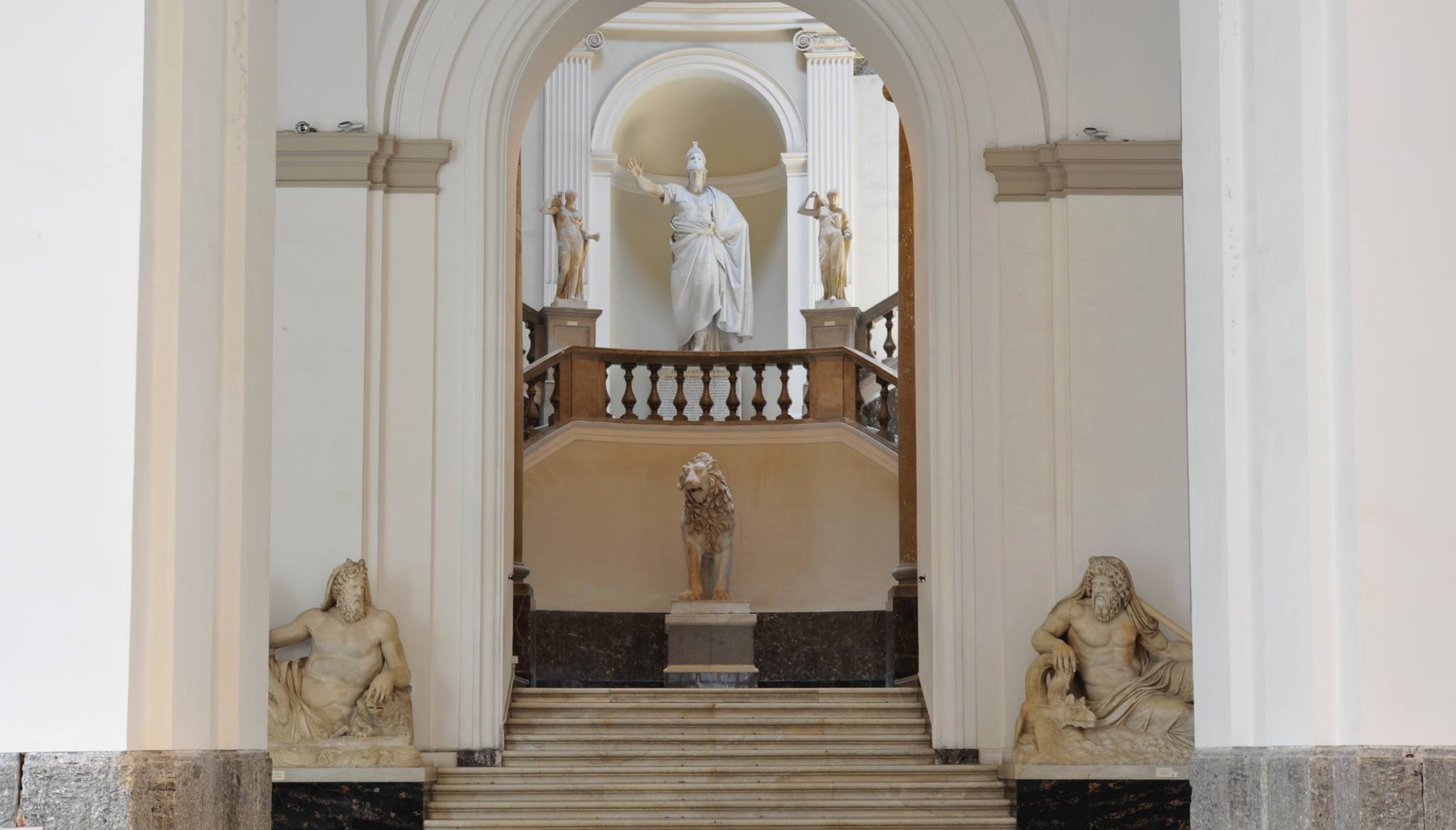
The fourth edition of the International School of Cultural Heritage (Scuola Internazionale del Patrimonio Culturale) is underway, with 23 cultural professionals from 12 African nations participating in a hands-on training program hosted by six Italian museums. After online modules and a week of lectures in Rome, the residential phase runs from April 27 to May 22, 2025, placing participants at the Museo delle Civiltà (MUCIV), the Archaeological Parks of Praeneste and Gabii, the National Archaeological Museum of Taranto (MArTA), the National Archaeological Museum of Naples (MANN), the National Archaeological Museum of Reggio Calabria (MArRC), and the National Archaeological Museum of Agro Falisco and Forte Sangallo in Civita Castellana. The program, titled "Managing Art Collections: from ancient to contemporary," focuses on collection management, conservation, and public programming, linking archaeological heritage with contemporary practices.

The Guest of La Tribune de l'Art No. 29: Alexis Corbière and Alexandre Portier

L'invité de La Tribune de l'Art n° 29 : Alexis Corbière et Alexandre Portier

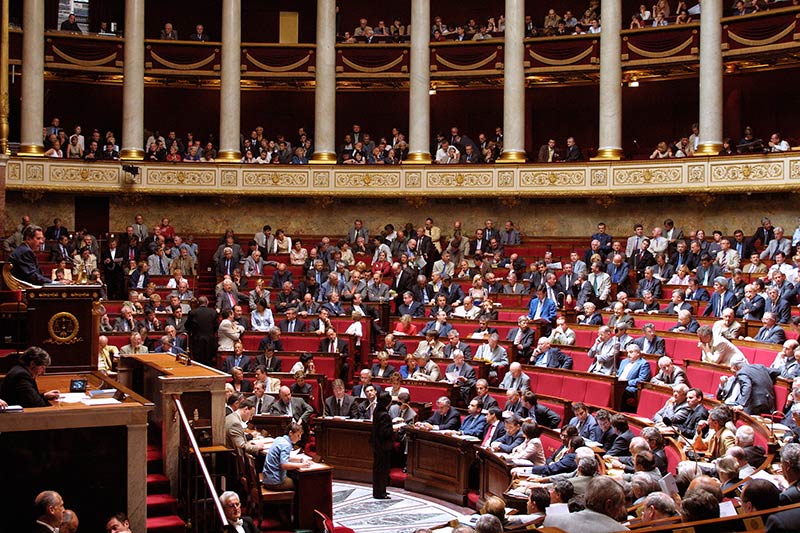
This podcast episode of L'invité de La Tribune de l'Art features two guests: Alexis Corbière, the rapporteur, and Alexandre Portier, the president of the Commission d'enquête sur la protection du patrimoine national et la sécurisation des musées. Recorded at the Assemblée nationale, the discussion delves into the commission's findings on protecting national heritage and securing museums, following up on a previous article published by La Tribune de l'Art.

L’offre de formation se développe

French art training institutions are expanding their curricula to include provenance research, responding to a 2022 government report that identified gaps in conservator education. The Institut national du patrimoine (INP) now offers seminars on Nazi-era spoliation (1933-1945) and has added a five-day provenance research module for external competition students since 2024-2025. Paris-Nanterre University launched a master's-level diploma in 2022 covering legal, historical, and methodological aspects of provenance research. The École du Louvre now offers a specialized master's in "sensitive goods and provenance research" addressing spoliated works, human remains, colonial acquisitions, and illicit trafficking, while also integrating provenance methodology into its general curriculum from master's level one.

Reasoning beyond accounting: here is the first step for a valuation of cultural heritage

Ragionare oltre la contabilità: ecco il primo step per una valutazione del patrimonio culturale

Angelo Argento recently published an article examining the valuation of cultural heritage in light of ongoing public accounting reforms in Italy. The piece moves beyond iconic landmarks like the Colosseum or Uffizi to focus on smaller, territorial assets such as archives, civic museums, and lesser-known archaeological sites, questioning how and whether a specific economic value can be assigned to them. It explores different international approaches—from market-based valuations in Australia and France to symbolic €1 entries in the U.S.—highlighting the global trend toward quantifying cultural heritage.