filter_list Showing 25 results for "RAD" close Clear
search
dashboard All 1822 museum exhibitions 1122article local 243article culture 143article news 111trending_up market 69rate_review review 39person people 34article policy 25candle obituary 25gavel restitution 9article events 1article event 1
date_range Range Today This Week This Month All
Subscribe

Difficult search for new culture senator in Berlin

Schwierige Suche nach neuem Kultursenator in Berlin

Berlin's culture senator Sarah Wedl-Wilson resigned on Friday after a state audit found that her allocation of anti-Semitism prevention funds was unlawful. The CDU politician is being succeeded by former justice senator and Bundestag member Thomas Heilmann (CDU), who is reportedly the favorite for the post. Heilmann, 61, studied law, ran a successful advertising firm, and served as Berlin's justice senator from 2012 to 2016 before sitting in the Bundestag from 2017 to 2025. Governing Mayor Kai Wegner has not yet made a final decision, but transport senator Ute Bonde publicly endorsed Heilmann, citing his experience with Berlin's administration.


Ascendant Philanthropists Make $23 Million Donation to Met

The Metropolitan Museum of Art has received a $23 million donation from newly elected trustee Jennifer Rubio and her husband Stewart Butterfield, made through the Rubio Butterfield Foundation. The principal gift will endow the museum's undergraduate and graduate internship program in perpetuity, which will be renamed after the couple starting September 2026. An additional donation supports the Met's new Tang Wing for modern and contemporary art, set to open in 2030.

If fashion is art, why doesn’t CNZ fund it?

Creative New Zealand (CNZ) explicitly states on its website that it does not fund fashion design, classifying it as primarily part of the commercial creative industries. The article highlights the contradiction that while major institutions like The Dowse Art Museum, Auckland Art Gallery, and World of WearableArt treat fashion as art, CNZ denies funding to fashion designers, with rare exceptions for non-commercial, cross-cultural, or collaborative projects. Fashion designer Doris de Pont, founder of The New Zealand Fashion Museum, notes that even when her trust received CNZ support, it was for the art connection, not the fashion itself.

"Wir wollen Rücknahme von Kürzungen"

Berlin's cultural senator Sarah Wedl-Wilson resigned on Friday after the Berlin Court of Auditors ruled that millions in funding for antisemitism prevention projects were illegal. The resignation has sparked a political debate, with CDU general secretary Ottilie Klein defending governing mayor Kai Wegner against opposition criticism, while Franziska Stoff of the Berlin Culture Conference demands stability and a reversal of budget cuts. Thomas Fehrle, director of the Deutsche Oper Berlin, expressed personal regret over Wedl-Wilson's departure, praising her competence and engagement.

A Think Tank and a Foundation Team Up On $1 M. in Accelerator Grants for Museum and Performing Arts Leaders—Timothée Chalamet Be Damned

A think tank and a philanthropic foundation have launched a $1 million accelerator grant program for museum and performing arts leaders. The initiative, a partnership between Remuseum (an initiative of Crystal Bridges Museum) and the Doris Duke Foundation, will award up to ten $100,000 grants and provide a year-long residency program to help leaders develop innovative strategies to boost relevance and financial stability.

Sainsbury Centre Receives £91.2 Million Donation for Refurbishments

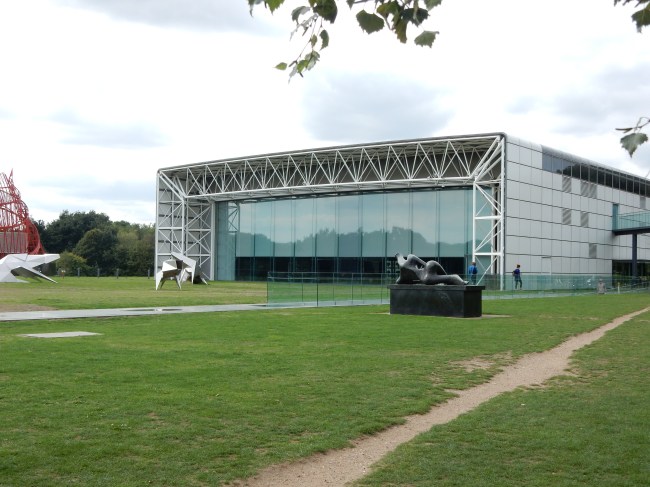
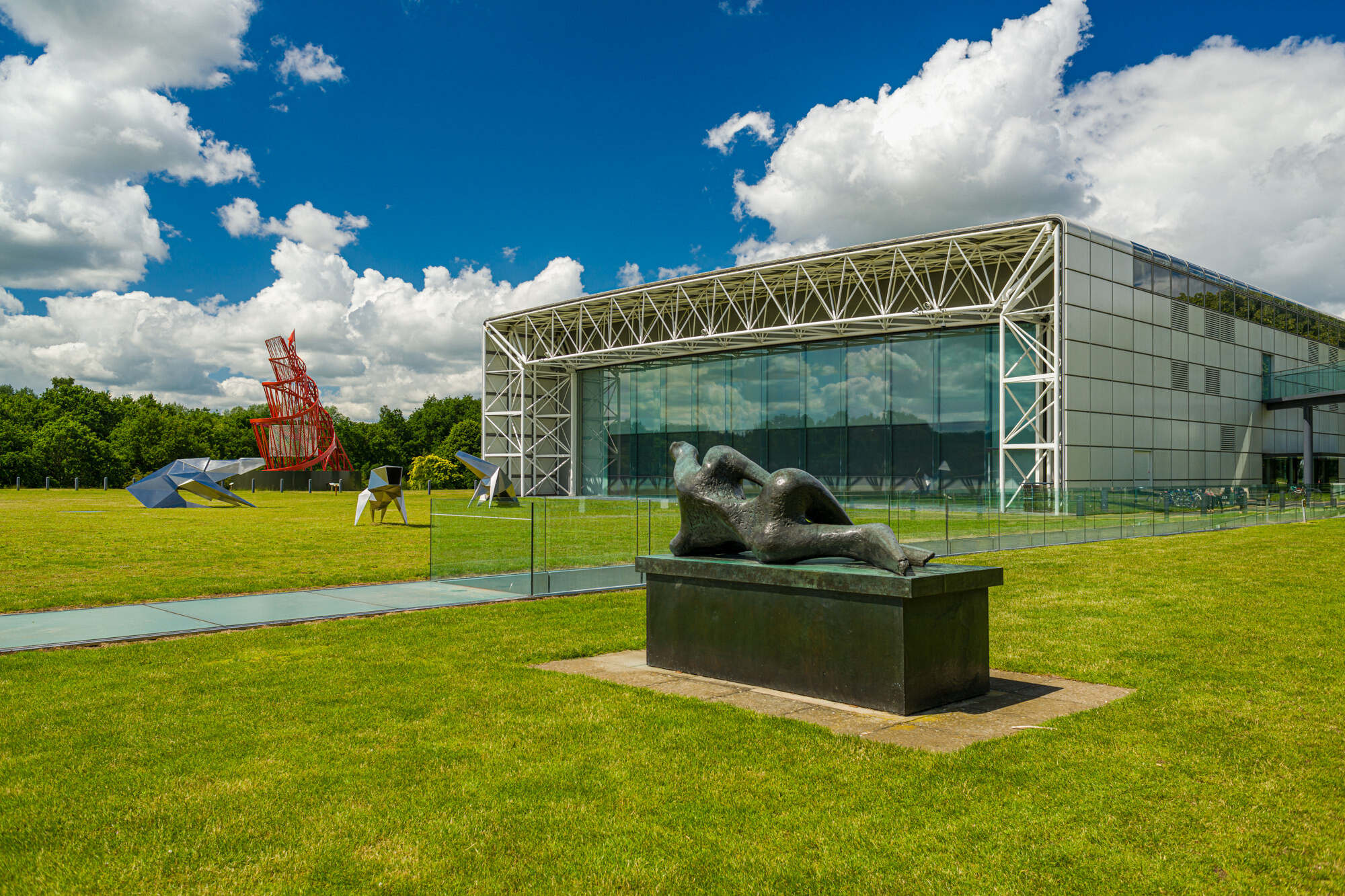
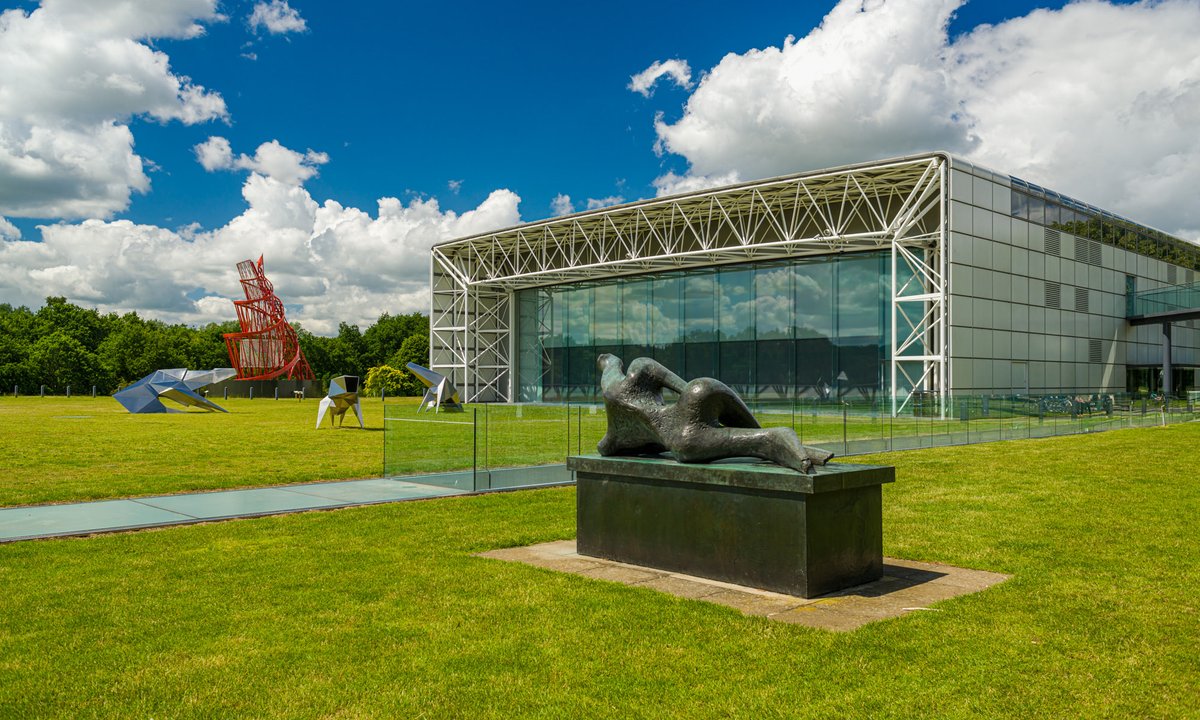
The Sainsbury Centre in Norwich, England, has received a £91.2 million donation from politician and philanthropist Lord David Sainsbury, one of the largest gifts ever made to a UK museum. The funds will support a major refurbishment of the Grade II* listed building, originally designed by Norman Foster, including the conversion of the south cafe terrace into a sustainable space and the installation of photovoltaic panels. The museum was founded in 1973 through a donation from Lord Sainsbury’s parents, Sir Robert and Lady Lisa Sainsbury, who also commissioned Foster to design the gallery.

Sylvie Retailleau : « Pendant cinq ans, tout a été remis en jeu »

Sylvie Retailleau, former French Minister of Higher Education and current president of Universcience since January 2026, details the tense negotiations between the Grand Palais and the Palais de la découverte. She reveals that the Palais de la découverte nearly disappeared during the Grand Palais renovation, but will reopen in March 2027. Universcience ceded a 1,200 m² gallery to the Grand Palais as a financial contribution (worth about €30 million over ten years) and is lending another 350 m² gallery until June 2030 for Centre Pompidou exhibitions during its renovation. In exchange, Universcience gains full control over the programming of the Palais des enfants.

One of England’s greatest art galleries is set for a £90 million transformation

The Sainsbury Centre in Norwich, one of England's greatest art galleries, has received a £91.2 million donation from the Gatsby Charitable Foundation, created by David Sainsbury. The funds will finance a major refurbishment of the Grade II-listed building, originally designed by Norman Foster in 1978, including structural repairs, energy efficiency upgrades, and enhanced visitor amenities. The centre houses a renowned collection featuring works by Picasso, Degas, Bacon, Moore, and Lalique.

Victorien Bornéat : « De l’échec de la démocratisation culturelle est né un sentiment d’exclusion »

Victorien Bornéat has published a manifesto arguing that French cultural democratization policy, rooted in André Malraux's vision of making masterworks accessible to all, has failed. He cites budget cuts by regional presidents Laurent Wauquiez and Christelle Morançais, police raids on bookshops like Violette and Co, and statistical studies showing that working-class audiences still do not spontaneously attend theaters, museums, or opera. Bornéat contends that the policy's emphasis on direct confrontation with canonical works ignored the need for cultural codes and institutional literacy, creating an exclusion that politicians now exploit for electoral gain.

Director of the Hermitage Museum Sanctioned by the European Union

Le directeur du Musée de l'Ermitage sanctionné par l'Union européenne

The European Union has imposed sanctions on Mikhail Piotrovsky, the 81-year-old director of the State Hermitage Museum in Saint Petersburg, as part of its 20th sanctions package against Russia. Piotrovsky was blacklisted for supporting the war in Ukraine and overseeing illegal archaeological excavations in occupied Crimea. The EU cited his use of Kremlin war rhetoric—calling the museum's exhibition policy a "cultural special operation"—and the Hermitage's role in incorporating Ukrainian cultural objects from occupied territories into Russia's state museum fund. Additionally, under his leadership, unauthorized digs were conducted at the ancient Greek site of Myrmekion in Crimea, led by Hermitage archaeologist Alexander Butyagin, who was arrested in Warsaw and later released in a prisoner exchange.

Sainsbury Centre receives one of largest ever UK museum donations

The Sainsbury Centre, an art museum in Norwich, England, has received a £91.2 million donation from British politician and businessman David Sainsbury through his charitable foundation, Gatsby. The funds will be used to renovate the grade II* listed building, originally designed by Norman Foster and completed in 1978. The renovation, led by Foster + Partners, includes improvements to the building envelope, photovoltaic panels, and upgraded visitor facilities, aiming to halve the museum's energy use and support the University of East Anglia's net zero campus goal by 2045.

Parliamentary report calls for major changes at French museums in the wake of Louvre heist

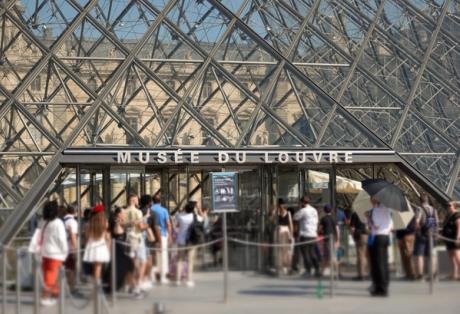
A French parliamentary report published on 13 May, following the October 19 heist of the crown jewels at the Louvre, issues a damning assessment of the country's museum security and management. The commission heard around 100 testimonies and examined some 2,000 museums, dedicating a special chapter to the Louvre. It blames former director Laurence des Cars's leadership for a "dysfunctional drift" that prioritized contemporary art interventions and fashion shows over basic infrastructure and collection protection, allowing the heist to occur. The report lists rising threats including riots, burglaries, cyberattacks (which forced the National Museum of Natural History in Paris to cancel an exhibition after a ransomware attack in July 2025), and terrorist plots. It proposes 40 recommendations, including raising budgets by an estimated €20–25 billion over a decade, enhancing staff training, and overhauling museum leadership.

Hermitage Museum Director and Putin Ally Mikhail Piotrovsky Sanctioned by European Union

The European Union has sanctioned Mikhail Piotrovsky, the longtime director of the State Hermitage Museum in St. Petersburg, for his close association with Vladimir Putin and his active support of Russia's war against Ukraine. Announced on April 23, the sanctions are part of a broader package targeting over a hundred individuals and entities, including other cultural figures like Sergei Obryvalin, Igor Solonin, and Andrey Polyakov, for their roles in the seizure of Ukrainian cultural property and the spread of Russian propaganda in occupied regions.

EU Says It ‘Intends’ to Cut Funding to Venice Biennale Because of Russian Pavilion

The European Union has declared its intention to cut its €2 million funding contribution to the Venice Biennale in response to the exhibition's decision to host a Russian national pavilion for the first time since Russia's 2022 invasion of Ukraine. EU foreign policy chief Kaja Kallas stated that allowing Russia to exhibit while it "bombs museums, destroys churches and seeks to erase Ukrainian culture" is morally wrong, marking the union's strongest condemnation to date.

Art Problems: WTF Is an A-Corp?

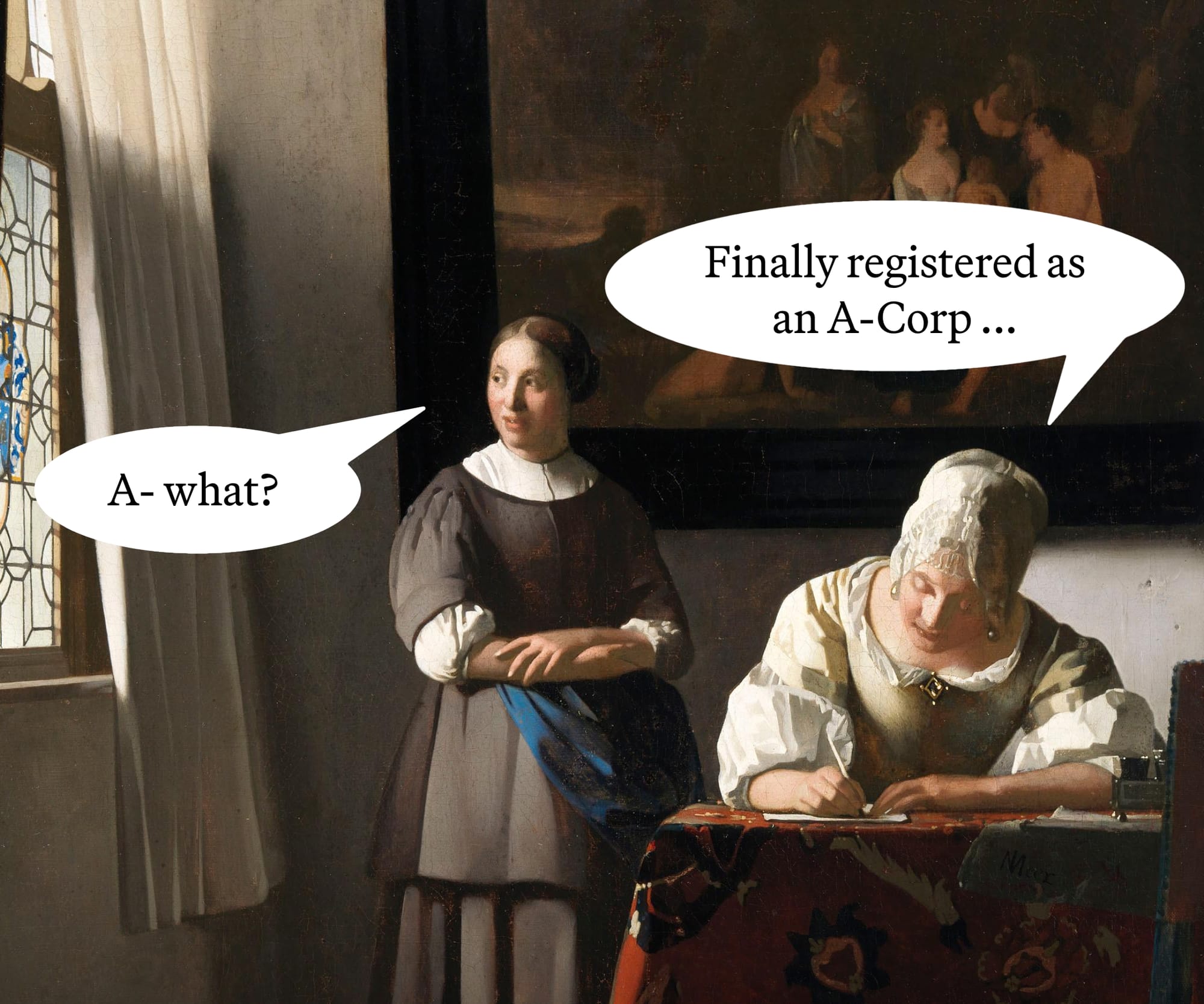
The article explains the concept of an Artist Corporation (A-Corp), a new business structure for artists introduced in a bill before the Colorado state legislature, originally proposed by entrepreneur Yancey Strickler. It allows artists to form a legally recognized business entity without hiring a lawyer, simply by filling out a form, and provides liability protection by separating personal assets from business assets. The bill is expected to reach the governor's desk by mid-May and be enacted within six months, with five or six other states, including New York, expressing interest.

In Rome, the extension of the Galleria Borghese provokes a revolt

À Rome, l’extension de la Galerie Borghèse provoque une fronde

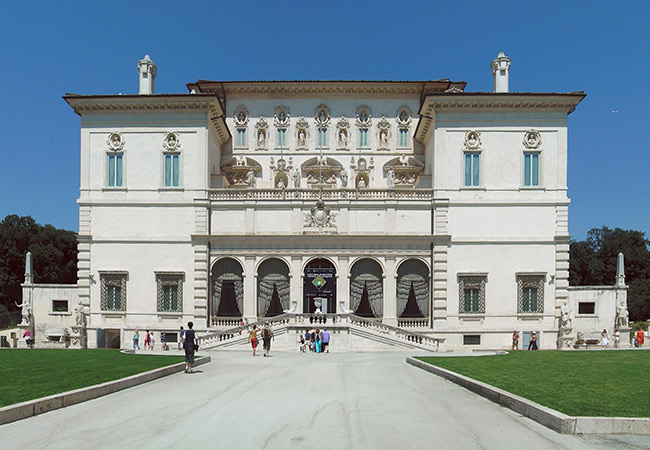
The Galleria Borghese in Rome has sparked controversy by initiating a feasibility study for a new building attached to its 17th-century villa. Museum director Francesca Cappelletti, in office since 2020, cites the need to increase visitor capacity, improve security, and create spaces for mediation, conferences, and temporary exhibitions. The museum, which saw nearly 630,000 visitors in 2025, operates with strict two-hour time slots capped at 180 people, often sold out in high season. Engineering firm Proger has offered to fund the study for €875,750 in exchange for institutional visibility, and Rome's mayor Roberto Gualtieri has declared the project of public interest.

PRESS RELEASE: OK Arts Council announces historic gift of artworks for the Oklahoma State Art Collection

The Oklahoma Arts Council has announced a historic gift of artworks for the Oklahoma State Art Collection. The donation, described as one of the largest in the collection's history, includes a significant number of works by Oklahoma artists and will be formally added to the state's holdings.

Sachsen-Anhalt schützt Kunst und Kultur per neuem Gesetz

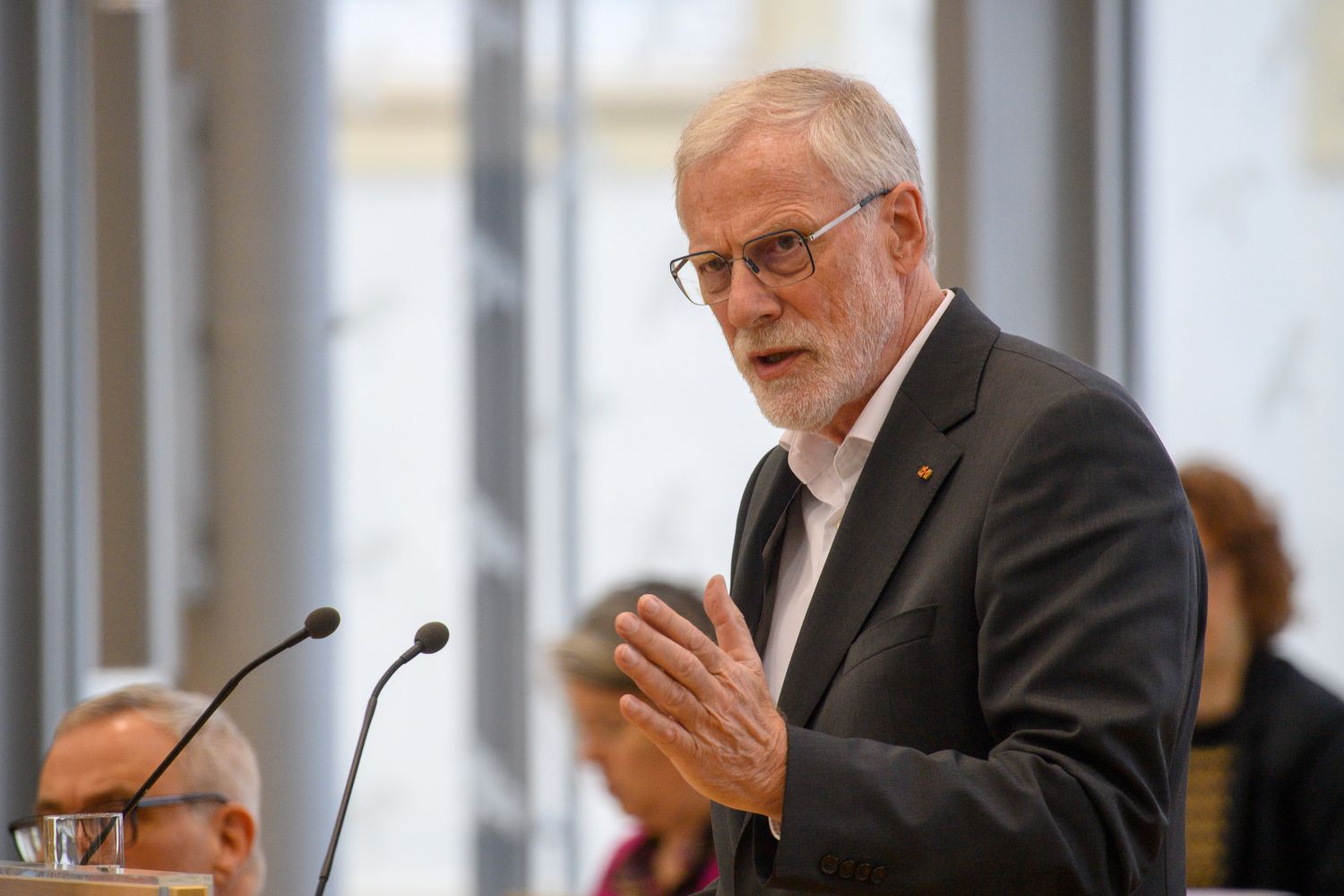
Sachsen-Anhalt has enshrined support for art and culture as a state objective in a new law, passed by the state parliament in Magdeburg with the exception of the AfD faction, which abstained. Culture Minister Rainer Robra (CDU) framed the law as fulfilling a promise from 1989, defining what constitutes art and culture in the state, including their roles in education and as an economic factor, and aiming to make cultural structures resilient against future attacks on artistic freedom.

La loi-cadre sur les restitutions définitivement adoptée par le Parlement

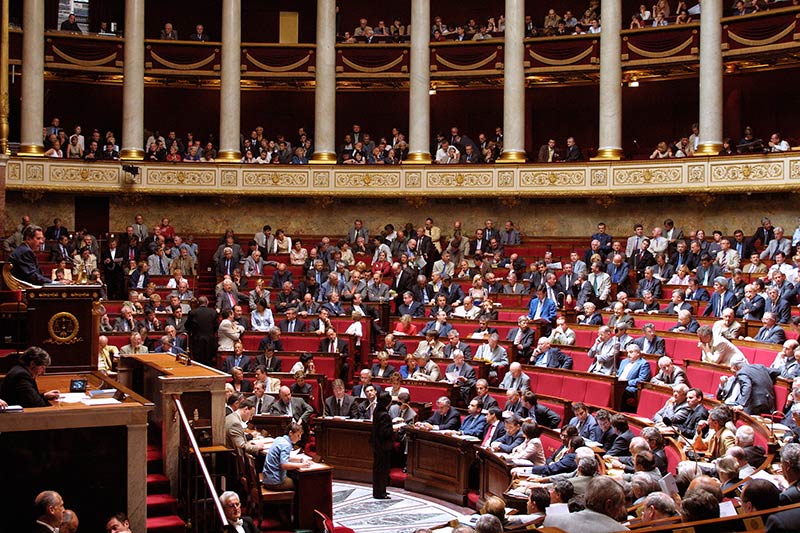
The French Parliament has definitively adopted a framework law on the restitution of cultural property that was illicitly acquired. The Senate unanimously approved the conclusions of the joint committee on May 7, following the National Assembly's approval on May 6, after an agreement was reached on April 30. The law establishes a general mechanism for returning objects from French public collections without requiring a specific law for each case, covering items acquired through looting, theft, forced sale, or other illicit means before the 1970 UNESCO Convention. It creates a permanent national commission and a bilateral scientific committee to assess claims, with restitution ultimately decided by government decree subject to legal review by the Council of State.

Today’s war, tomorrow’s loot: attempts at stemming the illicit trade in art

The article examines the ongoing challenge of preventing the illicit trade in cultural property looted from conflict zones. It discusses the Hague Convention of 1954 and its protocol, which require signatory countries to prevent theft and pillage during armed conflict and to seize and repatriate unlawful exports. However, the protocol only applies to situations of 'occupation,' leaving a gap for looting that occurs in the chaos of war beyond formal occupation. The article also notes UN Security Council Resolutions that restrict unlawfully removed cultural property from Iraq and Syria, but no similar consensus exists for countries like Afghanistan, Libya, Ukraine, Lebanon, Yemen, Sudan, and Iran. EU Regulation 2019/880 is highlighted as a measure that prohibits introducing goods removed unlawfully from their place of origin into the EU, though its scope has expanded beyond its original anti-terrorist financing purpose.

NRW will Verbot für Handel mit Holocaust-Dokumenten

The German state of North Rhine-Westphalia (NRW) is introducing a legislative bill to ban the commercial trade of personal Holocaust documents and artifacts, such as letters from concentration camps, Gestapo cards, and yellow stars. The initiative follows international outrage over a planned auction in Neuss in November 2025, which was halted at the last moment; around 460 objects from that auction were transferred to the Auschwitz-Birkenau Foundation. The bill, to be presented at the Bundesrat session on May 8, aims to prohibit the sale of items directly linked to Nazi victims, while exempting museums, archives, and research institutions.

Cultural Observatories: Dinosaurs or Subjects Capable of Interpreting the Present?

Osservatori culturali. Dinosauri o soggetti in grado di interpretare il presente?

The Cultural Observatory of Canton Ticino has published a study on cultural observatories worldwide, including a map and list of surveyed organizations. The analysis reveals that cultural observatories are not a global phenomenon but are concentrated mainly in Europe and South America, with occasional presence in North America (especially Canada and Hispanic-oriented organizations in the US). Africa, Asia, and Oceania are almost entirely absent from the map. The study also highlights a high rate of inactive observatories: among the top 10 countries by active observatories, only Germany shows an effective activity ratio. Spain has 26 active observatories out of about 45 total, while Italy has 11 active out of over 20 inactive. The research defines observatories as non-profit organizations that combine cultural and statistical expertise to deepen and transfer knowledge about the cultural sector, and classifies as inactive those with no recent activity on web or social channels.

Aumenti salariali e welfare per i lavori della cultura. È stato firmato il nuovo Contratto Nazionale di Lavoro. L’intervista

A new national labor contract for Italy's cultural sector has been signed. The Federculture National Labor Contract, finalized on April 30, 2026, includes a 7.5% increase in minimum wages (effective December 1, 2024), doubled welfare contributions for healthcare, and a simplified job classification system. The agreement was reached between Federculture and major unions including FP CGIL, CISL FP, UIL FPL, and UIL PA, with negotiations for the 2025-2027 term set to resume on May 26.

黑龙江省美协召开2026年度工作会议暨七届九次主席团(扩大)会议

The Heilongjiang Provincial Artists Association held its 2026 annual work meeting and the 7th 9th Presidium (Expanded) Meeting on April 29, 2026, via a hybrid online-offline format. Over 100 participants attended, including presidium members, council members, heads of municipal and industry artists associations, and committee members. The meeting conveyed directives from the China Artists Association's study and implementation of the Fourth Plenary Session of the 20th Central Committee of the Communist Party of China, as well as the provincial文联's work arrangements. It summarized 2025 work and outlined key tasks for 2026, emphasizing ideological guidance through Xi Jinping's cultural thought, people-centered creative direction focusing on local themes like black soil culture and borderland heritage, and strengthening of traditional art forms such as Heilongjiang printmaking and watercolor. The meeting also approved new council member additions, first-batch 2026 membership applications, and committee adjustments.

Call for Applications: Reiwa 8 (2026) Overseas Training Program for Emerging Artists – Japanese Culture Promotion and Dissemination Project

公募|令和8年度新進芸術家海外研修制度における「日本文化発信・普及事業」

Japan's Agency for Cultural Affairs (Bunka-cho) is now accepting applications for the "Japanese Culture Promotion and Dissemination Project" under the 2026 (Reiwa 8) Overseas Training Program for Emerging Artists. This separate track supports established cultural figures, artists, and researchers—not just emerging artists—to conduct activities that promote and disseminate Japanese culture abroad. The program covers travel, accommodation, and activity costs up to 1.5 million yen, with派遣 periods ranging from 20 to 80 days between October 1, 2026 and March 31, 2027. Applications must be received by June 5, 2025, and results will be announced by early September.