filter_list Showing 7 results for "SHIFT" close Clear
dashboard All 158 museum exhibitions 91trending_up market 16article culture 12article news 11person people 9article policy 7rate_review review 4gavel restitution 4article local 3candle obituary 1
date_range Range Today This Week This Month All
Subscribe

Getty’s Black Visual Arts Archives receives additional $1.8m in funding

The Getty Foundation has awarded an additional $1.8 million to its Black Visual Arts Archives initiative, bringing total funding to $4.5 million across 20 awards. The program supports institutions in processing, digitizing, preserving, and activating archival collections related to Black artists and arts organizations in the US. Grantees include Afro Charities, the Auburn Avenue Research Library, Berkeley Art Museum and Pacific Film Archive, Charles H. Wright Museum, Morgan State University, the South Side Community Art Center, the University of Chicago’s South Side Home Movie Project, and the David C. Driskell Center. Notable discoveries include footage of the original Wall of Respect mural from the South Side Home Movie Project.
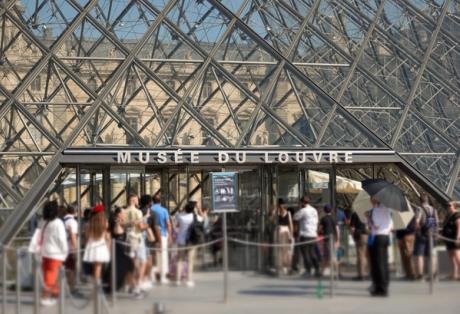
Parliamentary Report Outlines Major Issues In French Museums After The Louvre Heist

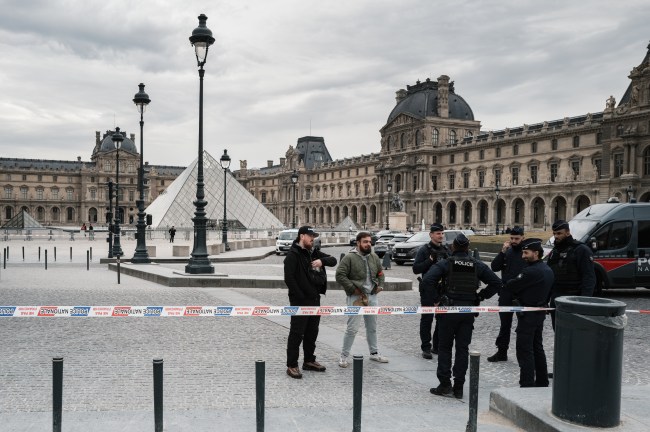
A French parliamentary commission released a report on May 13 detailing severe security deficiencies in French museums, following a December 2025 heist at the Louvre where French Crown Jewels worth $100 million were stolen. The report, overseen by MPs Alexis Corbière and Alexandre Portier, draws on over 20 hearings and highlights that only 25% of surveyed museums have a finalized security plan, with the Louvre itself criticized for dilapidated conditions and ignored audit warnings from 2017 and 2019 that predicted the thieves' modus operandi. Former Louvre director Laurence des Cars, who resigned in February, faced criticism for delays in implementing a security master plan.

Parliamentary report calls for major changes at French museums in the wake of Louvre heist

A French parliamentary report published on 13 May, following the October 19 heist of the crown jewels at the Louvre, issues a damning assessment of the country's museum security and management. The commission heard around 100 testimonies and examined some 2,000 museums, dedicating a special chapter to the Louvre. It blames former director Laurence des Cars's leadership for a "dysfunctional drift" that prioritized contemporary art interventions and fashion shows over basic infrastructure and collection protection, allowing the heist to occur. The report lists rising threats including riots, burglaries, cyberattacks (which forced the National Museum of Natural History in Paris to cancel an exhibition after a ransomware attack in July 2025), and terrorist plots. It proposes 40 recommendations, including raising budgets by an estimated €20–25 billion over a decade, enhancing staff training, and overhauling museum leadership.

Art Problems: WTF Is an A-Corp?

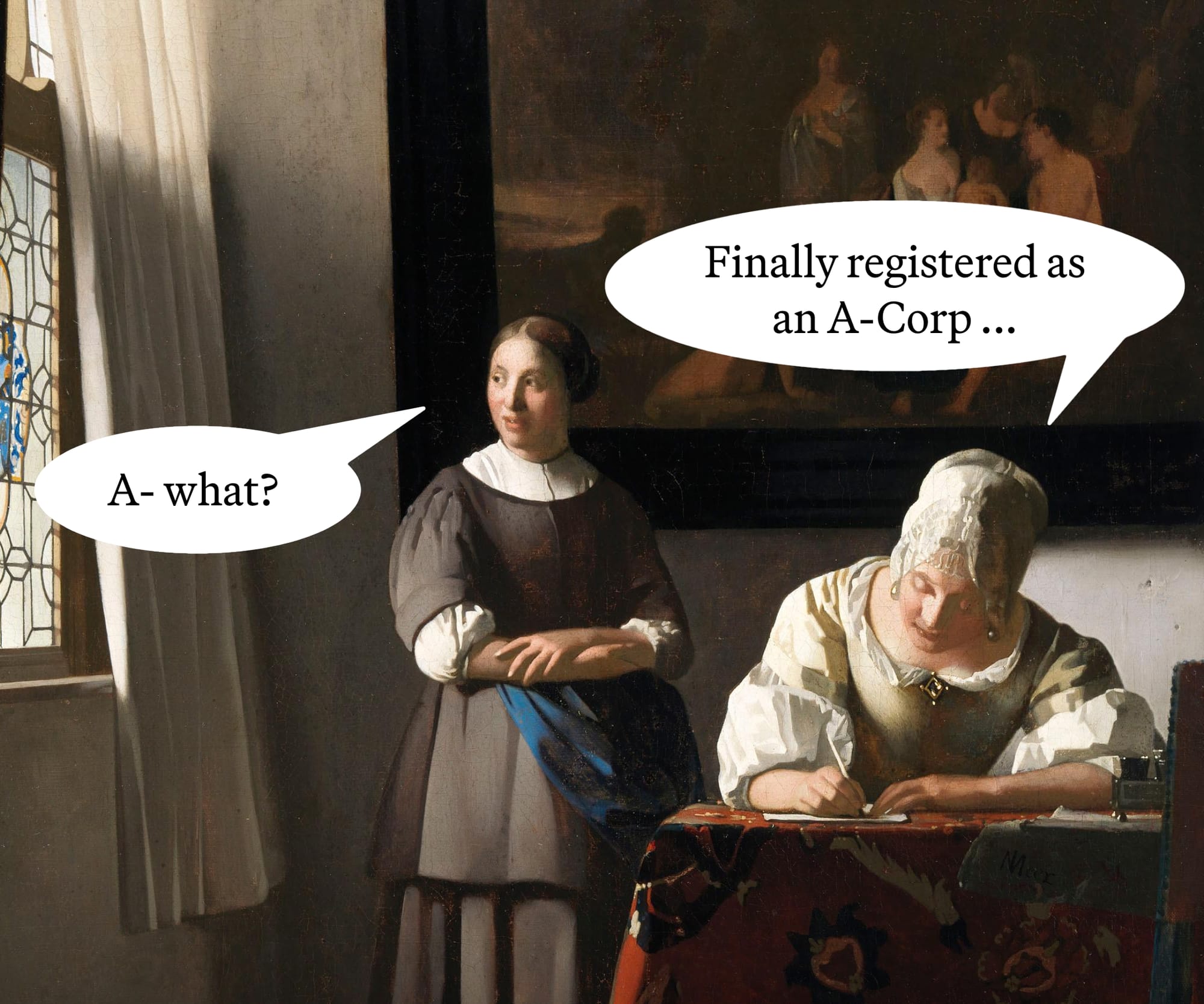
The article explains the concept of an Artist Corporation (A-Corp), a new business structure for artists introduced in a bill before the Colorado state legislature, originally proposed by entrepreneur Yancey Strickler. It allows artists to form a legally recognized business entity without hiring a lawyer, simply by filling out a form, and provides liability protection by separating personal assets from business assets. The bill is expected to reach the governor's desk by mid-May and be enacted within six months, with five or six other states, including New York, expressing interest.

La loi sur les restitutions des biens culturels pillés pendant la colonisation définitivement adoptée

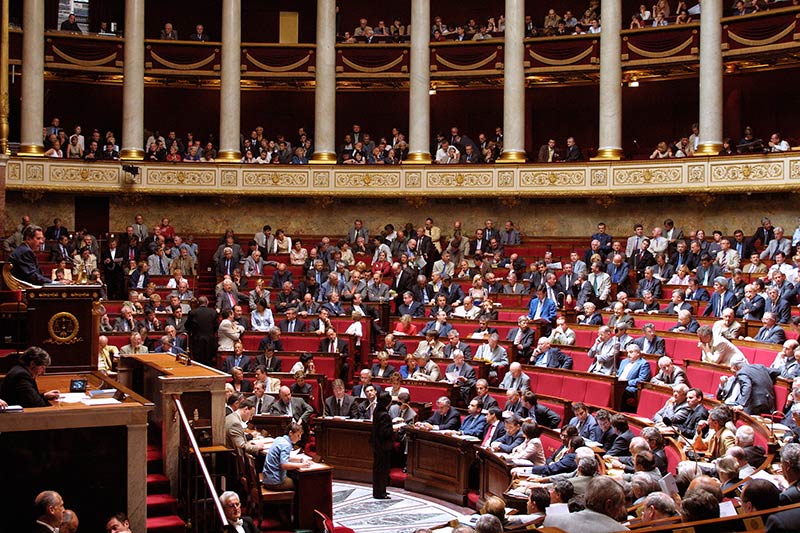
The French Parliament has definitively adopted a permanent law on the restitution of cultural property looted during colonization, replacing the previous case-by-case legislative approach. The Senate unanimously approved the final text on May 7, 2026, following agreement in a joint committee on April 30, and the National Assembly had approved it the day before. The law creates a general derogation from the principle of inalienability of public collections, establishing a bilateral scientific committee to examine provenance, with final decisions made by decree of the Council of State. Key amendments from the National Assembly—including binding parliamentary votes on restitution and conditions on conservation and public access—were removed by the joint committee to avoid perceptions of neocolonial tutelage.

La loi-cadre sur les restitutions définitivement adoptée par le Parlement

The French Parliament has definitively adopted a framework law on the restitution of cultural property that was illicitly acquired. The Senate unanimously approved the conclusions of the joint committee on May 7, following the National Assembly's approval on May 6, after an agreement was reached on April 30. The law establishes a general mechanism for returning objects from French public collections without requiring a specific law for each case, covering items acquired through looting, theft, forced sale, or other illicit means before the 1970 UNESCO Convention. It creates a permanent national commission and a bilateral scientific committee to assess claims, with restitution ultimately decided by government decree subject to legal review by the Council of State.

Why Italy's cultural wealth never really enters public accounts and budgets?

Perché la ricchezza culturale italiana non entra mai davvero nei conti e nei bilanci pubblici?

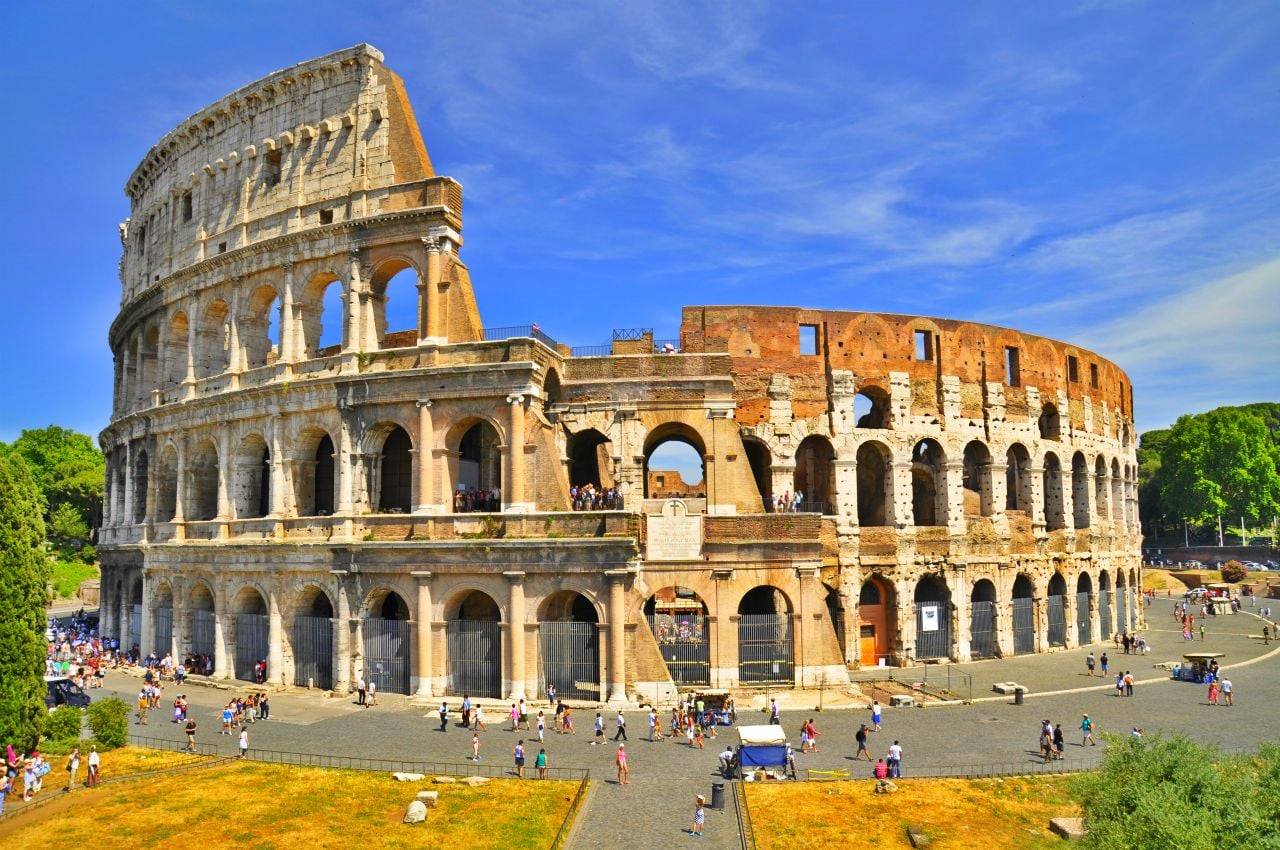
Italy has exceeded the European Commission's structural adjustment path by 0.1 percentage points of GDP, reopening fiscal scrutiny. Amid this debate, the article highlights a deeper issue: Italy's immense cultural heritage is drastically undervalued in public accounts. For example, the Pompeii Archaeological Park is recorded at just €48.9 million, the Colosseum at under €15 million, and the Uffizi at about €2 billion—figures based on outdated 2002 ministerial criteria that bear no relation to actual economic or cultural worth. The State General Accounting Office, with the University of Roma Tre and EU technical assistance, has proposed a new methodology to value cultural assets by discounting their future net financial flows, including direct revenues and indirect tourism-related returns.