filter_list Showing 16 results for "Sol" close Clear
search
dashboard All 1282 museum exhibitions 786trending_up market 138article news 116article local 91article culture 43person people 32rate_review review 24candle obituary 19article policy 16gavel restitution 14article event 3
date_range Range Today This Week This Month All
Subscribe

Chanel Will Launch New Culture Fund Fellowship With the Guggenheim

Chanel will launch an annual, one-year fellowship in fall 2026 in collaboration with the Guggenheim. The Chanel Culture Fund Fellowship will host a fellow in New York and at the Peggy Guggenheim Collection in Venice, targeting MA and PhD-level scholars dedicated to collection studies and curatorial research. The program complements existing Guggenheim fellowship and internship programs, aiming to nurture emerging talent in modern and contemporary art curation.
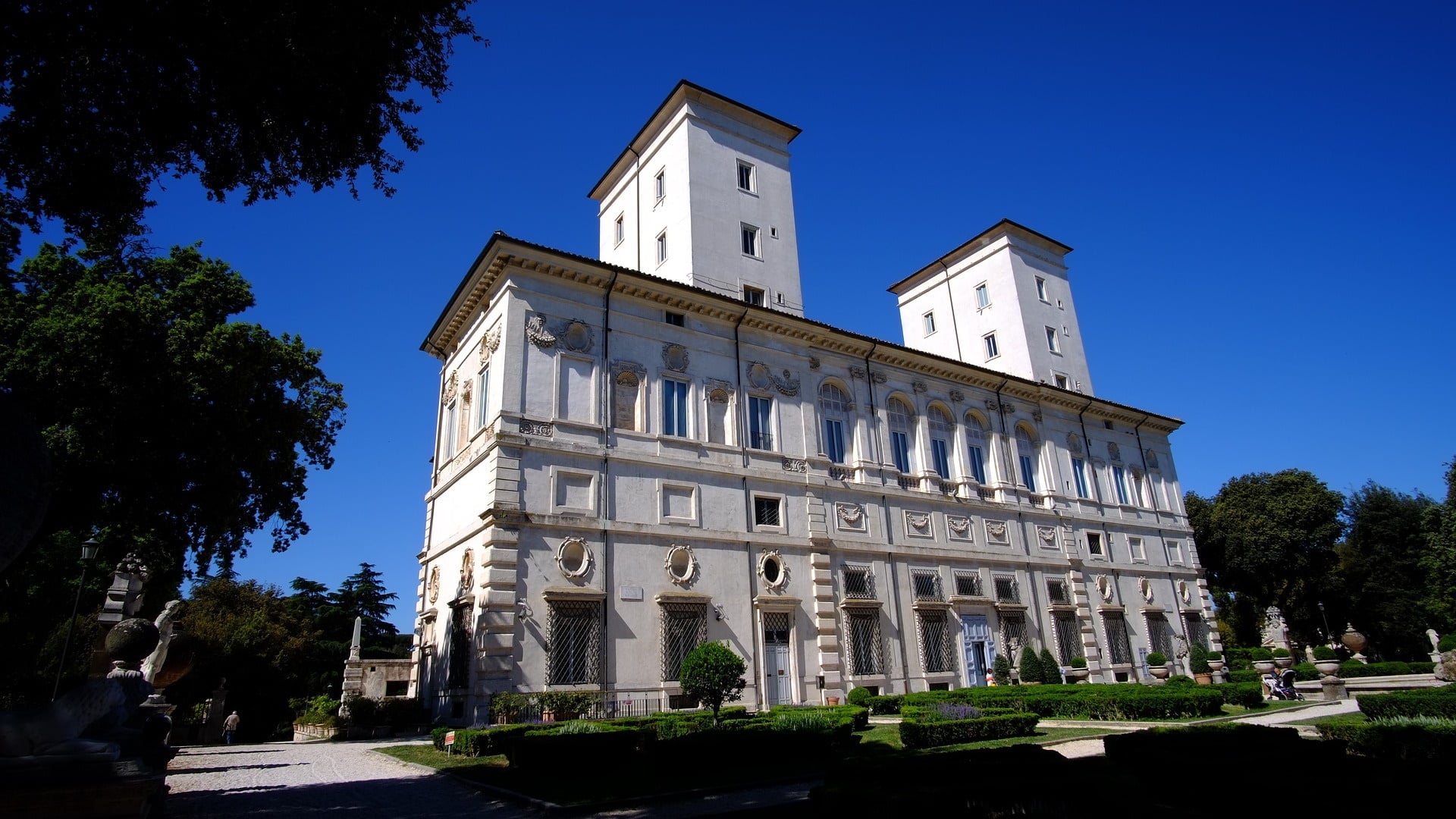
A new wing to solve the problems of the Galleria Borghese in Rome. Beautiful challenge, tedious controversy

Una nuova ala per risolvere i problemi della Galleria Borghese a Roma. Bella sfida, stucchevoli polemiche

The Galleria Borghese in Rome, one of Italy's most extraordinary museums, faces significant accessibility and capacity issues due to its historic 17th-century structure. The museum is difficult for visitors with disabilities, overcrowded, and forces visitors to book far in advance—often waiting over a month for a time slot—while many masterpieces remain in storage. In 2025, the engineering firm Proger offered to sponsor a feasibility study for a new wing, contributing nearly 900,000 euros to fund an international architecture competition and a technical-economic feasibility plan. The study, currently underway, aims to explore whether a new annex can be built within the protected Villa Borghese park to create new entrances, exhibition spaces, and services.

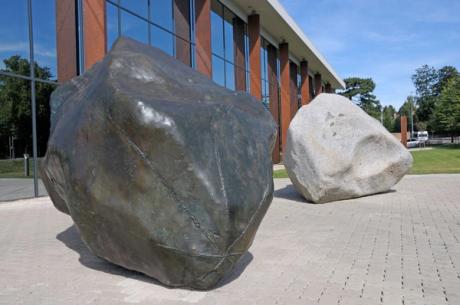
Antony Gormley sculpture quietly removed and sold off by UK council

Kent County Council, led by the Reform party, has removed and sold Antony Gormley's early public sculpture 'Two Stones' (1979-81) from outside the Kent History and Library Centre in Maidstone. The council sold the work back to the artist himself in a private sale to raise funds, citing severe financial pressures and a need to avoid increasing costs for residents. The council's most recent accounts valued the work at £859,000, but the final sale price remains confidential.

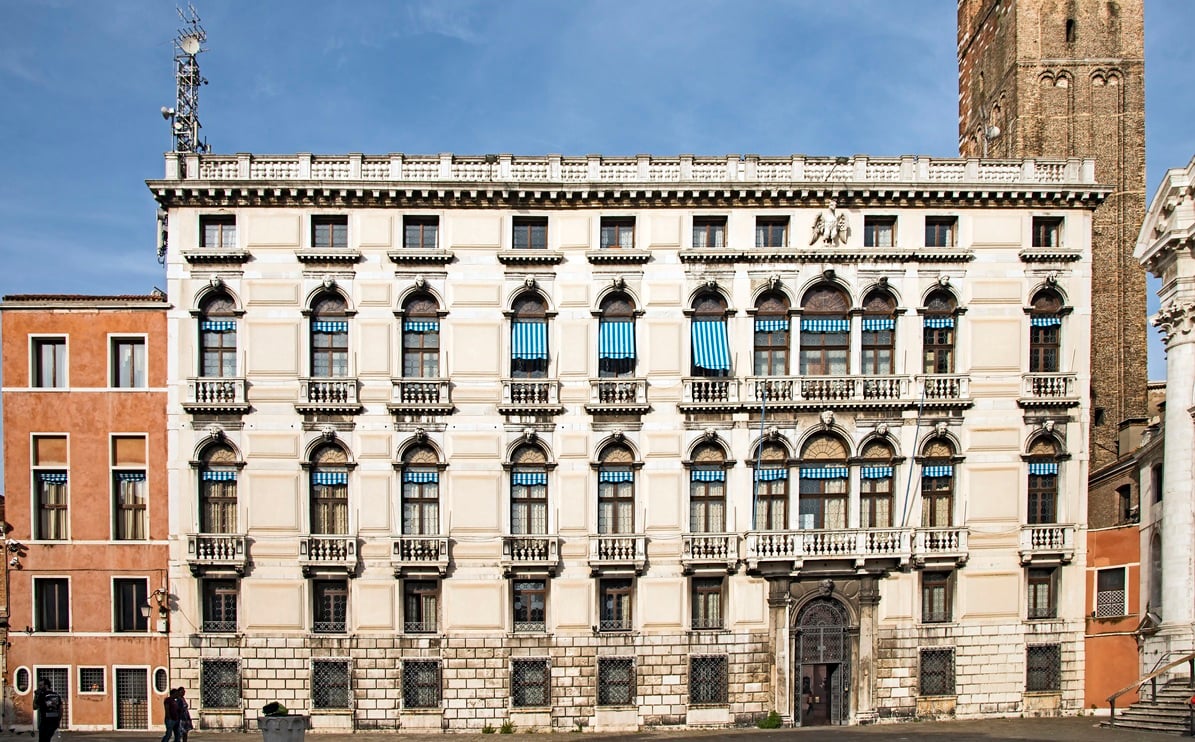
Giuli Buys Everything! The Ministry of Culture Also Wants to Take Over Rome's Teatro delle Vittorie and Venice's Palazzo Labia?

Giuli compra tutto! Il Ministero della Cultura vuole prendersi anche Il Teatro delle Vittorie di Roma e Palazzo Labia a Venezia?

Italian Minister of Culture Alessandro Giuli is pursuing an aggressive acquisition campaign for cultural properties. After high-profile purchases including Antonello da Messina's *Ecce Homo* and Caravaggio's *Portrait of Monsignor Maffeo Barberini* (€30 million), the Ministry has now expressed interest in acquiring Rome's Teatro delle Vittorie and Venice's Palazzo Labia—both part of a real estate portfolio being sold by state broadcaster Rai. The Ministry also recently bought Verona's historic Cinema Astra (with a €7.5 million restoration plan) and Naples' Teatro Sannazzaro after a fire.

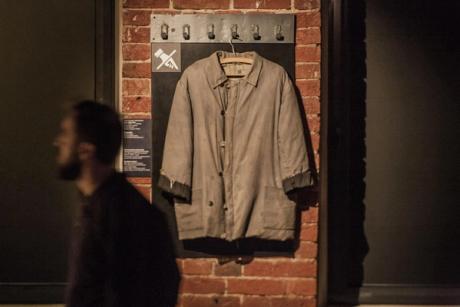
Gulag Museum rebrand marks latest phase in Kremlin’s assault on free speech

The Kremlin is systematically erasing the memory of Soviet repression under Joseph Stalin from Russian museums. The Gulag Museum in Moscow, which documented Stalin-era crimes, has been rebranded as a "Museum of Memory" focused on Nazi war crimes, with its entire website replaced and exhibitions packed up. Simultaneously, Russia's supreme court banned Memorial, a human rights organization founded to document Stalin-era atrocities, labeling it an "anti-Russian" extremist group. The Yeltsin Presidential Center in Yekaterinburg has also removed references to Memorial from its walls, and the Sakharov Center in Moscow was disbanded and evicted from its facilities.

Director of the Hermitage Museum Sanctioned by the European Union

Le directeur du Musée de l'Ermitage sanctionné par l'Union européenne

The European Union has imposed sanctions on Mikhail Piotrovsky, the 81-year-old director of the State Hermitage Museum in Saint Petersburg, as part of its 20th sanctions package against Russia. Piotrovsky was blacklisted for supporting the war in Ukraine and overseeing illegal archaeological excavations in occupied Crimea. The EU cited his use of Kremlin war rhetoric—calling the museum's exhibition policy a "cultural special operation"—and the Hermitage's role in incorporating Ukrainian cultural objects from occupied territories into Russia's state museum fund. Additionally, under his leadership, unauthorized digs were conducted at the ancient Greek site of Myrmekion in Crimea, led by Hermitage archaeologist Alexander Butyagin, who was arrested in Warsaw and later released in a prisoner exchange.

Hermitage Museum Director and Putin Ally Mikhail Piotrovsky Sanctioned by European Union

The European Union has sanctioned Mikhail Piotrovsky, the longtime director of the State Hermitage Museum in St. Petersburg, for his close association with Vladimir Putin and his active support of Russia's war against Ukraine. Announced on April 23, the sanctions are part of a broader package targeting over a hundred individuals and entities, including other cultural figures like Sergei Obryvalin, Igor Solonin, and Andrey Polyakov, for their roles in the seizure of Ukrainian cultural property and the spread of Russian propaganda in occupied regions.

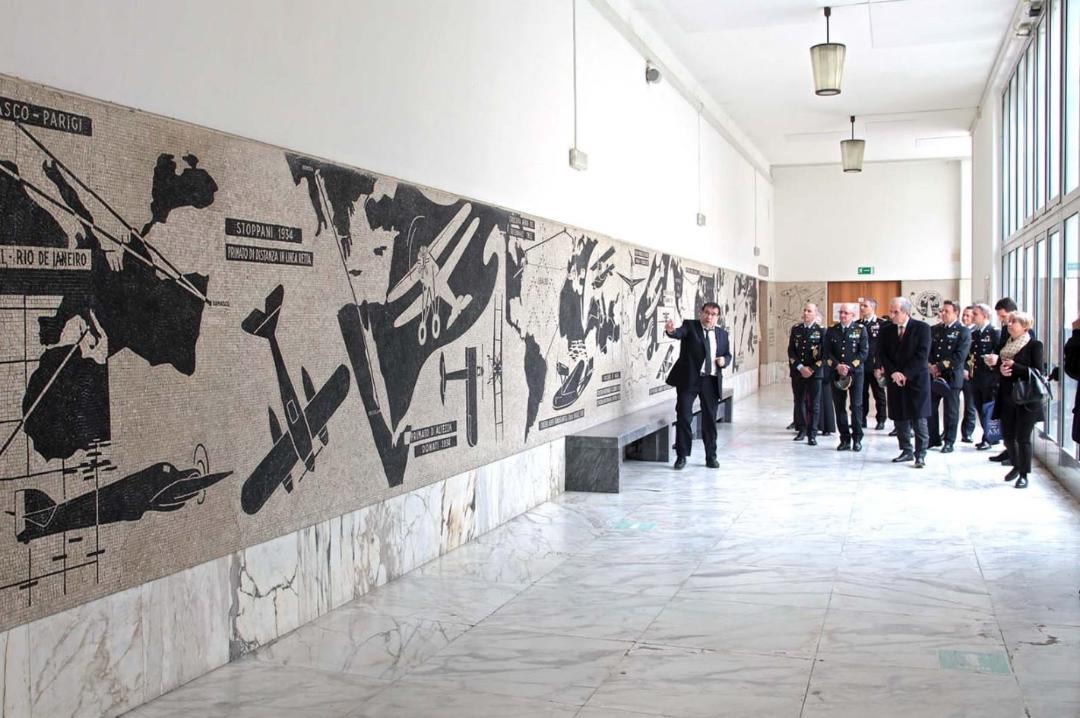
In Romagna, debate over the artistic legacy of the Fascist era

In Romagna c’è discussione attorno all’eredità artistica del Ventennio fascista

Recent developments in Romagna, Italy, have sparked debate over the artistic legacy of the Fascist era. The 102-meter-long Flight Mosaics at the former Aeronautical College in Forlì are now open to the public, and the Conad-Città di Forlì Auditorium, converted from a former GIL cinema, will inaugurate on May 13, 2026. Regional President De Pascale has announced initial funding to secure the Colonia Varese in Cervia, a Rationalist masterpiece, while long-awaited consolidation work has begun on the Casa del Fascio in Predappio, Benito Mussolini's birthplace. A 2010 plan to turn the Casa del Fascio into a cultural center documenting Fascism has stalled due to political changes and bureaucratic hurdles.

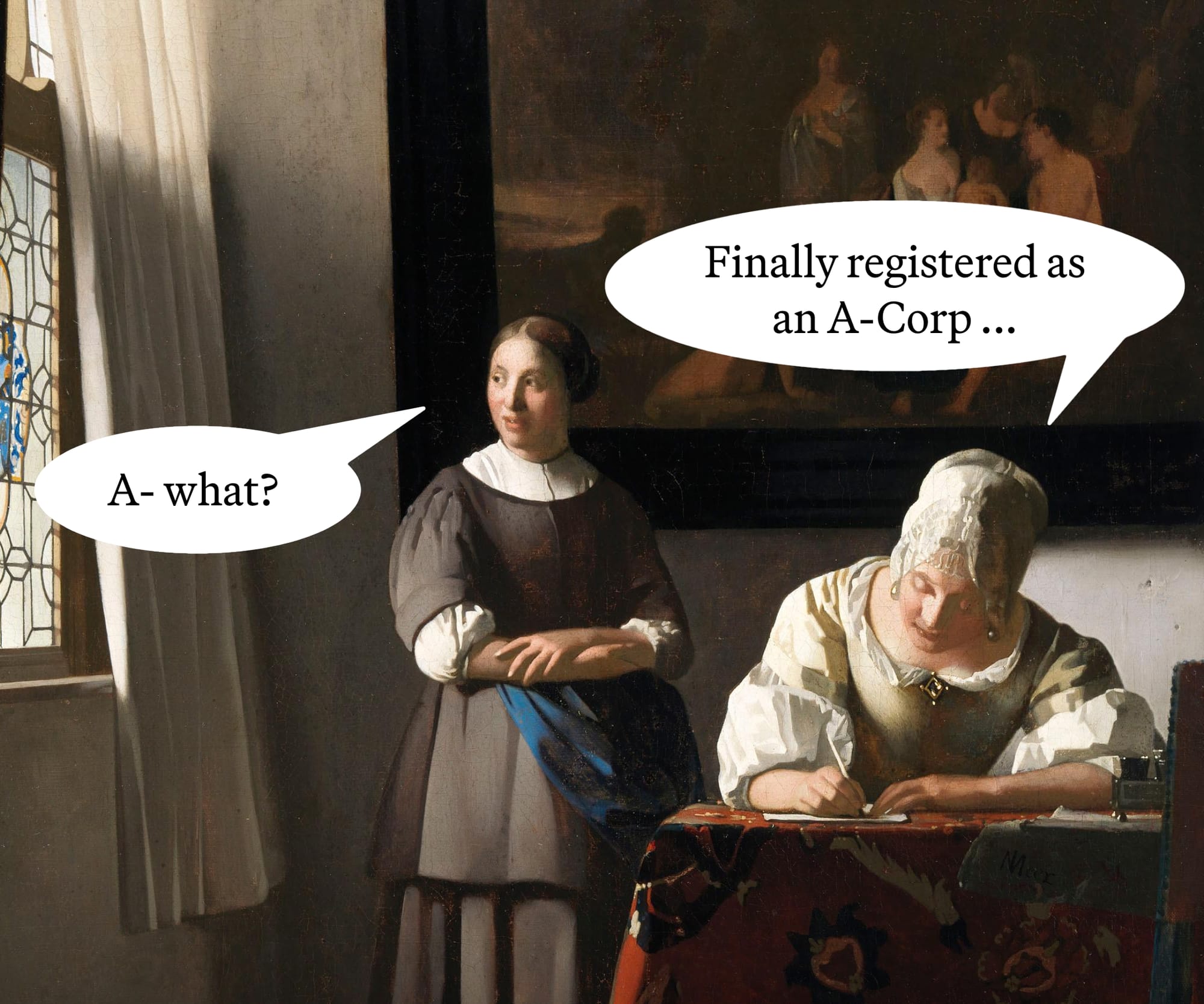
Art Problems: WTF Is an A-Corp?

The article explains the concept of an Artist Corporation (A-Corp), a new business structure for artists introduced in a bill before the Colorado state legislature, originally proposed by entrepreneur Yancey Strickler. It allows artists to form a legally recognized business entity without hiring a lawyer, simply by filling out a form, and provides liability protection by separating personal assets from business assets. The bill is expected to reach the governor's desk by mid-May and be enacted within six months, with five or six other states, including New York, expressing interest.

Today’s war, tomorrow’s loot: attempts at stemming the illicit trade in art

The article examines the ongoing challenge of preventing the illicit trade in cultural property looted from conflict zones. It discusses the Hague Convention of 1954 and its protocol, which require signatory countries to prevent theft and pillage during armed conflict and to seize and repatriate unlawful exports. However, the protocol only applies to situations of 'occupation,' leaving a gap for looting that occurs in the chaos of war beyond formal occupation. The article also notes UN Security Council Resolutions that restrict unlawfully removed cultural property from Iraq and Syria, but no similar consensus exists for countries like Afghanistan, Libya, Ukraine, Lebanon, Yemen, Sudan, and Iran. EU Regulation 2019/880 is highlighted as a measure that prohibits introducing goods removed unlawfully from their place of origin into the EU, though its scope has expanded beyond its original anti-terrorist financing purpose.

Art can officially be a form of therapy. Interview with Undersecretary of Culture Lucia Borgonzoni, godmother of the project

L’arte può essere ufficialmente una forma di cura. Intervista al Sottosegretario alla Cultura Lucia Borgonzoni madrina del progetto

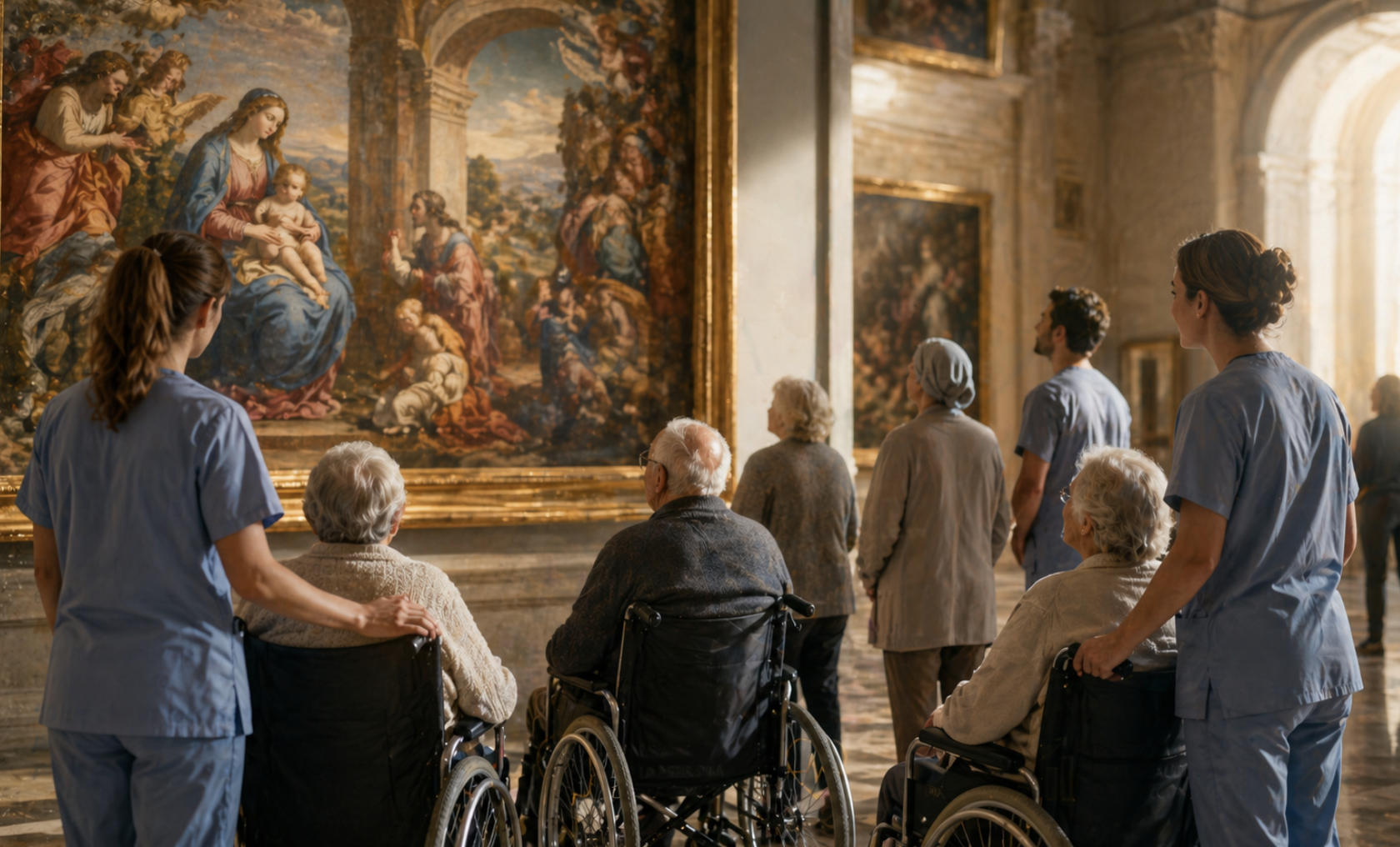
The Italian Ministry of Culture and Ministry of Health have signed a formal protocol recognizing art as a form of therapy and care. The agreement, championed by Undersecretary of State for Culture Lucia Borgonzoni, mandates that museums, libraries, archives, and cultural institutions play a central role in developing therapeutic pathways using art to improve individual and community well-being. Borgonzoni, who has advocated for this initiative for nearly a decade, traces its origin to a 2018 study at the Sanctuary of Vicoforte that measured cortisol levels in visitors before and after viewing frescoes, showing significant stress reduction.

Pablo Diaz, directeur de Sciences Po Rennes : « L’acte II de l’INSEAC de Guingamp »

Pablo Diaz, director of Sciences Po Rennes, announces that the Institut national supérieur de l'éducation artistique et culturelle (INSEAC) in Guingamp has been transferred from the Conservatoire national des arts et métiers (Cnam) to Sciences Po Rennes as of January 1, 2026. The institute, which opened in 2021 and focuses on training, research, and resources for arts and cultural education, will now operate under public-sector governance with oversight from the French ministries of Culture, Education, and Higher Education. Diaz outlines plans to appoint a dedicated site director in Guingamp and establish a strategic orientation committee chaired by interministerial delegate Emmanuel Ethis, aiming to resolve past management and governance issues.

The Savvy Balancing Act of the 'Bern 2026' Regional Sites

Le savant dosage des sites régionaux « Bern 2026 »

The French Heritage Foundation (Fondation du patrimoine) has announced the 2026 list of 18 emblematic regional sites selected for the 'Loto du patrimoine' (Heritage Lottery) funding initiative. The sites, chosen from 650 endangered candidates, include religious buildings like the Chapelle Notre-Dame du Kreisker in Saint-Pol-de-Léon and the Antana-Bé Mosque in Mayotte, forts and castles such as the Royal Castle of Senlis and Fort Boyard, as well as industrial, rural, and residential ensembles like the Beaufonds sugar factory in La Réunion. The selection balances architectural significance, state of decay, project maturity, and potential for revitalization.

The church, the village, the park. FAI's 'Places of the Heart' returns to save ruins

La chiesa, il borgo, il parco. Tornano i Luoghi del Cuore del FAI per salvare i beni in rovina

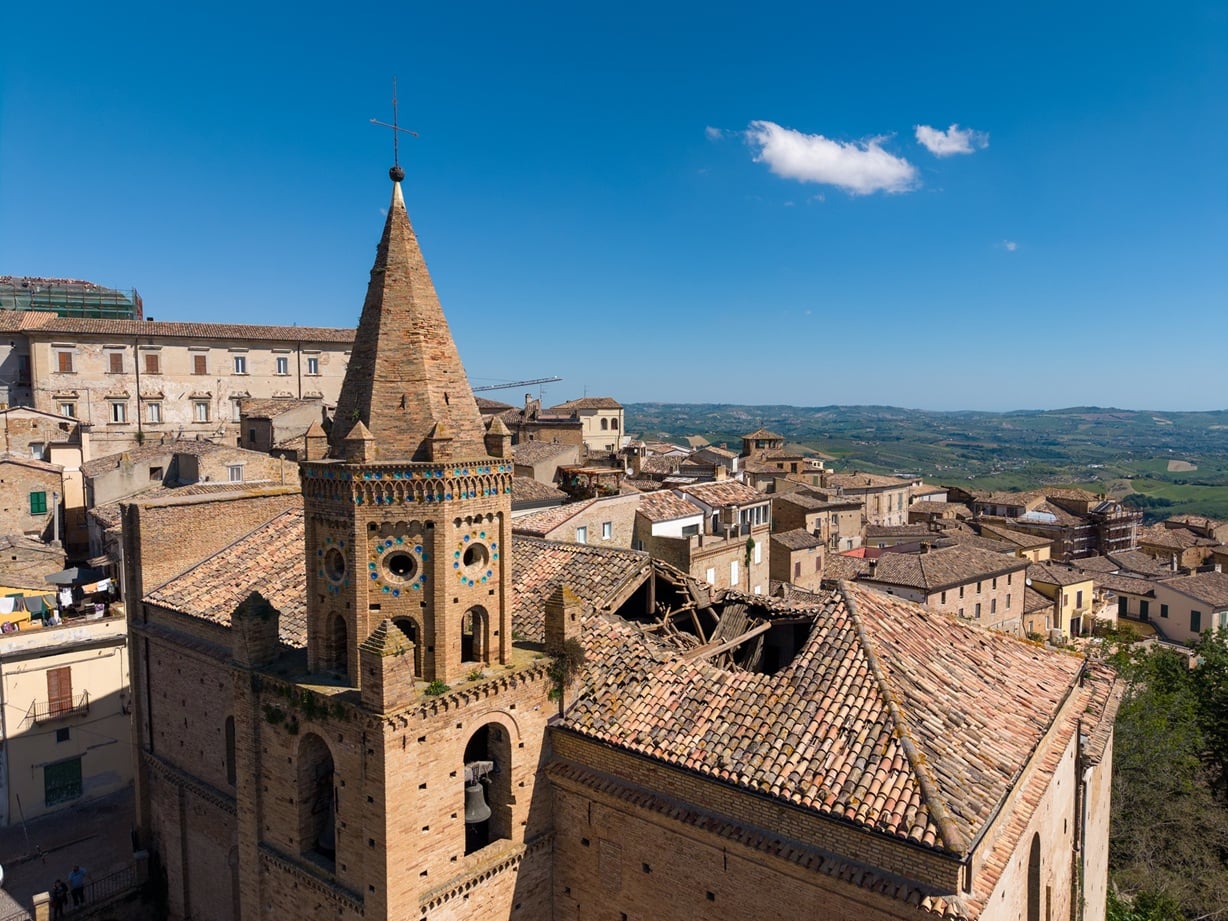
The Fondo per l’Ambiente Italiano (FAI) has launched the 13th edition of its "Luoghi del Cuore" (Places of the Heart) initiative, a biennial census that invites Italians to vote for cultural heritage sites most in need of restoration. Since 2003, the campaign has collected over 13.5 million votes, with the 2024 edition alone receiving more than 2.3 million votes for over 41,000 sites across 6,508 municipalities. The initiative has funded 180 recovery projects, 40% of which involve churches, followed by environmental, architectural, and archaeological assets. Notable successes include the Church of San Pietro dei Samari in Gallipoli, the Oratorio del Sasso in Orasso, and the Complesso di Sant’Angelo Magno in Ascoli Piceno.

A new certification has been created to improve the management and valorization of Italian cultural heritage

È nata una nuova certificazione per migliorare gestione e valorizzazione del patrimonio culturale italiano

A new certification standard called SGPI01:2024 has been launched in Italy to improve the management and valorization of cultural heritage. Developed by Certiquality and the Stati Generali del Patrimonio Italiano (SGPI), the standard was presented in Florence at Palazzo Guadagni Strozzi Sacrati, with the patronage of the Tuscany Region. It applies to all public and private entities that own or manage cultural and landscape assets, introducing a comprehensive management system that goes beyond legal compliance, focusing on conservation, economic sustainability, accessibility, and safety through independent third-party audits.

The process for awarding the title of Italian Capital of Culture should be rethought. Here's why.

Il processo per assegnare il titolo di Capitale Italiana della Cultura andrebbe ripensato. Ecco perché

An analysis of the selection process for Italy's "Capital of Culture" title reveals a consistent pattern: cities chosen for the prestigious designation are almost exclusively administered by political coalitions aligned with the national government in power at the time of selection. The sole exceptions were Bergamo and Brescia, which were jointly awarded the title via a special parliamentary decree in recognition of their suffering during the pandemic, bypassing the standard procedure. This political alignment has persisted across different legislatures and changes in government.