filter_list Showing 20 results for "The British Museum" close Clear
search
dashboard All 143 museum exhibitions 55article news 26article policy 20gavel restitution 19trending_up market 7article culture 5person people 3article local 3candle obituary 2rate_review review 2article museum 1
date_range Range Today This Week This Month All
Subscribe

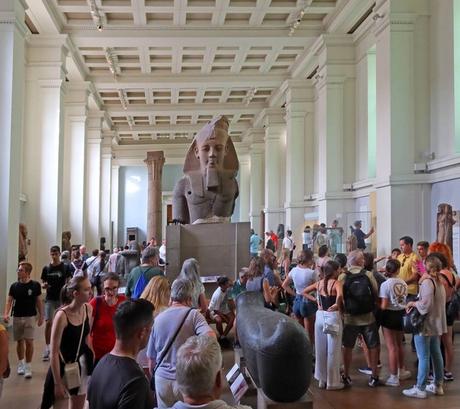
British Museum did not remove Palestine from labels due to pressure campaign, museum sources say—as backlash continues

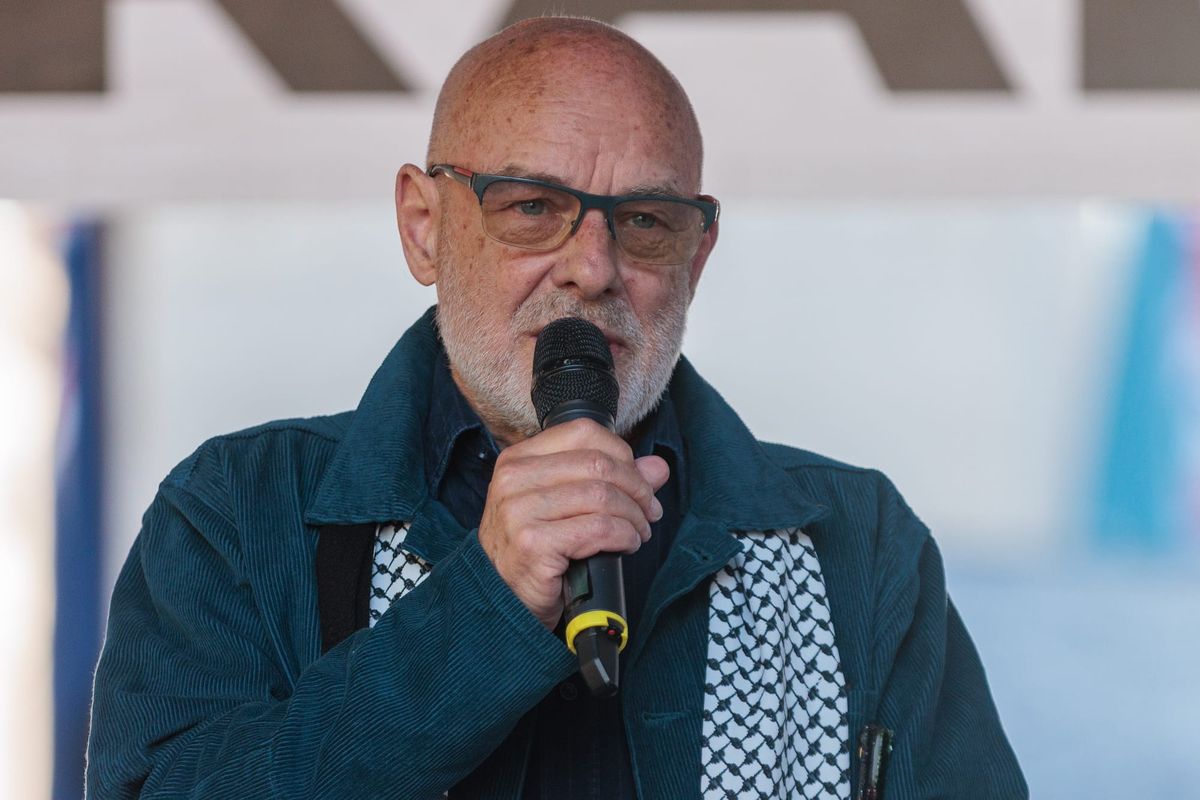
Over 200 cultural figures, including musician Brian Eno and writer Laleh Khalili, have signed an open letter condemning the British Museum for allegedly removing the word "Palestine" from labels in its Ancient Levant gallery. The letter, published in March, accuses the museum of historical revisionism and links the action to pressure from the advocacy group UK Lawyers for Israel, while also criticizing the museum's broader ties to Israel.

british taxpayers to underwrite 1 billion loan to cover bayeux tapestry while its shown in the uk

France’s Bayeux Tapestry will be loaned to the British Museum in 2026, with the UK Treasury providing an indemnity guarantee of approximately £800 million ($1 billion) to cover potential damage or loss during transport and display. The guarantee, part of the UK government’s indemnity scheme, is a contingent liability—no upfront payment is required unless something goes wrong. The tapestry will travel by truck via the Channel Tunnel in a specially designed crate, displayed behind protective screening, and remain in London until July 2027. The loan is part of a broader cultural agreement between Britain and France, announced by President Emmanuel Macron during his July state visit to London.

British Museum Removed 'Palestinian' From Displays After Pressure From Pro-Israel Group

british museum removed palestinian uk lawyers for israel

The British Museum in London removed the word 'Palestinian' from certain display texts related to the ancient Middle East, replacing it with terms like 'Canaanite.' This action followed a letter from the pro-Israel advocacy group UK Lawyers for Israel (UKLFI) to the museum's director, Nicholas Cullinan, arguing that using 'Palestine' to describe the ancient region was historically inaccurate and erased the Kingdoms of Israel and Judea. The museum stated the changes were made last year, prior to receiving the letter, and that it uses UN terminology for modern maps and 'Palestinian' as a cultural identifier where appropriate.

Brian Eno and 200+ Artists Urge British Museum to “Stop Erasing Palestine”

Brian Eno and 200+ Artists Urge British Museum to “Stop Erasing Palestine”

Over 200 artists and cultural groups, led by musician Brian Eno, have published an open letter demanding the British Museum stop what they call the "erasure of Palestine." The letter accuses the museum of altering wall texts in its Middle East Galleries, such as replacing "Palestinian descent" with "Canaanite descent," following pressure from the pro-Israel group UK Lawyers for Israel. The signatories also criticize the institution's past ties to the Israeli embassy and sponsor BP, issuing demands for an expert review of labels and an apology for hosting an Israeli embassy gala.

Museums in England largely oppose proposal to charge admission for foreign tourists

The UK government is exploring a proposal to charge admission fees for foreign tourists at national museums in England, sparking widespread opposition from cultural institutions. The idea was raised in a review of Arts Council England by Labour peer Margaret Hodge, who suggested digital ID checks could enable such a system, though she noted it would bring in less than £10 million and may not be worth the hassle. Museums like the Royal Armouries have condemned the plan as undermining universal access and projecting a lack of generosity, while the Cultural Policy Unit warns it would be logistically complex and ideologically problematic given the colonial origins of many collections.

british museum palestine backlash

The British Museum has revised labels for ancient Middle Eastern artifacts in its Levant and Egypt galleries, removing the term 'Palestine' from descriptions of ancient civilizations. The institution states the changes are part of an ongoing review, driven by audience feedback and a recognition that the term is no longer historically neutral due to contemporary political sensitivities.

uk museums defend corporate funding

A group of officials overseeing major UK cultural institutions, including the British Museum, the Victoria and Albert Museum, and the National Gallery, have signed a public letter defending corporate sponsorship. Published in the Financial Times, the letter calls for an end to "relentless negativity" around private sector partnerships and is backed by ten organizations, including the Science Museum Group. It follows protests over Baillie Gifford's sponsorship of literary festivals due to its ties to fossil fuels and Israel, which led nine festivals to end partnerships in 2023.

UK’s Palestinian Ambassador Calls on Government to Have British Museum Reinstate the Word ‘Palestinian’

The Palestinian ambassador to the UK, Husam Zomlot, has called on the British government to intervene in a dispute with the British Museum over the removal of the word “Palestinian” from wall texts in its Middle East galleries. Zomlot raised the complaint with the Foreign & Commonwealth Office after reports that the museum had stripped the term from maps and didactics, following lobbying by UK Lawyers for Israel. The museum denies removing the word entirely, stating it still appears elsewhere, but photographic evidence suggests otherwise. Zomlot declined a tour with director Nicholas Cullinan, calling the issue “existential.”

british museum explains removal palestinian wall texts

The British Museum has disputed a Telegraph report claiming it removed the word 'Palestinian' from wall texts under pressure from the pro-Israel group UK Lawyers for Israel (UKLFI). The museum stated that while some text was changed last year, using 'Canaanite descent' for a specific historical period, it continues to use 'Palestinian' as a cultural identifier where appropriate and that the changes predated the UKLFI letter. Museum director Nicholas Cullinan denied the changes were a response to the group's complaint, expressing frustration over the situation.

british museum security pavilions conservationists

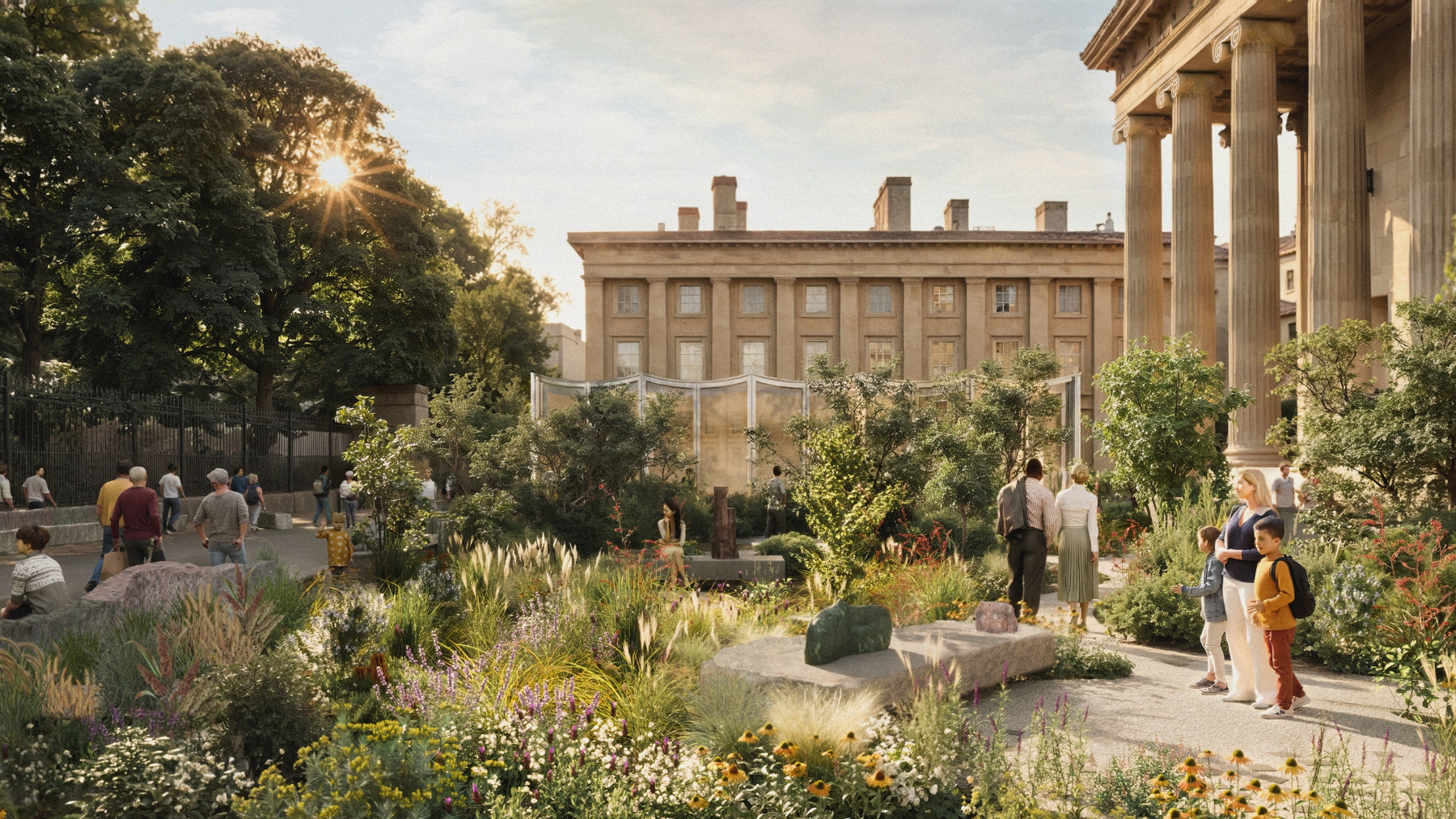
The British Museum's proposal to redesign its forecourt with two permanent security pavilions and a Mediterranean-style garden has drawn opposition from conservation groups. The Georgian Group and the Victorian Society argue the additions would disrupt the historic symmetry and formal setting of Robert Smirke's 19th-century Greek Revival building, urging Camden Council to reject the plan.

british museum ai generated images controversy

The British Museum faced criticism from archaeologists and online commentators after posting AI-generated images on its Instagram and Facebook accounts. The posts, which featured a young AI-generated woman in various cultural outfits gazing at museum objects, were removed within hours after a wave of negative feedback. The museum stated it does not post AI-created images and removed the content due to its sensitivity.

uk announces 1 5 b arts funding package to expand access beyond london

UK Culture Secretary Lisa Nandy announced a £1.5 billion arts funding package on Wednesday, urging London-based national institutions like the British Museum and the National Portrait Gallery to extend their reach across the country. The package includes £600 million for national institutions, £425 million for a Creative Foundations Fund supporting capital projects at arts venues nationwide, £160 million for local and regional museums, £230 million for the heritage sector, £27.5 million for public libraries, and an additional £80 million for national portfolio organizations. Nandy praised the Royal Shakespeare Company’s outreach as a model and framed the investment as the largest reset in the arts for a generation, comparable to post-World War Two cultural rebuilding.

british museum lending program

The British Museum has launched a new long-term lending program, transferring some 80 Greek and Egyptian antiquities to the Chhatrapati Shivaji Maharaj Vastu Sangrahalaya (CSMVS) in Mumbai, India, for a three-year exhibition. Director Nicholas Cullinan presented the initiative as a collaborative alternative to the contentious debate over repatriation, aiming to share artifacts with former British colonies without permanently deaccessioning them. The loans are part of a 15-year partnership between the two museums, and Cullinan has signaled plans to negotiate similar arrangements with China, Nigeria, and Ghana.

museums association code of ethics fossil fuel sponsorships

The Museums Association (MA) in the United Kingdom has proposed a new code of ethics that, for the first time, explicitly mentions fossil fuel companies. The guidelines recommend that museums transition away from sponsorship by organizations involved in environmental harm, human rights abuses, or other activities misaligned with museum values, and instead seek ethical funding that serves community interests. MA members will vote on ratifying the changes from September 15 until the annual conference on October 7, with the last code updated in 2015.

mps to debate whether sponsorship and advertizing by fossil fuel companies should be banned in uk

On Monday, the UK Parliament will debate whether to ban sponsorship and advertising by fossil fuel companies, following a petition with over 100,000 signatures. The petition specifically cites the £50 million partnership between BP and the British Museum, arguing that such deals allow fossil fuel giants to greenwash their reputations. While the government has no current plans to restrict fossil fuel advertising, cultural institutions like the National Portrait Gallery, Tate galleries, and Royal Opera House have already ended sponsorship deals with BP. The British Museum has defended its BP deal, with director Nicolas Cullinan stating the funding helps keep the museum free to the public.

Parliamentary report calls for major changes at French museums in the wake of Louvre heist

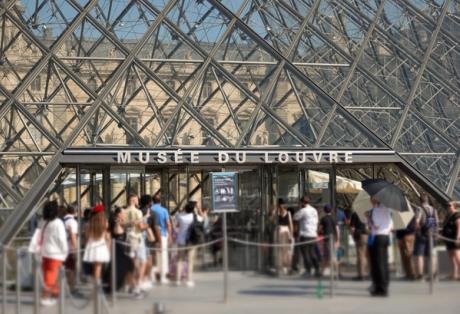
A French parliamentary report published on 13 May, following the October 19 heist of the crown jewels at the Louvre, issues a damning assessment of the country's museum security and management. The commission heard around 100 testimonies and examined some 2,000 museums, dedicating a special chapter to the Louvre. It blames former director Laurence des Cars's leadership for a "dysfunctional drift" that prioritized contemporary art interventions and fashion shows over basic infrastructure and collection protection, allowing the heist to occur. The report lists rising threats including riots, burglaries, cyberattacks (which forced the National Museum of Natural History in Paris to cancel an exhibition after a ransomware attack in July 2025), and terrorist plots. It proposes 40 recommendations, including raising budgets by an estimated €20–25 billion over a decade, enhancing staff training, and overhauling museum leadership.

british museum ai backlash

The British Museum faced significant criticism from archaeologists and the public after posting images containing A.I.-generated content on its Instagram and Facebook accounts. The posts, which featured a young woman contemplating exhibits, were tagged to an A.I. model and a marketing agency. Following a wave of negative comments, the museum removed the posts approximately six hours later and reportedly unfollowed critics on social media.

british museum tobacco deal health pact

The British Museum has ended a 15-year sponsorship deal with Japan Tobacco International (JTI) after concerns that the partnership violated the World Health Organization's Framework Convention on Tobacco Control (FCTC), which the UK signed in 2004. The decision followed pressure from the Department of Health and Social Care and the Department for Culture, Media and Sport, which provides the museum with around £75 million annually. The sponsorship had funded acquisitions of over 2,400 Japanese objects, a curatorial post, an African heritage tour, and diversity training, while giving JTI access to museum galleries for private events and filming, which critics said allowed the tobacco company to launder its reputation and meet policymakers.

Wereldmuseum Amsterdam ponders space to ‘respectfully’ house human remains

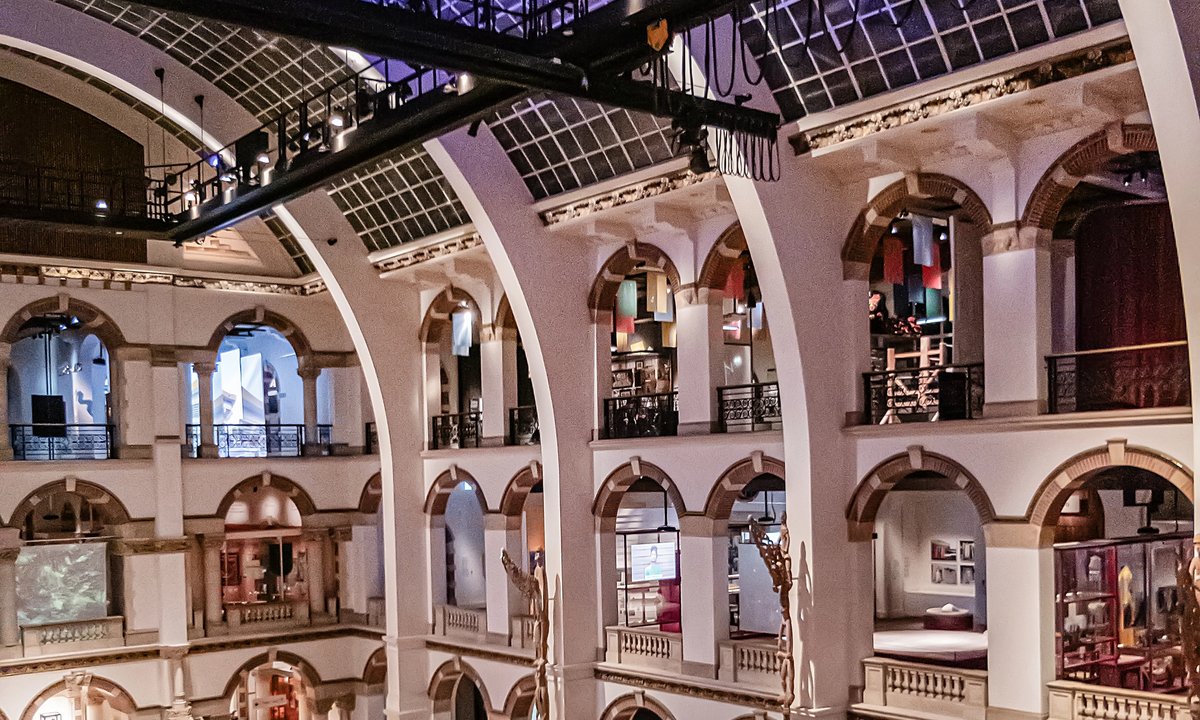
The Wereldmuseum Amsterdam has announced it will no longer publicly exhibit any human remains from its colonial-era collection, which includes around 4,000 body parts such as skulls and a preserved Surinamese newborn. At the opening of the exhibition "Unfinished past: return, keep, or…?", director of content Wayne Modest suggested the museum may create a dedicated space for "ritual practices" where descendants can respectfully engage with ancestral remains until a permanent repatriation solution is found. The exhibition features contemporary artworks, including Pansee Atta's "To Make One Particle," which reproduces each body part as a small wooden token, and draws on a four-year research program called Pressing Matter.

Self-generated income for UK museums ‘can only go so far’ in filling gaps left by funding cuts, report says

A new report from the National Audit Office (NAO) warns that state-funded UK museums are reaching a breaking point as they attempt to offset significant government funding cuts with self-generated income. Analyzing 15 major institutions including the British Museum and Tate, the report reveals that while self-generated revenue rose by 53% since 2021-22, it remains highly volatile and susceptible to external factors like tourism costs and membership churn. Despite a recent £31m funding boost from the DCMS, over half of these institutions report being in a worse financial position than they were three years ago.