filter_list Showing 14 results for "Stories" close Clear
search
dashboard All 1149 museum exhibitions 664article news 129article local 108article culture 98trending_up market 41person people 33rate_review review 26article policy 23gavel restitution 14candle obituary 13
date_range Range Today This Week This Month All
Subscribe

parthenon marbles update

Greece is building a cultural coalition with Italy to strengthen its campaign for the return of the Parthenon Marbles from the British Museum. Italy's culture minister Alessandro Giuli pledged support during a visit to Athens and announced the repatriation of 145 ancient coins. Greek culture minister Lina Mendoni is leading efforts to build international backing, and the two countries have devised joint cultural initiatives, including an exhibition of modern Greco-Italian metaphysical painters. Meanwhile, the U.K.'s Labour government has taken a neutral stance on the issue, departing from the previous Conservative government's opposition, and negotiations between Greece and the U.K. are described as "ongoing and constructive."
32 million klimt sale falls through

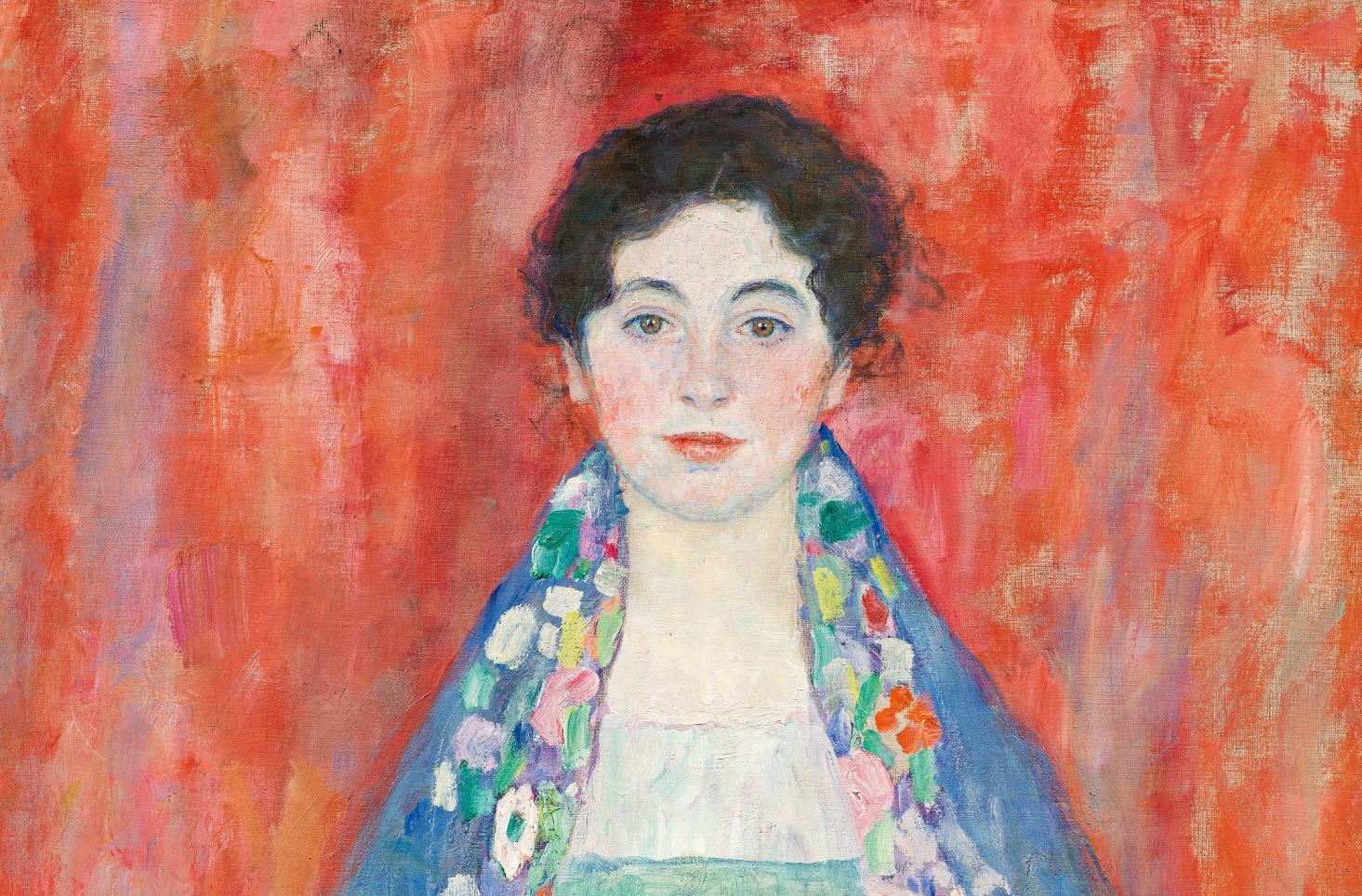
The record-setting $32 million sale of Gustav Klimt's "Portrait of Fräulein Lieser" (1917) has fallen through after a restitution settlement failed to resolve gaps in its provenance. The painting, discovered in early 2024 and sold at Im Kinsky auction house in Vienna to an anonymous Hong Kong buyer in April, was mired in controversy over its history during the Nazi era. The work's whereabouts between 1925 and 1961 were unknown, a period including Austria's annexation by Nazi Germany. The auction house proposed the work was commissioned by Henriette Lieser, who was deported and murdered at Auschwitz, but conflicting theories about the sitter's identity and the painting's path through a Nazi party member's family complicated restitution efforts. A new potential legal heir emerged after the sale, and the buyer ultimately pulled out.

The Netherlands is confronting its history of Nazi occupation – but many stolen objects remain unreturned

Arthur Brand, a Dutch art detective, was contacted by a man who discovered that his family descended from Hendrik Seyffardt, a high-ranking Nazi collaborator, and that a painting looted from Jewish art dealer Jacques Goudstikker remained in their possession. The painting, Toon Kelder's *Portrait of a Young Girl*, had hung in a relative's home near Utrecht for years. The family, who changed their name after WWII, handed the painting to Brand after the story broke in Dutch media, expressing shame and outrage over the silence surrounding their history.

Rare Books Stolen from Former MoMA President Are Returned

Manhattan District Attorney Alvin L. Bragg, Jr., has returned 17 rare books, collectively valued at nearly $3 million, to the heirs of John Hay and Betsey Cushing Whitney. The books were stolen from the couple's Long Island estate in the 1980s and include a bound collection of John Keats's love letters, a signed James Joyce volume, and an illustrated Brothers Grimm book. The recovery followed a tip from Manhattan book dealers in 2015, leading to search warrants executed in 2025 and 2026.

A Lucas Cranach the Elder Masterpiece Once Hung in Hitler’s Munich Apartment

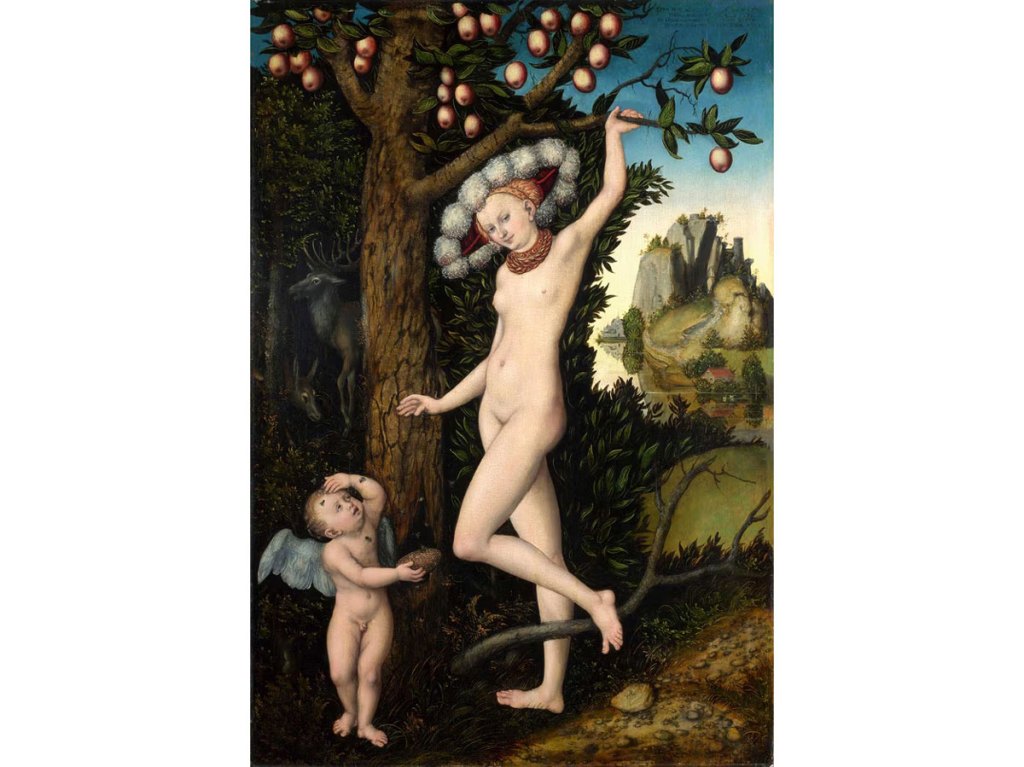
A Lucas Cranach the Elder painting, *Cupid complaining to Venus* (1526–27), once hung in Adolf Hitler's Munich apartment, according to a report by the Art Newspaper. The work was identified in a 1940s photograph published in a 1978 furniture catalog and later in a 2023 article by art historian Birgit Schwarz, who confirmed Hitler's ownership via a 2006 discovery of an album at the Library of Congress. After World War II, American journalist Patricia Lochridge took the painting from a warehouse in Berchtesgaden and smuggled it to the US. The National Gallery in London acquired it in 1963 from A. Silberman Galleries, which falsely claimed it came from the 1909 auction buyer's heir; it had actually been purchased from Lochridge.

London’s V&A launches webpage exploring provenance of its objects

The Victoria and Albert Museum (V&A) in London has launched a dedicated digital hub to document the provenance of its collection, specifically addressing objects acquired through violence, coercion, or looting. The initiative includes detailed research on controversial items such as the Maqdala material from Ethiopia, Asante Regalia from Ghana, and imperial Chinese jade. This transparency effort coincides with International Provenance Research Day and aims to provide public accountability regarding the museum's colonial-era acquisitions.

open restitution africa research organization profile

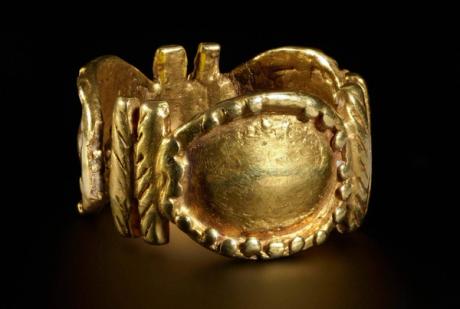
Open Restitution Africa (ORA), an African-led research organization, has compiled case studies including the Ngadji drum, a sacred instrument confiscated from Kenya's Pokomo people by British colonial officers in 1902 and now held by the British Museum. With a $600,000 grant from the Mellon Foundation, ORA provided microgrants to scholars like William Mutta Tsaka of the National Museums of Kenya, who documented the drum's cultural significance and the community's ongoing struggle for repatriation. The project aims to fund independent researchers and community activists across Africa, covering fieldwork costs often neglected by larger provenance grants.

Musée d’Orsay displays Renoir and Degas works looted by Nazis

The Musée d’Orsay in Paris has opened a new gallery dedicated exclusively to artworks suspected of being looted or forcibly sold during the Nazi occupation of France. Among the 13 works on display is Edgar Degas's *Dinner at the Ball* (1919), originally owned by Jewish collector Fernand Ochsé, who was deported to Auschwitz with his wife in 1941. The painting passed through multiple hands before being identified as one of over 100,000 artworks plundered by the Nazis. The museum has assembled a team of six provenance researchers to spend three years tracing the original owners of these works, which are part of the "MNR" (Musées nationaux récupération) collection—some 2,200 pieces deemed too important to sell but whose owners remain unknown.

Historical Museum Returns Painting

Historisches Museum gibt Bild zurück

The German Historical Museum (DHM) in Berlin has restituted a 19th-century portrait of historian Leopold von Ranke to the von der Schulenburg family. The painting by Adolf Jebens, dated 1876, was seized in 1945 during a land reform in the Soviet Occupation Zone from the family's Schloss Lodersleben estate. The museum's director, Raphael Gross, confirmed the return after provenance research identified the work's history.

The Founders of Open Restitution Africa (ORA) on Their New Open Data Platform

On March 31, the research initiative Open Restitution Africa (ORA) launched the ORA Open Data Platform, a database providing information on the restitution of African artifacts and ancestral remains. Developed over six years by ORA’s all-woman, pan-African team, the site uses case histories and AI-powered tools to offer practical insights into the return process, available in French and English. It presents 25 case histories spanning 200 years, using data visualizations, essays, and interactive tools to help individuals and communities develop their own restitution strategies. ARTnews interviewed founders Chao Tayiana Maina and Molemo Moiloa about the project's origins and goals.

italian politicians protest return of altarpiece slovenia

A 16th-century altarpiece by Vittore Carpaccio, *Madonna and Child Enthroned with Six Saints* (1518), has been returned to the Slovenian town of Piran, where it was originally commissioned for the Church of St. Francis of Assisi. The painting was removed in 1940 and placed in Padua for safekeeping during World War II, remaining in the Basilica of Sant’Antonio for decades. Following pressure from Franciscan friars in Padua, the work was quietly transferred back to Piran on September 4, days before Italian President Sergio Mattarella’s state visit to Slovenia. Slovenian Culture Minister Asta Vrečko hailed the return as the result of long-standing efforts.

British Museum's looted ewer set for return to Ghana on long-term loan

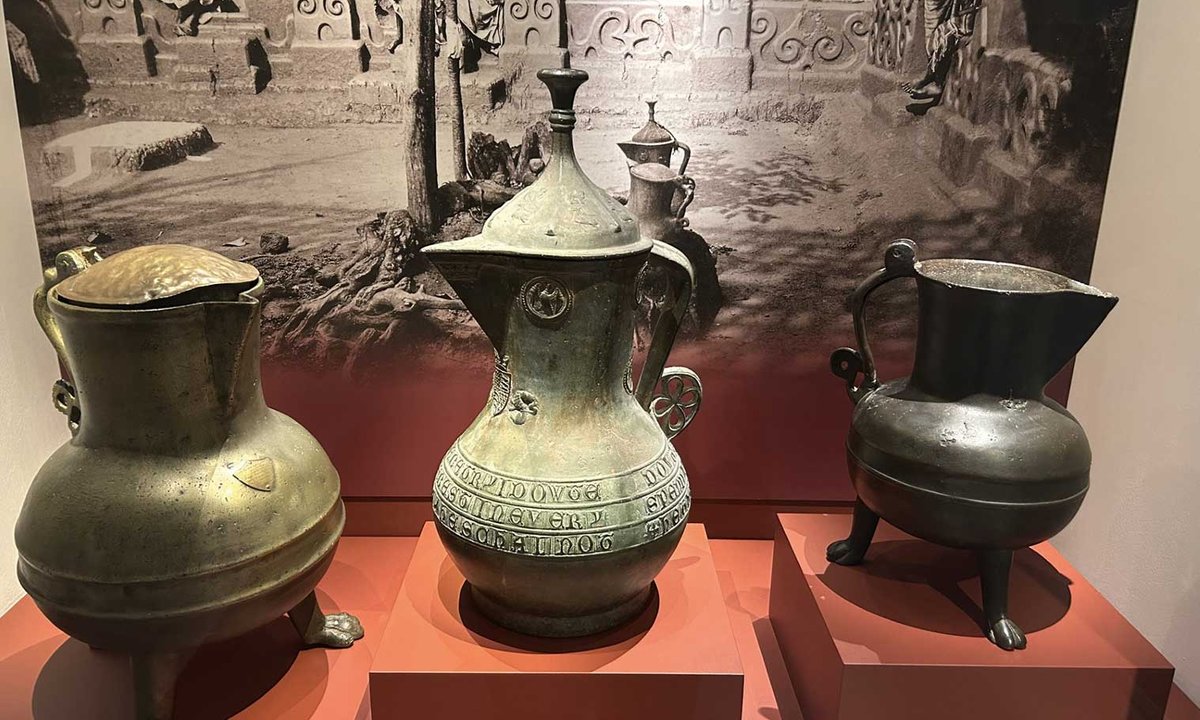
The British Museum is expected to loan the 14th-century Asante Ewer to Ghana on a long-term basis, following discussions between the Manhyia Palace Museum in Kumasi and the London institution. The ewer, made in England and later looted from the Asante royal palace in 1896, has been in the British Museum's collection ever since. Ivor Agyeman-Duah, director of the Manhyia Palace Museum, plans to travel to London to make a formal loan request on behalf of Asantehene Otumfuo Nana Osei Tutu II. The British Museum has already lent other looted artefacts to the Ghanaian museum, and the loan would likely be for three years, with Ghanaian authorities acknowledging British Museum ownership.

ancient rome new orleans tombstone

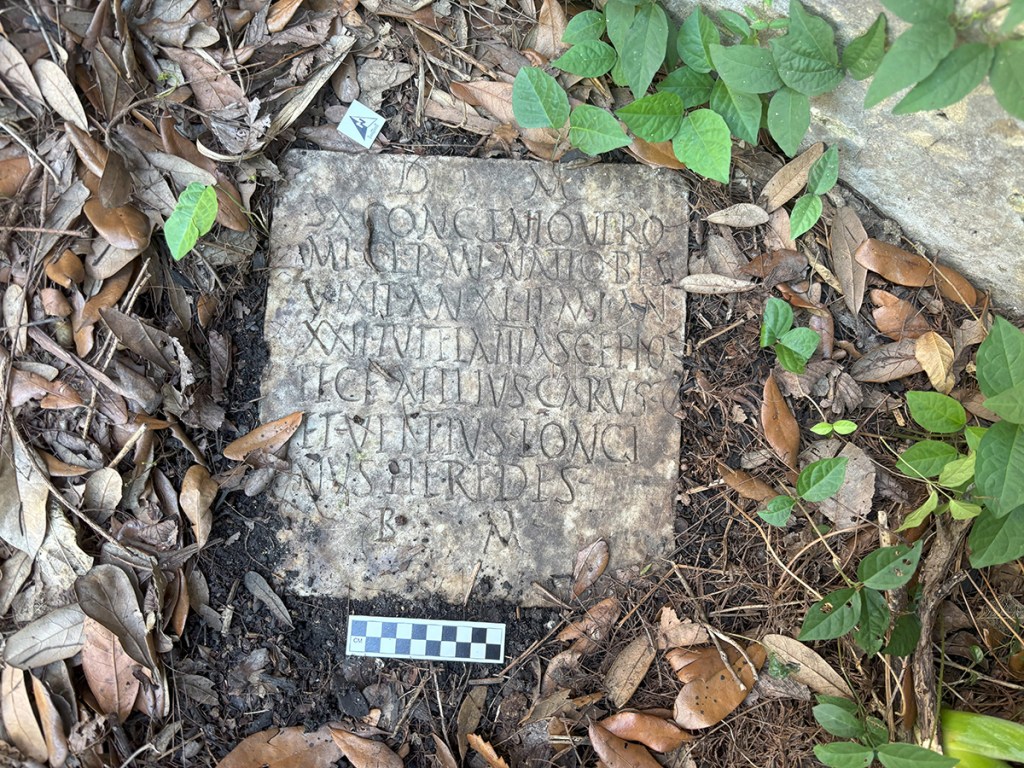
A 2nd-century Roman gravestone inscribed for a sailor named Sextus Congenius Verus was discovered in March 2025 by Daniella Santoro and Aaron Lorenz while doing yard work at their New Orleans home. University of New Orleans archaeologist D. Ryan Gray, working with colleagues at the University of Innsbruck and Tulane University, traced the stone to a missing object from a museum in Civitavecchia, Italy. Researchers believe it was brought to the U.S. as a souvenir by a member of the 34th division of the Fifth Army after the liberation of Rome in 1944. The FBI’s Art Crime Team is now involved in repatriating the headstone to Italy.

forged polish painting returns to the national museum in poznan poland

A painting long attributed to Polish Realist painter Józef Pankiewicz and held by the National Museum in Poznań has been revealed as a forgery. The work, titled 'Vegetable Market at Żelaznej Bramy Square in Warsaw' and dated 1888, was awarded a silver medal at the 1889 Universal Exposition in Paris and acquired by the museum in 1948. In 2017, scholar Michał Haake noticed discrepancies between the museum's version and historical reproductions, prompting an investigation. Conservators removed overpainting and found that the canvas, pigments, and composition differed from the original, with Pankiewicz's signature added after completion. The forgery, now attributed to an unidentified early 20th-century artist, is back on display alongside a photo of the original in the exhibition 'Succumb to Illusion.' The original painting has been missing since 1890.