filter_list Showing 56 results for "APT" close Clear
search
dashboard All 1698 museum exhibitions 784article news 218article culture 195trending_up market 175article local 139person people 68rate_review review 56candle obituary 27article policy 25gavel restitution 9article events 1article event 1
date_range Range Today This Week This Month All
Subscribe

here are 6 of the worst art works we saw all year

Artnet News published a year-end roundup of the worst artworks of 2023, as selected by its writers and editors. The list includes Meta's AI-art chatbot experiments on Instagram, which cloned celebrity likenesses into cringe-worthy avatars like Snoop Dogg's 'The Dungeon Master' and Kendall Jenner's 'Billie,' alongside Refik Anadol's 'Unsupervised' at MoMA, criticized as shallow tech spectacle. Other entries include a poorly received Picasso-themed exhibition and additional works deemed ill-conceived or badly executed.
independent picks

The article reviews the Independent art fair, highlighting its curated approach that results in a visually cohesive and easeful experience compared to other fairs. It notes the prevalence of neo-bucolic landscapes and animal paintings by artists like Sameen Agha, Tim Braden, and Lisa Sanditz, as well as delicate abstractions and small ceramic works. Standout pieces include Pope.L's provocative paint-scribbled underwear at Mitchell-Innes and Nash, Rosa Barba's kinetic painting at Vistamare, Ibrahim El-Salahi's silkscreen painting at Vigo Gallery, and works by emerging artists such as Constanza Camila Kramer Garfias and Ada Friedman at Kendra Jayne Patrick Gallery.

kevin mcgarry reviews jason faragos even

Kevin McGarry reviews the debut issue of *Even*, a new print art journal launched by *Guardian* contributor Jason Farago during Frieze New York. Named after a phrase from Marcel Duchamp's *The Bride Stripped Bare By Her Bachelors, Even*, the magazine is a small, paperback-sized publication that prioritizes text over images, positioning itself as an antidote to market-driven art discourse. The first issue features a lengthy essay on artist Joan Jonas by Elisabeth Lebovici, timed to Jonas's U.S. pavilion at the 56th Venice Biennale, and a piece by Zachary Woolfe on the Björk exhibition at MoMA. McGarry critiques the journal's ambition to revitalize art criticism, noting that while its goals are lofty, the content sometimes falls back on familiar artspeak.

What You Should Definitely Avoid in Venice

Was man in Venedig unbedingt vermeiden sollte

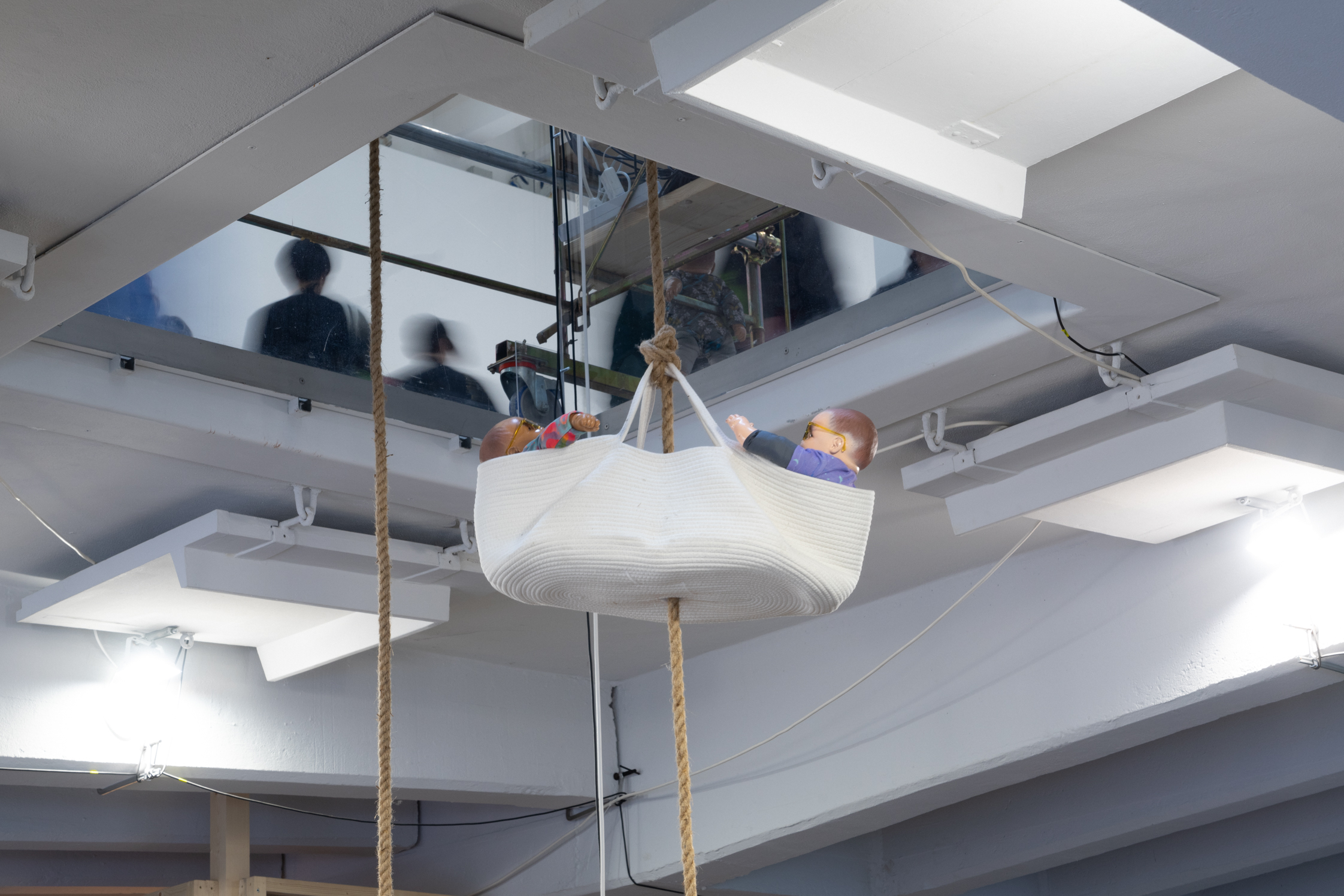
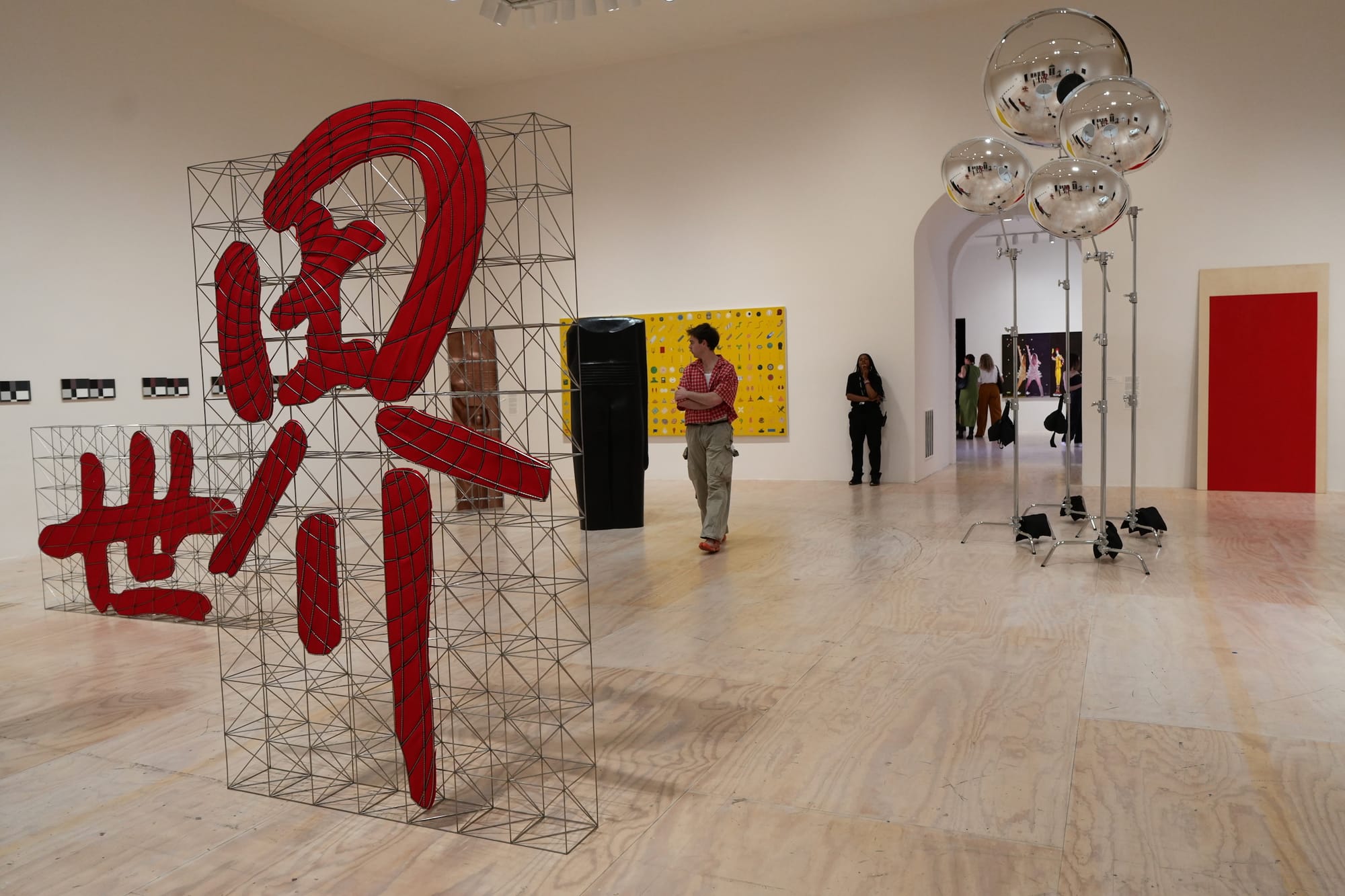
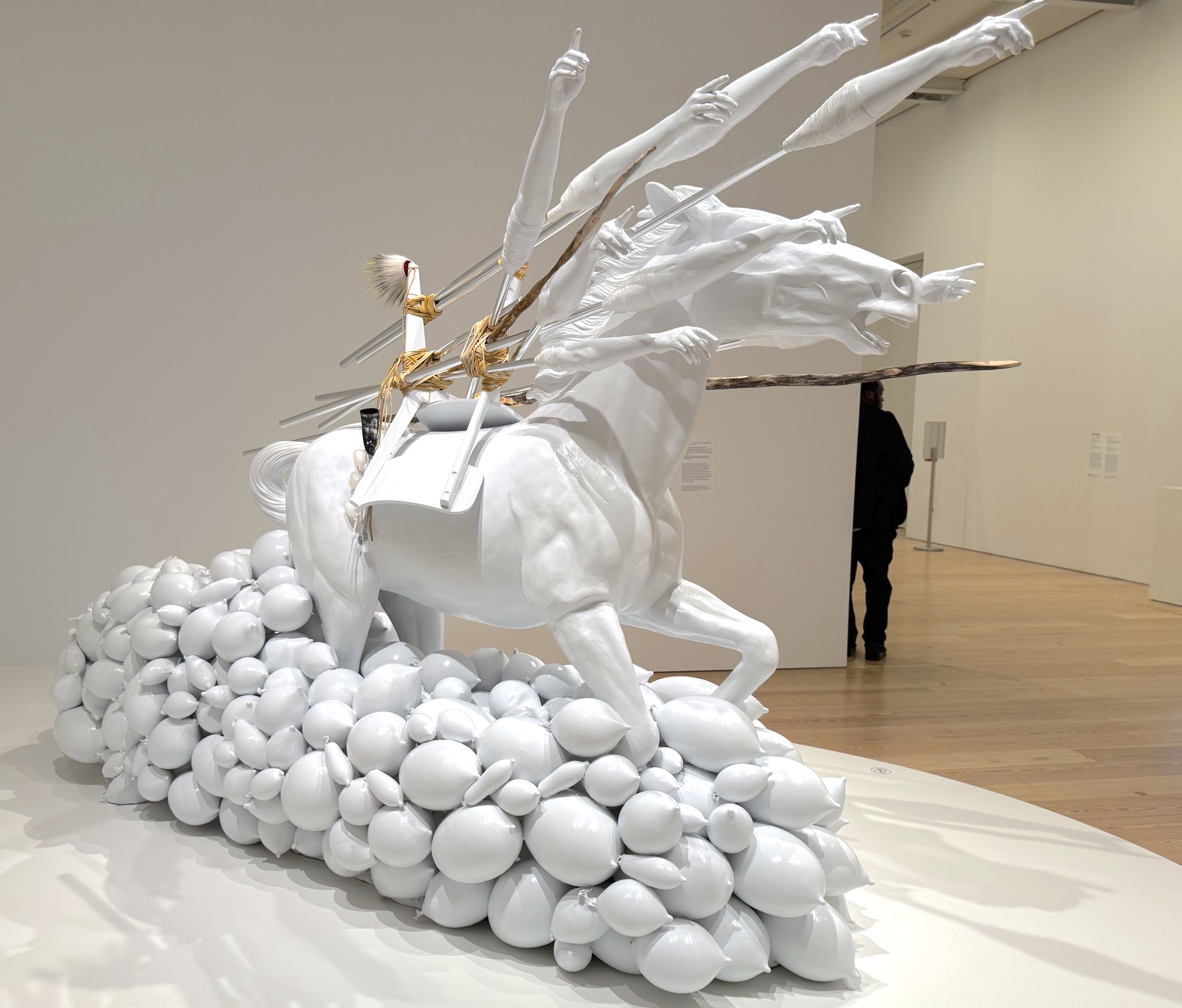
The article humorously critiques the Venice Biennale, highlighting several disappointments. It describes a Japanese pavilion installation by Ei Arakawa-Nash featuring baby dolls for diaper-changing, which a critic dismisses as a male artist over-romanticizing parenthood. Other flops include long queues for the German and Austrian pavilions, underwhelming main exhibition "In Minor Keys," and annoying self-promotional performers outside venues. The piece also laments the presence of loud American collectors and donors who dominate the event.

Big Crisis, Small Gestures

Große Krise, kleine Gesten

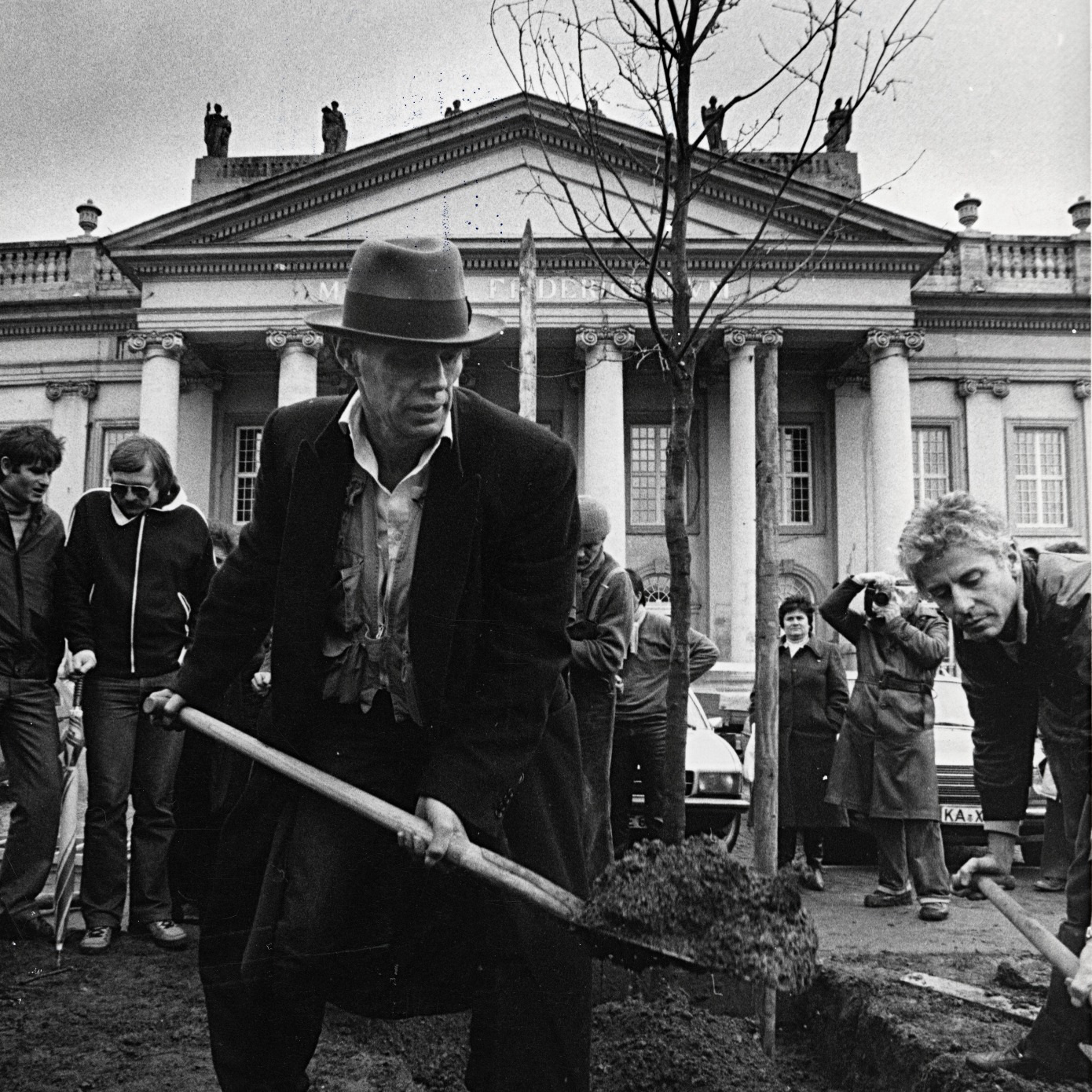
The article reviews the second edition of the Klima Biennale Wien, which opened in early April in Vienna. It notes that while the biennale aims to address the urgent triple crisis of climate change, biodiversity loss, and pollution, its execution falls short. The exhibition features symbolic works such as a beached whale, a broken boat, and a compostable SUV sculpture, but these motifs feel repetitive and lack the necessary impact. The author contrasts these with historical precedents like Menashe Kadishman's 1978 Venice Biennale installation and Joseph Beuys' "7000 Eichen" (1982), arguing that the themes of nature and sustainability are not new, only the urgency has intensified.

best new york art criticism critics table

Cultured magazine's critics roundup highlights several notable New York art exhibitions. Cameron Rowland's "Properties" at Dia Beacon is examined as a landmark Land art installation that uses contractual relations to address racial capitalism, with works available only for rent or loan. Other shows include Feliciano Centurión's "Sol naciente" at Ortuzar, Joshua Caleb Weibley's "Game Transfer Phenomena" at Chart, Ian Miyamura's debut at Bureau, and Laura Owens's new show at Matthew Marks Gallery, each reviewed for their conceptual and aesthetic innovations.

future of the art world andras szanto review

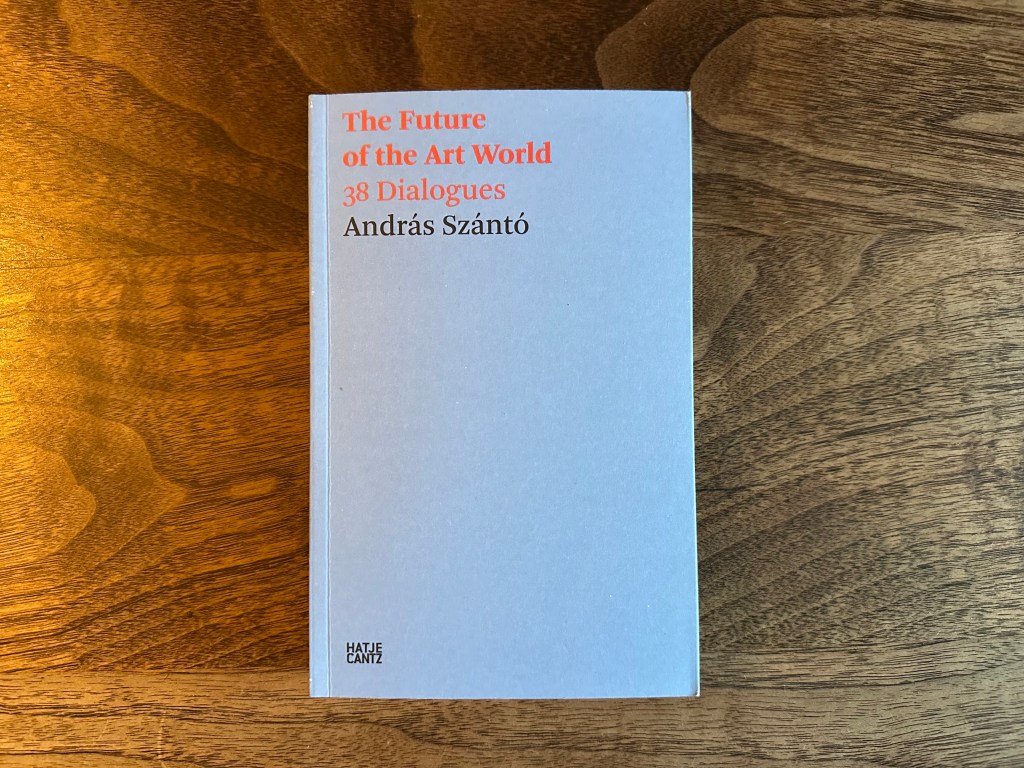
András Szántó has published the third volume of his trilogy on the future of museums and the art world, titled "The Future of the Art World." The book compiles 38 interviews conducted between April 2024 and June 2025 with a wide range of art-world stakeholders, including artists, curators, collectors, dealers, auctioneers, art fair directors, sociologists, philosophers, and policymakers. Unlike his previous books, which focused on museum directors and architects, this volume gives significant voice to artists, who offer provocative critiques and predictions about the future of museums, art education, and digital art.

Todd Gray Reframes Black Diasporic History

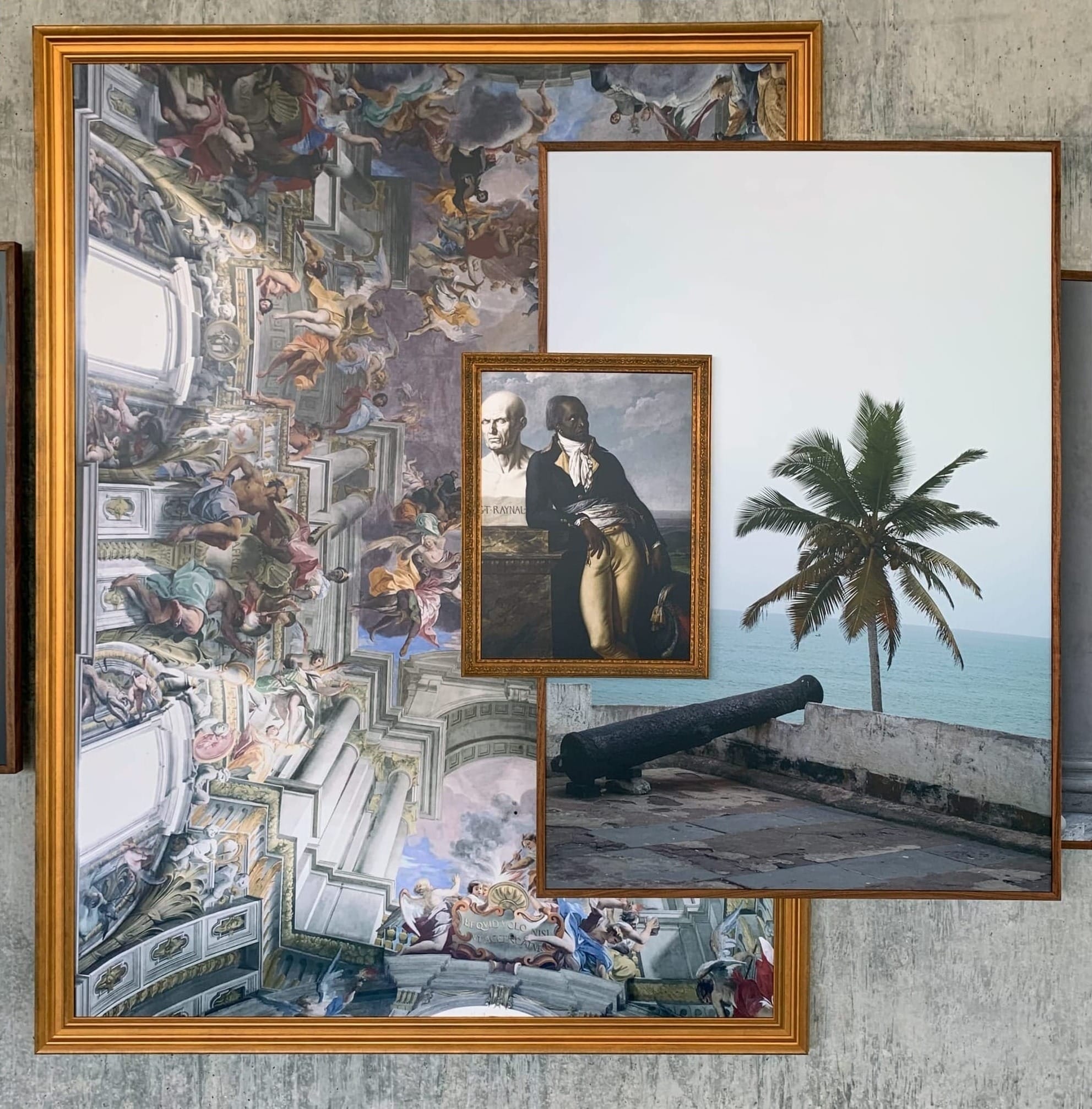
Todd Gray's exhibition "Portals" at Perrotin in Los Angeles features multi-paneled photo assemblages that juxtapose images of slavery with European art, architecture, and formal gardens, exploring the evolution of Black history and identity. The show coincides with the opening of his commissioned installation "Octavia's Gaze" (2025) at the new David Geffen Galleries of the Los Angeles County Museum of Art. Gray's works incorporate his own photographs alongside sources like Hubble Space Telescope imagery, creating layered visual puzzles that invite viewers to find connections and ask questions about African diasporic identity.

art criticism cameron rowland anne imhof

The article reviews several notable art events and exhibitions from 2025, beginning with Cameron Rowland's controversial work "Replacement" at the Palais de Tokyo in Paris, where the French flag was replaced with the flag of Martinique, leading to the artwork being deemed potentially illegal. It also covers Johanna Fateman's review of Rowland's "Properties" at Dia Beacon, Ross Simonini's reflection on Joseph Beuys and the Eaton fire in Los Angeles, John Vincler's critiques of Cady Noland at Gagosian and Nicole Eisenman at 52 Walker, and Fateman's year-end roundup including figures like Anne Imhof, Laura Owens, and Jack Whitten.

art best and worst art of 2025 list

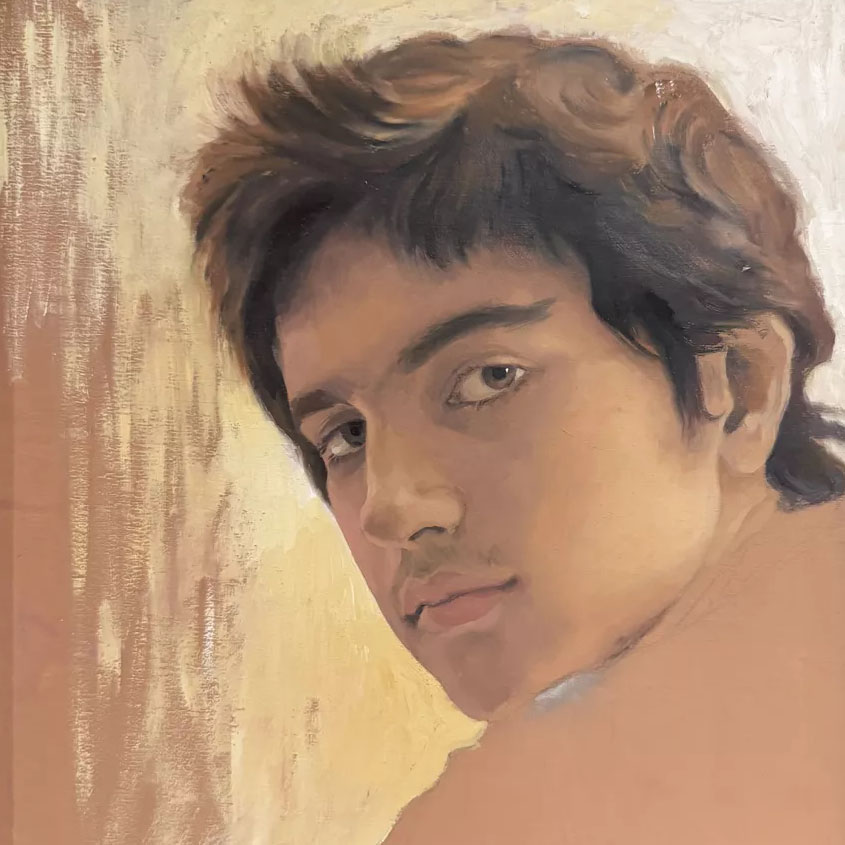
Cultured's art critic reflects on the best and worst of 2025, highlighting standout moments including Salman Toor's 2007 portrait of Zohran Mamdani (now mayor-elect of New York), the posthumous Jack Whitten survey "The Messenger" at MoMA, and Anne Imhof's epic production "DOOM: House of Hope" at the Park Avenue Armory. The article also notes Mamdani's arts-friendly transition committee and the broader resilience of artists amid political turmoil.

art los angeles fall openings review

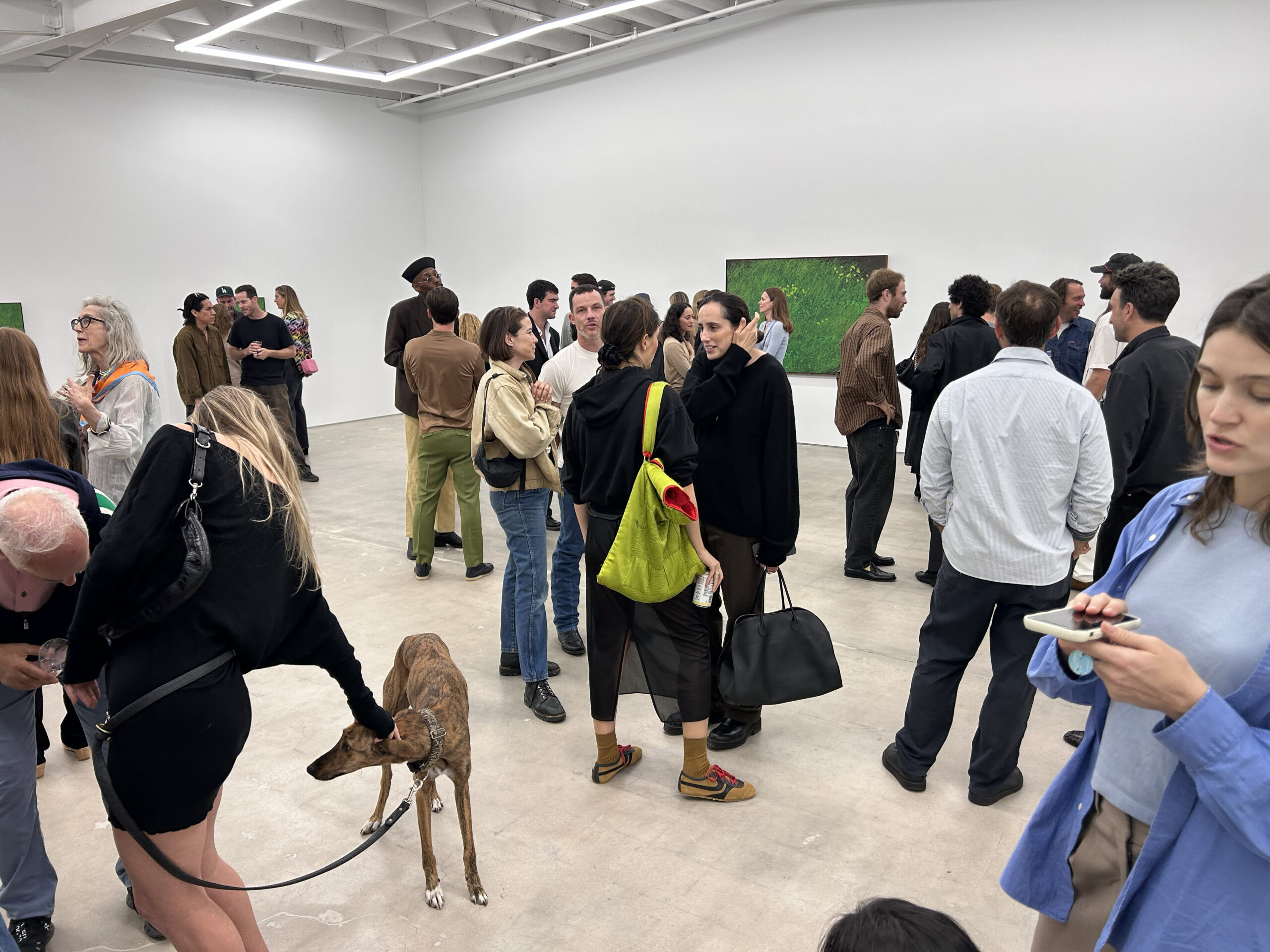
The article is a review of fall art openings in Los Angeles, written by Juliana Halpert for her Critics’ Table debut. Halpert surveys a range of exhibitions, including Calvin Marcus's show at Karma, Stanya Kahn's solo presentation, the Hammer Museum's "Made in L.A." biennial and its scrappier counterpart "Made in HelLA," Josh Smith's grim reaper paintings at David Zwirner, and Adam Alessi's show at Hoffman Donahue. She also recounts attending the Poetic Research Bureau's 25th anniversary party and fundraiser at 2220 Arts + Archives, where musician Jack Skelley performed. The review weaves a thematic thread of mortality and the macabre, noting how many shows this season engage with death, from fake blood and skulls to sinister landscapes.

Can a Play Capture an Artist as Enigmatic as Henry Darger?

Can a Play Capture an Artist as Enigmatic as Henry Darger?

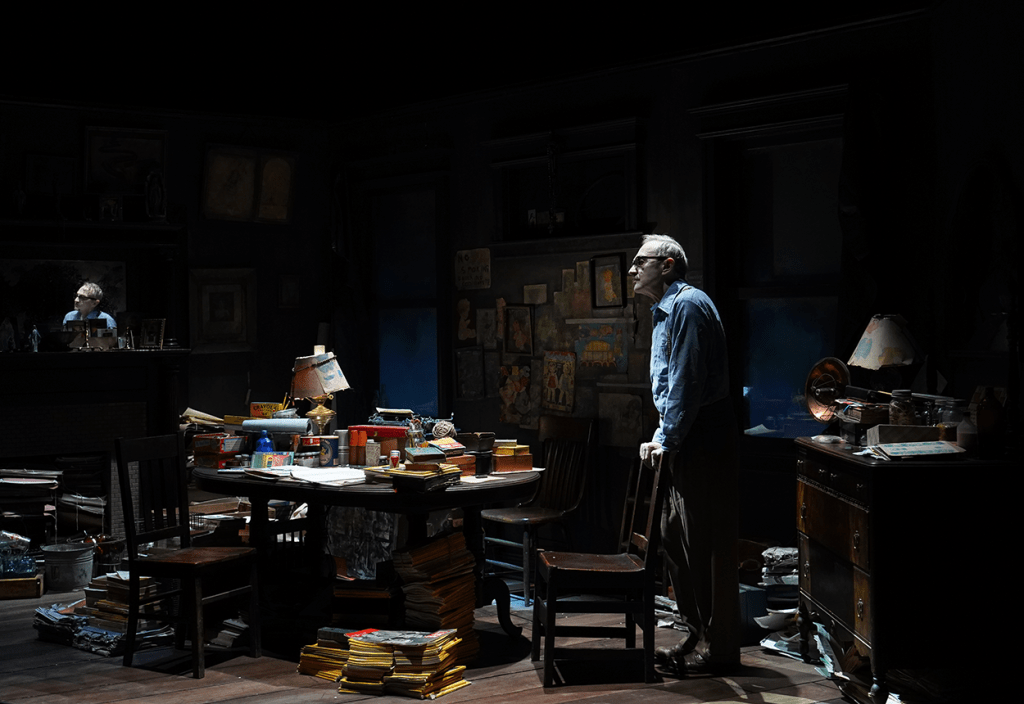
A new play, *Bughouse*, is attempting to portray the life of reclusive artist Henry Darger on stage at New York's Vineyard Theater. The one-man show, starring John Kelly, draws from Darger's own lengthy autobiography to depict his traumatic childhood, institutionalization, and decades of solitary life in Chicago, where he secretly created his vast, fantastical artwork and writings.

The Big Review: Rothko in Florence ★★★★★

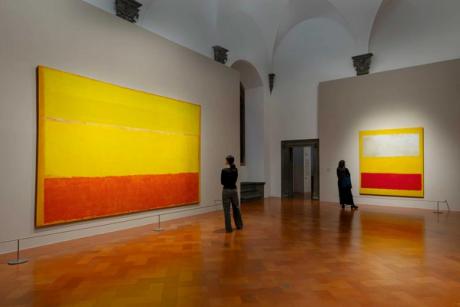
The Palazzo Strozzi in Florence has launched a major exhibition exploring the profound influence of the Italian Renaissance on Mark Rothko. Co-curated by the artist's son, Christopher Rothko, the show spans three historic locations: the Palazzo Strozzi, the Museo di San Marco, and the Biblioteca Medicea Laurenziana. By placing Rothko’s abstract canvases in direct dialogue with Fra Angelico’s frescoes and Michelangelo’s architecture, the exhibition highlights how the artist’s visits to Italy in the 1950s and 60s shaped his spatial thinking and spiritual intensity.

Dean Sameshima review – did the neighbours really not know? The extreme LA sex clubs hidden in plain sight

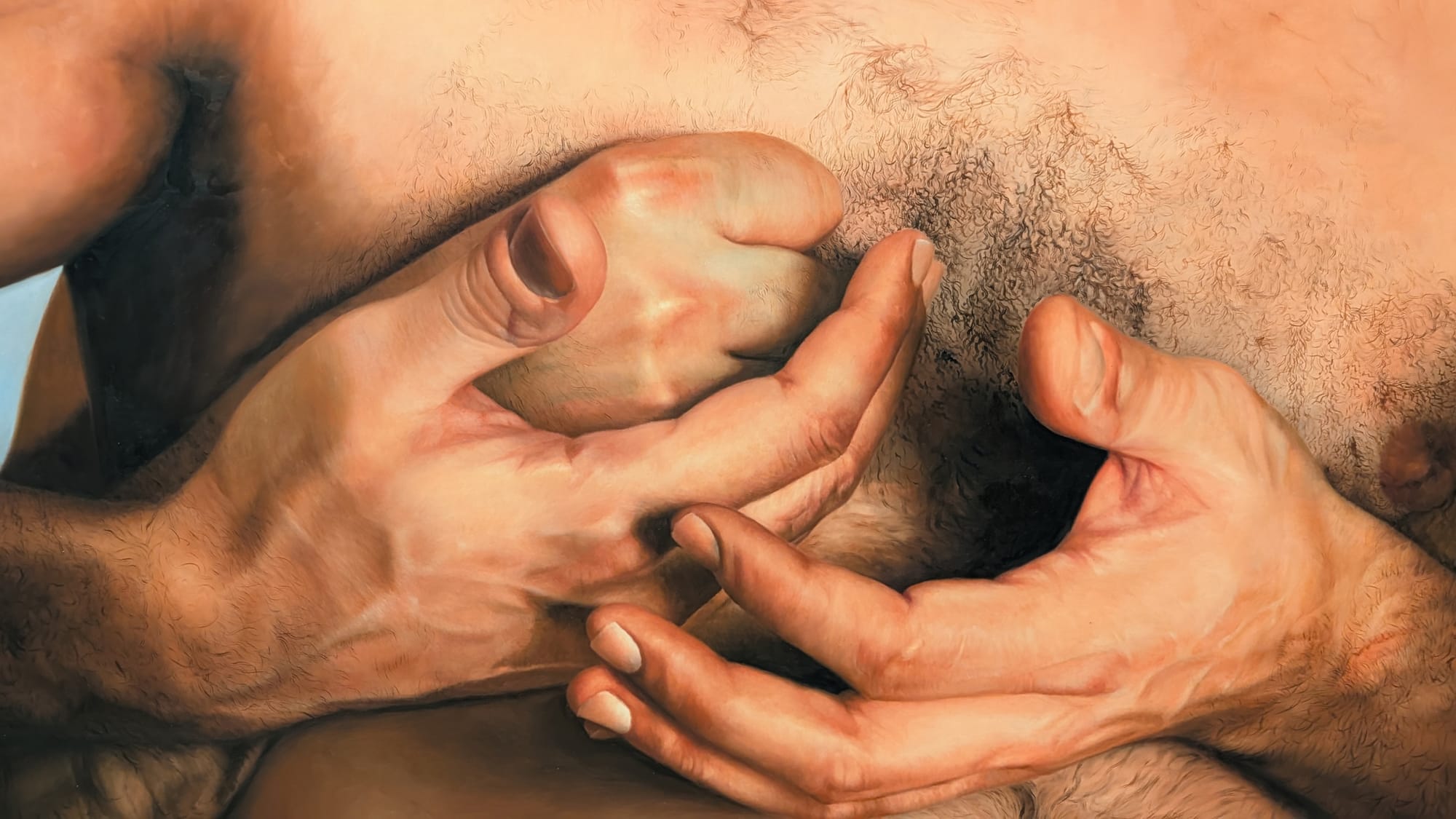
A new exhibition at Soft Opening in London presents Dean Sameshima's "Wonderland" series, photographs taken in the mid-1990s that document the exteriors of queer sex clubs and bathhouses in Los Angeles's Silver Lake neighborhood. The images, shot in a stark, formal style during daylight, capture the unremarkable facades of these clandestine spaces, with only descriptive titles hinting at the activities within.

cindy sherman office killer blu ray review

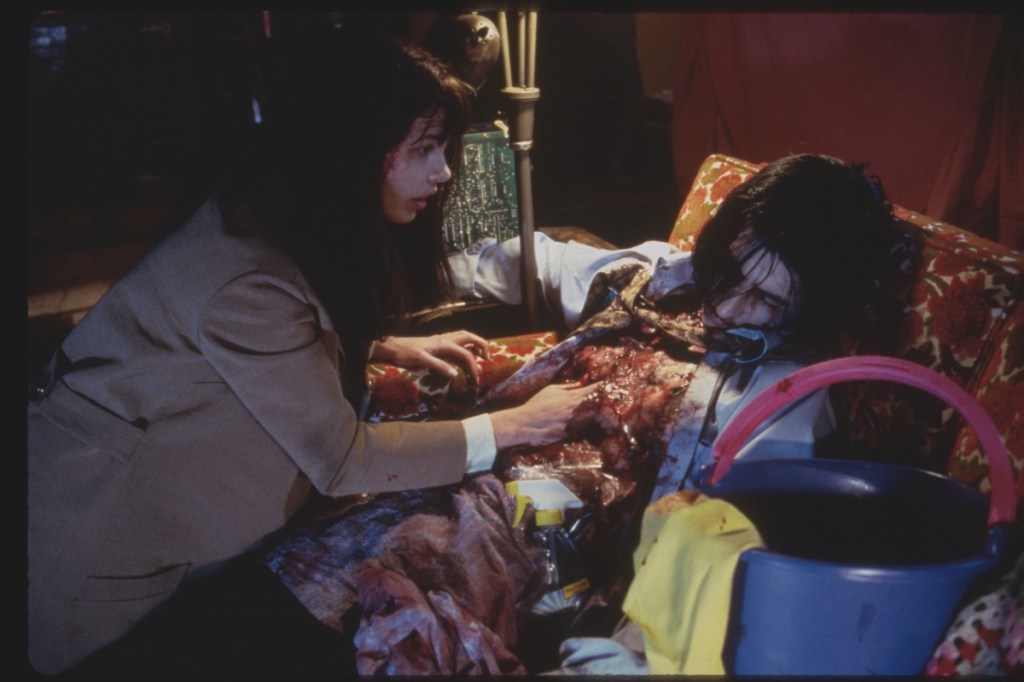
Vinegar Syndrome has released a new 4K UHD and Blu-ray restoration of 'Office Killer', the only feature film directed by renowned photographer Cindy Sherman. Originally released in 1997 to critical derision and box-office failure, the film follows a meek magazine editor who begins murdering her colleagues during a period of corporate downsizing. The restoration highlights Sherman's transition from her iconic 'Untitled Film Stills' to the more visceral, abject imagery of her 'Disasters' and 'Sex Pictures' series.

jack whittens 9 11 01 moma

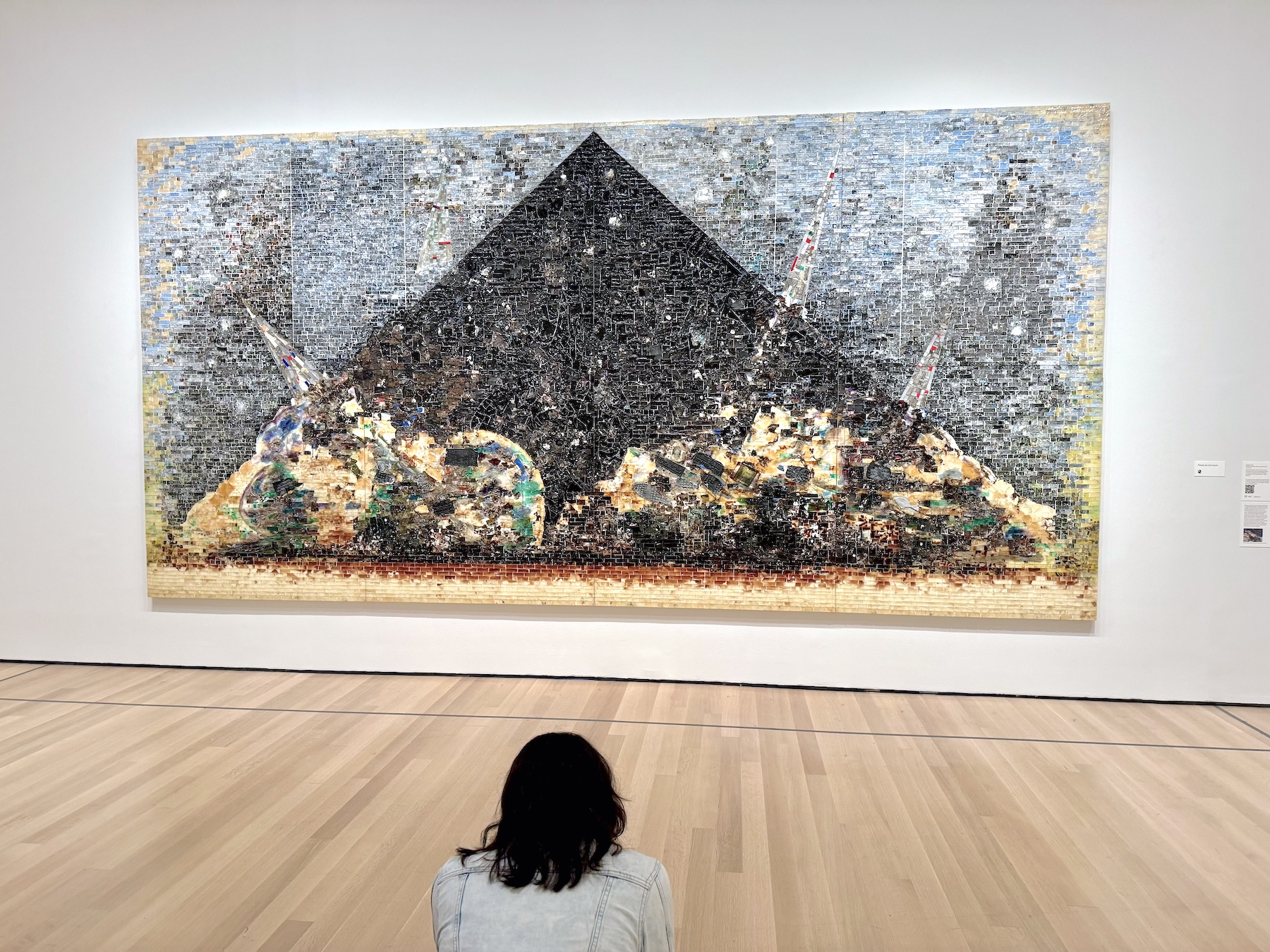
Jack Whitten's monumental mosaic-painting "9.11.01" (2006) is the focus of this article, which examines the work on view at the Museum of Modern Art. The painting, created in response to the September 11 attacks, uses abstract forms—a cracked black pyramid with dagger-like spines and bootprints—to evoke the trauma of that day. Whitten, who witnessed the first plane strike from his studio in Manhattan, embedded ash and wreckage fragments into the surface, blending abstraction with historical memory.

sam mckinniss jeffrey deitch review

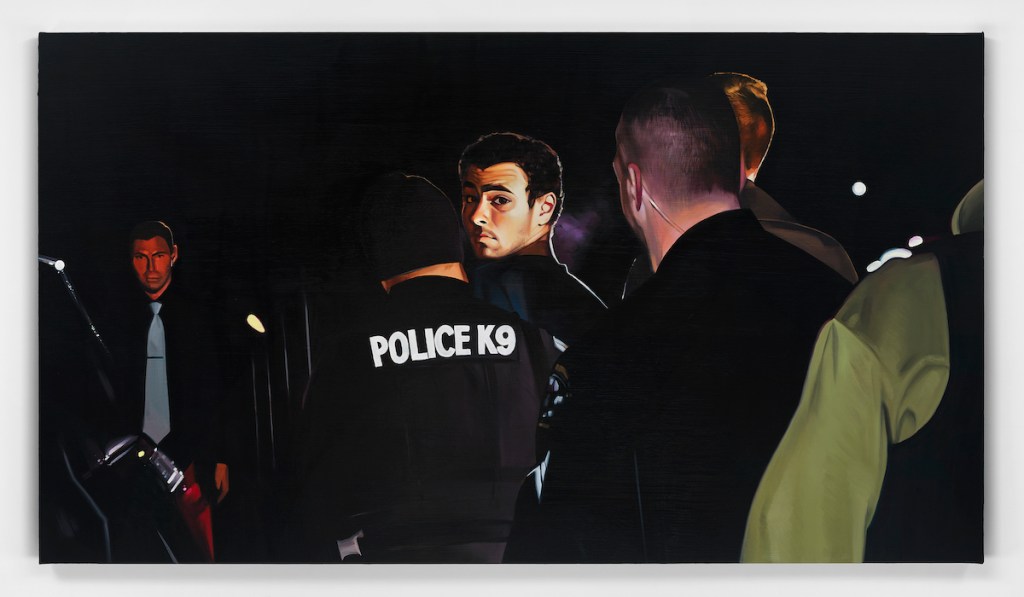
Sam McKinniss's new exhibition "Law and Order" at Jeffrey Deitch in New York presents paintings of viral and iconic figures, including Jeremy Meeks, Luigi Mangione, Chuck Bass from Gossip Girl, and riderless horses running through urban streets. The show explores how social media blurs the lines between advertising, entertainment, and politics, capturing the experience of scrolling through online content. The article, part of ARTnews's Link Rot column by Shanti Escalante-De Mattei, examines McKinniss's attempt to illustrate the feeling of living in contemporary America through curated images of law enforcers and law breakers.

Gardar Eide Einarsson Leaves You in the Dark

Gardar Eide Einarsson’s latest exhibition at Maureen Paley’s East London space presents a haunting exploration of dissociation and coded information. The show features two distinct series: 'Closed Caption,' a collection of monochrome black gouache paintings featuring isolated subtitles from films, and 'Incendiary Test Area,' a set of hyperrealistic woodblock prints created in collaboration with master Shoichi Kitamura. These prints depict the interiors of mock 'Japanese' houses built by the US Army for fire-bombing tests during World War II.

Craig Jun Li: Scrapping the Camera

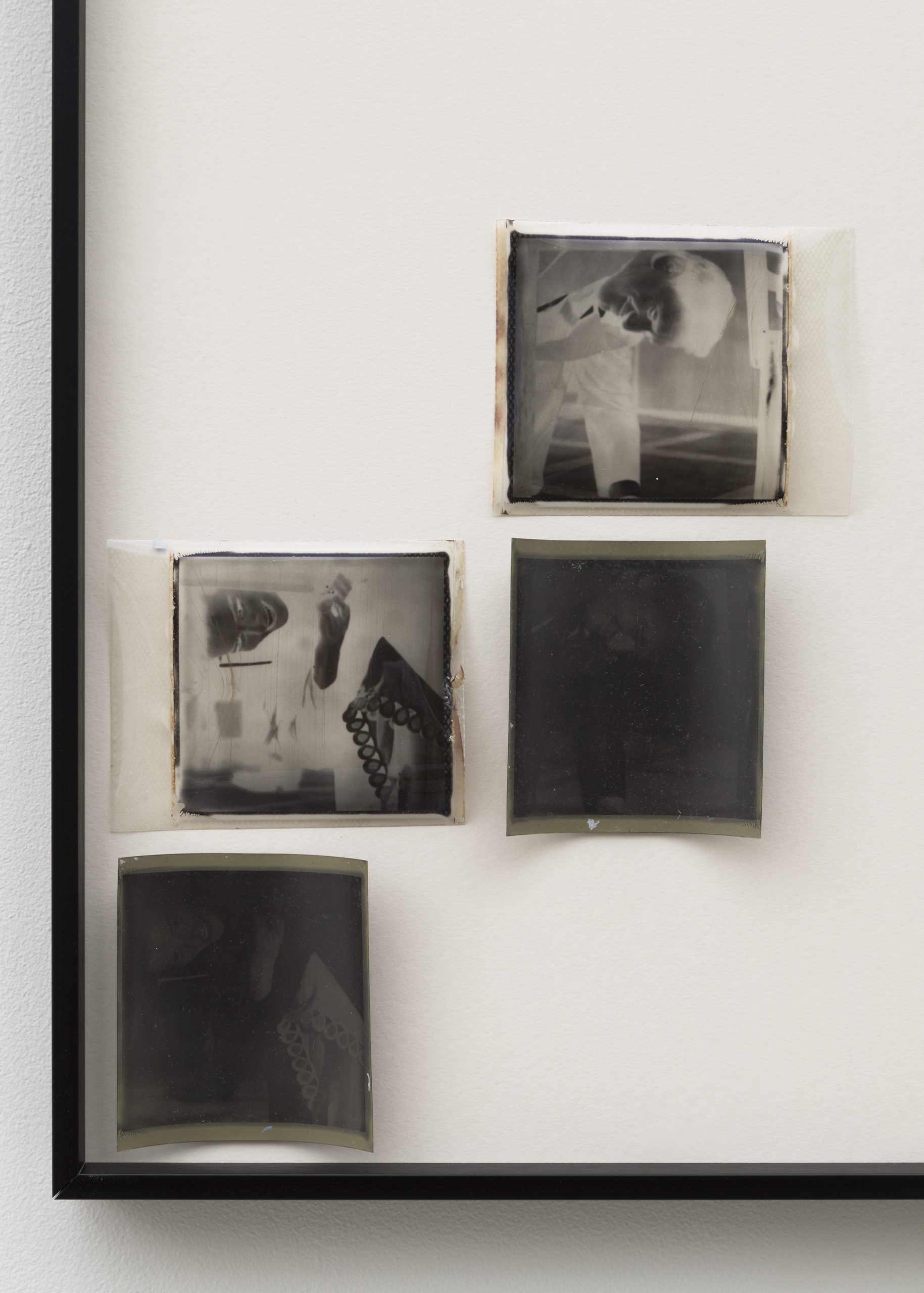
Artist Craig Jun Li's solo exhibition features collagist wall-works and installations that deconstruct photographic technology. Works like the 2025 silicone sheets incorporate altered dye-transfer prints, Polaroids, and actual camera parts like SX-70 film cartridge springs, redirecting focus from pictorial representation to the mechanical apparatus of image-making.

Nat Faulkner: The Stuff of Photography

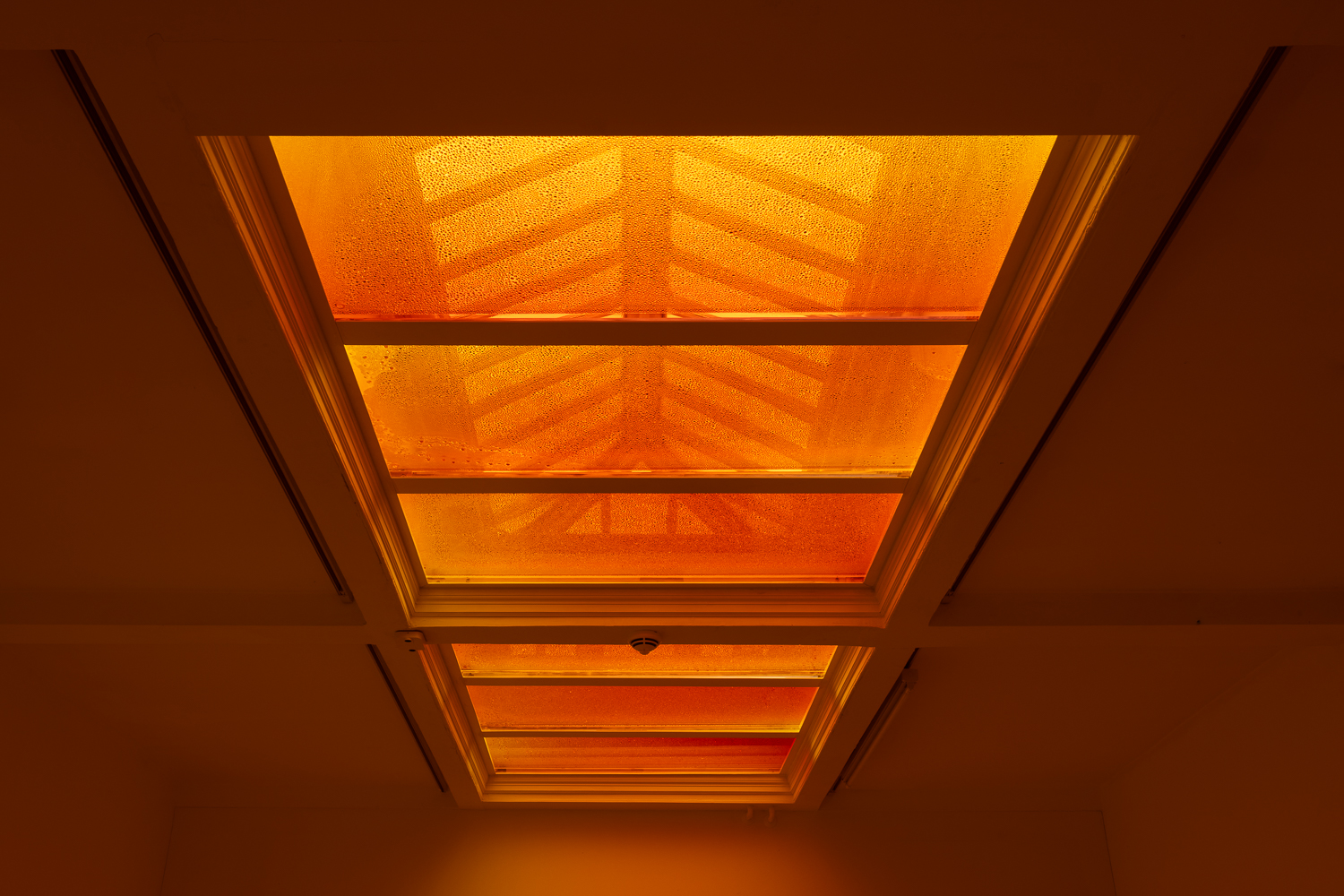
Artist Nat Faulkner has opened a new exhibition at Camden Art Centre featuring works that explore the physical and chemical foundations of photography. The show includes large-scale photographic pieces like 'Aqua Fortis' and sculptural works such as 'Aperture (Iodine)', which uses iodine solution in skylight panels to bathe the space in amber light, alongside silver-plated 'Analogue' reliefs created through electroplating.

The Carnegie International Looks Back at Itself

The 58th Carnegie International at the Carnegie Museum of Art in Pittsburgh looks back at its own 130-year history, featuring a gallery dedicated to past iterations. The exhibition includes Chris Ofili's "The Adoration of Captain Shit and the Legend of the Black Stars" (1998), which was originally shown in the 53rd International in 1999, the same year Ofili's more notorious "The Holy Virgin Mary" sparked controversy at the Brooklyn Museum. The article reviews how the current iteration captures the excitement of earlier exhibitions while providing commentary on authoritarianism and militarism.

Is This What “Made in America” Looks Like?

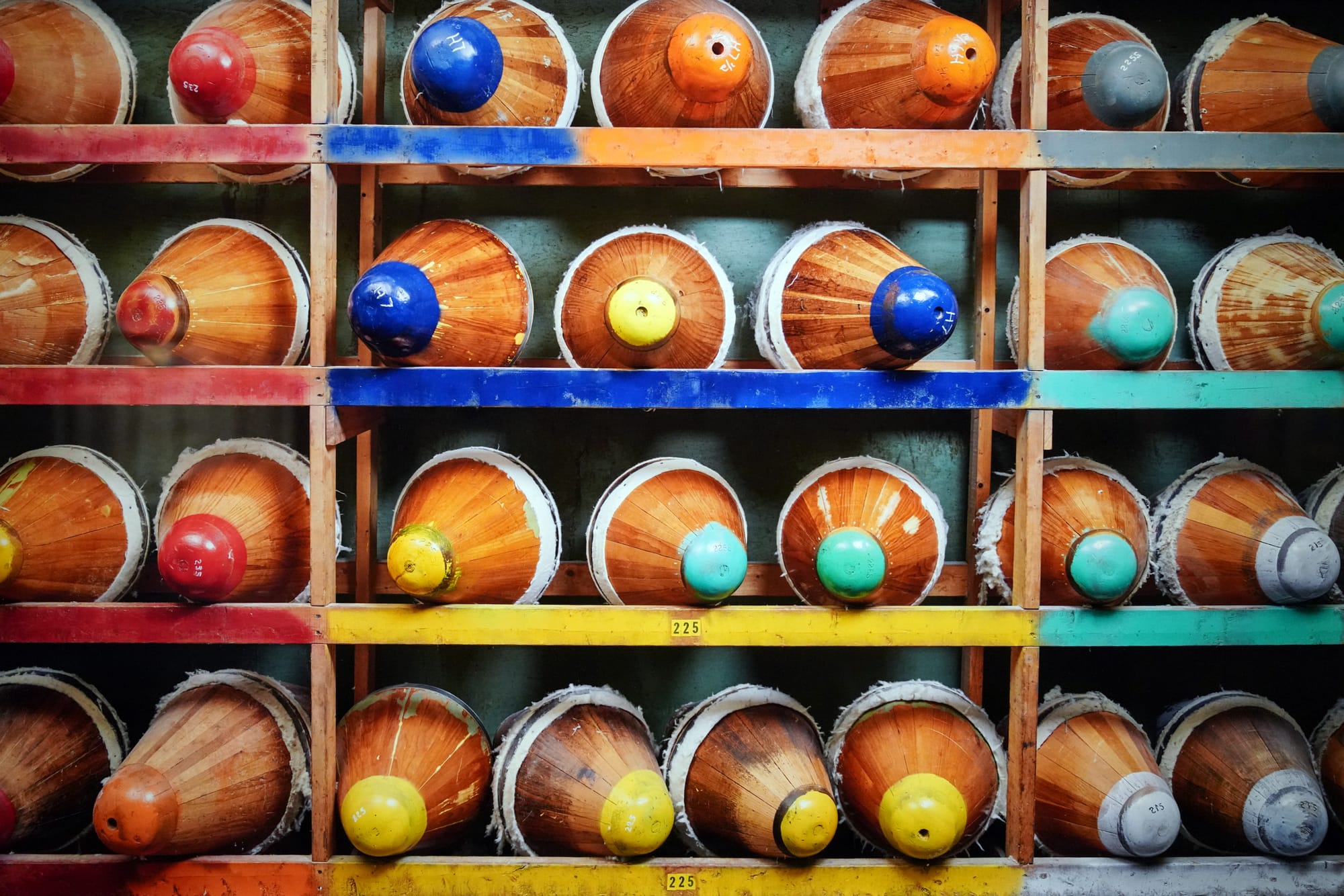
Christopher Payne's exhibition "Made in America: The Industrial Photography of Christopher Payne" at the Cooper Hewitt, Smithsonian Design Museum showcases 72 large-format photographs documenting active American factories and manufacturing processes. The trained architect turned photographer spent a decade visiting dozens of production sites across the United States, from the New York Times printing plant in Queens to the Bollman Hat Company in Pennsylvania, capturing workers' craftsmanship and the intricate steps involved in making everything from Peeps candies to jet engines. The exhibition is organized into three sections—traditional handcraft, large-scale production, and cutting-edge technologies—and coincides with the Smithsonian's celebration of the nation's 250th anniversary.

What We Loved (And Didn’t) in “Greater New York”

The article presents a critical review of the 2026 "Greater New York" exhibition at MoMA PS1, a massive survey featuring over 150 works by more than 50 artists. The Hyperallergic editorial team highlights specific artists and works they loved, disliked, or found puzzling, offering a curated list of around 20 standout pieces. The review includes detailed commentary on individual works by artists like Dean Millien, the collective Red Canary Song, and Kameron Neal, capturing the diverse and often contentious reactions the show provokes.

Art for Our Age of Chaos

The article reviews two major New York exhibitions opening in 2026: the Whitney Biennial at the Whitney Museum of American Art, featuring over fifty artists, and "New Humans: Memories of the Future" at the newly expanded New Museum, with over a hundred artists. Both shows are described as enormous and defiant, responding to a distracted public and financial pressures. The reviewer notes that both exhibitions juxtapose large-scale immersive works with tiny, intimate pieces, and finds the Whitney Biennial lacking urgency, while preferring the New Museum's historical narrative about technology and modernity.

An Analog Tether

A new wave of gallery exhibitions is championing analog physicality and personal intimacy as a direct counter-response to the rise of AI-generated imagery. Artists like Ben Wolf Noam and Joseph Geagan are utilizing traditional mediums such as charcoal, lithography, and oil paint to capture spontaneous, sentimental moments of human connection, from family dinners to portraits of friends. These works emphasize the "hospitable mess" of real life, prioritizing the recognizable faces and tangible textures that AI often flattens.

Angela de la Cruz review – wonky chairs and busted pianos are monuments to resilience

Angela de la Cruz's solo exhibition "Upright" at Birmingham's Ikon gallery presents a collection of broken and mended artworks. Her canvases are crumpled, folded, and snapped, while sculptures are assembled from precarious junk like a three-legged chair on a stool and a piano stacked atop another. The works, though appearing on the verge of collapse, are all repaired and propped back up, reflecting a state of post-collapse resilience.

MoMA PS1’s “Greater New York” Is Gritty, Stunning, and Gutting

MoMA PS1 has launched the sixth edition of "Greater New York," a quinquennial survey featuring over 50 artists living and working in the city. Coinciding with the museum’s 50th anniversary, the 2026 iteration focuses on artists in the formative stages of their careers, emphasizing a gritty, raw aesthetic over the polished, market-driven surfaces often found in major biennials. The exhibition highlights photography and installation work that reflects the city's complex immigrant narratives and evolving urban identity.

The Tensions Seething Beneath the Surface of the 2026 Whitney Biennial

The 2026 Whitney Biennial has quickly generated a consensus among critics, prompting a deeper analysis of its underlying themes. The exhibition features a notable tension between works exploring artificial intelligence, such as Zach Blas's maximalist installation and Cooper Jacoby's emotionally resonant sculptures, and a contrasting trend of delicate, nostalgic art focused on domesticity and ecology, exemplified by artists like Kelly Akashi and Jasmin Sian.

Thailand Biennale 2025 Review: Beyond the Tropical Paradise

The fourth Thailand Biennale, titled 'Eternal [Kalpa]', has launched across 19 venues in Phuket, aiming to challenge the island's reputation as a mere tropical leisure destination. Curated by a team including Hera Chan, the exhibition utilizes diverse locations—from municipal gymnasiums to mangrove forests—to explore themes of subjective time and local history. Despite logistical delays that saw some artists still installing works during the press preview, the biennial presents a series of site-specific commissions that engage with Phuket’s ecological and social complexities.

Comment | Monet might have seen Venice, but his paintings suggest he didn’t feel it

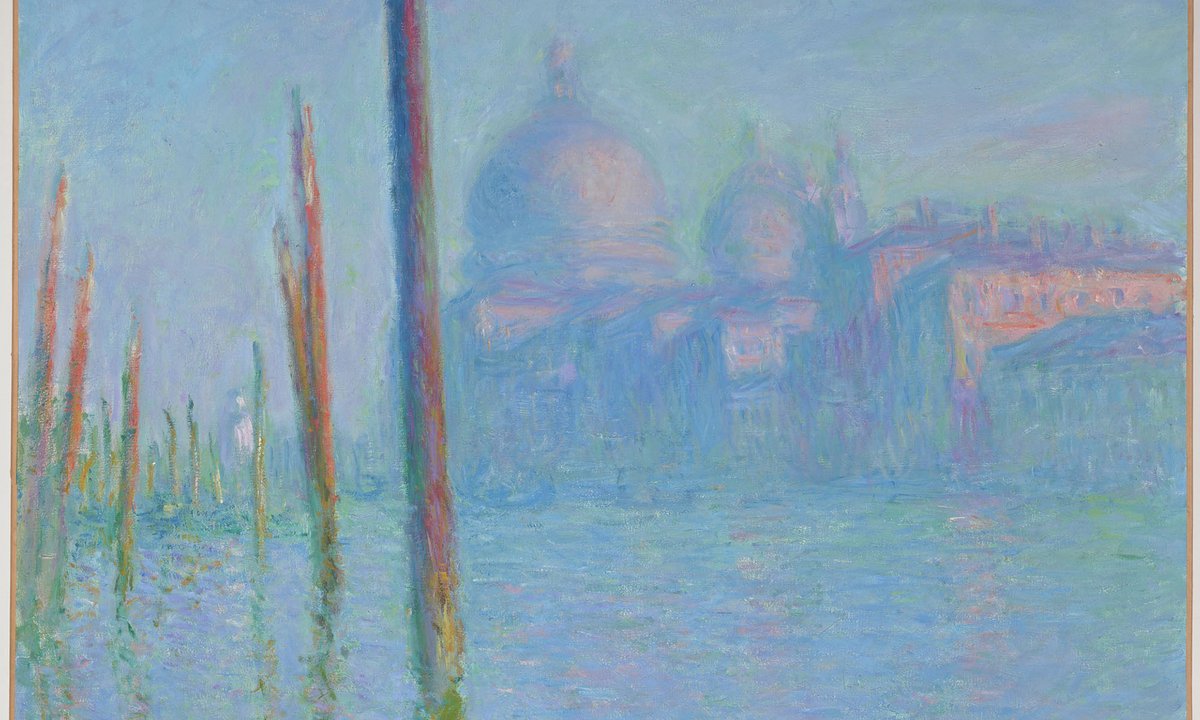
The article compares J.M.W. Turner's and Claude Monet's depictions of Venice, arguing that Turner's watercolors capture the city's innate melancholy and atmosphere, while Monet's paintings feel unfulfilling and lack emotional depth. The author reflects on Turner's sublime Venice watercolours, particularly 'San Giorgio Maggiore, Venice, at Sunset' (1840), and contrasts them with Monet's works, which are the subject of a major upcoming show at the Brooklyn Museum. The piece also touches on Francesco Guardi's visceral views versus Canaletto's more pleasing but superficial ones, and Howard Hodgkin's later, elegiac response to the city.