filter_list Showing 17 results for "Beth" close Clear
search
dashboard All 1016 museum exhibitions 460trending_up market 177article local 127article news 103article culture 70article policy 22person people 21rate_review review 17candle obituary 12gavel restitution 7
date_range Range Today This Week This Month All
Subscribe

kevin mcgarry reviews jason faragos even

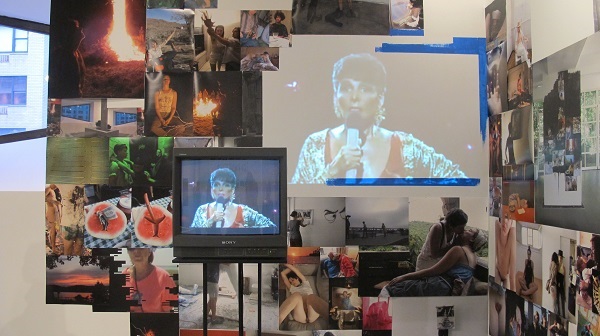
Kevin McGarry reviews the debut issue of *Even*, a new print art journal launched by *Guardian* contributor Jason Farago during Frieze New York. Named after a phrase from Marcel Duchamp's *The Bride Stripped Bare By Her Bachelors, Even*, the magazine is a small, paperback-sized publication that prioritizes text over images, positioning itself as an antidote to market-driven art discourse. The first issue features a lengthy essay on artist Joan Jonas by Elisabeth Lebovici, timed to Jonas's U.S. pavilion at the 56th Venice Biennale, and a piece by Zachary Woolfe on the Björk exhibition at MoMA. McGarry critiques the journal's ambition to revitalize art criticism, noting that while its goals are lofty, the content sometimes falls back on familiar artspeak.
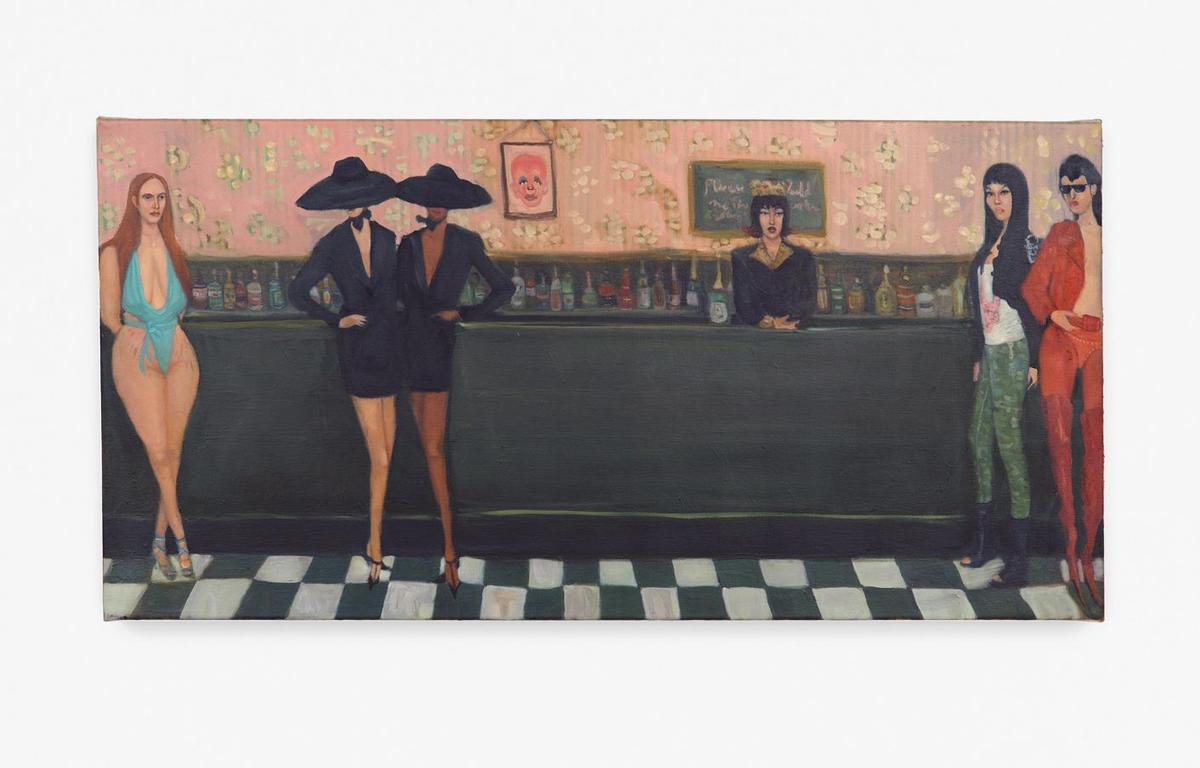
Devin Troy Strother at ArtCenter

The article is a table of contents for Issue 42 of Contemporary Art Review LA, which includes a review of an exhibition by artist Devin Troy Strother at ArtCenter. The review, written by Janelle Zara, is listed among other reviews, interviews, and features in the publication's November 2025 issue.

Can a Play Capture an Artist as Enigmatic as Henry Darger?

Can a Play Capture an Artist as Enigmatic as Henry Darger?

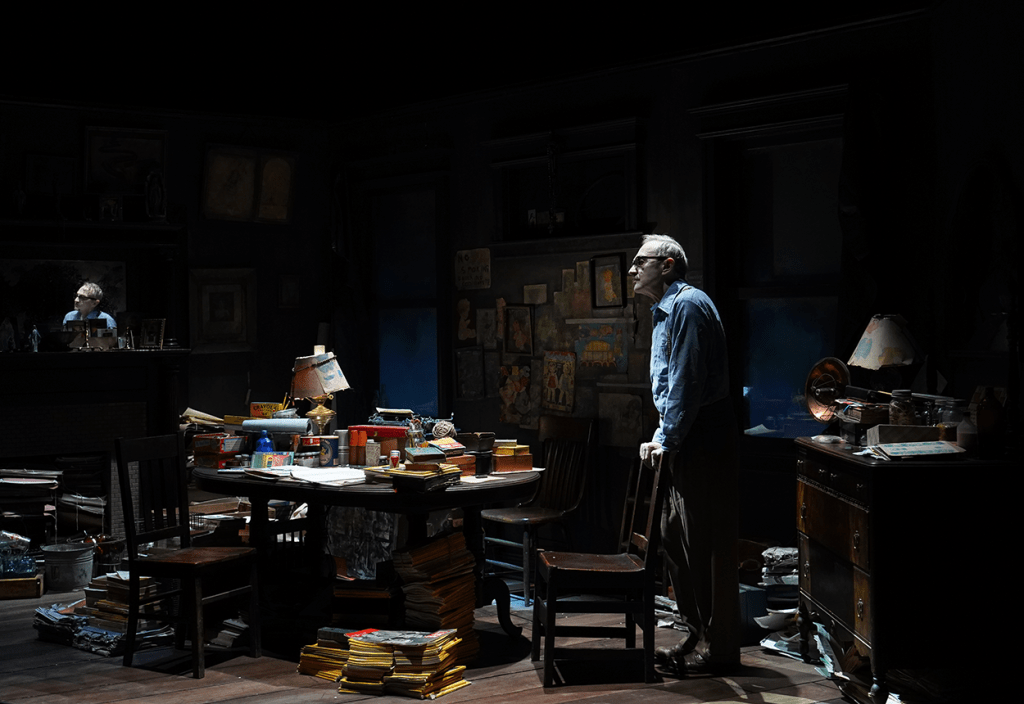
A new play, *Bughouse*, is attempting to portray the life of reclusive artist Henry Darger on stage at New York's Vineyard Theater. The one-man show, starring John Kelly, draws from Darger's own lengthy autobiography to depict his traumatic childhood, institutionalization, and decades of solitary life in Chicago, where he secretly created his vast, fantastical artwork and writings.

critical reduction the 2014 whitney biennial 5409

The 2014 Whitney Biennial has debuted with a controversial three-curator structure, tasking Michelle Grabner, Stuart Comer, and Anthony Elms with organizing separate floors of the museum. This meta-review aggregates the initial critical reception from major publications, noting that the fragmented format has forced critics to evaluate the exhibition as three distinct shows rather than a unified vision.

Review: “50th Anniversary Exhibition Part I” at Moody Gallery, Houston

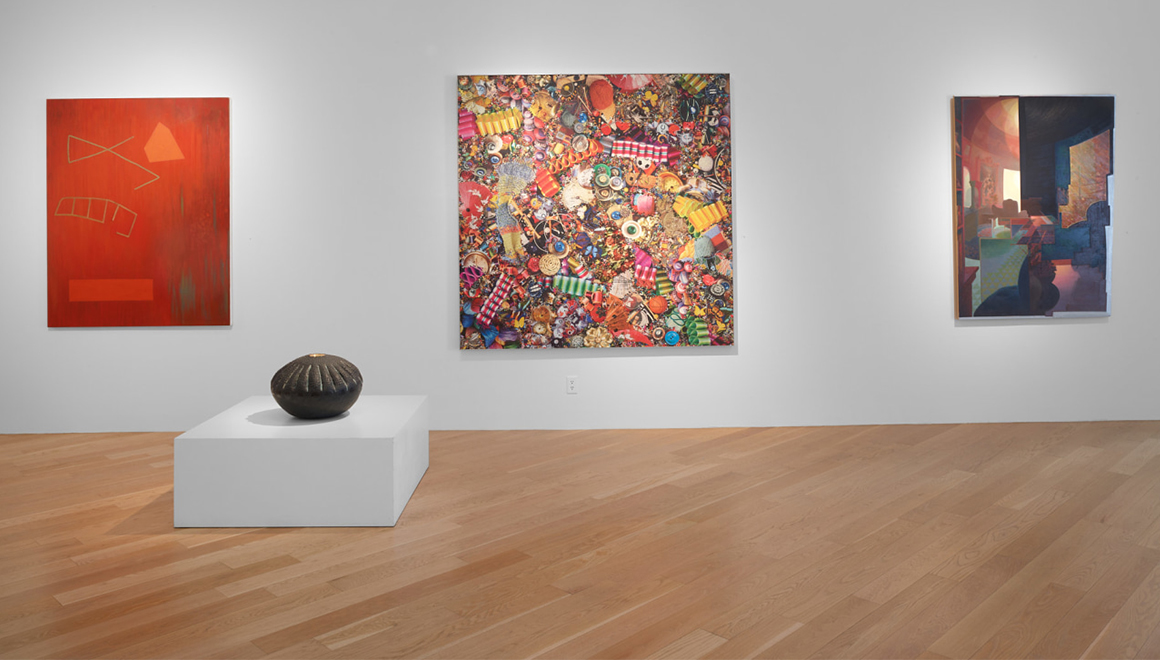
Moody Gallery in Houston opened “50th Anniversary Exhibition Part I” on September 13, showcasing 38 artworks by gallery-affiliated artists. The show is deliberately non-chronological and non-comprehensive, featuring works ranging from 2006 to 2025, including pieces by Melissa Miller, William “Bill” Steffy, Michael Kennaugh, Dan Sutherland, Pat Colville, Tracye Wear, Al Souza, and the collaborative MANUAL (Ed Hill & Suzanne Bloom). The exhibition spans three spaces and highlights the gallery’s eclectic, open-minded approach and its commitment to promoting Texas-based artists.

The Carnegie International Looks Back at Itself

The 58th Carnegie International at the Carnegie Museum of Art in Pittsburgh looks back at its own 130-year history, featuring a gallery dedicated to past iterations. The exhibition includes Chris Ofili's "The Adoration of Captain Shit and the Legend of the Black Stars" (1998), which was originally shown in the 53rd International in 1999, the same year Ofili's more notorious "The Holy Virgin Mary" sparked controversy at the Brooklyn Museum. The article reviews how the current iteration captures the excitement of earlier exhibitions while providing commentary on authoritarianism and militarism.

j hobermans book everything is now 1960s nyc downtown yoko ono andy warhol

J. Hoberman's new book, *Everything Is Now: The 1960s New York Avant-Garde—Primal Happenings, Underground Movies, Radical Pop*, offers a sweeping cultural history of the downtown New York scene in the 1960s. The book centers on figures like Jonas Mekas, Andy Warhol, Yoko Ono, and Jack Smith, weaving together experimental films, happenings, music, and the chaotic energy of the era. Hoberman, a longtime critic and curator, draws on his personal connections to the scene, including his mentorship under Mekas, and will present a selection of shorts from the book at Anthology Film Archives in June.

An Analog Tether

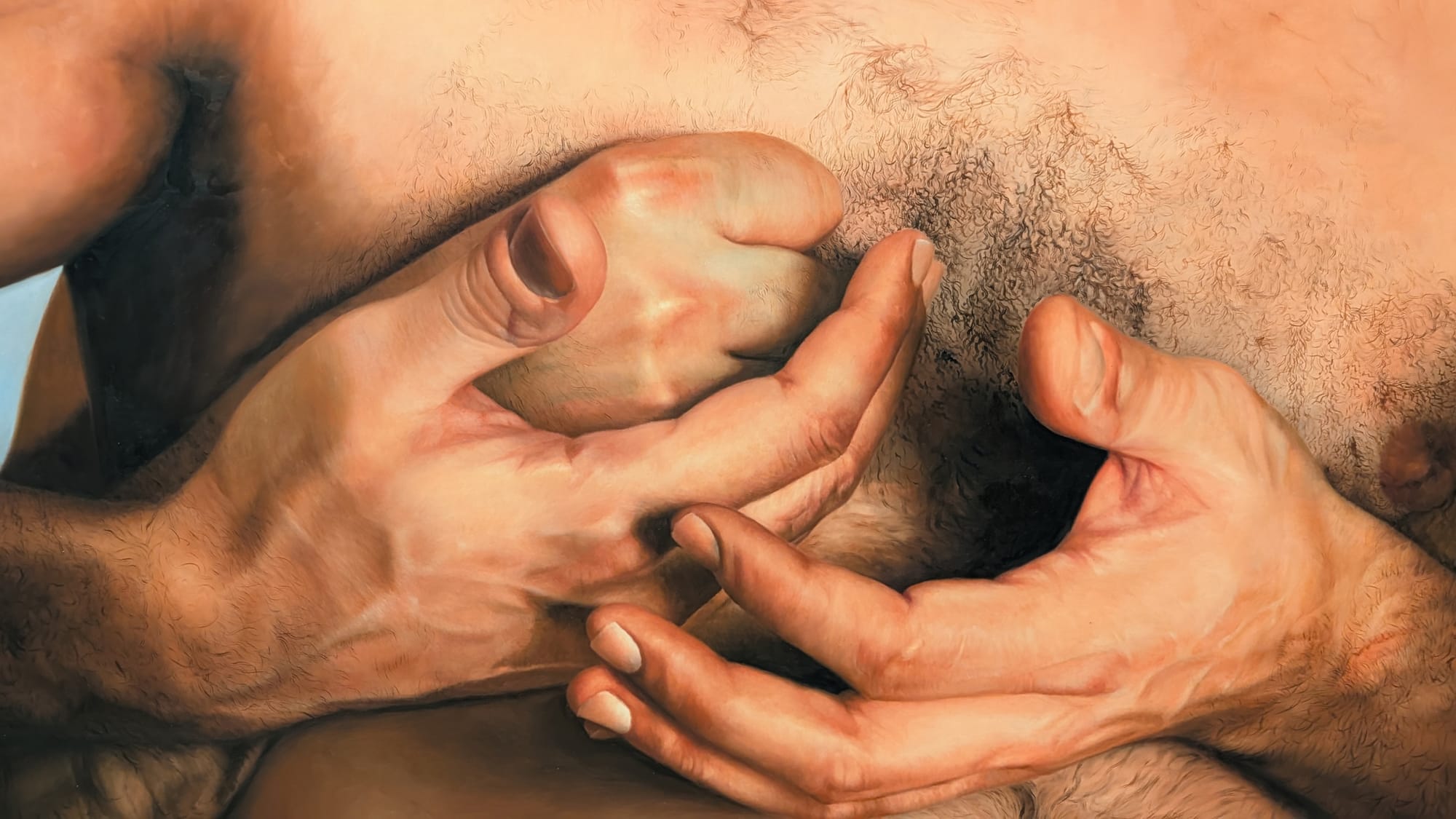
A new wave of gallery exhibitions is championing analog physicality and personal intimacy as a direct counter-response to the rise of AI-generated imagery. Artists like Ben Wolf Noam and Joseph Geagan are utilizing traditional mediums such as charcoal, lithography, and oil paint to capture spontaneous, sentimental moments of human connection, from family dinners to portraits of friends. These works emphasize the "hospitable mess" of real life, prioritizing the recognizable faces and tangible textures that AI often flattens.

The Black American Artists Who Dazzled Post-War Paris

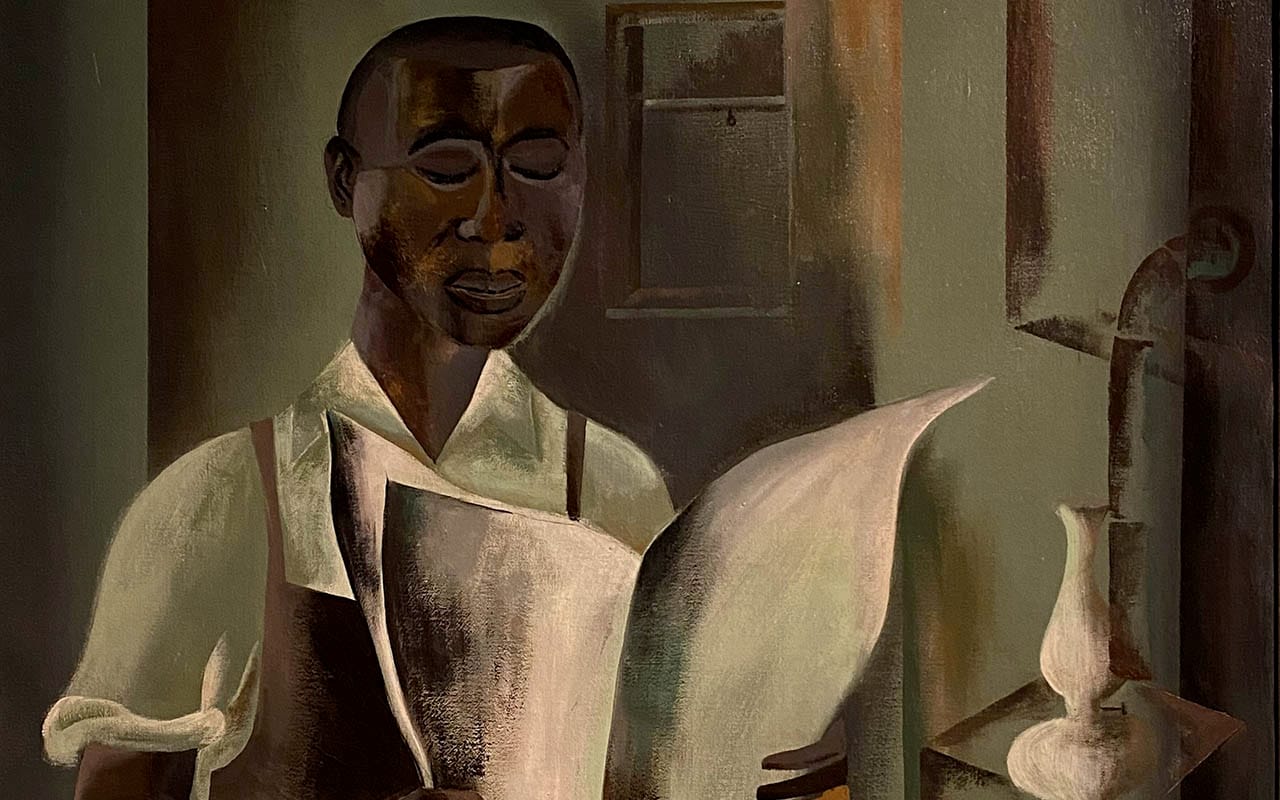
An exhibition titled "Paris in Black: Internationalism and the Black Renaissance" at the DuSable Black History Museum and Education Center in Chicago celebrates the Black American artists, writers, and performers who moved to Paris after World War II to escape American racism. Curated by Danny Dunson, the show features over 100 artworks from the museum's permanent collection, including paintings by Archibald J. Motley Jr., sculptures by Richmond Barthé, Augusta Savage, and William Artis, and ephemera related to Josephine Baker. It traces the global influence of the Harlem Renaissance and the cross-pollination between Paris and U.S. cities like Chicago.

Hans Holbein Painted the Human

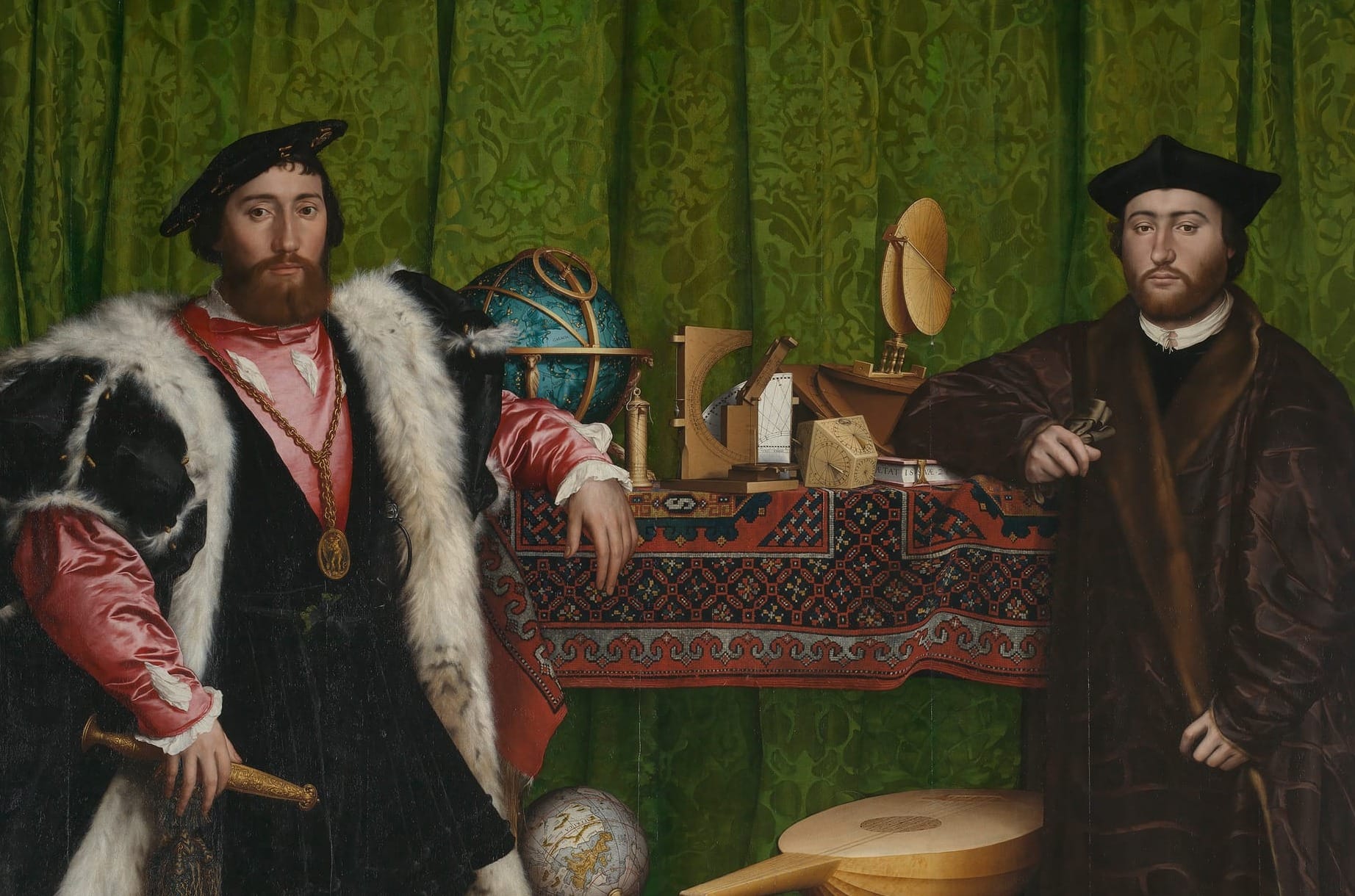
A new book, 'Holbein: Renaissance Master' by Elizabeth Goldring, published by Yale University Press and the Paul Mellon Centre, offers a comprehensive scholarly examination of the 16th-century German painter Hans Holbein the Younger. The review focuses on Holbein's masterful portraiture, particularly his depictions of opposing Tudor-era figures like Sir Thomas More and Thomas Cromwell, which are highlighted as embodying the era's complex political and religious tensions through their visual presentation at the Frick Collection in New York.

REVIEW: The Open: Odyssey at Hastings Contemporary

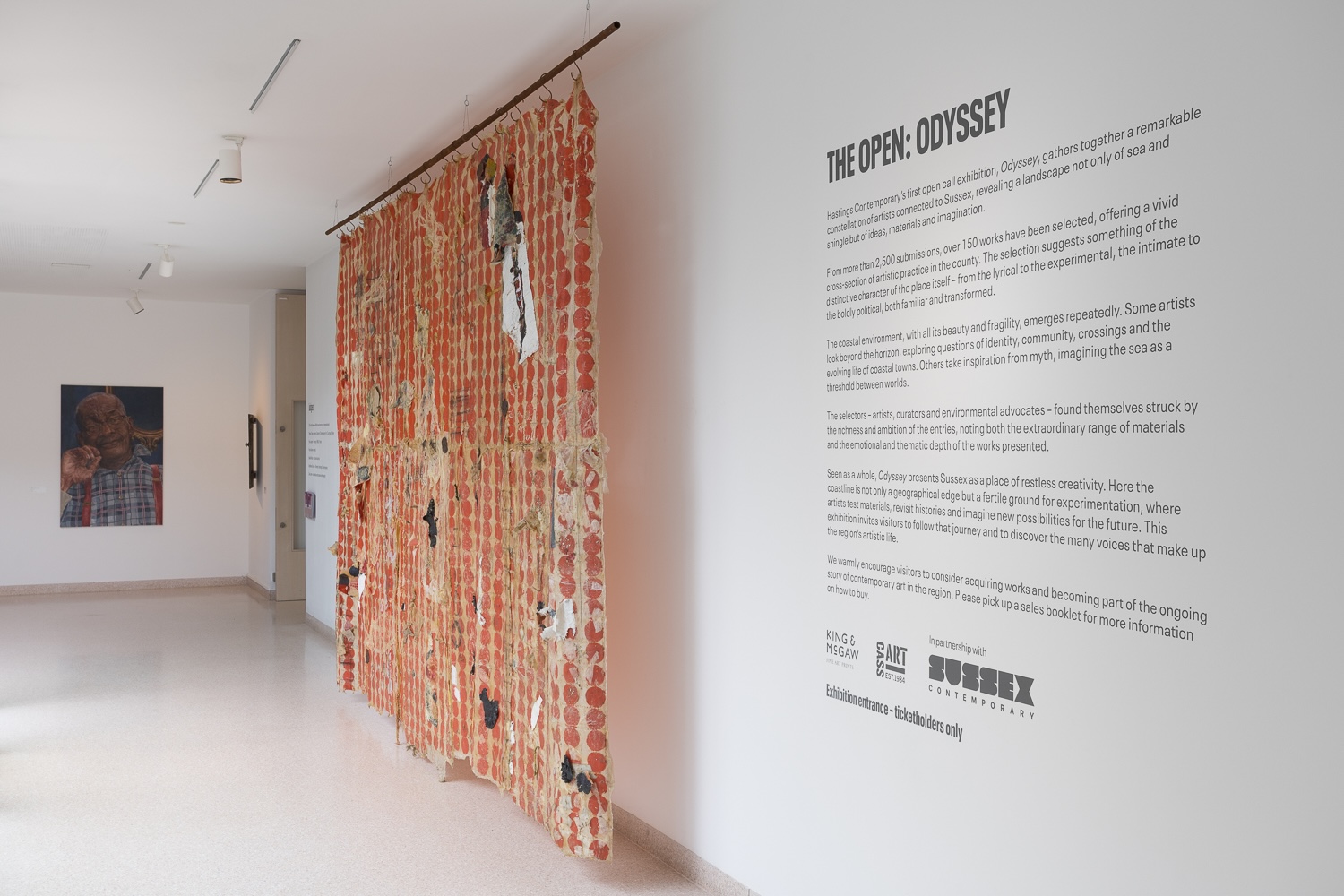
Hastings Contemporary has launched its inaugural biennial, titled "The Open: Odyssey," featuring over 150 artists with connections to Sussex. Selected from a pool of 2,600 applicants by a panel led by Kathleen Soriano, the exhibition explores themes of marine ecology, migration, mythology, and coastal life. Notable works include Alan Patch’s large-scale hanging of plastic detritus, Kate Howe’s monumental waxed paper installation "The Moving Edge," and Kevin J J Warren’s sculptures made from salvaged fishing nets.

The new London museum that looks like a ‘reconstructed Toblerone’

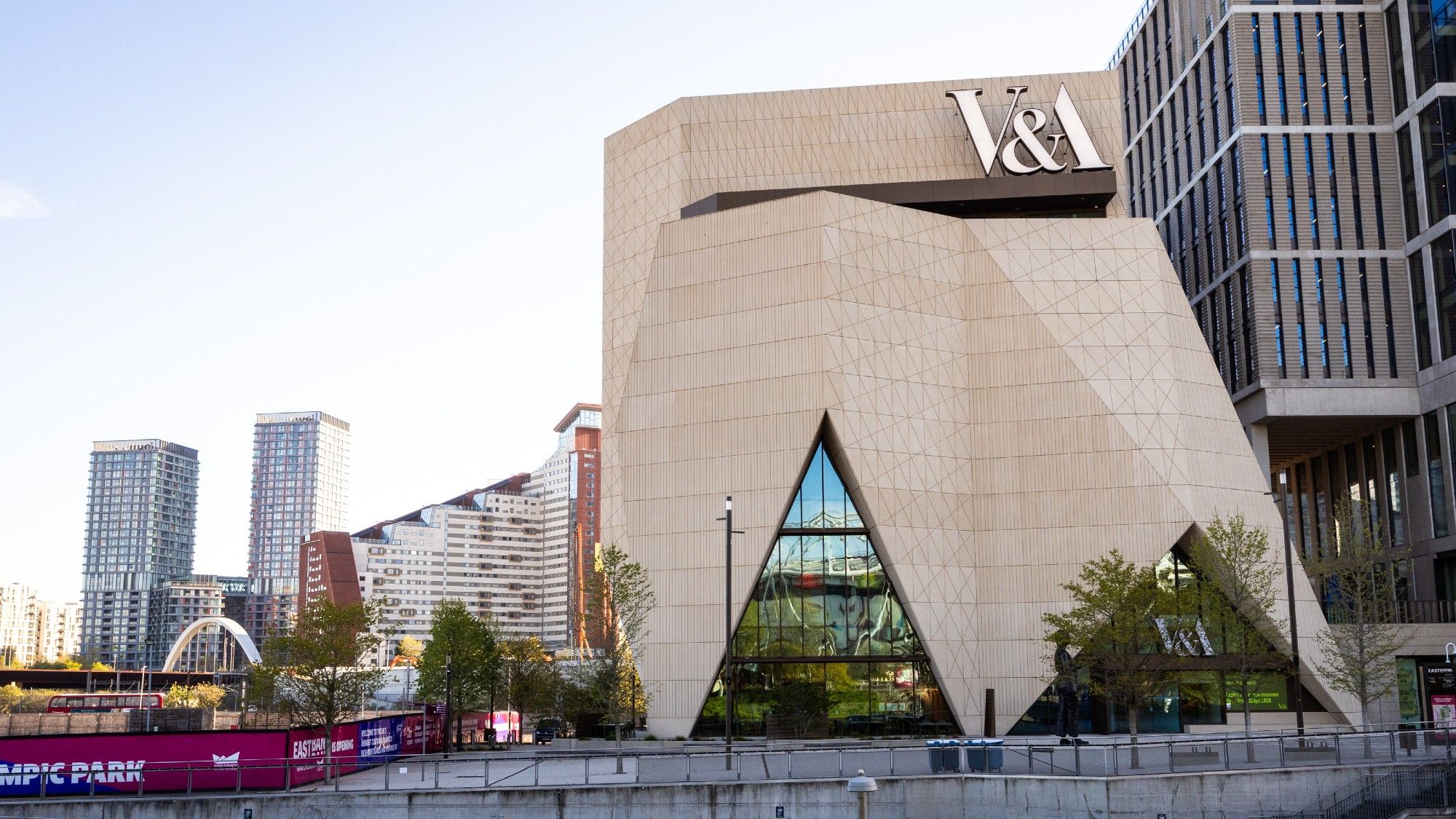
The V&A has opened a new outpost in east London's Lower Lea Valley, a former industrial area transformed into a cultural quarter after the 2012 Olympics. The museum, described as looking like a 'reconstructed Toblerone', is the latest addition to the 'Olympicopolis' vision, which aimed to create a cultural legacy akin to west London's Albertopolis. The article, written by Catherine Slessor in The Guardian, offers a mixed review: praising the beauty and craftsmanship of the galleries while criticizing overuse of trendy phrases like 'lived experience' and 'transcultural identities'.

Highs and Lows at Princeton’s New Art Museum

Brian T. Allen reviews the newly opened Princeton University Art Museum, praising its architectural design while questioning the curatorial direction. He contrasts the new building's impressive appearance with his concerns about the museum's exhibition choices, recalling past successful shows like the Berlin Painter exhibition and a Clarence White photography show that he found more intellectually rigorous.

Holbein biography interrogates the artist's life and work from a different angle

Elizabeth Goldring’s new biography of Hans Holbein the Younger takes a documentary-focused approach, prioritizing archival evidence over visual analysis. The book examines Holbein’s life (1497/8–1543) through chronological chapters, using inventories, correspondence, and other records to correct long-held assumptions and propose new theories about his work. Goldring’s detective work includes identifying the green curtain in Holbein’s portrait of Sir Thomas More as a reference to the sitter’s role as chancellor of the Duchy of Lancaster, and suggesting that a lost painting of the More family was given to Erasmus as a gift.

What is the international exhibition of the Venice Biennale like? Review of "In minor keys" by Koyo Kouoh

Com’è la mostra internazionale della Biennale di Venezia? Recensione di “In minor keys” di Koyo Kouoh

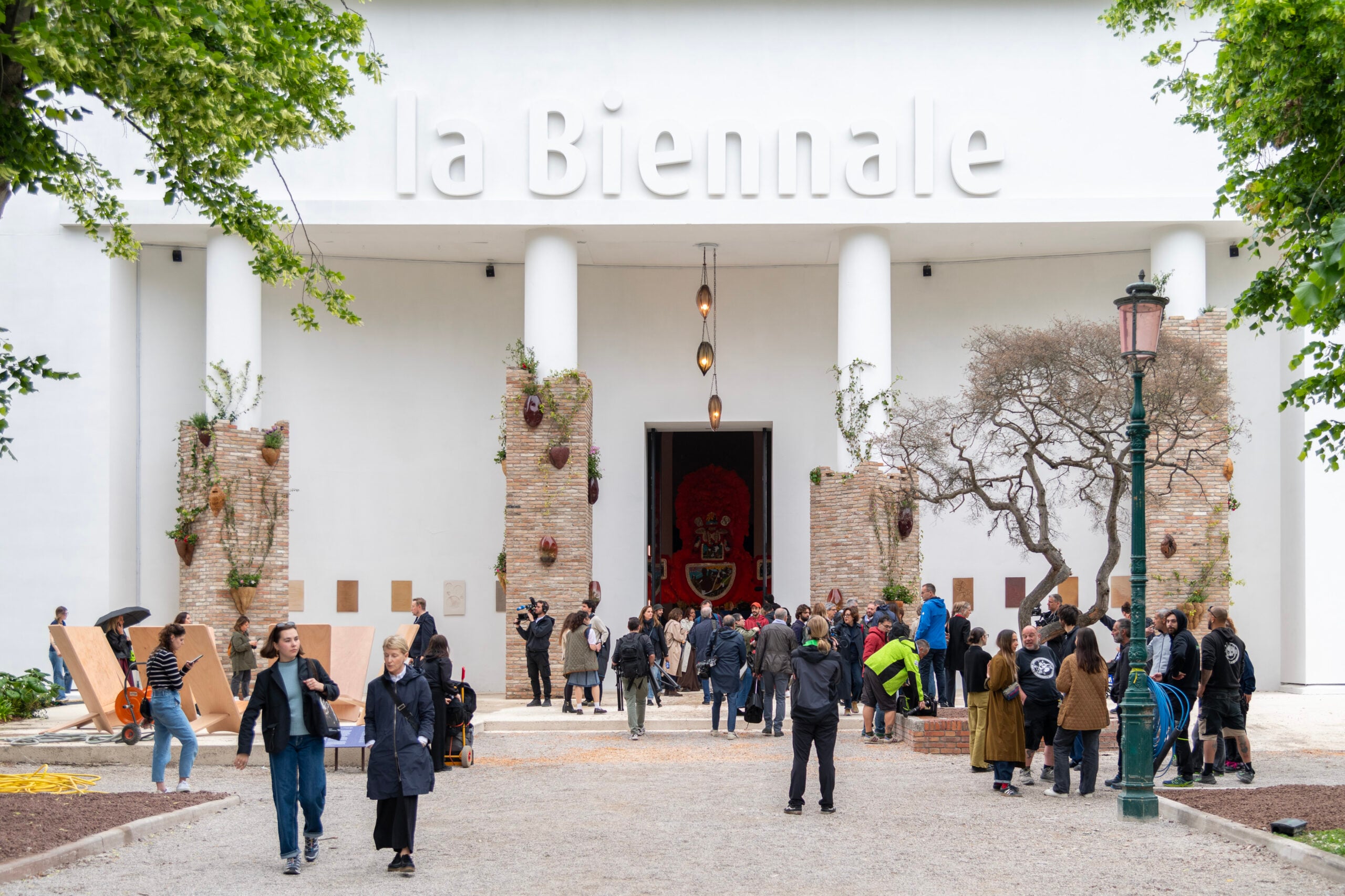
The 2026 Venice Biennale, titled "In minor keys" and curated by the late Koyo Kouoh, opens to the public on May 9 amid controversies including the absence of the president's name in the colophon at the Arsenale entrance. The exhibition, organized by Kouoh's team (Rory Tsapayi, Siddharta Mitter, Marie Helene Pereira, Gabe Beckhurst Feijoo, and Rasha Salty), unfolds across the Giardini and the Arsenale's Corderie, featuring works that balance strength and beauty with a harmonious mix of voices and themes. The Giardini section is particularly compelling, with a non-linear, polycentric layout that feels like a living organism, while the Arsenale offers further depth.

Book offers fresh perspectives on why Cubism came into being

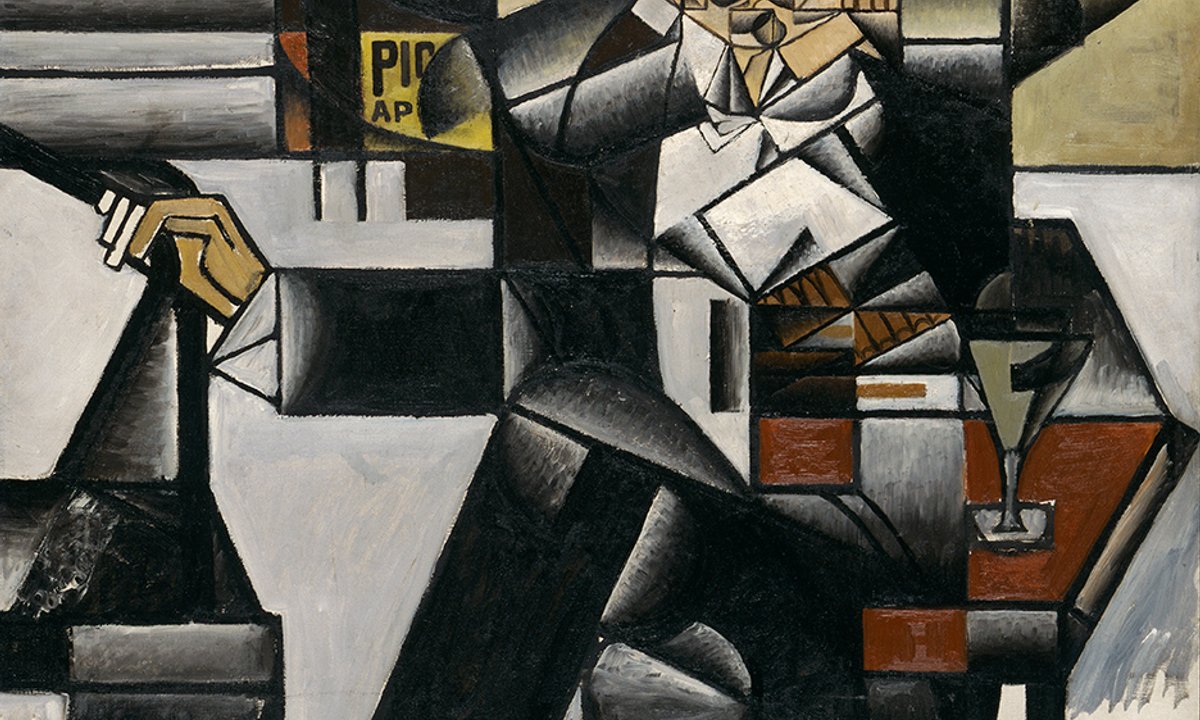
Christopher Green, a leading scholar of Cubism, has published a new book titled *Cubism and Reality*, which reexamines the origins and intentions of early Cubism through the works of Georges Braque, Pablo Picasso, and Juan Gris. The book focuses on the years immediately before World War I, arguing that Cubism was not a step toward abstraction but a deliberate reinvention of reality based on lived visual experience. Green draws on decades of research, including his own earlier works and the foundational 1959 study by John Golding, and contrasts the movement with mass-produced imagery in chapters on Roy Lichtenstein and Francis Picabia.

A new ‘anti-biography’ rips apart the myth of Leonardo as a solitary genius

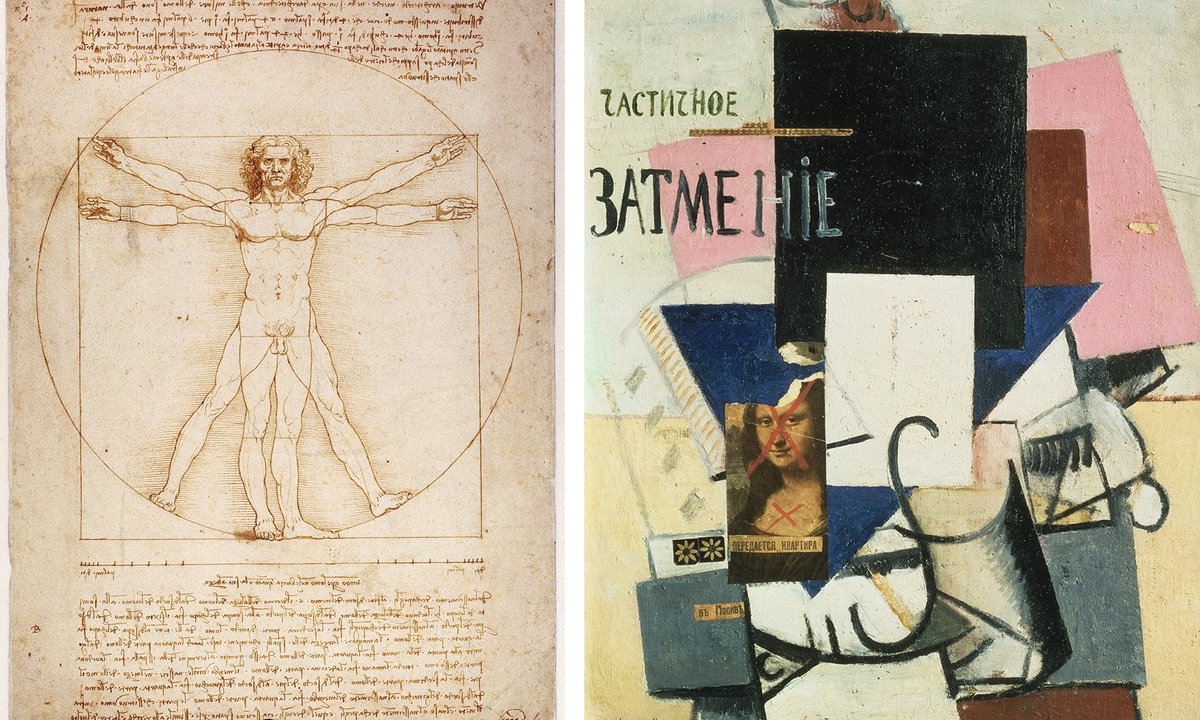
Stephen J. Campbell, a professor of art history at Johns Hopkins University, has published a new book titled *Leonardo da Vinci: An Untraceable Life*, which he frames as an "anti-biography." The book aims to dismantle the mythology surrounding Leonardo da Vinci, arguing that the fragmentary archival record has led to speculative and often outlandish theories that portray him as a solitary genius ahead of his time. Campbell repositions Leonardo within the artistic and intellectual context of late 15th- and early 16th-century Europe, critiquing how media, the art market, and popular culture have commercialized his legacy.