filter_list Showing 13 results for "Bo" close Clear
search
dashboard All 197 museum exhibitions 117article local 19rate_review review 13article culture 12article news 10person people 10trending_up market 7article policy 5candle obituary 3gavel restitution 1
date_range Range Today This Week This Month All
Subscribe

Marianna Simnett’s Furry Friends

Marianna Simnett’s exhibition at Société, Berlin, features a provocative mix of film, painting, and sculpture that revels in grotesque, erotic, and fantastical transformations. Works like *Hyena and Swan in the Midst of Sexual Congress* (2019) and the films *Leda was a Swan* (2025) and *Blue Moon* (2022) reimagine classical myths and fairy tales through a feminist, body-horror lens, using AI-assisted visuals and stop-motion to explore themes of animality, abjection, and pleasure. The show includes taxidermy-inspired animations, BDSM-inflected live-action shorts, and sculptures that ensnare human figures in animal forms.
Renoir, Matisse, and the Temptation of Spectacle

Renoir, Matisse, et la tentation du spectacle

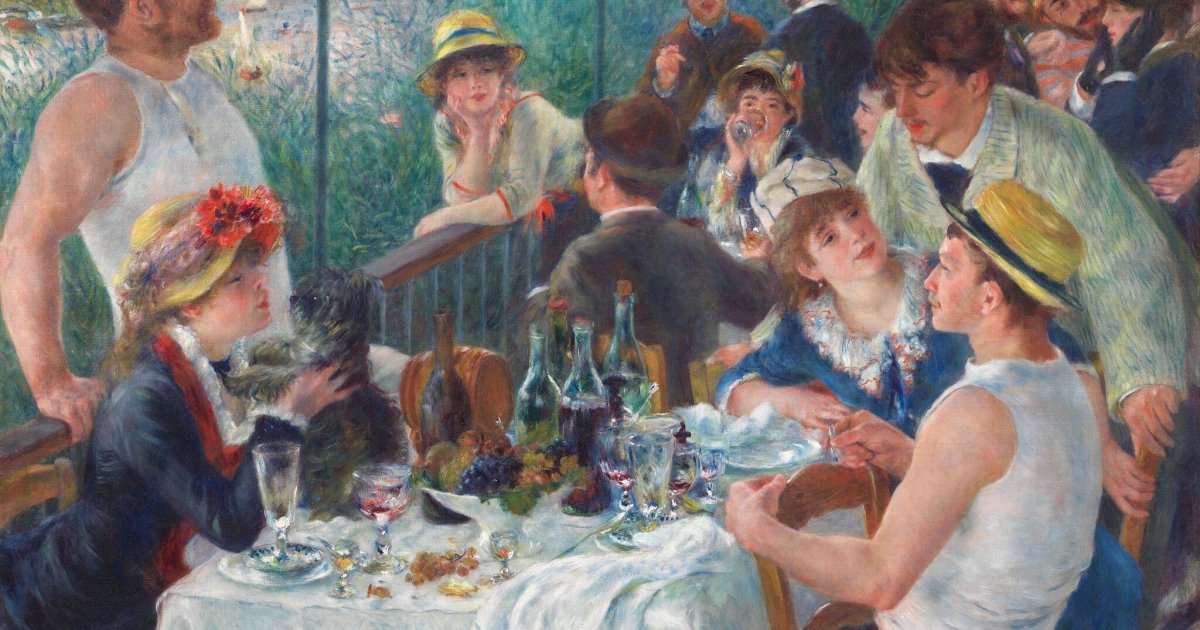
The article criticizes two major Parisian exhibitions scheduled for 2026: "Renoir et l'amour. La modernité heureuse (1865-1885)" and "Renoir dessinateur" at the Musée d'Orsay, and "Matisse 1941-1954" at the Galeries nationales du Grand Palais. The author argues that these shows prioritize spectacle and audience appeal over scholarly rigor, using flashy titles and famous names to attract crowds like movie releases.

Leonora in the Morning Light review – pioneering British artist who fled convention for the surrealists

A new biopic titled *Leonora in the Morning Light* chronicles the life of British surrealist painter Leonora Carrington, who fled her aristocratic upbringing in London to join the surrealist circle in Paris. The film, adapted from Elena Poniatowska's biographical novel, follows Carrington from her affair with the older Max Ernst through her mental health crisis in Spain and eventual settlement in Mexico, where she created art on her own terms. Olivia Vinall portrays Carrington with a fierce, uncompromising spirit, though the film is criticized for uneven storytelling and clunky dialogue.

Lionel Wendt: The Politics of the Male Nude

ArtReview publishes an essay by Qingyuan Deng analyzing the first US solo exhibition of Lionel Wendt's photographs at American Art Catalogues in Manhattan's West Village. The show presents Wendt's haunting gelatin silver prints of male nudes, still lifes, and solarized images, positioning him as a canonical figure of South Asian modernism. Deng argues that while the exhibition correctly identifies homoerotic desire in Wendt's work, it over-relies on queer theory's framework of opacity and fails to fully address the political radicality of Wendt's practice under British colonial rule in Ceylon, where homosexuality was criminalized under the 1883 Penal Code.

Death as Performance

Der Tod als Performance

The article reviews Maria Martínez Bayona's debut sci-fi comedy film "The End of It," which premiered in competition at the Cannes Film Festival. The film follows Claire, a 250-year-old artist who, in a future where medical advances have eliminated death, decides to stage her own suicide as a radical art performance. The story critiques a world obsessed with synthetic rejuvenation and explores themes of mortality, authenticity, and the commodification of art.

Split decision: The Art Museum’s missed opportunity with its new ‘Rocky’ exhibition | Opinion

The Philadelphia Museum of Art's new exhibition, "Rising Up: Rocky and the Making of Monuments," celebrates the 50th anniversary of the film *Rocky* and highlights Philadelphia's boxing history, including figures like Joe Frazier and Bernard Hopkins. However, the author, a street reporter who wrote a book about people running the museum steps, argues the exhibit missed a key opportunity by focusing on the Rocky statue and monuments rather than centering on the film's transformative power and the iconic steps-running ritual that has drawn visitors for decades.

Criminal review – homelessness show delivers a rage-making punch in the gut

The article reviews "Criminal: An Untold Story of Homelessness, Resistance and Survival," an installation at London's Museum of Homelessness. The show features works by Romany Gypsy poet and artist Gemma Lees, including a caravan installation with china decorated with hostile Sun newspaper headlines about Gypsy and Traveller encampments, and festive bunting printed with historical state proscriptions against nomadic communities dating from the Egyptians Act of 1530 to the 2022 Police, Crime, Sentencing and Courts Act. The exhibition, set largely in the garden of the museum's new home at Finsbury Park's Manor House Lodge, explores how homeless people and nomadic communities have been criminalized over 400 years.

Huet Lost in the Clouds

Huet perdu dans les nuages

The Musée de la vie romantique in Paris has reopened after a major renovation, but its inaugural exhibition, focused on the 19th-century painter Paul Huet (1803-1869), has been met with harsh criticism. The show examines Huet's depictions of skies and compares his work to contemporaries, yet the reviewer finds it neither a proper retrospective nor a coherent thematic exhibition. The cramped galleries, uneven selection of works, cluttered hanging, and garish scenography are all faulted, with many comparative pieces outshining Huet's own paintings.

For Ceija Stojka, Memory Is Survival

The article reviews the exhibition "Ceija Stojka: Making Visible" at the Drawing Center in New York, showcasing over 50 paintings and drawings by the late Romani-Austrian artist. Stojka, a child survivor of the Holocaust, documented both the atrocities she endured and the tender, everyday beauty of Romani life, using acrylic, sand, and paper to convey memories of her family's traveling wagon and natural landscapes. The show highlights her self-taught practice and outsider perspective, featuring works from the 1990s alongside her memoirs, which were posthumously translated in 2022.

Un grand spectacle, un petit récit

The article reviews the latest immersive exhibition at the Atelier des Lumières in Paris, titled "Renaissance. De Vinci, Raphaël, Michel-Ange." Set in a former foundry, the show uses 360-degree projections, lasers, and artificial fog to create a technically impressive visual spectacle. However, the narrative focuses solely on three Renaissance masters—Leonardo da Vinci, Raphael, and Michelangelo—leaving the historical and artistic context underexplored. The critic notes that the 50-minute presentation includes long contemplative pauses without commentary, which weakens its educational potential.

Vegas, your merciless universe

Vegas, ton univers impitoyable

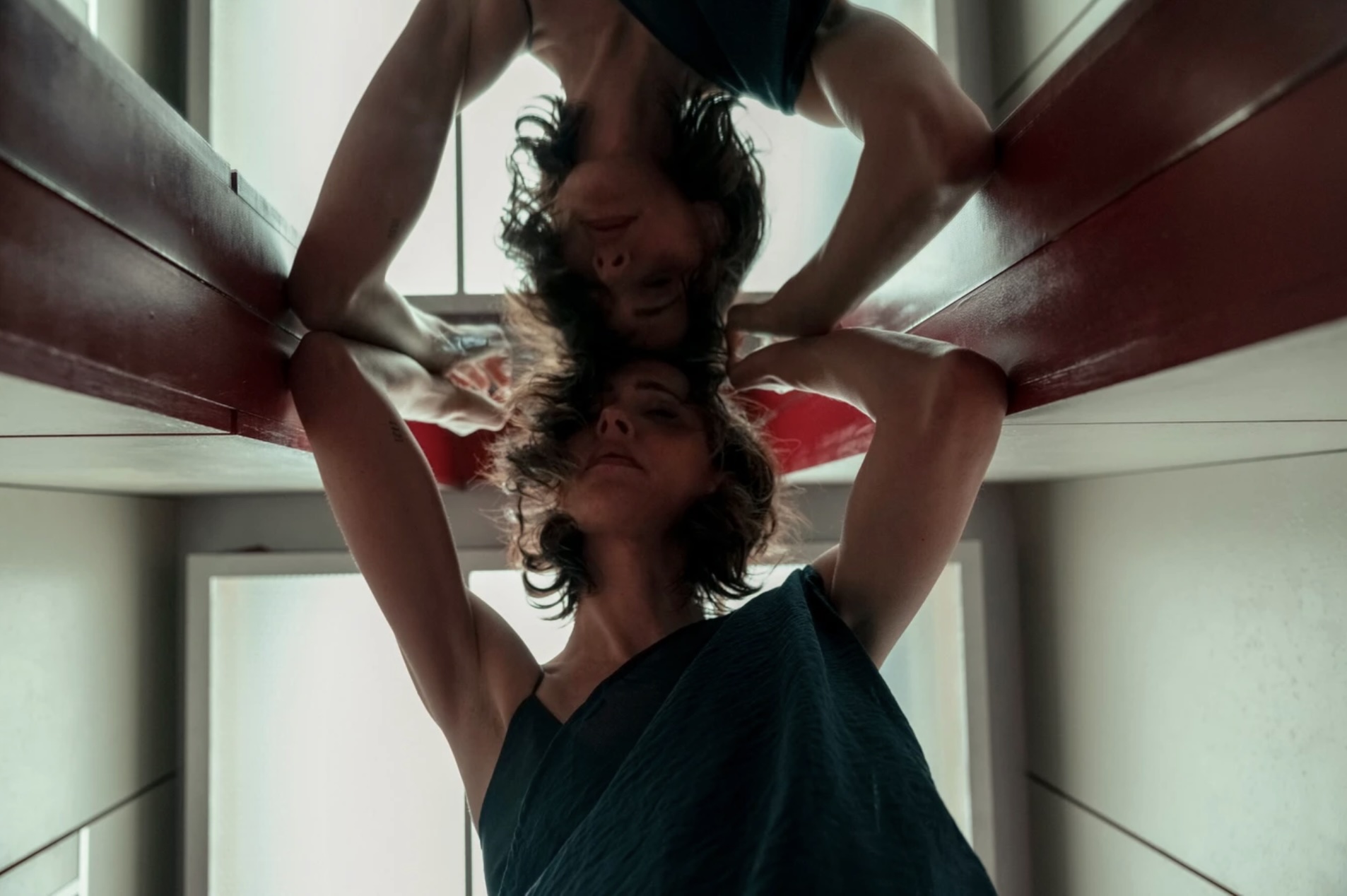
The article reviews a performance titled "Showgirl" by the duo Marlène Saldana and Jonathan Drillet, staged at the Carreau du Temple in Paris on July 2-3, 2026. The show draws irreverent inspiration from Paul Verhoeven's 1995 cult film "Showgirls," using its plot and the fate of its lead actress to critique the objectification of women. Through kitschy costumes, bold sets, and humorous numbers, the performers subvert patriarchal narratives, with music by Rebeka Warrior amplifying the feminist revenge theme.

Review: Dallas artist's latest show is bold, vast and staggering

A review of a Dallas artist's latest exhibition describes the show as bold, vast, and staggering, though the specific artist and gallery are not named in the available text. The article appears to be a critical appraisal of the artist's new body of work, emphasizing its scale and ambition.

Haegue Yang’s Constellations for a Divided Korea

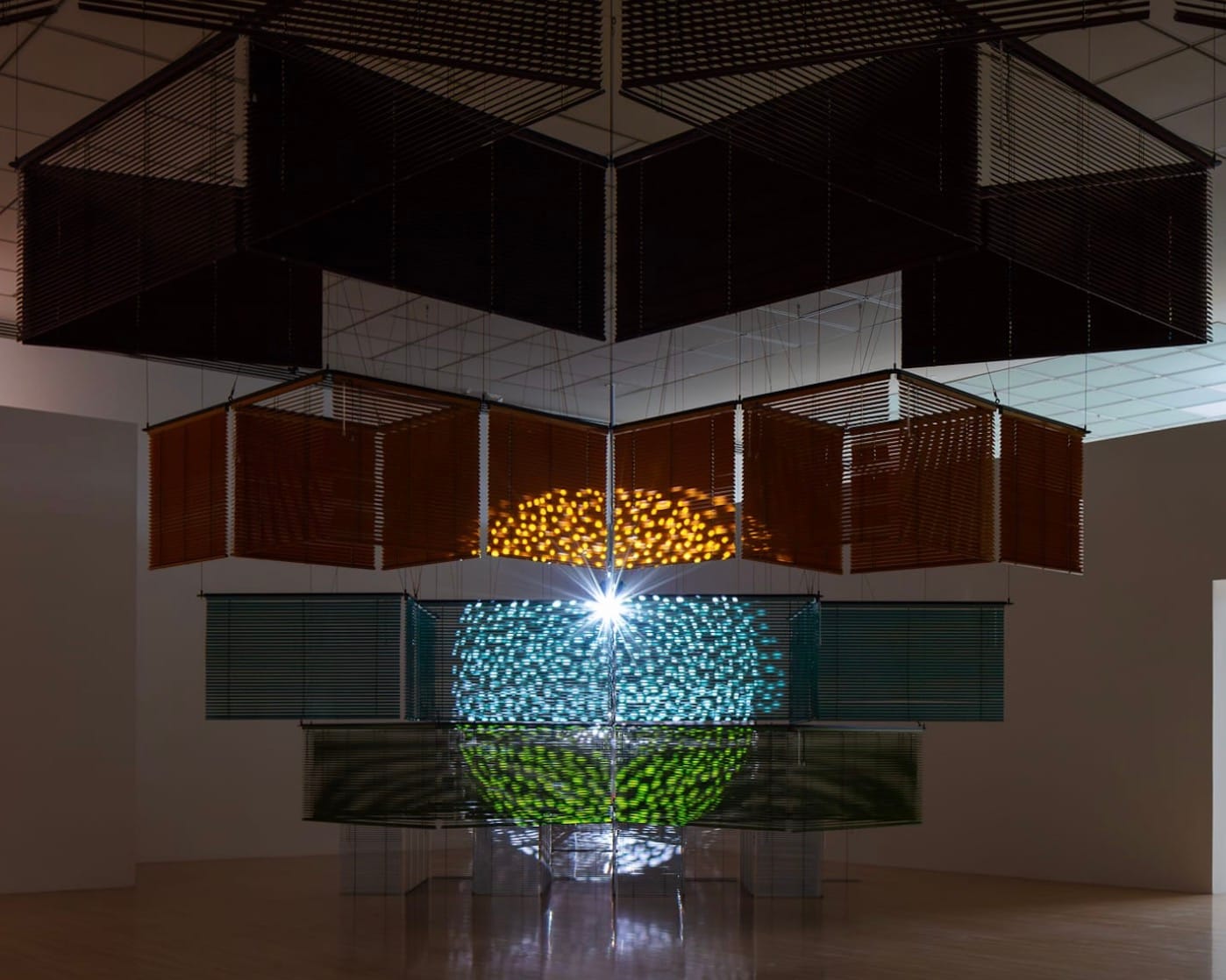
Haegue Yang's exhibition "Star-Crossed Rendezvous" at the Museum of Contemporary Art in Los Angeles features two large-scale Venetian blind installations that explore themes of division, exile, and reunification. The works draw on the arbitrary 1945 division of Korea by U.S. military officers and the life of composer Isang Yun, who was tortured and imprisoned by South Korean authorities. One installation mirrors and inverts a cube of white blinds inspired by Sol LeWitt, while the other uses colored blinds, projections, and Yun's "Double Concerto" to create a fragmented, shadow-filled meditation on longing and separation.