filter_list Showing 49 results for "Collection" close Clear
dashboard All 4017 museum exhibitions 1835trending_up market 757article news 411article local 263article culture 201person people 188gavel restitution 124article policy 110candle obituary 68rate_review review 49article event 5article museum 3article museums 1article gallery 1article events 1
date_range Range Today This Week This Month All
Subscribe

the worst art we saw in 2025 2706930

Artnet News editors and writers compiled a list of the worst art of 2025, calling out works they found lazy, cynical, overhyped, or ethically dubious. Highlights include Flora Yukhnovich's site-specific painting installation at the Frick Collection, which critics deemed middling and out of place among the museum's historic masterpieces; Jeff Koons's eight-foot-tall Hulk (Tubas) sculpture, sold for $3 million at Frieze New York and described as an obnoxious trophy piece; and actor Adrien Brody's interactive gum wall installation, which invited visitors to stick chewed gum onto a canvas.

michael armitage david zwirner new york gallery review 1234742248

Michael Armitage's solo exhibition "Crucible" at David Zwirner's new Annabelle Selldorf-designed gallery in New York features paintings centered on migration, including the work *Path* (2024), inspired by a 2015 Vice News story about an Eritrean teenager's harrowing journey to Europe. The show also includes *Raft (ii)* (2024), a blurry homage to Théodore Géricault's *Raft of the Medusa*, and new sculptures that resemble wood carvings. The gallery itself, a single-story 18,000-square-foot space, opened after a larger planned venue fell through due to financial headwinds during Covid.

lutz bacher retrospective oslo brussels 1234757045

The article reviews the first posthumous retrospective of the elusive artist Lutz Bacher, titled "Burning the Days," at the Astrup Fearnley Museum in Oslo. Bacher, who died in 2019 and whose real name was never revealed, is known for her use of found photographs and a pseudonym that led many to mistake her for a German man. The exhibition opens with her work "The Lee Harvey Oswald Interview" (1976–78), in which she discusses photography and perception by using Oswald as a stand-in, and includes other pieces such as "Jackie & Me" (1989) and "Men at War" (1975), all exploring how images and narratives produce meaning.

independent picks 2642621

The article reviews the Independent art fair, highlighting its curated approach that results in a visually cohesive and easeful experience compared to other fairs. It notes the prevalence of neo-bucolic landscapes and animal paintings by artists like Sameen Agha, Tim Braden, and Lisa Sanditz, as well as delicate abstractions and small ceramic works. Standout pieces include Pope.L's provocative paint-scribbled underwear at Mitchell-Innes and Nash, Rosa Barba's kinetic painting at Vistamare, Ibrahim El-Salahi's silkscreen painting at Vigo Gallery, and works by emerging artists such as Constanza Camila Kramer Garfias and Ada Friedman at Kendra Jayne Patrick Gallery.

Konrad Mägi review – these bland, blobby paintings are expressionism without expression

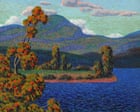
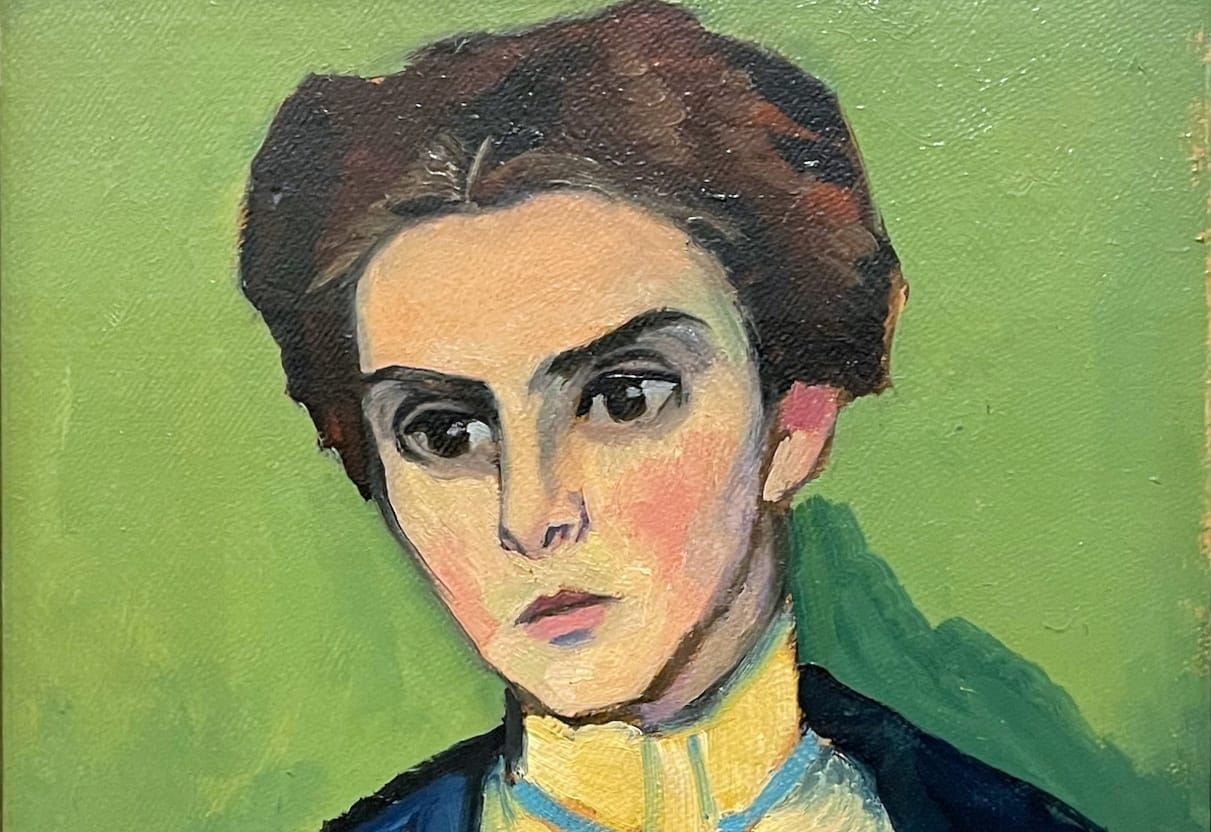
A new exhibition of early 20th-century Estonian painter Konrad Mägi at Dulwich Picture Gallery has received a scathing critical review. The reviewer finds Mägi's colorful, modernist-influenced landscapes and portraits to be bland, derivative, and devoid of the emotional depth or urgency found in the great modernists or the gallery's own Old Master collection.

worst artworks we saw around the world in 2022 2219621

Artnet News editors compiled a list of the worst artworks they encountered in 2022, including a chaotic performance by Poncili Creación at NADA Miami, an overproduced Danish Pavilion installation by Uffe Isolotto at the Venice Biennale, and a Paul Cézanne painting at the Barnes Foundation that disappointed a critic. The article offers subjective, critical takes on these works, describing the NADA performance as bizarre and jolting, the Danish pavilion as graphic and lacking a powerful message, and the Cézanne as a disappointment within an otherwise memorable museum visit.

what are the 10 best works of art in new york museums let the debate begin 253472

Artnet News critic Christian Viveros-Fauné has published a personal list of the ten best works of art in New York museums, sparking debate among readers. The selection includes iconic pieces such as Giovanni Bellini's *St. Francis in the Desert* at the Frick Collection, Gerhard Richter's *October 18, 1977* at MoMA, Paul Cézanne's *The Card Players* at the Metropolitan Museum of Art, James Rosenquist's *F-111* at MoMA, Diego Velázquez's *Juan de Pareja* at the Met, and Pablo Picasso's *Les Demoiselles d'Avignon* at MoMA, among others.

What does a woman swimming in urine tell us about the state of the world? Lots! – Venice Biennale review

The 2026 Venice Biennale, curated by the late Koyo Kouoh under the theme "In Minor Keys," has been plagued by months of turmoil including countries withdrawing, artists being fired, exhibitions cancelled, funding pulled, and protests during the preview. A five-person curatorial team took over after Kouoh's death, resulting in what the critic describes as a disjointed, committee-driven exhibition that prioritizes quiet contemplation and healing over direct political engagement. The central shows in the Giardini and Arsenale feature a vast, poorly explained array of art from the global south, with installations of ceramics, textiles, slide projectors, and serene natural scenes that the critic finds anachronistic and dull.

Michael Armitage in Venice, monumental and disturbing. What the exhibition at Palazzo Grassi looks like

Michael Armitage is the subject of a major solo retrospective at Palazzo Grassi in Venice, marking his largest exhibition in Europe to date. Organized by the Pinault Collection, the show features monumental paintings that blend African identity, local Kenyan chronicles, and mythological narratives. Armitage’s work is noted for its physical scale and its ability to transform the chaos of human affairs into a syncretic epic, utilizing traditional materials like Lubugo bark cloth to ground his contemporary subjects.

The Big Review | Lacma's David Geffen Galleries ★★★★

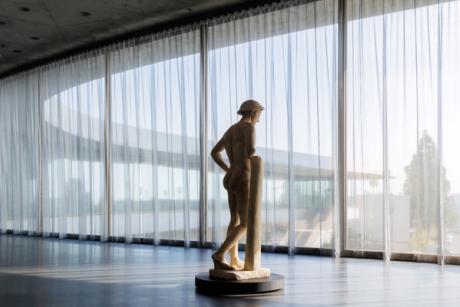
The Swiss architect Peter Zumthor's new $724 million building for the Los Angeles County Museum of Art (Lacma), now called the David Geffen Galleries, has opened after nearly two decades of anticipation. The swooping concrete-and-glass structure is praised for its harnessing of natural light and horizontality, creating a stunning showcase for antiquities and inviting the city inside with floor-to-ceiling windows offering views of the La Brea Tar Pits and Wilshire Boulevard. The building performs best with sculpture and decorative objects, with standout works including Liz Glynn's "The Futility of Conquest" (2023) and Manjunath Kamath's "Vikatonarva" (2024).

art best and worst art of 2025 list

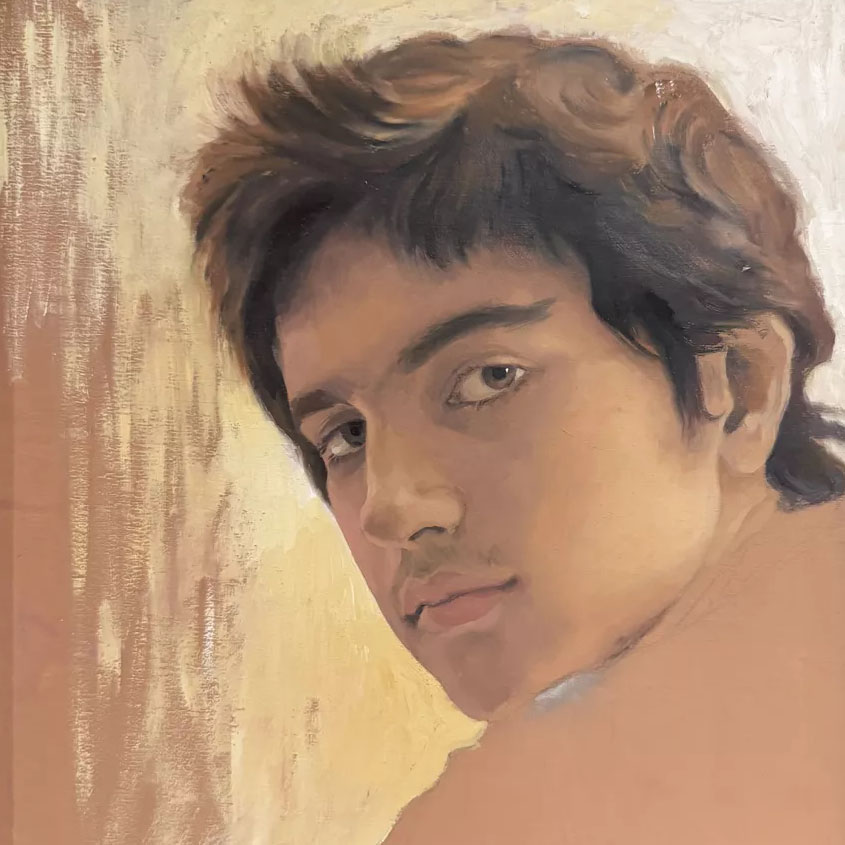
Cultured's art critic reflects on the best and worst of 2025, highlighting standout moments including Salman Toor's 2007 portrait of Zohran Mamdani (now mayor-elect of New York), the posthumous Jack Whitten survey "The Messenger" at MoMA, and Anne Imhof's epic production "DOOM: House of Hope" at the Park Avenue Armory. The article also notes Mamdani's arts-friendly transition committee and the broader resilience of artists amid political turmoil.

The Met’s Costume Institute Needs an Art History Lesson

The Metropolitan Museum of Art's Costume Institute spring exhibition, "Costume Art," pairs fashion with artworks from the Met's collection, including ancient Greek statues and Andy Warhol screenprints, alongside garments by designers from Charles James to CFGNY. Curator Andrew Bolton aims to suggest that fashion can expand understanding of art, but the show's juxtapositions often feel vague and sloppy, with only occasional resonant pairings like a Jean Paul Gaultier shirt and Joe Brainard drawing linked by queer artist lineage.

carol bove guggenheim museum retrospective review 1234775914

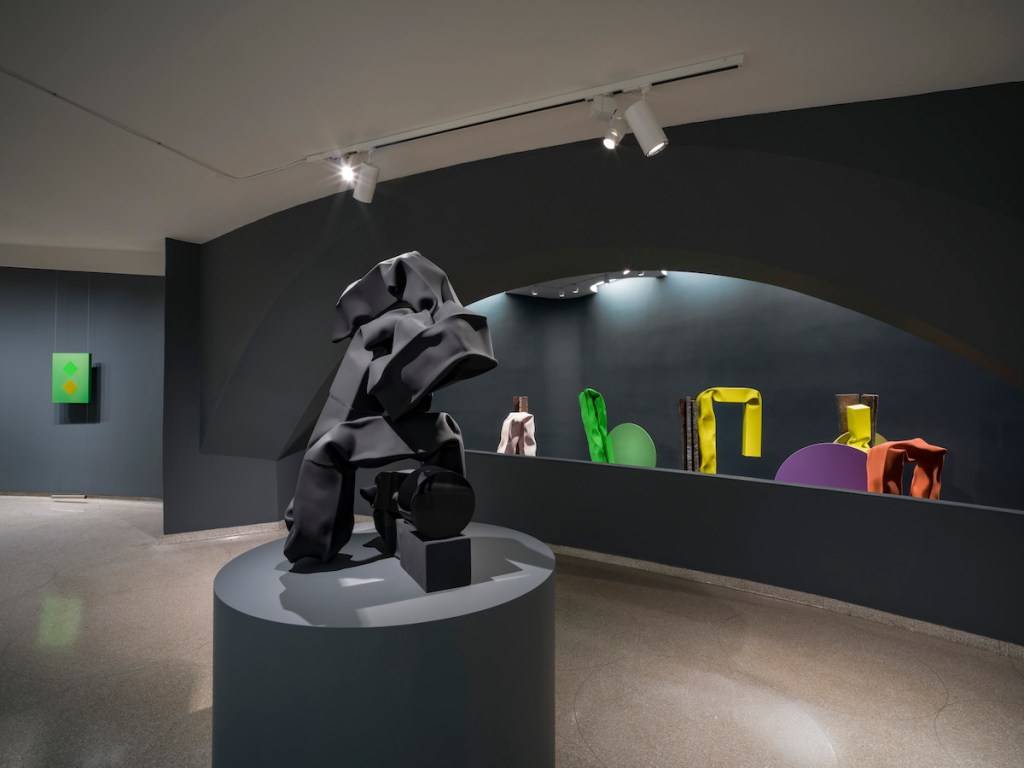
The Solomon R. Guggenheim Museum has launched a major retrospective of Carol Bove, filling the iconic Frank Lloyd Wright rotunda with approximately 100 works spanning her career. The exhibition showcases Bove’s evolution from her early assemblages of driftwood, peacock feathers, and vintage books to her more recent large-scale, brightly colored steel sculptures. A defining feature of the show is Bove’s inclusion of "para-artworks"—pieces by other artists such as Lionel Ziprin, Agnes Martin, and Arnaldo Pomodoro—integrated into her own installations to highlight the influences and histories that inform her practice.

Joseph Grigely's 'Otherhow' Primary Information on Disability Arts and Being Deaf

joseph grigely primary information otherhow disability arts deaf 1234771332

Artist and writer Joseph Grigely has published a new essay collection, 'Otherhow: Essays and Documents on Art and Disability 1985–2024.' The book compiles decades of his work, blending art, autobiography, and advocacy through ephemera like postcards, emails, and legal documents to chronicle his experiences navigating the art world as a deaf man.

cubism at the met modern art that looks tragically antique 157075

The Metropolitan Museum of Art's current "Cubism" exhibition showcases masterpieces from the Leonard A. Lauder Cubist Collection, featuring works by Pablo Picasso, Georges Braque, Juan Gris, and Fernand Léger. The show spans six galleries and presents some of the finest examples of Cubist art, including iconic pieces like Braque's *The Castle of La Roche-Guyon* (1909) and Picasso's *The Oil Mill* (1909). The exhibition is essentially a curated display of Lauder's promised gift to the Met, highlighting the "Four Horsemen" of Cubism while omitting the broader context of the movement's other pioneers, such as the Salon Cubists.

Zurbarán review – ecstatic visions, primitive surrealism … and the finest loincloths ever painted

The Guardian reviews a major exhibition of 17th-century Spanish painter Francisco de Zurbarán, highlighting his visionary and surrealist qualities. The show features works such as "The Apparition of Saint Peter to Saint Peter Nolasco" (1629), newly attributed paintings including a giant mask, and iconic pieces like "The Crucified Christ" and "Saint Serapion," all drawn from collections including the Prado and the National Gallery, London. The review emphasizes Zurbarán's ability to paint supernatural subjects with naturalistic conviction, his exquisite rendering of fabrics—especially loincloths—and his influence on modern artists like Salvador Dalí.

‘The Secret Agent’ Finds Desire in the Archive

The article reviews the exhibition 'The Secret Agent' at the Institute of Contemporary Arts (ICA) in London, curated by artist and writer Hannah Gregory. The show features works by artists including Louise Lawler, Susan Hiller, and John Stezaker, exploring themes of desire, secrecy, and the archival impulse through photography, film, and installation.

Gardar Eide Einarsson Leaves You in the Dark

Gardar Eide Einarsson’s latest exhibition at Maureen Paley’s East London space presents a haunting exploration of dissociation and coded information. The show features two distinct series: 'Closed Caption,' a collection of monochrome black gouache paintings featuring isolated subtitles from films, and 'Incendiary Test Area,' a set of hyperrealistic woodblock prints created in collaboration with master Shoichi Kitamura. These prints depict the interiors of mock 'Japanese' houses built by the US Army for fire-bombing tests during World War II.

The National Gallery of Art’s Dear America Needs a Postscript

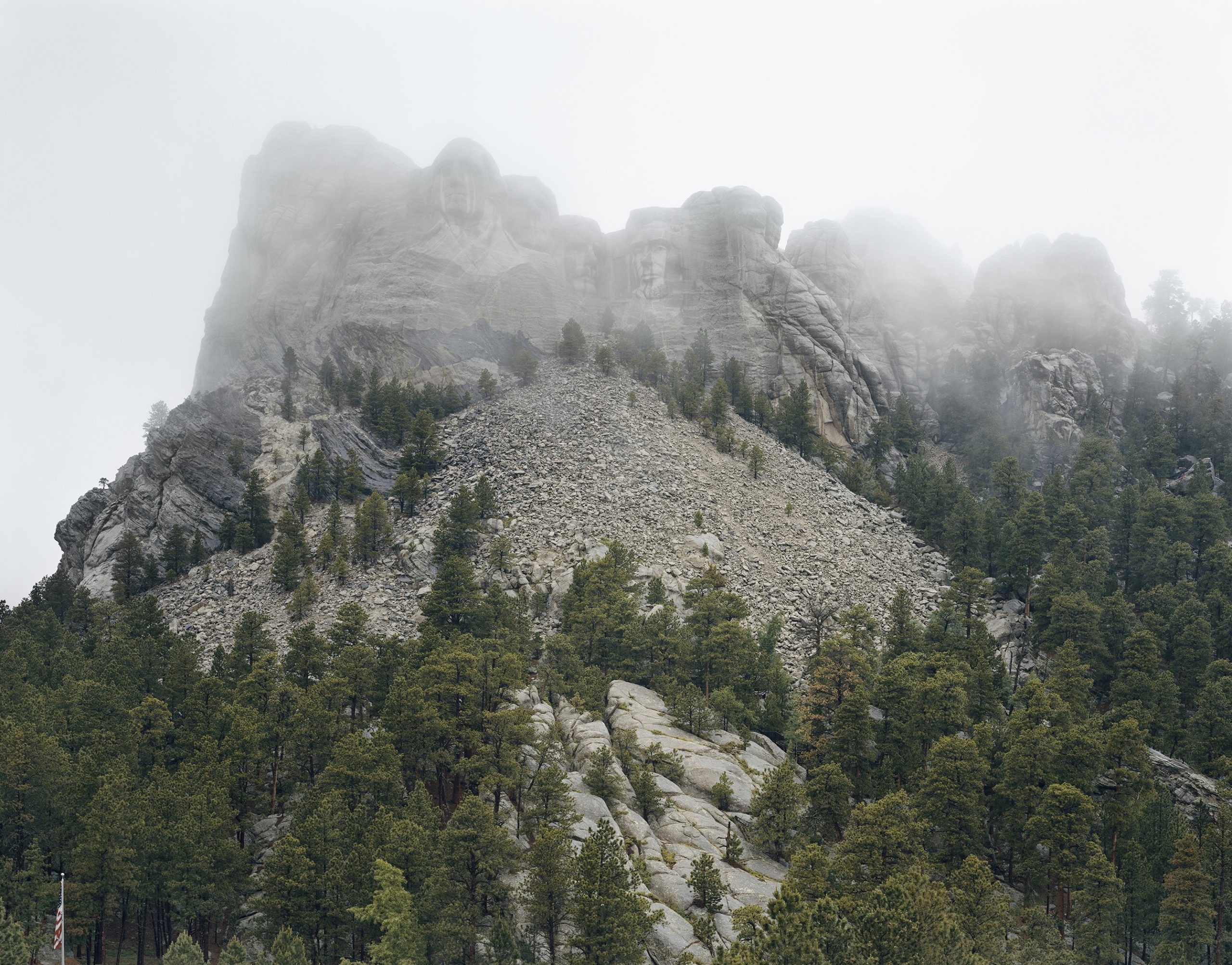
The National Gallery of Art in Washington, D.C. has opened "Dear America," an exhibition organized around the themes of "Land," "Community," and "Freedom" that attempts to survey the entire history of the United States through its collection. The show features works by artists including Mitch Epstein, Victoria Sambunaris, Sedrick E. Huckaby, and Nancy Andrews, with sections on the American landscape, industrialization, and diverse communities. However, the review notes that the exhibition feels overly literal, with American flags prominently featured and a sense of ticking off boxes rather than offering a challenging or intellectually rigorous presentation.

An Unlikely Friendship Between Artist and Forger

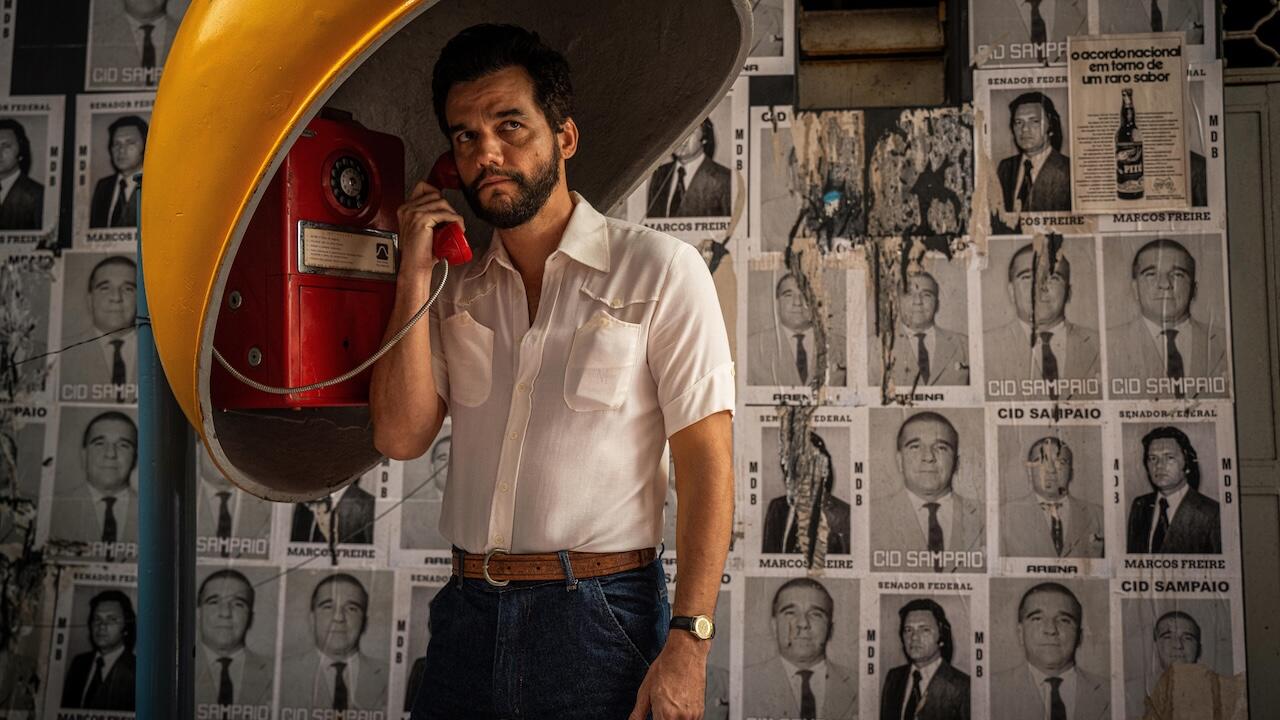
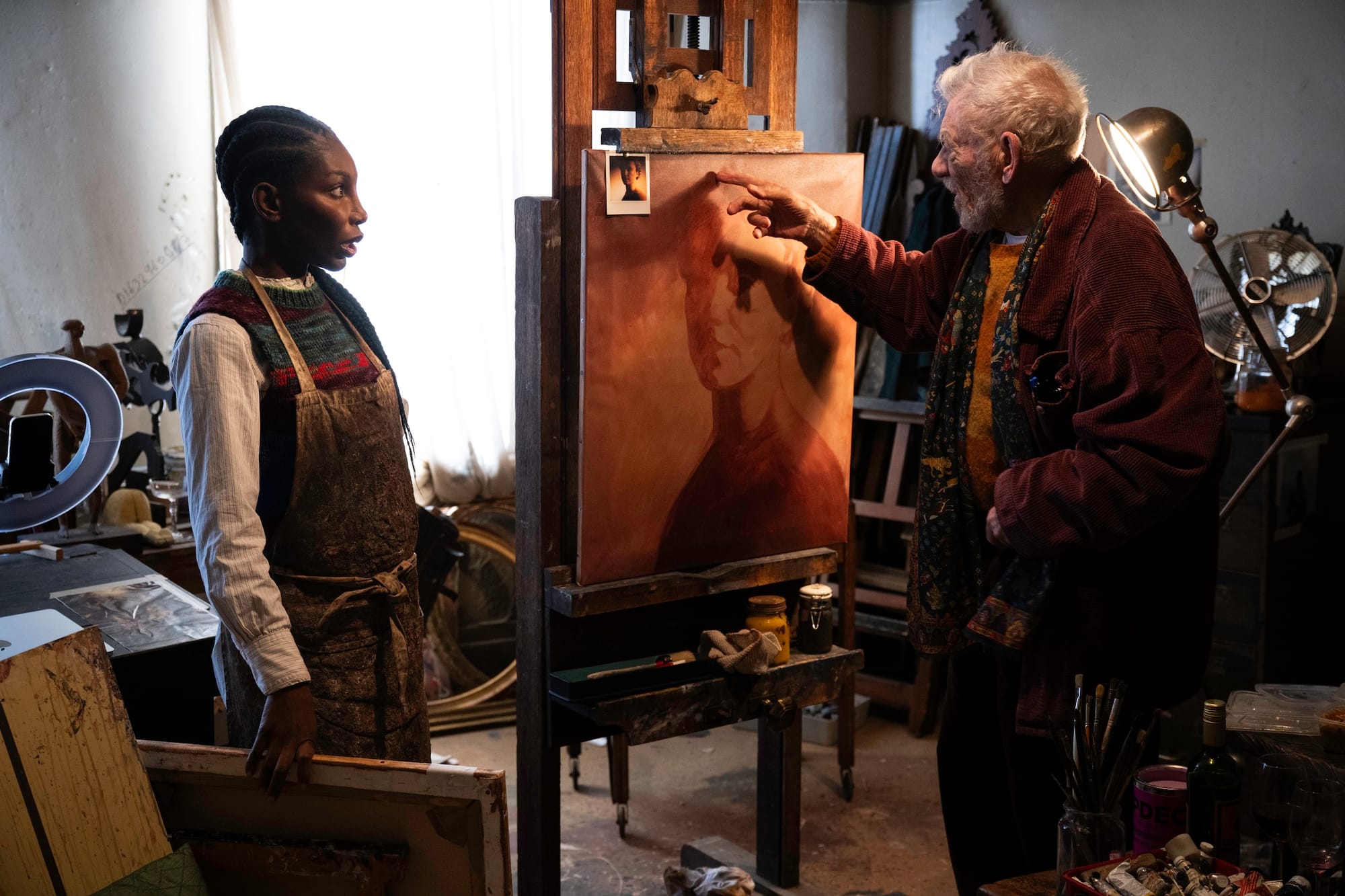
The article reviews Steven Soderbergh's 2026 film "The Christophers," which follows an unlikely friendship between two painters in London: Julian Sklar (Ian McKellen), an older artist facing cancellation, and Lori Butler (Michaela Coel), a young painter who restores and forges artworks. The film explores themes of attention, artistic legacy, and the purpose of art, contrasting with darker narratives like "Tár" by offering a comedic yet profound take on these issues.

The Carnegie International Looks Back at Itself

The 58th Carnegie International at the Carnegie Museum of Art in Pittsburgh looks back at its own 130-year history, featuring a gallery dedicated to past iterations. The exhibition includes Chris Ofili's "The Adoration of Captain Shit and the Legend of the Black Stars" (1998), which was originally shown in the 53rd International in 1999, the same year Ofili's more notorious "The Holy Virgin Mary" sparked controversy at the Brooklyn Museum. The article reviews how the current iteration captures the excitement of earlier exhibitions while providing commentary on authoritarianism and militarism.

The Enigma of Alison Knowles

Lauren Moya Ford reviews the only book dedicated to Fluxus artist Alison Knowles, who died six months ago. The book, "Performing Chance: The Art of Alison Knowles In/Out of Fluxus" by Nicole L. Woods (2026), attempts to illuminate Knowles's life and work, but Ford notes that much of her personal life remains mysterious despite the author's efforts. The article is part of a broader books newsletter that also features new tomes on Hans Holbein’s portraits, Jan Staller’s photographs of Manhattan construction sites, and a discussion of a Black Panther family album at the Studio Museum in Harlem.

Édouard Glissant’s Museum-as-Archipelago

The article reviews the exhibition "The Earth, the Fire, the Water, and the Winds: For a Museum of Errantry with Édouard Glissant" at the Center for Art, Research and Alliances (CARA) in New York, the first U.S. showing of works from the personal collection of Martinician philosopher and writer Édouard Glissant. Curated from his archive, the exhibition features artists such as Roberto Matta, Wifredo Lam, Etel Adnan, Irving Petlin, Antonio Seguí, Öyvind Fahlström, Jack Whitten, and Mel Edwards, reflecting Glissant's friendships and intellectual exchanges across Europe, Africa, and the Americas. Highlights include Antonio Seguí's large pastel works from his Titanic series.

The Revolutionary Tapestry of Nigerian Modernism

The exhibition "Nigerian Modernism" at Tate Modern in London is the first show of its kind in the UK, surveying how Nigerian artists forged a postcolonial identity across the 20th century. It features works by pioneers such as Aina Onabolu, Benedict Enwonwu, and members of the radical Zaria Art Society, including Uche Okeke, Jimo Akolo, and Clara Etso Ugbodaga-Ngu, highlighting their break from British artistic traditions and embrace of local visual heritage.

It’s Gabriele Münter’s World, We’re Just Living in It

The Solomon R. Guggenheim Museum is hosting "Contours of a World," a retrospective dedicated to Gabriele Münter, a co-founder of the Blue Rider group. The exhibition moves beyond the shadow of her long-time partner Wassily Kandinsky, showcasing her distinct approach to German Expressionism through photography, intimate domestic scenes, and vibrant landscapes. Unlike her contemporaries who leaned toward total abstraction, Münter utilized bold outlines and layered compositions to create a dynamic, phenomenological experience of seeing.

Frida-Mania Hits MoMA

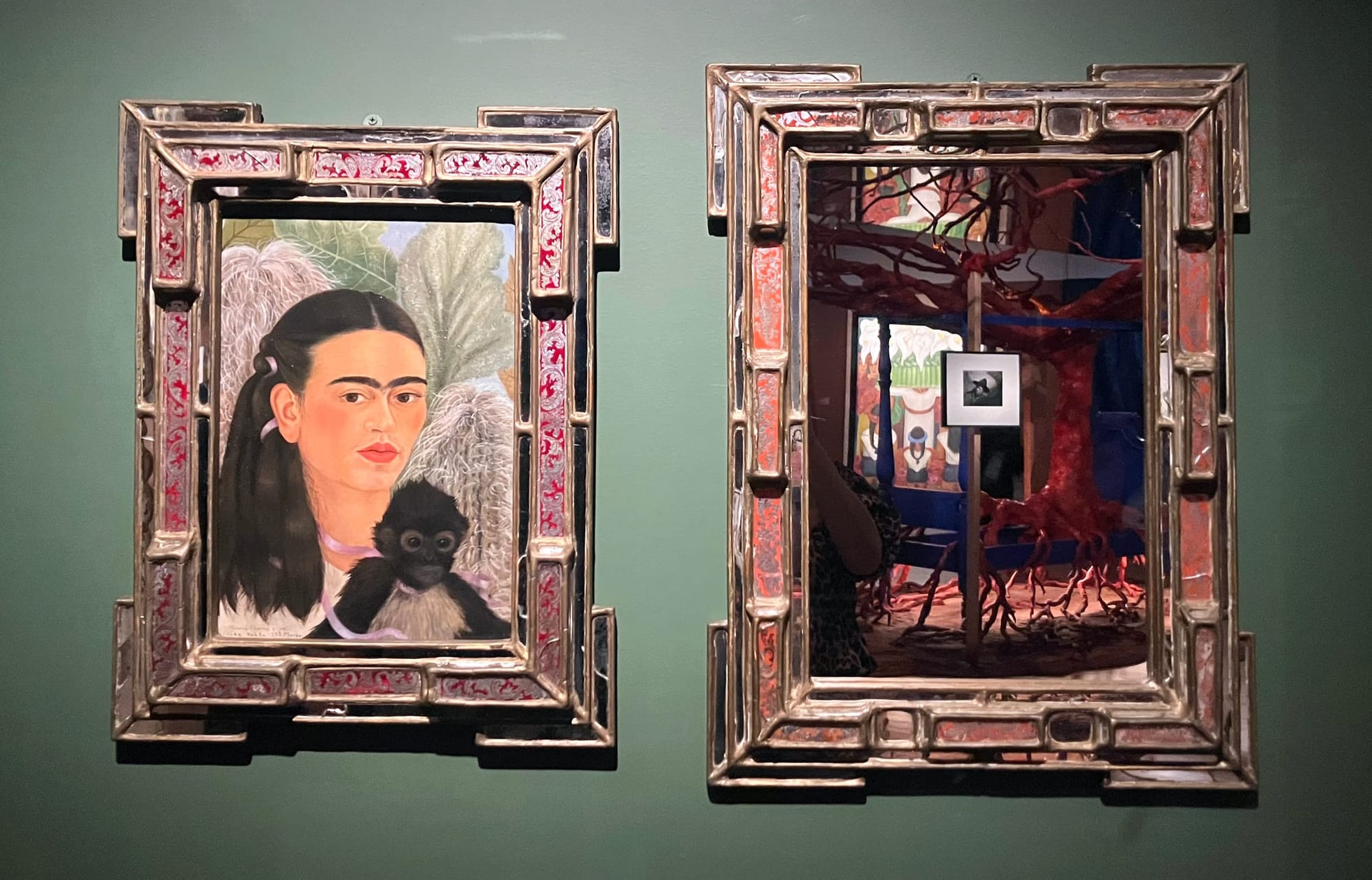
The Museum of Modern Art (MoMA) has opened the exhibition 'Frida and Diego: The Last Dream,' a collaboration with the Metropolitan Opera tied to its upcoming production of the opera 'El Último Sueño de Frida y Diego.' The show, designed by stage and costume designer Jon Bausor, transplants theatrical elements like a tree-of-life set model and blue tarp drapes into the gallery, alongside a reshuffling of key Kahlo and Rivera works from MoMA's collection.

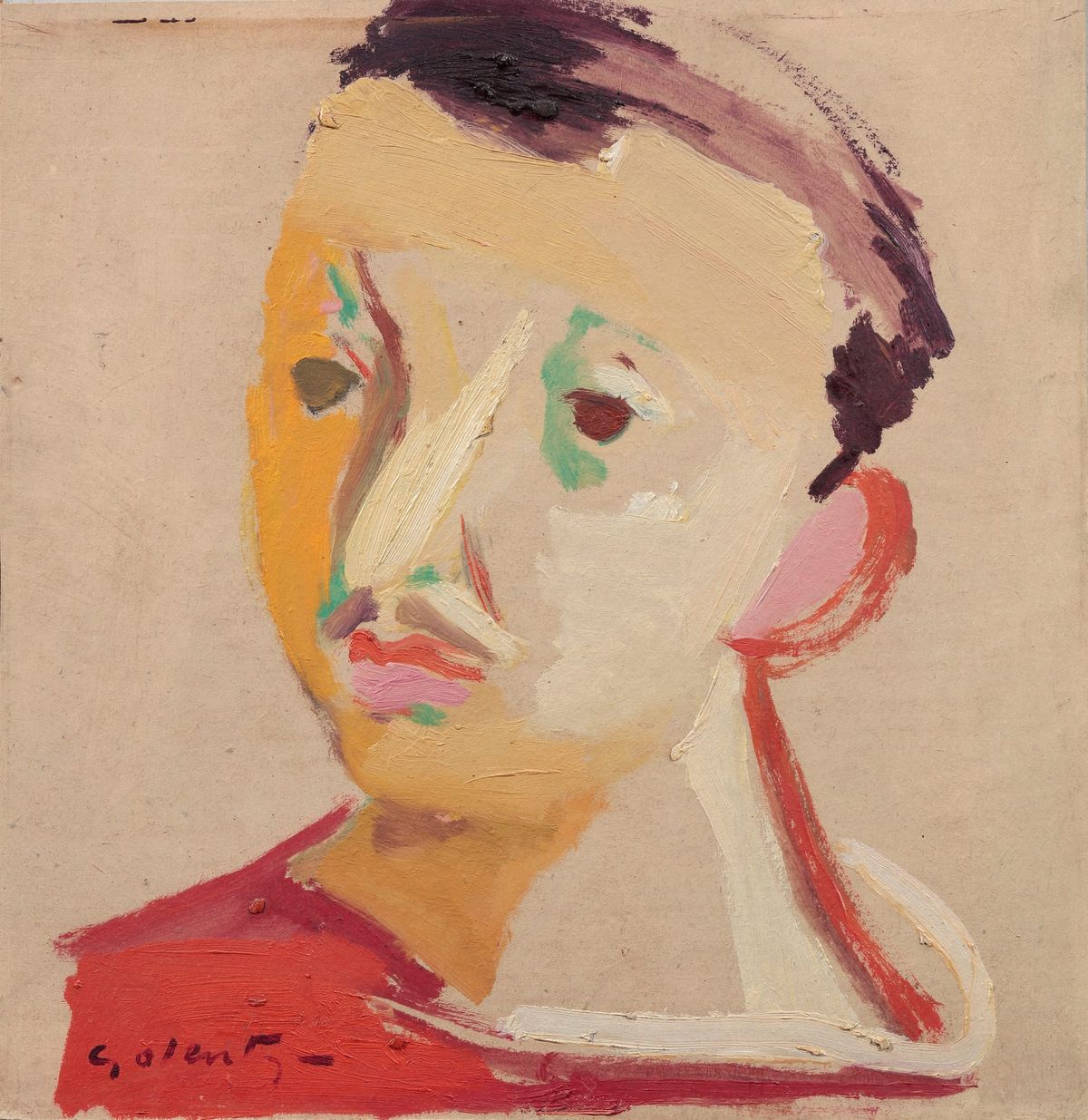
Haroutiun Galentz: The Form of Colour

Haroutiun Galentz: The Form of Colour

A new English-language monograph, *Haroutiun Galentz: The Form of Colour*, repositions the Armenian-Lebanese painter as a major cosmopolitan modernist. The book assembles his work from international collections, arguing his career—spanning formative years in Beirut's pre-war art scene and a later period in the Soviet Union—must be understood beyond national art historical frameworks.

Exhibition Review: “Alan Davie: Paintings, 1959 - 1971” at A Hug from the Art World, Chelsea (long-term viewing, by appointment)

A Hug from the Art World in Chelsea is presenting a long-term exhibition of Scottish Abstract Expressionist Alan Davie (1920–2014), focusing on his work from 1959 to 1971. Gallery founder Adam Cohen, who discovered a Davie painting in his father Frank Cohen's collection, curated the show to highlight what he considers Davie's most influential period, when his style evolved into a psychedelic, complex visual language amid the rise of Pop Art and Minimalism.

« L’Angélus » de Millet : une notification à l’humanité hors sol ?

Beaux Arts Magazine publishes a detailed visual analysis of Jean-François Millet's painting "L'Angélus" (1857–1859), housed at the Musée d'Orsay in Paris. The article describes the scene of two peasants pausing their potato harvest to pray at dusk, examining the composition, color, and spiritual resonance of the work. It also traces Millet's biography—from his peasant origins in the Cotentin region to his training under Langlois and Paul Delaroche, and his early career painting portraits and nudes before turning to rural subjects.

Angela de la Cruz review – wonky chairs and busted pianos are monuments to resilience

Angela de la Cruz's solo exhibition "Upright" at Birmingham's Ikon gallery presents a collection of broken and mended artworks. Her canvases are crumpled, folded, and snapped, while sculptures are assembled from precarious junk like a three-legged chair on a stool and a piano stacked atop another. The works, though appearing on the verge of collapse, are all repaired and propped back up, reflecting a state of post-collapse resilience.