filter_list Showing 45 results for "Current" close Clear
search
dashboard All 1864 museum exhibitions 859trending_up market 231article news 203article local 194person people 115article culture 112article policy 73rate_review review 45gavel restitution 21candle obituary 10article events 1
date_range Range Today This Week This Month All
Subscribe

robert longo pace gallery review 1234752550

Artist Robert Longo presents a new exhibition at Pace Gallery, featuring his signature large-scale, hyperrealistic drawings that address themes of brutality, conflict, and protest. The show is a revised version of a 2023 exhibition at the Milwaukee Art Museum, with works based on media images of events such as the war in Ukraine, Black Lives Matter protests, and migrant crises. The article critically examines several pieces, including "Untitled (Ferguson Police, August 13, 2014)" and "Untitled (Refugees at Mediterranean Sea, Sub-Saharan Migrants, July 25, 2017)," arguing that Longo's manipulations of source photographs result in melodramatic and dishonest representations.
independent picks 2642621

The article reviews the Independent art fair, highlighting its curated approach that results in a visually cohesive and easeful experience compared to other fairs. It notes the prevalence of neo-bucolic landscapes and animal paintings by artists like Sameen Agha, Tim Braden, and Lisa Sanditz, as well as delicate abstractions and small ceramic works. Standout pieces include Pope.L's provocative paint-scribbled underwear at Mitchell-Innes and Nash, Rosa Barba's kinetic painting at Vistamare, Ibrahim El-Salahi's silkscreen painting at Vigo Gallery, and works by emerging artists such as Constanza Camila Kramer Garfias and Ada Friedman at Kendra Jayne Patrick Gallery.

Notes from New York: The World in a Convex Mirror

The article reviews the sixth edition of MoMA PS1's quinquennial survey 'Greater New York 2026,' which coincides with the institution's 50th anniversary. It highlights works by artists such as Covey Gong, Win McCarthy, Mekko Harjo, and Sophie Friedman-Pappas, noting how the exhibition's themeless structure and use of reflective surfaces create a hall of distorted reflections. The show includes 53 emerging and midcareer artists, mostly millennials, and is accompanied by a block party and gala rather than a dedicated commemorative exhibition like FORTY (2016).

best new york art criticism critics table

Cultured magazine's critics roundup highlights several notable New York art exhibitions. Cameron Rowland's "Properties" at Dia Beacon is examined as a landmark Land art installation that uses contractual relations to address racial capitalism, with works available only for rent or loan. Other shows include Feliciano Centurión's "Sol naciente" at Ortuzar, Joshua Caleb Weibley's "Game Transfer Phenomena" at Chart, Ian Miyamura's debut at Bureau, and Laura Owens's new show at Matthew Marks Gallery, each reviewed for their conceptual and aesthetic innovations.

Comment | Catherine Opie shows us that in dark times, looking for joy can be radical

The artist Catherine Opie is currently the subject of a major three-decade portrait survey, 'To Be Seen', at the National Portrait Gallery in London. The exhibition highlights Opie’s career-long commitment to representing the LGBTQ+ community, specifically the leather dyke scene in Los Angeles, through a lens that balances defiance with playfulness. Even her most provocative works, such as the 1993 self-portrait featuring a domestic scene carved into her back, are revealed to contain elements of humor and historical allusion that counter the despair of the AIDS crisis and personal heartbreak.

Are We Too Reverent of Marcel Duchamp?

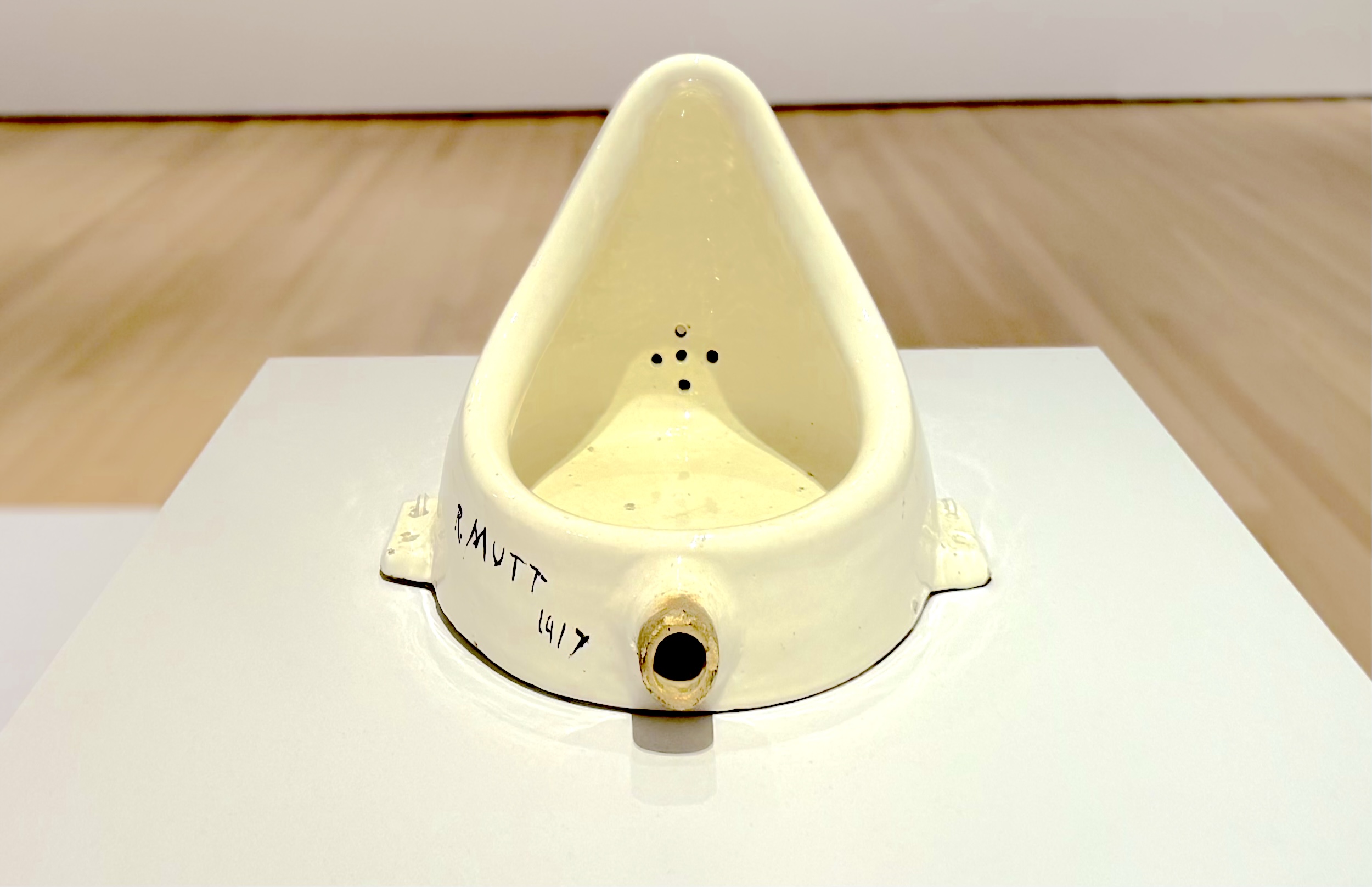
The Museum of Modern Art has launched a major retrospective of Marcel Duchamp, co-organized with the Philadelphia Museum of Art. The exhibition tracks the artist's evolution from his early Cubist experiments and the scandal of 'Nude Descending a Staircase' to his radical invention of the readymade, exemplified by the infamous urinal, 'Fountain'. The show presents a comprehensive look at 'The Duch' through a reverential, church-like atmosphere, concluding with his later years as a dapper, enigmatic figure of the avant-garde.

future of the art world andras szanto review 1234757915

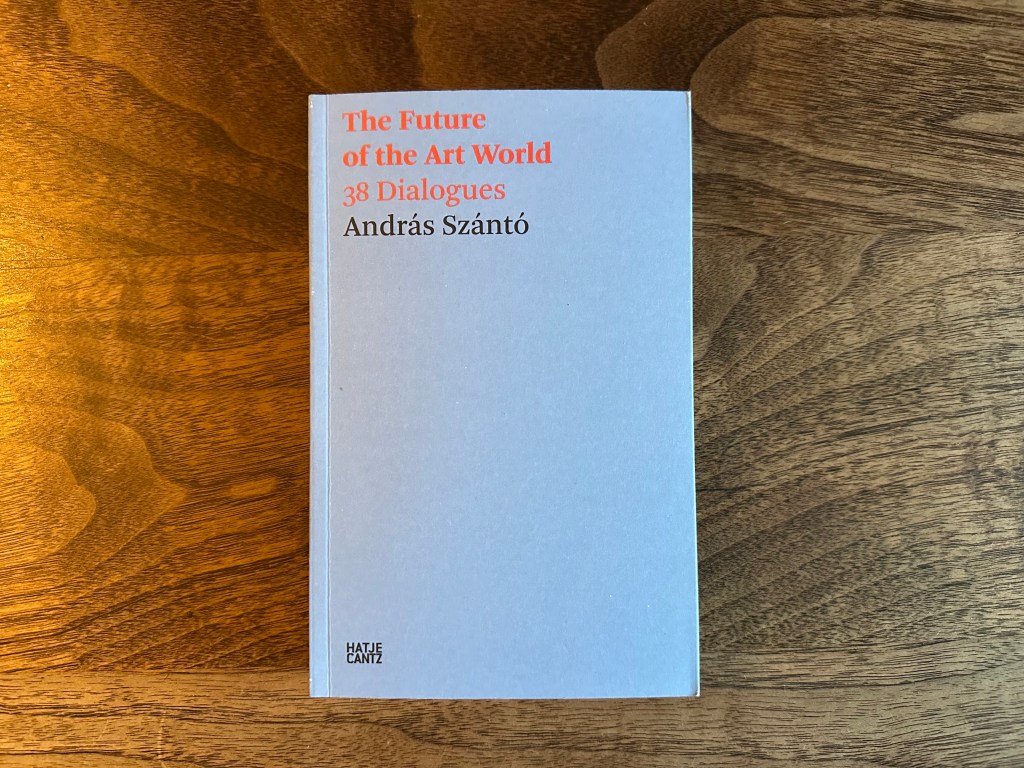
András Szántó has published the third volume of his trilogy on the future of museums and the art world, titled "The Future of the Art World." The book compiles 38 interviews conducted between April 2024 and June 2025 with a wide range of art-world stakeholders, including artists, curators, collectors, dealers, auctioneers, art fair directors, sociologists, philosophers, and policymakers. Unlike his previous books, which focused on museum directors and architects, this volume gives significant voice to artists, who offer provocative critiques and predictions about the future of museums, art education, and digital art.

Comment | We are living in an age of bad painting—the medium must be challenged to stay interesting

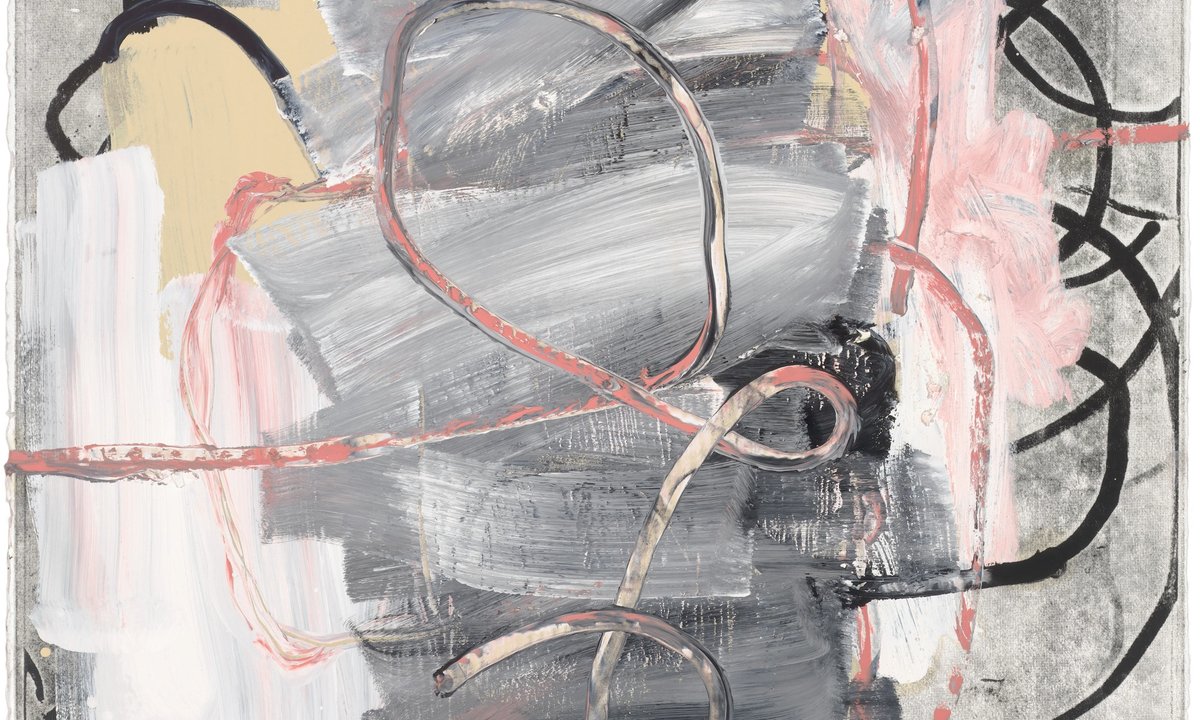
The article argues that contemporary painting has entered a period of stagnation, characterized by bloated, vapid, and market-driven works. The author cites observations from Frieze London and the exhibition "Painting After Painting" at SMAK in Ghent, noting that much recent painting lacks intellectual rigor and emotional depth. A conversation with artist Christopher Wool is referenced, where he contrasts the current lack of critical dialogue with the productive crises of the late 1970s, when painters like Philip Guston faced backlash for challenging conventions.

art yuji agematsu judd foundation review

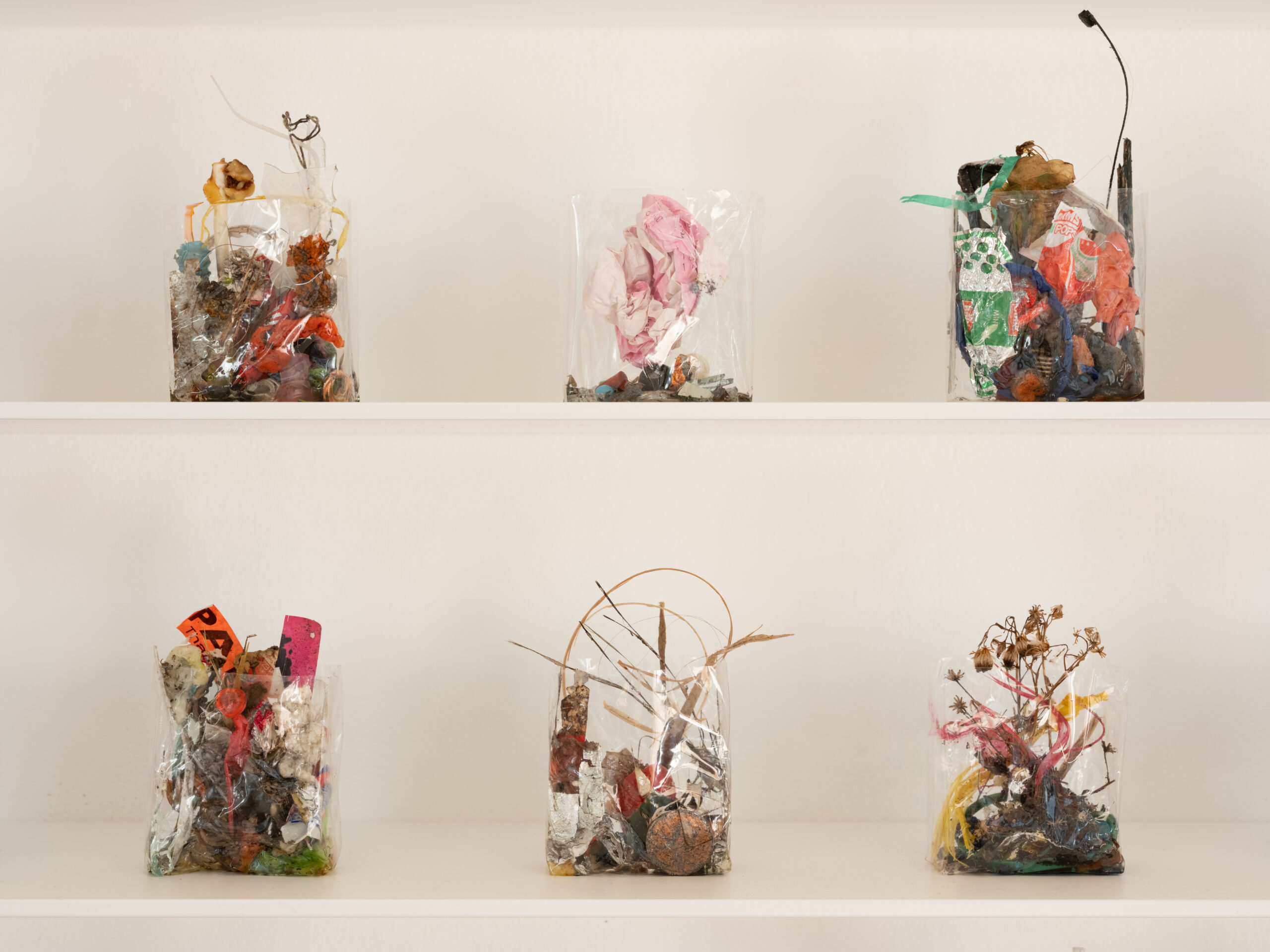
The article reviews Yuji Agematsu's exhibition at the Judd Foundation in New York, where 366 of his "zips"—small assemblages of found objects collected during daily walks and arranged in cigarette cellophane sleeves—were displayed on open aluminum shelves in grids representing each day of 2024. The show ran through August 30, 2025, and marked a departure from previous presentations of Agematsu's work, which had been enclosed in acrylic cases; here, the zips were left exposed, with a fan causing plant matter to sway, making the work feel more alive and immediate.

critics picks in manhattan and brooklyn bridge park june

Zoë Hopkins reviews Torkwase Dyson's Public Art Fund commission 'Akua' at Brooklyn Bridge Park, a sculptural pavilion that immerses visitors in water sounds and voices of Black writers like Christina Sharpe and Dionne Brand. Paige K. Bradley covers the first-ever solo exhibition of late poet N.H. Pritchard at Peter Freeman, Inc., featuring his concrete visual poems from the Black Arts Movement. Johanna Fateman highlights the work of identical twin artists Jane and Louise Wilson.

The Artist Whose Shimmering Obelisks Are Cropping Up All Over the World

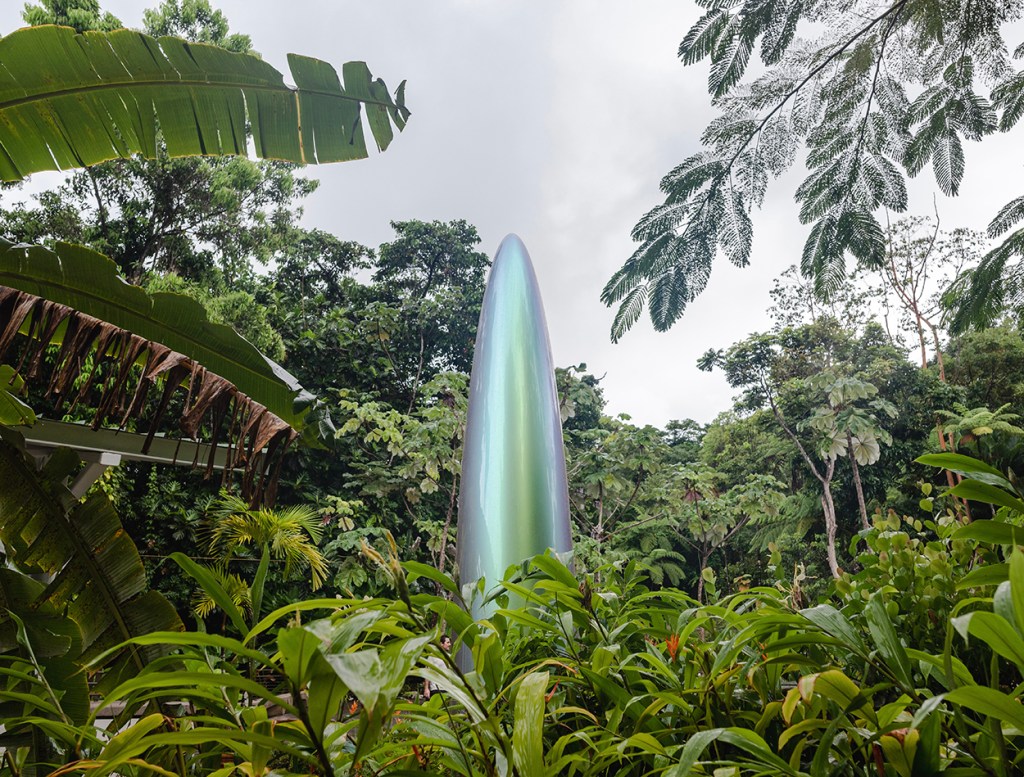
Artist Gisela Colón is currently the subject of a major retrospective at the Museo de Arte Contemporáneo de Puerto Rico (MAC), showcasing her signature "monoliths" and iridescent obelisks. These monumental sculptures, which have appeared in global locations ranging from the Great Pyramids of Giza to the Saudi Arabian desert, utilize advanced aerospace carbon fiber and site-specific minerals to create shifting, phenomenological experiences. The exhibition tracks her evolution from 1996 to the present, highlighting her unique ability to blend high-tech materials with ancient totemic forms.

8 Books We’re Looking Forward to in April

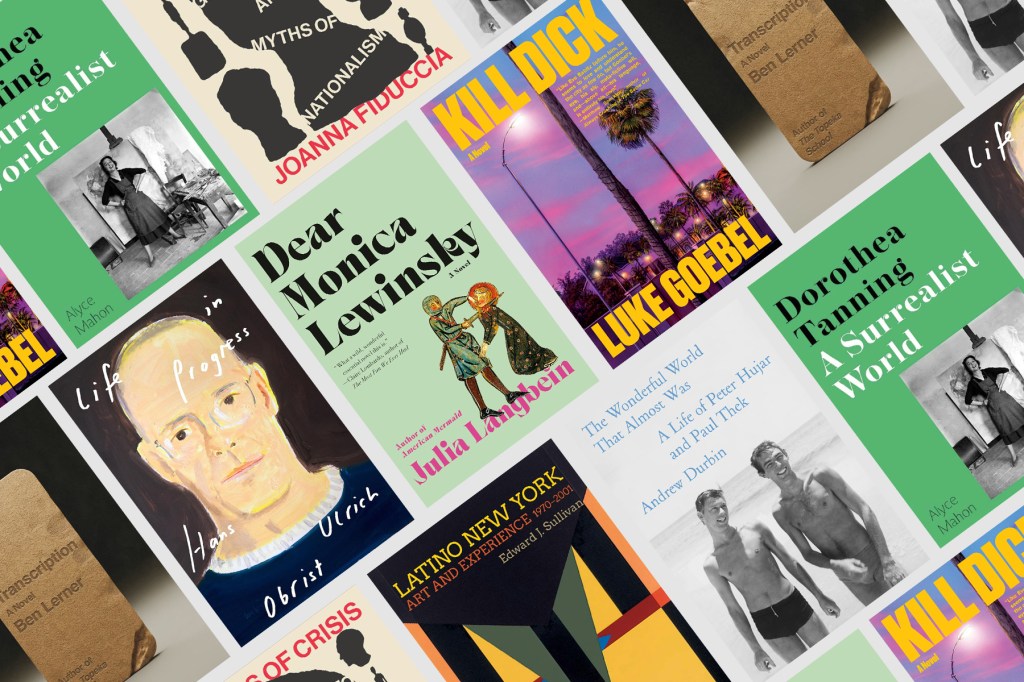
ARTnews previews eight notable art and culture books scheduled for release in April 2026. The list includes Ben Lerner's novel "Transcription," a dual biography of artists Peter Hujar and Paul Thek by Andrew Durbin, Luke Goebel's art-world satire "Kill Dick," and an academic study of Alberto Giacometti's 1930s work by Joanna Fiduccia. Also featured are a memoir by curator Hans Ulrich Obrist, a book on Dorothea Tanning, and Julia Langbein's unconventional book about Monica Lewinsky.

cubism at the met modern art that looks tragically antique 157075

The Metropolitan Museum of Art's current "Cubism" exhibition showcases masterpieces from the Leonard A. Lauder Cubist Collection, featuring works by Pablo Picasso, Georges Braque, Juan Gris, and Fernand Léger. The show spans six galleries and presents some of the finest examples of Cubist art, including iconic pieces like Braque's *The Castle of La Roche-Guyon* (1909) and Picasso's *The Oil Mill* (1909). The exhibition is essentially a curated display of Lauder's promised gift to the Met, highlighting the "Four Horsemen" of Cubism while omitting the broader context of the movement's other pioneers, such as the Salon Cubists.

Why Felix Gonzalez-Torres’s Go-Go Dancer Piece Remains Subversive

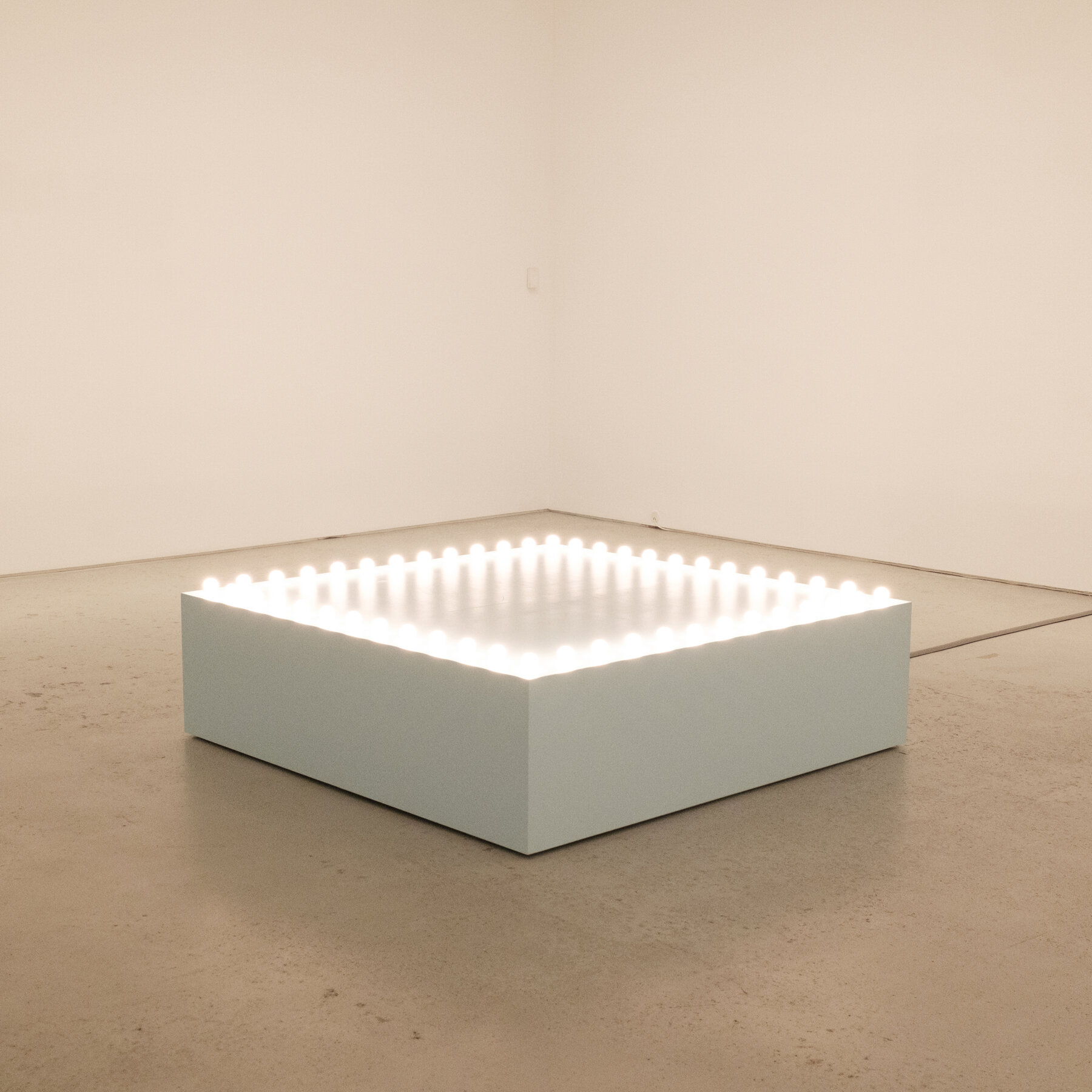
The New York Times examines the enduring power of Felix Gonzalez-Torres's 1991 performance piece "Untitled" (Go-Go Dancing Platform), in which a go-go dancer performs on a pedestal for a brief, scheduled period each day. The work, currently on view at the Art Institute of Chicago, uses the dancer's absence as a central component, creating a poignant metaphor for queer presence and loss.

Joachim Trier on the Art of Calculated Chaos

A major retrospective of Tracey Emin's work has opened at Tate Modern in London. The exhibition presents a comprehensive overview of the artist's career, featuring her confessional and often provocative works that have defined her public persona.

Marie Zolamian’s Paintings Remain Little Mysteries

A retrospective of Tracey Emin's work at Tate Modern reveals how her art, frequently interpreted as raw personal confession, is deeply intertwined with the broader cultural and social forces of her time. The review argues that her oeuvre serves as a witness to a specific era, moving beyond purely autobiographical readings to reflect wider societal currents.

art ai digital guide brian droitcour

Brian Droitcour curates a guide to navigating the current media landscape through the work of tech-savvy artists and writers, focusing on exhibitions in Brooklyn and Queens. The guide highlights Porpentine's show "Xrafstar World" at Haul Gallery in Gowanus, which features poster-prints of drawings depicting characters from their stories and games, made with different digital brushes. Droitcour contrasts this DIY, performance-driven work with major institutions' engagement with AI, such as Sasha Stiles' "A Living Poem" at MoMA, which he criticizes for echoing technology's promises of polish rather than probing its complications.

Alma Allen’s US Pavilion Is One of the Emptiest Shows at the Venice Biennale

Alma Allen represents the United States at the 2026 Venice Biennale with a subdued, apolitical exhibition inside the US Pavilion. The show features roughly 25 sculptures—mostly in bronze, wood, and stone—many titled "Not Yet Titled," and deliberately avoids overt political messaging. This marks a stark departure from the previous two US pavilions, curated by Simone Leigh (2022) and Jeffrey Gibson (2024), which directly confronted colonialism and empire. The Trump administration’s call for proposals explicitly asked for work that "reflects and promotes American values," and Allen’s presentation has been criticized as safe, unremarkable, and lacking the incisive edge of contemporary American art.

The Whitney Biennial Is for the Faint-Hearted

A critical review of the 2026 Whitney Biennial argues that the exhibition is timid and fails to directly confront the urgent political crises of the moment, including domestic authoritarianism, state violence, and immigration policies. The reviewer finds the show somber, fearful, and overly focused on mood and introspection, suggesting it represents a retreat from meaningful political engagement.

The Carnegie International Looks Back at Itself

The 58th Carnegie International at the Carnegie Museum of Art in Pittsburgh looks back at its own 130-year history, featuring a gallery dedicated to past iterations. The exhibition includes Chris Ofili's "The Adoration of Captain Shit and the Legend of the Black Stars" (1998), which was originally shown in the 53rd International in 1999, the same year Ofili's more notorious "The Holy Virgin Mary" sparked controversy at the Brooklyn Museum. The article reviews how the current iteration captures the excitement of earlier exhibitions while providing commentary on authoritarianism and militarism.

p staff david zwirner review 1234755199

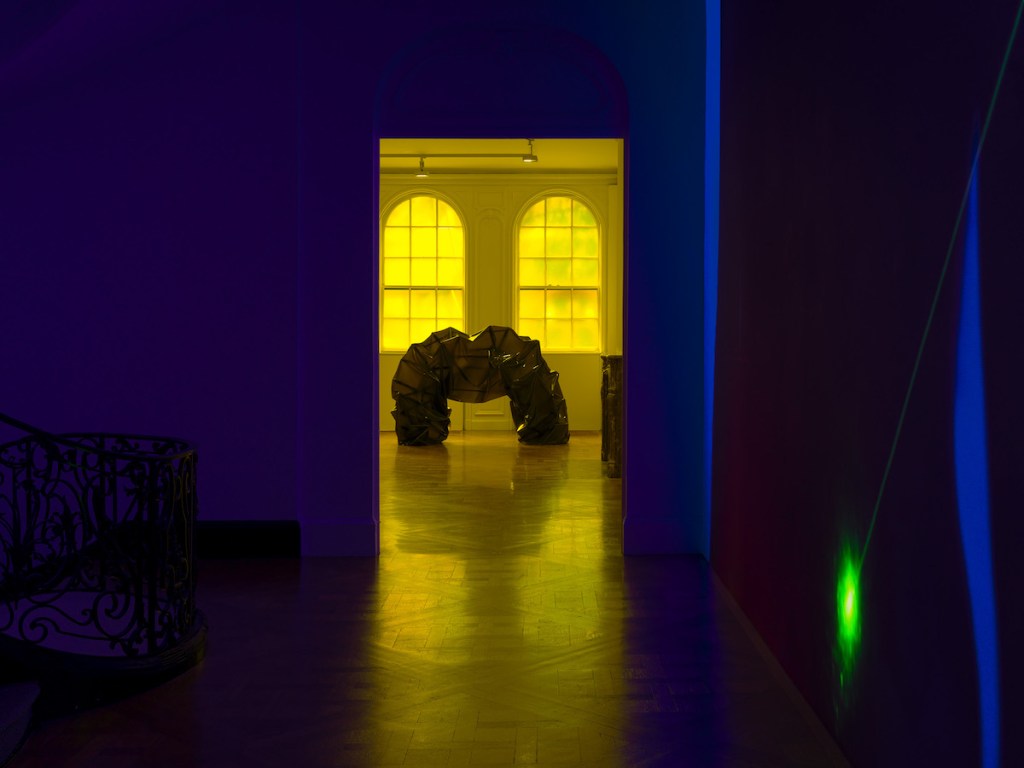
P. Staff's current exhibition at David Zwirner in New York transforms the gallery's Upper East Side townhouse into a haunting, body-centric experience. The show features a new video titled *Penetration* (2025), split across three floors, depicting a person with a laser beamed at their bare stomach, alongside sculptures with wood spikes under latex drapes and ambient sounds of a beating heart. The installation evokes a dread of having a body, with jaundiced yellow window films and disjointed sensory elements creating an uncomfortable, dysphoric atmosphere.

blank space book review cultrure over men 1234760399

W. David Marx's book "Blank Space: A Cultural History of the Twenty-First Century" argues that 21st-century culture has stagnated, blaming the Internet and its economies for a lack of innovation. The book cites critics like Jason Farago and Alex Ross who lament the death of monoculture and the failure of the Internet's promised diversity, while Marx himself longs for a past era of linear artistic progress defined by -isms like Realism and Cubism. However, the review criticizes Marx's framework as rooted in a 19th-century positivist fallacy, noting that art history has never been a clean linear progression and that overlooked artists—such as Hilma af Klint and Hector Hyppolite—have always complicated the canon.

Beacons in a Grim World

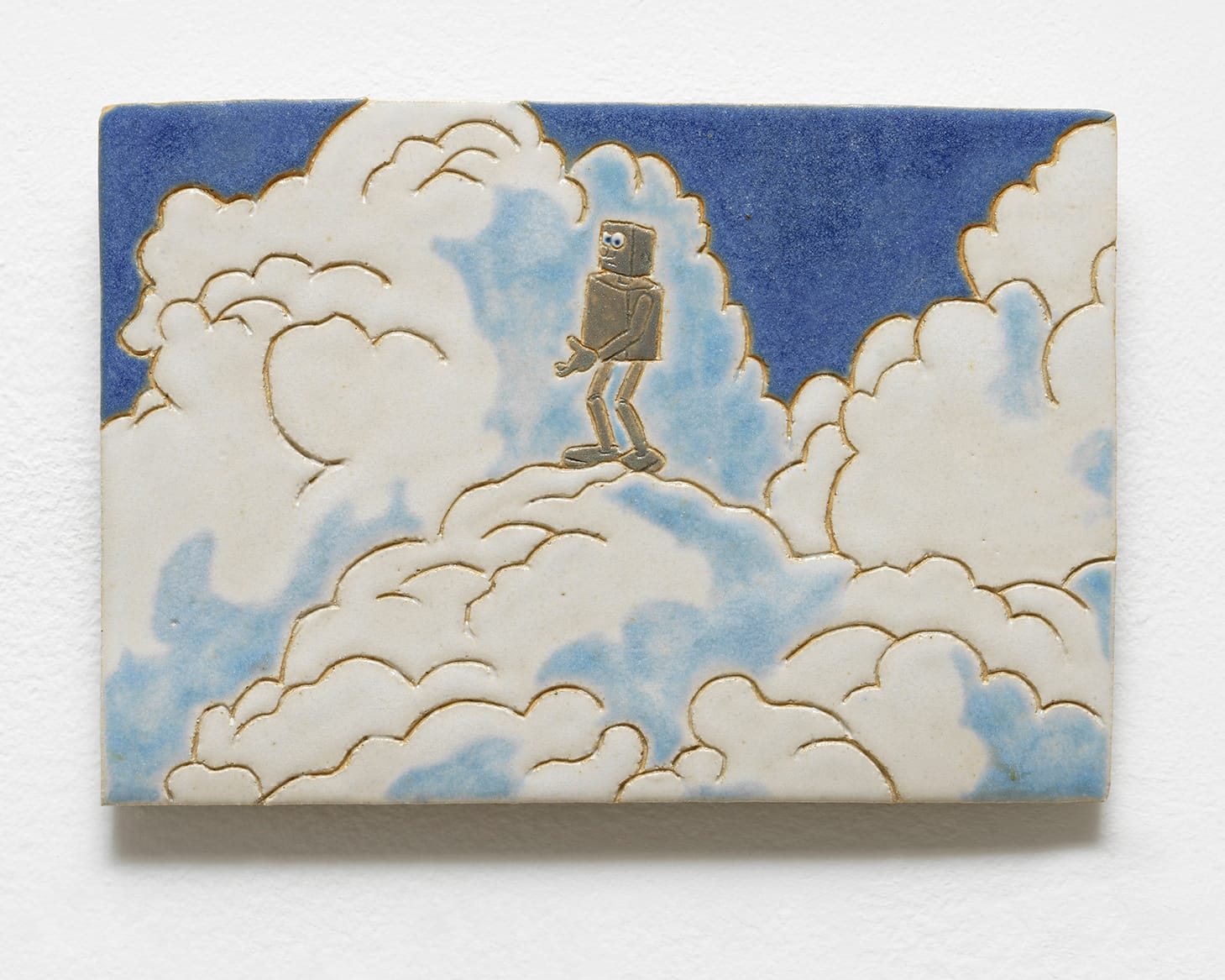
Two concurrent solo exhibitions at Alexander Berggruen Gallery feature the work of artists Kevin McNamee-Tweed and Tajh Rust. McNamee-Tweed presents enigmatic, tenderly absurd ceramic scenes, while Rust debuts in New York with figurative paintings that explore perception and Black identity through portraits of leisure and experimental silvered glass works.

art doron langberg paintings israel

The article reviews Doron Langberg's exhibition "Landscapes" at Jeffrey Deitch in New York, featuring large-scale oil-on-linen paintings that reflect on the artist's identity as a Jewish Israeli painter after October 7, 2023, and the subsequent conflict in Gaza. The works depict three personally significant locations: Yokneam in Israel, Drohobych in Ukraine (where the artist's father survived the Holocaust), and a queer beach community on Fire Island. Langberg's accompanying statement asserts that Palestinians deserve justice and liberation, framing painting as a means to confront atrocity.

What’s Left to Learn from Marcel Duchamp?

The article examines Marcel Duchamp's enduring influence on contemporary art, focusing on his readymades such as "Fountain" (1917) and "Bicycle Wheel" (1913/1951). It notes that a major survey co-organized by the Museum of Modern Art and the Philadelphia Museum of Art, 70 years after Duchamp predicted his true public would emerge in 50 to 100 years, reaffirms his status as the most influential artist of the past century. The piece discusses how Duchamp's practice of selecting and presenting ordinary objects as art—from a urinal to a snow shovel—once shocked the art world but now seems quaint compared to later works like Maurizio Cattelan's taped banana.

Review | Raphael, a master of serenity, is the artist we need right now

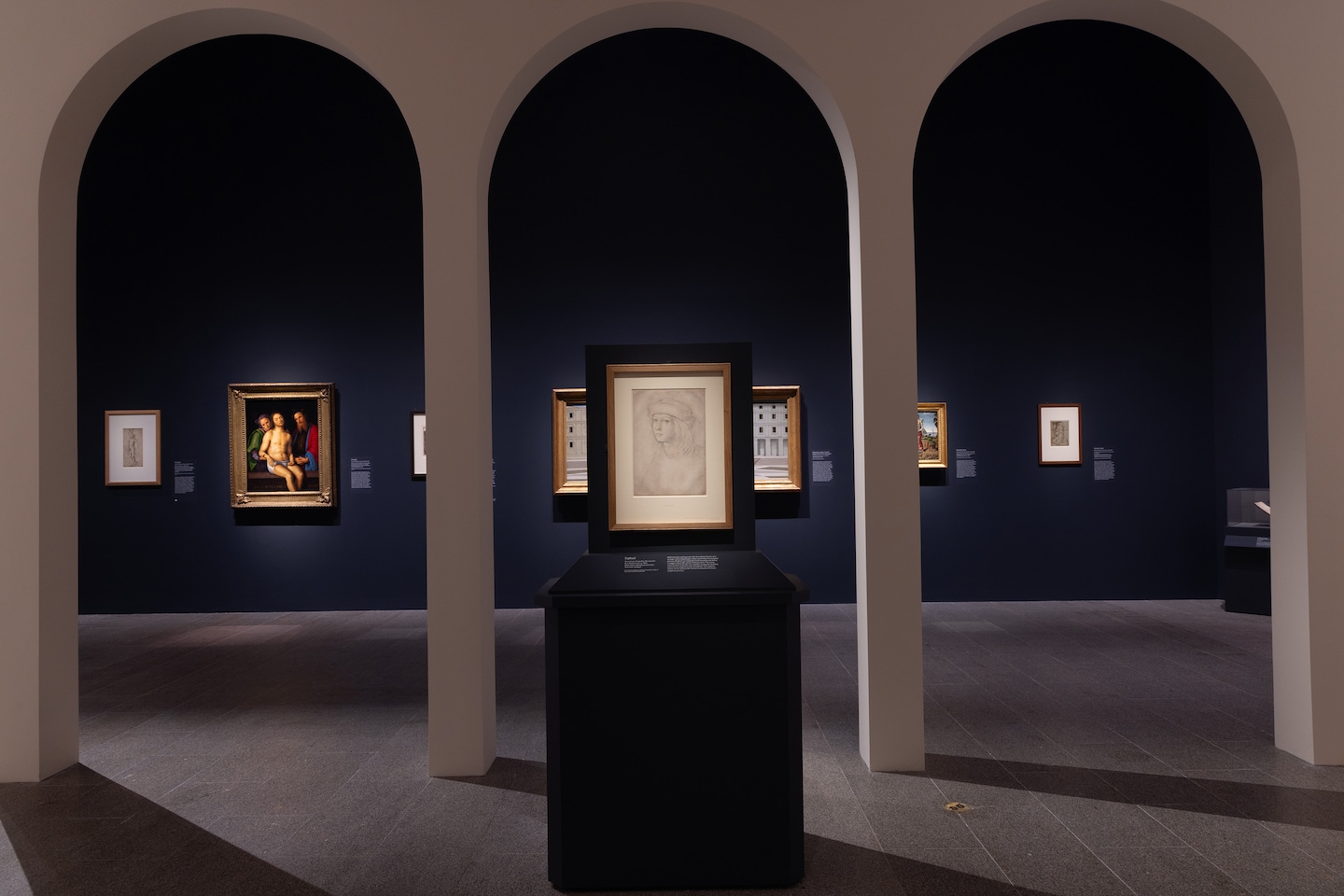
Art critic Philip Kennicott reflects on the profound psychological impact of Raphael’s Renaissance masterpieces, specifically citing the 'Madonna of the Meadow' in Vienna and the 'Alba Madonna' in Washington, D.C. He describes how these works possess a unique ability to cure 'museum fatigue' and mental clutter, offering a sense of serenity and clarity that feels particularly necessary in the current cultural climate.

What We Loved (And Didn’t) in “Greater New York”

The article presents a critical review of the 2026 "Greater New York" exhibition at MoMA PS1, a massive survey featuring over 150 works by more than 50 artists. The Hyperallergic editorial team highlights specific artists and works they loved, disliked, or found puzzling, offering a curated list of around 20 standout pieces. The review includes detailed commentary on individual works by artists like Dean Millien, the collective Red Canary Song, and Kameron Neal, capturing the diverse and often contentious reactions the show provokes.

art 2026 whitney biennial review artists

The 2026 Whitney Biennial, curated by Marcela Guerrero and Drew Sawyer, features 56 artists and collectives without a unifying theme or title. The review describes the exhibition as intentionally incoherent, reflecting America's current state of irrationality and violence. Notable works include Oswaldo Maciá's scent-based 'Requiem for the Insects', Zach Blas's apocalyptic AI installation, Emilie Louise Gossiaux's sculptures honoring her guide dog, Ash Arder's multimedia works exploring ecology and infrastructure, and Enzo Camacho and Ami Lien's politically charged diorama 'For a Just War Against America'. The show's atmosphere is dominated by clanging percussion, ominous drones, and discordant sounds, with a general tenor of unease.

Keith Haring Before the End of the World

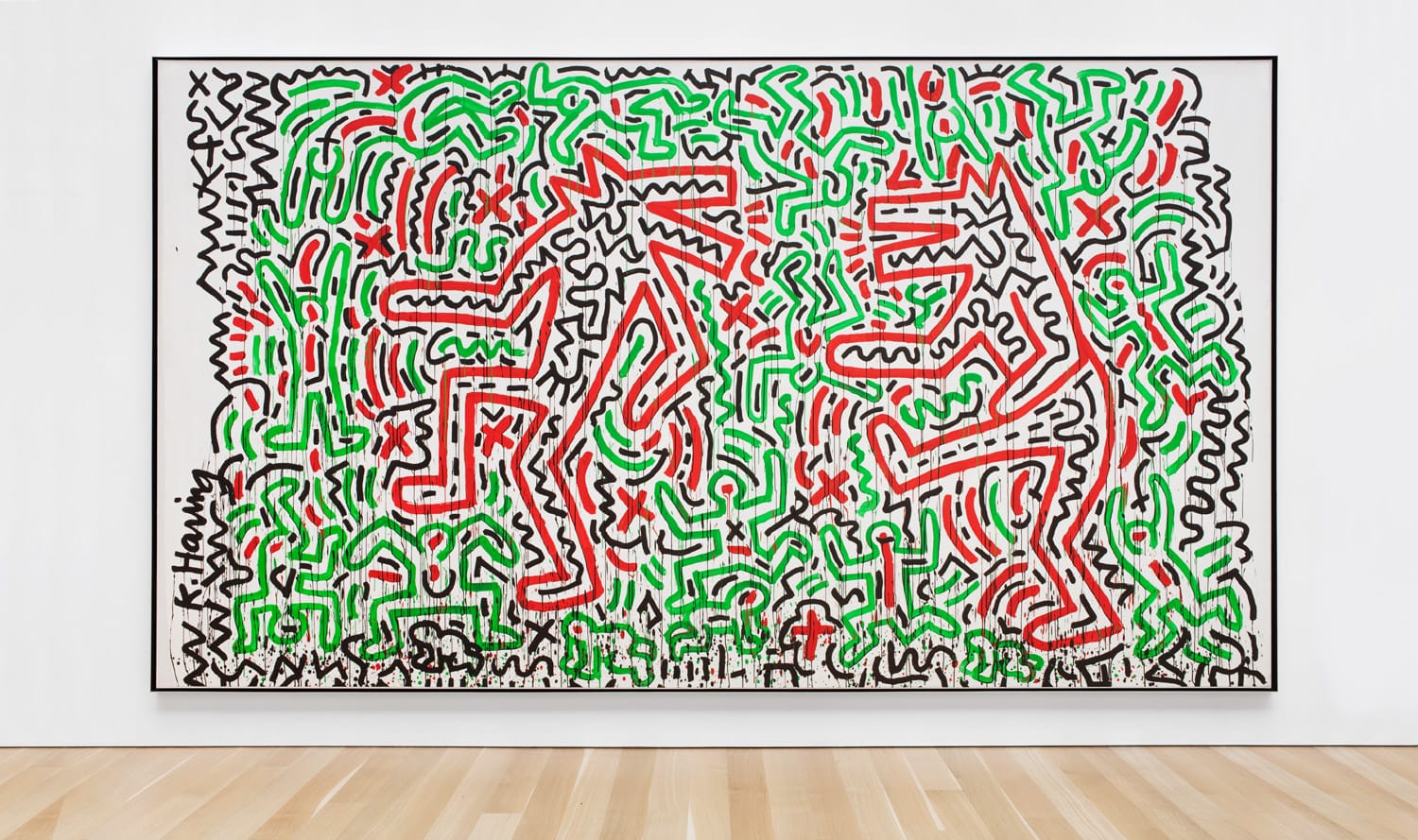
The article reviews Keith Haring's early work from 1980 to 1983, currently on view at the Brant Foundation in New York. The author reflects on initially dismissing Haring's graffiti-inspired style as trite and playful, but now sees darker, prophetic themes in pieces featuring apocalyptic imagery, UFOs, nuclear power, and mindless obedience to higher powers. The exhibition, curated by Dieter Buchhart and Anna Karina Hofbauer, runs through May 31.

The Tensions Seething Beneath the Surface of the 2026 Whitney Biennial

The 2026 Whitney Biennial has quickly generated a consensus among critics, prompting a deeper analysis of its underlying themes. The exhibition features a notable tension between works exploring artificial intelligence, such as Zach Blas's maximalist installation and Cooper Jacoby's emotionally resonant sculptures, and a contrasting trend of delicate, nostalgic art focused on domesticity and ecology, exemplified by artists like Kelly Akashi and Jasmin Sian.