filter_list Showing 30 results for "Eric" close Clear
search
dashboard All 1078 museum exhibitions 646article local 114trending_up market 73article culture 71article news 61rate_review review 30person people 30article policy 24candle obituary 18gavel restitution 11
date_range Range Today This Week This Month All
Subscribe

What You Should Definitely Avoid in Venice

Was man in Venedig unbedingt vermeiden sollte

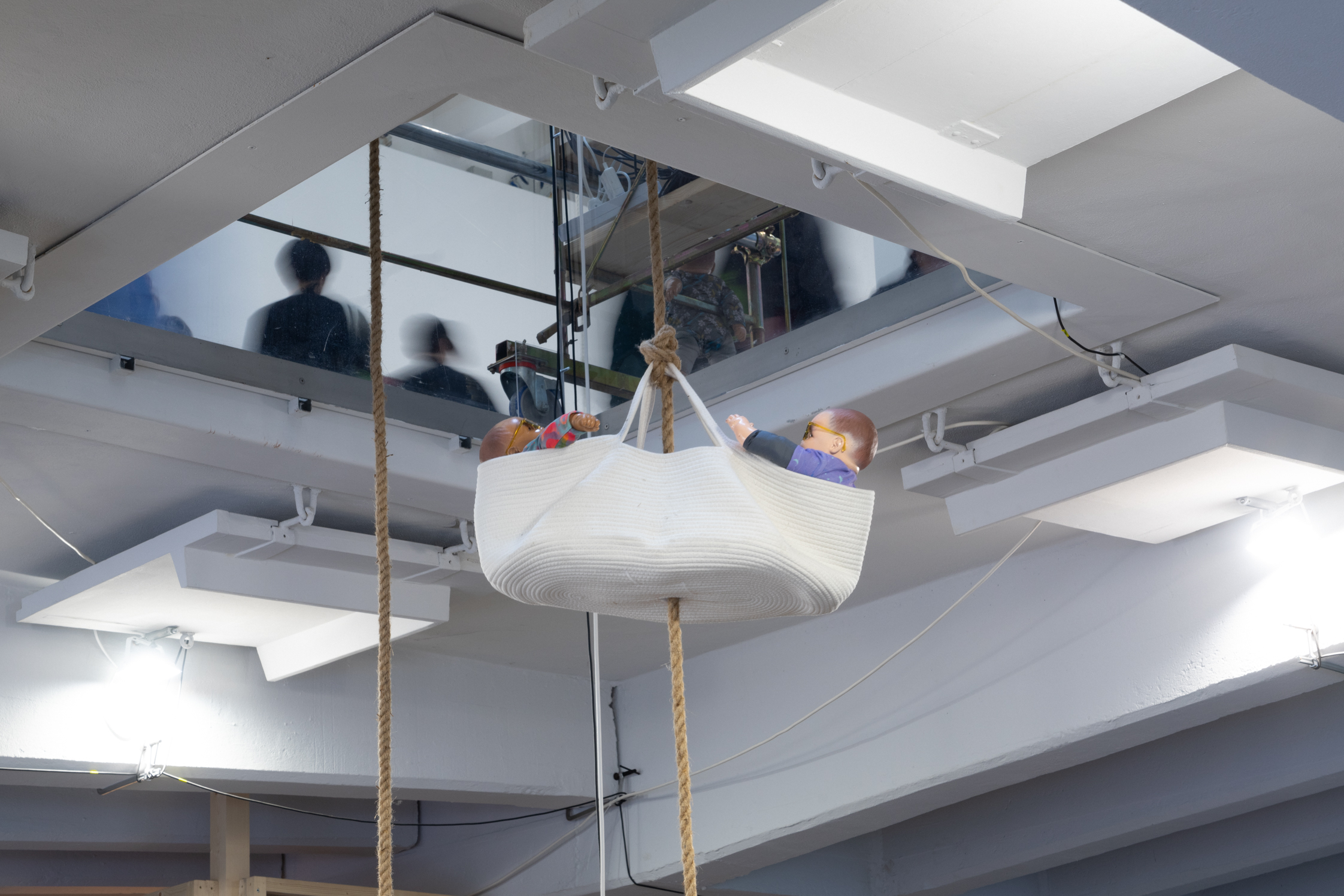
The article humorously critiques the Venice Biennale, highlighting several disappointments. It describes a Japanese pavilion installation by Ei Arakawa-Nash featuring baby dolls for diaper-changing, which a critic dismisses as a male artist over-romanticizing parenthood. Other flops include long queues for the German and Austrian pavilions, underwhelming main exhibition "In Minor Keys," and annoying self-promotional performers outside venues. The piece also laments the presence of loud American collectors and donors who dominate the event.
What does a woman swimming in urine tell us about the state of the world? Lots! – Venice Biennale review

The 2026 Venice Biennale, curated by the late Koyo Kouoh under the theme "In Minor Keys," has been plagued by months of turmoil including countries withdrawing, artists being fired, exhibitions cancelled, funding pulled, and protests during the preview. A five-person curatorial team took over after Kouoh's death, resulting in what the critic describes as a disjointed, committee-driven exhibition that prioritizes quiet contemplation and healing over direct political engagement. The central shows in the Giardini and Arsenale feature a vast, poorly explained array of art from the global south, with installations of ceramics, textiles, slide projectors, and serene natural scenes that the critic finds anachronistic and dull.

James McNeill Whistler review – a luscious, seductive blockbuster for the painter who scandalised Britain

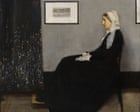
Tate Britain has opened a major retrospective dedicated to James McNeill Whistler, the American painter who scandalized Victorian Britain. The exhibition centers on his iconic work *Arrangement in Grey and Black No. 1* (commonly known as *Whistler's Mother*), lent by the Musée d'Orsay, and traces his evolution from raw realist scenes of London's docks to radical, abstract celebrations of color and pattern. It includes a reconstruction of *The Peacock Room* and highlights his rivalry with critic John Ruskin, who accused him of 'flinging a pot of paint in the public's face.'

Alma Allen’s US Pavilion Is One of the Emptiest Shows at the Venice Biennale

Alma Allen represents the United States at the 2026 Venice Biennale with a subdued, apolitical exhibition inside the US Pavilion. The show features roughly 25 sculptures—mostly in bronze, wood, and stone—many titled "Not Yet Titled," and deliberately avoids overt political messaging. This marks a stark departure from the previous two US pavilions, curated by Simone Leigh (2022) and Jeffrey Gibson (2024), which directly confronted colonialism and empire. The Trump administration’s call for proposals explicitly asked for work that "reflects and promotes American values," and Allen’s presentation has been criticized as safe, unremarkable, and lacking the incisive edge of contemporary American art.

The National Gallery of Art’s Dear America Needs a Postscript

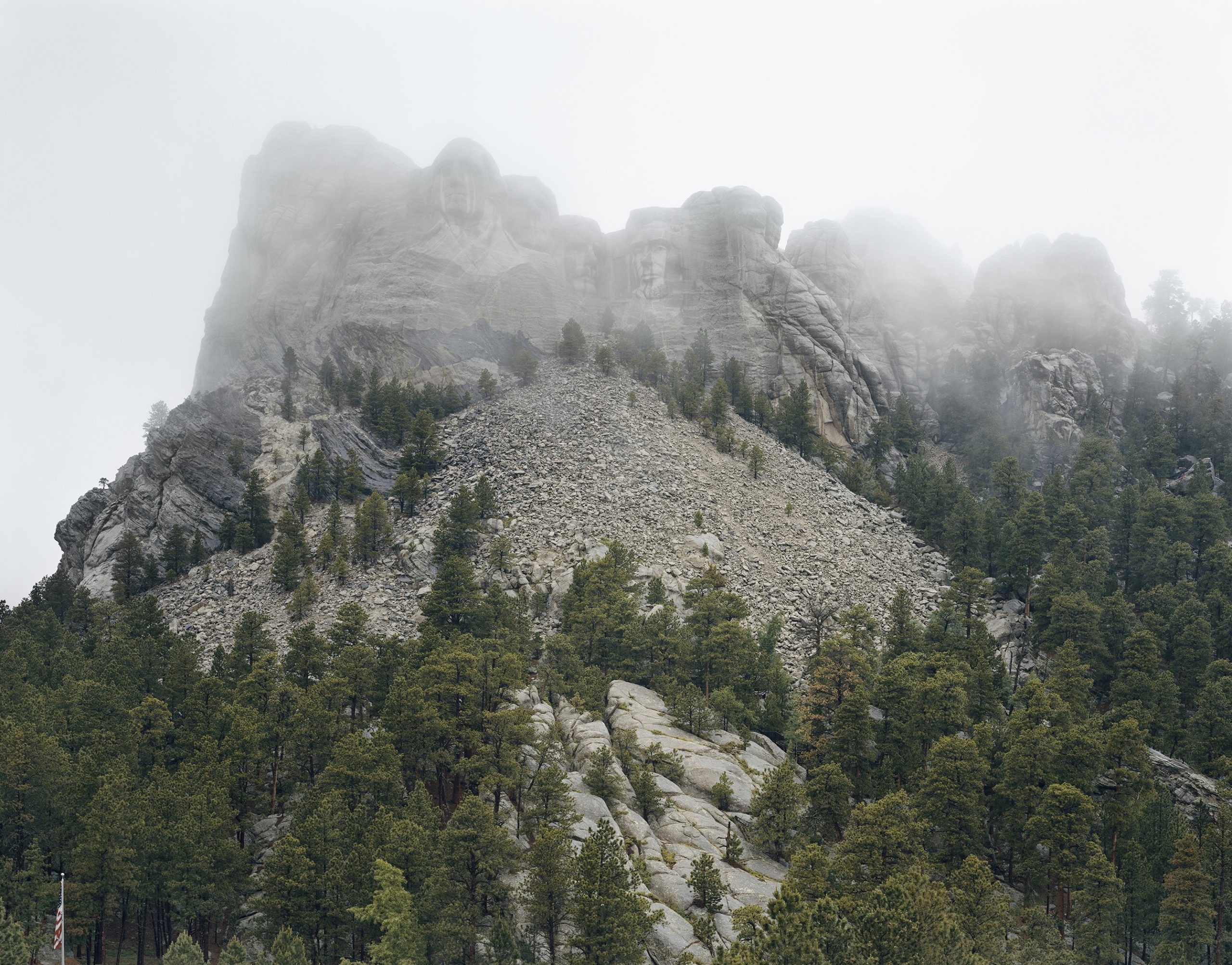
The National Gallery of Art in Washington, D.C. has opened "Dear America," an exhibition organized around the themes of "Land," "Community," and "Freedom" that attempts to survey the entire history of the United States through its collection. The show features works by artists including Mitch Epstein, Victoria Sambunaris, Sedrick E. Huckaby, and Nancy Andrews, with sections on the American landscape, industrialization, and diverse communities. However, the review notes that the exhibition feels overly literal, with American flags prominently featured and a sense of ticking off boxes rather than offering a challenging or intellectually rigorous presentation.

The Carnegie International Looks Back at Itself

The 58th Carnegie International at the Carnegie Museum of Art in Pittsburgh looks back at its own 130-year history, featuring a gallery dedicated to past iterations. The exhibition includes Chris Ofili's "The Adoration of Captain Shit and the Legend of the Black Stars" (1998), which was originally shown in the 53rd International in 1999, the same year Ofili's more notorious "The Holy Virgin Mary" sparked controversy at the Brooklyn Museum. The article reviews how the current iteration captures the excitement of earlier exhibitions while providing commentary on authoritarianism and militarism.

Is This What “Made in America” Looks Like?

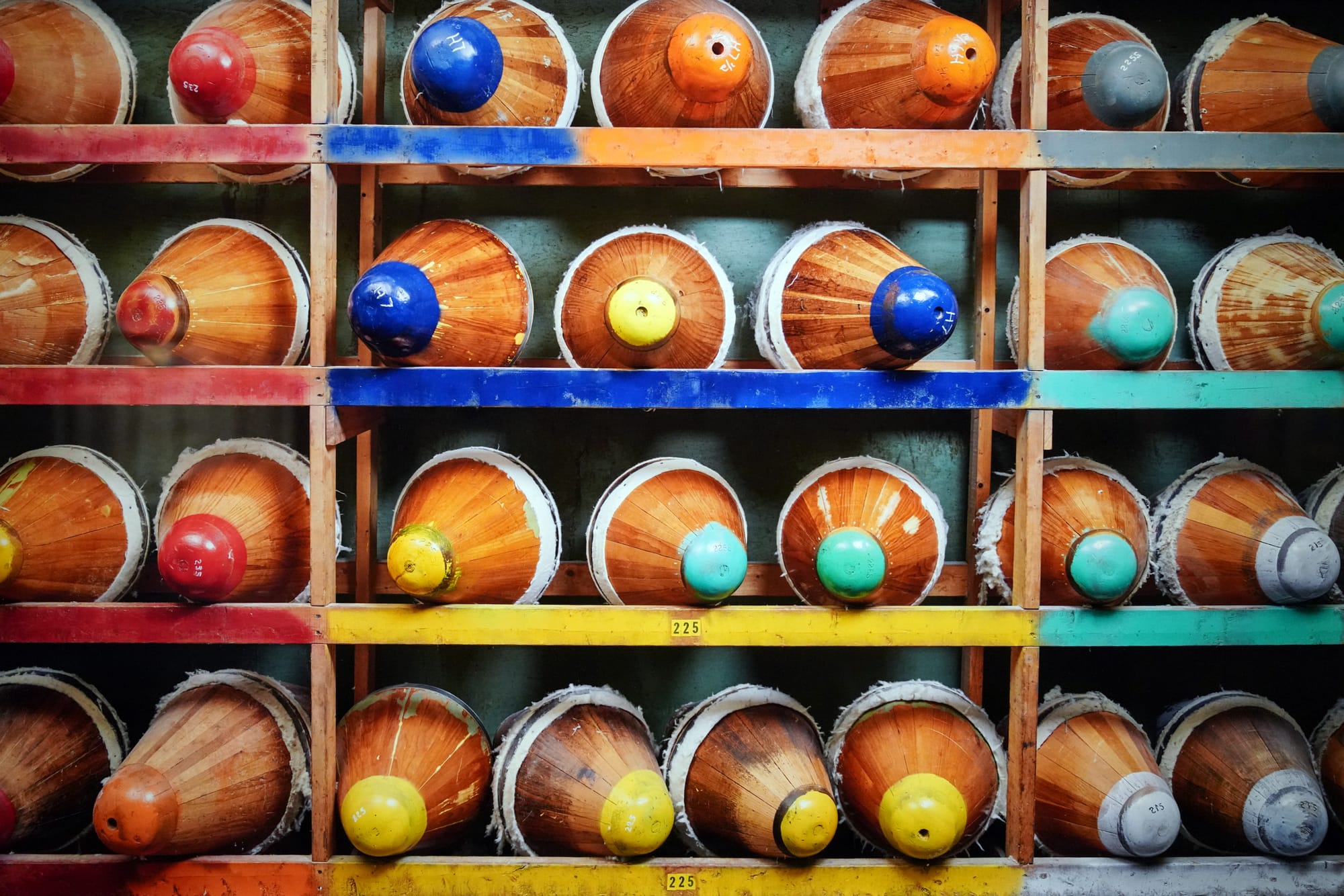
Christopher Payne's exhibition "Made in America: The Industrial Photography of Christopher Payne" at the Cooper Hewitt, Smithsonian Design Museum showcases 72 large-format photographs documenting active American factories and manufacturing processes. The trained architect turned photographer spent a decade visiting dozens of production sites across the United States, from the New York Times printing plant in Queens to the Bollman Hat Company in Pennsylvania, capturing workers' craftsmanship and the intricate steps involved in making everything from Peeps candies to jet engines. The exhibition is organized into three sections—traditional handcraft, large-scale production, and cutting-edge technologies—and coincides with the Smithsonian's celebration of the nation's 250th anniversary.

Édouard Glissant’s Museum-as-Archipelago

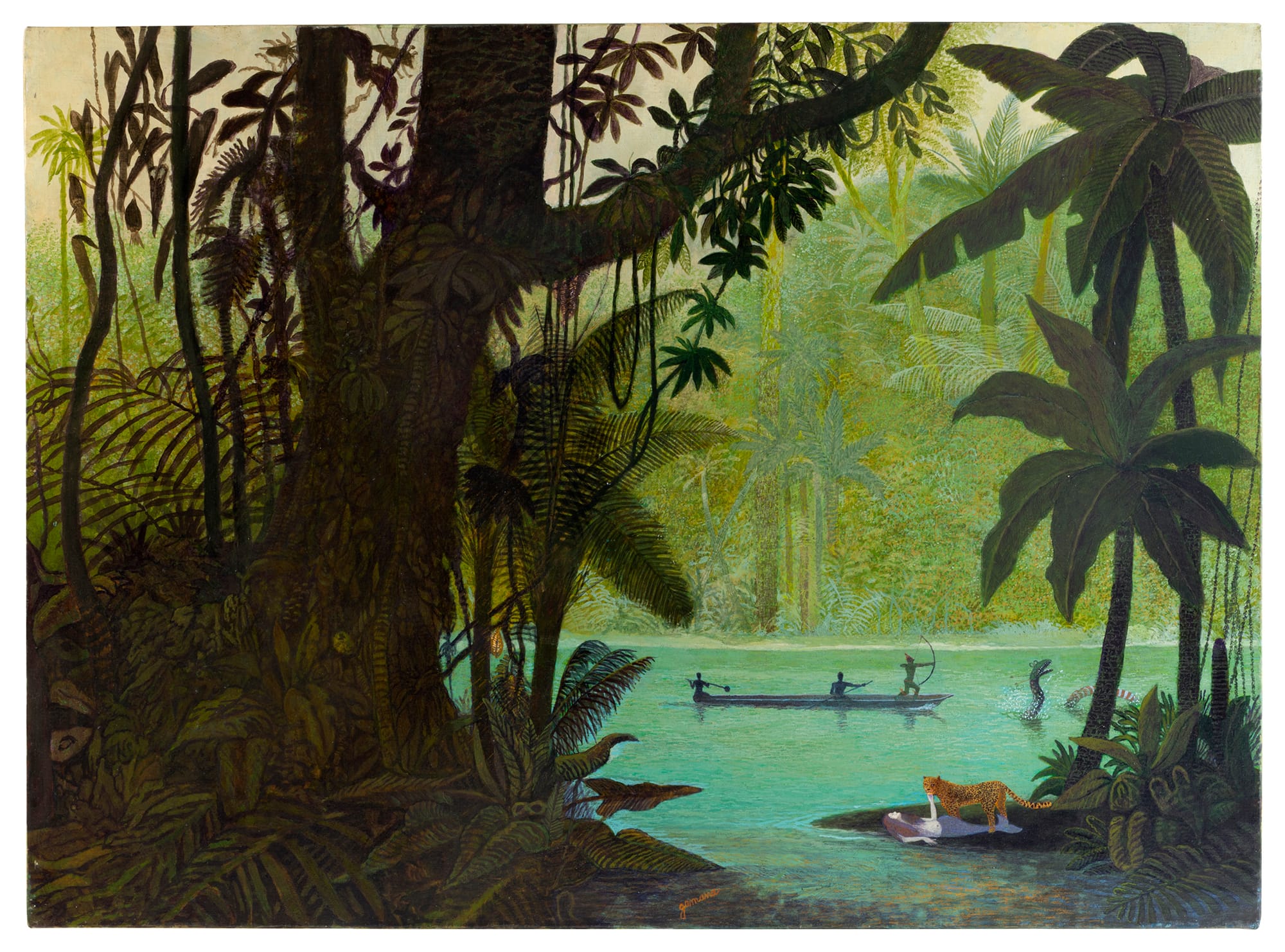
The article reviews the exhibition "The Earth, the Fire, the Water, and the Winds: For a Museum of Errantry with Édouard Glissant" at the Center for Art, Research and Alliances (CARA) in New York, the first U.S. showing of works from the personal collection of Martinician philosopher and writer Édouard Glissant. Curated from his archive, the exhibition features artists such as Roberto Matta, Wifredo Lam, Etel Adnan, Irving Petlin, Antonio Seguí, Öyvind Fahlström, Jack Whitten, and Mel Edwards, reflecting Glissant's friendships and intellectual exchanges across Europe, Africa, and the Americas. Highlights include Antonio Seguí's large pastel works from his Titanic series.

The Black American Artists Who Dazzled Post-War Paris

An exhibition titled "Paris in Black: Internationalism and the Black Renaissance" at the DuSable Black History Museum and Education Center in Chicago celebrates the Black American artists, writers, and performers who moved to Paris after World War II to escape American racism. Curated by Danny Dunson, the show features over 100 artworks from the museum's permanent collection, including paintings by Archibald J. Motley Jr., sculptures by Richmond Barthé, Augusta Savage, and William Artis, and ephemera related to Josephine Baker. It traces the global influence of the Harlem Renaissance and the cross-pollination between Paris and U.S. cities like Chicago.

Ruminations on Rashid Johnson’s “A Poem for Deep Thinkers”

The article is a reflective review of Rashid Johnson's exhibition "A Poem for Deep Thinkers" at the Modern Art Museum of Fort Worth. The author describes standing before Johnson's work "Falling Man" (2016), a piece incorporating broken mirrors, burned wood, and personal objects like a copy of Harry Haywood's "Black Bolshevik" and shea butter, which prompts meditations on visibility, identity, and Frantz Fanon's "Black Skin, White Masks." The review also examines Johnson's large-scale installation "Antoine's Organ" (2016/2026), which fills a gallery typically reserved for Ellsworth Kelly's minimalist canvases, transforming the space with scaffolding, plants, books, and video monitors.

Pleasure, parody and propaganda: rethinking the art of illustration in a new history of the genre

D.B. Dowd's new book "Reading Pictures" offers a sweeping 400-page history of illustration, tracing the genre from the Diamond Sutra frontispiece in Tang China (AD868) to Molly Crabapple's Gaza reports in 2015. The book examines key works such as Jules Chéret's 1891 poster for the Alcazar d'Été Club, Stuart Davis's caustic covers for The Masses, and Duong Ngoc Canh's Vietnamese propaganda poster, arguing that illustrations are meant to be "read" rather than admired like museum paintings.

The tiniest event can tear a hole. Sara MacKillop by Margaret Kross

Sara MacKillop's exhibition "The Cutaway View" at Good Weather in Chicago presents sculptures made from humble analog materials like blank wall calendars, empty shopping bags, and gift wrapping. The London-based artist alters these objects with minimal interventions—such as surgically cut holes in shopping bags to accommodate vinyl records—drawing attention to the ephemera and texture of retail culture. Her series "Calendar Houses" (2021–ongoing) uses archive boxes and wall calendars to create miniature modernist dwellings that critique systems of order and self-optimization.

Blank Spaces. Sung Tieu by Sarah Johanna Theurer

Sung Tieu's installations, characterized by austere, bureaucratic surfaces, explore the hidden architectures of power embedded in everyday systems. The article examines her series of works that deconstruct administrative forms used in asylum procedures, reducing them to blank spaces and quantified grids to expose how institutional power operates through seemingly neutral documents. Her exhibition "In Cold Print" at Nottingham Contemporary physically manifests these themes by using steel fences to control viewer movement, drawing direct parallels between minimalist sculpture and the dehumanizing design of border controls.

The Many Forms of Marcel Duchamp

The New Yorker's Hilton Als reviews "Marcel Duchamp," a major retrospective at the Museum of Modern Art (MoMA) in New York, running through August 22, 2026. Curated by Matthew Affron, Michelle Kuo, and Ann Temkin, it is the first North American retrospective of Duchamp's work since 1973, organized in collaboration with the Philadelphia Museum of Art. The exhibition spans MoMA's entire sixth floor, showcasing Duchamp's shape-shifting practice—from iconic works like "Nude Descending a Staircase (No. 2)" (1912) and "Bicycle Wheel" (1951) to his readymades and conceptual pieces—emphasizing his rejection of commodification and embrace of intellectual freedom, play, and queer sensibilities.

Karla Knight’s Cosmic Conspiracies

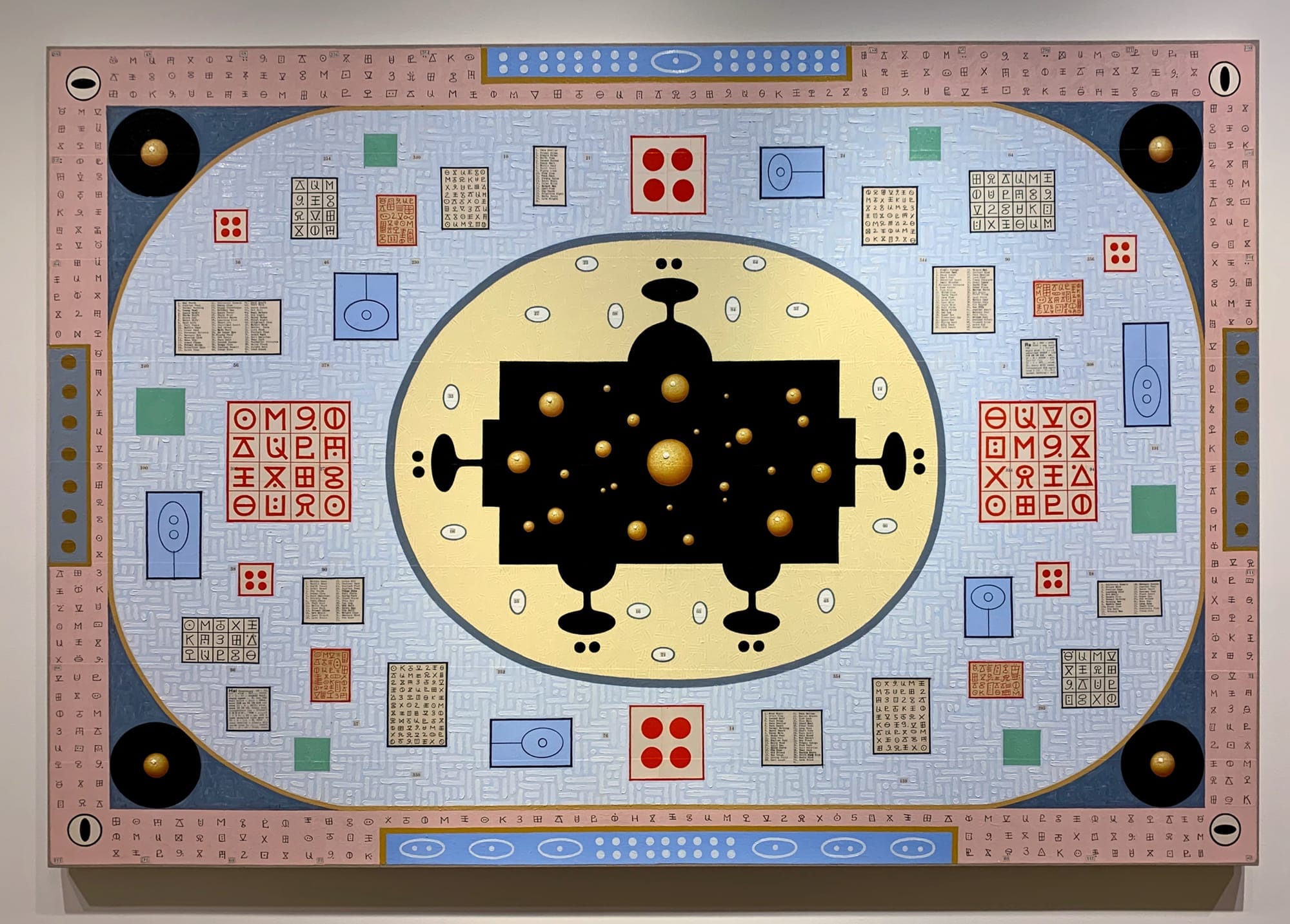
Karla Knight's exhibition "Orbit" at Andrew Edlin Gallery presents her game-like paintings and tapestries filled with cryptic symbols, cosmic diagrams, and celestial imagery. Works such as "Orbiter 2" (2024–25) and "Feelers" (2025–26) feature irregular black devices, floating spheres, and rows of arcane script, inviting viewers to decode what appear to be blueprints for extraterrestrial systems or maps of hidden dimensions. Knight employs meticulous grids, bold primary colors, and textile techniques to render the paranormal as strangely normal.

Did Zurbarán Believe What He Painted?

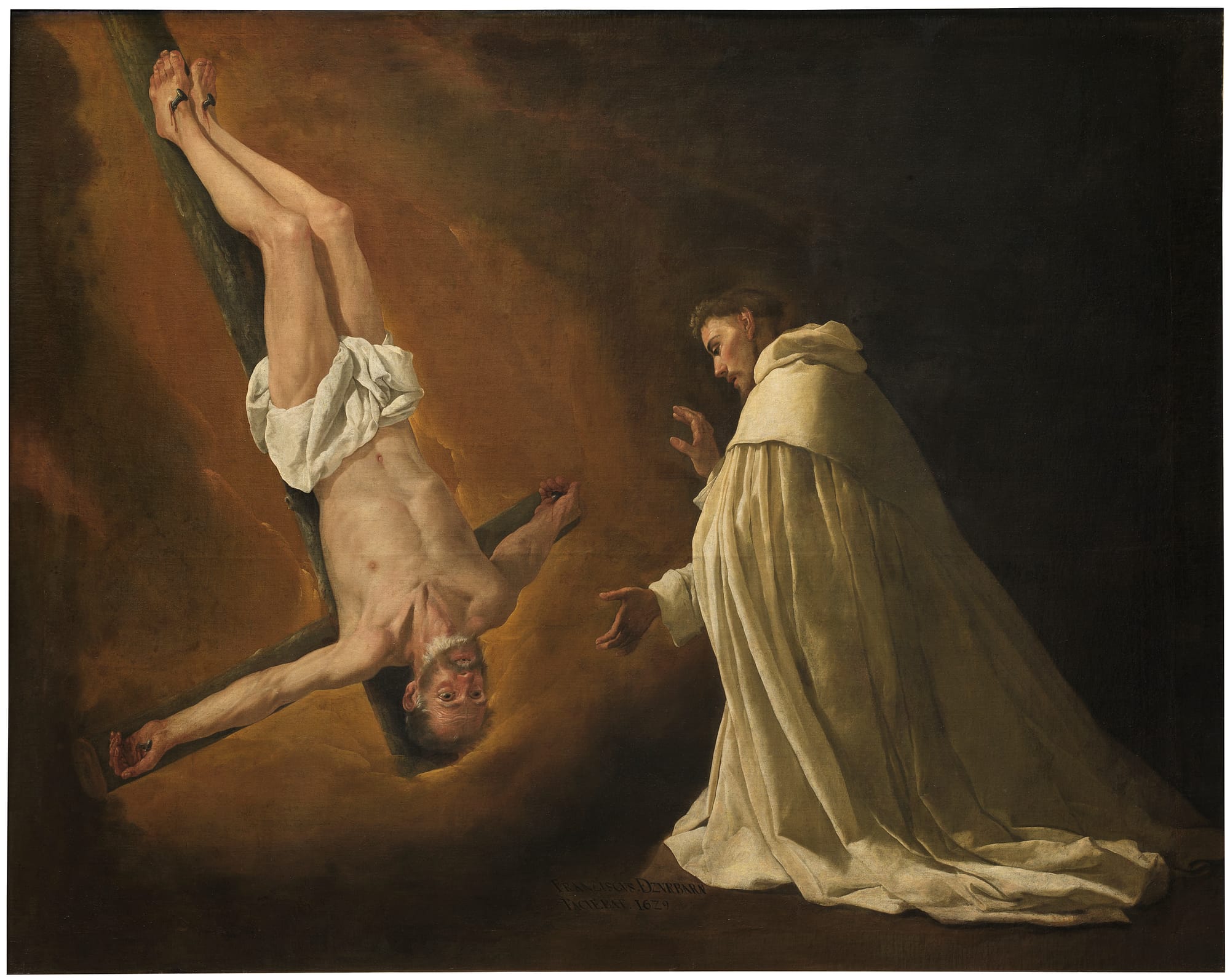
An exhibition of Francisco de Zurbarán's 17th-century religious paintings at London's National Gallery prompts a critic to question whether the artist's personal faith influenced his artistic skill. The show features monumental works from Spanish churches and monasteries, displayed dramatically against black walls, including crucifixion scenes, monks, and saints. The critic notes that no personal records of Zurbarán survive—only contracts—leaving his beliefs unknown, and compares him to Agnolo Bronzino, who painted pious scenes but wrote obscene verses. A small painting of a crucified Christ with a painter, possibly a self-portrait of Bronzino, is presented as ambiguous evidence of faith.

A Whole Lot of Nothing at the US Pavilion

The US Pavilion at the 2026 Venice Biennale features sculptor Alma Allen's exhibition "Call Me the Breeze," curated by Jeffrey Uslip. The show presents untitled, amorphous sculptures in bronze, wood, and stone, including Colorado Yule marble. The selection process was controversial: after the Trump administration excluded the National Endowment for the Arts, the State Department initially picked artist Robert Lazzarini and curator John Ravenal, but that plan collapsed. The American Arts Conservancy, a new nonprofit led by Jenni Parido (a former pet food store operator with Mar-a-Lago ties), then took over, hiring Uslip, who approached Barbara Chase-Riboud and William Eggleston before settling on Allen. Donors include businessman John Phelan and fashion designer Tommy Hilfiger.

CUANDO LOS OBJETOS HABLAN. MUSEO HECHIZO, DE JUAN JOSÉ SANTOS

Juan José Santos's book "Museo hechizo" (Metales Pesados, 2025) challenges the perceived neutrality of the Western museum, presenting it as an institution shaped by colonial logics of classification, extraction, and representation. The essay centers on the concept of "lo hechizo"—understood as both artisanal precariousness and disruptive enchantment—and explores small, community-based Latin American museum experiences that operate from precarity, reciprocity, and care. Santos argues that the museum is a space of conflict where voices, narratives, and ways of constructing history are contested, and he proposes thinking of the museum through its minor, situated, and alternative forms in Latin America.

Genuine Fake Premium Economy review – brilliantly obnoxious millennial rage at a rigged financial world

The exhibition "Genuine Fake Premium Economy" at a London gallery features works by American artists Jenna Bliss, Buck Ellison, and Jasmine Gregory, all born in the mid-1980s. Their pieces—including Bliss's shaky videos of New York's financial district, Ellison's fictional bank advertisements pairing classical paintings with cynical taglines, and Gregory's luxury watch ads stripped of watches—collectively express millennial rage at a rigged financial system and the aftermath of the 2008 crash.

‘My Year in Paris with Gertrude Stein’ by Deborah Levy, Reviewed

Deborah Levy’s latest novel, *My Year in Paris with Gertrude Stein*, follows a first-person narrator who travels to Paris to research the American writer and collector Gertrude Stein. The narrative slips between the early twentieth century and the autumn of Donald Trump’s 2024 reelection, using stream-of-consciousness prose and liquid metaphors to blur past and present. The narrator’s research into Stein’s role in shaping modernity becomes a vehicle for exploring her own sense of helplessness and lack of agency in a hyperconnected, war-weary present.

Jerald Cooper’s Top Picks from Frieze New York 2026

Andrew Durbin reviews the national pavilions at the 2026 Venice Biennale, contrasting a vacuous US presentation with incisive and moving installations from Britain and Germany. The article critiques the lack of meaning in the American pavilion while praising the depth and emotional resonance of the British and German contributions.

What’s Showing in Chelsea During Frieze Week New York

This article is a critic's guide reviewing national pavilions during Frieze Week New York. Andrew Durbin contrasts a vacuous US presentation with incisive and moving installations from Britain and Germany, questioning the meaning and depth of the American contribution.

‘YBA & BEYOND’ Exports British Cool

Frieze critic Andrew Durbin reviews the national pavilions at the Venice Biennale, contrasting a vacuous US presentation with incisive and moving installations from Britain and Germany. The British pavilion, titled 'YBA & BEYOND,' exports British cool by showcasing works from Young British Artists and their successors, while the German pavilion offers a deeply resonant experience. The US pavilion is criticized for lacking meaningful content, raising questions about curatorial direction and national representation.

Split decision: The Art Museum’s missed opportunity with its new ‘Rocky’ exhibition | Opinion

The Philadelphia Museum of Art's new exhibition, "Rising Up: Rocky and the Making of Monuments," celebrates the 50th anniversary of the film *Rocky* and highlights Philadelphia's boxing history, including figures like Joe Frazier and Bernard Hopkins. However, the author, a street reporter who wrote a book about people running the museum steps, argues the exhibit missed a key opportunity by focusing on the Rocky statue and monuments rather than centering on the film's transformative power and the iconic steps-running ritual that has drawn visitors for decades.

Patchwork Lost – A Critique of the Princeton University Art Museum’s American Art Wing

The article critiques the newly opened American art wing at the Princeton University Art Museum, arguing that its curatorial approach prioritizes contemporary social justice narratives over historical accuracy and national pride. The author contends that the exhibition presents a fragmented, politicized view of American history, highlighting slavery and racial injustice while omitting or minimizing the contributions of Princeton alumni to the nation's founding, such as James Madison and John Witherspoon. Specific examples include the inclusion of a 2022 revisionist painting of the Signing of the Constitution and selective signage that emphasizes marginalized figures while ignoring male patriots.

"Dispossessions in the Americas" Confronts the Colonialism That Invades All Territory

The article reviews "Dispossessions in the Americas," a group exhibition at Wrightwood 659 in Chicago curated by Jonathan D. Katz and Eduardo Carrera. Featuring works from 1960 to 2025, the show examines colonial legacies in the Americas, focusing on the forced dispossession of land, culture, and language from indigenous, Afro-descendant, queer, and trans communities. The review critically questions how a polished, architecturally prestigious venue can coherently display art about socially voiceless communities without falling into voyeurism or fetishization of pain.

Why is contemporary art afraid of the present?

Warum fürchtet sich die Gegenwartskunst vor der Gegenwart?

The article critiques the 2024 Whitney Biennial, which emphasizes themes of compassion, vulnerability, and community. It argues that the exhibition feels like a capitulation to reality, failing to confront the rise of contemporary fascism and the political urgency of the present moment.

Jule Korneffel Captures the Weight of the Pre-Dawn Sky at Spencer Brownstone Gallery, NYC

Jule Korneffel's third solo exhibition at Spencer Brownstone Gallery in New York, titled 'In Search of Lost Light,' presents a series of paintings that capture the quiet, liminal moments just before dawn. Using artist-mixed natural pigments, Korneffel shifts from her previous twilight-focused work to explore the anticipation of daylight, with pieces like the titular painting (2025) standing out for its playful, musical composition. The show also includes a mural in the gallery's back patio that blends colors into a grey neutral tone reminiscent of early-morning skies.

New film about forgers is ‘Miami Vice’ for the art-world crowd

The article reviews 'Forge', a new crime thriller directed by Jing Ai Ng, which follows Chinese American siblings Coco and Raymond Zhang who forge early 20th-century landscape paintings and sell them as authentic works in South Florida. The film features FBI agent Emily (Kelly Marie Tran) investigating the scheme, while the forgers navigate a world of wealthy collectors, a hurricane-destroyed art collection, and a family legacy of deception. The movie is described as 'Miami Vice' for the art-world crowd, with a dusky palette and pulsing soundtrack set against the backdrop of Art Basel Miami Beach's booming art market.

Review: The 82nd Whitney Biennial is weird, provocative, and leaves viewers wanting more

The 82nd Whitney Biennial has opened, drawing attention for its weird, provocative nature that leaves viewers wanting more. The exhibition, held at the Whitney Museum of American Art, features a range of contemporary works that challenge conventional boundaries and spark dialogue.