
filter_list Showing 2 results for "Evidence" close Clear
search
dashboard All 43 museum exhibitions 12article news 10article policy 6article culture 5gavel restitution 3rate_review review 2article local 2person people 1candle obituary 1trending_up market 1
date_range Range Today This Week This Month All
Subscribe

Lionel Wendt: The Politics of the Male Nude

ArtReview publishes an essay by Qingyuan Deng analyzing the first US solo exhibition of Lionel Wendt's photographs at American Art Catalogues in Manhattan's West Village. The show presents Wendt's haunting gelatin silver prints of male nudes, still lifes, and solarized images, positioning him as a canonical figure of South Asian modernism. Deng argues that while the exhibition correctly identifies homoerotic desire in Wendt's work, it over-relies on queer theory's framework of opacity and fails to fully address the political radicality of Wendt's practice under British colonial rule in Ceylon, where homosexuality was criminalized under the 1883 Penal Code.
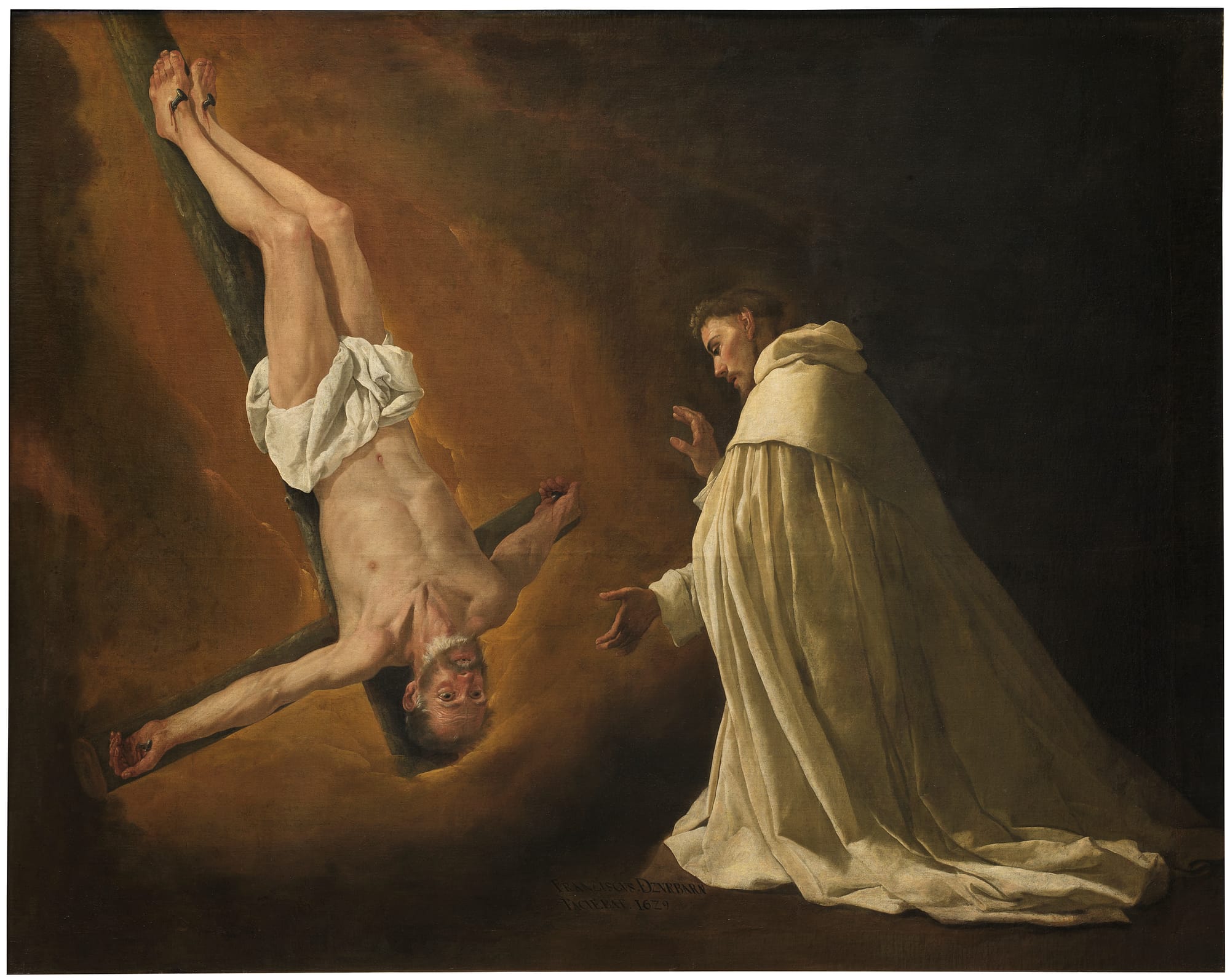
Did Zurbarán Believe What He Painted?

An exhibition of Francisco de Zurbarán's 17th-century religious paintings at London's National Gallery prompts a critic to question whether the artist's personal faith influenced his artistic skill. The show features monumental works from Spanish churches and monasteries, displayed dramatically against black walls, including crucifixion scenes, monks, and saints. The critic notes that no personal records of Zurbarán survive—only contracts—leaving his beliefs unknown, and compares him to Agnolo Bronzino, who painted pious scenes but wrote obscene verses. A small painting of a crucified Christ with a painter, possibly a self-portrait of Bronzino, is presented as ambiguous evidence of faith.