
filter_list Showing 3 results for "Exile" close Clear
search
dashboard All 33 museum exhibitions 22candle obituary 3rate_review review 3article culture 2article news 2article local 1
date_range Range Today This Week This Month All
Subscribe

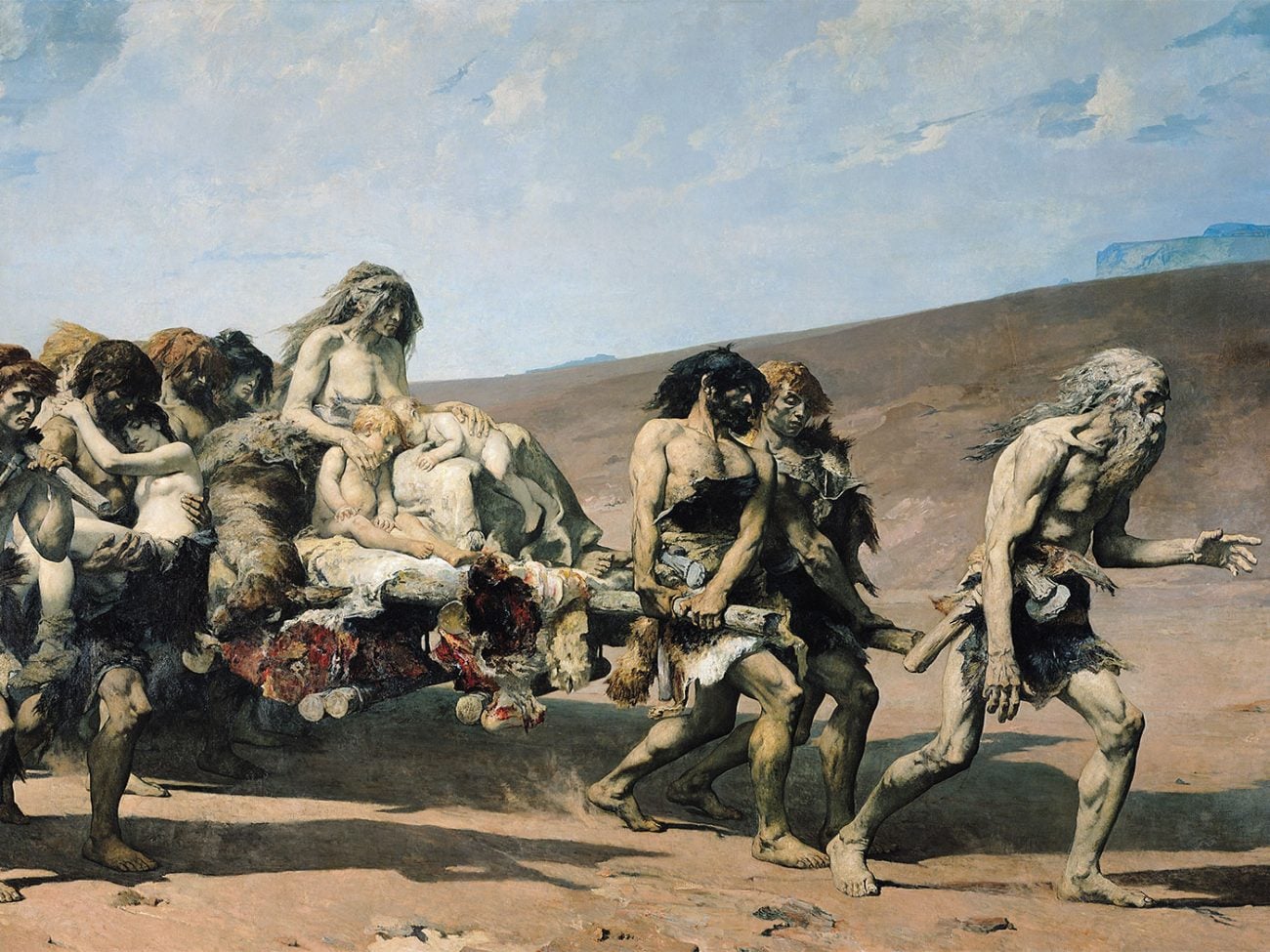
« Caïn » de Fernand Cormon : aux origines de la conscience humaine ?

Beaux Arts Magazine analyzes Fernand Cormon's monumental 1880 painting "Caïn," currently held at the Musée d'Orsay. The article describes the scene: a prehistoric, weary clan trudges through a desert, led by a haggard patriarch, with a tired mother on a litter and hunters carrying game. Cormon's work is presented as the antithesis of classical triumph, evoking a melancholic, post-traumatic atmosphere. The painting is linked to the biblical story of Cain, who killed his brother Abel and was condemned to exile, and is accompanied by verses from Victor Hugo's poem "Conscience."
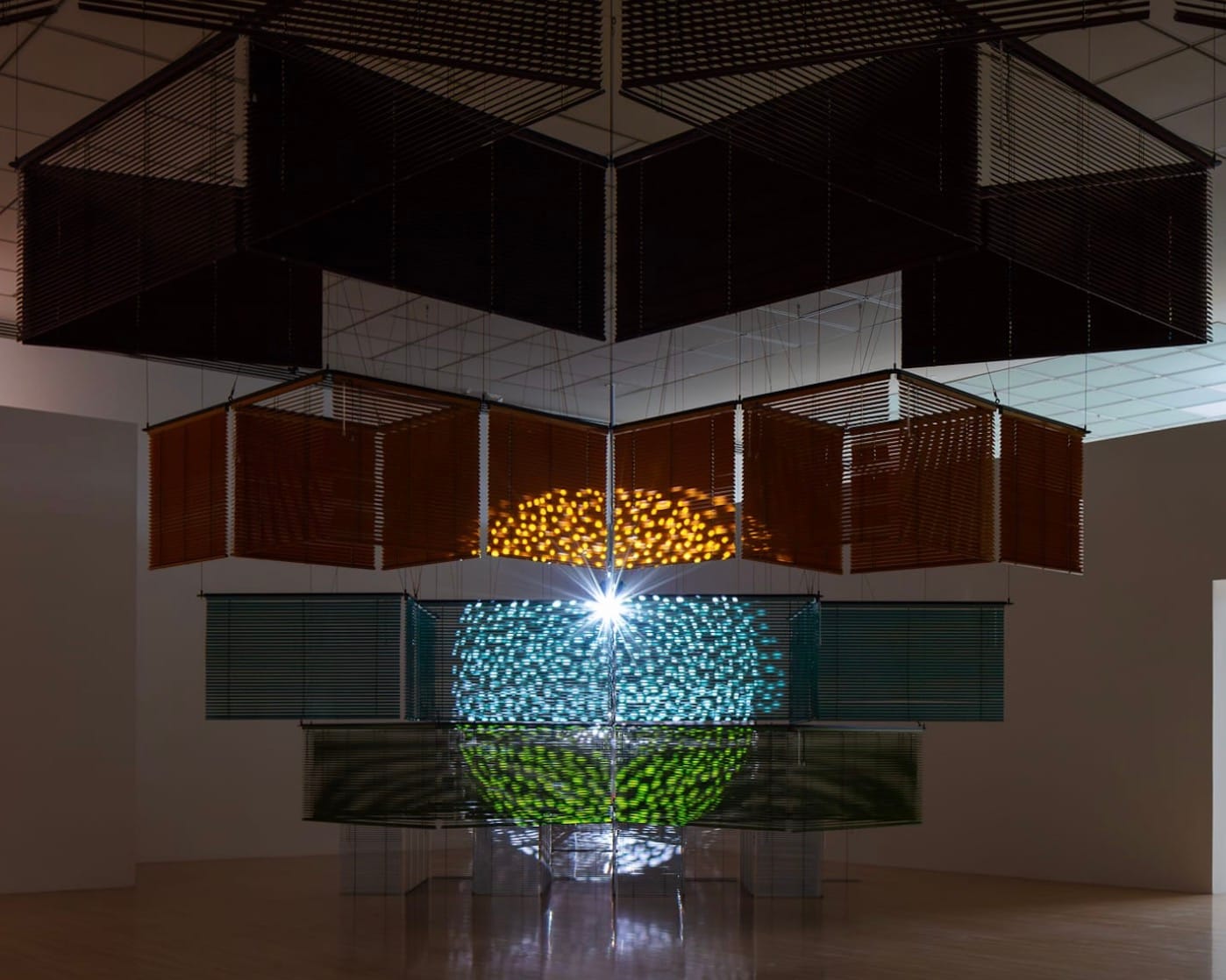
Haegue Yang’s Constellations for a Divided Korea

Haegue Yang's exhibition "Star-Crossed Rendezvous" at the Museum of Contemporary Art in Los Angeles features two large-scale Venetian blind installations that explore themes of division, exile, and reunification. The works draw on the arbitrary 1945 division of Korea by U.S. military officers and the life of composer Isang Yun, who was tortured and imprisoned by South Korean authorities. One installation mirrors and inverts a cube of white blinds inspired by Sol LeWitt, while the other uses colored blinds, projections, and Yun's "Double Concerto" to create a fragmented, shadow-filled meditation on longing and separation.

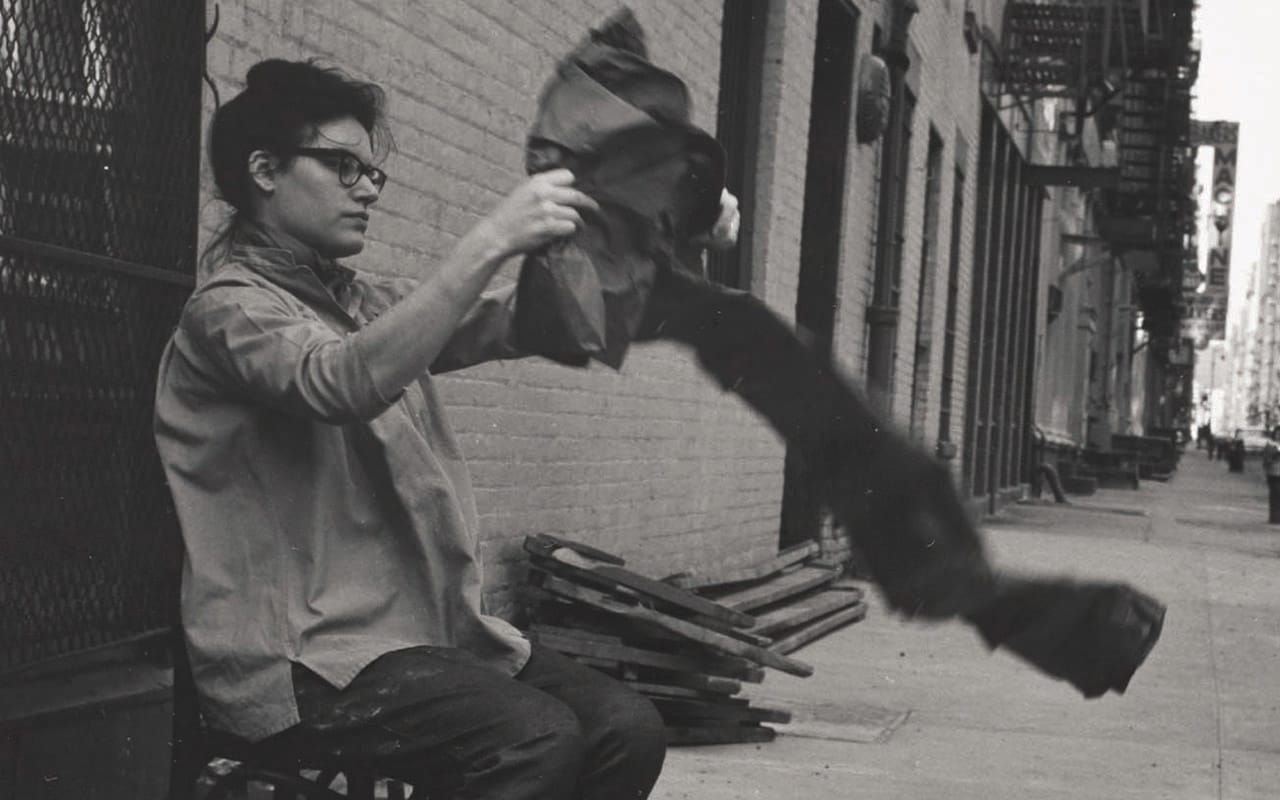
The Mysterious Life of Fluxus Dame Alison Knowles

A new book, "Performing Chance: The Art of Alison Knowles In/Out of Fluxus" by art historian Nicole L. Woods, is the first major study of the late Fluxus artist Alison Knowles, who died last fall at age 92. The book focuses on the first two decades of her career (1958–1975), analyzing key works such as her 1962 performance "Proposition #2: Make a Salad" at London's Institute of Contemporary Arts, and her shift from painting to experimental, ephemeral art after being exiled to a basement by Josef Albers at Syracuse University.