filter_list Showing 48 results for "Form" close Clear
dashboard All 1442 museum exhibitions 688article local 249article news 151article culture 98person people 65trending_up market 61rate_review review 48article policy 43candle obituary 27gavel restitution 10article events 1article satire 1
date_range Range Today This Week This Month All
Subscribe

Matisse, 1941-1954 review – hit after glorious hit in a show of life-enhancing genius

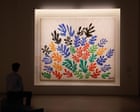
A major exhibition at the Centre Pompidou and the Grand Palais focuses on the final, revolutionary period of Henri Matisse's career, from 1941 to 1954. The show charts his artistic reinvention following a life-threatening surgery, beginning with obsessive, reworked paintings from his Nice studio during the war and culminating in the radiant, large-scale cut-outs for which he is widely celebrated.
Comment | Catherine Opie shows us that in dark times, looking for joy can be radical

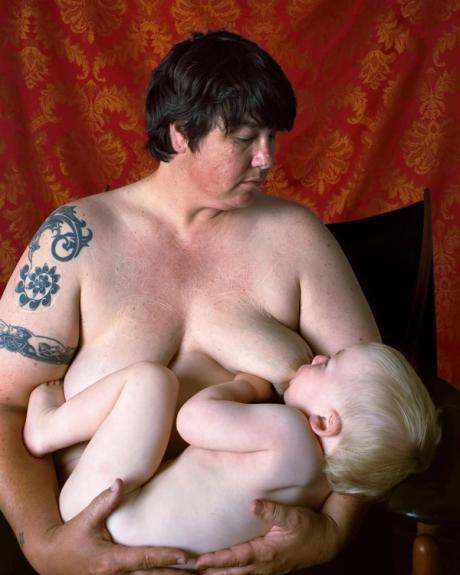
The artist Catherine Opie is currently the subject of a major three-decade portrait survey, 'To Be Seen', at the National Portrait Gallery in London. The exhibition highlights Opie’s career-long commitment to representing the LGBTQ+ community, specifically the leather dyke scene in Los Angeles, through a lens that balances defiance with playfulness. Even her most provocative works, such as the 1993 self-portrait featuring a domestic scene carved into her back, are revealed to contain elements of humor and historical allusion that counter the despair of the AIDS crisis and personal heartbreak.

Jasper Johns Keeps Looking

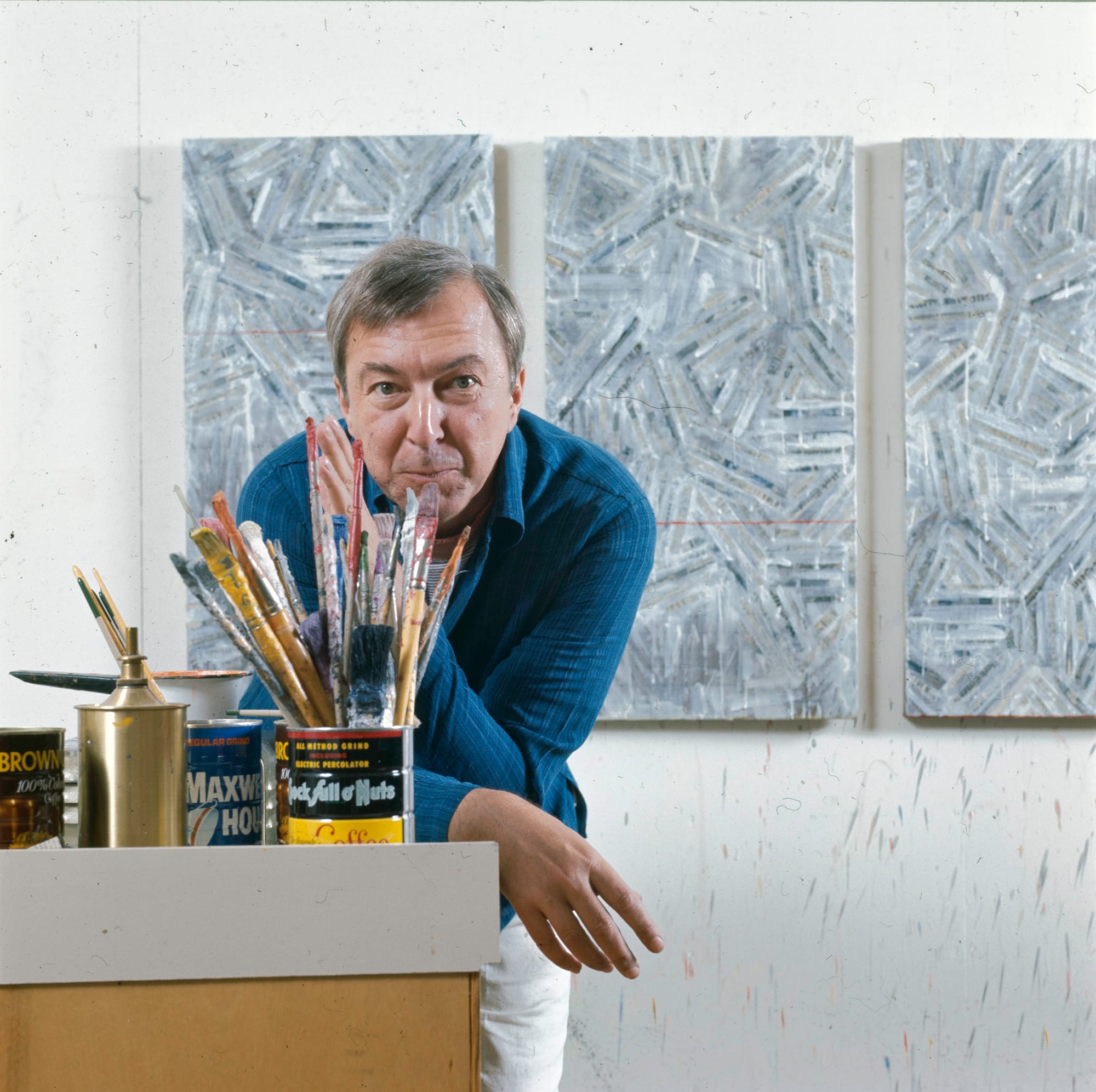
Jasper Johns’s latest exhibition at Gagosian, 'Between the Clock and the Bed,' serves as a profound meditation on the artist's career-long investigation into the 'things the mind already knows.' By revisiting his signature motifs—including flags, targets, and crosshatch patterns—the show highlights Johns’s rejection of Abstract Expressionist spontaneity in favor of a deliberate, analytical process using encaustic and collage. The works document a transformation where familiar symbols are rendered into a complex visual language that bridges the gap between memory and physical presence.

The Artist Whose Shimmering Obelisks Are Cropping Up All Over the World

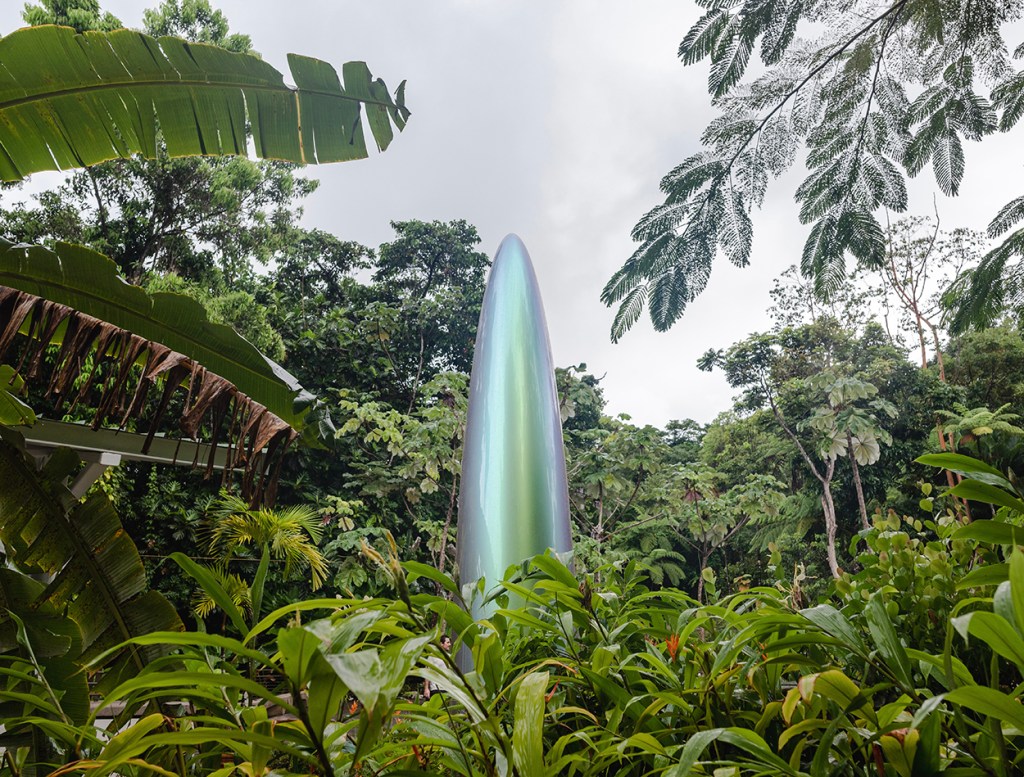
Artist Gisela Colón is currently the subject of a major retrospective at the Museo de Arte Contemporáneo de Puerto Rico (MAC), showcasing her signature "monoliths" and iridescent obelisks. These monumental sculptures, which have appeared in global locations ranging from the Great Pyramids of Giza to the Saudi Arabian desert, utilize advanced aerospace carbon fiber and site-specific minerals to create shifting, phenomenological experiences. The exhibition tracks her evolution from 1996 to the present, highlighting her unique ability to blend high-tech materials with ancient totemic forms.

Dean Sameshima review – did the neighbours really not know? The extreme LA sex clubs hidden in plain sight

A new exhibition at Soft Opening in London presents Dean Sameshima's "Wonderland" series, photographs taken in the mid-1990s that document the exteriors of queer sex clubs and bathhouses in Los Angeles's Silver Lake neighborhood. The images, shot in a stark, formal style during daylight, capture the unremarkable facades of these clandestine spaces, with only descriptive titles hinting at the activities within.

Leah Ki Yi Zheng’s Personal I Ching

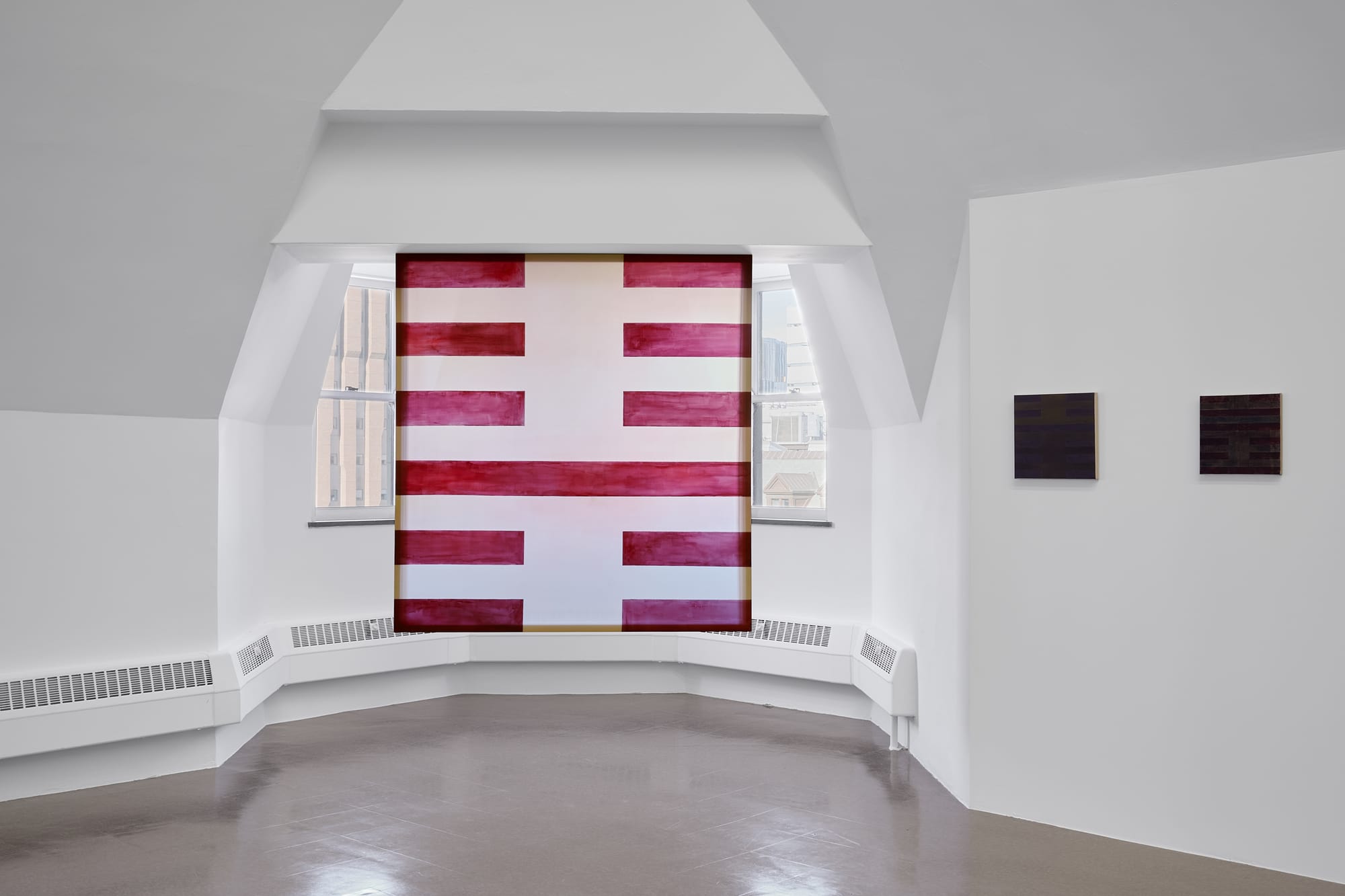
Artist Leah Ke Yi Zheng's exhibition "Change, I Ching (64 Paintings)" at the Renaissance Society in Chicago presents a series of oil and acrylic paintings on silk, each depicting one of the 64 hexagrams from the ancient Chinese divination text, the I Ching. The artist physically altered the gallery's architecture to control light and create a specific viewing rhythm, synthesizing materials and techniques from Chinese ink painting traditions with Western geometric abstraction and oil painting.

Anne Hardy’s Hollow Humanoids

British artist Anne Hardy presents a suite of floor-based installations and assemblage sculptures titled "Interloper" at Visual. The exhibition features a series of "Beings"—twisted, life-size humanoid entities constructed from rusted wire, crushed cans, soil, and the artist’s own cast body parts and clothing. These figures, often posed in yoga-like positions or meditative stances, appear as hollow, faceless outlines that blend a sense of vitality with physical disintegration.

Nat Faulkner: The Stuff of Photography

Artist Nat Faulkner has opened a new exhibition at Camden Art Centre featuring works that explore the physical and chemical foundations of photography. The show includes large-scale photographic pieces like 'Aqua Fortis' and sculptural works such as 'Aperture (Iodine)', which uses iodine solution in skylight panels to bathe the space in amber light, alongside silver-plated 'Analogue' reliefs created through electroplating.

Michael Armitage in Venice, monumental and disturbing. What the exhibition at Palazzo Grassi looks like

Michael Armitage is the subject of a major solo retrospective at Palazzo Grassi in Venice, marking his largest exhibition in Europe to date. Organized by the Pinault Collection, the show features monumental paintings that blend African identity, local Kenyan chronicles, and mythological narratives. Armitage’s work is noted for its physical scale and its ability to transform the chaos of human affairs into a syncretic epic, utilizing traditional materials like Lubugo bark cloth to ground his contemporary subjects.

It’s Gabriele Münter’s World, We’re Just Living in It

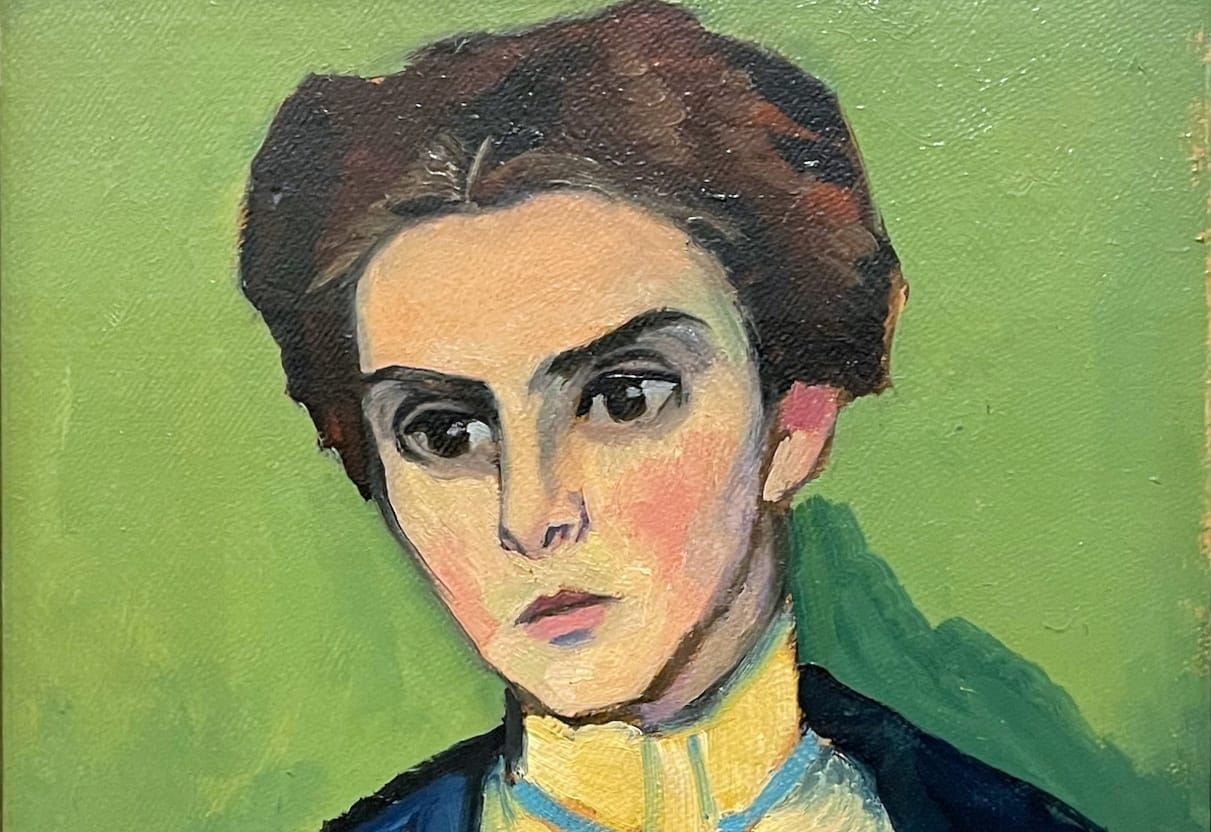
The Solomon R. Guggenheim Museum is hosting "Contours of a World," a retrospective dedicated to Gabriele Münter, a co-founder of the Blue Rider group. The exhibition moves beyond the shadow of her long-time partner Wassily Kandinsky, showcasing her distinct approach to German Expressionism through photography, intimate domestic scenes, and vibrant landscapes. Unlike her contemporaries who leaned toward total abstraction, Münter utilized bold outlines and layered compositions to create a dynamic, phenomenological experience of seeing.

Tracey Emin’s Cult of the Self

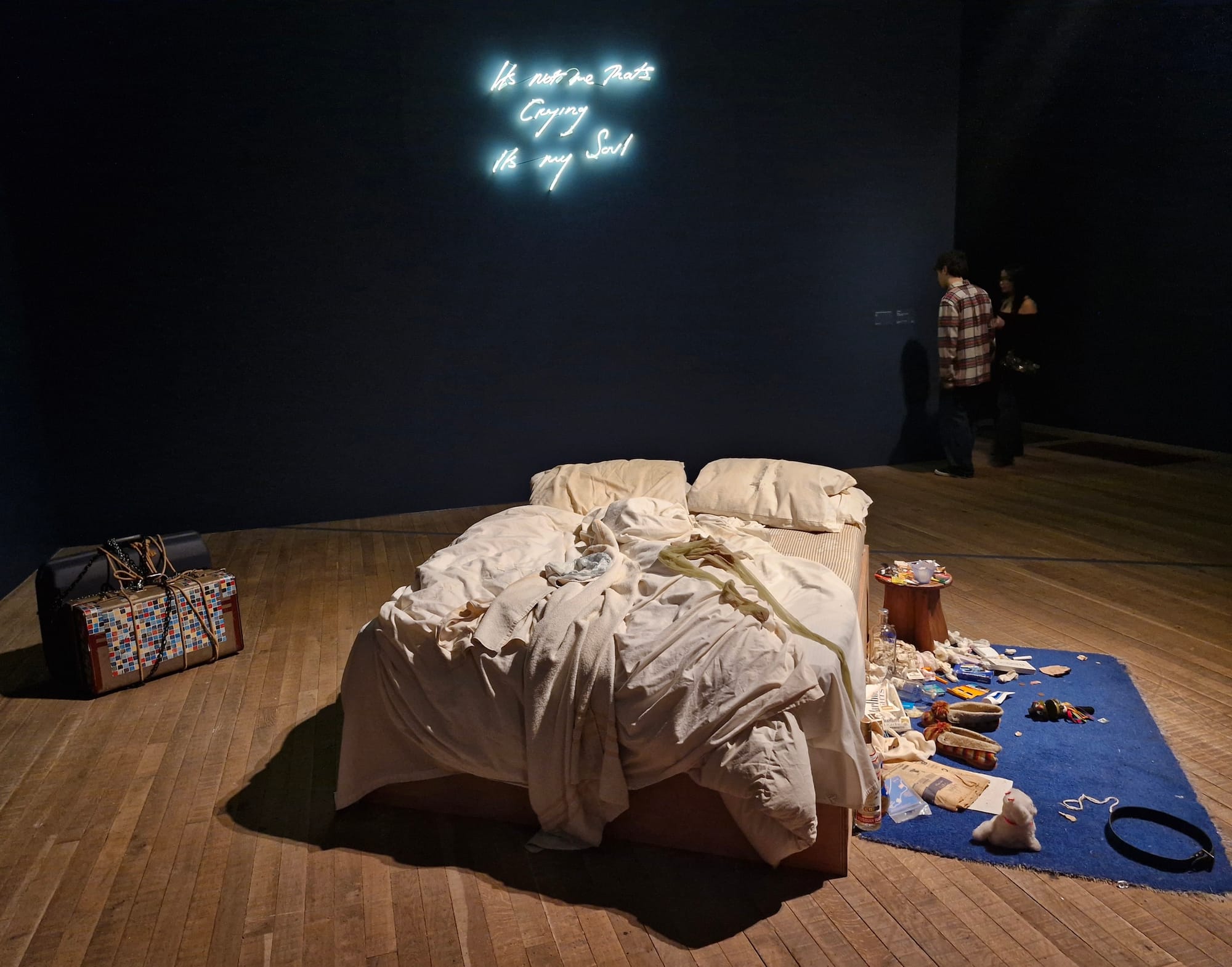
A major retrospective of Tracey Emin's work, "A Second Life," is on view at Tate Modern in London. The exhibition presents the artist's deeply personal and confessional body of work, including iconic pieces like "My Bed" and "Exorcism of the Last Painting I Ever Made," which chronicle intimate experiences of love, trauma, and self-exploration through text, objects, and raw imagery.

Review: The new LACMA is divisive. It’s also ambitious, disorienting — and radically alive

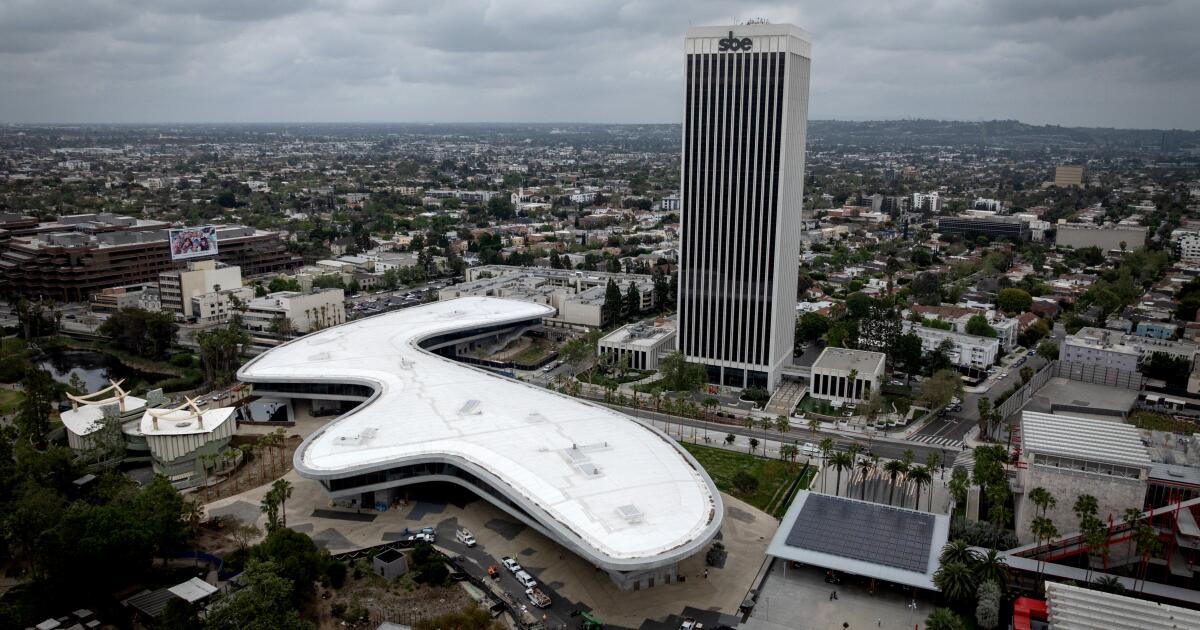
The Los Angeles County Museum of Art (LACMA) has unveiled its $724-million David Geffen Galleries, a massive concrete structure designed by Swiss architect Peter Zumthor that spans Wilshire Boulevard. Replacing several older pavilions, the new building rejects traditional museum conventions like white-cube galleries and encyclopedic organization in favor of a sinuous, organic form that emphasizes light, atmosphere, and a visceral connection to the surrounding landscape.

Desperate, Scared, But Social at UC Irvine Langson Orange County Museum of Art

The group exhibition "Desperate, Scared, But Social" at the UC Irvine Langson Orange County Museum of Art (Langson IMCA) explores the complexities of contemporary social dynamics and collective anxiety. The show brings together diverse artistic perspectives to examine how individuals navigate a landscape defined by political instability, environmental concerns, and the pervasive influence of digital connectivity.

Alex Heilbron at as-is

Artist Alex Heilbron presents a solo exhibition at the Los Angeles gallery as-is. The show is featured as a lead review in the February 2026 issue of Contemporary Art Review LA, highlighting Heilbron's continued exploration of painting and visual language within the Southern California art scene.

Why Felix Gonzalez-Torres’s Go-Go Dancer Piece Remains Subversive

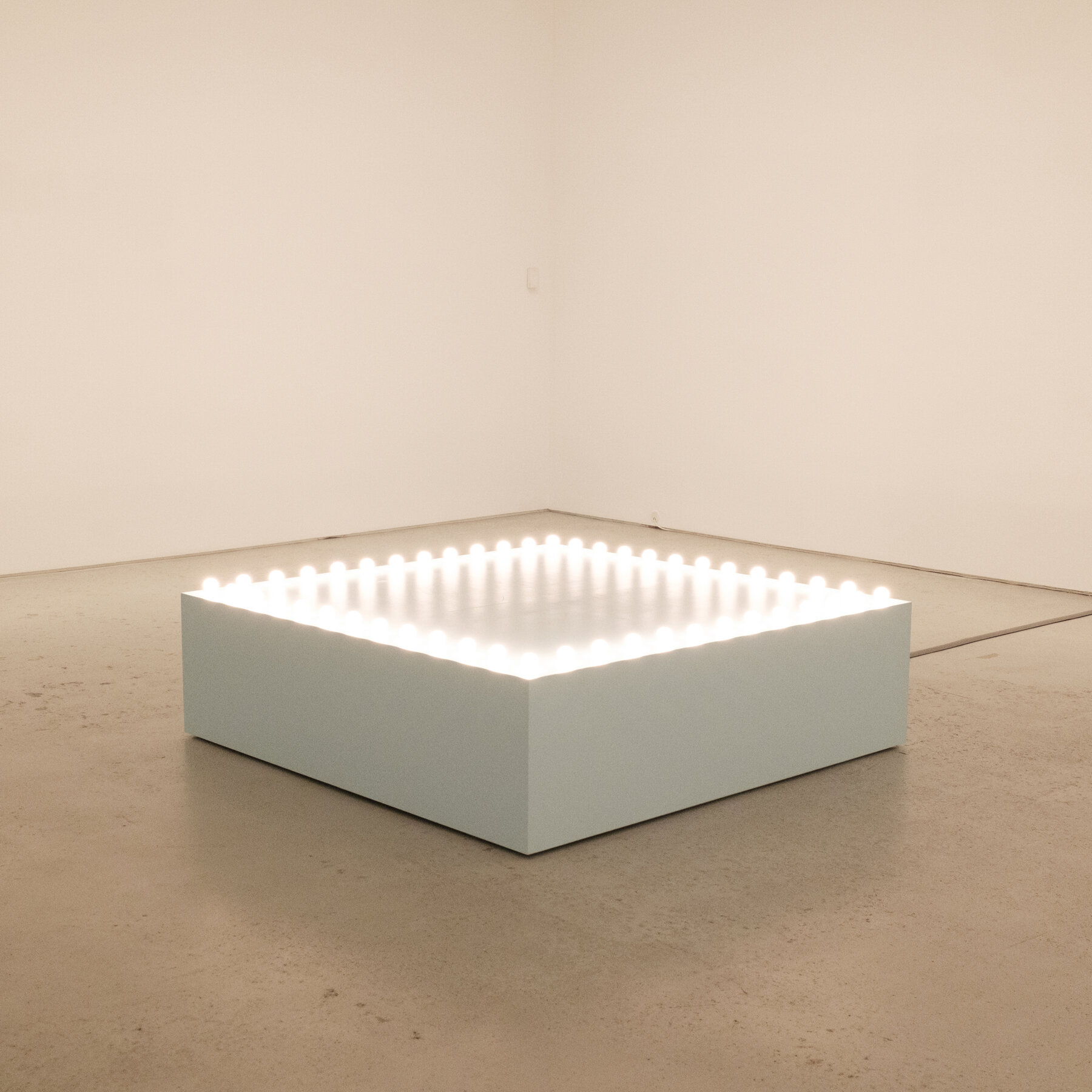
The New York Times examines the enduring power of Felix Gonzalez-Torres's 1991 performance piece "Untitled" (Go-Go Dancing Platform), in which a go-go dancer performs on a pedestal for a brief, scheduled period each day. The work, currently on view at the Art Institute of Chicago, uses the dancer's absence as a central component, creating a poignant metaphor for queer presence and loss.

Notes from New York: Rotting Meat

Artist Jen Liu’s solo exhibition 'Pound of Flesh' at Silverlens New York explores the dehumanizing nature of digital labor through visceral imagery of raw meat. The show features paintings where human consciousness is replaced by butcher-shop cuts and an animated video based on Liu’s research into microworkers—individuals who perform repetitive, low-paid tasks to train AI models. By juxtaposing the biological reality of the body with the clinical extraction of data, Liu highlights the physical and psychological toll of the 'Agentic Age.'

Post-Mortemism: An Autopsy of “Nigerian Modernism: Art and Independence” at Tate Modern.

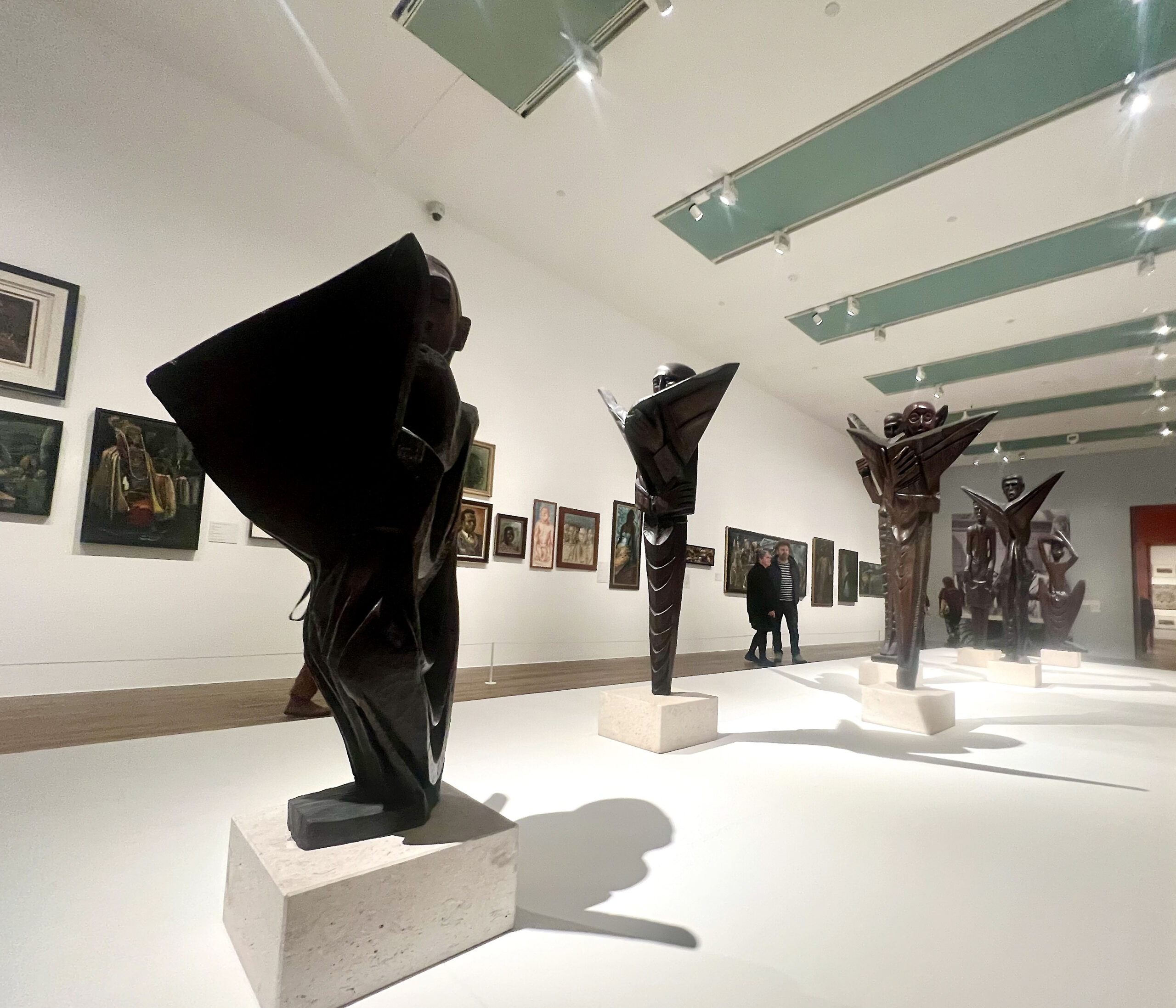
A critical essay by Ayọ̀ Akínwándé performs a forensic 'autopsy' of the Tate Modern exhibition 'Nigerian Modernism: Art and Independence.' The review dissects the show's structure, arguing it fails in its curatorial framework by isolating Nigerian artists within a regional category, using ethnographic display methods, relying on incomplete research, and excluding key artists and historical context.

Gardar Eide Einarsson Leaves You in the Dark

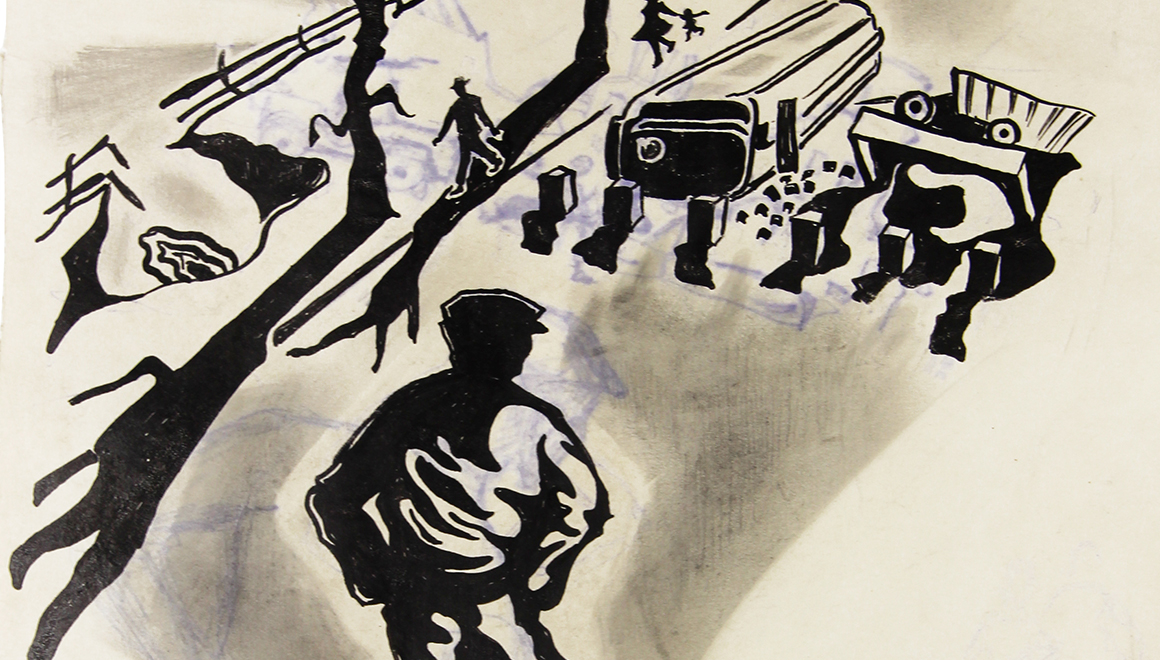
Gardar Eide Einarsson’s latest exhibition at Maureen Paley’s East London space presents a haunting exploration of dissociation and coded information. The show features two distinct series: 'Closed Caption,' a collection of monochrome black gouache paintings featuring isolated subtitles from films, and 'Incendiary Test Area,' a set of hyperrealistic woodblock prints created in collaboration with master Shoichi Kitamura. These prints depict the interiors of mock 'Japanese' houses built by the US Army for fire-bombing tests during World War II.

Locating Luigi Ghirri

Fashion photographer Alessio Bolzoni and film director Luca Guadagnino have collaborated on 'Felicità', a new book and exhibition at Thomas Dane Gallery featuring 45 previously unseen color photographs by the late Italian master Luigi Ghirri. The project is divided into two portfolios: the first focuses on intimate, abstract details of found objects and surfaces in Modena, while the second expands into larger vistas and populated spaces across Italy during the 1980s.

Craig Jun Li: Scrapping the Camera

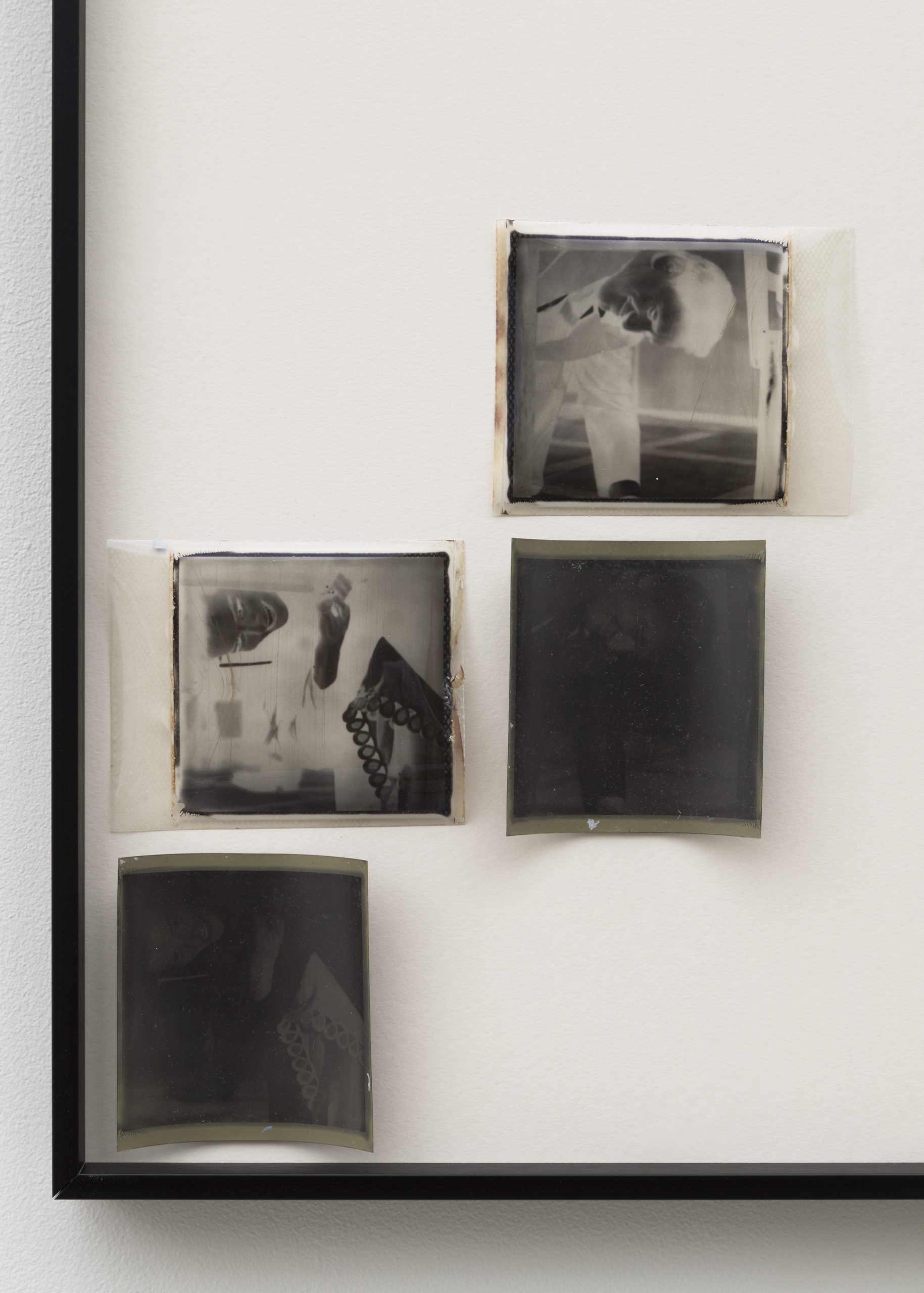
Artist Craig Jun Li's solo exhibition features collagist wall-works and installations that deconstruct photographic technology. Works like the 2025 silicone sheets incorporate altered dye-transfer prints, Polaroids, and actual camera parts like SX-70 film cartridge springs, redirecting focus from pictorial representation to the mechanical apparatus of image-making.

Joe Moss, Drones and Caspar David Friedrich

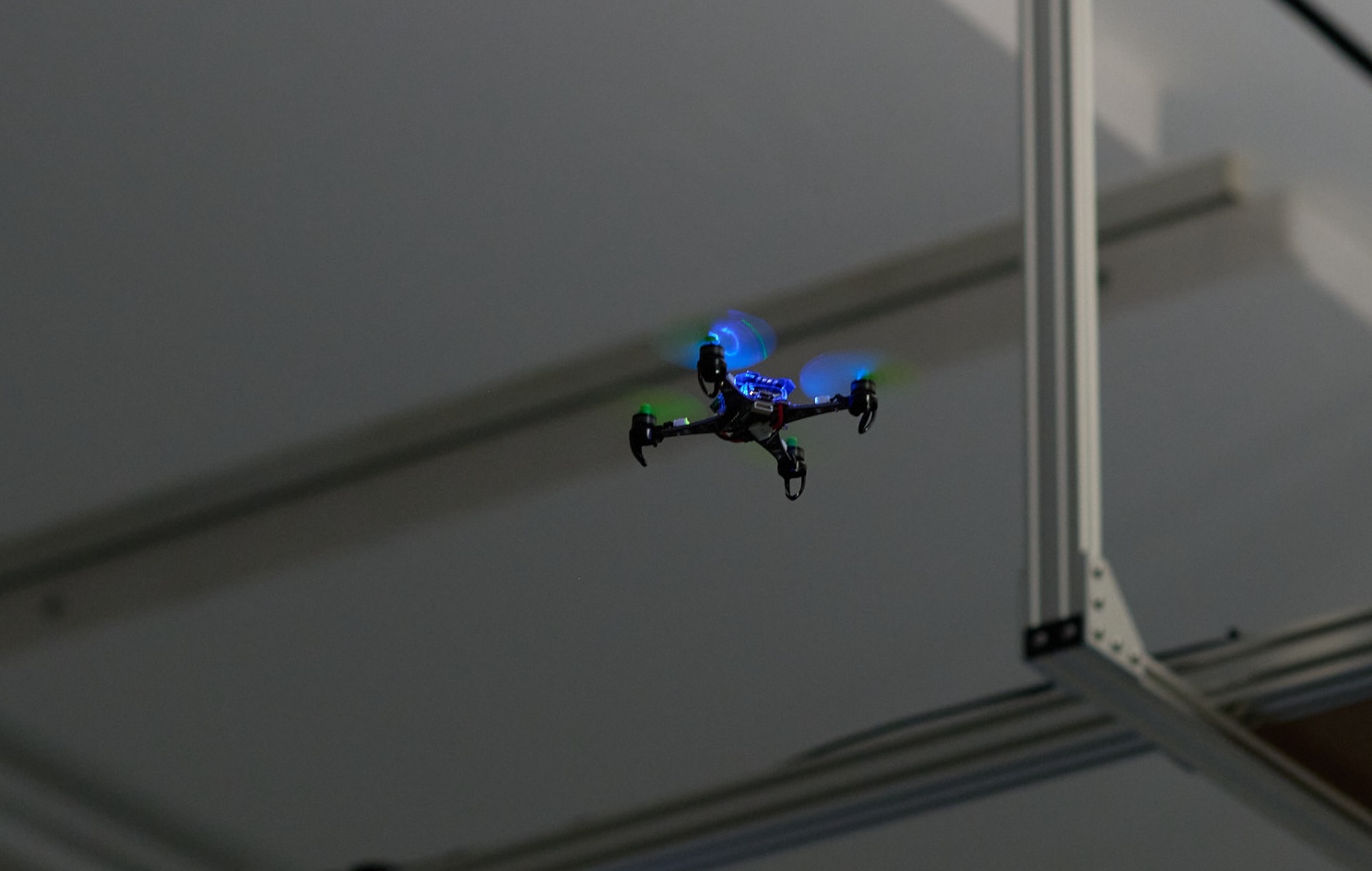
Artist Joe Moss presents his installation 'Automated Fantasy Procedure' at Matt's Gallery in London. The work features a squadron of choreographed drones, two-channel videos with actors portraying figures like a Caspar David Friedrich-inspired wanderer, and a Roman-style mosaic, all experienced in scheduled ten-minute replays designed to mimic the overwhelming sensation of scrolling through a smartphone.

REVIEW: The Open: Odyssey at Hastings Contemporary

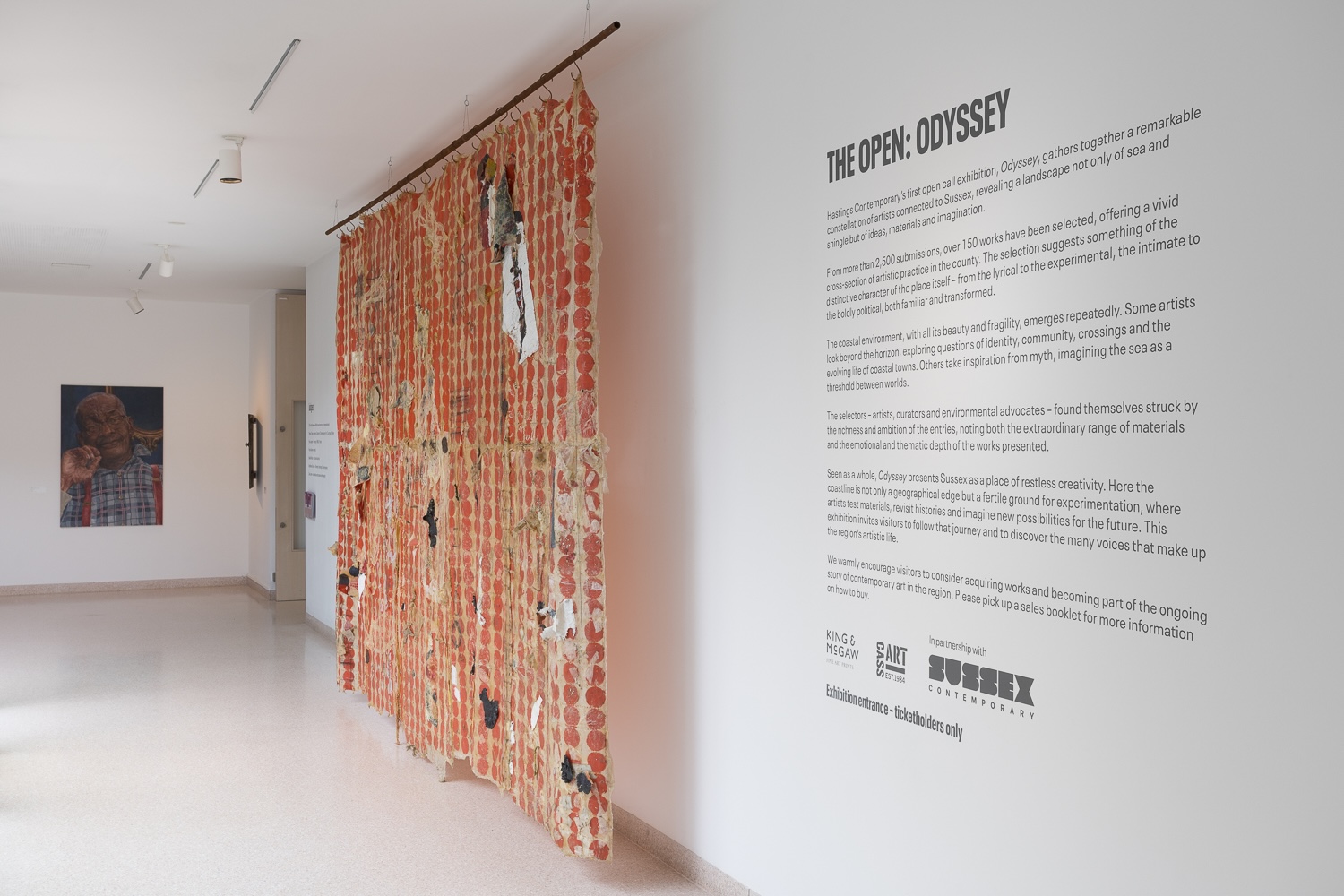
Hastings Contemporary has launched its inaugural biennial, titled "The Open: Odyssey," featuring over 150 artists with connections to Sussex. Selected from a pool of 2,600 applicants by a panel led by Kathleen Soriano, the exhibition explores themes of marine ecology, migration, mythology, and coastal life. Notable works include Alan Patch’s large-scale hanging of plastic detritus, Kate Howe’s monumental waxed paper installation "The Moving Edge," and Kevin J J Warren’s sculptures made from salvaged fishing nets.

MoMA PS1’s “Greater New York” Is Gritty, Stunning, and Gutting

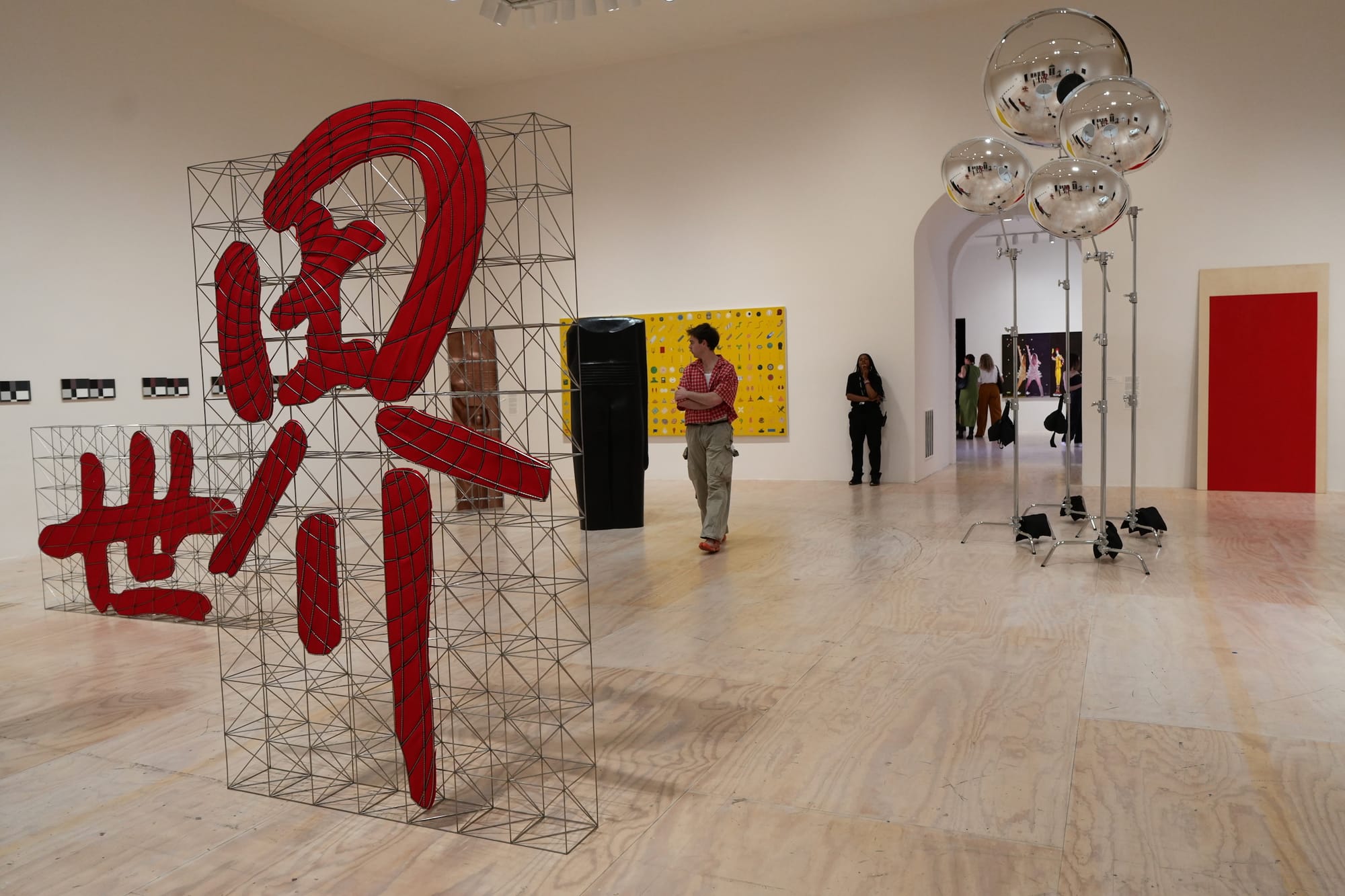
MoMA PS1 has launched the sixth edition of "Greater New York," a quinquennial survey featuring over 50 artists living and working in the city. Coinciding with the museum’s 50th anniversary, the 2026 iteration focuses on artists in the formative stages of their careers, emphasizing a gritty, raw aesthetic over the polished, market-driven surfaces often found in major biennials. The exhibition highlights photography and installation work that reflects the city's complex immigrant narratives and evolving urban identity.

Theresa Hak Kyung Cha Made Human Again

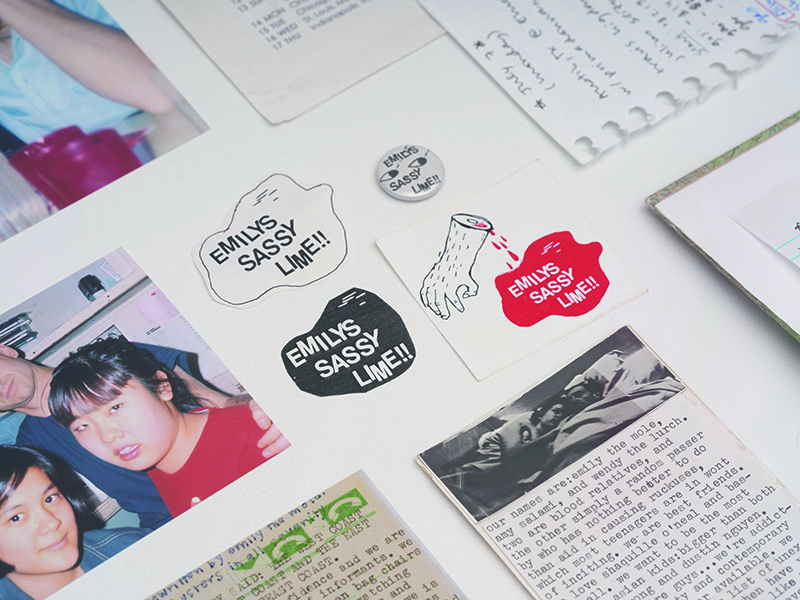
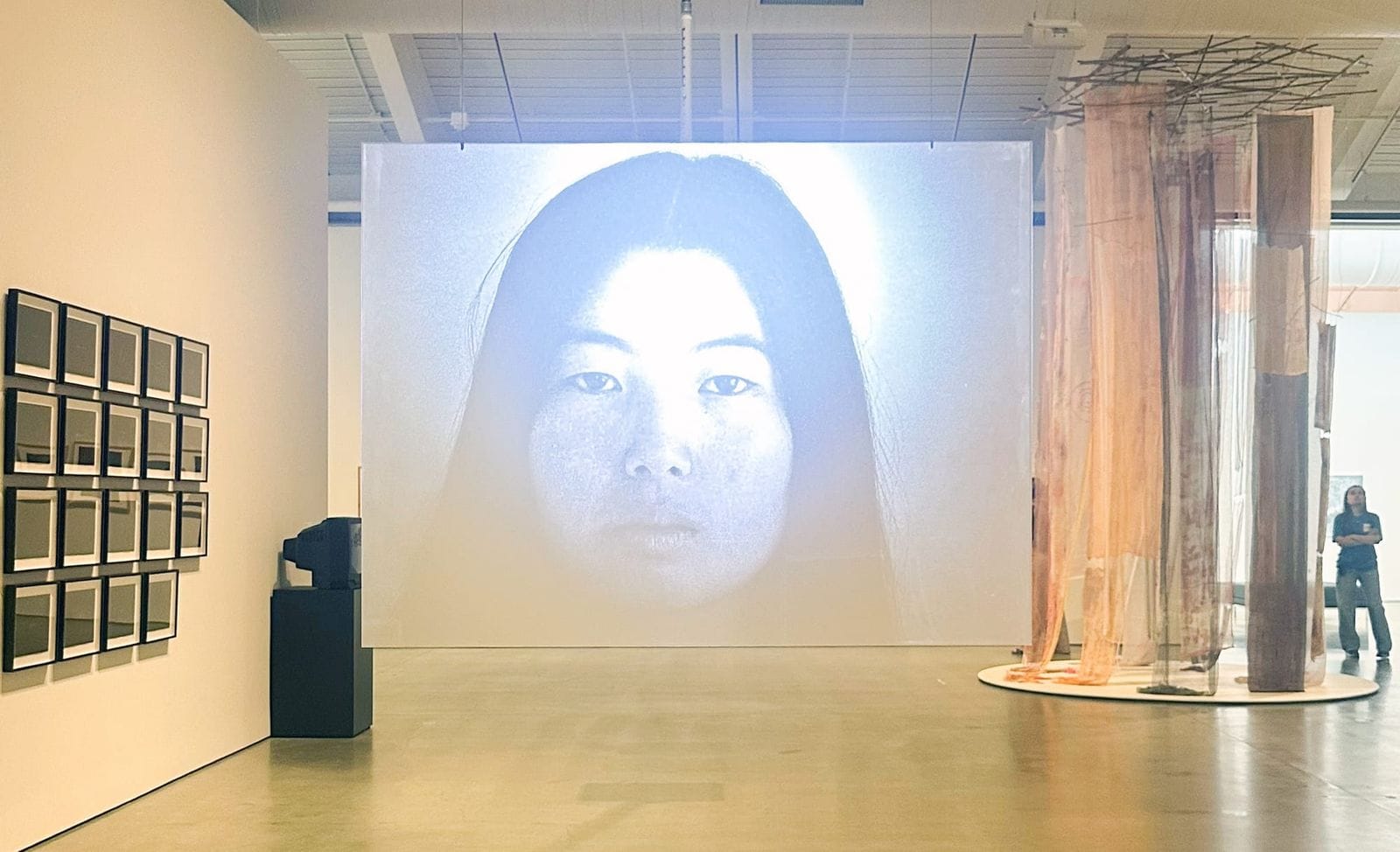
The Berkeley Art Museum and Pacific Film Archive (BAMPFA) is hosting "Theresa Hak Kyung Cha: Multiple Offerings," a comprehensive exhibition that draws from the artist’s complete archives. The show highlights Cha’s multidisciplinary practice, spanning film experiments, performance documentation, and her signature linguistic explorations. By pairing finished artworks with archival materials and personal ephemera, the exhibition reveals a playful, puckish side of the artist that is often obscured by the tragic circumstances of her death and the heavy themes of exile and dislocation in her work.

The Unbearable Strangeness of Being

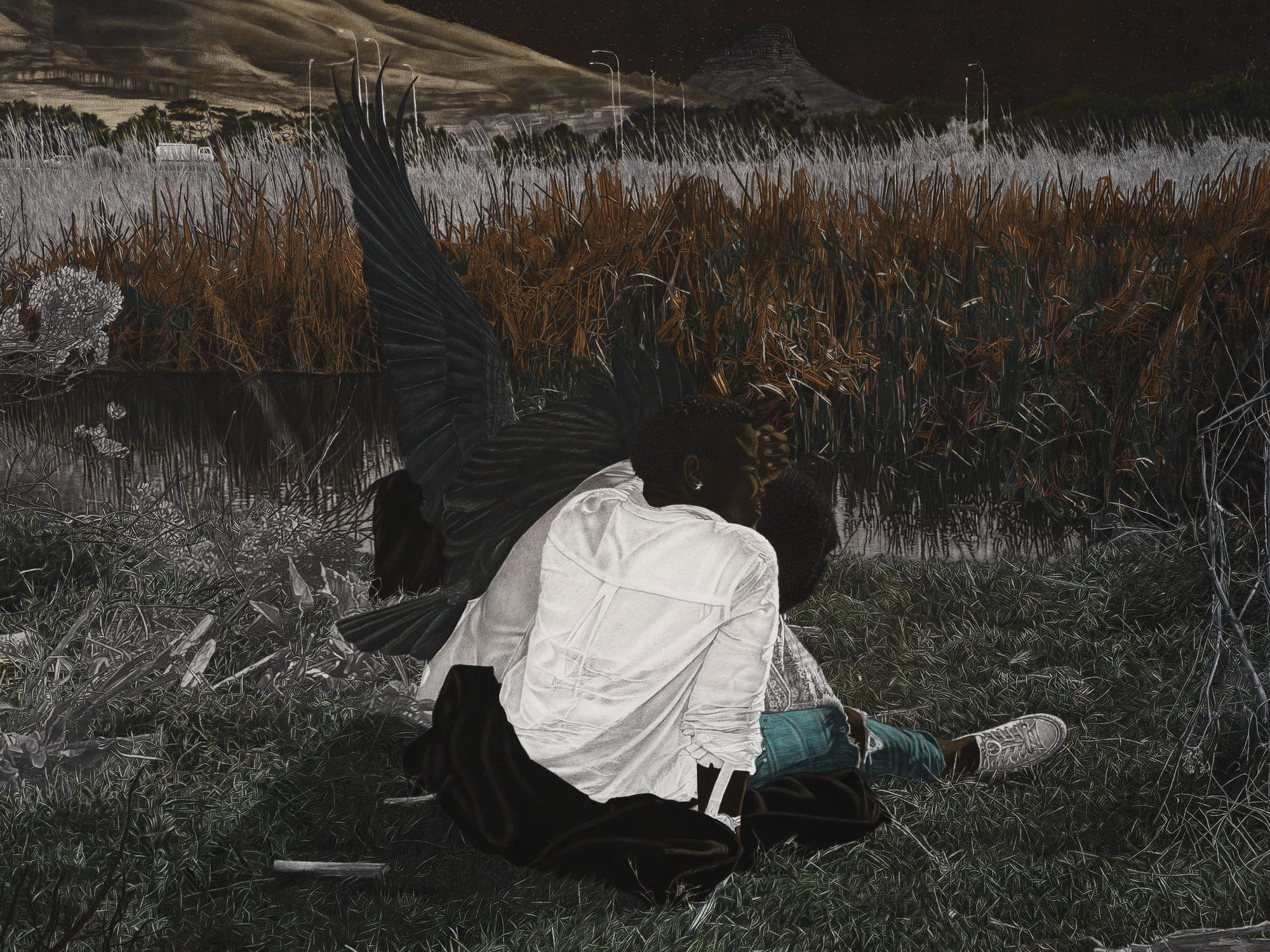
South African artist Cinga Samson makes his New York debut at White Cube with "Ukuphuthelwa," an exhibition of haunting, large-scale oil paintings. The works feature figures with distinctive white pupils engaged in enigmatic rituals within dark, crepuscular landscapes. Drawing from the isiXhosa concept of spiritual alertness during sleeplessness, Samson’s compositions blend the palpable with the unearthly, often depicting scenes that feel choreographed yet remain stubbornly illegible to the Western gaze.

Veronica Ryan review – the seeds are sensational but the detritus is distracting

A major retrospective of Turner Prize-winning artist Veronica Ryan has opened, showcasing her career-long exploration of organic forms and repurposed materials. The exhibition features new works made from plastic bottles, bandages, and avocado trays, alongside earlier sculptures in bronze and lead that reference seed pods and fruit.

Frank Bowling: Seeking the Sublime review – shipwrecked Ophelia points the path to freedom

A new exhibition of Frank Bowling's work traces the artist's early struggle to find his voice within the rigid artistic categories of the 1960s. The show features paintings from his student days in London, where he grappled with expectations to be either a political 'Black artist' or a formalist 'artist' free from identity constraints, resulting in works that felt derivative of figures like Francis Bacon.

Steve DiBenedetto’s Cosmic Sense of the Absurd

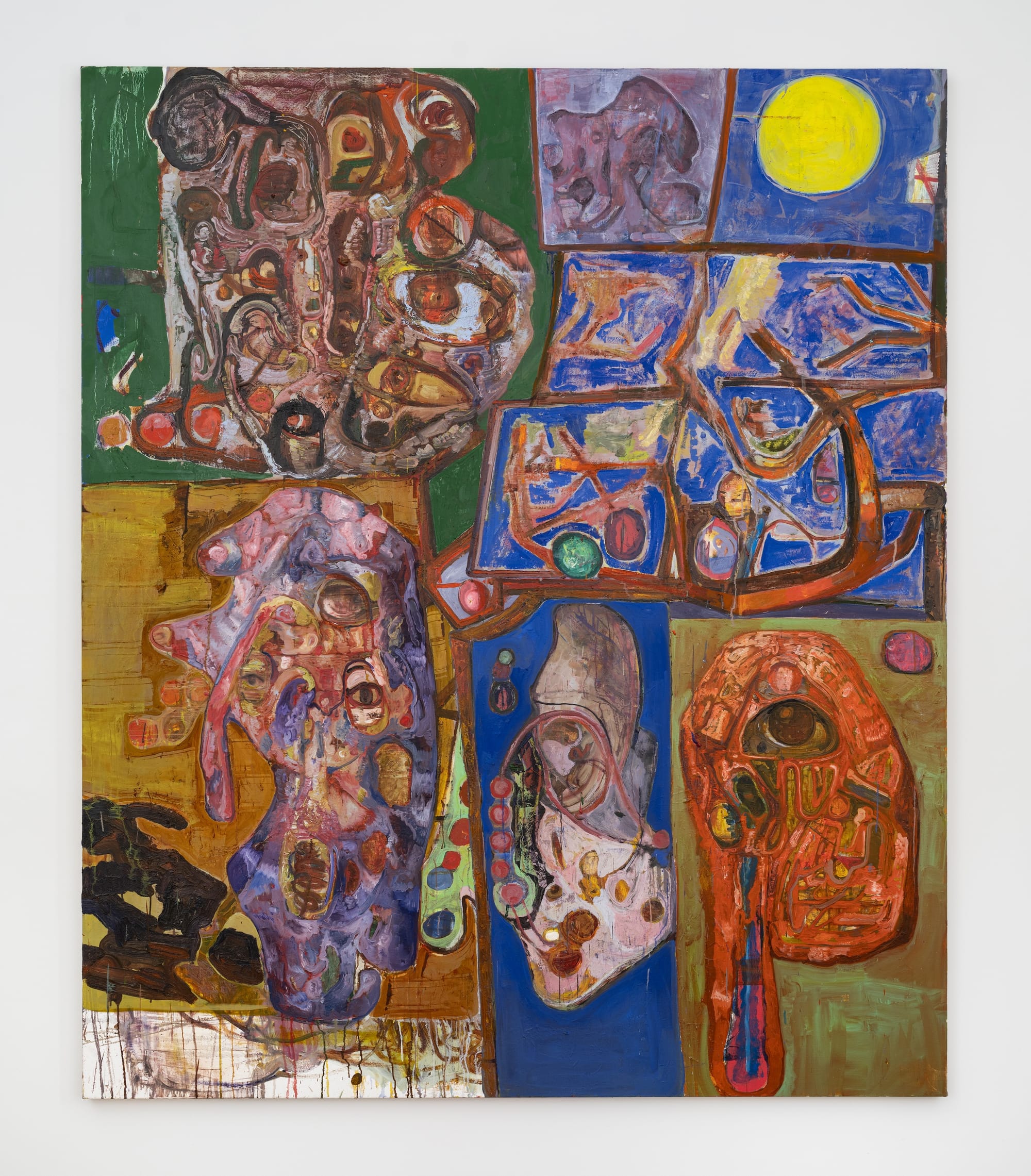
Artist Steve DiBenedetto presents a new body of work in his solo exhibition, "Spiral Architect," at Derek Eller Gallery. The show features 17 paintings ranging from large-scale canvases to intimate works, all characterized by a restless movement between abstraction and figuration. DiBenedetto utilizes a process-heavy technique of adding, scraping, and reworking oil paint to create dense, visionary landscapes filled with octopi, cellular forms, and Rube Goldberg-esque machinery.

Racheal Crowther review – unnerving installation attacks your mind … and your nostrils!

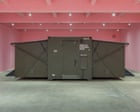
London-based artist Racheal Crowther has transformed the Chisenhale Gallery into a sensory-heavy, paranoid environment for her first institutional solo exhibition. The installation centers on a decommissioned U.S. military mobile health unit, once used during the 2018 Novichok decontamination efforts, set against walls painted in "drunk tank pink." The experience is defined by an aggressive olfactory component—a chemical cocktail of powdered milk scents and hexadecanal, a molecule found on infants' heads known to manipulate human aggression.

Review: “Boris Lurie: Nothing To Do But To Try” at the Holocaust Museum Houston

The Holocaust Museum Houston is currently hosting "Boris Lurie: Nothing To Do But To Try," an exhibition focusing on the early works of the Holocaust survivor and NO!art movement founder. Organized by the Museum of Jewish Heritage, the show highlights Lurie’s "War Series," featuring paintings, drawings, and never-before-seen ephemera created as a means of processing the trauma of his imprisonment in camps like Buchenwald. The works, ranging from the immediate post-war period to decades later, serve as a visceral record of memory and loss, including tributes to his family members murdered in the Rumbula Forest massacre.