filter_list Showing 10 results for "Francis Bacon" close Clear
search
dashboard All 180 trending_up market 69museum exhibitions 64article news 11rate_review review 10article culture 9person people 8article local 4candle obituary 2gavel restitution 2article policy 1
date_range Range Today This Week This Month All
Subscribe

alex da corte modern art museum of fort worth review

Alex Da Corte's mid-career survey, "The Whale," is on view at the Modern Art Museum of Fort Worth, featuring works that repurpose pop-cultural icons like Disney villains and Mariah Carey to explore themes of erasure and violence. The exhibition includes pieces such as *A Time to Kill* (2016), which obliquely references the 2016 Pulse nightclub shooting through an inverted Elsa standee, and *The Great Pretender* (2021), which removes Lily Tomlin from a TIME magazine cover to comment on queer erasure.
Frank Bowling: Seeking the Sublime review – shipwrecked Ophelia points the path to freedom

A new exhibition of Frank Bowling's work traces the artist's early struggle to find his voice within the rigid artistic categories of the 1960s. The show features paintings from his student days in London, where he grappled with expectations to be either a political 'Black artist' or a formalist 'artist' free from identity constraints, resulting in works that felt derivative of figures like Francis Bacon.

Art for Our Age of Chaos

The article reviews two major New York exhibitions opening in 2026: the Whitney Biennial at the Whitney Museum of American Art, featuring over fifty artists, and "New Humans: Memories of the Future" at the newly expanded New Museum, with over a hundred artists. Both shows are described as enormous and defiant, responding to a distracted public and financial pressures. The reviewer notes that both exhibitions juxtapose large-scale immersive works with tiny, intimate pieces, and finds the Whitney Biennial lacking urgency, while preferring the New Museum's historical narrative about technology and modernity.

art criticism nayland blake david rimanelli review

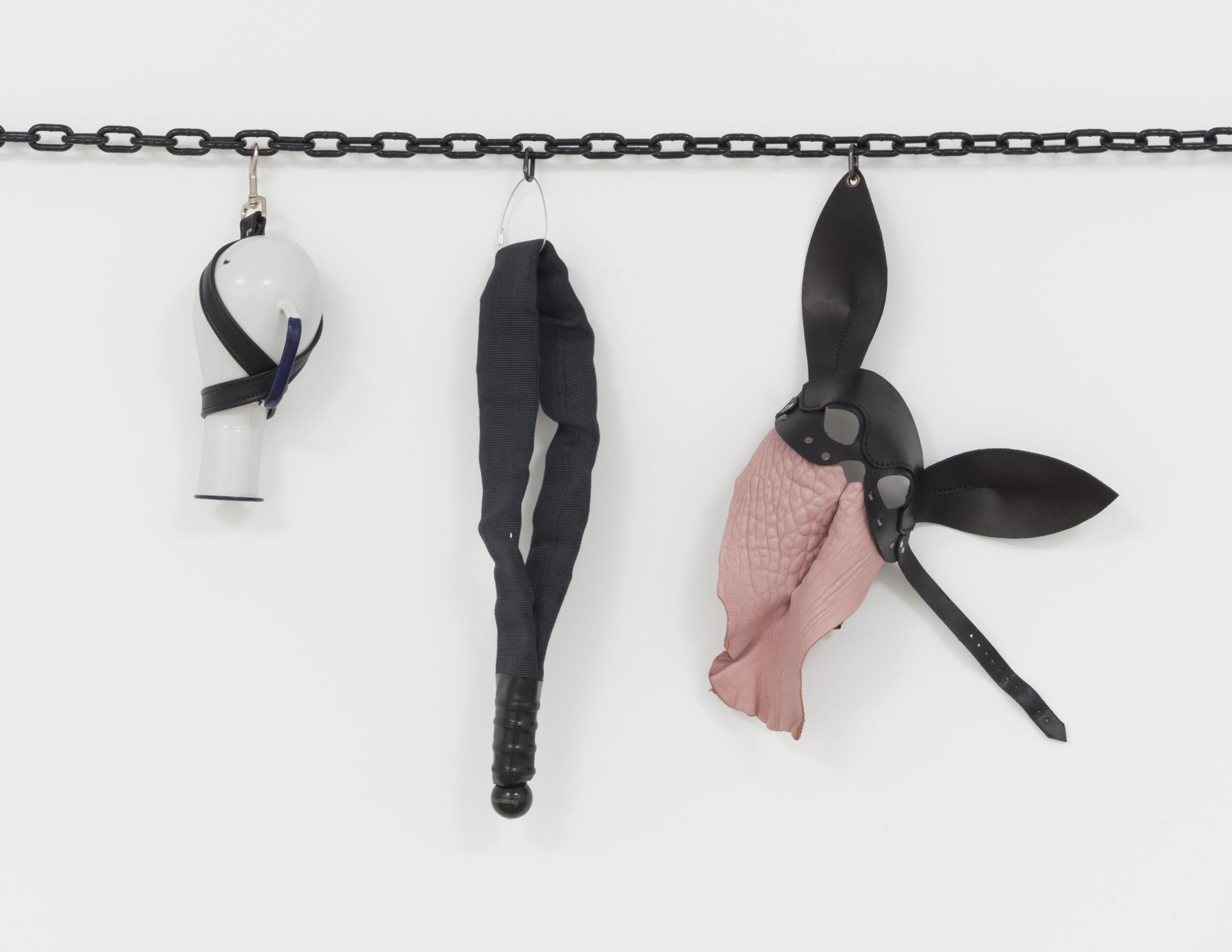
Nayland Blake presents a three-part exhibition at Matthew Marks Gallery in New York, featuring the retrospective "Sex in the 90s" curated by Beau Rutland and a new installation titled "Session." The show spans two gallery spaces on West 22nd Street, displaying a diverse array of works including plexiglass boxes of mass-market paperbacks, graphite drawings, a yellow stuffed bunny with Kaposi sarcoma lesions, and sculptures referencing kink and fetish culture. The new work "Session" uses artisanal implements of pleasure and pain clipped to black chains, evoking personal narrative and autobiography.

Review: Getting lost in the art is the best part of LACMA’s new revisionist fever dream of a museum

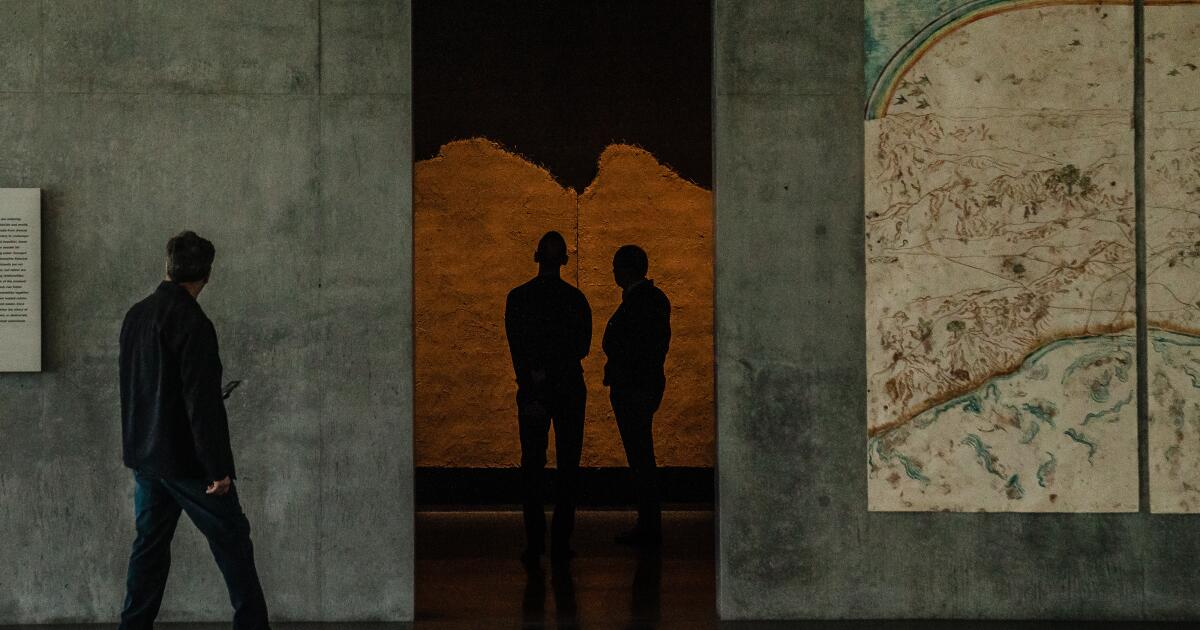
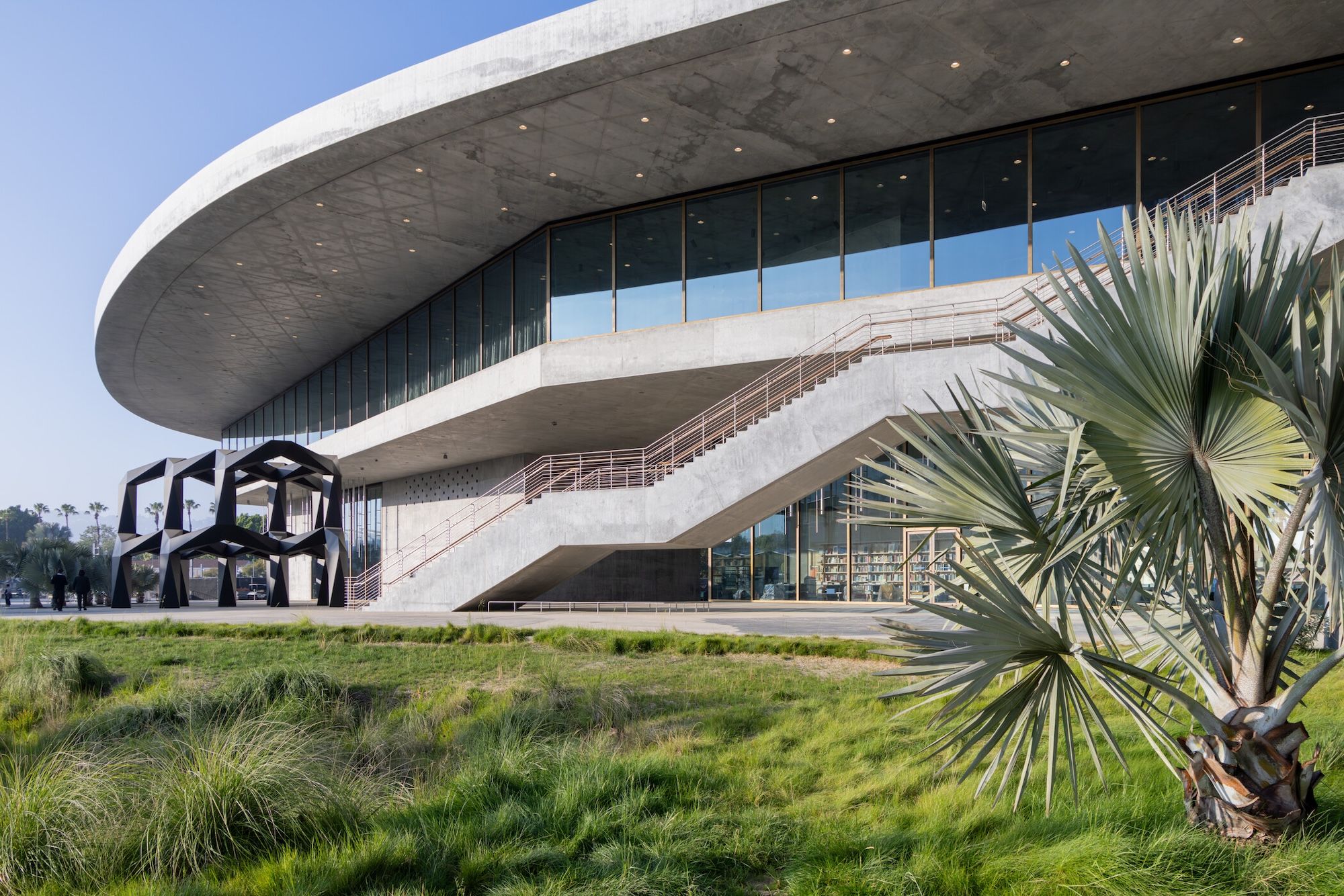
The Los Angeles County Museum of Art (LACMA) has opened its new David Geffen Galleries, a radical reinvention of the museum experience. The installation, conceived by director Michael Govan and architect Peter Zumthor, abandons traditional chronological and departmental silos, instead creating a continuous, curving flow of art from across time, place, and medium. Visitors are encouraged to wander and get lost, forging their own connections between works.

Comment | Turner gets all the kudos, but it was Constable who was the truly radical painter

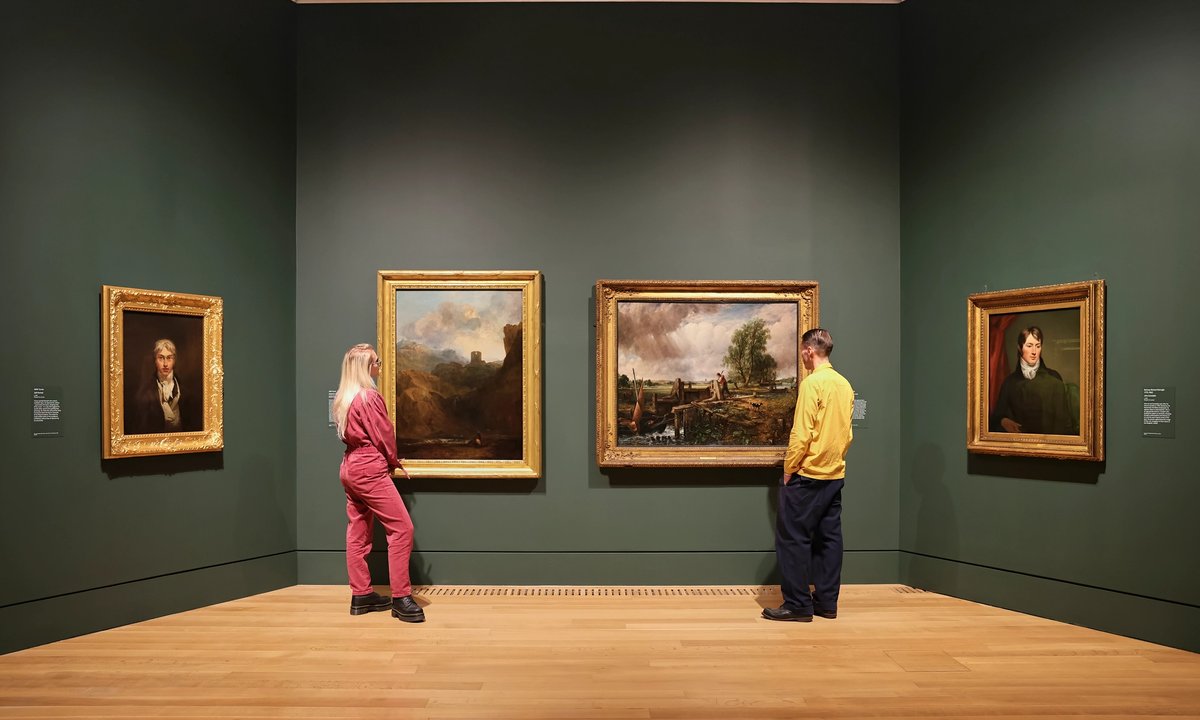
A commentary argues that John Constable, not J.M.W. Turner, was the truly radical painter, despite Turner receiving far greater public recognition through a museum, a prize, and a place on the £20 note. The article highlights a new exhibition, "Turner and Constable," opening at Tate Britain (until 12 April 2026), which recreates their 1831 Royal Academy display and contrasts Constable's English pastoral scenes with Turner's dramatic, un-British visions. It contends that Constable's full-size oil sketches, such as those at the Victoria and Albert Museum, had a deeper and more lasting effect on modern painting than Turner's work.

I have seen the light and it’s Tracey Emin’s Jesus – RA Summer Exhibition review | Royal Academy of Arts

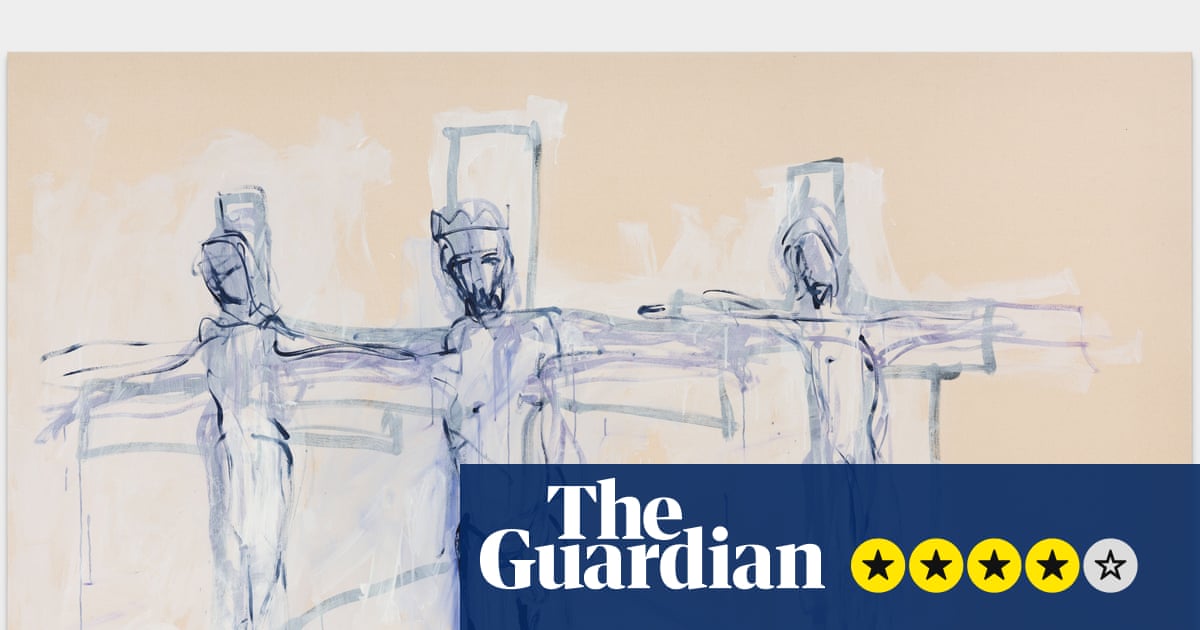
The Royal Academy's Summer Exhibition in London features over 1,600 works, with Tracey Emin's painting "The Crucifixion" as the standout piece. The critic describes Emin's work as a sincere, shocking depiction of the crucifixion that reinvigorates religious art, alongside works by Georg Baselitz, Cornelia Parker, Tamara Kostianovsky, George Shaw, Frank Bowling, and Cindy Sherman.

An expansive monograph of Celia Paul paints a portrait of a single-minded, singular artist

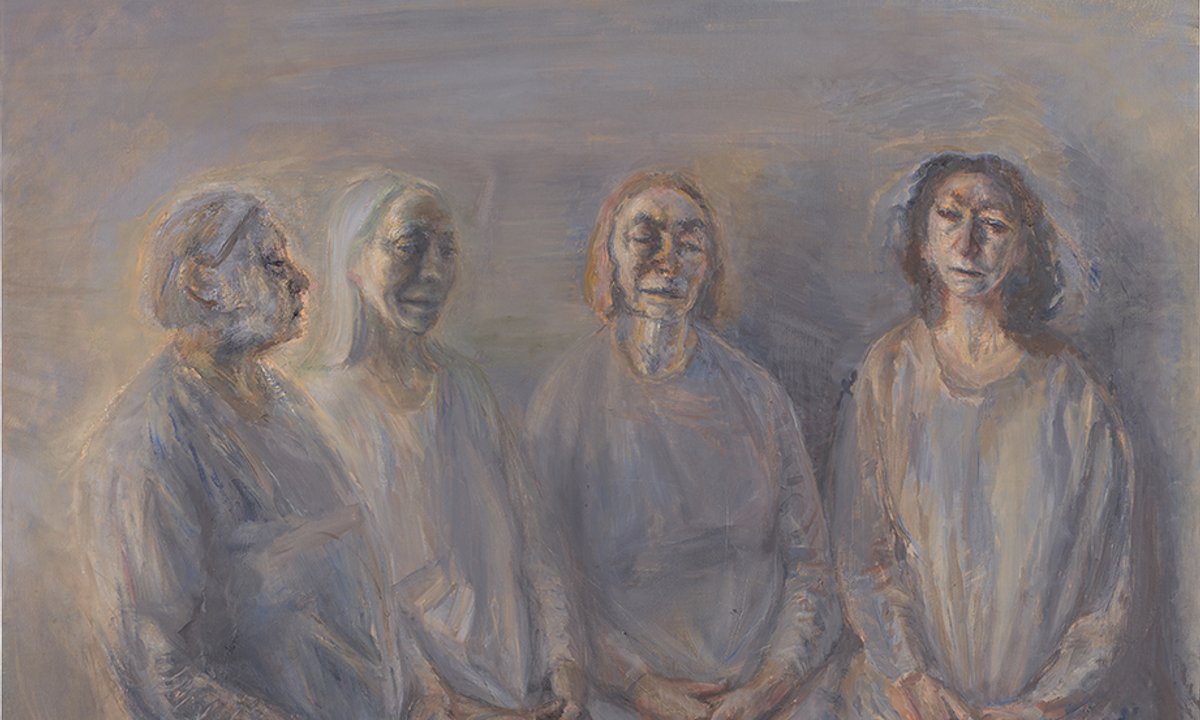
A new monograph on Indian-born British painter Celia Paul (b. 1959) presents an expansive survey of her career, featuring over 500 color reproductions and essays by Hilton Als, Clare Carlisle, Karl Ove Knausgaard, Edmund de Waal, and Rowan Williams, alongside contributions from the artist herself. The book traces Paul's trajectory from her training at the Slade School of Fine Art and her decade-long relationship with Lucian Freud to her recent solo exhibition *Colony of Ghosts* at Victoria Miro in London, positioning her as a singular figure distinct from the shadow of Freud and the School of London painters.

Adrian Ghenie: Roman Campagna | Exhibition review

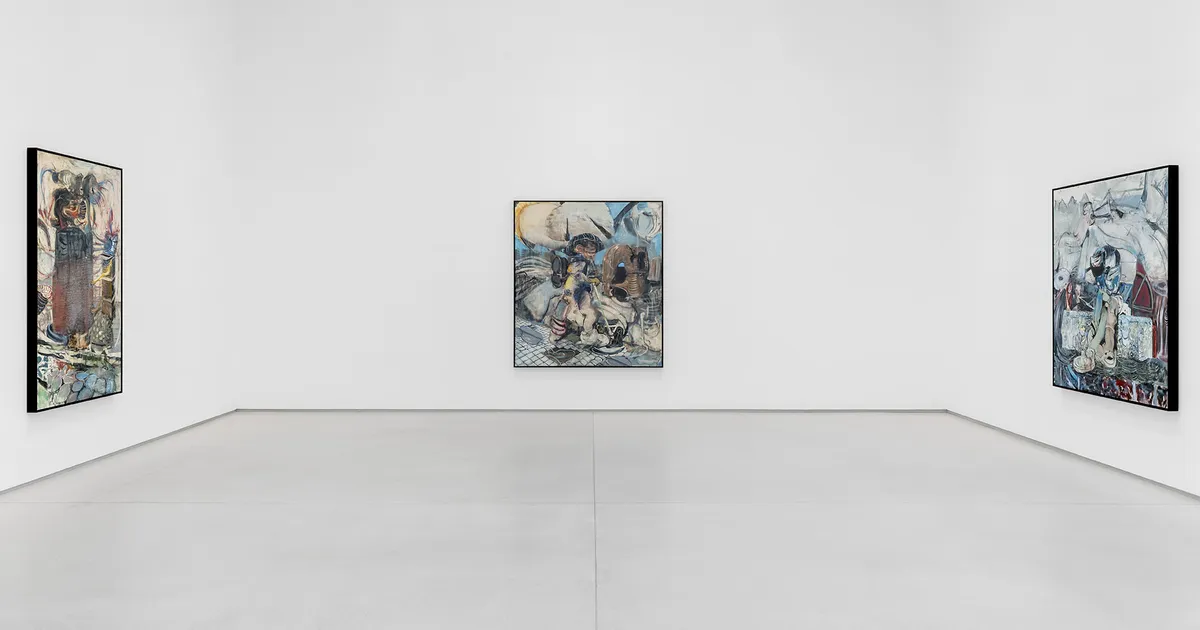
Adrian Ghenie's exhibition "Roman Campagna" at a Paris gallery presents a series of paintings and charcoal drawings that subvert the romantic cliché of an artist's transformative encounter with Rome. Ghenie populates landscapes inspired by the Appian Way with grotesque, alien-headed figures hunched over smartphones, urinating on monuments, or weeping at sunsets, using brown and grey tones punctuated by bright colors. The works reference Francis Bacon and William S. Burroughs, and include direct allusions to Bacon's reinterpretation of van Gogh's self-portrait, as well as a copy of a Pompeii mosaic. The show also features large charcoal drawings on paper that reveal Ghenie's process of constructing his contemporary, alienated figures.

I wanted to hate the new LACMA. Then I went back

The article describes the author's evolving impression of the newly opened David Geffen wing at the Los Angeles County Museum of Art (LACMA), designed by architect Peter Zumthor. Initially visiting at 11am, the author found the $724 million, 110,000 sq ft building to be a "dismal, dated, inelegant brute," with thick bronze windows, dark concrete slabs, and bunker-like galleries. However, returning at 4pm, the author experienced a transformation: golden afternoon light warmed the concrete, illuminated the interiors, and revealed the building as a "brilliant innovation and true gift to the city." The article details the building's 20-year design evolution, challenges including fossil discoveries on site, and Zumthor's public frustrations with the compromised details.