
filter_list Showing 3 results for "Generations" close Clear
search
dashboard All 436 museum exhibitions 229candle obituary 63article local 41article culture 34article news 22trending_up market 18person people 14article policy 10rate_review review 3gavel restitution 2
date_range Range Today This Week This Month All
Subscribe

martin puryear mfa boston review 1234772363

Martin Puryear's 1978 sculpture *Self* opens a survey of his work at the Museum of Fine Arts, Boston, titled “Martin Puryear: Nexus,” which runs through Sunday before traveling to the Cleveland Museum of Art in April. Curated by Emily Liebert, Reto Thüring, and Ian Alteveer, the exhibition argues that Puryear's abstract, craft-intensive sculptures—like *A Column for Sally Hemings* (2021)—are not merely formalist exercises but carry political and historical meanings that are deliberately withheld, challenging viewers to read beyond elegant surfaces.
WeWork (oralmoral)

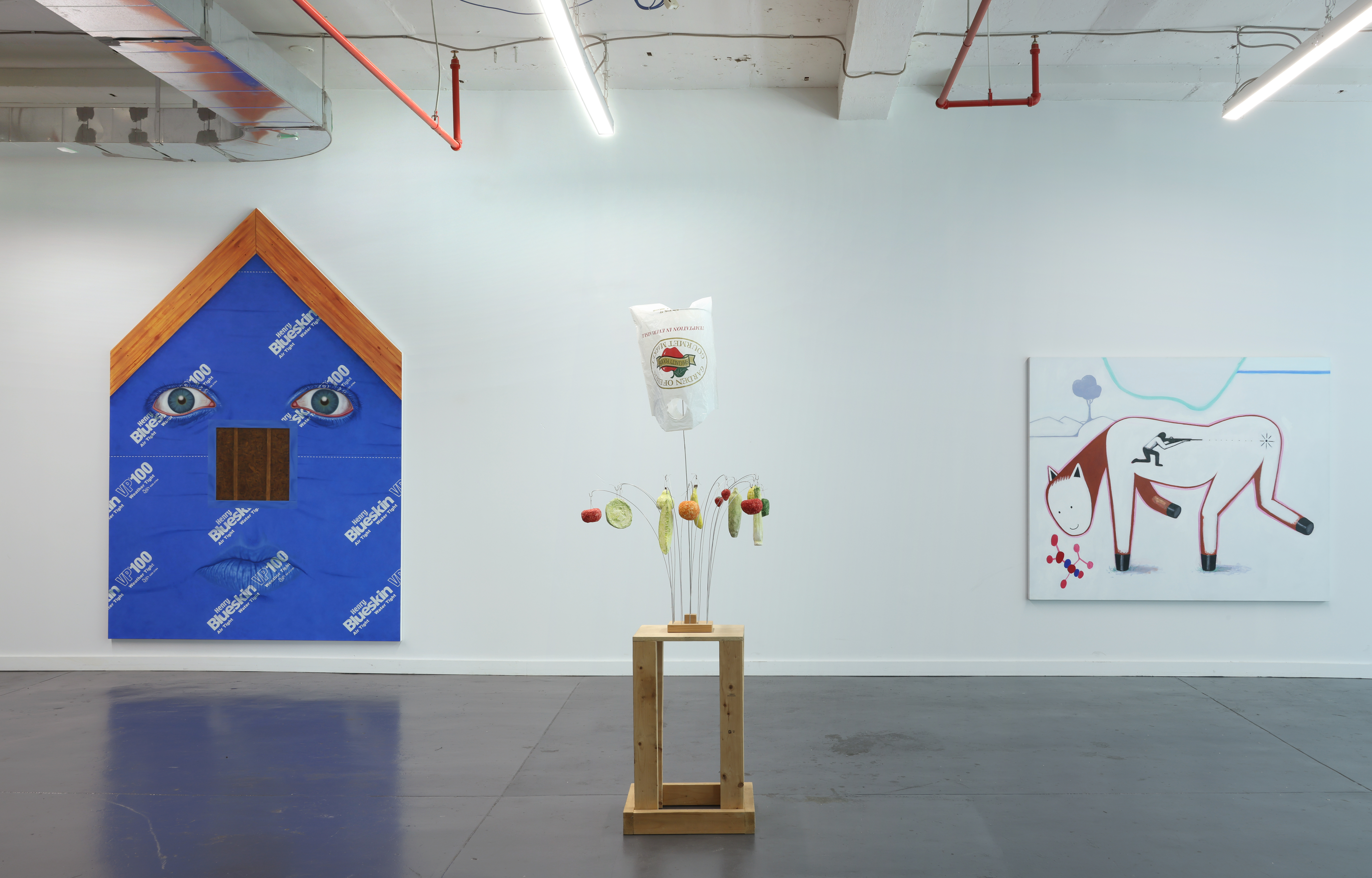
The article reviews "WeWork (oralmoral)," a temporary exhibition at The Gallery in Crown Heights, Brooklyn, curated by artist-turned-curator Florian Meisenberg. The show transforms a former office space into a free-form, non-hierarchical environment where works by over a dozen artists are placed unpredictably—in trash bins, closets, ventilation shafts, and on whiteboards left by the previous tenant. Artists span three generations, from Post-Minimal figures like B. Wurtz and David Humphrey to younger digital-savvy artists such as Lucas Blalock and Anna K.E., whose sound piece "Tamada" greets visitors. The exhibition runs from April 10 to May 18, 2026.

Comment | Turner gets all the kudos, but it was Constable who was the truly radical painter

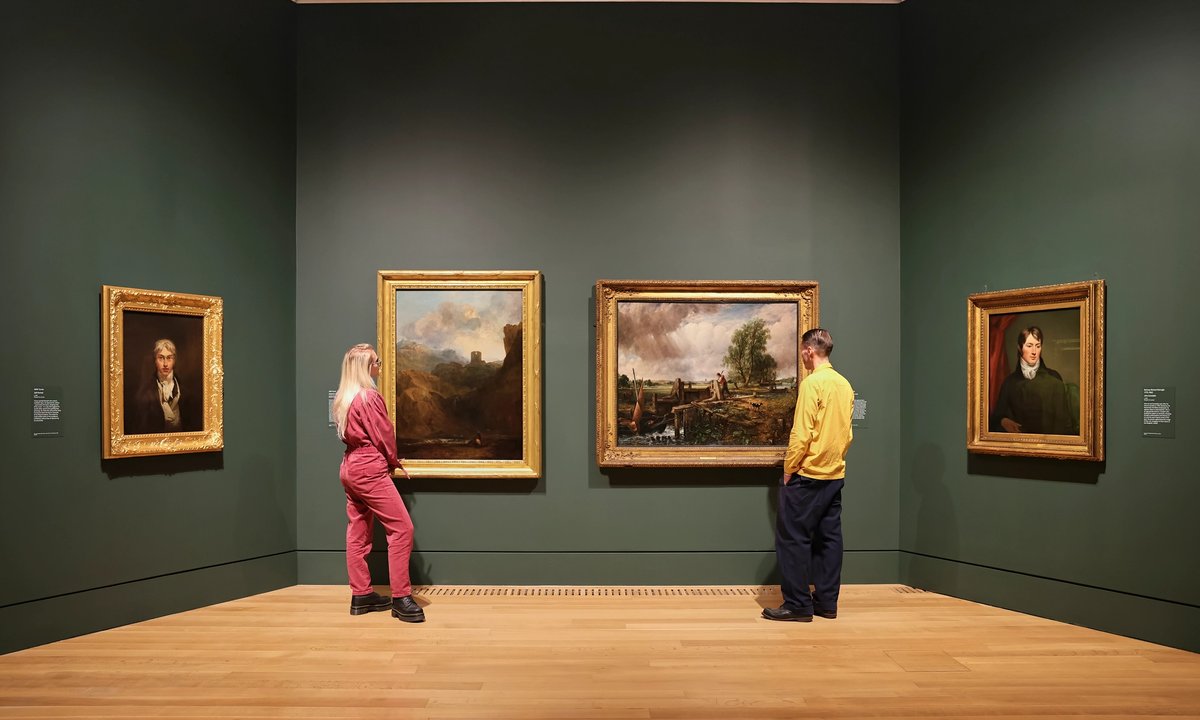
A commentary argues that John Constable, not J.M.W. Turner, was the truly radical painter, despite Turner receiving far greater public recognition through a museum, a prize, and a place on the £20 note. The article highlights a new exhibition, "Turner and Constable," opening at Tate Britain (until 12 April 2026), which recreates their 1831 Royal Academy display and contrasts Constable's English pastoral scenes with Turner's dramatic, un-British visions. It contends that Constable's full-size oil sketches, such as those at the Victoria and Albert Museum, had a deeper and more lasting effect on modern painting than Turner's work.