filter_list Showing 37 results for "Generations" close Clear
search
dashboard All 461 museum exhibitions 242candle obituary 66article local 42article culture 37article news 23trending_up market 20person people 14article policy 12rate_review review 3gavel restitution 2
date_range Range Today This Week This Month All
Subscribe

alejandro jodorowsky taschen art sin fin monograph

Taschen has released a monumental two-volume monograph titled "Art Sin Fin" (2026) dedicated to the 96-year-old Chilean filmmaker and polymath Alejandro Jodorowsky. The book, priced at $1,500 and packaged in a Plexiglass box, spans over 2,000 pages and includes film stills, collages, drawings, photographs, comic strips, and performance images curated by Jodorowsky himself in collaboration with Donatien Grau, head of contemporary programs at the Louvre Museum. It covers his entire career, from his surrealist films "El Topo" (1970) and "The Holy Mountain" (1973) to his failed "Dune" adaptation, his comic series like "The Incal" and "The Metabarons," his psychomagic therapy practice, and recent collaborations with his wife Pascale Montandon.

remembering robert grosvenor paula cooper

The article is a personal remembrance of artist Robert Grosvenor, written by a former student who encountered him as a visiting speaker at the Rhode Island School of Design in 1978. It recounts the profound impact Grosvenor's work and teaching had on the author's own artistic practice, describing his use of ordinary materials, his sculptural innovations like the cantilever and "hover," and his influence on her approach to art-making. The piece also references Grosvenor's 2025 exhibition at Paula Cooper Gallery and his earlier commission at Storm King Art Center.

Can Art Feel?

Hyperallergic's newsletter explores the question of whether artworks can possess personhood, drawing on Lisa Siraganian's essay that references the 2010 Citizens United Supreme Court decision and Pierre Huyghe's uncanny human statues. Other featured pieces include Ed Simon's review of Elizabeth Goldring's new book on Hans Holbein the Younger, Michael Glover's introduction to George Stubbs's equine portraits at the National Gallery in London, and news of a historic $116M gift to the National Gallery of Art for an artwork lending program. The newsletter also covers Byron Kim's exhibition at James Cohan Gallery, the new V&A East museum in London, and obituaries for Desmond Morris, James Hayward, and Flo Oy Wong.

the artists way julia cameron interview

Artnet News published an interview with Julia Cameron, author of the bestselling creativity guide *The Artist's Way*, originally released in 1992. Cameron discusses the origins of her 12-week program for overcoming artistic blocks, including the famous 'Morning Pages' ritual of writing three pages of unedited text each day. She also introduces her new book *The Daily Artist's Way*, which offers a fresh approach for fans. The interview, conducted by Ben Davis, revisits how Cameron's practical, spiritually-infused techniques have become a staple for artists, musicians, and writers worldwide.

v joy simmons collection tour baldwin hills home

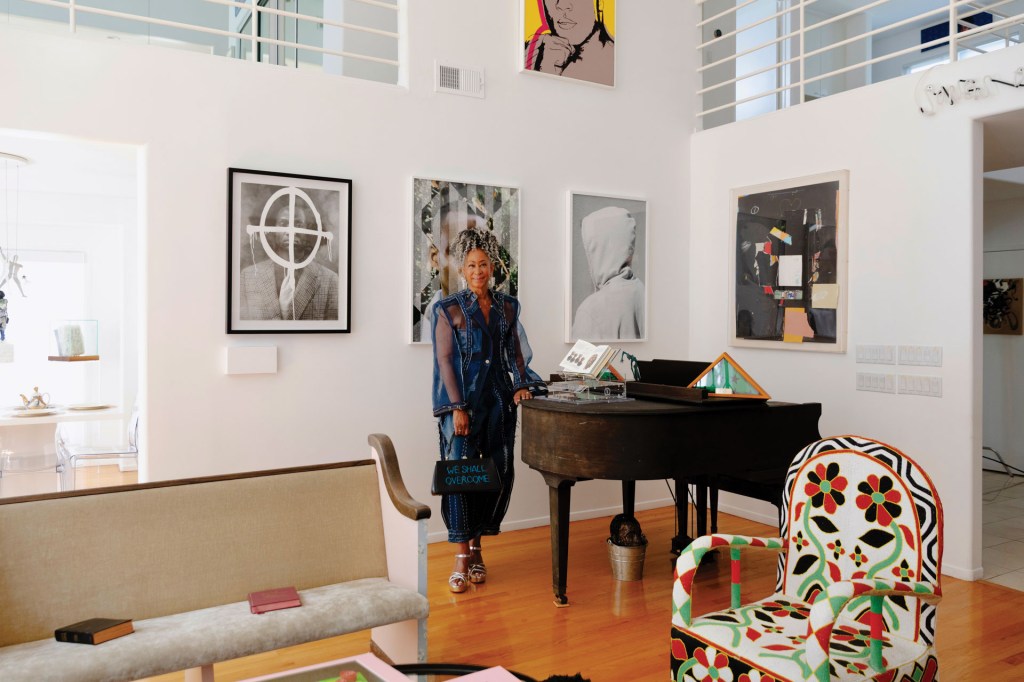
V. Joy Simmons, a Los Angeles-based physician and longtime art collector, opened her Baldwin Hills home to ARTnews for a tour of her extensive collection. The house features over 150 objects, including stained-glass windows by Varnette Honeywood and Joyce Dudnick, a site-specific column installation by Lauren Halsey, and works by Elizabeth Catlett, Romare Bearden, Kerry James Marshall, Mark Bradford, Kehinde Wiley, and Carrie Mae Weems, among many others. Simmons began collecting in the 1970s with a $50 lithograph by Catlett and has since built a collection that spans generations of Black artists, often juxtaposing older and younger artists in her displays.

A brush with… Christopher Wool—podcast

This episode of "A brush with…" podcast features an in-depth conversation with artist Christopher Wool, who discusses his career spanning painting, photography, and sculpture. Wool reflects on early influences including the Art Ensemble of Chicago, Dan Flavin, Jean-Michel Basquiat, Dieter Roth, and Toni Morrison's novel *The Bluest Eye*, which inspired one of his text paintings. He also explains the title of his recent exhibition "See Stop Run" and how jazz has consistently inspired his work. The podcast is sponsored by Bloomberg Connects, which highlights museums that have shown Wool's work, including the Guggenheim, MoCA Los Angeles, and SFMOMA.

frida kahlo commercialization too far

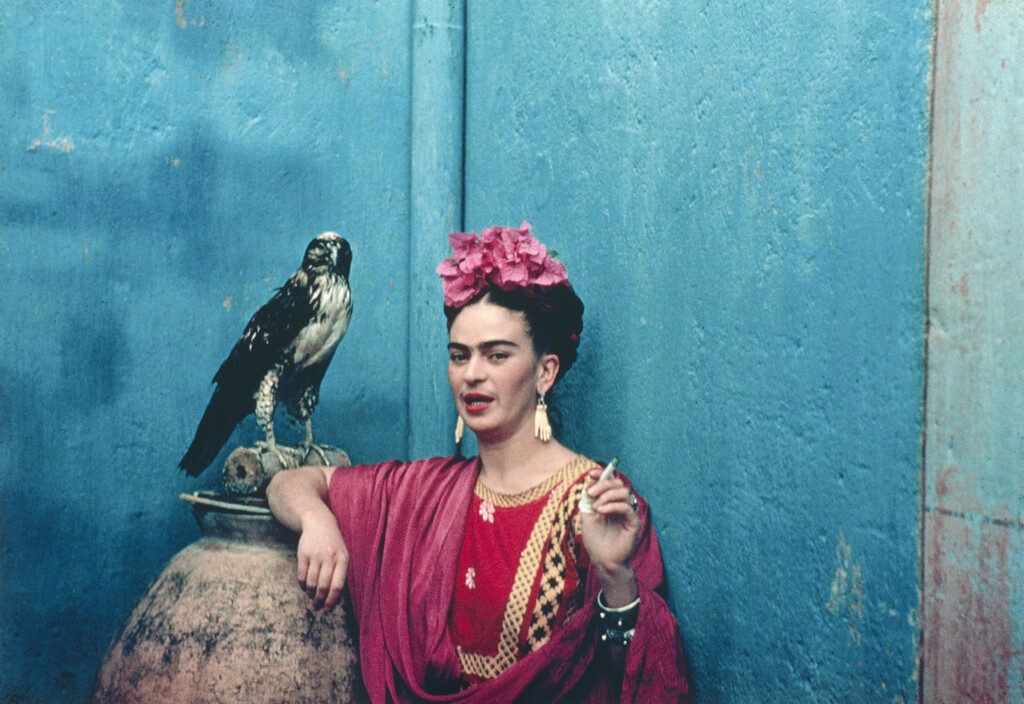
Frida Kahlo’s descendants are expressing growing concern over the hyper-commercialization of the artist’s image, which has expanded from museum walls to coffee mugs, dolls, and even a luxury apartment complex in Miami. Cristina Kahlo, the artist’s great-niece, warns that the proliferation of licensed merchandise by the Frida Kahlo Corporation (FKC) often distorts Kahlo’s legacy, reducing a complex painter to a shallow pop-culture brand. This family tension highlights a rift between those profiting from the trademark and those who believe the artist's historical significance is being eclipsed by 'Fridamania.'

the push to preserve nina simones childhood home just got a 6 million boost thanks to venus williams and adam pendleton

The childhood home of legendary singer and activist Nina Simone in Tryon, North Carolina, has been fully restored after nine years of effort by an artist coalition led by Adam Pendleton, alongside Julie Mehretu, Rashid Johnson, and Ellen Gallagher. The restoration, completed with a $6 million boost from a charity auction and gala co-hosted by tennis star Venus Williams and Pace Gallery, preserved the 650-square-foot clapboard house to its 1933–1937 condition, including historically accurate materials, an ADA ramp, geothermal climate control, and a century-old magnolia tree named “Sweetie Mae.” The African American Cultural Heritage Action Fund announced the completion, and the property remains closed to the public while community programming and ethical cultural tourism are being planned.

rosalia lux patti smith la yugular

Rosalía's fourth studio album, *LUX*, features a recording of Patti Smith from a 1976 interview on the closing track "La Yugular." The article describes Rosalía's admiration for Smith, recounting a meeting where Smith complimented her dress and discussed the song. Smith's influence is highlighted through her music, memoir *Just Kids*, and her artistic practice in photography and mixed media, including her first solo exhibition at the Wadsworth Atheneum Museum of Art in 2011. Smith also recently released a new memoir, *Bread of Angels*.

eva hesse documentary

A comprehensive new documentary on Eva Hesse, the innovative 1960s artist, will premiere in New York in April. Directed by Marcie Begleiter, the film explores Hesse's life as a German-born American who fled Nazi Germany, her difficult childhood as an immigrant, and her rise in New York's art scene. It features interviews with artists like Robert Mangold and examines her pioneering use of materials such as plastic, latex, and fiberglass. Hesse's career was cut short when she died of a brain tumor at age 34 in 1970, but her legacy has grown through posthumous retrospectives at major museums.

How taboo-breaker Robert Crumb’s surreal cartoons mock an absurd world—and himself

A new biography, *Crumb: A Cartoonist's Life* by Dan Nadel, examines the life and work of Robert Crumb, the taboo-breaking underground cartoonist who rose to fame in the 1960s with surreal, satirical comics like *Head Comix*. The book details Crumb's troubled family history, his early career at American Greetings, and his creation of iconic characters such as Fritz the Cat and the Keep On Truckin' images, while also addressing persistent criticisms of sexism and racism in his work.

Sur Arte Radio et dans une expo, l’enquête d’Adrianna Wallis sur les traces de sa grand-mère peintre spoliée par les nazis

Artist Adrianna Wallis (born 1981) discovers that her paternal grandmother, painter Diane Esmond (1910–1981), was a victim of Nazi looting during World War II. After being contacted by historians Patricia Helletzgruber and Sophie Juliard, Wallis learns that much of Esmond's work was systematically destroyed by the ERR, the Nazi organization responsible for art theft in occupied countries. This revelation sparks a personal investigation that becomes a podcast for Arte Radio titled "Il restera la gravité," blending documentary, autobiographical inquiry, and sound installation. Wallis delves into archives, examining microfilms and lists that detail 46 of Esmond's paintings—each methodically described and declared destroyed, such as "Woman in blue evening dress: annihilated."

Don't Go to the Museum with Children Without These 10 Tips!

N’allez plus au musée avec des enfants sans ces 10 astuces !

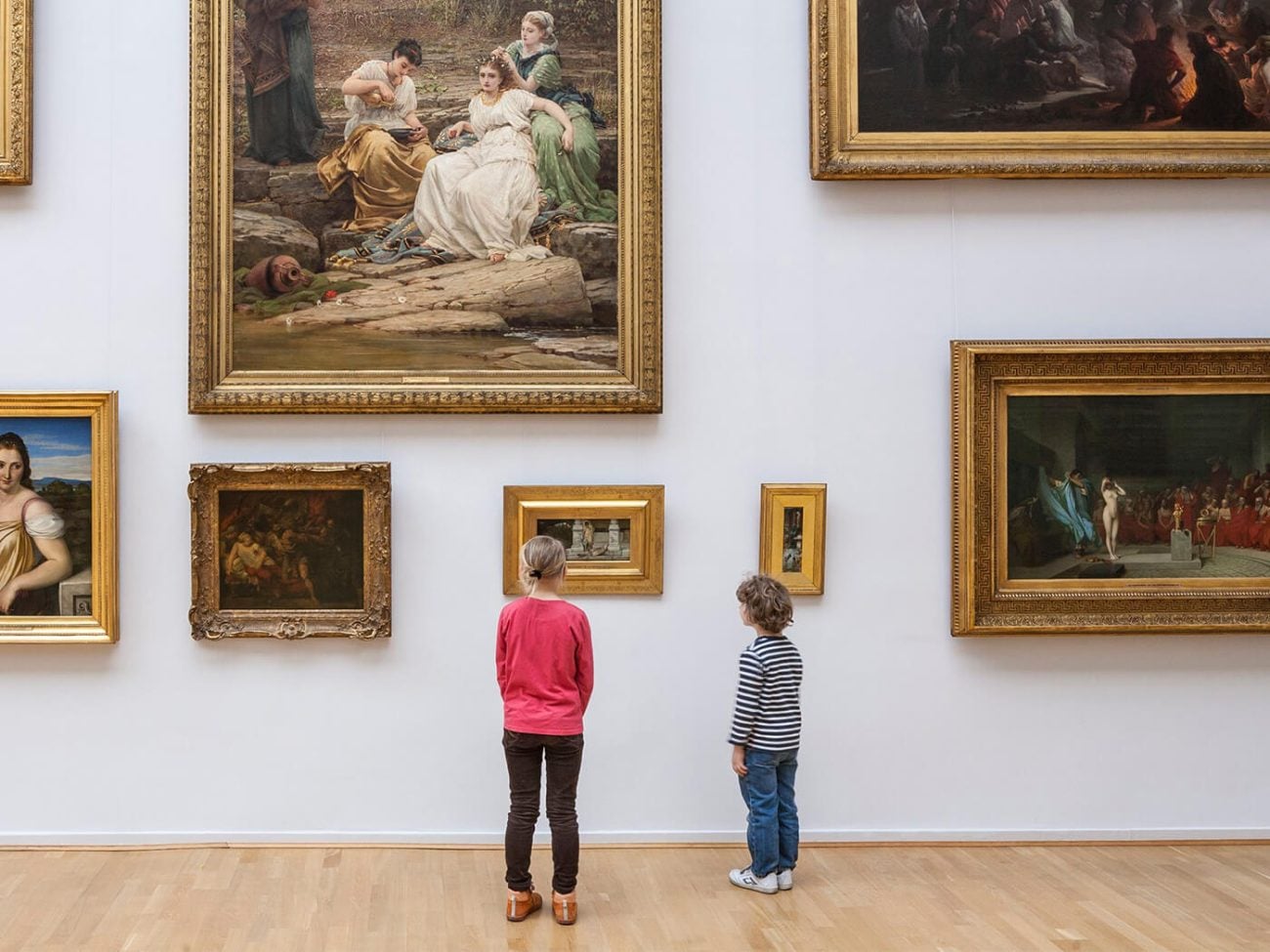
Beaux Arts Magazine offers ten practical tips for making museum visits with children more enjoyable and less stressful. The advice, provided by Marion Charneau of the Louvre-Lens, includes practical preparation like checking hours and packing snacks, as well as strategic approaches such as keeping visits short, choosing morning hours, and turning the experience into a game with visual challenges.

laocoon vatican michelangelo forgery

On January 14, 1506, Florentine architect Giuliano da Sangallo and Michelangelo Buonarroti witnessed the excavation of the Laocoön Group, a monumental ancient marble statue unearthed in a Roman vineyard. The sculpture, depicting the Trojan priest Laocoön and his sons battling serpents, was quickly acquired by Pope Julius II and installed in the Vatican, where it remains today at the Museo Pio-Clementino. However, art historian Lynn Catterson controversially proposed in 2005 that the statue is not an ancient artifact but a forgery created by Michelangelo himself, citing evidence such as a drawing of a torso resembling the statue's back, bank records of Michelangelo's marble purchases, and his history of producing forgeries like the lost Sleeping Cupid.

marsha p johnson biography art tourmaline tiny reparations

This excerpt from Tourmaline's forthcoming book "Marsha: the Joy and Defiance of Marsha P. Johnson" (Tiny Reparations, May 20) focuses on Marsha P. Johnson's use of hand-sewn banners and textile art as tools of activism and joy within the gay liberation movement. It describes her creation of banners reading "GAY POOOR PEOPLE" and "Gay Love," the latter borrowed by the Hot Peaches theater troupe, and her broader artistic practice spanning acting, performance, fashion, and songwriting. The text also notes artist Tuesday Smilie's 2018 recreation of Johnson's STAR banner for an exhibit at the Rose Art Museum.

art robert crumb george dicaprio david zwirner

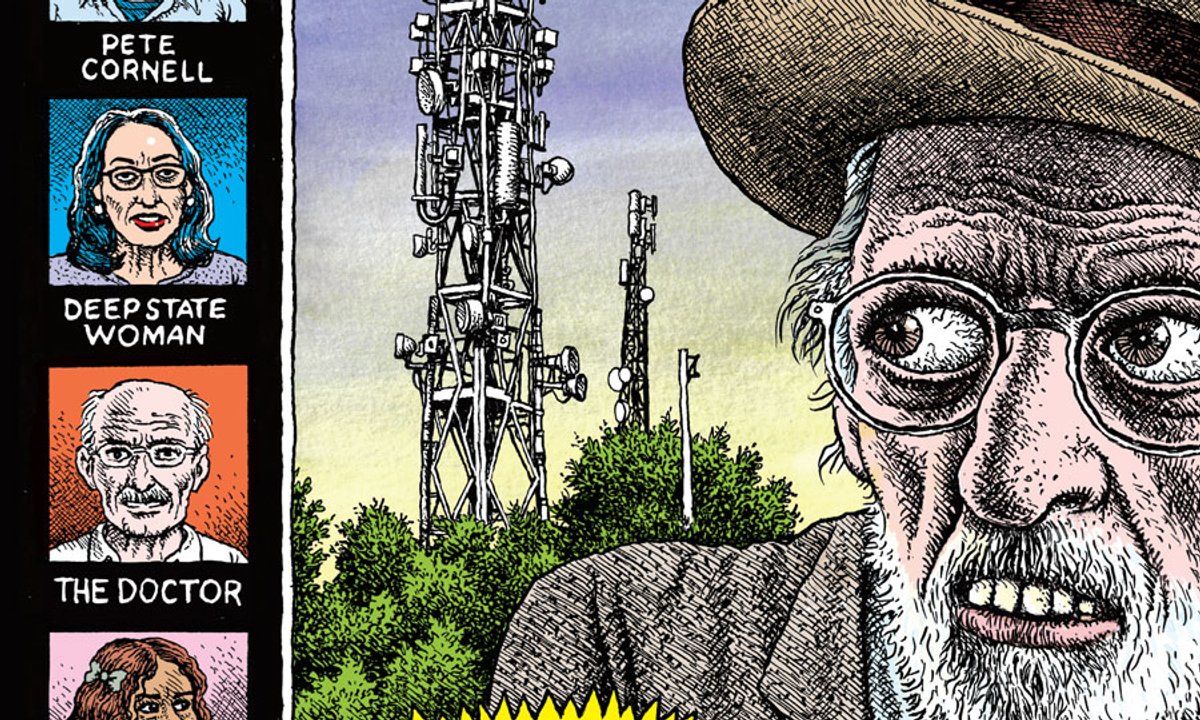
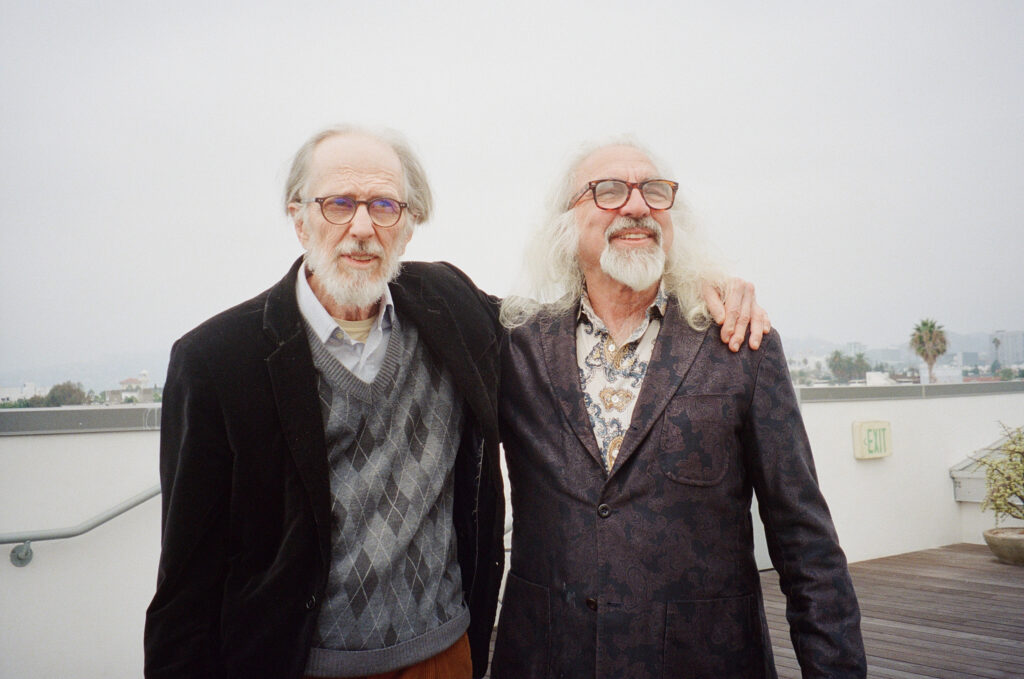
Robert Crumb and George DiCaprio, two figures from the 1970s underground comics scene, reunite for a conversation moderated by cartoonist Sammy Harkham on the rooftop of David Zwirner in Los Angeles. The discussion, published in Cultured, traces their serendipitous meeting in New York—DiCaprio offered his illegal loft to Crumb's band—and DiCaprio's subsequent move to Los Angeles after Crumb recommended him for an animation job on Ralph Bakshi's film *Heavy Traffic*. The interview coincides with the release of Crumb's first solo comic in 23 years, *Tales of Paranoia* (2025), published by Fantagraphics, and an exhibition of his new drawings and prints at David Zwirner, on view through January 10. Topics range from conspiracy theories and the economics of comics to DiCaprio's collection of underground art, including a letter from cartoonist Vaughn Bode to his unborn son Leonardo DiCaprio.

In plane sight: how the gilded elite live – in pictures

Photographer Will Vogt's second monograph, *Behind the Hedges*, offers an intimate glimpse into the lives of America's gilded elite, featuring images of his own social circle at hunting estates, weddings, exclusive club lunches, and golf weekends. The book, published by Schilt Publishing, includes quotes by Vogt and text by editor Jennifer Garza-Cuen from her essay 'Posture of Privilege,' capturing a world of inherited wealth and tradition.

Unlike Josh Kline, I Choose New York

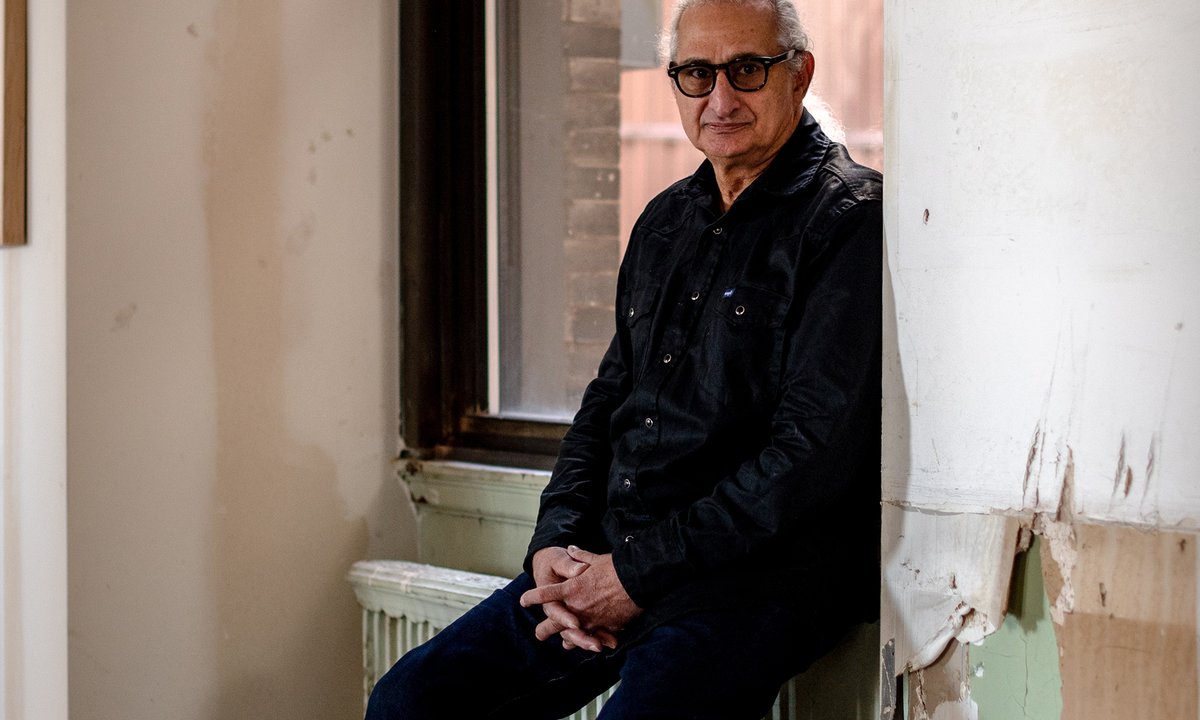
Artist Josh Kline’s recent essay on the devastating impact of New York City’s real estate market on the arts has sparked a heated debate regarding the city's future as a creative hub. While Kline argues that the 'polycrisis' of high rents and student debt is stifling artists born after 1975, this response critiques his generational focus, suggesting that the struggle for affordability is a structural issue affecting artists of all ages, particularly those from marginalized backgrounds who have faced these barriers for decades.

reframing the frame

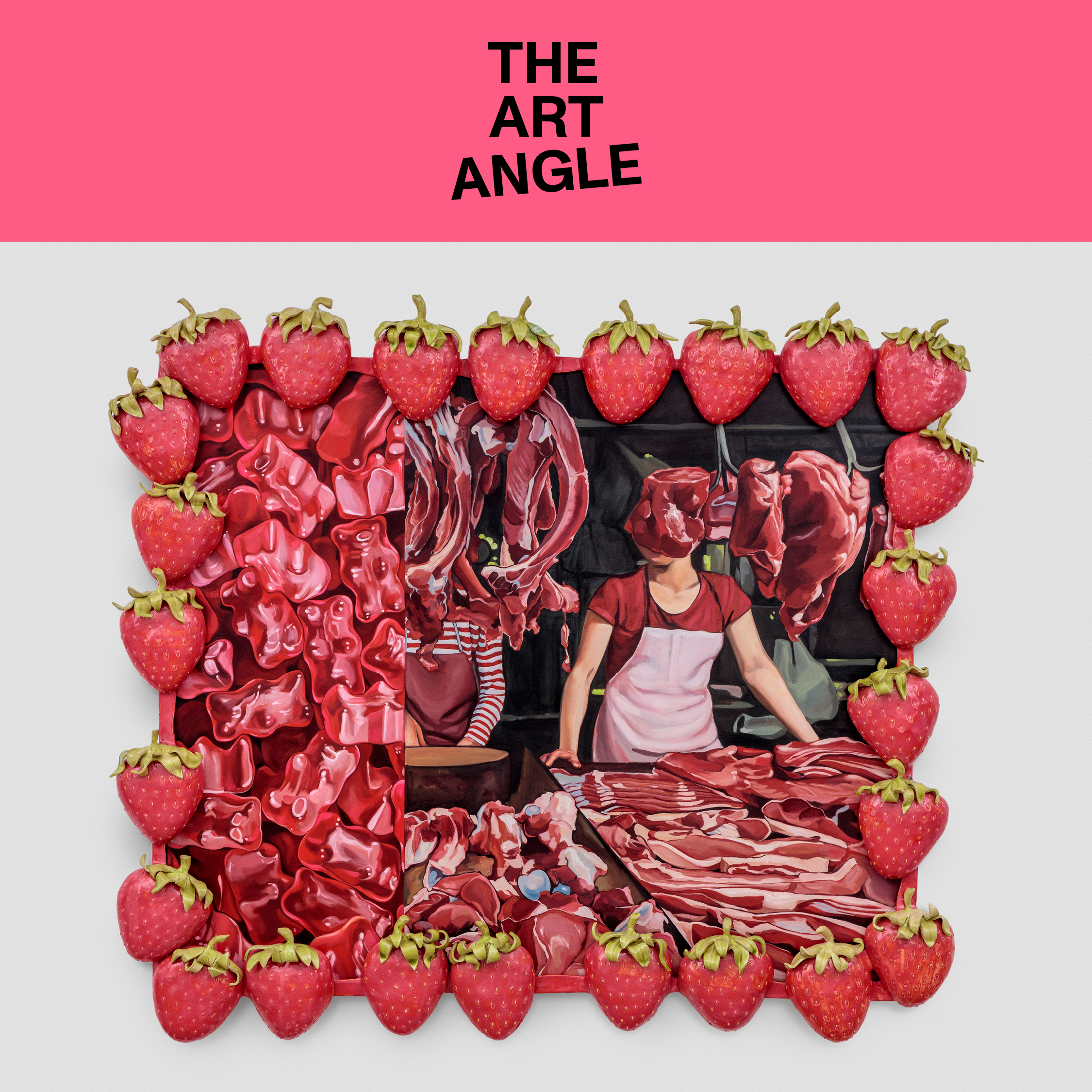
Artnet News revisits the trend of inventive, sculptural frames in contemporary painting, originally explored in Katie White's essay "Bordercore." The article features a podcast conversation between White and editor Ben Davis, examining how artists like Stephanie Temma Hier use frames as surreal, symbolic extensions of their work, moving beyond traditional containment to comment on and disrupt the artwork's boundaries.

georges seurat a sunday on la grande jatte why so important 2

Georges Seurat's Post-Impressionist masterpiece, *A Sunday on La Grande Jatte* (1884–86), is analyzed in depth for its revolutionary technique and historical context. The painting depicts weekend day-trippers in a Parisian park, employing pointillism—which Seurat called divisionism or *peinture optique*—to fix modern life in a chromatic eternity. Influenced by his academic training under Henri Lehmann (a student of Ingres) and Michel Eugène Chevreul's color theory, Seurat used tiny dots of color that blend in the viewer's eye, merging science with art. The work was preceded by *Bathers at Asnières* (1884), which shares the same landscape and thematic concerns, together portraying both sides of the Seine.

the art angle art frames

Artnet News published a podcast episode featuring writer and editor Katie White, who discusses her article "Bordercore: Why Frames Became the New Frontier in Contemporary Art." White explores how contemporary artists are reimagining picture frames as surreal, sculptural, and symbolic elements that actively comment on, disrupt, or extend the artwork beyond its traditional boundaries. She cites examples like Stephanie Temma Hier's 2021 work "Sparks and Tremors," which combines oil on linen with glazed stoneware sculpture, and notes that statement frames are increasingly appearing at art fairs and exhibitions after a long period of frameless display.

art martin parr maya golyshkina

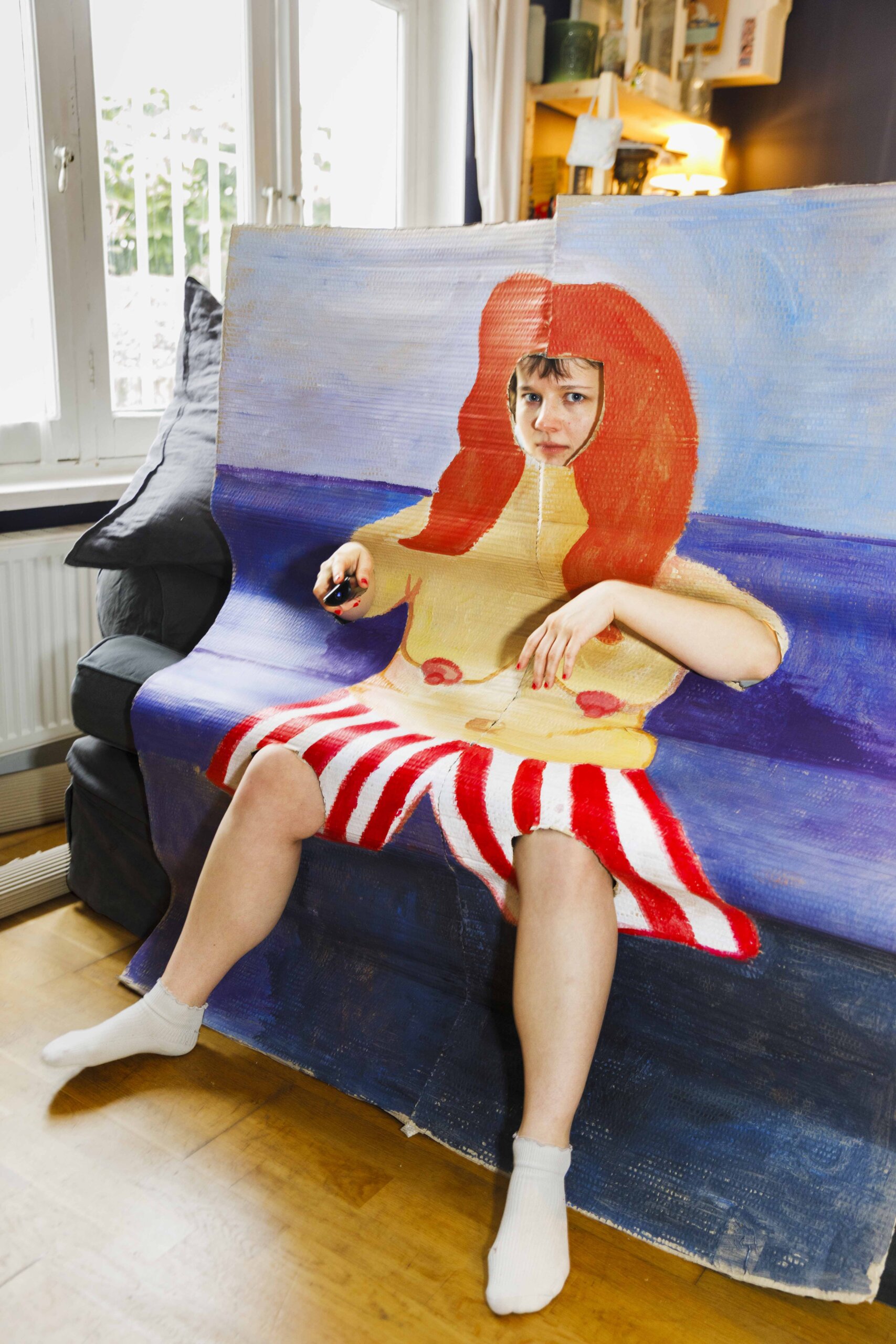
Photographer Martin Parr, 73, visited 24-year-old Moscow-born artist Maya Golyshkina at her London home for a collaborative shoot and interview published by Cultured. The two, who both began photography before age 16, discussed playfulness in their work, non-traditional materials like cardboard and household objects, and the role of social media in their careers. Golyshkina showed Parr her wearable cardboard creations, and the conversation ranged from Parr’s decades-long career documenting human banality to Golyshkina’s viral crying videos and her rise from posting self-portraits on Instagram to collaborating with luxury fashion houses.

Artists agonise over when a work is finished—but should we viewers care?

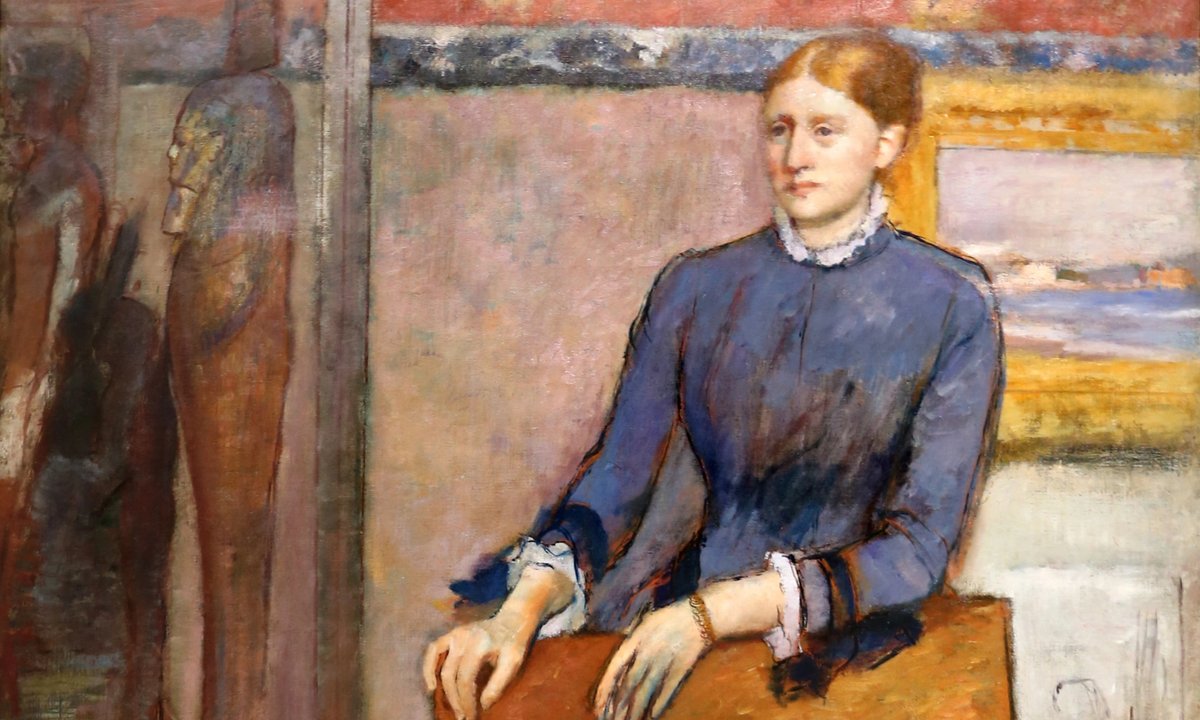
The article explores the perennial struggle artists face in determining when a work is complete, a process often fraught with the risk of overworking or 'wrecking' a piece. Drawing on insights from Howard Hodgkin and David Sylvester, it examines how artists like Degas, Matisse, and Cézanne navigated the boundary between a finished object and a work-in-progress, sometimes intentionally leaving canvases 'open' or 'fragmentarily complete' to preserve their emotional and visual immediacy.

john gachot shelter island studio

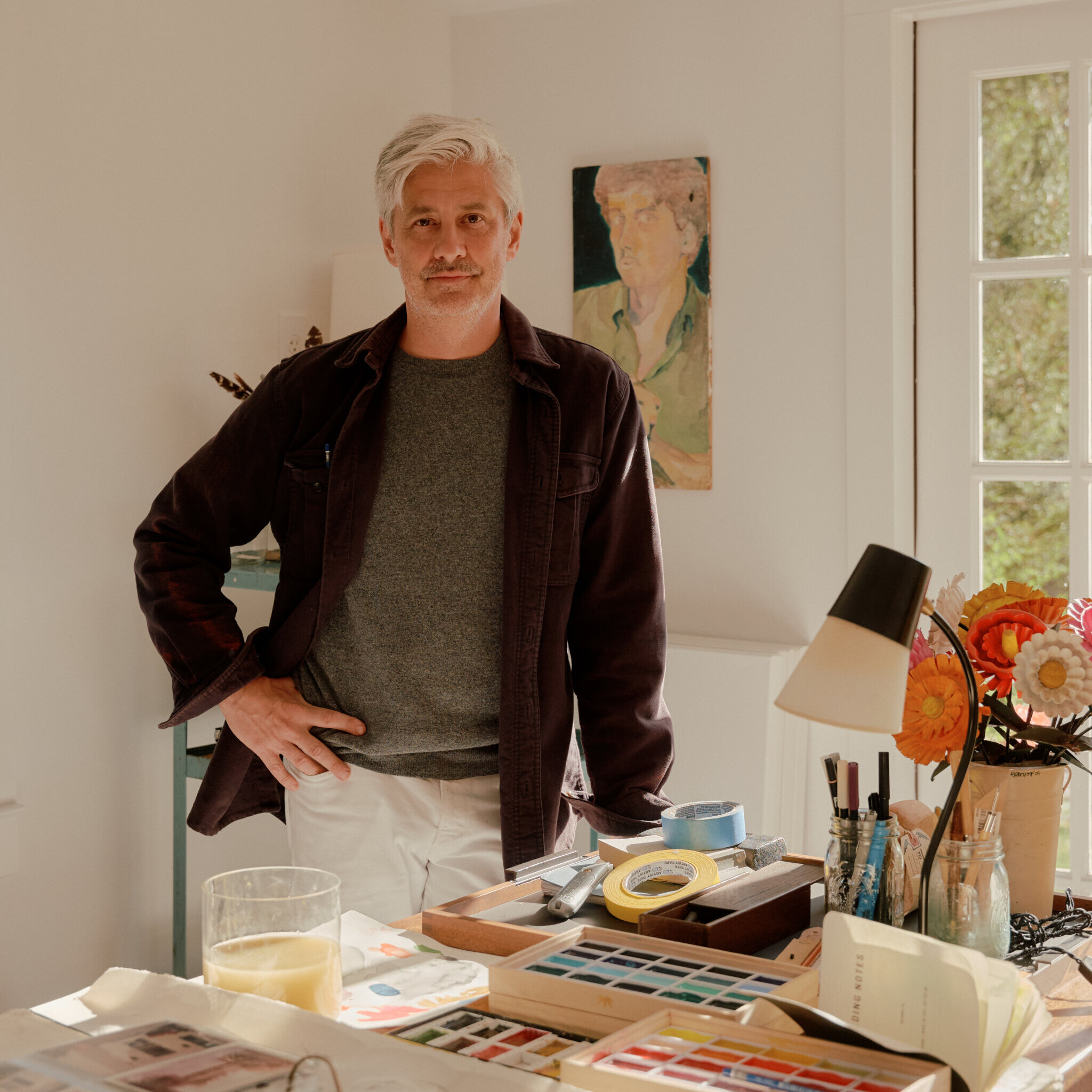
John Gachot, a Manhattan-based designer, has transformed a shed on his Shelter Island property into a studio where he can finally pursue drawing and painting after decades of relegating his practice to notebooks and bar napkins. The space also houses sculptures by his late father, Richard Gachot, an artist who worked out of an ice house on the family's Long Island estate and created animated, politically charged works. The article, structured as an interview, explores how the shed became a creative sanctuary for John and a continuation of his father's artistic legacy.

An English Countryside Home That Became Lovelier the More It Fell Apart

The article profiles the unique aesthetic and historical significance of Kettle's Yard, a house in Cambridge, England, created by Jim Ede. Ede, a former Tate curator, transformed a series of dilapidated cottages into a living work of art and a haven for modern artists in the mid-20th century. He filled the space with a carefully arranged collection of modern art, natural objects, and furniture, embracing the building's worn, imperfect character rather than restoring it to pristine condition.

The Finale Cut: Lucio Fontana e la sua arte al cinema

A new documentary titled "The Final Cut" explores the life and artistic journey of Lucio Fontana, the Italian-Argentine artist famous for his slashed canvases (Concetti Spaziali). Produced by Good Day Films and Nexo Studios, directed by Andrea Bettinetti and narrated by Miriam Leone, the film will screen in Italian cinemas on May 25–27 as part of the "La Grande Arte al Cinema" season. It features archival footage, interviews with artists such as Doug Wheeler, Antony Gormley, Carsten Höller, Alfredo Jaar, Michelangelo Pistoletto, Heinz Mack, and scholars Luca Massimo Barbero and Daniela Alejandra Sbaraglia, highlighting Fontana's revolutionary approach and his first immersive installation, "Ambiente Spaziale a luce nera" (1949).

How Native American Artists Redefined Contemporary Art in the United States

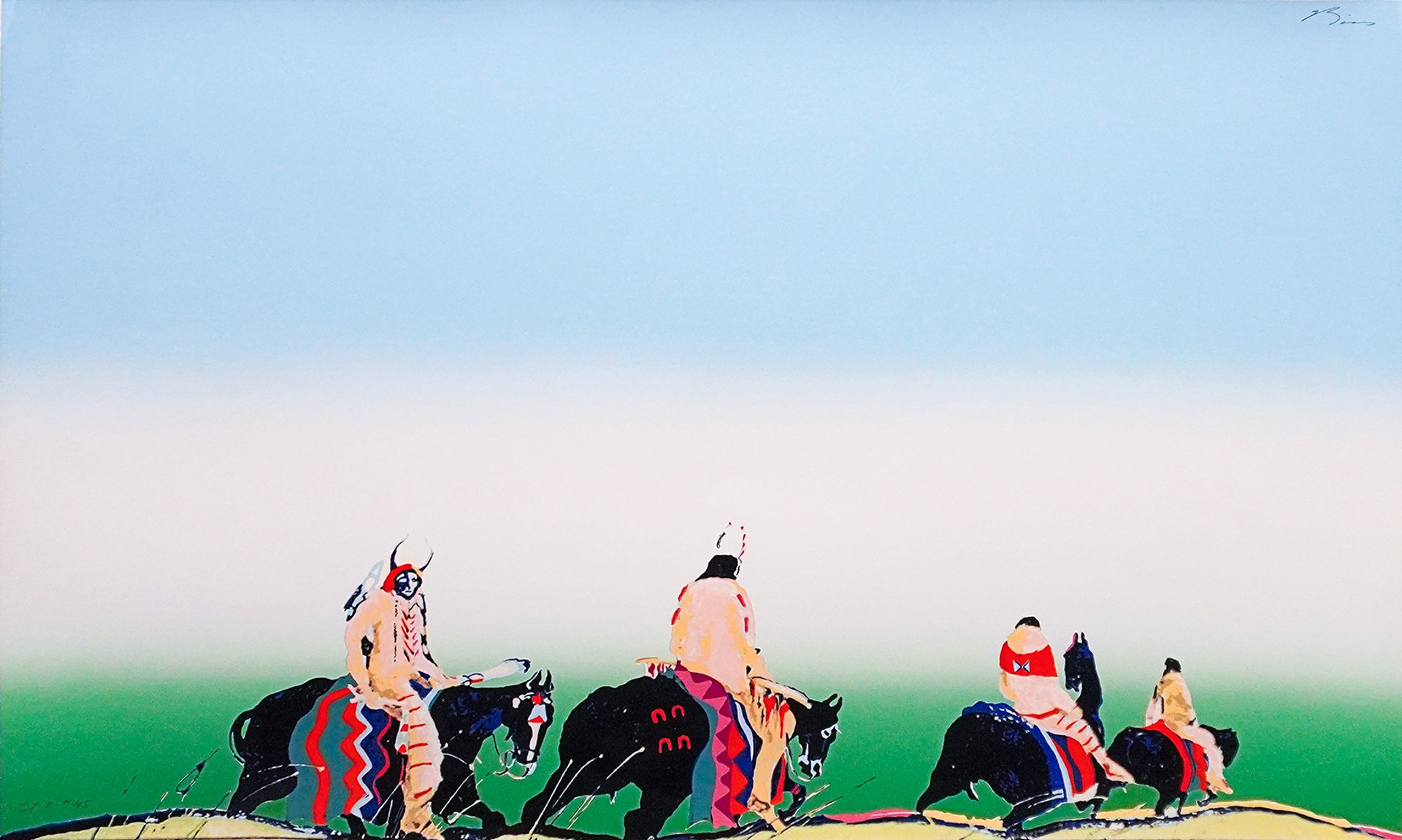
A generation of Native American artists, emerging from the Institute of American Indian Arts (IAIA) in Santa Fe from the 1960s onward, reclaimed Indigenous representation in American art. Figures like Fritz Scholder, T.C. Cannon, Kevin Red Star, and Earl Biss used modernism, irony, and cultural specificity to dismantle colonial stereotypes of Native peoples as romanticized relics, instead portraying them as contemporary individuals with agency and living traditions.

Euan Uglow monograph offers a fresh perspective through memoirs, papers and contributions

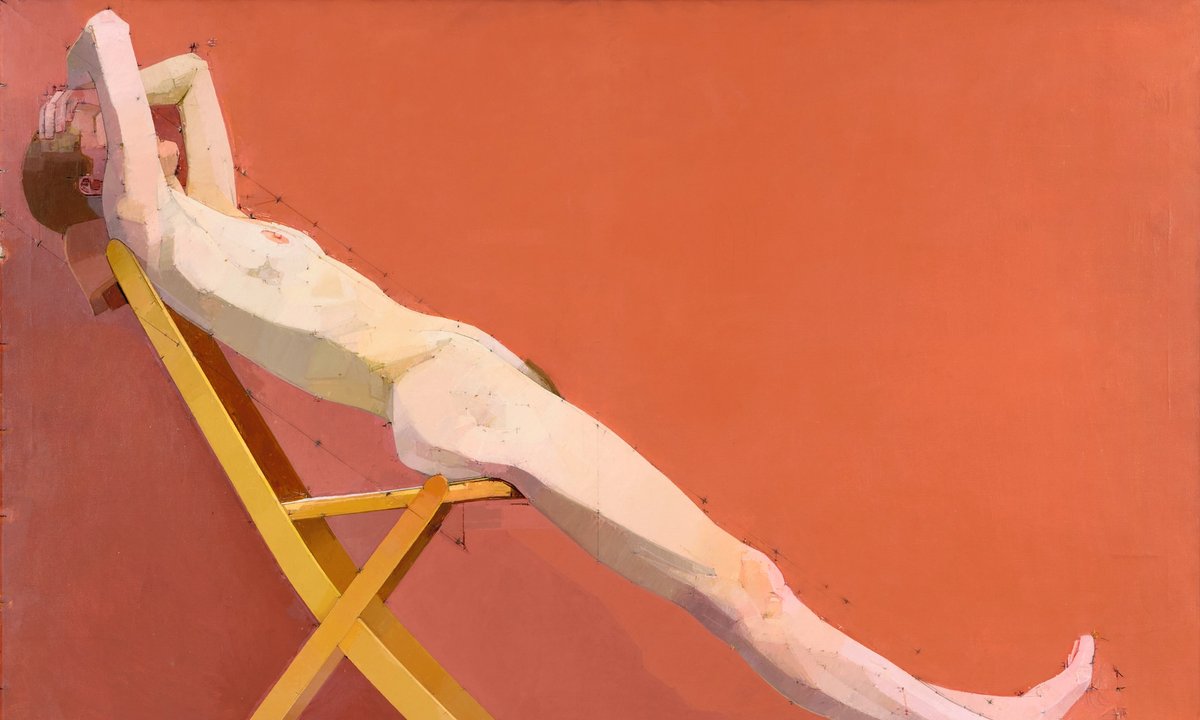
Andrew Lambirth's new book, *The Uglow Papers*, takes an unconventional approach to the monograph on British painter Euan Uglow (1932-2000). Instead of a traditional narrative, Lambirth compiles around 30 personal memoirs, papers, and contributions from friends, students, and colleagues—gathered through interviews, phone calls, emails, and letters. These firsthand accounts, paired with a concise introduction and a glossary of names, offer intimate recollections of Uglow's rigorous studio practice, his teaching methods, and his social life, including details about his Sunday night open houses and shared meals. The book also traces Uglow's artistic development from his studies at Camberwell School of Arts and Crafts and the Slade School of Fine Art, through his mentorship under William Coldstream, to his own distinctive geometric and emotionally charged works like *The Diagonal* (1971-77) and *Pyramid* (1993-96).

James Turrell Is Still Following the Light

James Turrell, the renowned American artist known for his immersive light installations, continues to explore the perceptual and spiritual dimensions of light in his latest works. The article highlights his ongoing projects, including the monumental Roden Crater in Arizona, a volcanic crater transformed into a naked-eye observatory, and recent exhibitions that showcase his signature use of light as a medium. Turrell, now in his 80s, remains deeply committed to his artistic vision, pushing the boundaries of how viewers experience space and illumination.

art blunk house mariah nielson collector

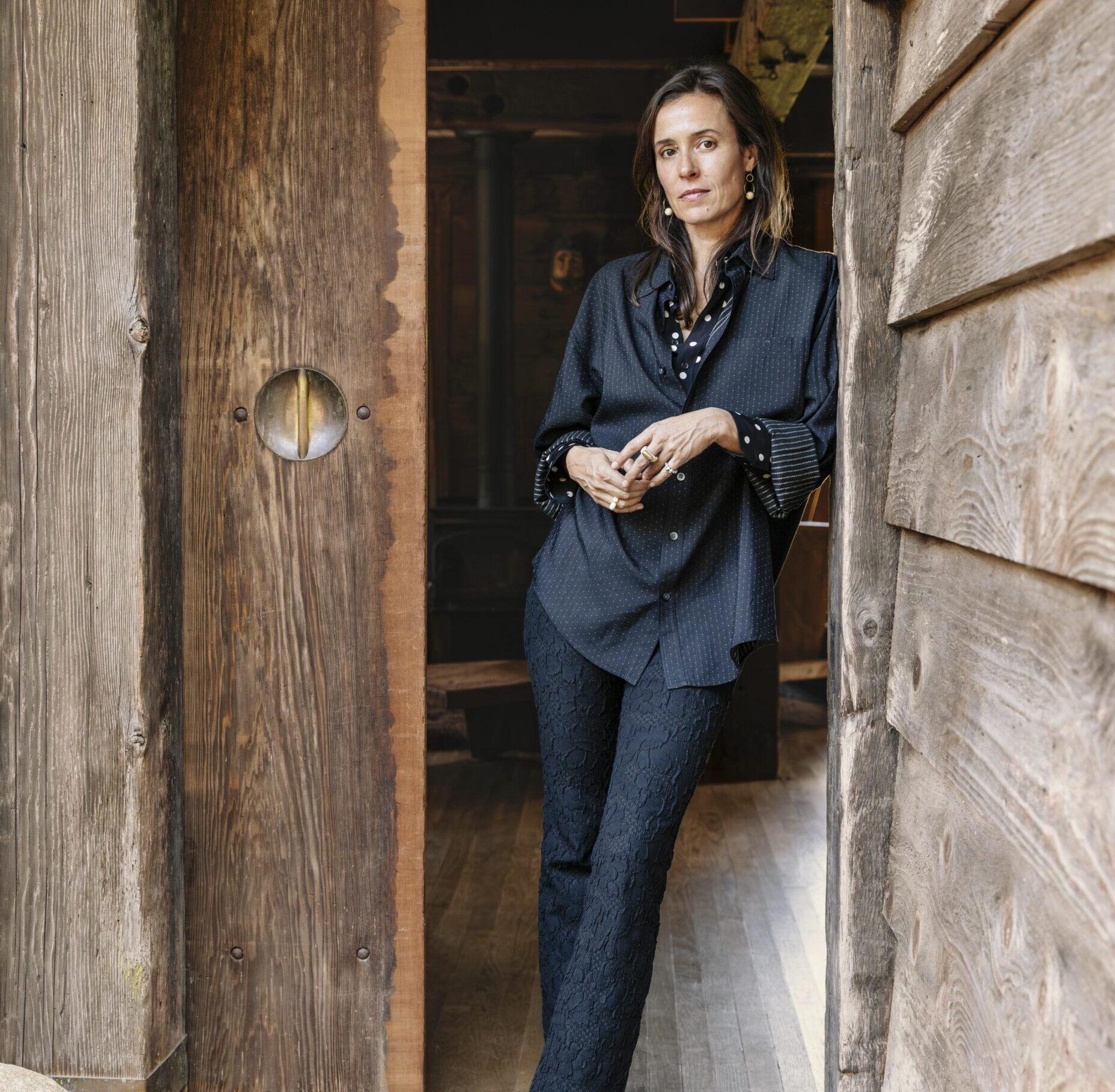
Mariah Nielson, director of the JB Blunk Estate, reflects on growing up in the Blunk House—a home built by her father, artist JB Blunk, in the 1950s from salvaged materials in Point Reyes Station, California. She describes the house as a living sculpture where art, craft, and daily life merge. Today, she runs Blunk Space, the estate's gallery, and currently presents the exhibition “100 Candleholders,” featuring works by artists connected to the Blunk legacy. Nielson shares how her father's philosophy of functional, un-precious art shapes her collecting and curatorial practice.