filter_list Showing 13 results for "Go" close Clear
dashboard All 871 museum exhibitions 472article local 183article news 65trending_up market 44article policy 26person people 26article culture 25rate_review review 13gavel restitution 7article event 5candle obituary 4article events 1
date_range Range Today This Week This Month All
Subscribe

From gunshots to gilded plates: Who are the real hooligans of the art world?

Alex Burchmore reviews 'The Hooligans,' an exhibition that explores the Maoist concept of hooliganism in the context of contemporary Chinese art. The show features works by artists like Xiao Lu, who famously fired a gun at her installation during the 1989 'China/Avant-Garde' exhibition, as well as Zhu Yu and He Yunchang, known for incorporating human body parts and surgical procedures into their art. The exhibition contrasts these transgressive acts with more market-friendly works, such as Zhu Yu's gilded plate paintings and Hu Yinping's commercial-style figurines, highlighting the tension between artistic rebellion and commercial success.
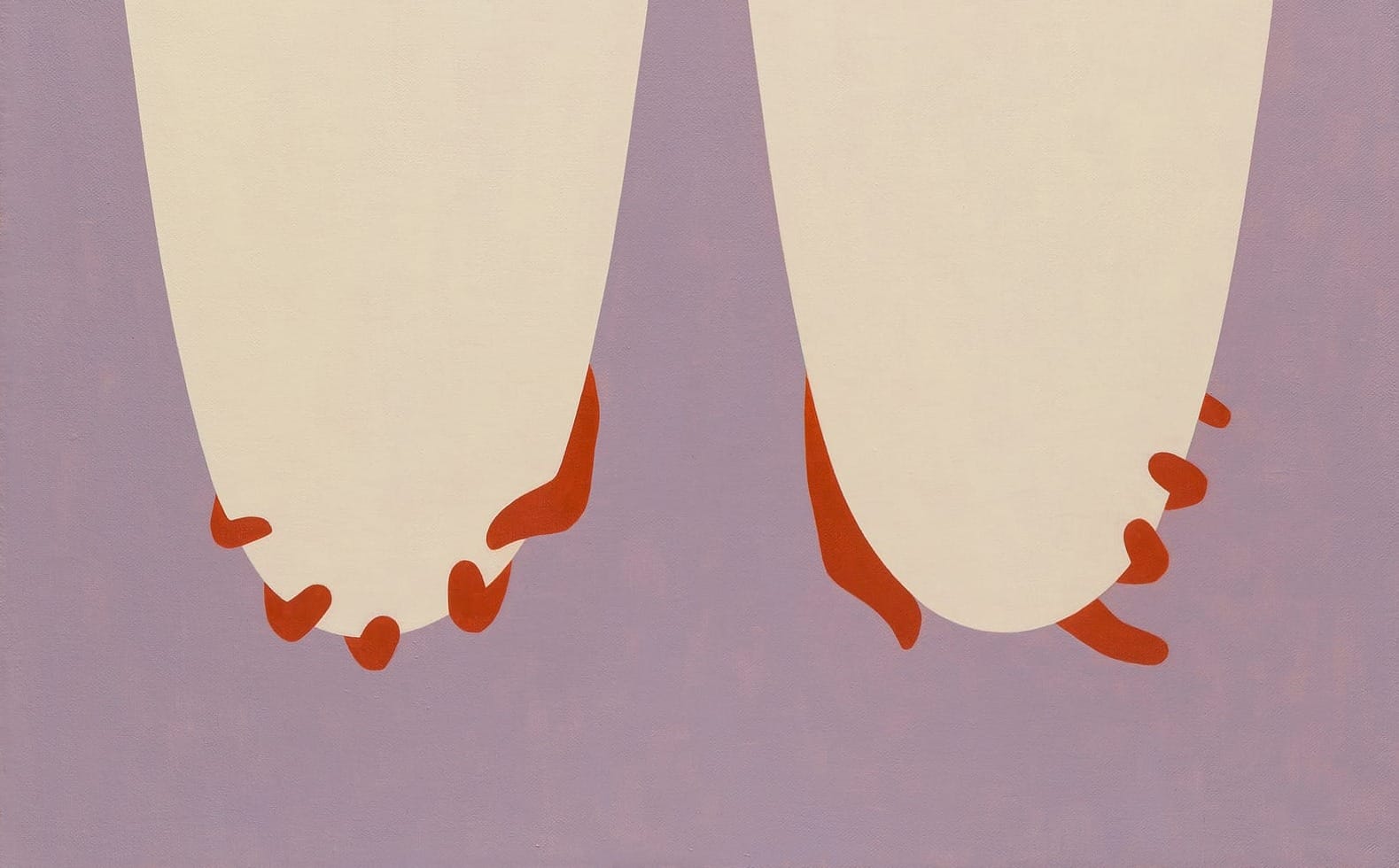
Alice Tippit’s Mischievous Erotics

Alice Tippit's solo exhibition "Rose Obsolete" at the DePaul Art Museum in Chicago features 23 small oil paintings, three murals, a neon sign, word drawings, and a series of 46 notepad drawings. The works toggle between multiple interpretations—snakes and smiles, blouses and pears, curtains and bodies—inviting viewers to see shifting forms like a psychological test. Tippit, born in 1975 near Kansas City and based in Chicago since 2006, paints each oil work in a single day without tape, achieving sharp edges and subtle layering that reward close looking.

Mark Milroy Sees, Remembers, and Imagines at Once

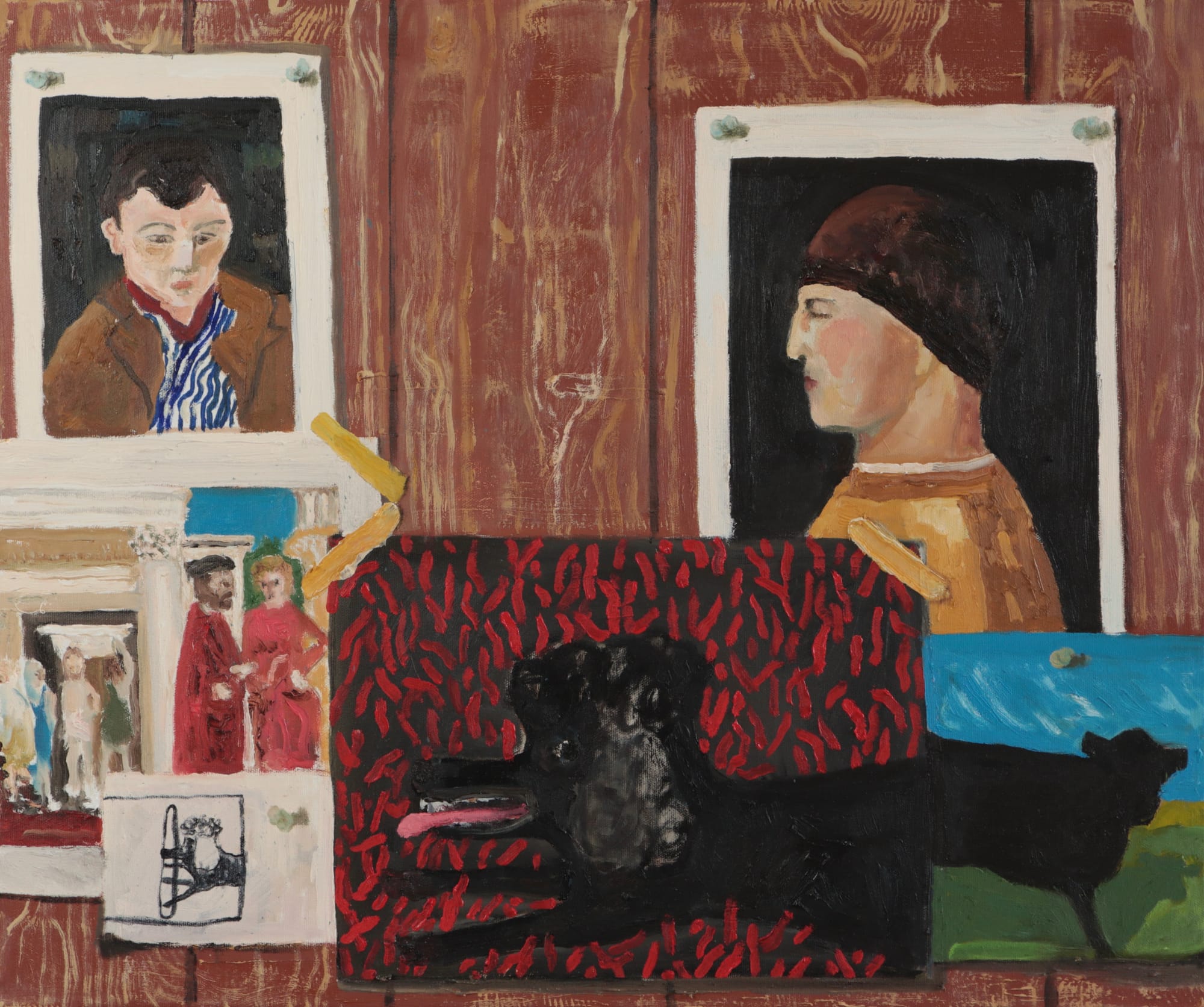
Artist Mark Milroy, an observational painter in his mid-50s who gained a following during the pandemic through Instagram and online shows at Nancy Margolis Gallery, is now holding his debut New York exhibition, "Jumbo," at JJ Murphy gallery through May 16. The show features 18 oil paintings and 12 colored pencil drawings, with subjects ranging from still lifes and portraits to a titular painting referencing the famous P.T. Barnum elephant killed in Milroy's hometown of St. Thomas, Ontario, in 1885. Milroy's work blends personal memory, art historical insight, and a deliberate gaze, drawing influences from Cedric Morris and 15th-century Florentine painting.

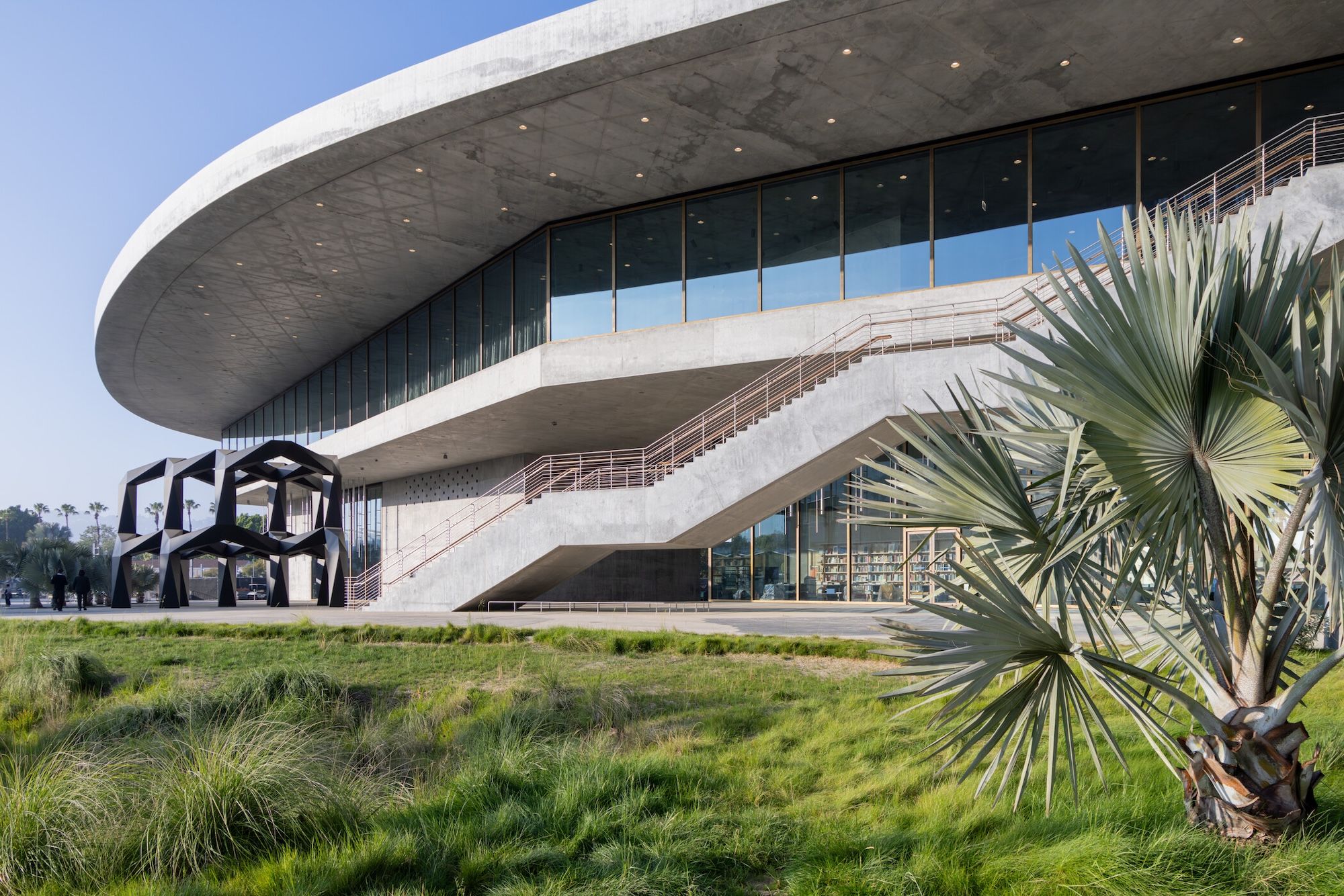
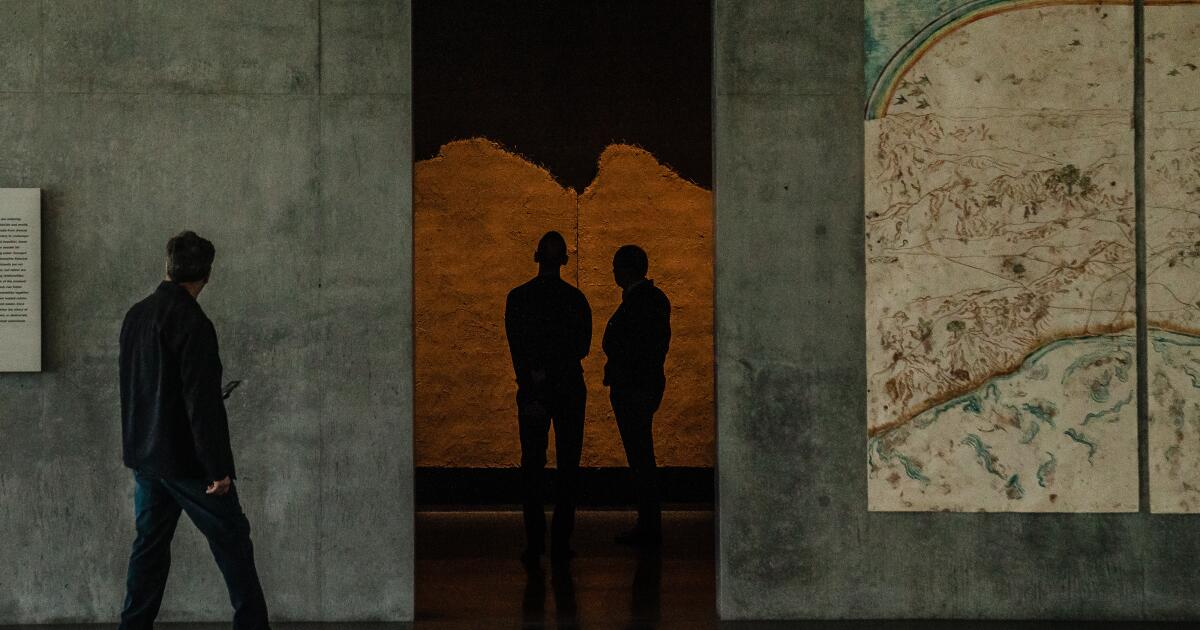
I wanted to hate the new LACMA. Then I went back

The article describes the author's evolving impression of the newly opened David Geffen wing at the Los Angeles County Museum of Art (LACMA), designed by architect Peter Zumthor. Initially visiting at 11am, the author found the $724 million, 110,000 sq ft building to be a "dismal, dated, inelegant brute," with thick bronze windows, dark concrete slabs, and bunker-like galleries. However, returning at 4pm, the author experienced a transformation: golden afternoon light warmed the concrete, illuminated the interiors, and revealed the building as a "brilliant innovation and true gift to the city." The article details the building's 20-year design evolution, challenges including fossil discoveries on site, and Zumthor's public frustrations with the compromised details.

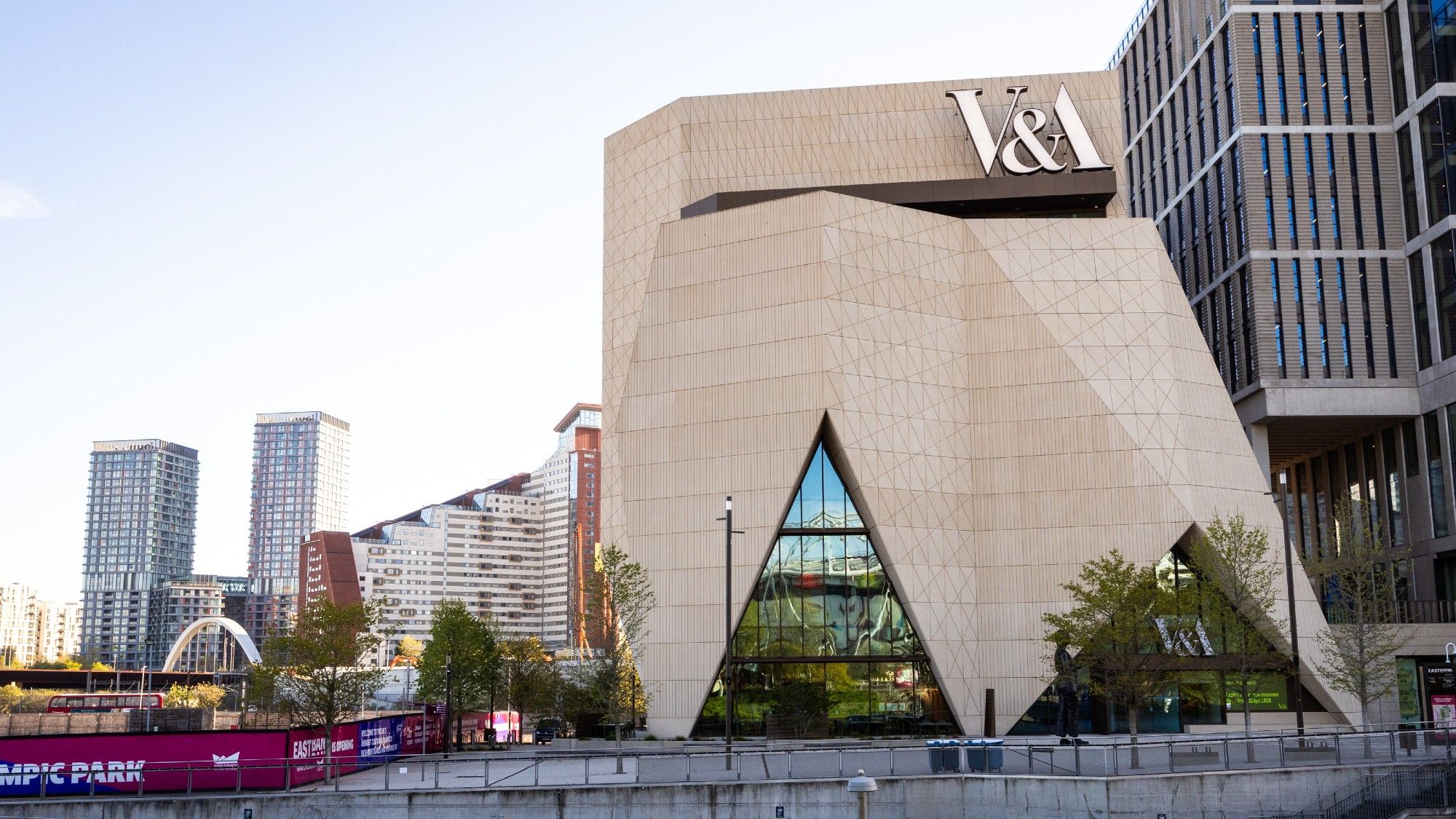
The new London museum that looks like a ‘reconstructed Toblerone’

The V&A has opened a new outpost in east London's Lower Lea Valley, a former industrial area transformed into a cultural quarter after the 2012 Olympics. The museum, described as looking like a 'reconstructed Toblerone', is the latest addition to the 'Olympicopolis' vision, which aimed to create a cultural legacy akin to west London's Albertopolis. The article, written by Catherine Slessor in The Guardian, offers a mixed review: praising the beauty and craftsmanship of the galleries while criticizing overuse of trendy phrases like 'lived experience' and 'transcultural identities'.

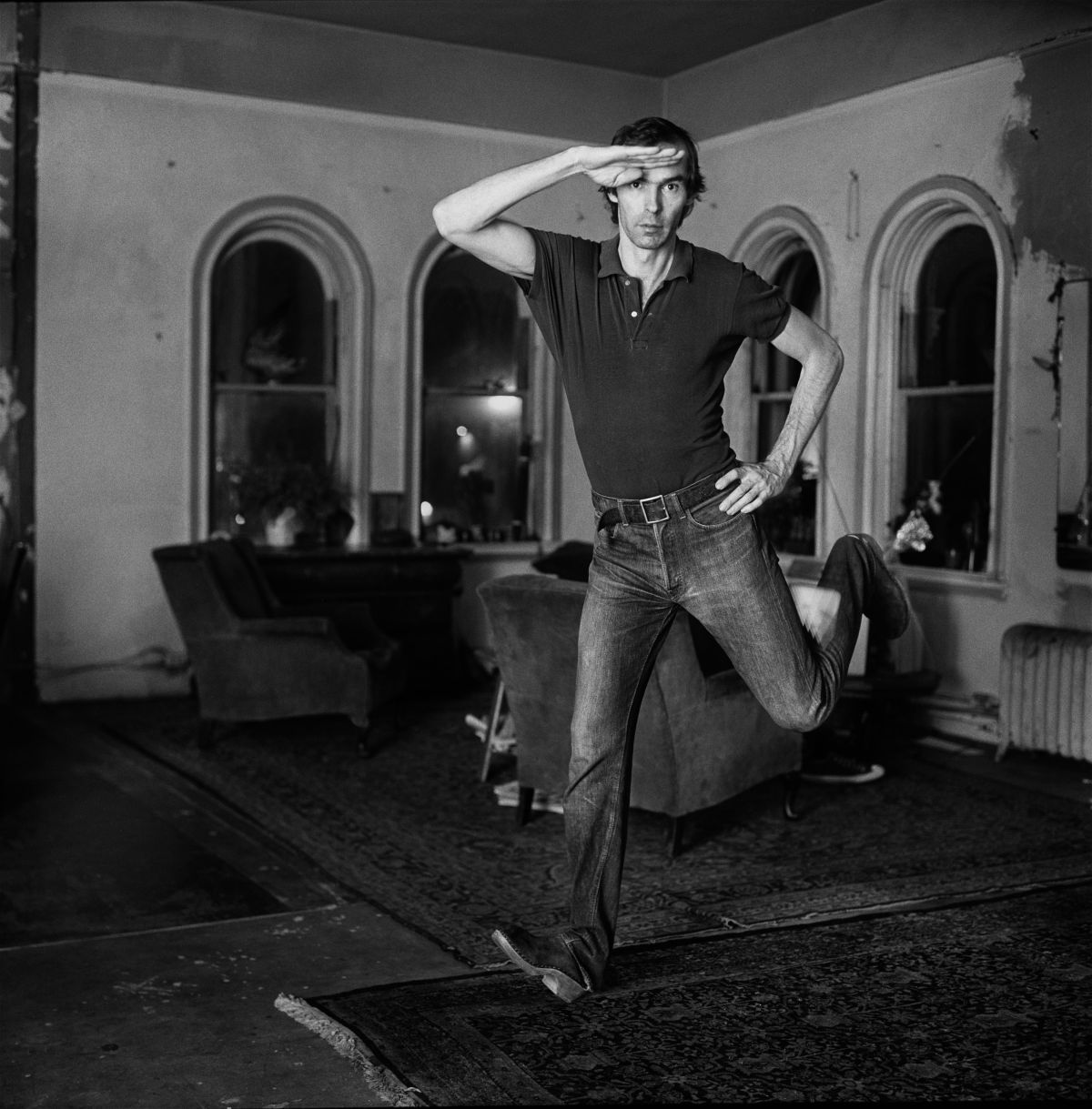
Queer Saints, Big Egos

Queere Heilige, große Egos

Andrew Durbin's new biography examines the intertwined lives of artists Peter Hujar and Paul Thek, focusing on their art, desire, and self-staging. The review notes that while the book covers their creative circles—including figures like David Wojnarowicz, Divine, John Waters, and Susan Sontag—it loses sight of the urgent political and social context that animated their work, particularly the AIDS crisis and Reagan-era repression.

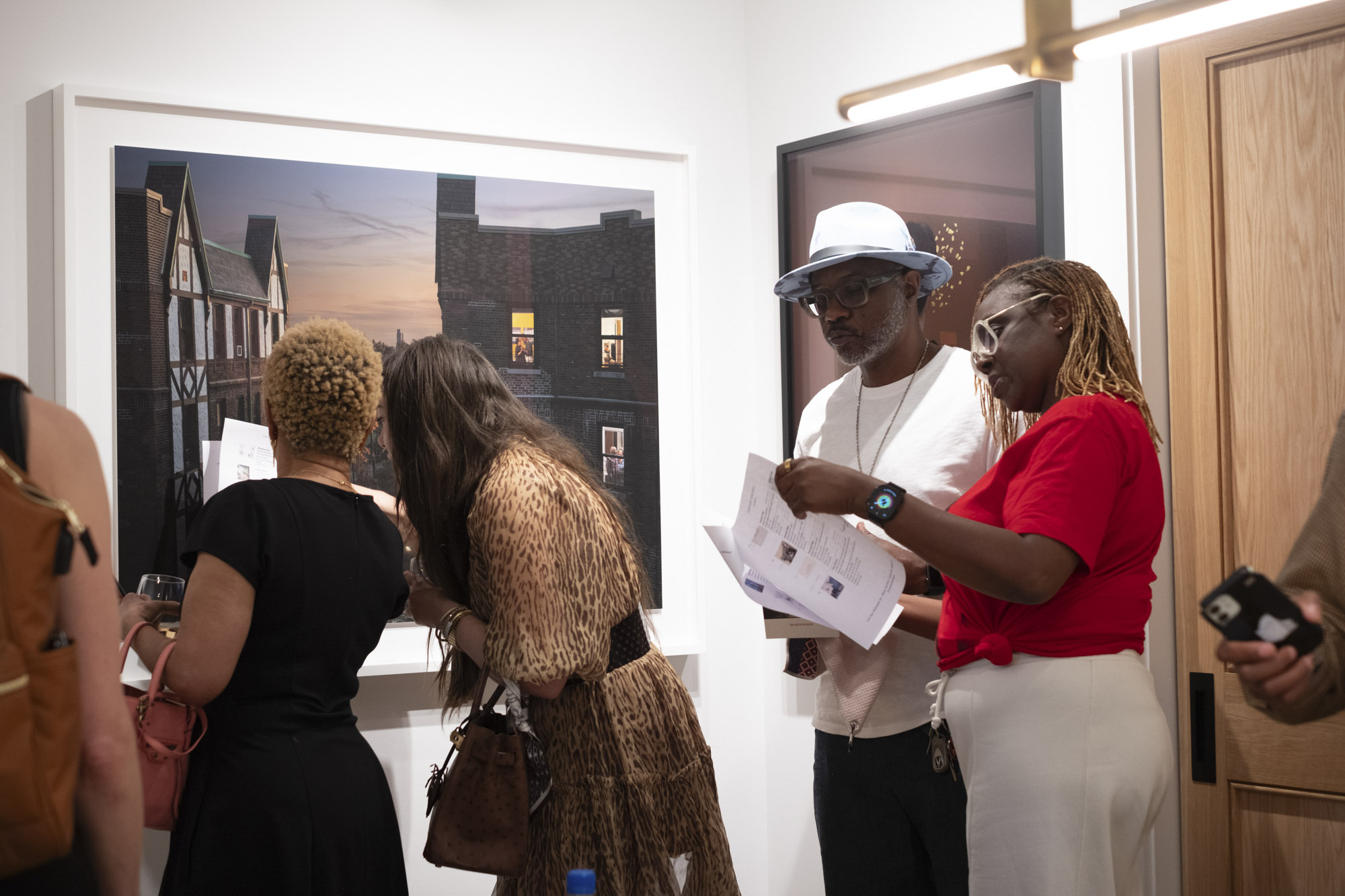
When the story has already been told -- ‘Gordon Parks: The South in Color’ at Jackson Fine Art

Gordon Parks: The South in Color, curated by Dawoud Bey, is on view at Jackson Fine Art in Atlanta through June 13. The exhibition celebrates the 20th anniversary of The Gordon Parks Foundation and the 70th anniversary of Parks’ 1956 Life magazine feature on segregation in the South. The show presents a broader selection of Parks’ photographs than the original magazine spread, including iconic works like In-Home Barbershop, Shady Grove, Alabama, 1956. The article, written by a photographer and writer for ArtsATL, reflects on the experience of seeing Parks’ work in person and contrasts the gallery presentation with the editorial framing of the Life feature.

This Liminal Moment

The article reviews the exhibition "MONUMENTS" at the Geffen Contemporary at MOCA and the Brick in Los Angeles, which addresses the legacy of Confederate monuments through contemporary art. It highlights Cauleen Smith's installation "The Warden" (2025), which features a live-feed of the decommissioned Confederate sculpture "Vindicatrix" (also known as "Miss Confederacy") by Edward V. Valentine, originally atop the Jefferson Davis Memorial in Richmond, Virginia. The exhibition is curated by Hamza Walker, Kara Walker, and Bennett Simpson.

Art for Our Age of Chaos

The article reviews two major New York exhibitions opening in 2026: the Whitney Biennial at the Whitney Museum of American Art, featuring over fifty artists, and "New Humans: Memories of the Future" at the newly expanded New Museum, with over a hundred artists. Both shows are described as enormous and defiant, responding to a distracted public and financial pressures. The reviewer notes that both exhibitions juxtapose large-scale immersive works with tiny, intimate pieces, and finds the Whitney Biennial lacking urgency, while preferring the New Museum's historical narrative about technology and modernity.

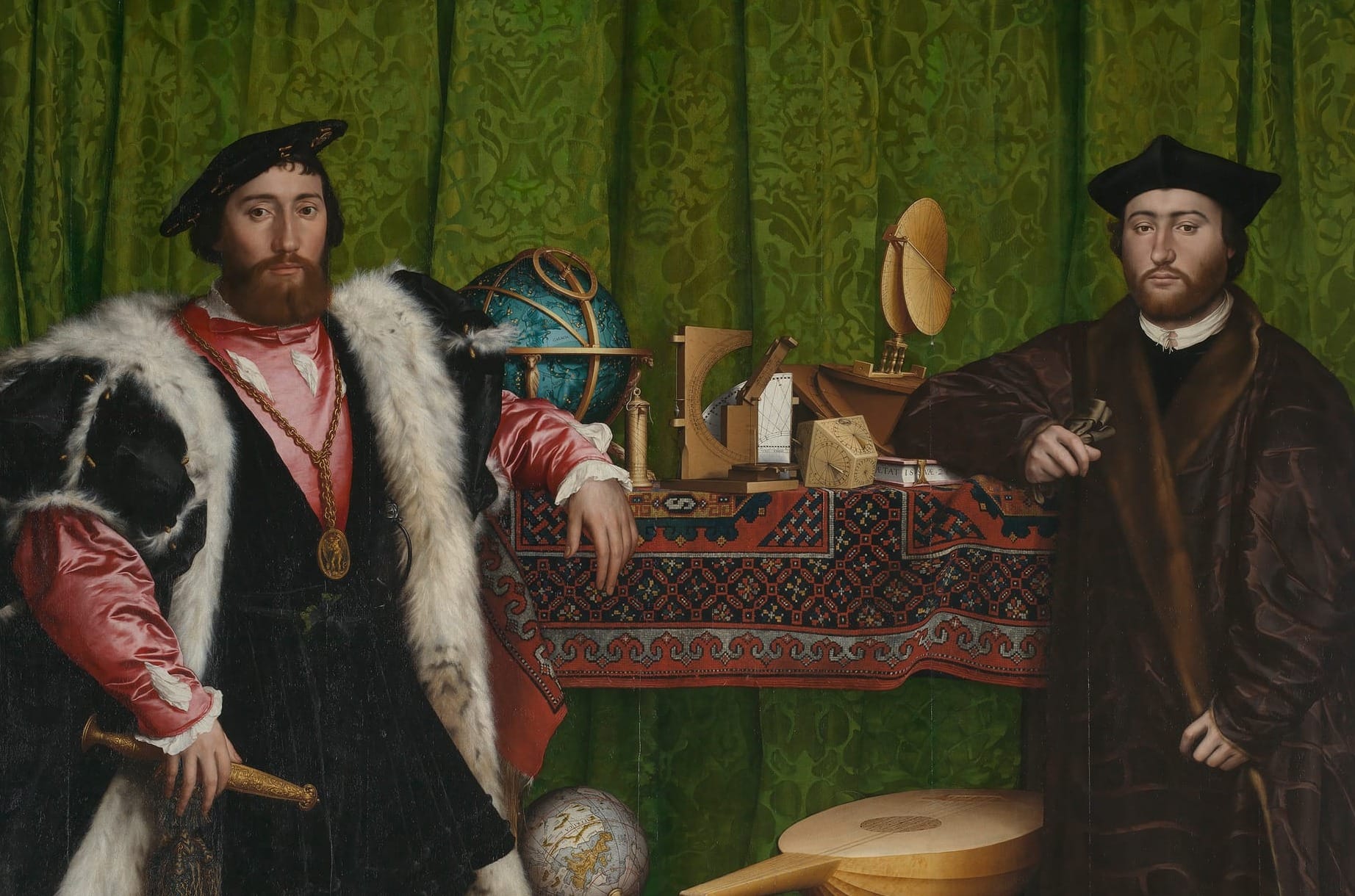
Hans Holbein Painted the Human

A new book, 'Holbein: Renaissance Master' by Elizabeth Goldring, published by Yale University Press and the Paul Mellon Centre, offers a comprehensive scholarly examination of the 16th-century German painter Hans Holbein the Younger. The review focuses on Holbein's masterful portraiture, particularly his depictions of opposing Tudor-era figures like Sir Thomas More and Thomas Cromwell, which are highlighted as embodying the era's complex political and religious tensions through their visual presentation at the Frick Collection in New York.

Roses and Thorns of Greater New York

The article is a digest of recent art news, with a primary focus on critical reviews of the 2026 "Greater New York" exhibition at MoMA PS1. Hyperallergic's editorial team provides mixed assessments of the works in the massive quinquennial survey of local artists. The piece also covers American-French sculptor Barbara Chase-Riboud's decision to decline an invitation to represent the United States at the 61st Venice Biennale, citing the problematic nature of the pavilion's commissioning entity.

Review: Getting lost in the art is the best part of LACMA’s new revisionist fever dream of a museum

The Los Angeles County Museum of Art (LACMA) has opened its new David Geffen Galleries, a radical reinvention of the museum experience. The installation, conceived by director Michael Govan and architect Peter Zumthor, abandons traditional chronological and departmental silos, instead creating a continuous, curving flow of art from across time, place, and medium. Visitors are encouraged to wander and get lost, forging their own connections between works.

Is Art Good for Your Health?

A new book titled 'Art Cure' by scientist Daisy Fancourt argues that engaging with the arts has significant, measurable benefits for both mental and physical health. The author, a professor of psychobiology and epidemiology, compiles extensive research to claim arts experiences can prevent suicides, help manage epidemics, increase life expectancy, reduce depression, aid trauma recovery, enhance neuroplasticity, and even encourage healthier eating habits.