filter_list Showing 10 results for "Henry" close Clear
dashboard All 450 museum exhibitions 191trending_up market 92article news 55article culture 37article local 31person people 15rate_review review 10article policy 7gavel restitution 6candle obituary 4article museum 1article museums 1
date_range Range Today This Week This Month All
Subscribe

Can a Play Capture an Artist as Enigmatic as Henry Darger?

Can a Play Capture an Artist as Enigmatic as Henry Darger?

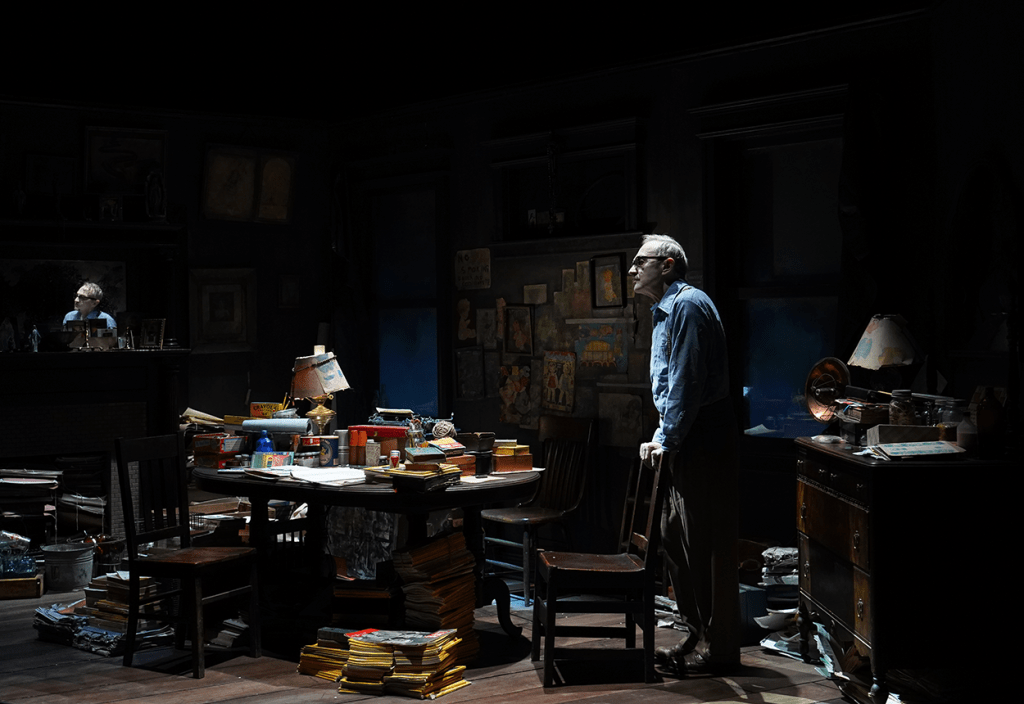
A new play, *Bughouse*, is attempting to portray the life of reclusive artist Henry Darger on stage at New York's Vineyard Theater. The one-man show, starring John Kelly, draws from Darger's own lengthy autobiography to depict his traumatic childhood, institutionalization, and decades of solitary life in Chicago, where he secretly created his vast, fantastical artwork and writings.
The Carnegie International Looks Back at Itself

The 58th Carnegie International at the Carnegie Museum of Art in Pittsburgh looks back at its own 130-year history, featuring a gallery dedicated to past iterations. The exhibition includes Chris Ofili's "The Adoration of Captain Shit and the Legend of the Black Stars" (1998), which was originally shown in the 53rd International in 1999, the same year Ofili's more notorious "The Holy Virgin Mary" sparked controversy at the Brooklyn Museum. The article reviews how the current iteration captures the excitement of earlier exhibitions while providing commentary on authoritarianism and militarism.

Veronica Ryan review – the seeds are sensational but the detritus is distracting

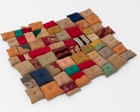
A major retrospective of Turner Prize-winning artist Veronica Ryan has opened, showcasing her career-long exploration of organic forms and repurposed materials. The exhibition features new works made from plastic bottles, bandages, and avocado trays, alongside earlier sculptures in bronze and lead that reference seed pods and fruit.

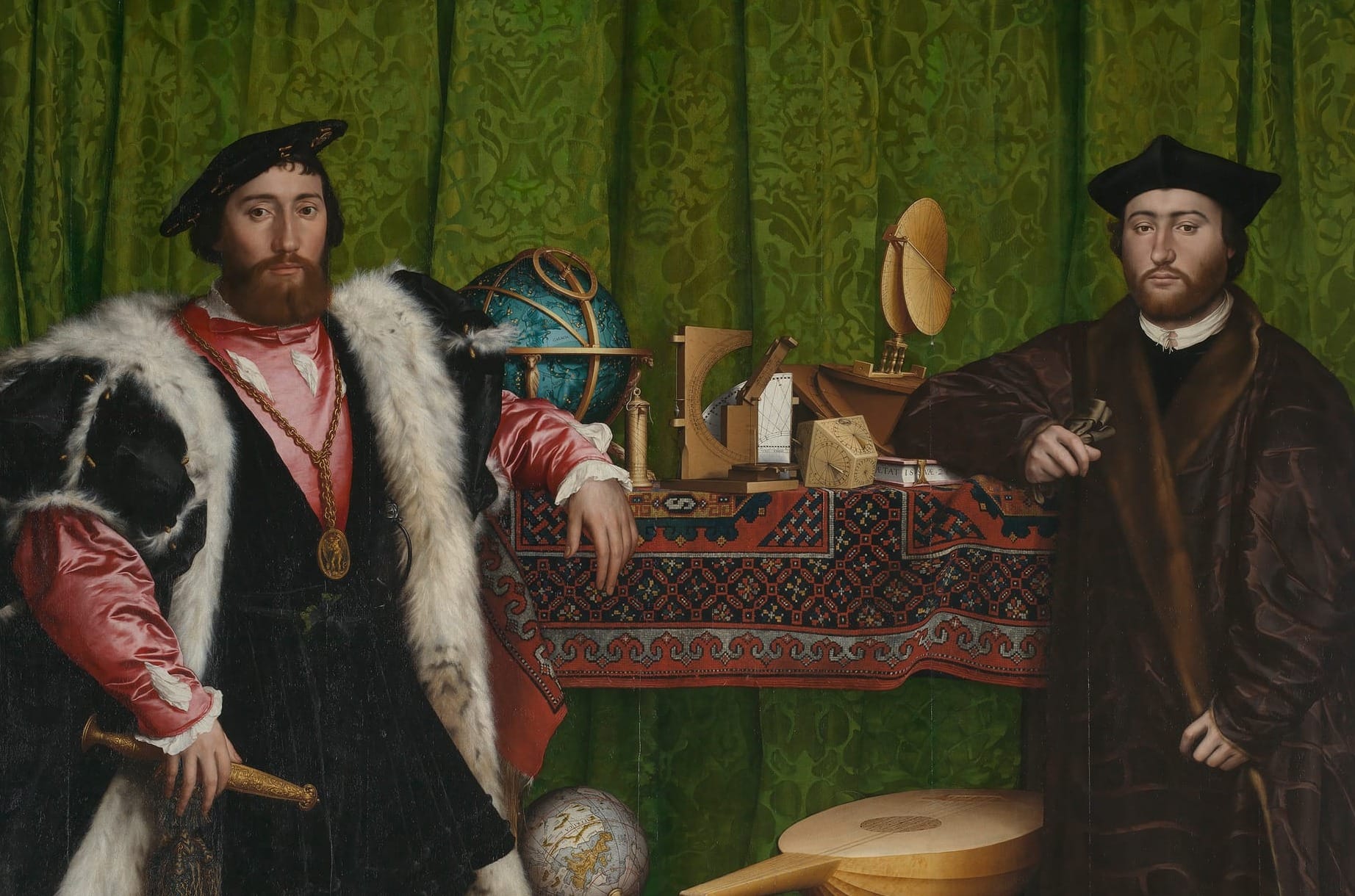
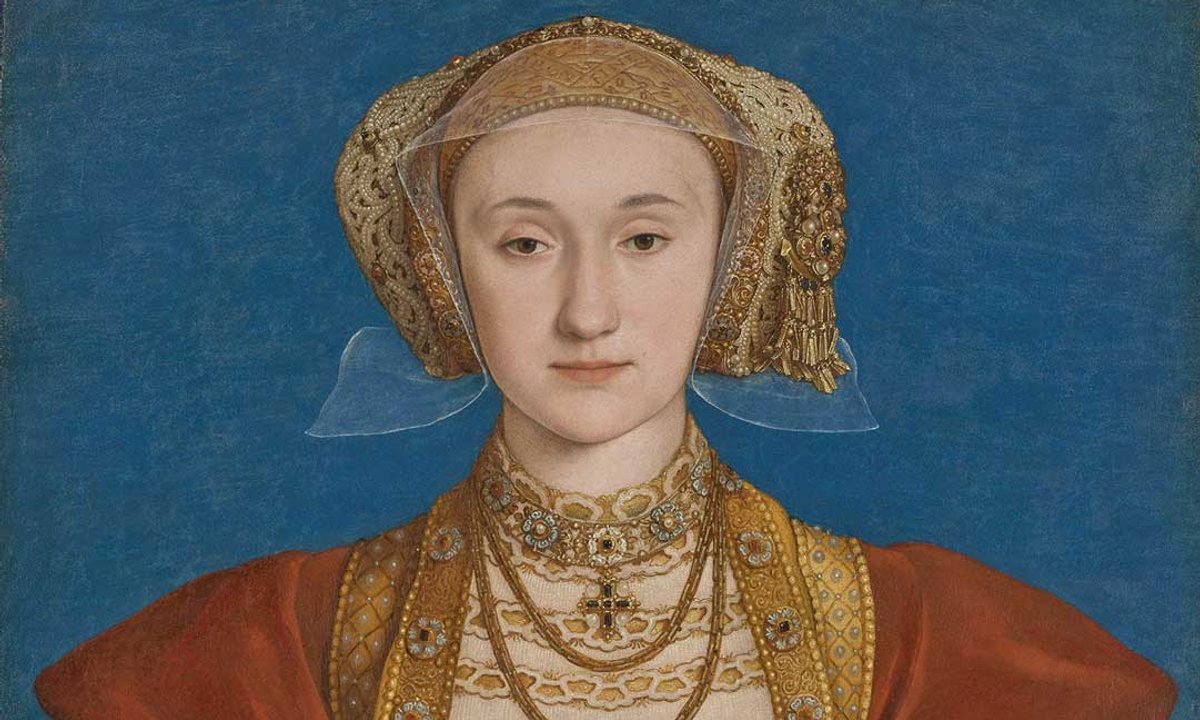
Hans Holbein Painted the Human

A new book, 'Holbein: Renaissance Master' by Elizabeth Goldring, published by Yale University Press and the Paul Mellon Centre, offers a comprehensive scholarly examination of the 16th-century German painter Hans Holbein the Younger. The review focuses on Holbein's masterful portraiture, particularly his depictions of opposing Tudor-era figures like Sir Thomas More and Thomas Cromwell, which are highlighted as embodying the era's complex political and religious tensions through their visual presentation at the Frick Collection in New York.

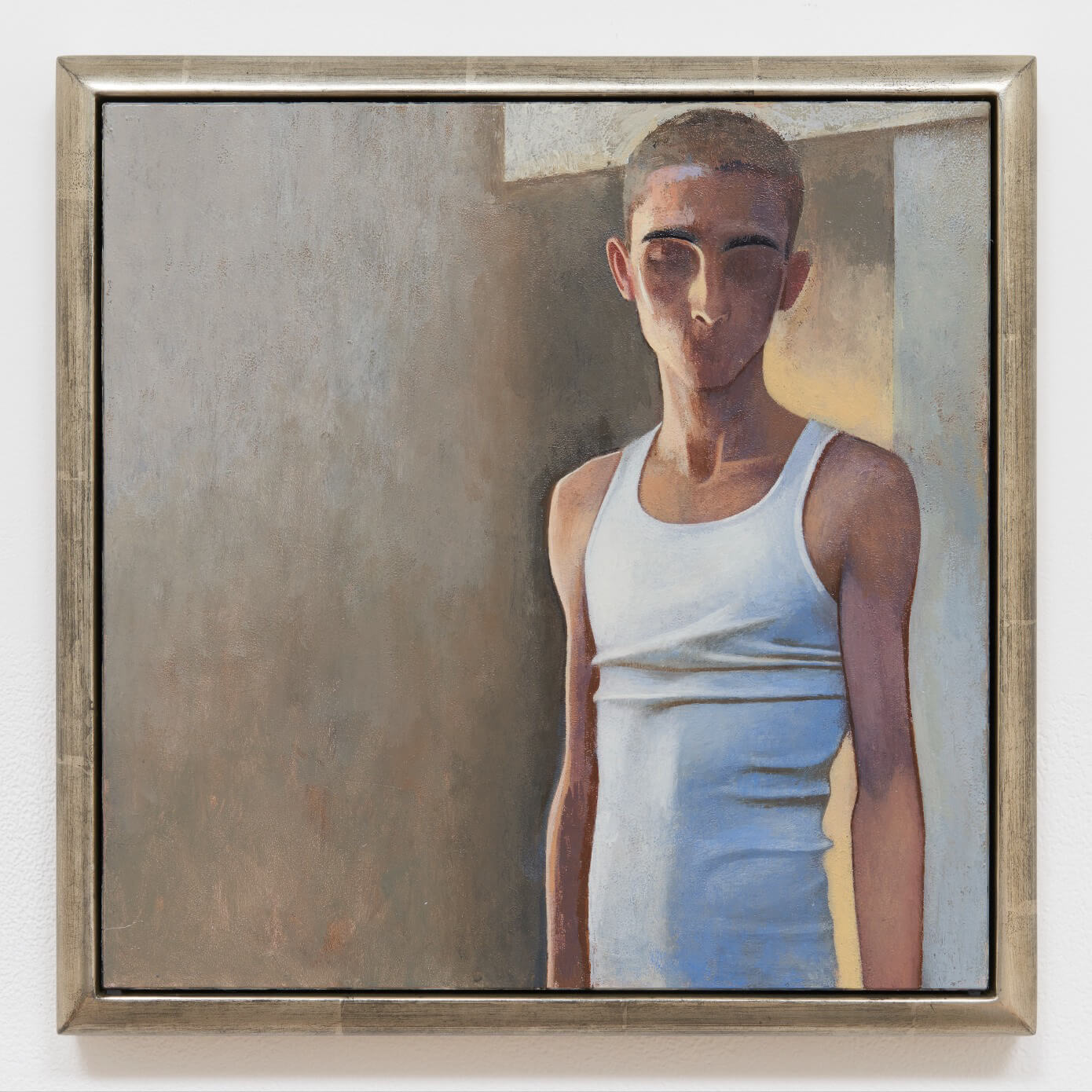
summer group shows julien nguyen kyoko idetsu reviews

The article reviews two summer group shows in New York. At 56 Henry, "Small Format Painting," curated by painter Josh Smith and actor/former gallerist Leo Fitzpatrick, features 34 artists working on identical 10x8 inch canvases, including blue-chip names like Nate Lowman and emerging talents. At Matthew Marks Gallery, Julien Nguyen presents a solo show of compact oil-on-copper paintings, inspired by Rembrandt's techniques and featuring his muse Nikos.

Review: Art museum’s big fall fashion show is captivating, sexy and fun, albeit with glitches

The Cleveland Museum of Art has opened a major fall exhibition titled "Renaissance to Runway: The Enduring Italian Houses," featuring roughly 80 garments and accessories from top Italian fashion houses such as Gucci, Pucci, Armani, Versace, Valentino, Ferragamo, Max Mara, and Missoni. The show juxtaposes these modern and contemporary designs with over 40 Renaissance, Mannerist, and Baroque artworks from the museum's collection, exploring how Italian couture has drawn inspiration from art history. A digital video installation by filmmaker Francesco Carrozzini and photographer Henry Hargreaves, using AI technology, humorously depicts models "invading" the museum, underscoring fashion's disruptive cultural power. Despite some pacing and spatial choreography issues, the exhibition makes a compelling case for fashion as high art.

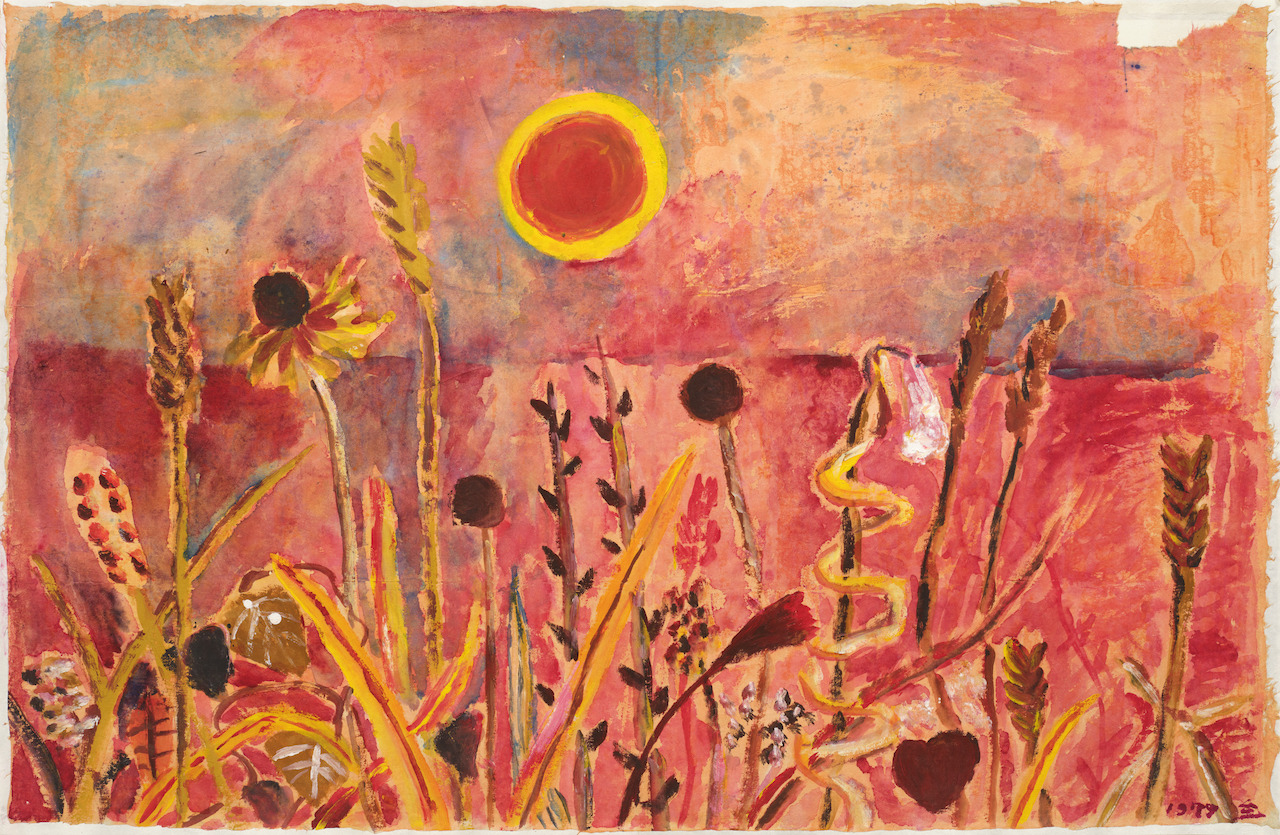
Review: Gorgeous, exuberant Kim Chong Hak at the High

The High Museum of Art in Atlanta is hosting "Kim Chong Hak: Painter of Seoraksan," the first American museum exhibition dedicated to the Korean artist, running through November 2. The show features over 60 works spanning Kim's career, from early abstract pieces influenced by Western artists like Rothko and Tàpies to vibrant, large-scale landscapes inspired by his decades-long retreat to Mount Seorak in eastern South Korea. The exhibition includes paintings, folk art, and a catalog with essays that contextualize Kim's life and work.

Holbein biography interrogates the artist's life and work from a different angle

Elizabeth Goldring’s new biography of Hans Holbein the Younger takes a documentary-focused approach, prioritizing archival evidence over visual analysis. The book examines Holbein’s life (1497/8–1543) through chronological chapters, using inventories, correspondence, and other records to correct long-held assumptions and propose new theories about his work. Goldring’s detective work includes identifying the green curtain in Holbein’s portrait of Sir Thomas More as a reference to the sitter’s role as chancellor of the Duchy of Lancaster, and suggesting that a lost painting of the More family was given to Erasmus as a gift.

Book offers fresh perspectives on why Cubism came into being

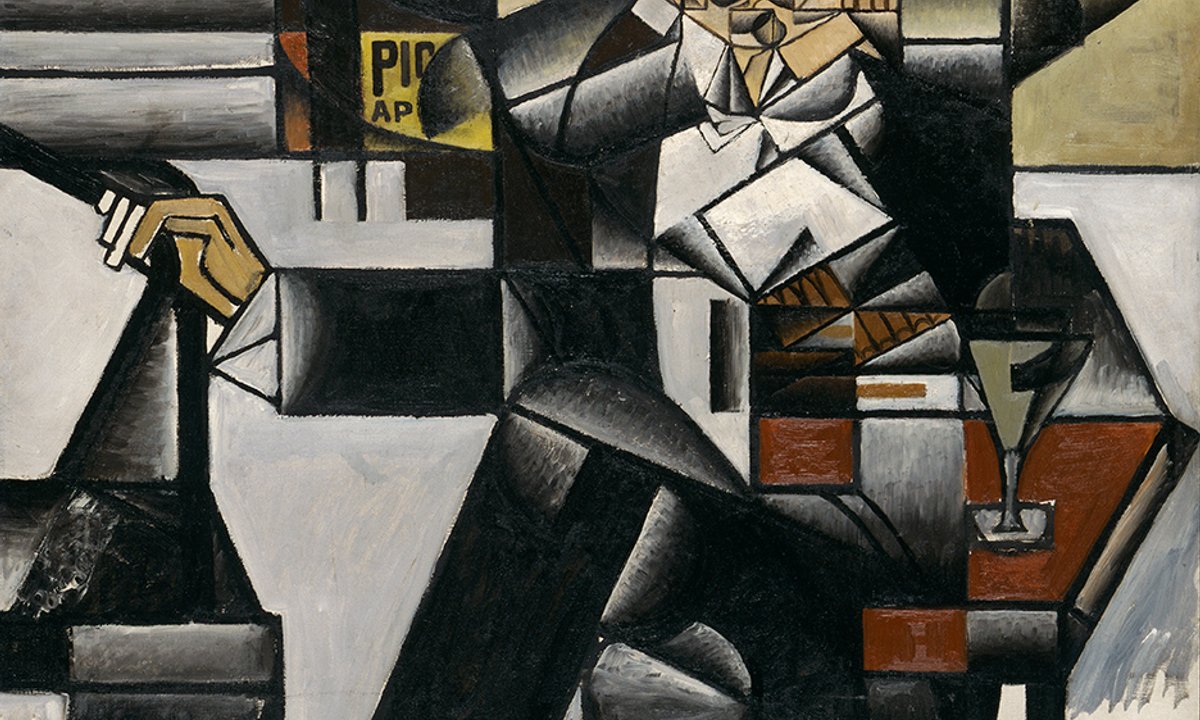
Christopher Green, a leading scholar of Cubism, has published a new book titled *Cubism and Reality*, which reexamines the origins and intentions of early Cubism through the works of Georges Braque, Pablo Picasso, and Juan Gris. The book focuses on the years immediately before World War I, arguing that Cubism was not a step toward abstraction but a deliberate reinvention of reality based on lived visual experience. Green draws on decades of research, including his own earlier works and the foundational 1959 study by John Golding, and contrasts the movement with mass-produced imagery in chapters on Roy Lichtenstein and Francis Picabia.

A new ‘anti-biography’ rips apart the myth of Leonardo as a solitary genius

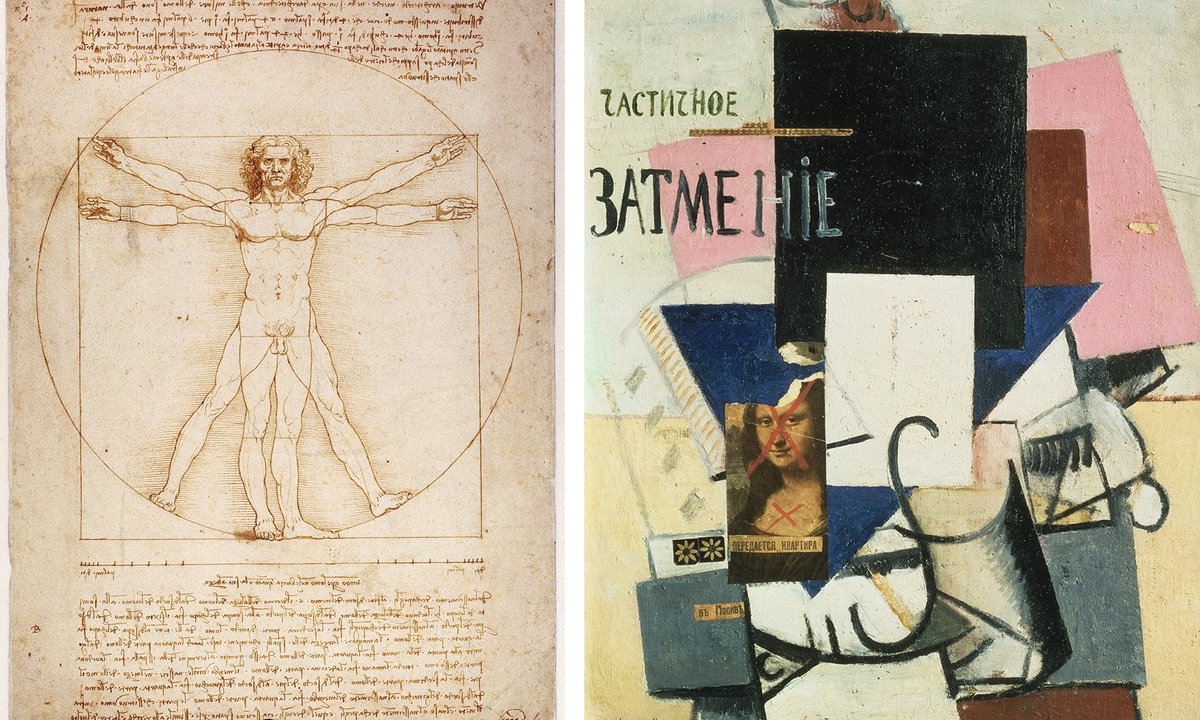
Stephen J. Campbell, a professor of art history at Johns Hopkins University, has published a new book titled *Leonardo da Vinci: An Untraceable Life*, which he frames as an "anti-biography." The book aims to dismantle the mythology surrounding Leonardo da Vinci, arguing that the fragmentary archival record has led to speculative and often outlandish theories that portray him as a solitary genius ahead of his time. Campbell repositions Leonardo within the artistic and intellectual context of late 15th- and early 16th-century Europe, critiquing how media, the art market, and popular culture have commercialized his legacy.