filter_list Showing 112 results for "Hit" close Clear
search
dashboard All 4394 museum exhibitions 2188trending_up market 504article news 492article culture 340article local 308person people 179article policy 144rate_review review 112candle obituary 97gavel restitution 21article event 4article gallery 2article museums & heritage 1article events 1article school 1
date_range Range Today This Week This Month All
Subscribe

here are 6 of the worst art works we saw all year

Artnet News published a year-end roundup of the worst artworks of 2023, as selected by its writers and editors. The list includes Meta's AI-art chatbot experiments on Instagram, which cloned celebrity likenesses into cringe-worthy avatars like Snoop Dogg's 'The Dungeon Master' and Kendall Jenner's 'Billie,' alongside Refik Anadol's 'Unsupervised' at MoMA, criticized as shallow tech spectacle. Other entries include a poorly received Picasso-themed exhibition and additional works deemed ill-conceived or badly executed.

christian marclay one hit wonder clocks doors brooklyn museum

Christian Marclay's latest supercut film, "Doors," is now on view at the Brooklyn Museum after stops in Boston and Europe. The 50-minute looped video compiles scenes of famous actors opening and closing doors from various movies, following the success of Marclay's 2011 hit "The Clock," a 24-hour video-clock that synchronizes on-screen timepieces with the viewer's actual time. The article critiques "Doors" as a less profound, more self-obsessed work that lacks the emotional resonance of its predecessor.

michael armitage david zwirner new york gallery review

Michael Armitage's solo exhibition "Crucible" at David Zwirner's new Annabelle Selldorf-designed gallery in New York features paintings centered on migration, including the work *Path* (2024), inspired by a 2015 Vice News story about an Eritrean teenager's harrowing journey to Europe. The show also includes *Raft (ii)* (2024), a blurry homage to Théodore Géricault's *Raft of the Medusa*, and new sculptures that resemble wood carvings. The gallery itself, a single-story 18,000-square-foot space, opened after a larger planned venue fell through due to financial headwinds during Covid.

independent picks

The article reviews the Independent art fair, highlighting its curated approach that results in a visually cohesive and easeful experience compared to other fairs. It notes the prevalence of neo-bucolic landscapes and animal paintings by artists like Sameen Agha, Tim Braden, and Lisa Sanditz, as well as delicate abstractions and small ceramic works. Standout pieces include Pope.L's provocative paint-scribbled underwear at Mitchell-Innes and Nash, Rosa Barba's kinetic painting at Vistamare, Ibrahim El-Salahi's silkscreen painting at Vigo Gallery, and works by emerging artists such as Constanza Camila Kramer Garfias and Ada Friedman at Kendra Jayne Patrick Gallery.

Notes from New York: The World in a Convex Mirror

The article reviews the sixth edition of MoMA PS1's quinquennial survey 'Greater New York 2026,' which coincides with the institution's 50th anniversary. It highlights works by artists such as Covey Gong, Win McCarthy, Mekko Harjo, and Sophie Friedman-Pappas, noting how the exhibition's themeless structure and use of reflective surfaces create a hall of distorted reflections. The show includes 53 emerging and midcareer artists, mostly millennials, and is accompanied by a block party and gala rather than a dedicated commemorative exhibition like FORTY (2016).

The Robots Were Never the Problem

The New Museum has reopened with 'New Humans: Memories of the Future,' a massive survey featuring over 150 contributors including Hito Steyerl, Precious Okoyomon, and H.R. Giger. Spanning 13 sections across the museum's new 5,500 square-meter extension, the exhibition traces the intersection of art, technology, and the human body from the early 20th century to the present. It juxtaposes interwar European works, such as Hannah Höch’s photomontages and Bauhaus ballets, with contemporary installations like Simon Denny’s sculpture of an Amazon worker's cage.

worst artworks we saw around the world in 2022

Artnet News editors compiled a list of the worst artworks they encountered in 2022, including a chaotic performance by Poncili Creación at NADA Miami, an overproduced Danish Pavilion installation by Uffe Isolotto at the Venice Biennale, and a Paul Cézanne painting at the Barnes Foundation that disappointed a critic. The article offers subjective, critical takes on these works, describing the NADA performance as bizarre and jolting, the Danish pavilion as graphic and lacking a powerful message, and the Cézanne as a disappointment within an otherwise memorable museum visit.

What You Should Definitely Avoid in Venice

Was man in Venedig unbedingt vermeiden sollte

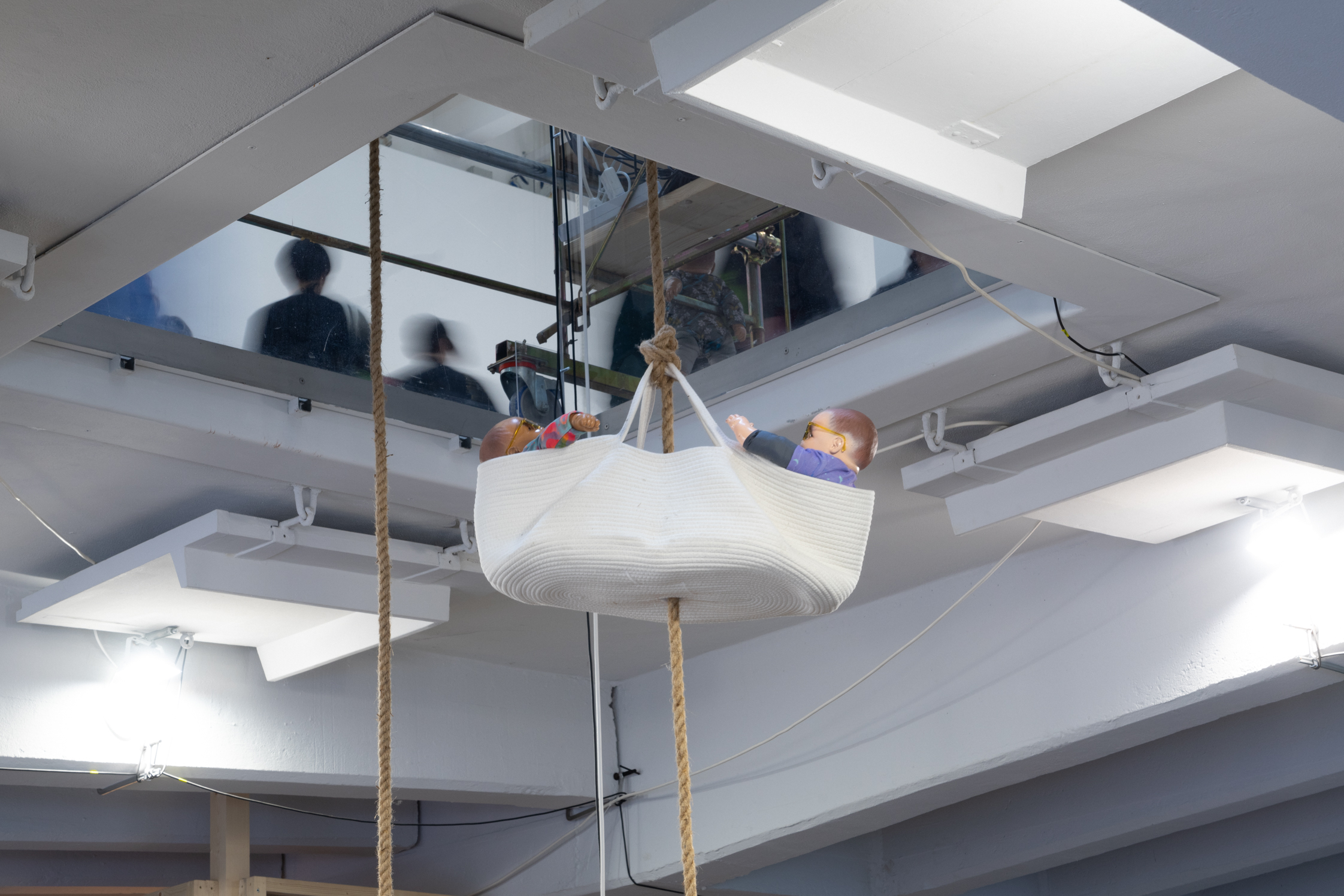
The article humorously critiques the Venice Biennale, highlighting several disappointments. It describes a Japanese pavilion installation by Ei Arakawa-Nash featuring baby dolls for diaper-changing, which a critic dismisses as a male artist over-romanticizing parenthood. Other flops include long queues for the German and Austrian pavilions, underwhelming main exhibition "In Minor Keys," and annoying self-promotional performers outside venues. The piece also laments the presence of loud American collectors and donors who dominate the event.

what are the 10 best works of art in new york museums let the debate begin

Artnet News critic Christian Viveros-Fauné has published a personal list of the ten best works of art in New York museums, sparking debate among readers. The selection includes iconic pieces such as Giovanni Bellini's *St. Francis in the Desert* at the Frick Collection, Gerhard Richter's *October 18, 1977* at MoMA, Paul Cézanne's *The Card Players* at the Metropolitan Museum of Art, James Rosenquist's *F-111* at MoMA, Diego Velázquez's *Juan de Pareja* at the Met, and Pablo Picasso's *Les Demoiselles d'Avignon* at MoMA, among others.

future of the art world andras szanto review

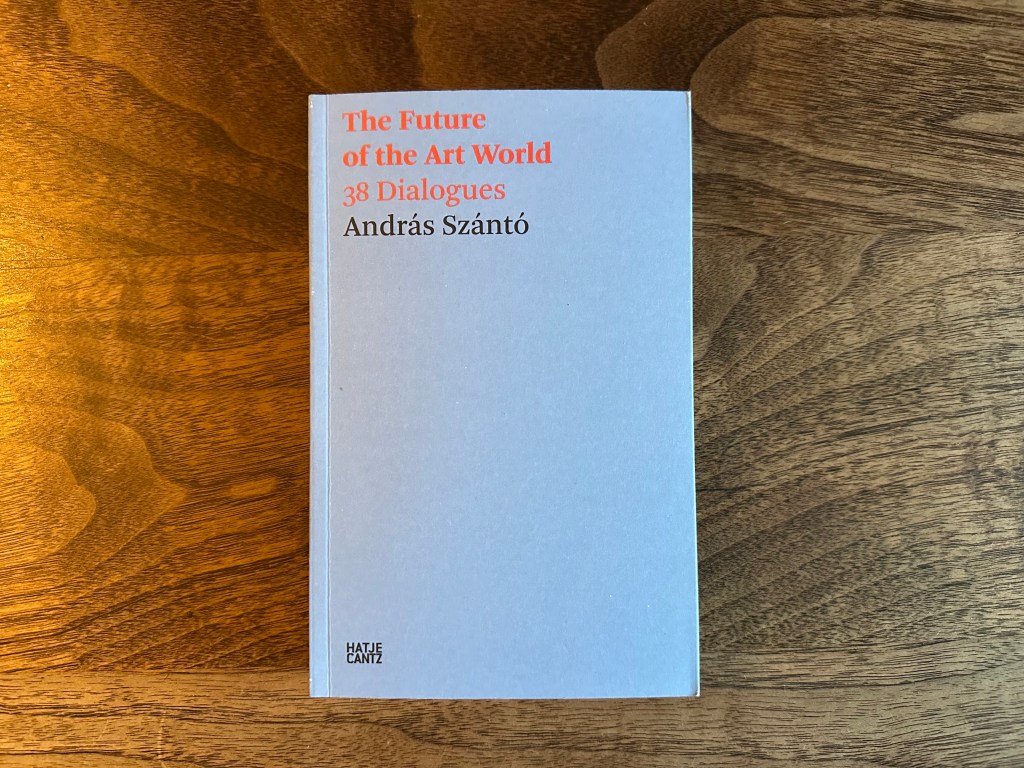
András Szántó has published the third volume of his trilogy on the future of museums and the art world, titled "The Future of the Art World." The book compiles 38 interviews conducted between April 2024 and June 2025 with a wide range of art-world stakeholders, including artists, curators, collectors, dealers, auctioneers, art fair directors, sociologists, philosophers, and policymakers. Unlike his previous books, which focused on museum directors and architects, this volume gives significant voice to artists, who offer provocative critiques and predictions about the future of museums, art education, and digital art.

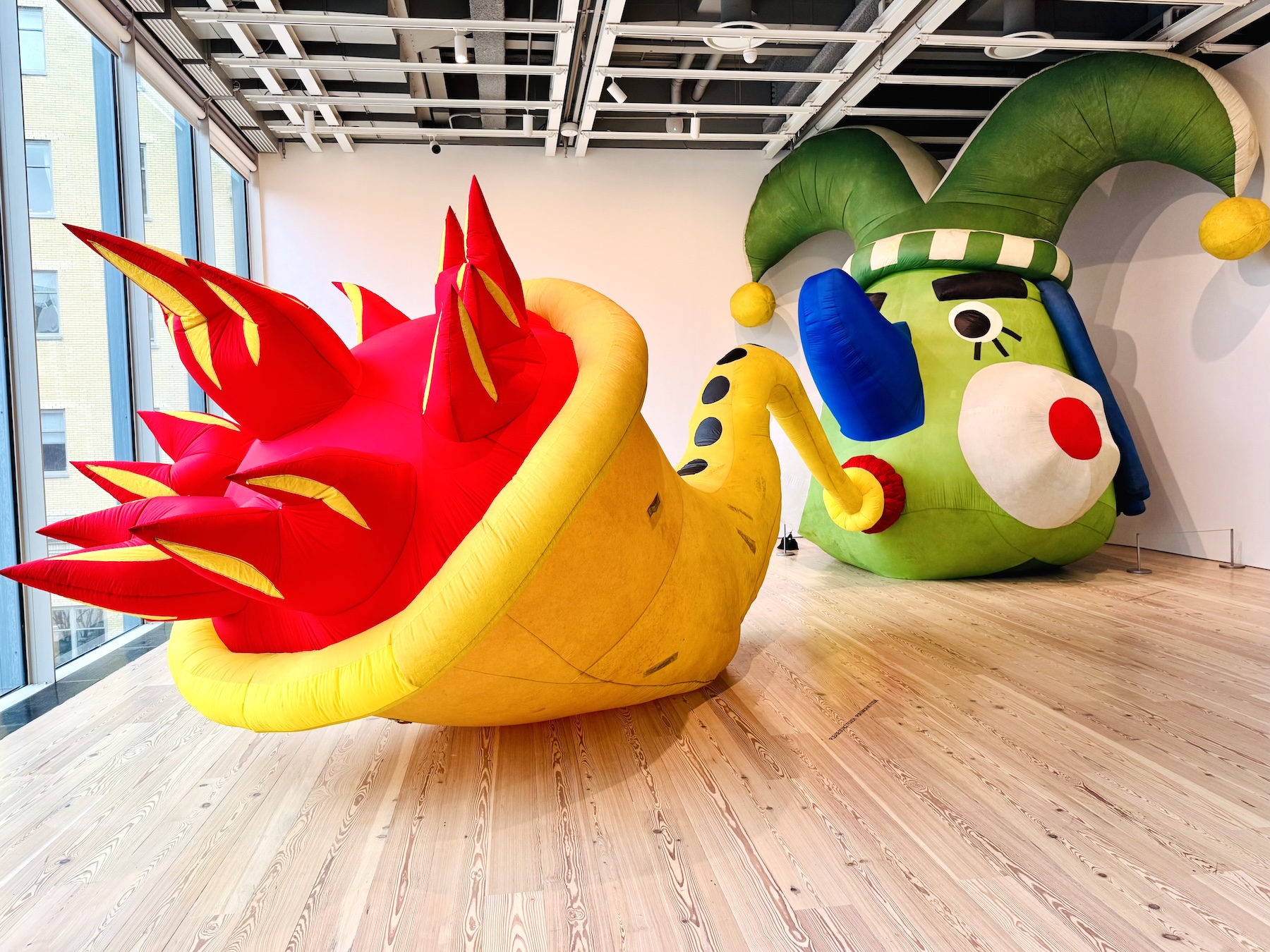
alex da corte modern art museum of fort worth review

Alex Da Corte's mid-career survey, "The Whale," is on view at the Modern Art Museum of Fort Worth, featuring works that repurpose pop-cultural icons like Disney villains and Mariah Carey to explore themes of erasure and violence. The exhibition includes pieces such as *A Time to Kill* (2016), which obliquely references the 2016 Pulse nightclub shooting through an inverted Elsa standee, and *The Great Pretender* (2021), which removes Lily Tomlin from a TIME magazine cover to comment on queer erasure.

Todd Gray Reframes Black Diasporic History

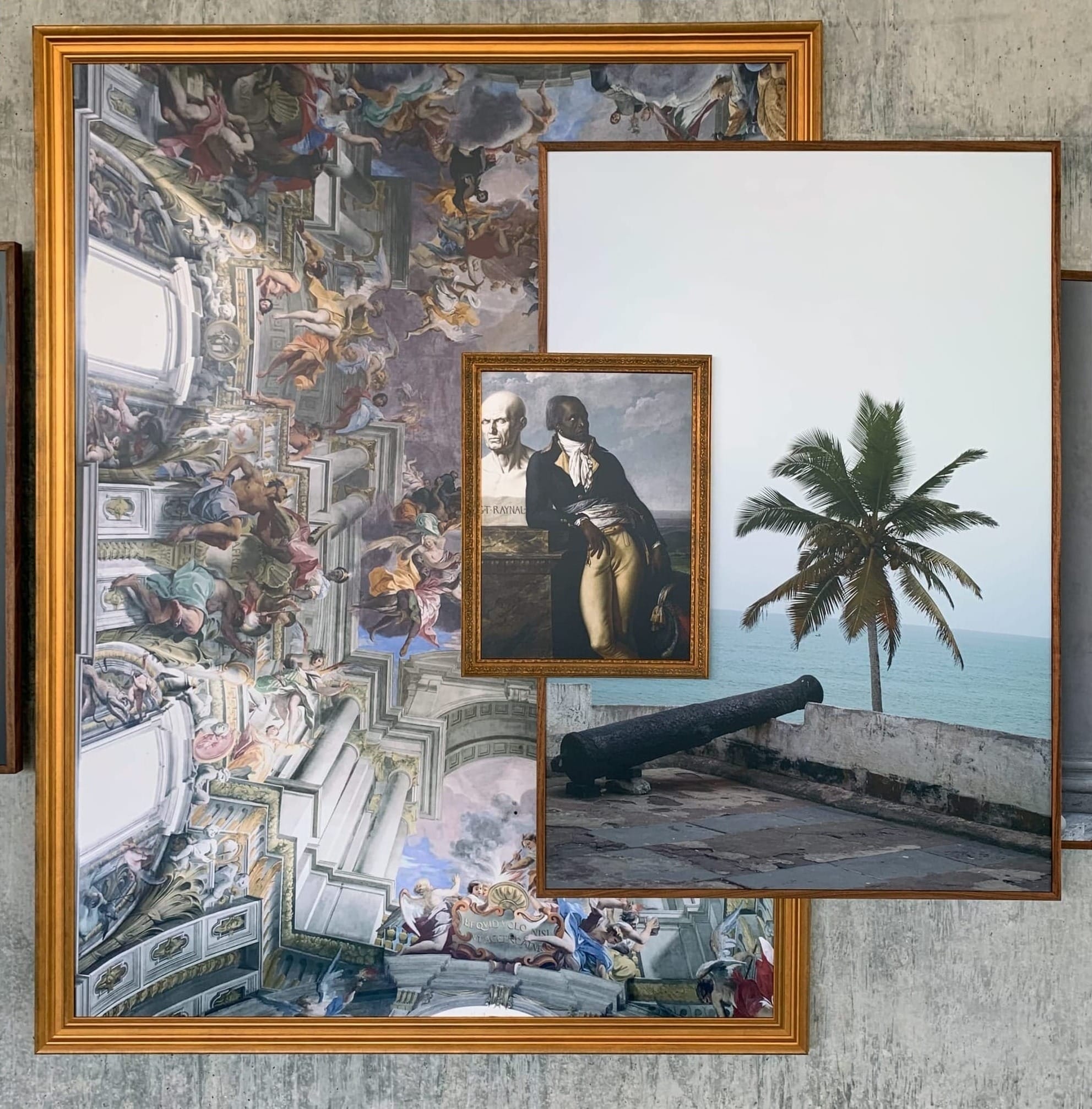
Todd Gray's exhibition "Portals" at Perrotin in Los Angeles features multi-paneled photo assemblages that juxtapose images of slavery with European art, architecture, and formal gardens, exploring the evolution of Black history and identity. The show coincides with the opening of his commissioned installation "Octavia's Gaze" (2025) at the new David Geffen Galleries of the Los Angeles County Museum of Art. Gray's works incorporate his own photographs alongside sources like Hubble Space Telescope imagery, creating layered visual puzzles that invite viewers to find connections and ask questions about African diasporic identity.

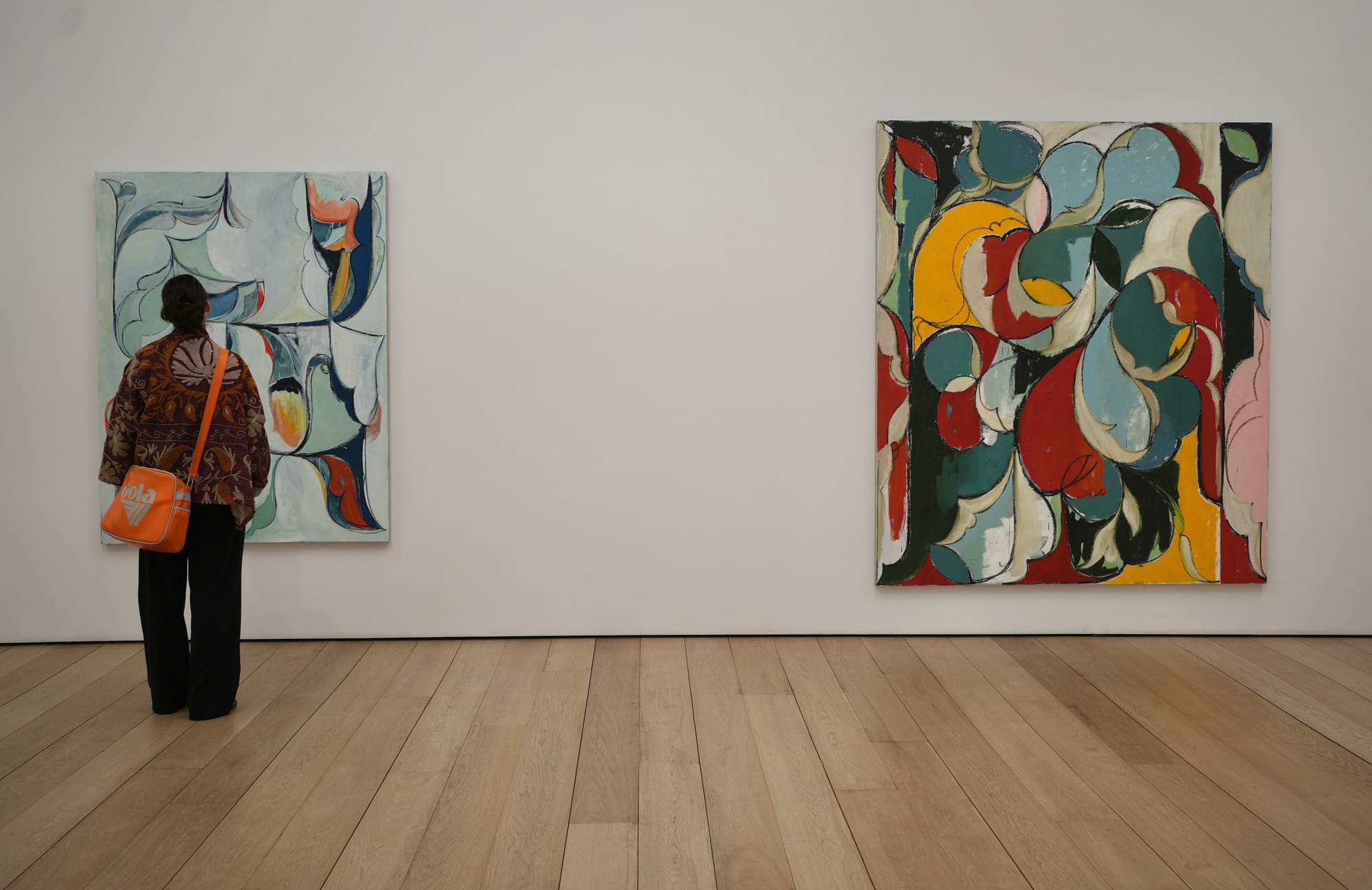
Kamrooz Aram Breaks Down the Grid

Kamrooz Aram is the subject of multiple major exhibitions in early 2026, including a solo show at Alexander Gray Associates in New York, a presentation at Nature Morte in Mumbai for Mumbai Art Week, and a significant inclusion in the 2026 Whitney Biennial. The artist, known for his work with the grid, uses painting to explore the connections between Western modernist abstraction and non-Western decorative traditions, particularly from Western Asia.

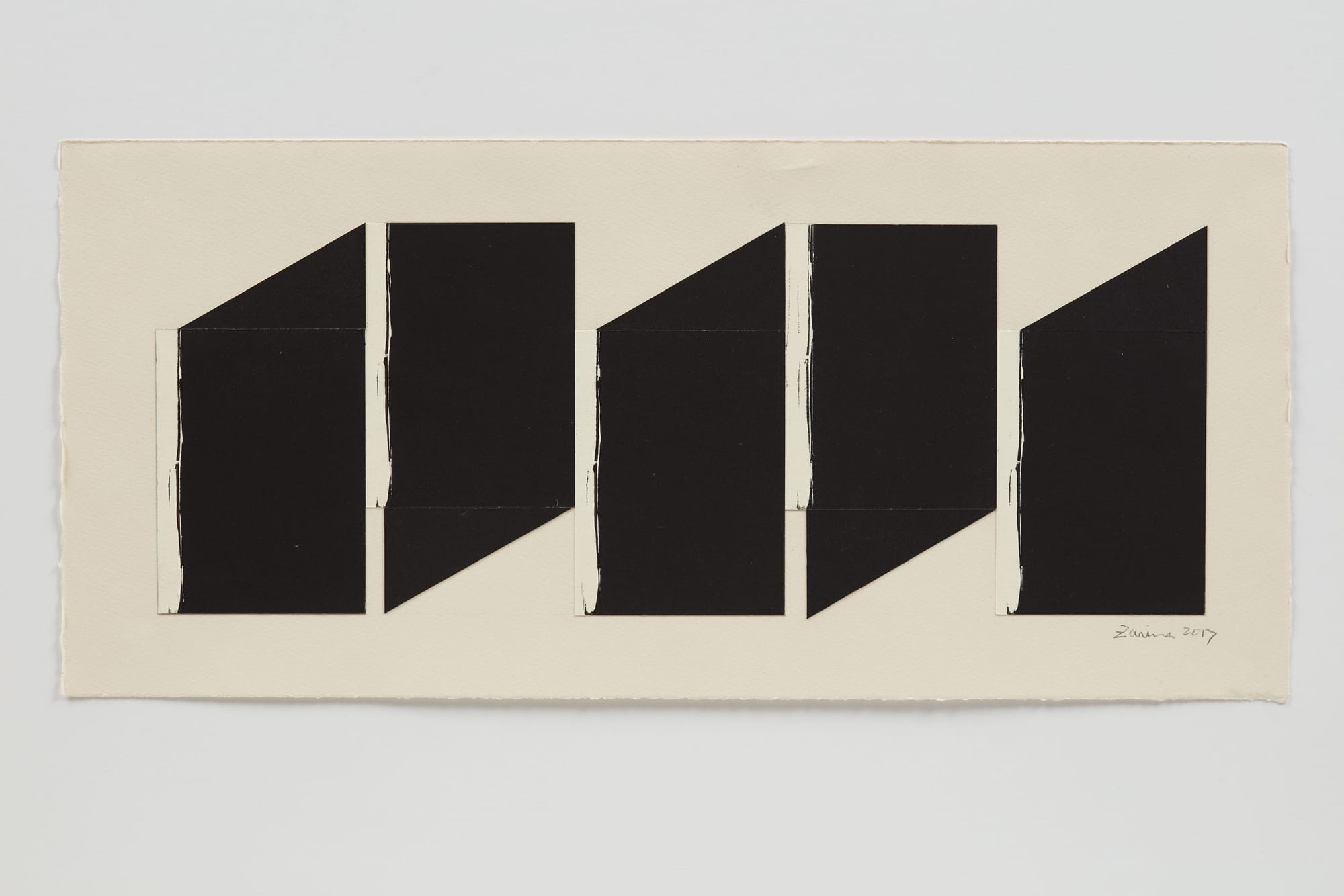
Zarina Brought the World to New York

The article reviews the exhibition "Beyond the Stars" at Luhring Augustine Gallery, showcasing the work of artist Zarina Hashmi (known as Zarina). It highlights her spare, post-minimalist prints and sculptures that explore themes of mapping, home, and migration, rooted in her peripatetic life from pre-Partition India to New York. The show features 32 works that demonstrate her unique visual language, embedded in Urdu, South Asian histories, and mysticisms.

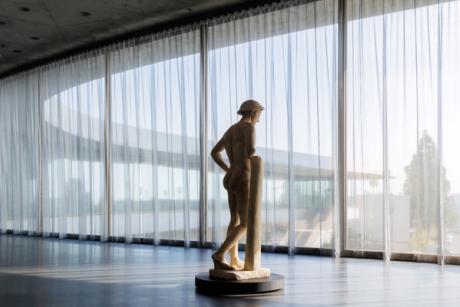
The Big Review | Lacma's David Geffen Galleries ★★★★

The Swiss architect Peter Zumthor's new $724 million building for the Los Angeles County Museum of Art (Lacma), now called the David Geffen Galleries, has opened after nearly two decades of anticipation. The swooping concrete-and-glass structure is praised for its harnessing of natural light and horizontality, creating a stunning showcase for antiquities and inviting the city inside with floor-to-ceiling windows offering views of the La Brea Tar Pits and Wilshire Boulevard. The building performs best with sculpture and decorative objects, with standout works including Liz Glynn's "The Futility of Conquest" (2023) and Manjunath Kamath's "Vikatonarva" (2024).

Michael Armitage in Venice, monumental and disturbing. What the exhibition at Palazzo Grassi looks like

Michael Armitage is the subject of a major solo retrospective at Palazzo Grassi in Venice, marking his largest exhibition in Europe to date. Organized by the Pinault Collection, the show features monumental paintings that blend African identity, local Kenyan chronicles, and mythological narratives. Armitage’s work is noted for its physical scale and its ability to transform the chaos of human affairs into a syncretic epic, utilizing traditional materials like Lubugo bark cloth to ground his contemporary subjects.

Matisse, 1941-1954 review – hit after glorious hit in a show of life-enhancing genius

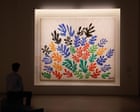
A major exhibition at the Centre Pompidou and the Grand Palais focuses on the final, revolutionary period of Henri Matisse's career, from 1941 to 1954. The show charts his artistic reinvention following a life-threatening surgery, beginning with obsessive, reworked paintings from his Nice studio during the war and culminating in the radiant, large-scale cut-outs for which he is widely celebrated.

art yuji agematsu judd foundation review

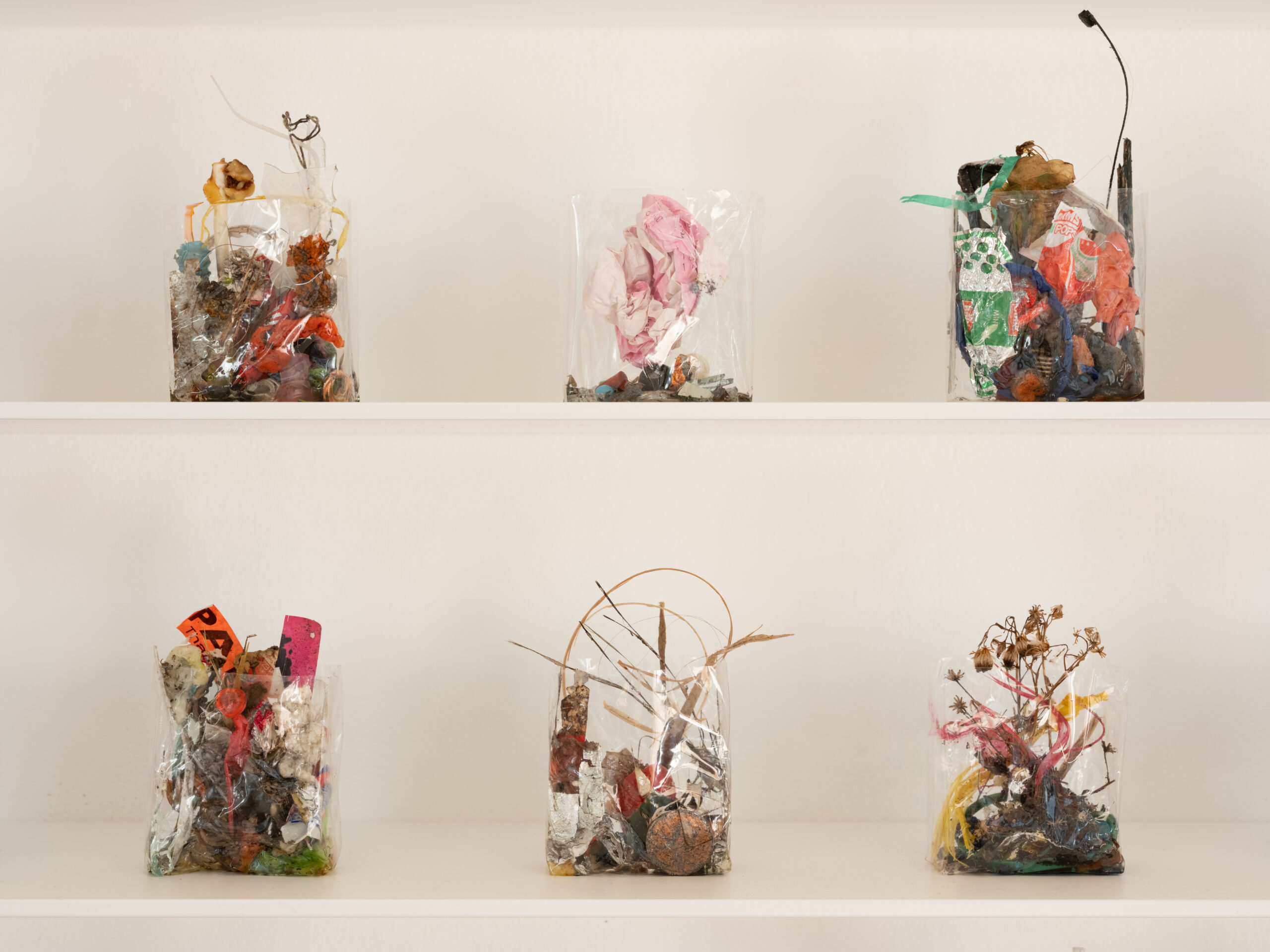
The article reviews Yuji Agematsu's exhibition at the Judd Foundation in New York, where 366 of his "zips"—small assemblages of found objects collected during daily walks and arranged in cigarette cellophane sleeves—were displayed on open aluminum shelves in grids representing each day of 2024. The show ran through August 30, 2025, and marked a departure from previous presentations of Agematsu's work, which had been enclosed in acrylic cases; here, the zips were left exposed, with a fan causing plant matter to sway, making the work feel more alive and immediate.

art criticism cameron rowland anne imhof

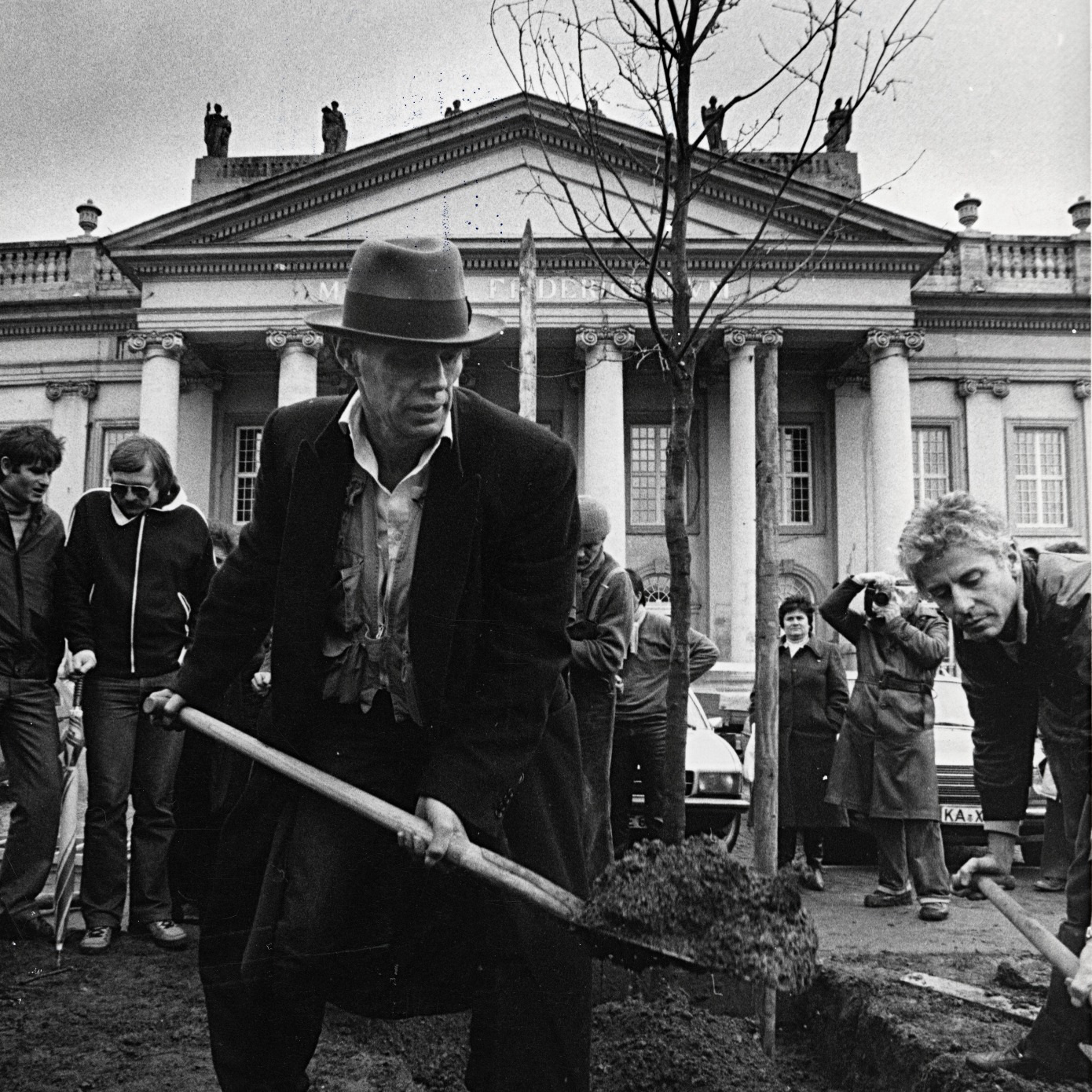
The article reviews several notable art events and exhibitions from 2025, beginning with Cameron Rowland's controversial work "Replacement" at the Palais de Tokyo in Paris, where the French flag was replaced with the flag of Martinique, leading to the artwork being deemed potentially illegal. It also covers Johanna Fateman's review of Rowland's "Properties" at Dia Beacon, Ross Simonini's reflection on Joseph Beuys and the Eaton fire in Los Angeles, John Vincler's critiques of Cady Noland at Gagosian and Nicole Eisenman at 52 Walker, and Fateman's year-end roundup including figures like Anne Imhof, Laura Owens, and Jack Whitten.

art best and worst art of 2025 list

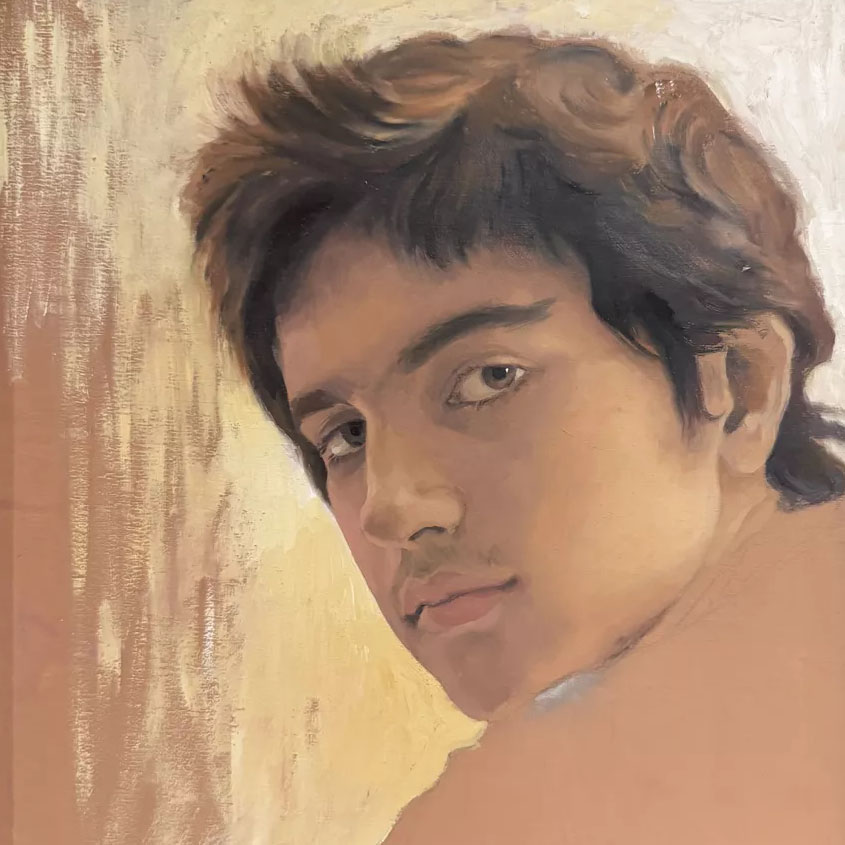
Cultured's art critic reflects on the best and worst of 2025, highlighting standout moments including Salman Toor's 2007 portrait of Zohran Mamdani (now mayor-elect of New York), the posthumous Jack Whitten survey "The Messenger" at MoMA, and Anne Imhof's epic production "DOOM: House of Hope" at the Park Avenue Armory. The article also notes Mamdani's arts-friendly transition committee and the broader resilience of artists amid political turmoil.

critics picks in manhattan and brooklyn bridge park june

Zoë Hopkins reviews Torkwase Dyson's Public Art Fund commission 'Akua' at Brooklyn Bridge Park, a sculptural pavilion that immerses visitors in water sounds and voices of Black writers like Christina Sharpe and Dionne Brand. Paige K. Bradley covers the first-ever solo exhibition of late poet N.H. Pritchard at Peter Freeman, Inc., featuring his concrete visual poems from the Black Arts Movement. Johanna Fateman highlights the work of identical twin artists Jane and Louise Wilson.

Two Museums Take on Performative Masculinity, Looksmaxxing, Incels, and Other Macho Buzzwords That Don’t Belong There.

The Stedelijk Museum and Kunstmuseum St. Gallen have co-organized an exhibition titled "Beyond the Manosphere: Masculinities Today," which aims to critically examine contemporary masculinity and its online manifestations such as incels, looksmaxxing, and pickup artists. The show features works by artists including Reba Maybury and Richard Serra, and is curated by Melanie Bühler, with directors Rein Wolfs and Gianni Jetzer overseeing the project. The exhibition will travel from the Stedelijk to the Kunstmuseum St. Gallen later this year.

The Met’s Costume Institute Needs an Art History Lesson

The Metropolitan Museum of Art's Costume Institute spring exhibition, "Costume Art," pairs fashion with artworks from the Met's collection, including ancient Greek statues and Andy Warhol screenprints, alongside garments by designers from Charles James to CFGNY. Curator Andrew Bolton aims to suggest that fashion can expand understanding of art, but the show's juxtapositions often feel vague and sloppy, with only occasional resonant pairings like a Jean Paul Gaultier shirt and Joe Brainard drawing linked by queer artist lineage.

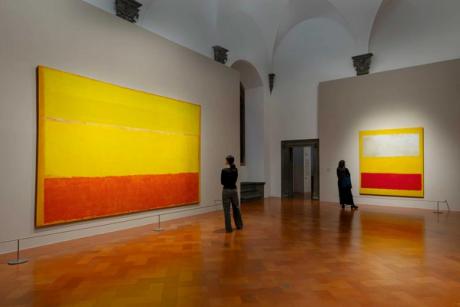
The Big Review: Rothko in Florence ★★★★★

The Palazzo Strozzi in Florence has launched a major exhibition exploring the profound influence of the Italian Renaissance on Mark Rothko. Co-curated by the artist's son, Christopher Rothko, the show spans three historic locations: the Palazzo Strozzi, the Museo di San Marco, and the Biblioteca Medicea Laurenziana. By placing Rothko’s abstract canvases in direct dialogue with Fra Angelico’s frescoes and Michelangelo’s architecture, the exhibition highlights how the artist’s visits to Italy in the 1950s and 60s shaped his spatial thinking and spiritual intensity.

critical reduction the 2014 whitney biennial 5409

The 2014 Whitney Biennial has debuted with a controversial three-curator structure, tasking Michelle Grabner, Stuart Comer, and Anthony Elms with organizing separate floors of the museum. This meta-review aggregates the initial critical reception from major publications, noting that the fragmented format has forced critics to evaluate the exhibition as three distinct shows rather than a unified vision.

whitney biennial 2026 review

The 2026 Whitney Biennial marks a shift in contemporary art from literal messaging toward atmospheric 'mood.' This edition is characterized by an immersive aural landscape of drones and whispers, moving away from the overt identity politics of previous years in favor of a 'sincerity first' credo. Key works include Emilie Louise Gosslaux’s emotional tribute to her guide dog, Mo Costello’s community-focused binders, and Nour Mobarak’s intimate recordings of internal bodily sounds.

martin puryear mfa boston review

Martin Puryear's 1978 sculpture *Self* opens a survey of his work at the Museum of Fine Arts, Boston, titled “Martin Puryear: Nexus,” which runs through Sunday before traveling to the Cleveland Museum of Art in April. Curated by Emily Liebert, Reto Thüring, and Ian Alteveer, the exhibition argues that Puryear's abstract, craft-intensive sculptures—like *A Column for Sally Hemings* (2021)—are not merely formalist exercises but carry political and historical meanings that are deliberately withheld, challenging viewers to read beyond elegant surfaces.

Joseph Grigely's 'Otherhow' Primary Information on Disability Arts and Being Deaf

joseph grigely primary information otherhow disability arts deaf

Artist and writer Joseph Grigely has published a new essay collection, 'Otherhow: Essays and Documents on Art and Disability 1985–2024.' The book compiles decades of his work, blending art, autobiography, and advocacy through ephemera like postcards, emails, and legal documents to chronicle his experiences navigating the art world as a deaf man.

stan douglas bard museum survey review

Stan Douglas's survey at Bard College's Hessel Museum of Art features a new video installation titled "Birth of a Nation" (2025), which reworks a racist sequence from D.W. Griffith's 1915 film of the same name. The installation presents the original footage alongside four new videos from different character perspectives, shot in black and white without sound, and ends with a blue screen left bare to suggest the mutability of historical images. The survey also includes earlier works like "Hors-Champs" (1992), which critiques televisual representation through a staged free jazz performance.

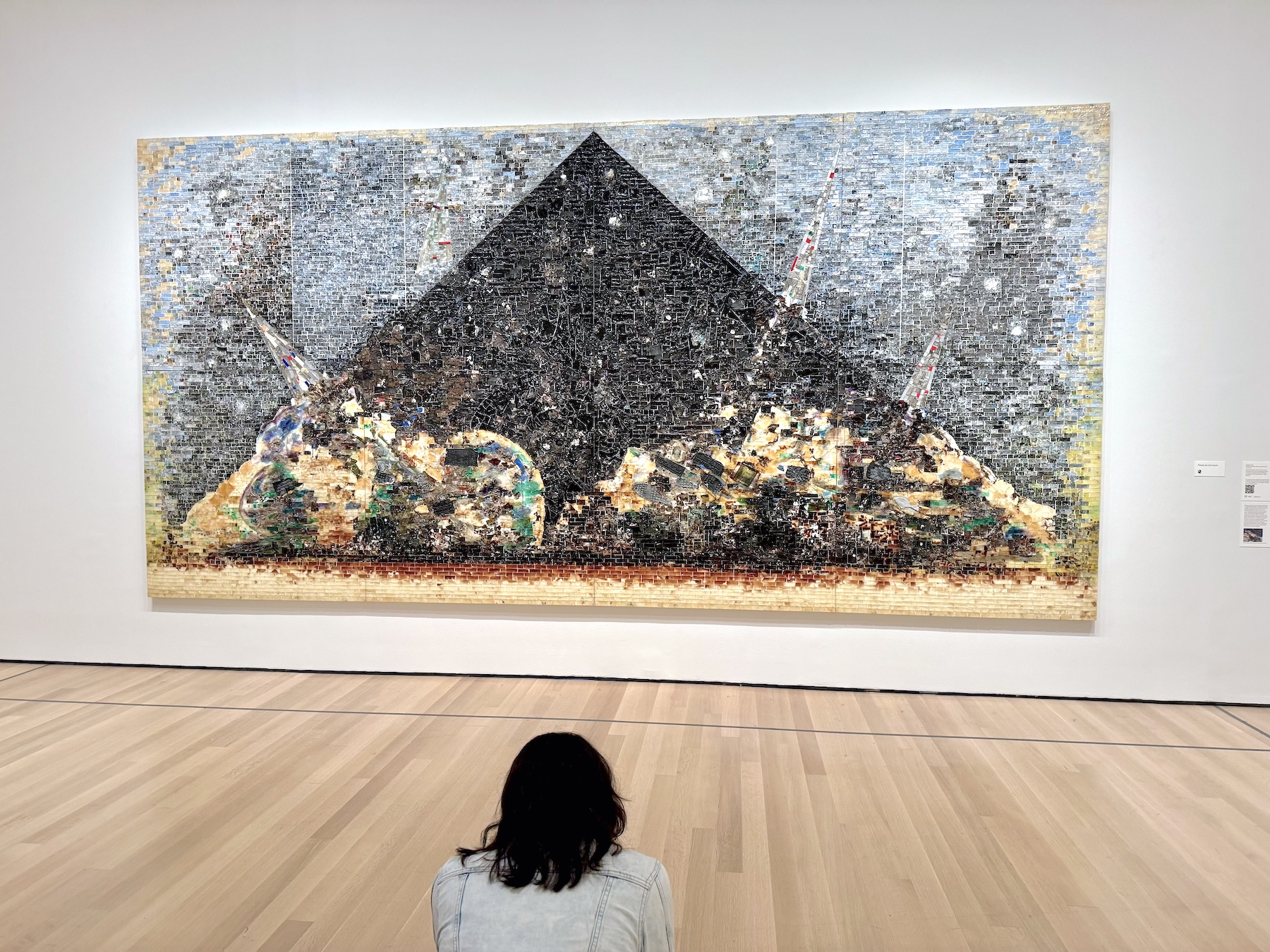
jack whittens 9 11 01 moma

Jack Whitten's monumental mosaic-painting "9.11.01" (2006) is the focus of this article, which examines the work on view at the Museum of Modern Art. The painting, created in response to the September 11 attacks, uses abstract forms—a cracked black pyramid with dagger-like spines and bootprints—to evoke the trauma of that day. Whitten, who witnessed the first plane strike from his studio in Manhattan, embedded ash and wreckage fragments into the surface, blending abstraction with historical memory.