filter_list Showing 72 results for "IED" close Clear
search
dashboard All 2942 museum exhibitions 1077article news 399article local 377trending_up market 293candle obituary 276article culture 201article policy 98person people 75rate_review review 72gavel restitution 68article event 6
date_range Range Today This Week This Month All
Subscribe

lutz bacher retrospective oslo brussels

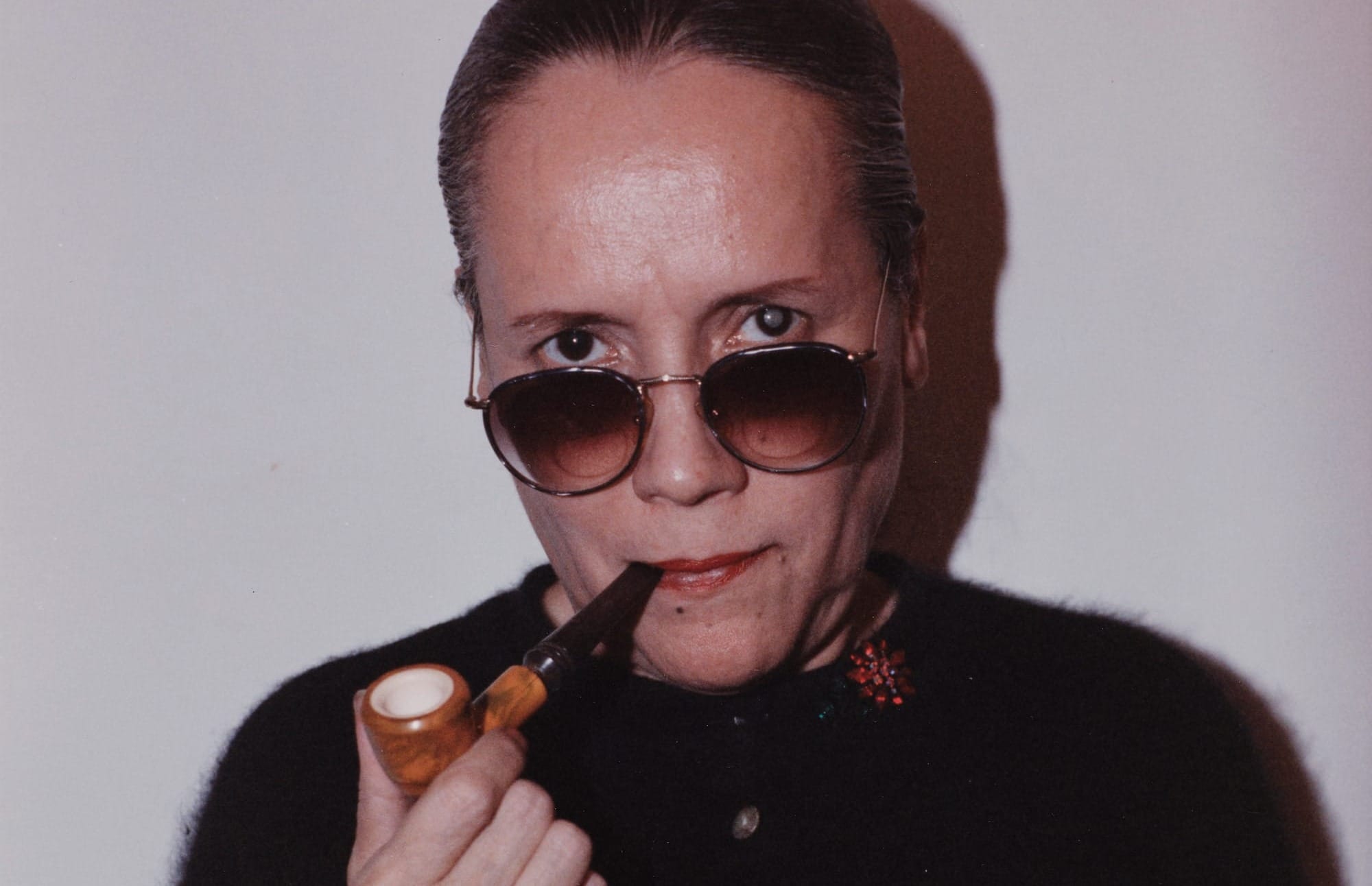
The article reviews the first posthumous retrospective of the elusive artist Lutz Bacher, titled "Burning the Days," at the Astrup Fearnley Museum in Oslo. Bacher, who died in 2019 and whose real name was never revealed, is known for her use of found photographs and a pseudonym that led many to mistake her for a German man. The exhibition opens with her work "The Lee Harvey Oswald Interview" (1976–78), in which she discusses photography and perception by using Oswald as a stand-in, and includes other pieces such as "Jackie & Me" (1989) and "Men at War" (1975), all exploring how images and narratives produce meaning.
independent picks

The article reviews the Independent art fair, highlighting its curated approach that results in a visually cohesive and easeful experience compared to other fairs. It notes the prevalence of neo-bucolic landscapes and animal paintings by artists like Sameen Agha, Tim Braden, and Lisa Sanditz, as well as delicate abstractions and small ceramic works. Standout pieces include Pope.L's provocative paint-scribbled underwear at Mitchell-Innes and Nash, Rosa Barba's kinetic painting at Vistamare, Ibrahim El-Salahi's silkscreen painting at Vigo Gallery, and works by emerging artists such as Constanza Camila Kramer Garfias and Ada Friedman at Kendra Jayne Patrick Gallery.

Notes from New York: The World in a Convex Mirror

The article reviews the sixth edition of MoMA PS1's quinquennial survey 'Greater New York 2026,' which coincides with the institution's 50th anniversary. It highlights works by artists such as Covey Gong, Win McCarthy, Mekko Harjo, and Sophie Friedman-Pappas, noting how the exhibition's themeless structure and use of reflective surfaces create a hall of distorted reflections. The show includes 53 emerging and midcareer artists, mostly millennials, and is accompanied by a block party and gala rather than a dedicated commemorative exhibition like FORTY (2016).

Big Crisis, Small Gestures

Große Krise, kleine Gesten

The article reviews the second edition of the Klima Biennale Wien, which opened in early April in Vienna. It notes that while the biennale aims to address the urgent triple crisis of climate change, biodiversity loss, and pollution, its execution falls short. The exhibition features symbolic works such as a beached whale, a broken boat, and a compostable SUV sculpture, but these motifs feel repetitive and lack the necessary impact. The author contrasts these with historical precedents like Menashe Kadishman's 1978 Venice Biennale installation and Joseph Beuys' "7000 Eichen" (1982), arguing that the themes of nature and sustainability are not new, only the urgency has intensified.

Are We Too Reverent of Marcel Duchamp?

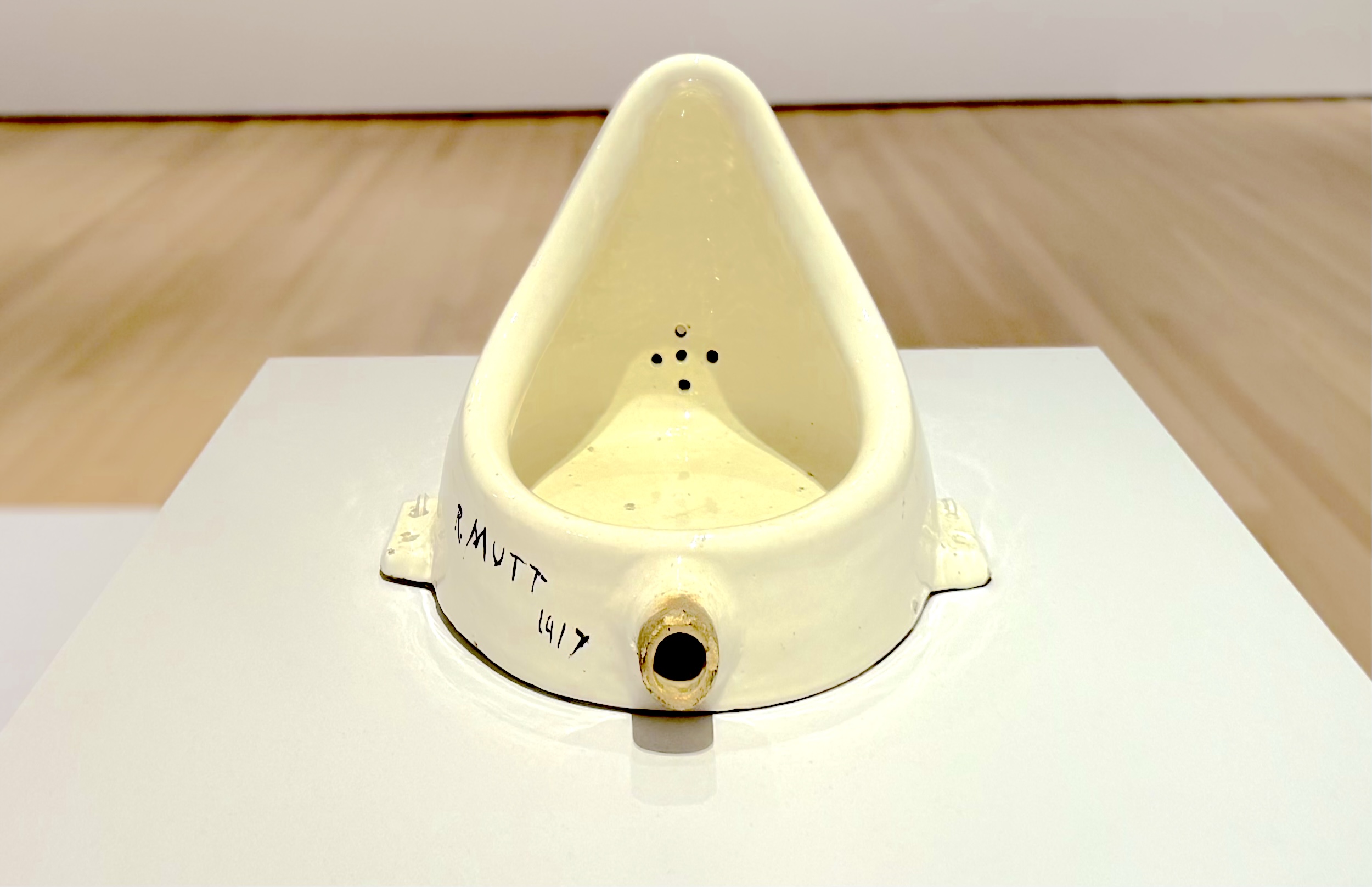
The Museum of Modern Art has launched a major retrospective of Marcel Duchamp, co-organized with the Philadelphia Museum of Art. The exhibition tracks the artist's evolution from his early Cubist experiments and the scandal of 'Nude Descending a Staircase' to his radical invention of the readymade, exemplified by the infamous urinal, 'Fountain'. The show presents a comprehensive look at 'The Duch' through a reverential, church-like atmosphere, concluding with his later years as a dapper, enigmatic figure of the avant-garde.

What does a woman swimming in urine tell us about the state of the world? Lots! – Venice Biennale review

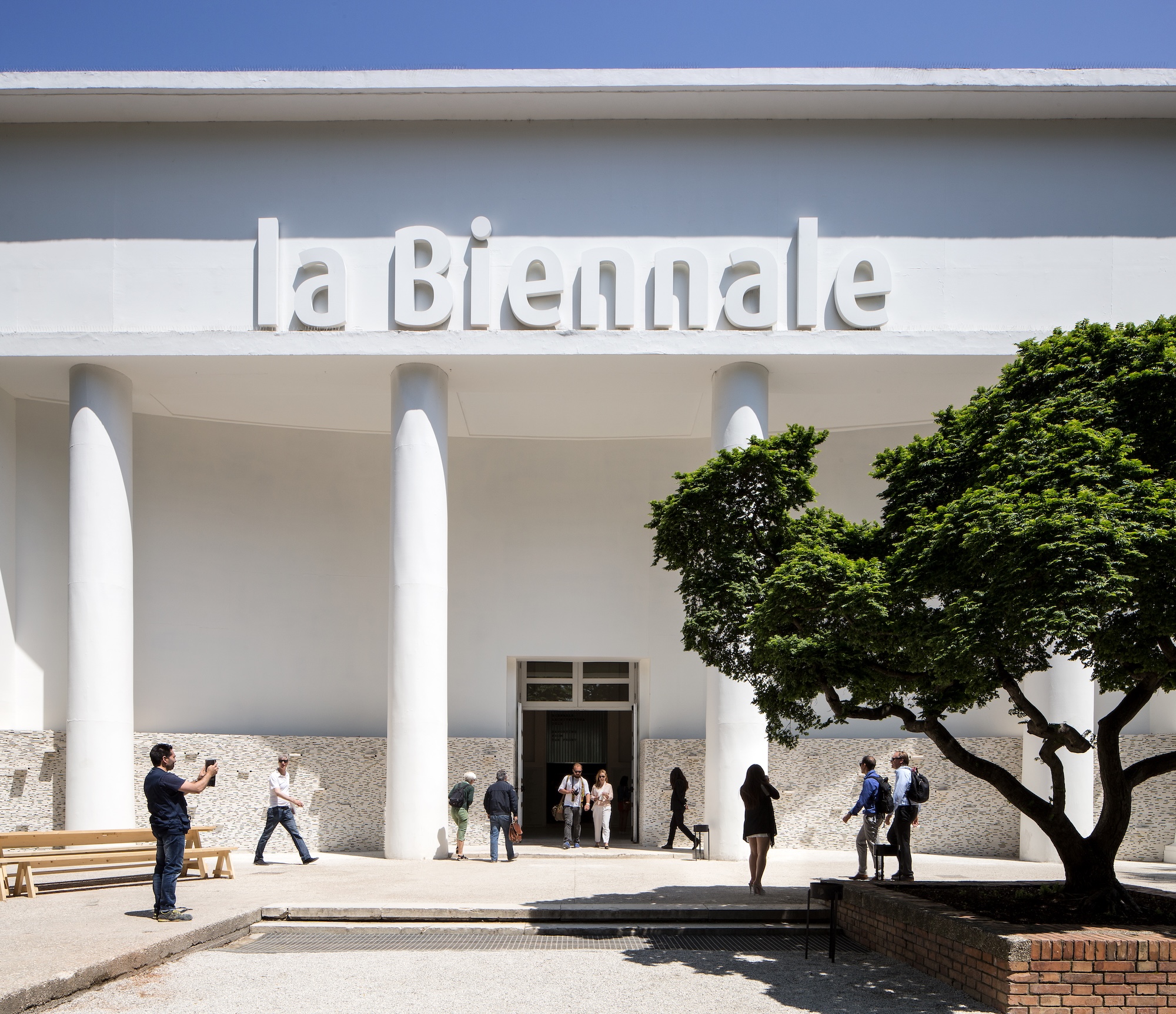
The 2026 Venice Biennale, curated by the late Koyo Kouoh under the theme "In Minor Keys," has been plagued by months of turmoil including countries withdrawing, artists being fired, exhibitions cancelled, funding pulled, and protests during the preview. A five-person curatorial team took over after Kouoh's death, resulting in what the critic describes as a disjointed, committee-driven exhibition that prioritizes quiet contemplation and healing over direct political engagement. The central shows in the Giardini and Arsenale feature a vast, poorly explained array of art from the global south, with installations of ceramics, textiles, slide projectors, and serene natural scenes that the critic finds anachronistic and dull.

art best and worst art of 2025 list

Cultured's art critic reflects on the best and worst of 2025, highlighting standout moments including Salman Toor's 2007 portrait of Zohran Mamdani (now mayor-elect of New York), the posthumous Jack Whitten survey "The Messenger" at MoMA, and Anne Imhof's epic production "DOOM: House of Hope" at the Park Avenue Armory. The article also notes Mamdani's arts-friendly transition committee and the broader resilience of artists amid political turmoil.

Hydrojustice: A Review

A Non-Aspirational Justice: Review of Hydrojustice

The article is a critical review of Andreas Philippopoulos-Mihalopoulos's book 'Hydrojustice,' which uses the concept of water as a lens to critique traditional, top-down legal justice and propose a more fluid, collective, and embodied alternative. The review frames this analysis through the recent erasure of a Banksy graffiti piece on the London Courts of Justice, which depicted a judge violently silencing a protester.

Winston Churchill: The Painter review – We will daub them on the beaches

The Guardian reviews "Winston Churchill: The Painter," an exhibition of nearly 60 paintings by the former British prime minister, curated by Xavier Bray and Lucy Davis. The show assembles works from across the UK and private collections, depicting scenes from Churchill's travels, stately homes, and leisure moments, painted as an amateur Sunday painter for stress relief rather than artistic acclaim. The review notes Churchill's use of techniques borrowed from Walter Sickert, including projectors and monochrome underlayers, and describes his style as charmingly amateurish with a vivacity in seascapes but weakness in figures and architectural luminosity.

Diedrick Brackens’s Tapestries Beckon the Light of Freedom

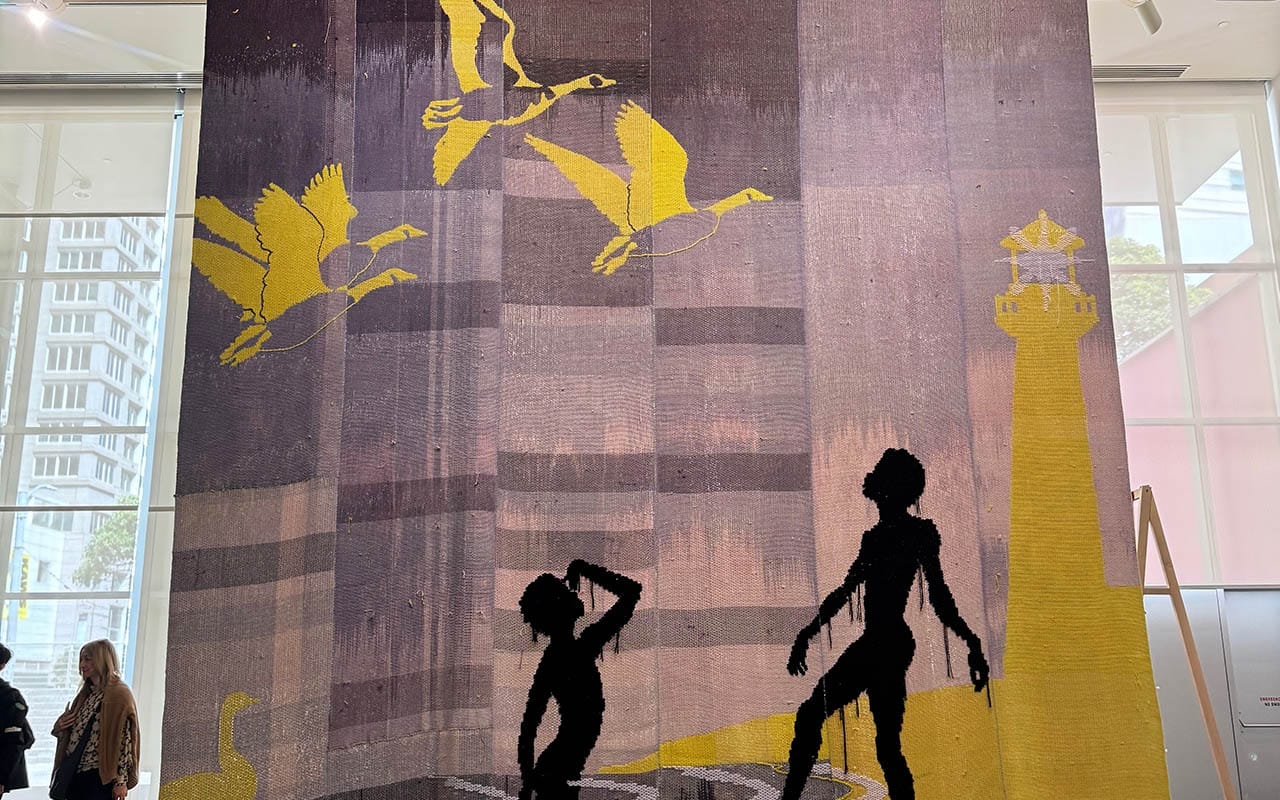
Diedrick Brackens presents his first solo exhibition in the Bay Area, "gather tender night," at Yerba Buena Center for the Arts in San Francisco. Guest-curated by Eungie Joo, the show features 15 tapestries from 2020 onward and three new works from 2026, including the immersive installation "clearing (2026)." Brackens, a Black queer artist and CCA professor, uses hand-dyed cotton and acrylic yarn to weave narratives of personal memory, myth, and the natural world, drawing from West African weaving, California fiber art, European tapestry, and Gee's Bend quilting. His approach, influenced by the "sloppy craft" ethos of his mentor Josh Faught, embraces unfinished edges and visible process as acts of refusal against polished traditions.

Zurbarán review – ecstatic visions, primitive surrealism … and the finest loincloths ever painted

The Guardian reviews a major exhibition of 17th-century Spanish painter Francisco de Zurbarán, highlighting his visionary and surrealist qualities. The show features works such as "The Apparition of Saint Peter to Saint Peter Nolasco" (1629), newly attributed paintings including a giant mask, and iconic pieces like "The Crucified Christ" and "Saint Serapion," all drawn from collections including the Prado and the National Gallery, London. The review emphasizes Zurbarán's ability to paint supernatural subjects with naturalistic conviction, his exquisite rendering of fabrics—especially loincloths—and his influence on modern artists like Salvador Dalí.

The Artist Whose Shimmering Obelisks Are Cropping Up All Over the World

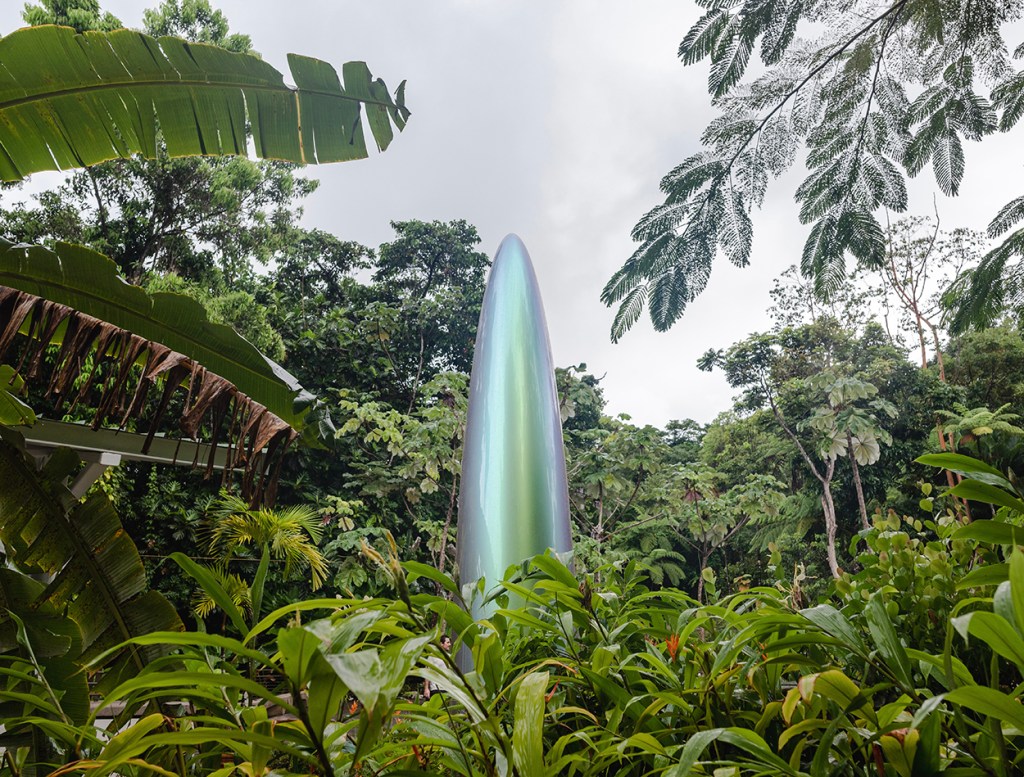
Artist Gisela Colón is currently the subject of a major retrospective at the Museo de Arte Contemporáneo de Puerto Rico (MAC), showcasing her signature "monoliths" and iridescent obelisks. These monumental sculptures, which have appeared in global locations ranging from the Great Pyramids of Giza to the Saudi Arabian desert, utilize advanced aerospace carbon fiber and site-specific minerals to create shifting, phenomenological experiences. The exhibition tracks her evolution from 1996 to the present, highlighting her unique ability to blend high-tech materials with ancient totemic forms.

Frank Bowling: Seeking the Sublime review – shipwrecked Ophelia points the path to freedom

A new exhibition of Frank Bowling's work traces the artist's early struggle to find his voice within the rigid artistic categories of the 1960s. The show features paintings from his student days in London, where he grappled with expectations to be either a political 'Black artist' or a formalist 'artist' free from identity constraints, resulting in works that felt derivative of figures like Francis Bacon.

The Tensions Seething Beneath the Surface of the 2026 Whitney Biennial

The 2026 Whitney Biennial has quickly generated a consensus among critics, prompting a deeper analysis of its underlying themes. The exhibition features a notable tension between works exploring artificial intelligence, such as Zach Blas's maximalist installation and Cooper Jacoby's emotionally resonant sculptures, and a contrasting trend of delicate, nostalgic art focused on domesticity and ecology, exemplified by artists like Kelly Akashi and Jasmin Sian.

critical reduction the 2014 whitney biennial 5409

The 2014 Whitney Biennial has debuted with a controversial three-curator structure, tasking Michelle Grabner, Stuart Comer, and Anthony Elms with organizing separate floors of the museum. This meta-review aggregates the initial critical reception from major publications, noting that the fragmented format has forced critics to evaluate the exhibition as three distinct shows rather than a unified vision.

pierre huyghe las foundation

Pierre Huyghe has unveiled his most ambitious project to date in Berlin, a major exhibition titled 'Liminals' staged at the cavernous Halle am Berghain. Commissioned by the LAS Art Foundation as part of its 'Sensing Quantum' program, the installation features a massive 50-minute film projected in a former electrical station, accompanied by a droning, atmospheric soundscape. The work continues Huyghe’s exploration of AI-driven systems and 'unworlding,' attempting to create a space that transcends human subjectivity through bio-technological environments.

sam gilliam sculpture textile fiber dublin ireland imma

The article reviews an exhibition of Sam Gilliam's work at the Irish Museum of Modern Art (IMMA) in Dublin, focusing on 23 works from the 1990s that highlight his use of sewing and stitching. Gilliam, a relentless experimenter who died in 2022, is known for moving from hard-edged stripe paintings to draped, unstretched canvases that blurred painting and sculpture. This show reveals a lesser-known aspect of his practice: patchwork-like assemblages of painted and printed canvas pieces held together by visible machine stitching, often incorporating photographic imagery of botanical forms. The works originated from a 1993 residency in Ballinglen, County Mayo, where Gilliam shipped pre-painted canvases from Washington, D.C., and had a seamstress sew them together.

william holman hunt the awakening of conscience

The article analyzes William Holman Hunt's 1853 painting *The Awakening Conscience*, which depicts a woman in a Victorian parlor rising from the lap of a man, her gaze fixed on a sunlit garden glimpsed in a mirror. Hunt, a member of the Pre-Raphaelite Brotherhood alongside John Everett Millais and Dante Gabriel Rossetti, filled the work with dense symbolism—such as the woman's ringless left hand, a discarded glove, and sheet music by Edward Lear and Thomas Moore—to reveal that the scene is not a married couple but a mistress and her lover, trapped in a gilded cage.

25th Biennale of Sydney Review: From the Margins

The 25th Biennale of Sydney, titled "Rememory" and curated by Hoor Al Qasimi, features 143 works by 83 artists and collectives from 37 countries across five venues. The exhibition explores marginalized, fragmented, and repressed histories, drawing on Toni Morrison's concept of 'rememory' as a space between remembering and forgetting. Key works include Tuan Andrew Nguyen's film on Vietnam War trauma, Basel Abbas and Ruanne Abou-Rahme's immersive installation on Palestinian displacement, Khalid Albaih's photographs of Sudan, and Massinissa Selmani's drawings on Algerian socialist building projects.

Notes from New York: Rotting Meat

Artist Jen Liu’s solo exhibition 'Pound of Flesh' at Silverlens New York explores the dehumanizing nature of digital labor through visceral imagery of raw meat. The show features paintings where human consciousness is replaced by butcher-shop cuts and an animated video based on Liu’s research into microworkers—individuals who perform repetitive, low-paid tasks to train AI models. By juxtaposing the biological reality of the body with the clinical extraction of data, Liu highlights the physical and psychological toll of the 'Agentic Age.'

Comment | Perhaps artists do have only ‘ten good years’—but they can happen at any time in their career

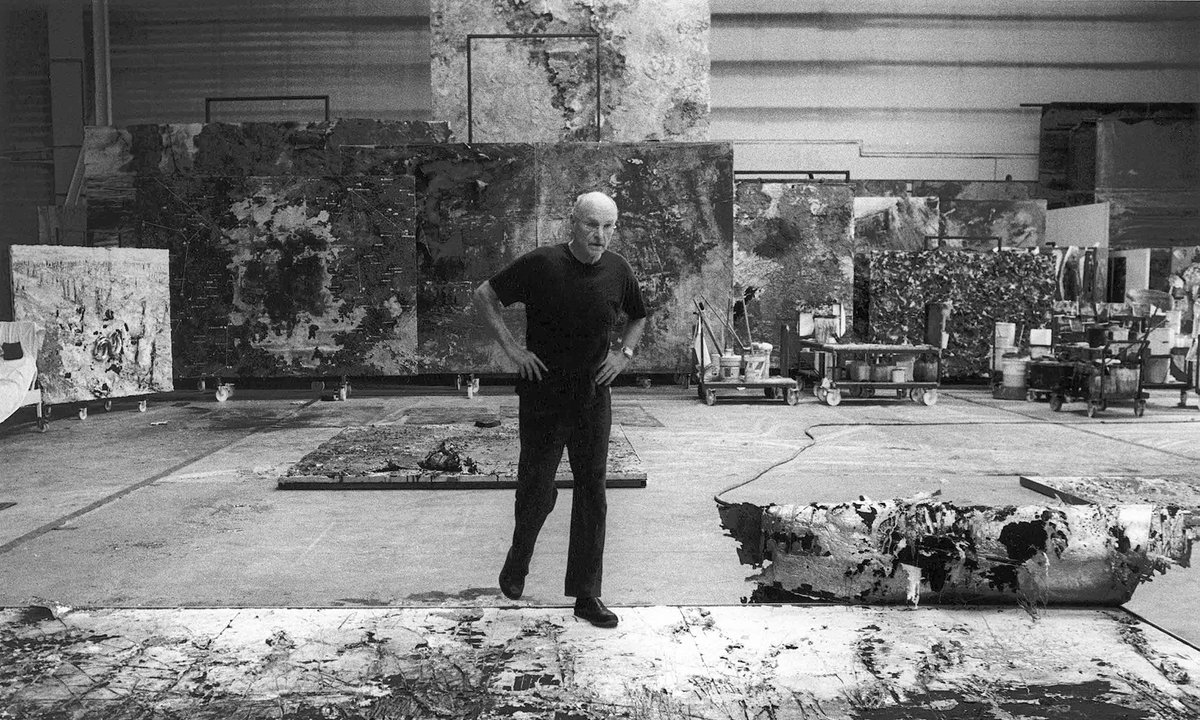
The article reflects on the idea that artists may have only 'ten good years' of peak creativity, prompted by a visit to the exhibition "Anselm Kiefer: Early Works" at the Ashmolean Museum in Oxford. The author contrasts the young Kiefer's deft, emotionally intimate works from 1969–1982 with his later, more grandiose output, arguing that Kiefer's early period surpasses anything he has achieved since. The piece also revisits critic Douglas Cooper's harsh dismissal of late Picasso and former Tate director Alan Bowness's theory of artistic prime.

Review: The Good, The Bad and The Venice Biennale

The article reviews the 2024 Venice Biennale, focusing on controversies over Russia's and Israel's participation. Protests erupted during opening week, leading the EU to cut funding and the International Jury to resign. As a result, awards like the Golden Lion and Silver Lion will be decided by public vote, with many pavilions and artists withdrawing in protest. The main exhibition, curated under the theme 'Minor Keys,' features standout works by Alfredo Jaar and Carrie Schneider, alongside national pavilions like Austria's provocative entry by Florentina Holzinger.

Anni Albers Wasn’t Afraid to Start From Zero

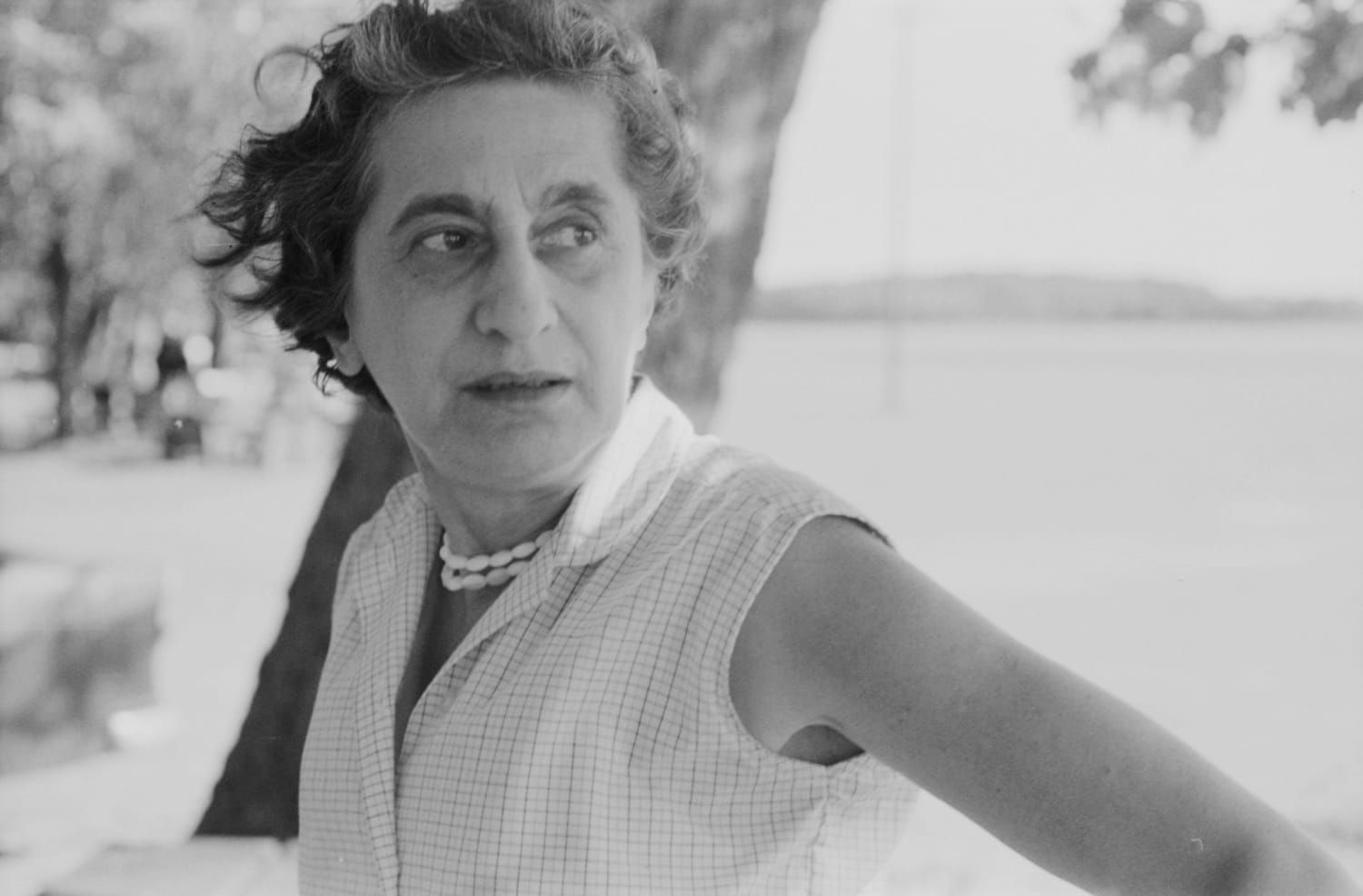
Nicholas Fox Weber's new biography, *Anni Albers: A Life*, draws on his nearly 25-year friendship with the artist to offer an intimate, nuanced portrait of the pioneering textile artist. The book traces Albers's journey from her birth in Berlin in 1899, through her studies and teaching at the Bauhaus and Black Mountain College, her escape from Nazi Germany in 1933, and her later years in Connecticut. Weber, who serves as executive director of the Josef & Anni Albers Foundation, fills the biography with lively anecdotes—from her love of Kentucky Fried Chicken to her sharp wit—while correcting the "stock stories" she often repeated, revealing her personality and artistic dedication with rare depth.

Sophia Rivera’s Mythology of Everyday New York

The article reviews "Sophie Rivera: Double Exposures" at El Museo del Barrio, the first survey of the late Nuyorican photographer Sophie Rivera, who died in 2021. The exhibition spans her career, including her feminist conceptual series "Rouge et Noir" and "Bowl Study" (c. 1976–78), which depict intimate bodily waste like used tampons and feces, and her socially engaged "Latino Portraits" series from the late 1970s, which countered negative media stereotypes of Puerto Ricans with affectionate, mythologizing portraits. The review highlights a moment where the critic misidentifies abstract toilet photographs as pinhole or double exposures before learning their true subject.

The Enigma of Alison Knowles

Lauren Moya Ford reviews the only book dedicated to Fluxus artist Alison Knowles, who died six months ago. The book, "Performing Chance: The Art of Alison Knowles In/Out of Fluxus" by Nicole L. Woods (2026), attempts to illuminate Knowles's life and work, but Ford notes that much of her personal life remains mysterious despite the author's efforts. The article is part of a broader books newsletter that also features new tomes on Hans Holbein’s portraits, Jan Staller’s photographs of Manhattan construction sites, and a discussion of a Black Panther family album at the Studio Museum in Harlem.

It’s Gabriele Münter’s World, We’re Just Living in It

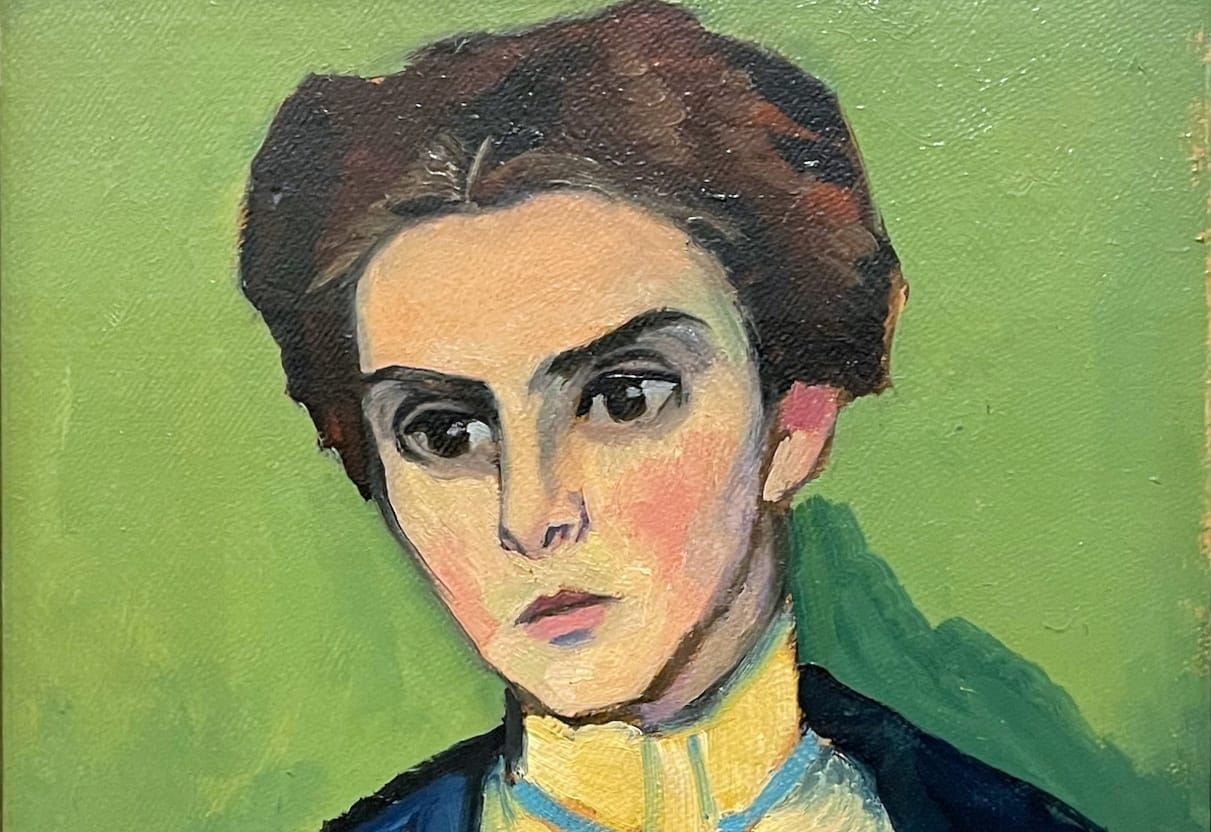
The Solomon R. Guggenheim Museum is hosting "Contours of a World," a retrospective dedicated to Gabriele Münter, a co-founder of the Blue Rider group. The exhibition moves beyond the shadow of her long-time partner Wassily Kandinsky, showcasing her distinct approach to German Expressionism through photography, intimate domestic scenes, and vibrant landscapes. Unlike her contemporaries who leaned toward total abstraction, Münter utilized bold outlines and layered compositions to create a dynamic, phenomenological experience of seeing.

Frida-Mania Hits MoMA

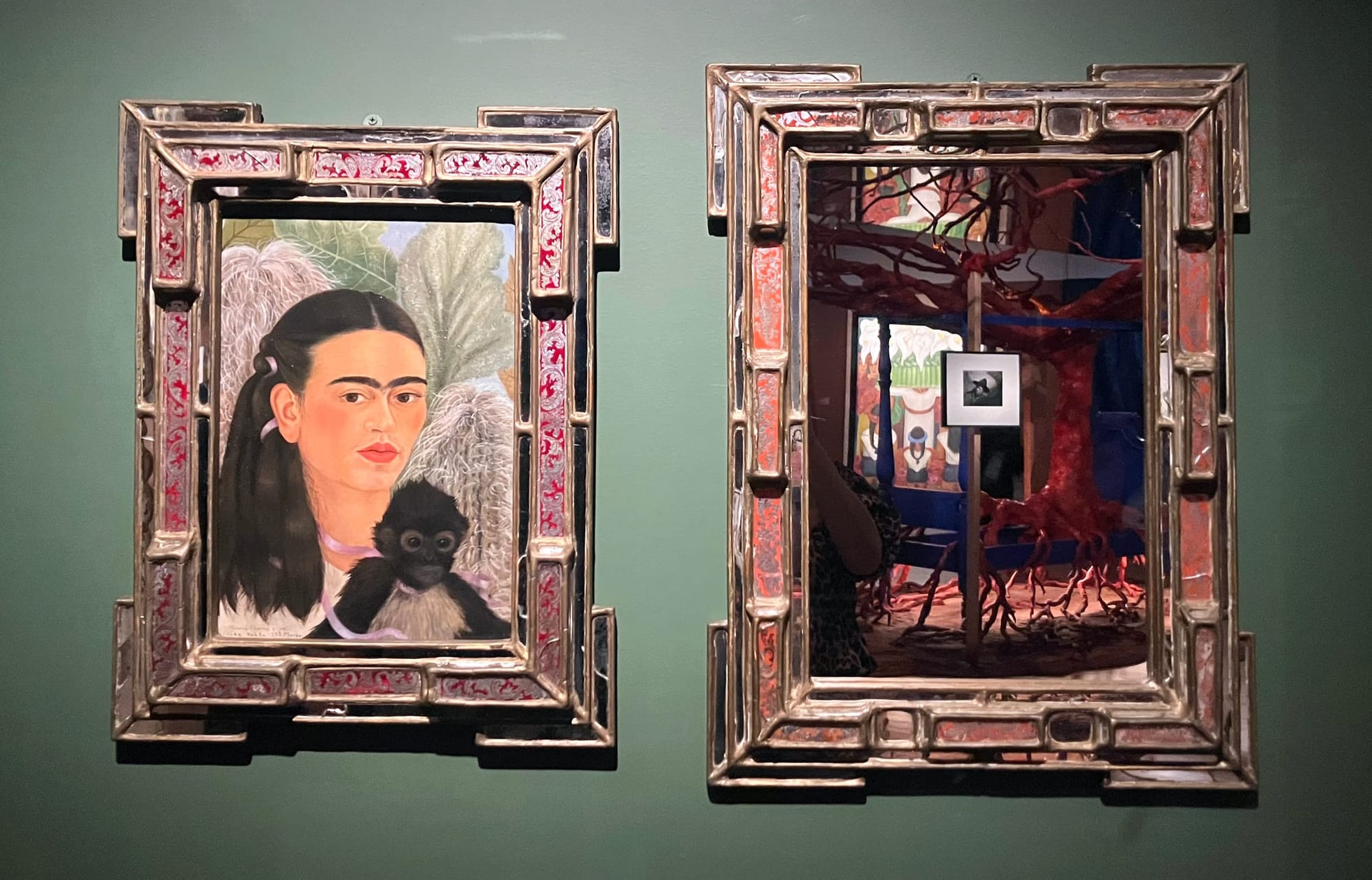
The Museum of Modern Art (MoMA) has opened the exhibition 'Frida and Diego: The Last Dream,' a collaboration with the Metropolitan Opera tied to its upcoming production of the opera 'El Último Sueño de Frida y Diego.' The show, designed by stage and costume designer Jon Bausor, transplants theatrical elements like a tree-of-life set model and blue tarp drapes into the gallery, alongside a reshuffling of key Kahlo and Rivera works from MoMA's collection.

Joe Moss, Drones and Caspar David Friedrich

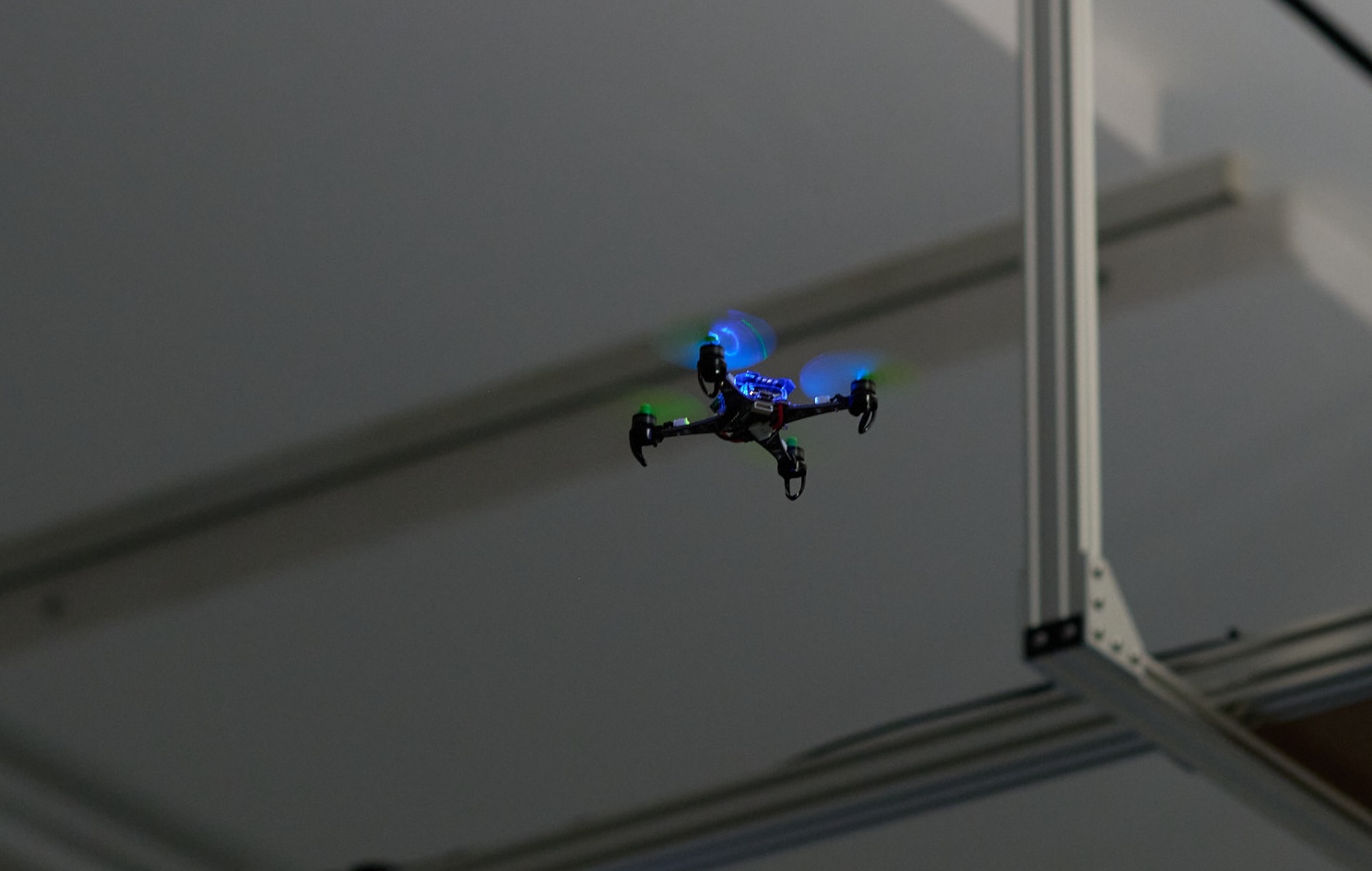
Artist Joe Moss presents his installation 'Automated Fantasy Procedure' at Matt's Gallery in London. The work features a squadron of choreographed drones, two-channel videos with actors portraying figures like a Caspar David Friedrich-inspired wanderer, and a Roman-style mosaic, all experienced in scheduled ten-minute replays designed to mimic the overwhelming sensation of scrolling through a smartphone.

« Caïn » de Fernand Cormon : aux origines de la conscience humaine ?

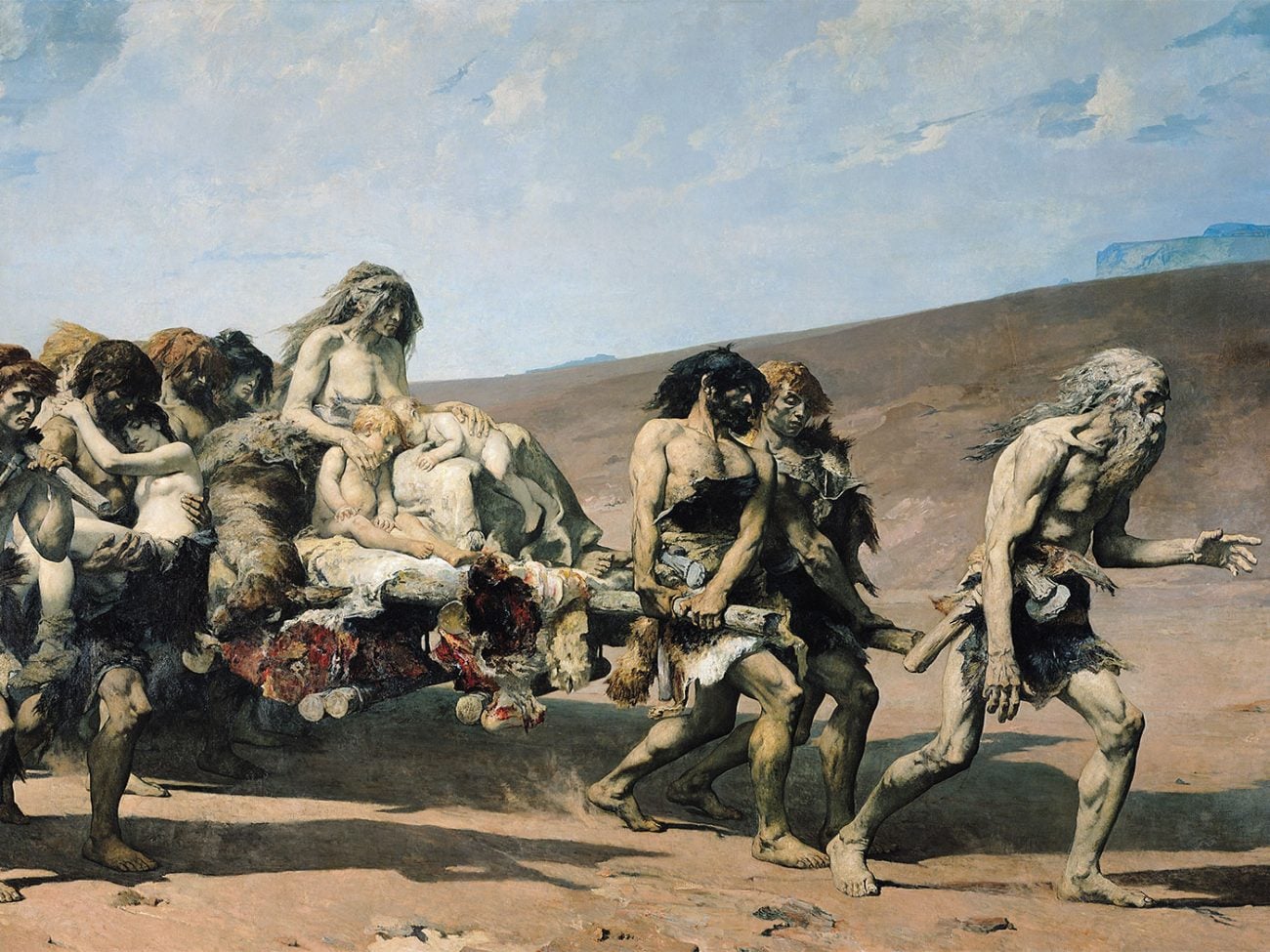
Beaux Arts Magazine analyzes Fernand Cormon's monumental 1880 painting "Caïn," currently held at the Musée d'Orsay. The article describes the scene: a prehistoric, weary clan trudges through a desert, led by a haggard patriarch, with a tired mother on a litter and hunters carrying game. Cormon's work is presented as the antithesis of classical triumph, evoking a melancholic, post-traumatic atmosphere. The painting is linked to the biblical story of Cain, who killed his brother Abel and was condemned to exile, and is accompanied by verses from Victor Hugo's poem "Conscience."

whitney biennial 2026 systems infrastructure andrea fraser carmen de monteflores emilie gossiaux david johnson

The 2026 Whitney Biennial, curated by Marcela Guerrero and Drew Sawyer, moves beyond the traditional geographic borders of the United States to explore 'the greater United States.' Drawing inspiration from historian Daniel Immerwahr, the exhibition features artists from occupied territories, military outposts, and nations impacted by American intervention, including Okinawa, Chile, and Palestine. The show shifts the focus from identity politics to the material reality of infrastructure, examining how global systems of finance, energy, and empire operate and often fail.