filter_list Showing 7 results for "MAK" close Clear
search
dashboard All 279 museum exhibitions 147article local 51article culture 26article news 19trending_up market 18rate_review review 7article policy 6person people 3candle obituary 2
date_range Range Today This Week This Month All
Subscribe

Fantastic visions and cosmic rhythms: how Whistler is making me see – and hear – differently

The article explores how the James McNeill Whistler exhibition at Tate in London prompts a reconsideration of the relationship between music and visual art. Whistler titled his works using musical terms like "Arrangement," "Symphony," and "Nocturne," arguing that painting should be abstract and independent of narrative, much like instrumental music. The exhibition, reviewed by Jonathan Jones, highlights Whistler's radical art-for-art's-sake philosophy, which influenced composer Claude Debussy, whose orchestral Nocturnes were directly inspired by Whistler's paintings of light and atmosphere.
« Caïn » de Fernand Cormon : aux origines de la conscience humaine ?

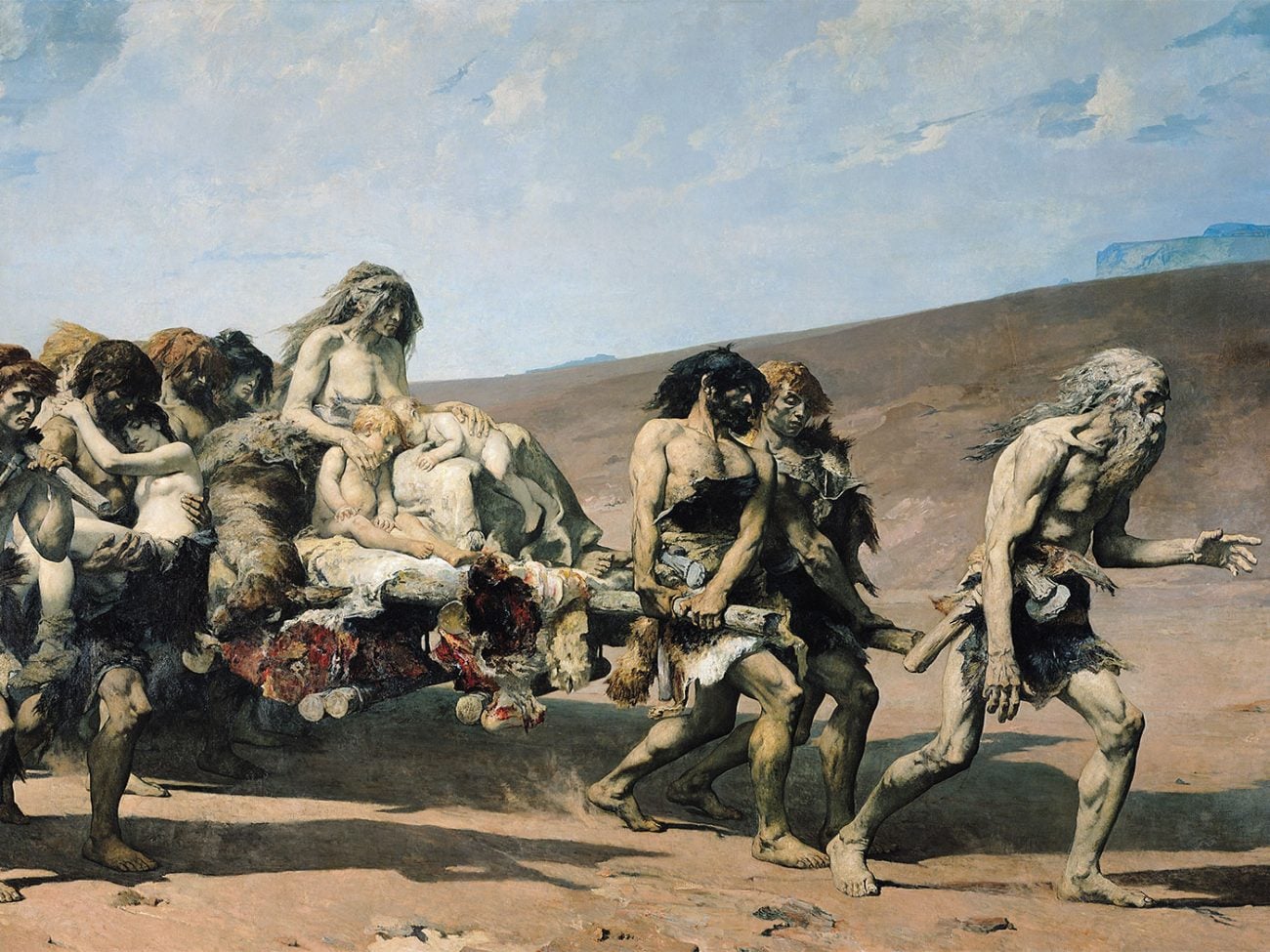
Beaux Arts Magazine analyzes Fernand Cormon's monumental 1880 painting "Caïn," currently held at the Musée d'Orsay. The article describes the scene: a prehistoric, weary clan trudges through a desert, led by a haggard patriarch, with a tired mother on a litter and hunters carrying game. Cormon's work is presented as the antithesis of classical triumph, evoking a melancholic, post-traumatic atmosphere. The painting is linked to the biblical story of Cain, who killed his brother Abel and was condemned to exile, and is accompanied by verses from Victor Hugo's poem "Conscience."

How Former Fashion Designer Emma Safir Turns Fabric into Beguiling Paintings

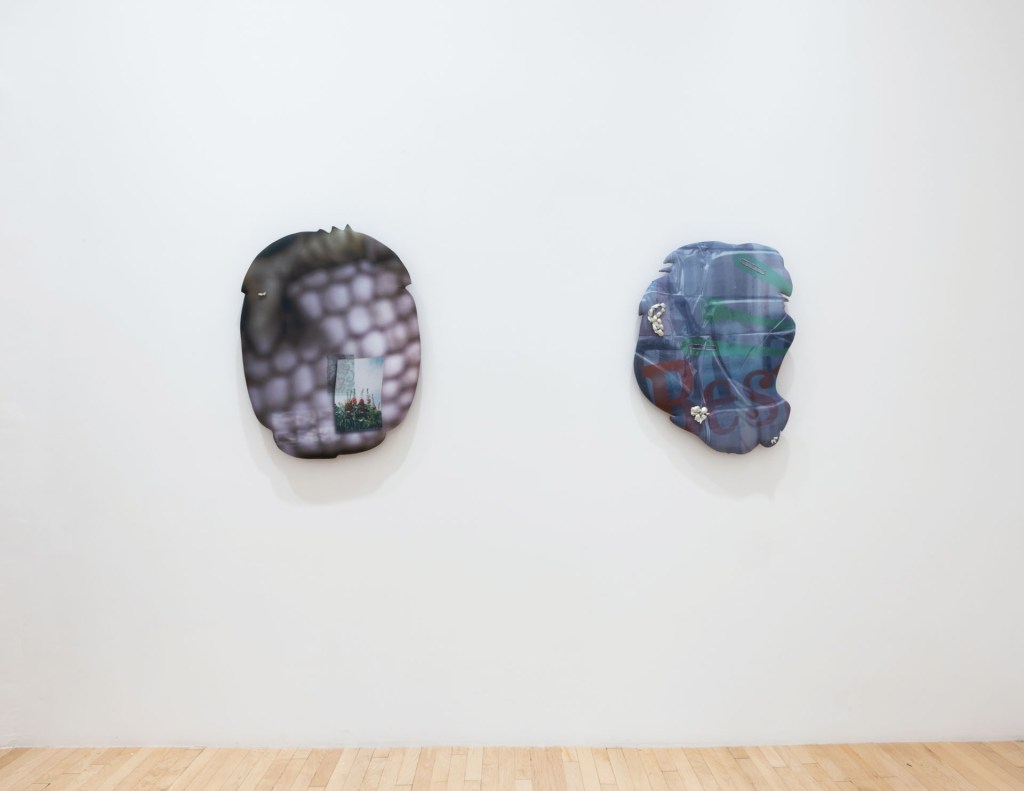
Emma Safir, a former fashion designer and printmaker, creates beguiling paintings and tapestries that blend textiles, digital printing, and traditional embroidery techniques. Her works, such as "APRICOT SILK" (2025) and "BABY DARLING" (2025), use smocking, glass beads, and shells to produce organic, jewel-toned surfaces that resist easy reflection or entry, challenging viewers to engage with layered material hierarchies.

Karla Knight’s Cosmic Conspiracies

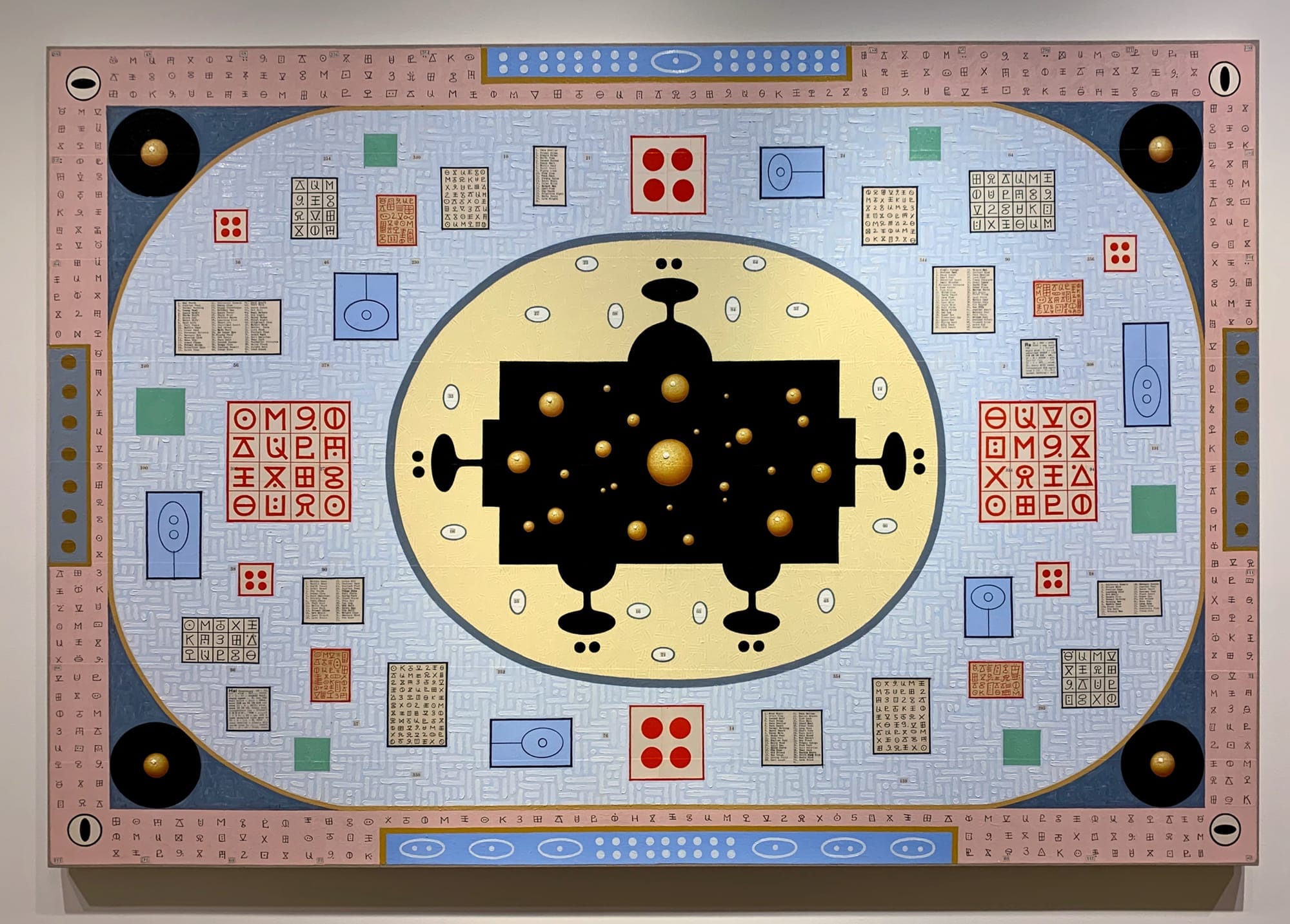
Karla Knight's exhibition "Orbit" at Andrew Edlin Gallery presents her game-like paintings and tapestries filled with cryptic symbols, cosmic diagrams, and celestial imagery. Works such as "Orbiter 2" (2024–25) and "Feelers" (2025–26) feature irregular black devices, floating spheres, and rows of arcane script, inviting viewers to decode what appear to be blueprints for extraterrestrial systems or maps of hidden dimensions. Knight employs meticulous grids, bold primary colors, and textile techniques to render the paranormal as strangely normal.

A New Richard Avedon Documentary Lets Him Down

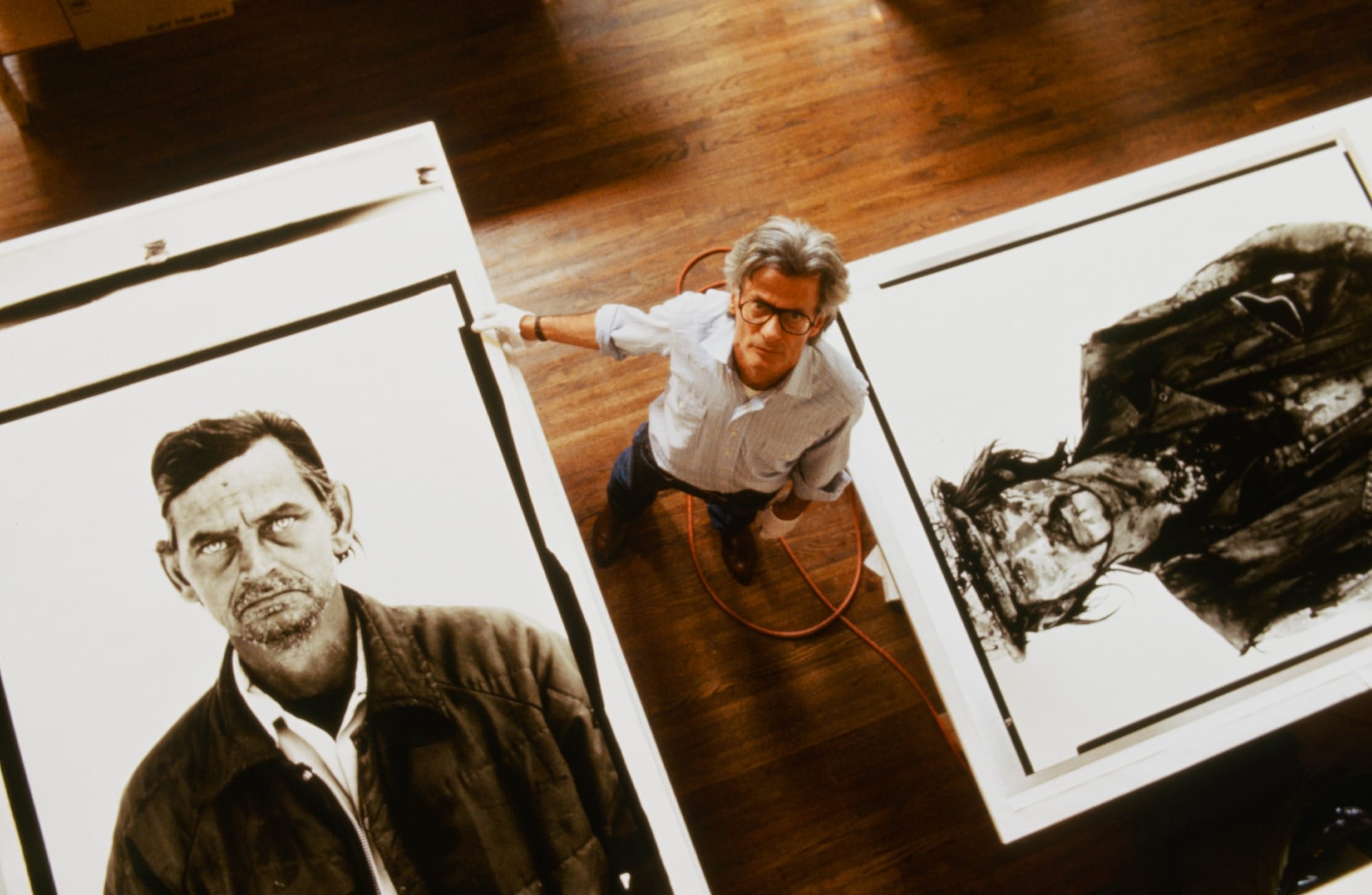
A new documentary titled "Avedon" (2026), directed by Ron Howard, premiered at the Cannes Film Festival. The film offers a conventional tour of the life of famed photographer Richard Avedon, relying on talking-head interviews and behind-the-scenes anecdotes rather than delving into the artistic process or the deeper implications of his work. The review criticizes Howard's approach as hackwork, noting that the documentary misses opportunities to explore Avedon's insights on image culture, his influence on cinema, and the technical evolution of his photography.

CUANDO LOS OBJETOS HABLAN. MUSEO HECHIZO, DE JUAN JOSÉ SANTOS

Juan José Santos's book "Museo hechizo" (Metales Pesados, 2025) challenges the perceived neutrality of the Western museum, presenting it as an institution shaped by colonial logics of classification, extraction, and representation. The essay centers on the concept of "lo hechizo"—understood as both artisanal precariousness and disruptive enchantment—and explores small, community-based Latin American museum experiences that operate from precarity, reciprocity, and care. Santos argues that the museum is a space of conflict where voices, narratives, and ways of constructing history are contested, and he proposes thinking of the museum through its minor, situated, and alternative forms in Latin America.

Joan Semmel Roars at The Jewish Museum

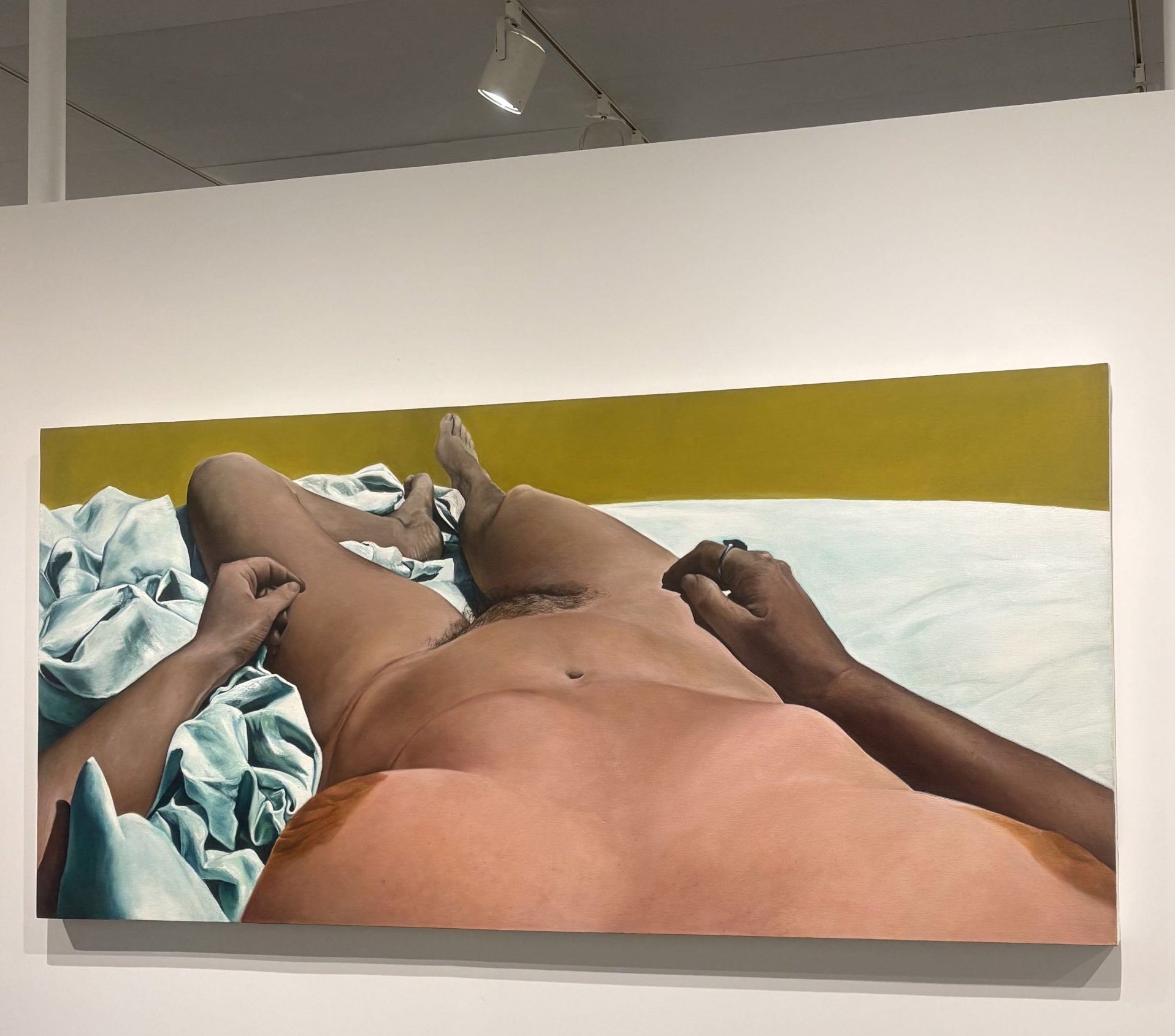
The article reviews Joan Semmel: In the Flesh, a retrospective exhibition at The Jewish Museum in New York (December 2025 – May 2026). The author describes an initial discomfort with Semmel's graphic nude paintings of aging female bodies, but after researching the artist's significance in feminist art, comes to appreciate her unapologetic honesty. The show is arranged chronologically, tracing Semmel's evolution from works like Erotic Yellow (1973) to later paintings that grow in confidence and freedom, all while maintaining a focus on female embodiment and pleasure from a female perspective.