filter_list Showing 65 results for "MPA" close Clear
search
dashboard All 3141 museum exhibitions 1344article news 434trending_up market 323article local 298article culture 245article policy 162person people 138candle obituary 76rate_review review 65gavel restitution 47article event 8article museum 1
date_range Range Today This Week This Month All
Subscribe

here are 6 of the worst art works we saw all year

Artnet News published a year-end roundup of the worst artworks of 2023, as selected by its writers and editors. The list includes Meta's AI-art chatbot experiments on Instagram, which cloned celebrity likenesses into cringe-worthy avatars like Snoop Dogg's 'The Dungeon Master' and Kendall Jenner's 'Billie,' alongside Refik Anadol's 'Unsupervised' at MoMA, criticized as shallow tech spectacle. Other entries include a poorly received Picasso-themed exhibition and additional works deemed ill-conceived or badly executed.

lorna simpson met museum painting survey review

Lorna Simpson's paintings are the subject of a new survey exhibition at the Metropolitan Museum of Art in New York, titled "Source Notes," on view through November 2. The show features over 20 paintings created between 2014 and 2024, marking the first exhibition to survey Simpson's output in this medium. Curated by Lauren Rosati, the exhibition aims to provide an overview of her painterly practice while connecting it to her collage work, with two vitrines displaying her collages to illustrate the fluidity between the two practices. Simpson, best known for her photography from the 1980s, debuted her paintings at the 2015 Venice Biennale organized by the late curator Okwui Enwezor.

independent picks

The article reviews the Independent art fair, highlighting its curated approach that results in a visually cohesive and easeful experience compared to other fairs. It notes the prevalence of neo-bucolic landscapes and animal paintings by artists like Sameen Agha, Tim Braden, and Lisa Sanditz, as well as delicate abstractions and small ceramic works. Standout pieces include Pope.L's provocative paint-scribbled underwear at Mitchell-Innes and Nash, Rosa Barba's kinetic painting at Vistamare, Ibrahim El-Salahi's silkscreen painting at Vigo Gallery, and works by emerging artists such as Constanza Camila Kramer Garfias and Ada Friedman at Kendra Jayne Patrick Gallery.

Notes from New York: The World in a Convex Mirror

The article reviews the sixth edition of MoMA PS1's quinquennial survey 'Greater New York 2026,' which coincides with the institution's 50th anniversary. It highlights works by artists such as Covey Gong, Win McCarthy, Mekko Harjo, and Sophie Friedman-Pappas, noting how the exhibition's themeless structure and use of reflective surfaces create a hall of distorted reflections. The show includes 53 emerging and midcareer artists, mostly millennials, and is accompanied by a block party and gala rather than a dedicated commemorative exhibition like FORTY (2016).

What ‘Costume Art’ Gets Wrong About the Body

The Metropolitan Museum of Art's Costume Institute spring exhibition, featuring nearly 400 objects, pairs garments and ensembles with Western figurative artworks from the museum's permanent collection in dyadic, associative displays. The show eschews traditional art-historical timelines and context in favor of visual and thematic parallels—comparing, for example, Rudi Gernreich's Pubikini with an Egyptian statuette, or Ying Gao's sound-responsive dress with a David Hockney drawing. The exhibition is sponsored by Jeff and Lauren Sánchez Bezos.

Big Crisis, Small Gestures

Große Krise, kleine Gesten

The article reviews the second edition of the Klima Biennale Wien, which opened in early April in Vienna. It notes that while the biennale aims to address the urgent triple crisis of climate change, biodiversity loss, and pollution, its execution falls short. The exhibition features symbolic works such as a beached whale, a broken boat, and a compostable SUV sculpture, but these motifs feel repetitive and lack the necessary impact. The author contrasts these with historical precedents like Menashe Kadishman's 1978 Venice Biennale installation and Joseph Beuys' "7000 Eichen" (1982), arguing that the themes of nature and sustainability are not new, only the urgency has intensified.

The 2026 Venice Biennale Is Quintessential Biennial Art

The 61st Venice Biennale, titled "In Minor Keys" and curated by the late Swiss-Cameroonian curator Koyo Kouoh, opened in 2026. The main exhibition at the Arsenale and Giardini features works by artists such as Éric Baudelaire, Maria Magdalena Campos Pons, Mohammed Z. Rahman, Sohrab Hura, and Rose Salane, among others. The exhibition centers on themes of mourning, colonial history, slavery, and healing, with works like Baudelaire's video installation linking the flower trade to the transatlantic slave trade, and a tribute section honoring artists Beverly Buchanan and Issa Samb.

Diedrick Brackens’s Tapestries Beckon the Light of Freedom

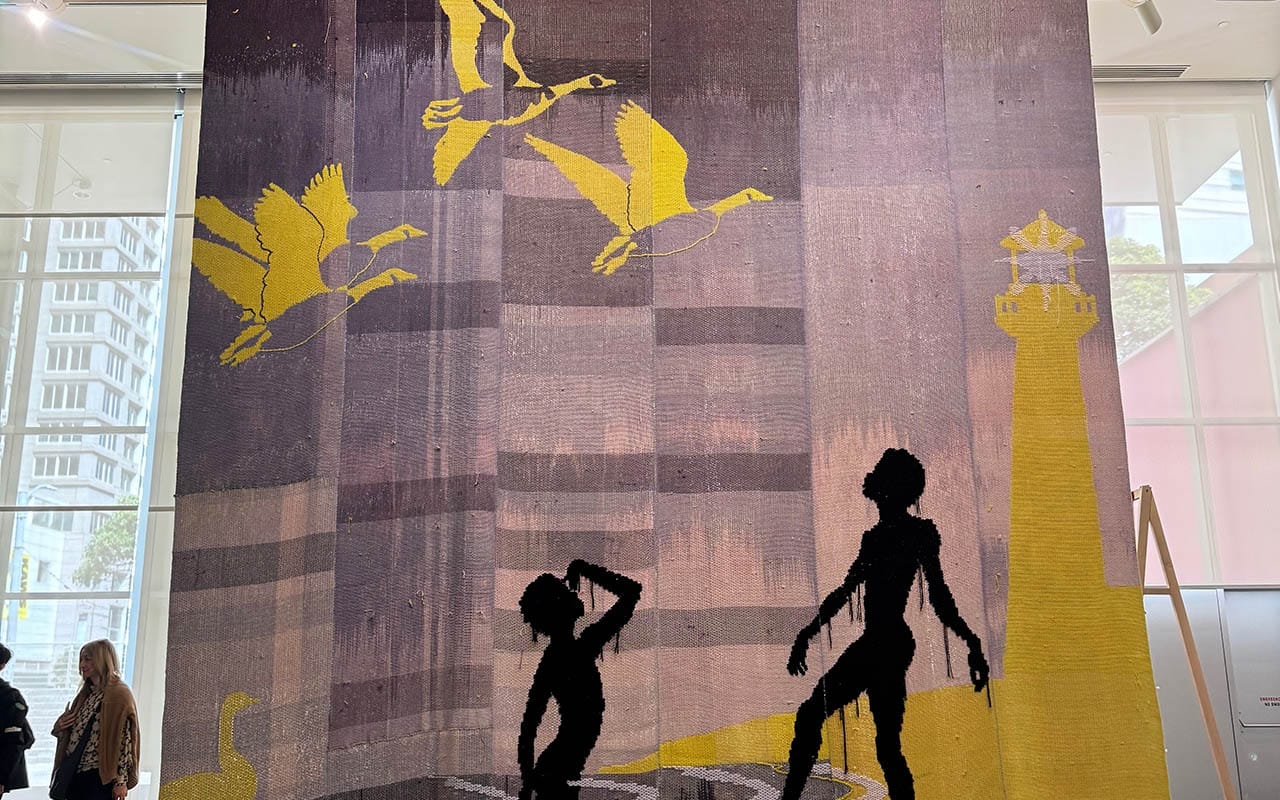
Diedrick Brackens presents his first solo exhibition in the Bay Area, "gather tender night," at Yerba Buena Center for the Arts in San Francisco. Guest-curated by Eungie Joo, the show features 15 tapestries from 2020 onward and three new works from 2026, including the immersive installation "clearing (2026)." Brackens, a Black queer artist and CCA professor, uses hand-dyed cotton and acrylic yarn to weave narratives of personal memory, myth, and the natural world, drawing from West African weaving, California fiber art, European tapestry, and Gee's Bend quilting. His approach, influenced by the "sloppy craft" ethos of his mentor Josh Faught, embraces unfinished edges and visible process as acts of refusal against polished traditions.

Handpicked review – delightful dancing dahlias and petals so pillowy you can feel them

The Guardian reviews "Handpicked," an exhibition at Kettle's Yard in Cambridge that brings together over 40 artists from the 20th century to the present, all sharing a floral passion. The show features works by Rory McEwen, Vanessa Bell, Cedric Morris, Christopher Wood, Tirzah Garwood, Celia Paul, Gluck, and Caroline Walker, among others, displayed on white and leaf-green walls inspired by the fresh flowers and floral paintings in the neighboring house. The review highlights specific pieces, such as McEwen's exquisite tulip watercolor and Garwood's poignant painting from the last year of her life, noting the technical variety and emotional depth across the exhibition.

2026 whitney biennial critics conversation

The 82nd edition of the Whitney Biennial has opened at the Whitney Museum of American Art, curated by Marcela Guerrero and Drew Sawyer. Featuring 56 artists from diverse global backgrounds, the exhibition explores themes of American empire, human-nonhuman relationships, and the impact of infrastructure. Early critical reactions highlight a pervasive sense of "horror" and bodily disturbance, with works utilizing AI, sculpture, and painting to address grief, war, and societal transformation.

pierre huyghe las foundation

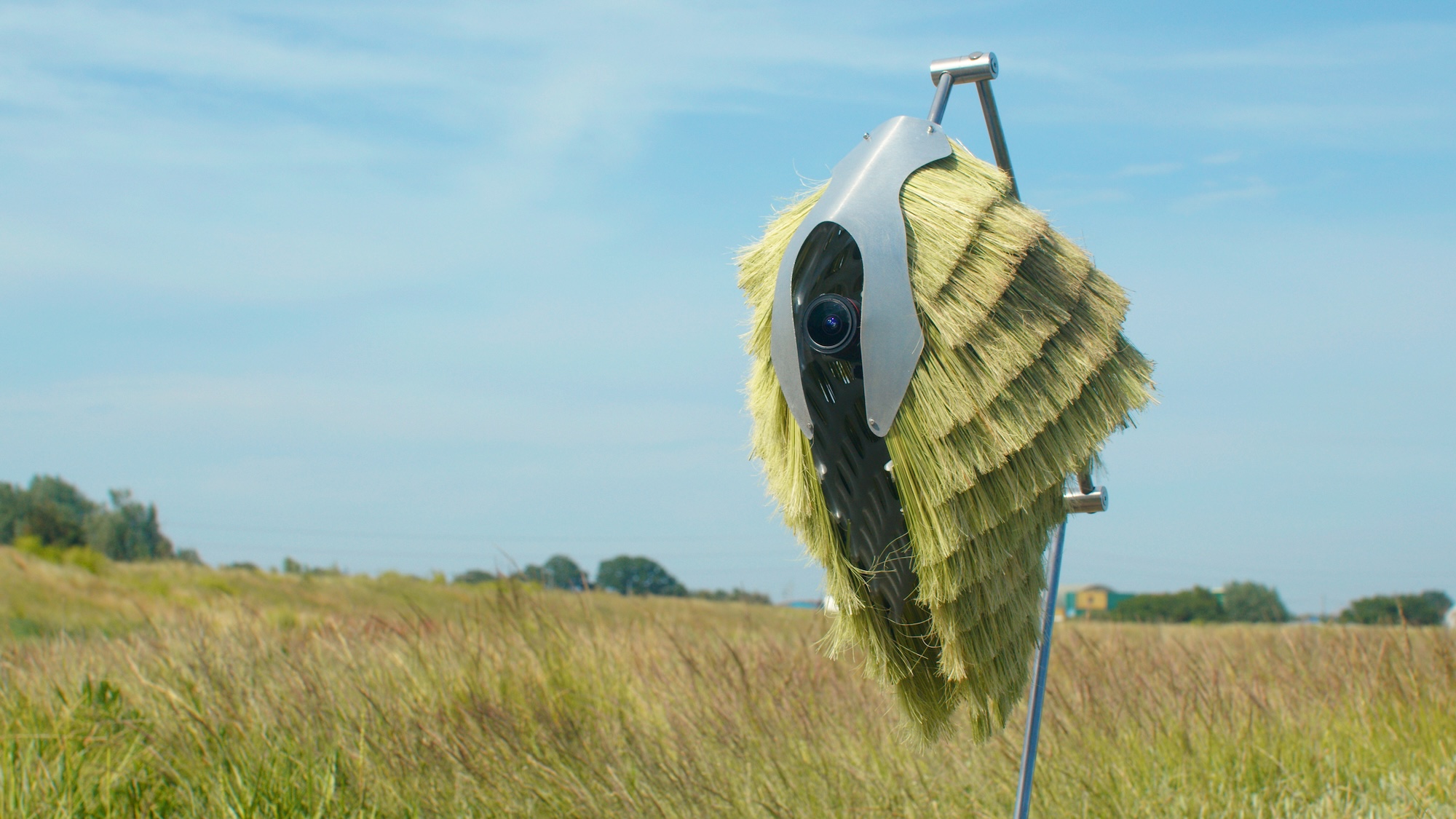
Pierre Huyghe has unveiled his most ambitious project to date in Berlin, a major exhibition titled 'Liminals' staged at the cavernous Halle am Berghain. Commissioned by the LAS Art Foundation as part of its 'Sensing Quantum' program, the installation features a massive 50-minute film projected in a former electrical station, accompanied by a droning, atmospheric soundscape. The work continues Huyghe’s exploration of AI-driven systems and 'unworlding,' attempting to create a space that transcends human subjectivity through bio-technological environments.

jack whittens 9 11 01 moma

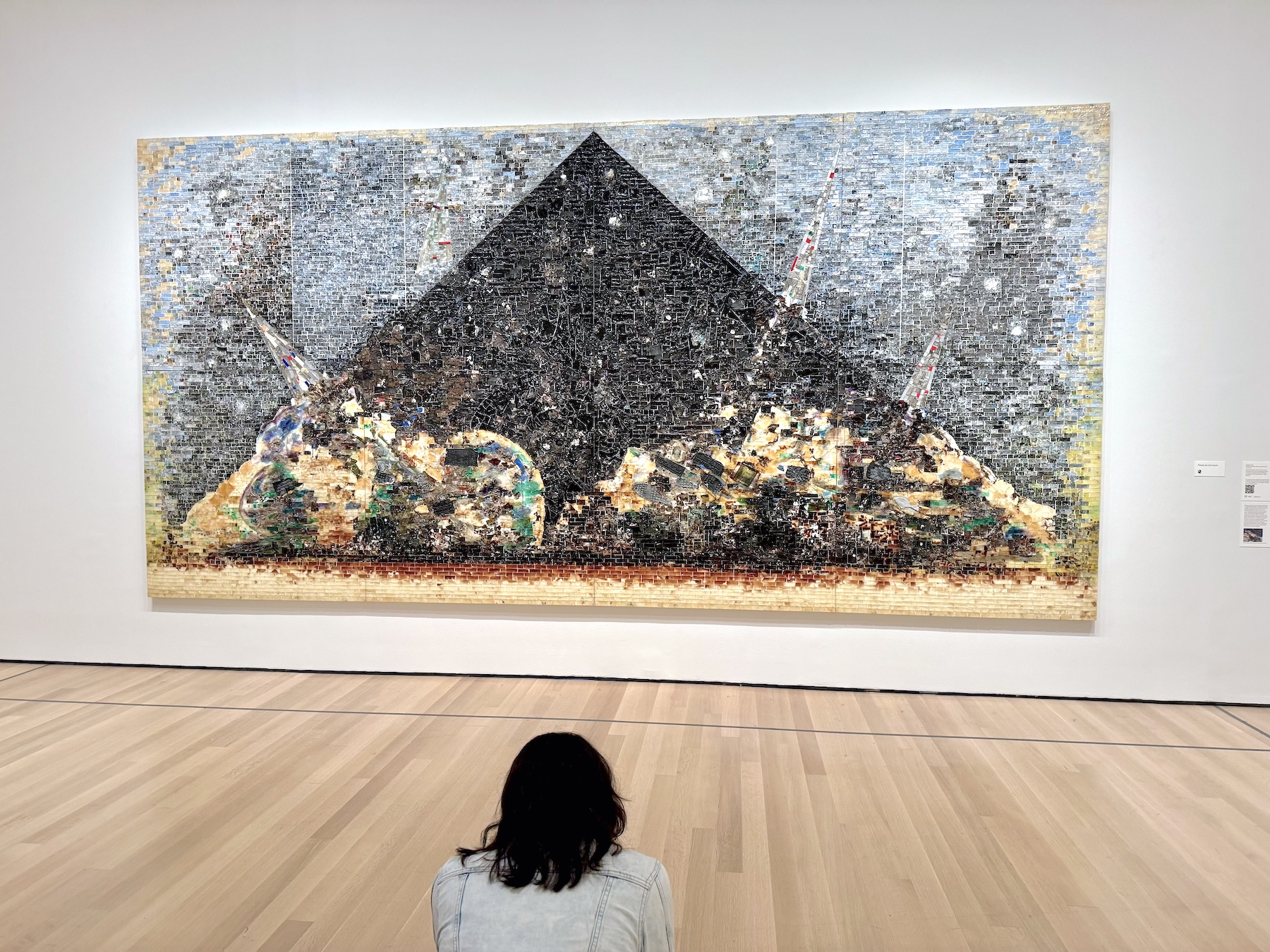
Jack Whitten's monumental mosaic-painting "9.11.01" (2006) is the focus of this article, which examines the work on view at the Museum of Modern Art. The painting, created in response to the September 11 attacks, uses abstract forms—a cracked black pyramid with dagger-like spines and bootprints—to evoke the trauma of that day. Whitten, who witnessed the first plane strike from his studio in Manhattan, embedded ash and wreckage fragments into the surface, blending abstraction with historical memory.

MoMA Survey Shows How Marcel Duchamp Changed the Art Game

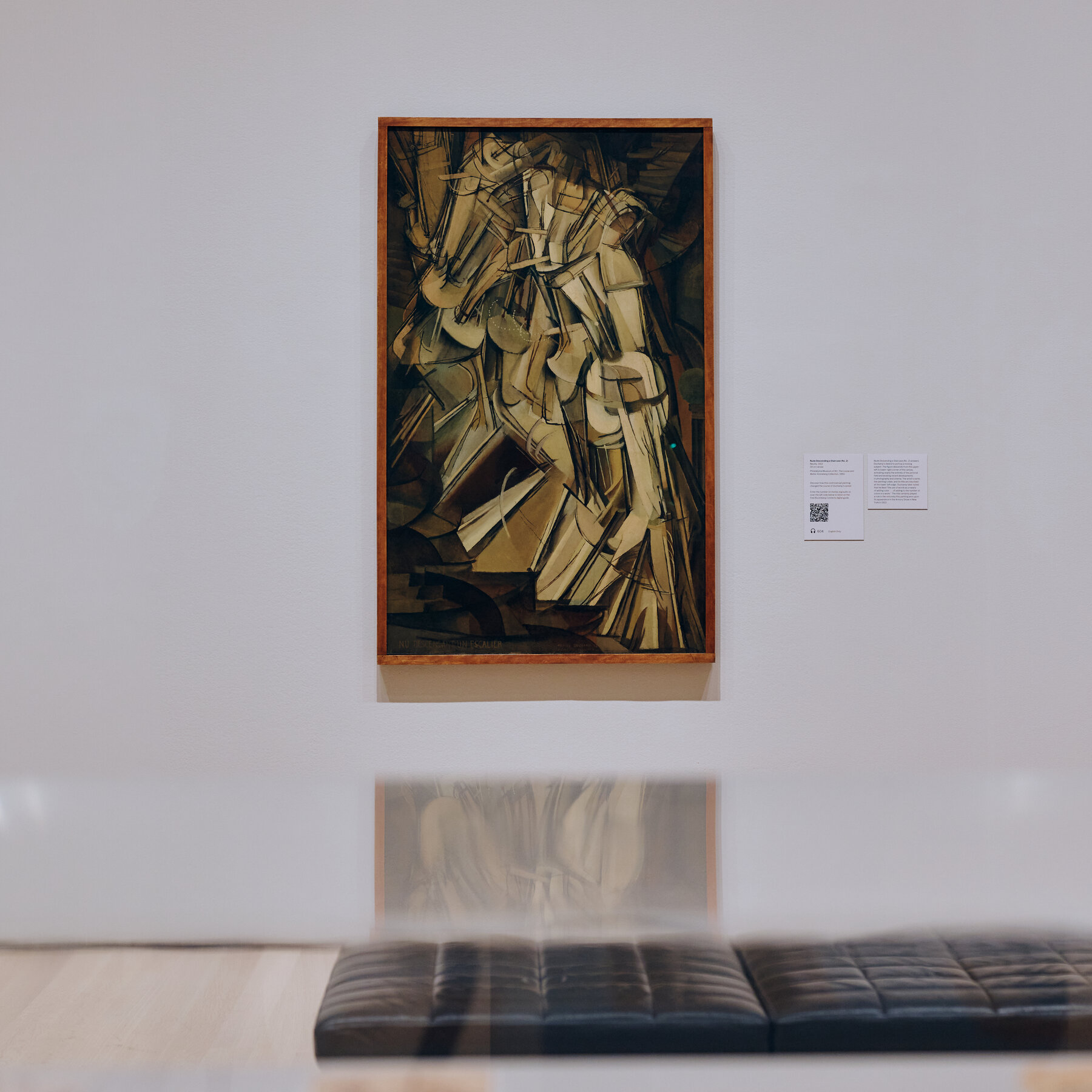
The Museum of Modern Art (MoMA) has launched a comprehensive survey of Marcel Duchamp’s work, highlighting the artist's revolutionary impact on the definition of art. The exhibition traces Duchamp's transition from traditional painting to his radical 'readymades,' which prioritized intellectual concepts over aesthetic craftsmanship.

Marianna Simnett’s Furry Friends

Marianna Simnett’s exhibition at Société, Berlin, features a provocative mix of film, painting, and sculpture that revels in grotesque, erotic, and fantastical transformations. Works like *Hyena and Swan in the Midst of Sexual Congress* (2019) and the films *Leda was a Swan* (2025) and *Blue Moon* (2022) reimagine classical myths and fairy tales through a feminist, body-horror lens, using AI-assisted visuals and stop-motion to explore themes of animality, abjection, and pleasure. The show includes taxidermy-inspired animations, BDSM-inflected live-action shorts, and sculptures that ensnare human figures in animal forms.

Comment | EJ Hill's New York performance personifies the art of endurance

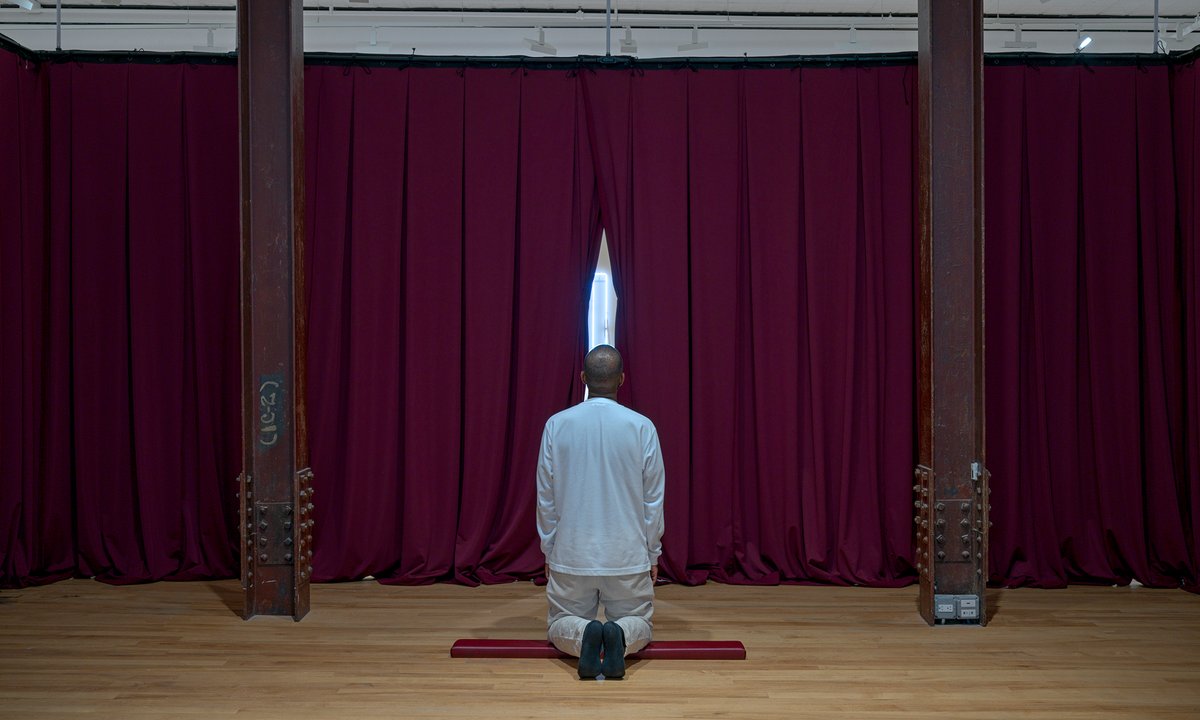
EJ Hill is performing 'Yearning for an Absolute' (2025), the centerpiece of his solo show at 52 Walker in New York, where he kneels on a church kneeler for eight continuous hours each day without food, water, or breaks. The performance runs from June 25 to September 13, totaling 56 days across 12 weeks, and completes a "performance triptych" with his earlier works from 2016 and 2018. Hill describes it as far more grueling than anything he has done before, experiencing widespread physical pain and mental challenges.

All and Nothing review – inspiring tale of the Chinese artist who cultivated a grassroots scene in Cumbria

A new documentary film, 'All and Nothing,' profiles the life and legacy of Chinese artist Li Yuan-chia, who founded the influential LYC Museum and Art Gallery in rural Cumbria, England, in 1972. The film, directed by Liao I-ling and Chu Po-ying, uses his abstract art and archival materials to trace his journey from China and Taiwan to Italy and London, before he settled in Brampton.

Review: The Good, The Bad and The Venice Biennale

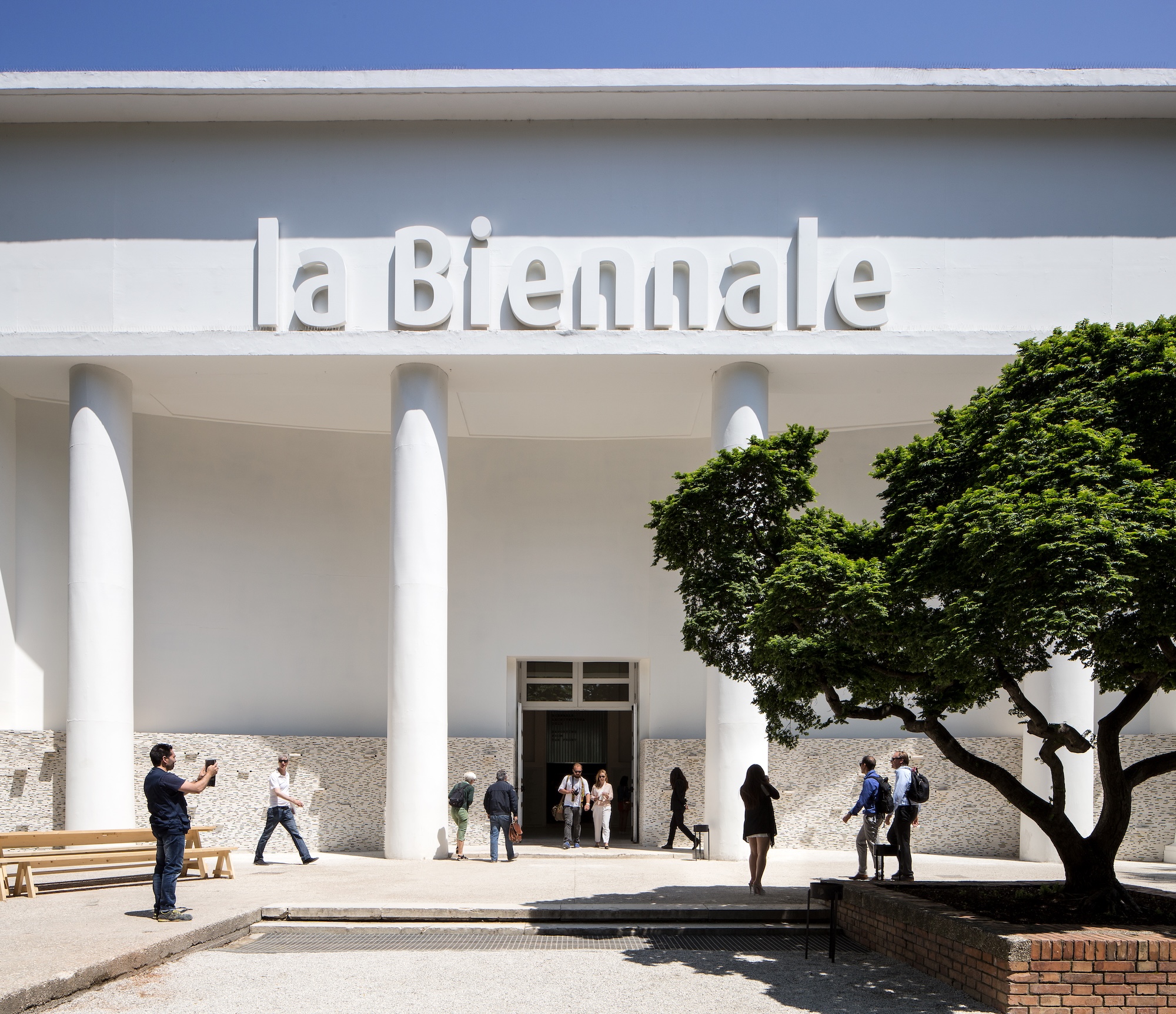
The article reviews the 2024 Venice Biennale, focusing on controversies over Russia's and Israel's participation. Protests erupted during opening week, leading the EU to cut funding and the International Jury to resign. As a result, awards like the Golden Lion and Silver Lion will be decided by public vote, with many pavilions and artists withdrawing in protest. The main exhibition, curated under the theme 'Minor Keys,' features standout works by Alfredo Jaar and Carrie Schneider, alongside national pavilions like Austria's provocative entry by Florentina Holzinger.

Is This What “Made in America” Looks Like?

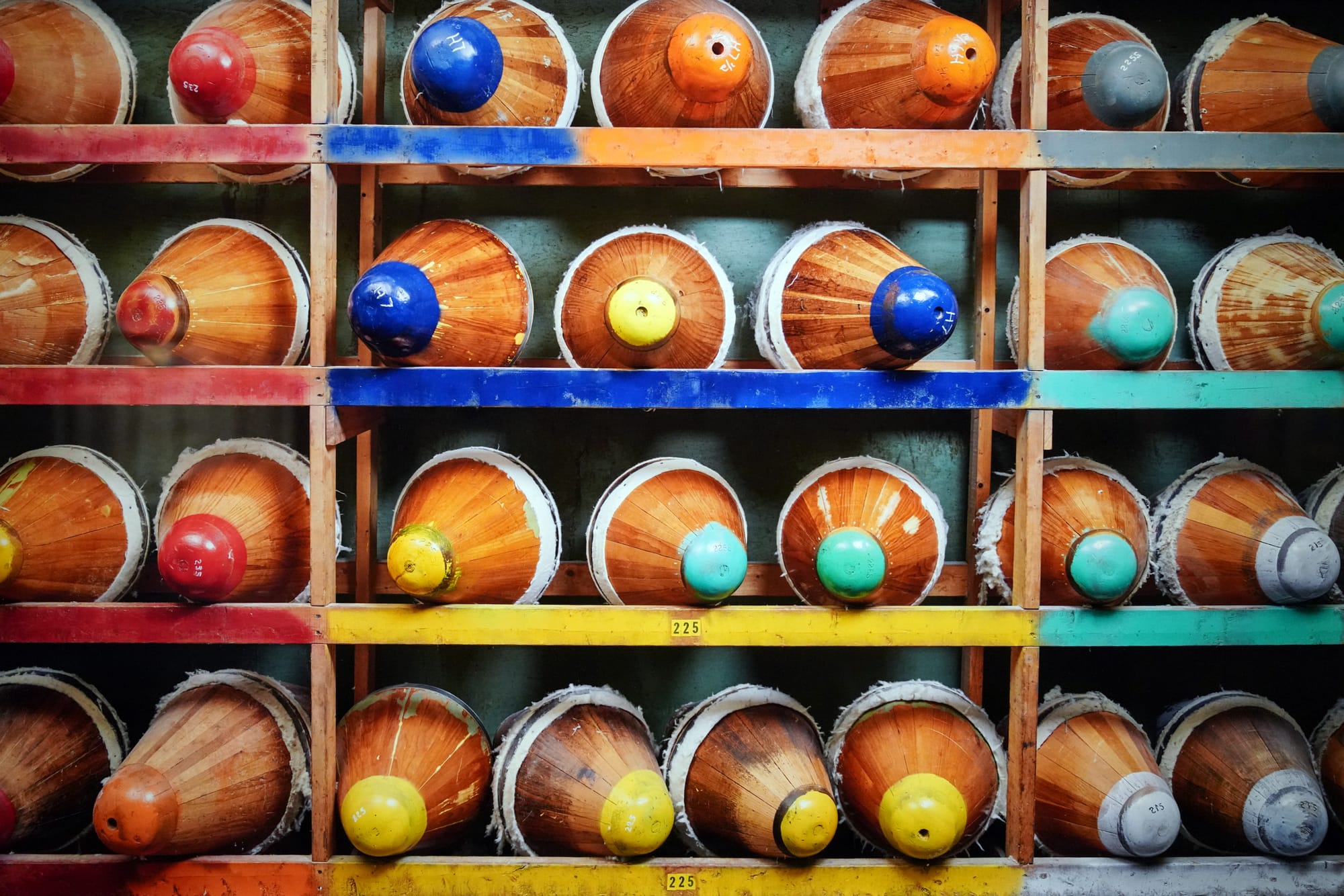
Christopher Payne's exhibition "Made in America: The Industrial Photography of Christopher Payne" at the Cooper Hewitt, Smithsonian Design Museum showcases 72 large-format photographs documenting active American factories and manufacturing processes. The trained architect turned photographer spent a decade visiting dozens of production sites across the United States, from the New York Times printing plant in Queens to the Bollman Hat Company in Pennsylvania, capturing workers' craftsmanship and the intricate steps involved in making everything from Peeps candies to jet engines. The exhibition is organized into three sections—traditional handcraft, large-scale production, and cutting-edge technologies—and coincides with the Smithsonian's celebration of the nation's 250th anniversary.

« Caïn » de Fernand Cormon : aux origines de la conscience humaine ?

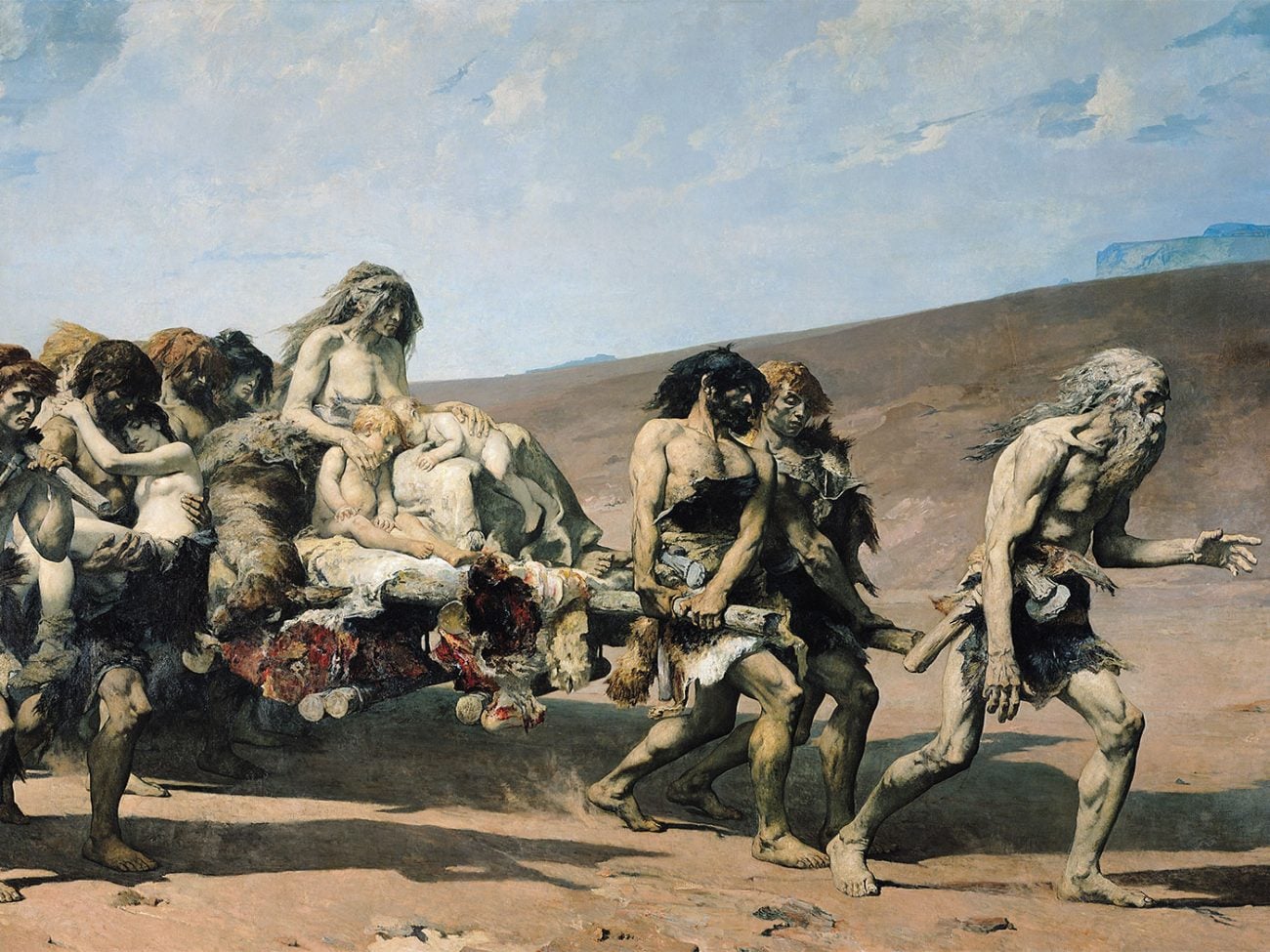
Beaux Arts Magazine analyzes Fernand Cormon's monumental 1880 painting "Caïn," currently held at the Musée d'Orsay. The article describes the scene: a prehistoric, weary clan trudges through a desert, led by a haggard patriarch, with a tired mother on a litter and hunters carrying game. Cormon's work is presented as the antithesis of classical triumph, evoking a melancholic, post-traumatic atmosphere. The painting is linked to the biblical story of Cain, who killed his brother Abel and was condemned to exile, and is accompanied by verses from Victor Hugo's poem "Conscience."

whitney biennial 2026 systems infrastructure andrea fraser carmen de monteflores emilie gossiaux david johnson

The 2026 Whitney Biennial, curated by Marcela Guerrero and Drew Sawyer, moves beyond the traditional geographic borders of the United States to explore 'the greater United States.' Drawing inspiration from historian Daniel Immerwahr, the exhibition features artists from occupied territories, military outposts, and nations impacted by American intervention, including Okinawa, Chile, and Palestine. The show shifts the focus from identity politics to the material reality of infrastructure, examining how global systems of finance, energy, and empire operate and often fail.

An Analog Tether

A new wave of gallery exhibitions is championing analog physicality and personal intimacy as a direct counter-response to the rise of AI-generated imagery. Artists like Ben Wolf Noam and Joseph Geagan are utilizing traditional mediums such as charcoal, lithography, and oil paint to capture spontaneous, sentimental moments of human connection, from family dinners to portraits of friends. These works emphasize the "hospitable mess" of real life, prioritizing the recognizable faces and tangible textures that AI often flattens.

art doron langberg paintings israel

The article reviews Doron Langberg's exhibition "Landscapes" at Jeffrey Deitch in New York, featuring large-scale oil-on-linen paintings that reflect on the artist's identity as a Jewish Israeli painter after October 7, 2023, and the subsequent conflict in Gaza. The works depict three personally significant locations: Yokneam in Israel, Drohobych in Ukraine (where the artist's father survived the Holocaust), and a queer beach community on Fire Island. Langberg's accompanying statement asserts that Palestinians deserve justice and liberation, framing painting as a means to confront atrocity.

What’s Left to Learn from Marcel Duchamp?

The article examines Marcel Duchamp's enduring influence on contemporary art, focusing on his readymades such as "Fountain" (1917) and "Bicycle Wheel" (1913/1951). It notes that a major survey co-organized by the Museum of Modern Art and the Philadelphia Museum of Art, 70 years after Duchamp predicted his true public would emerge in 50 to 100 years, reaffirms his status as the most influential artist of the past century. The piece discusses how Duchamp's practice of selecting and presenting ordinary objects as art—from a urinal to a snow shovel—once shocked the art world but now seems quaint compared to later works like Maurizio Cattelan's taped banana.

Review | Raphael, a master of serenity, is the artist we need right now

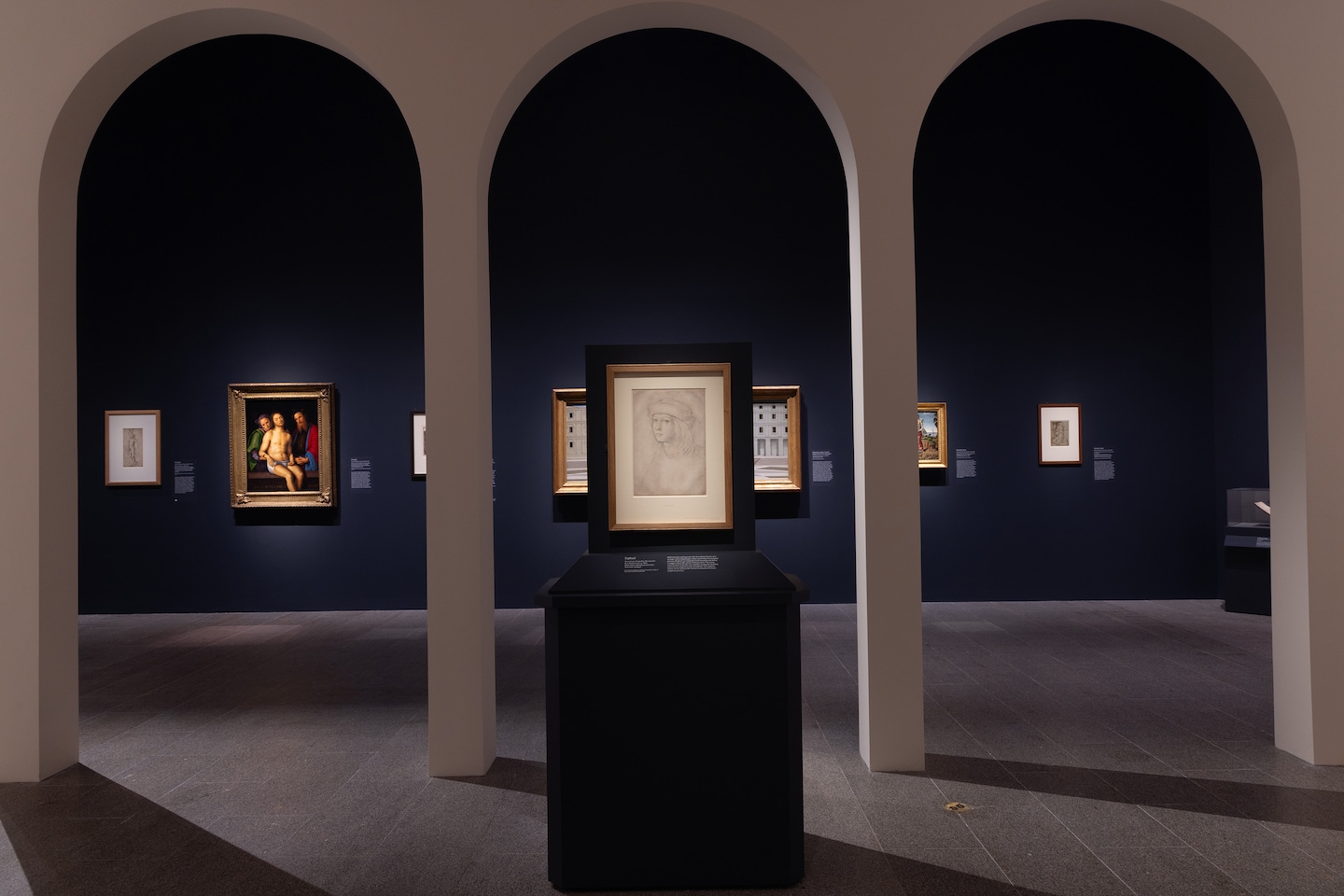
Art critic Philip Kennicott reflects on the profound psychological impact of Raphael’s Renaissance masterpieces, specifically citing the 'Madonna of the Meadow' in Vienna and the 'Alba Madonna' in Washington, D.C. He describes how these works possess a unique ability to cure 'museum fatigue' and mental clutter, offering a sense of serenity and clarity that feels particularly necessary in the current cultural climate.

Review: Cleveland Museum of Art's Murakami show is big and bold but maybe too much of a good thing

The Cleveland Museum of Art has opened a sprawling retrospective exhibition of Takashi Murakami, one of Japan's leading contemporary artists, showcasing his signature "Superflat" style that blends fine art with pop culture. The show features vast wallpaper designs, sculptures with plastic-like smoothness, and immense mural-sized paintings that combine cartoon characters, acid-hued colors, and traditional Japanese ink-and-brush techniques. The exhibition runs through September 7 and costs $30 for adult non-member tickets.

Column: The new LACMA is sleek, splotchy, powerful, jarring, monotonous, appealing and absurd

The Los Angeles County Museum of Art (LACMA) is nearing completion of its new Brutalist building designed by Swiss architect Peter Zumthor, known as the David Geffen Galleries. Museum members will get a sneak peek at the empty interior spaces starting July 3, though the fully finished project with art installed won't open until April 2026. The poured-in-place concrete structure spans 347,500 square feet, including 110,000 square feet of exhibition space across 90 galleries, elevated 30 feet above ground on seven massive piers crossing Wilshire Boulevard. The article offers a critical preview of the building's aesthetics, noting the overwhelming monotony of concrete across floors, walls, and ceilings, while acknowledging some appealing views and powerful visual impact.

Review: Alex Da Corte’s colorful, pop-inspired art show in Fort Worth

Alex Da Corte's exhibition "The Whale" at the Modern Art Museum of Fort Worth is the first museum show to focus on his relationship to painting, though it defies traditional definitions. The show features a variety of works including "puffy paintings," "slatwall paintings," and "reverse glass paintings," alongside a video where Da Corte portrays Marcel Duchamp. Curated by Alison Hearst, the exhibition also integrates some of Da Corte's works into the museum's permanent collection galleries, a first for the institution.

Review of the Italian Pavilion by Chiara Camoni and its relationship with the Biennale

La recensione del Padiglione Italia di Chiara Camoni e la sua relazione con la Biennale

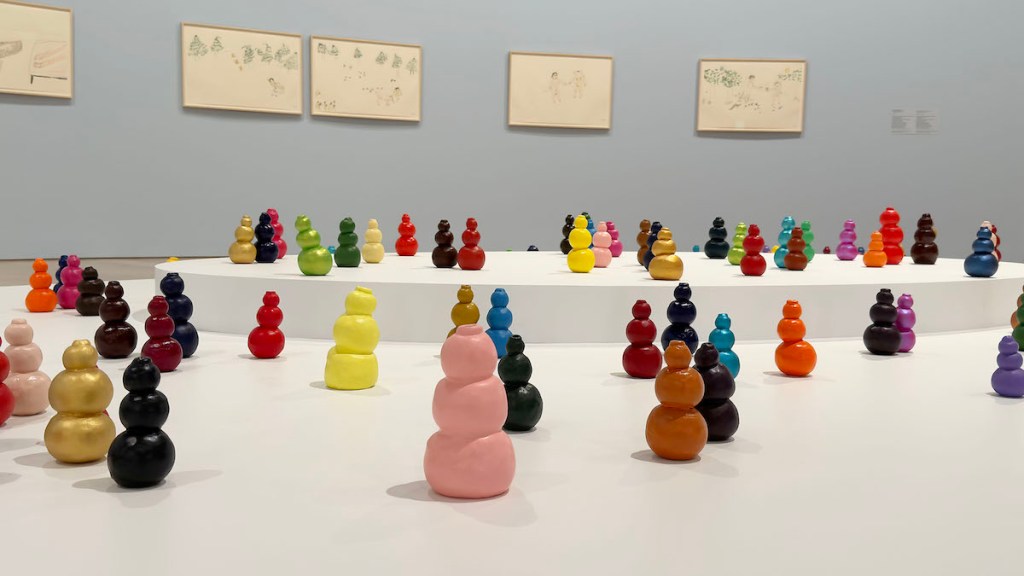
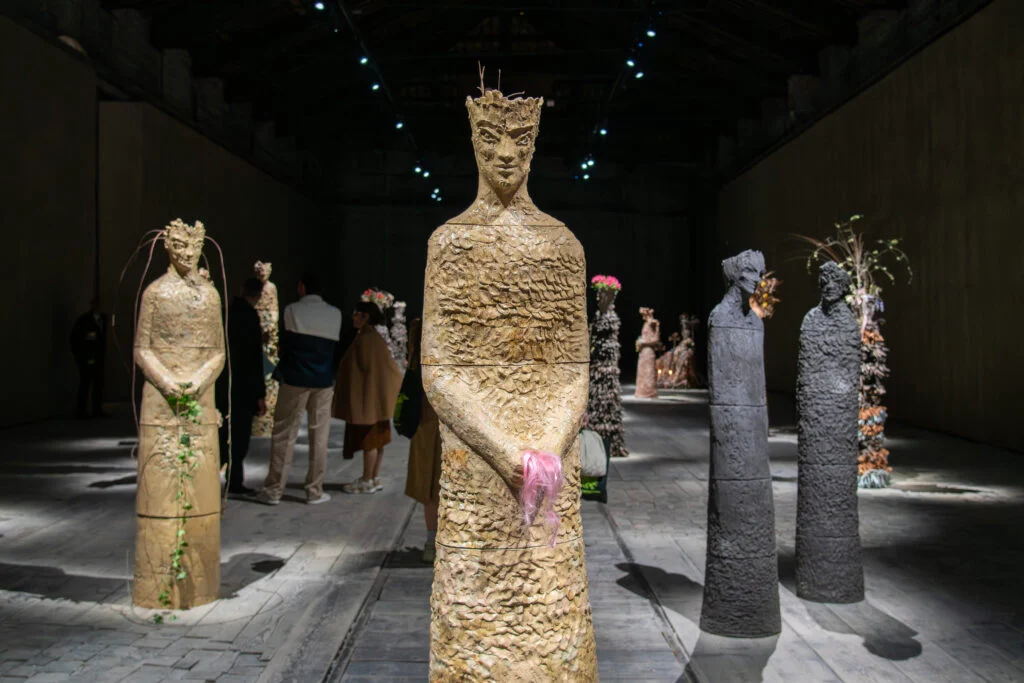
Chiara Camoni's Italian Pavilion at the 2026 Venice Biennale, titled "Con te con tutto," is reviewed in relation to Koyo Kouoh's central exhibition "In Minor Keys." Camoni's installation features a crowd of female figures sculpted in clay and natural materials, described as "donne tronco" (trunk women), which evoke growth, transformation, and the intuitive, manual gestures that Kouoh champions. The review highlights how Camoni's work dialogues with Kouoh's curatorial emphasis on drawing, painting, and craft as intuitive practices, moving away from conceptual art. It also notes a performance by Magdalena Campos Pons at the Tese theatre, which includes a portrait of Toni Morrison and Kouoh, accompanied by music by Kamal Malak.

The Black American Artists Who Dazzled Post-War Paris

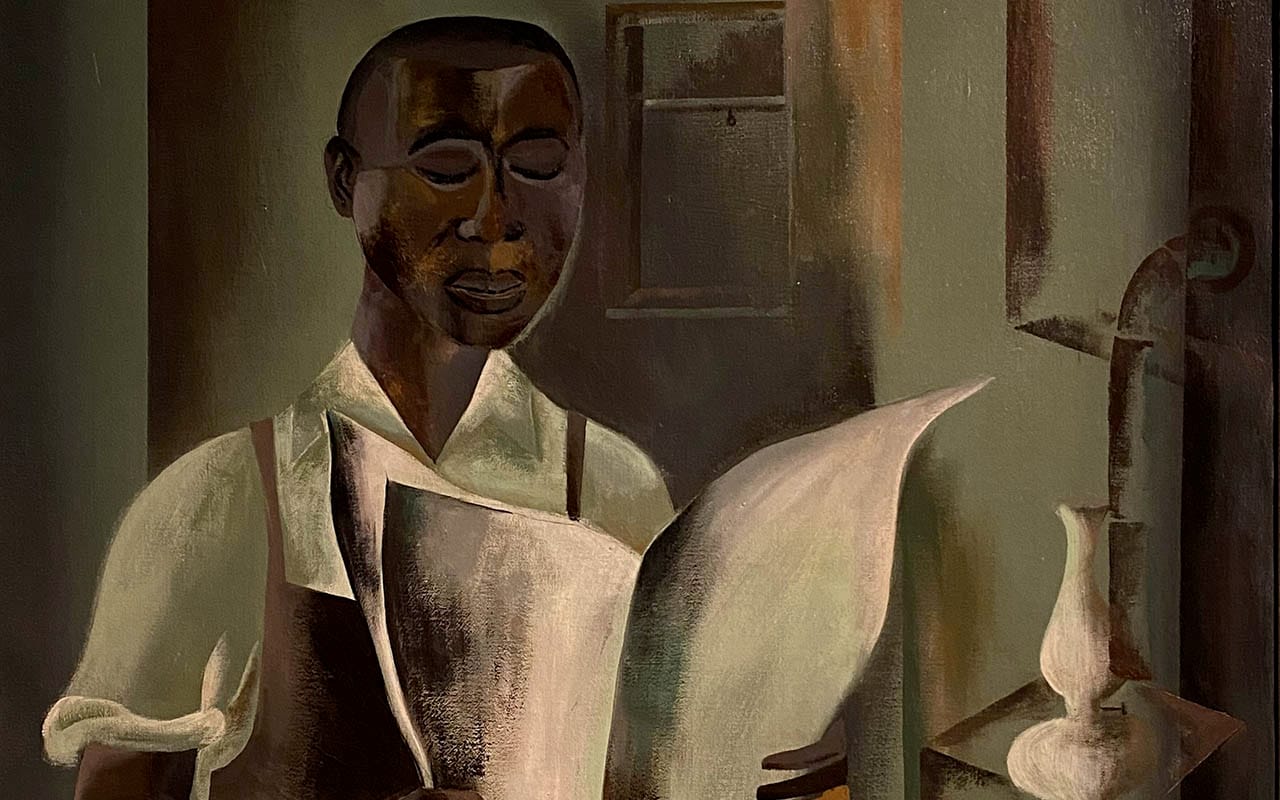
An exhibition titled "Paris in Black: Internationalism and the Black Renaissance" at the DuSable Black History Museum and Education Center in Chicago celebrates the Black American artists, writers, and performers who moved to Paris after World War II to escape American racism. Curated by Danny Dunson, the show features over 100 artworks from the museum's permanent collection, including paintings by Archibald J. Motley Jr., sculptures by Richmond Barthé, Augusta Savage, and William Artis, and ephemera related to Josephine Baker. It traces the global influence of the Harlem Renaissance and the cross-pollination between Paris and U.S. cities like Chicago.

Hans Holbein Painted the Human

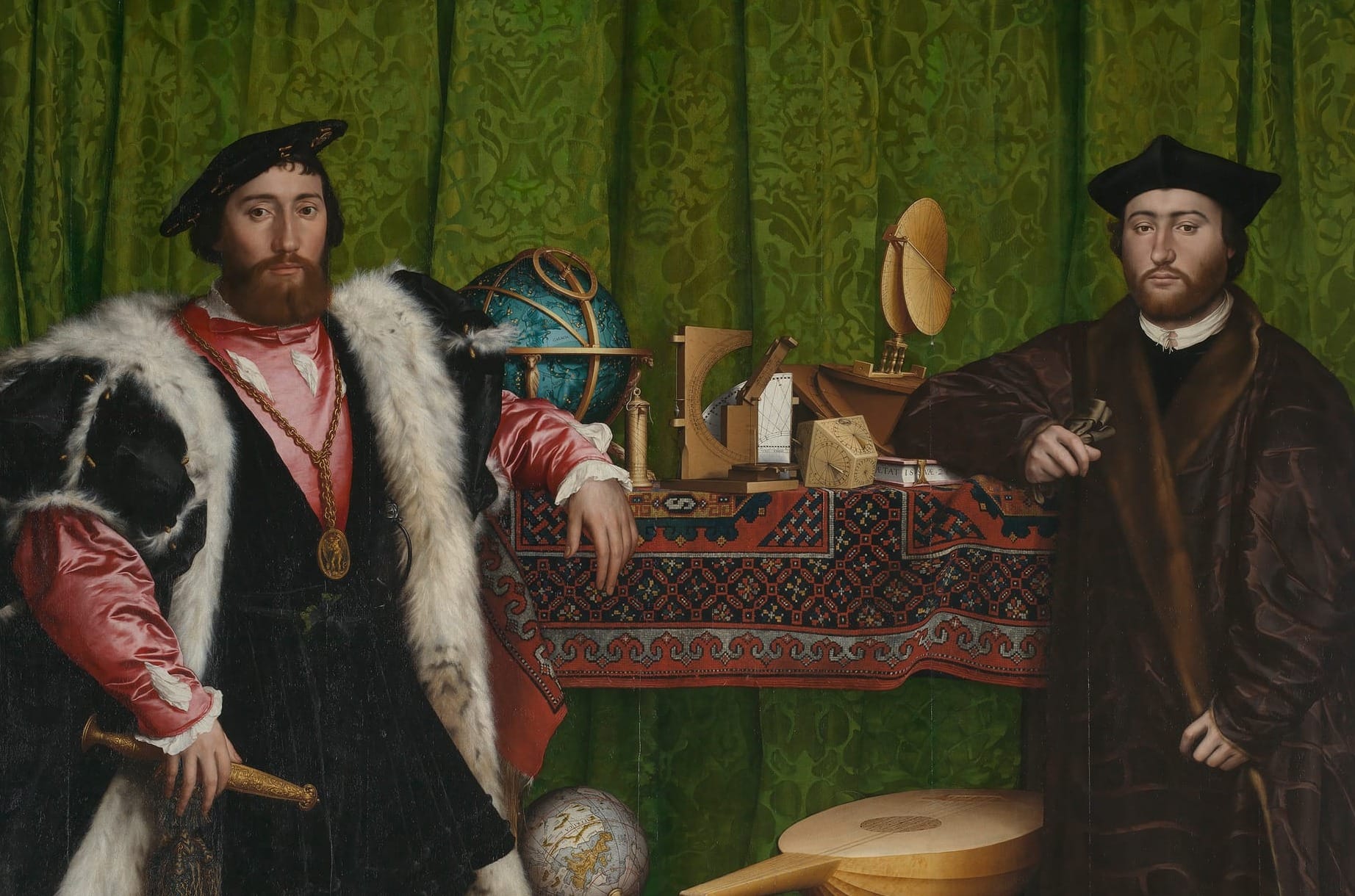
A new book, 'Holbein: Renaissance Master' by Elizabeth Goldring, published by Yale University Press and the Paul Mellon Centre, offers a comprehensive scholarly examination of the 16th-century German painter Hans Holbein the Younger. The review focuses on Holbein's masterful portraiture, particularly his depictions of opposing Tudor-era figures like Sir Thomas More and Thomas Cromwell, which are highlighted as embodying the era's complex political and religious tensions through their visual presentation at the Frick Collection in New York.