filter_list Showing 14 results for "Masterpiece" close Clear
search
dashboard All 699 museum exhibitions 279trending_up market 183article news 102article culture 57gavel restitution 19article policy 16rate_review review 14article local 13candle obituary 9person people 6article event 1
date_range Range Today This Week This Month All
Subscribe

the worst art we saw in 2025

Artnet News editors and writers compiled a list of the worst art of 2025, calling out works they found lazy, cynical, overhyped, or ethically dubious. Highlights include Flora Yukhnovich's site-specific painting installation at the Frick Collection, which critics deemed middling and out of place among the museum's historic masterpieces; Jeff Koons's eight-foot-tall Hulk (Tubas) sculpture, sold for $3 million at Frieze New York and described as an obnoxious trophy piece; and actor Adrien Brody's interactive gum wall installation, which invited visitors to stick chewed gum onto a canvas.
Jasper Johns Keeps Looking

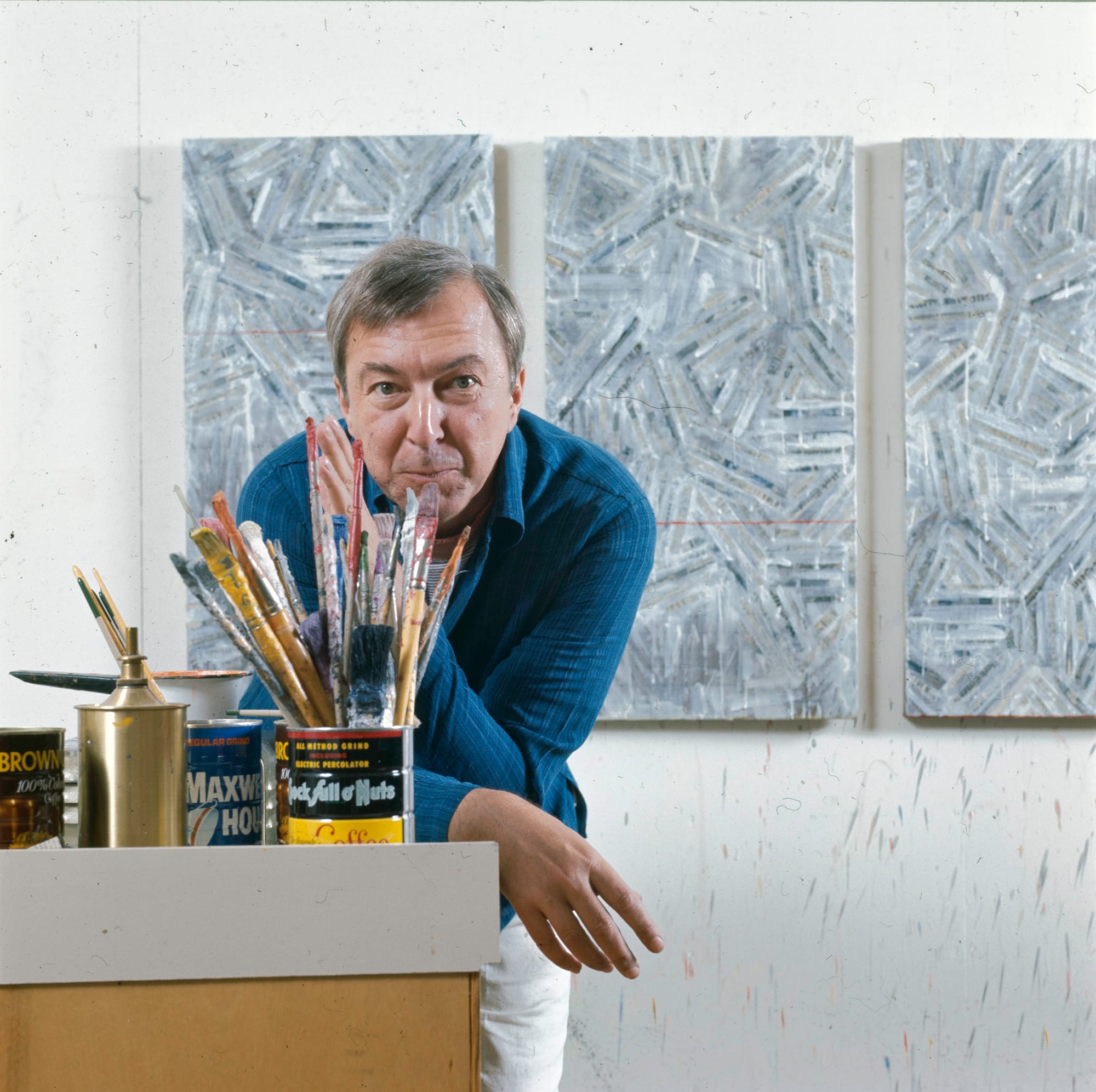
Jasper Johns’s latest exhibition at Gagosian, 'Between the Clock and the Bed,' serves as a profound meditation on the artist's career-long investigation into the 'things the mind already knows.' By revisiting his signature motifs—including flags, targets, and crosshatch patterns—the show highlights Johns’s rejection of Abstract Expressionist spontaneity in favor of a deliberate, analytical process using encaustic and collage. The works document a transformation where familiar symbols are rendered into a complex visual language that bridges the gap between memory and physical presence.

Are We Too Reverent of Marcel Duchamp?

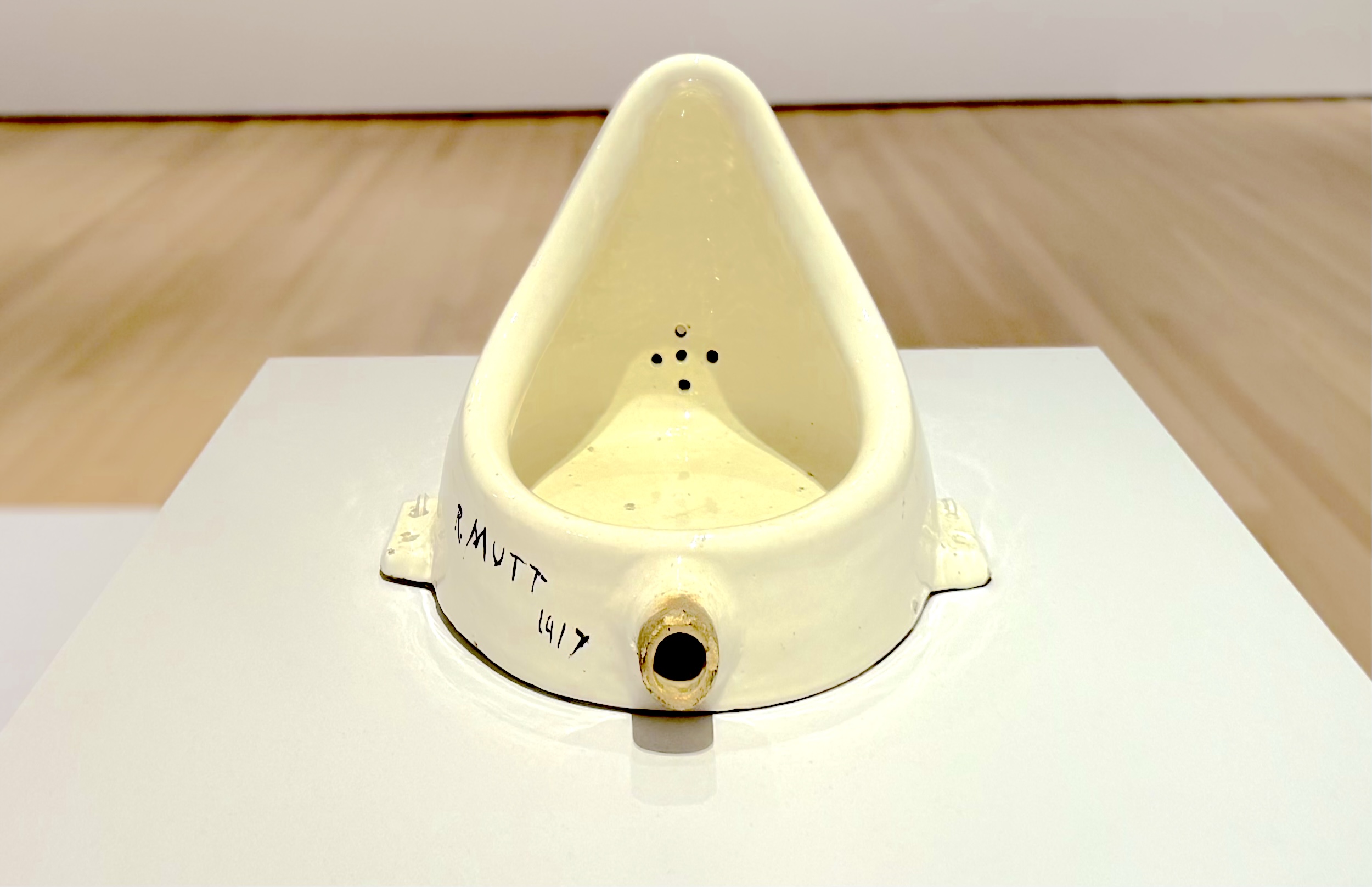
The Museum of Modern Art has launched a major retrospective of Marcel Duchamp, co-organized with the Philadelphia Museum of Art. The exhibition tracks the artist's evolution from his early Cubist experiments and the scandal of 'Nude Descending a Staircase' to his radical invention of the readymade, exemplified by the infamous urinal, 'Fountain'. The show presents a comprehensive look at 'The Duch' through a reverential, church-like atmosphere, concluding with his later years as a dapper, enigmatic figure of the avant-garde.

what are the 10 best works of art in new york museums let the debate begin

Artnet News critic Christian Viveros-Fauné has published a personal list of the ten best works of art in New York museums, sparking debate among readers. The selection includes iconic pieces such as Giovanni Bellini's *St. Francis in the Desert* at the Frick Collection, Gerhard Richter's *October 18, 1977* at MoMA, Paul Cézanne's *The Card Players* at the Metropolitan Museum of Art, James Rosenquist's *F-111* at MoMA, Diego Velázquez's *Juan de Pareja* at the Met, and Pablo Picasso's *Les Demoiselles d'Avignon* at MoMA, among others.

The Big Review: Rothko in Florence ★★★★★

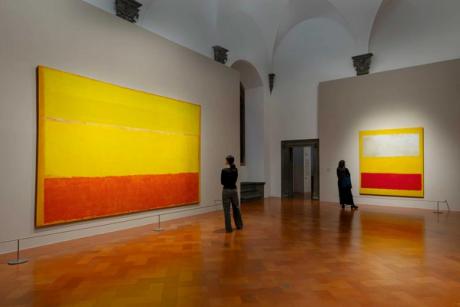
The Palazzo Strozzi in Florence has launched a major exhibition exploring the profound influence of the Italian Renaissance on Mark Rothko. Co-curated by the artist's son, Christopher Rothko, the show spans three historic locations: the Palazzo Strozzi, the Museo di San Marco, and the Biblioteca Medicea Laurenziana. By placing Rothko’s abstract canvases in direct dialogue with Fra Angelico’s frescoes and Michelangelo’s architecture, the exhibition highlights how the artist’s visits to Italy in the 1950s and 60s shaped his spatial thinking and spiritual intensity.

cubism at the met modern art that looks tragically antique

The Metropolitan Museum of Art's current "Cubism" exhibition showcases masterpieces from the Leonard A. Lauder Cubist Collection, featuring works by Pablo Picasso, Georges Braque, Juan Gris, and Fernand Léger. The show spans six galleries and presents some of the finest examples of Cubist art, including iconic pieces like Braque's *The Castle of La Roche-Guyon* (1909) and Picasso's *The Oil Mill* (1909). The exhibition is essentially a curated display of Lauder's promised gift to the Met, highlighting the "Four Horsemen" of Cubism while omitting the broader context of the movement's other pioneers, such as the Salon Cubists.

A Blockbuster Take on Ovid’s “Metamorphosis”

The Rijksmuseum in Amsterdam has opened a major exhibition titled 'Metamorphoses,' inspired by Ovid's poem. The show brings together Renaissance masterpieces, antiquities, and contemporary works, grouping them by the myths they depict to explore themes of transformation, desire, and gender through striking visual juxtapositions.

Review | Raphael, a master of serenity, is the artist we need right now

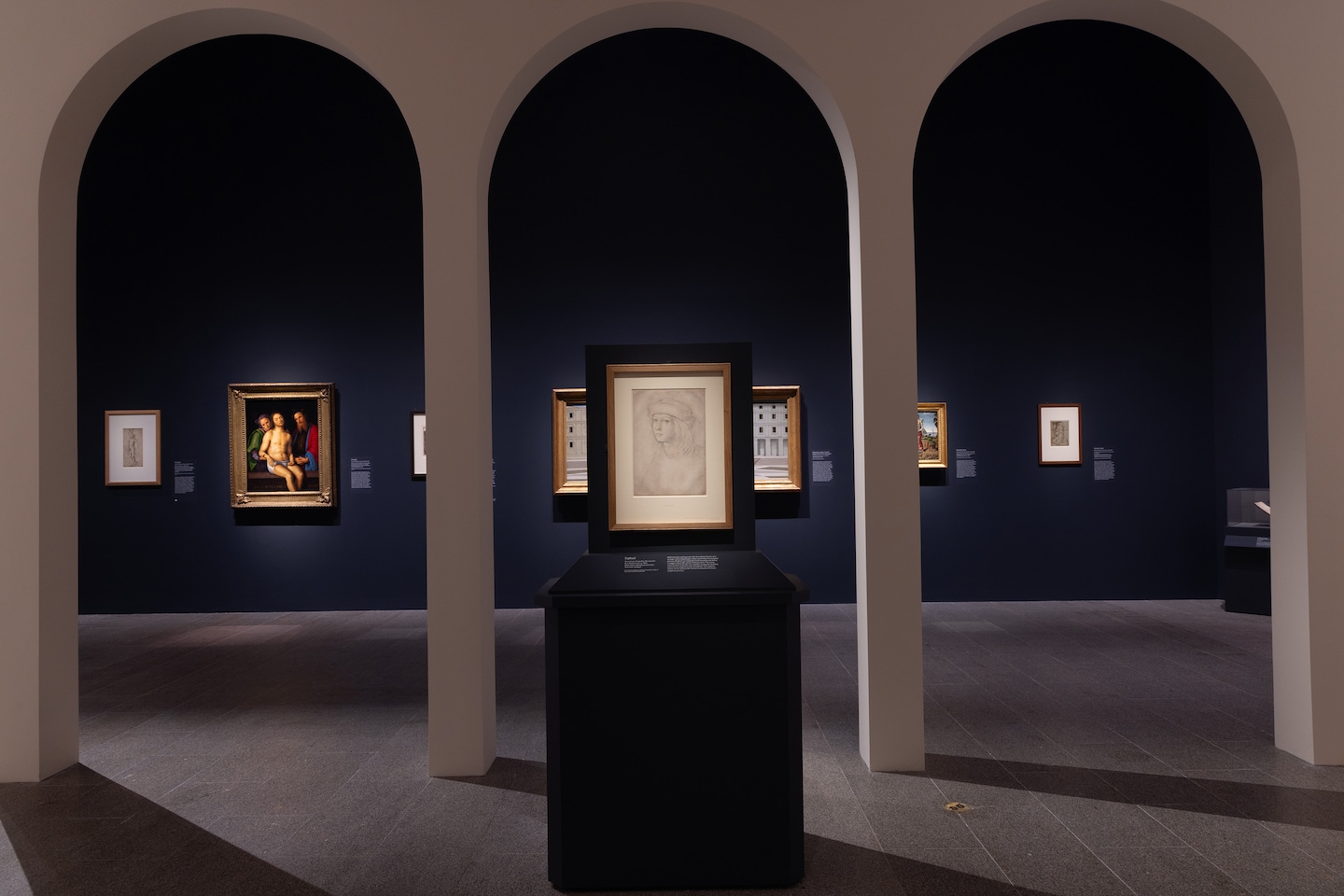
Art critic Philip Kennicott reflects on the profound psychological impact of Raphael’s Renaissance masterpieces, specifically citing the 'Madonna of the Meadow' in Vienna and the 'Alba Madonna' in Washington, D.C. He describes how these works possess a unique ability to cure 'museum fatigue' and mental clutter, offering a sense of serenity and clarity that feels particularly necessary in the current cultural climate.

The Big Review | The Woman Question 1550-2025 ★★★★½

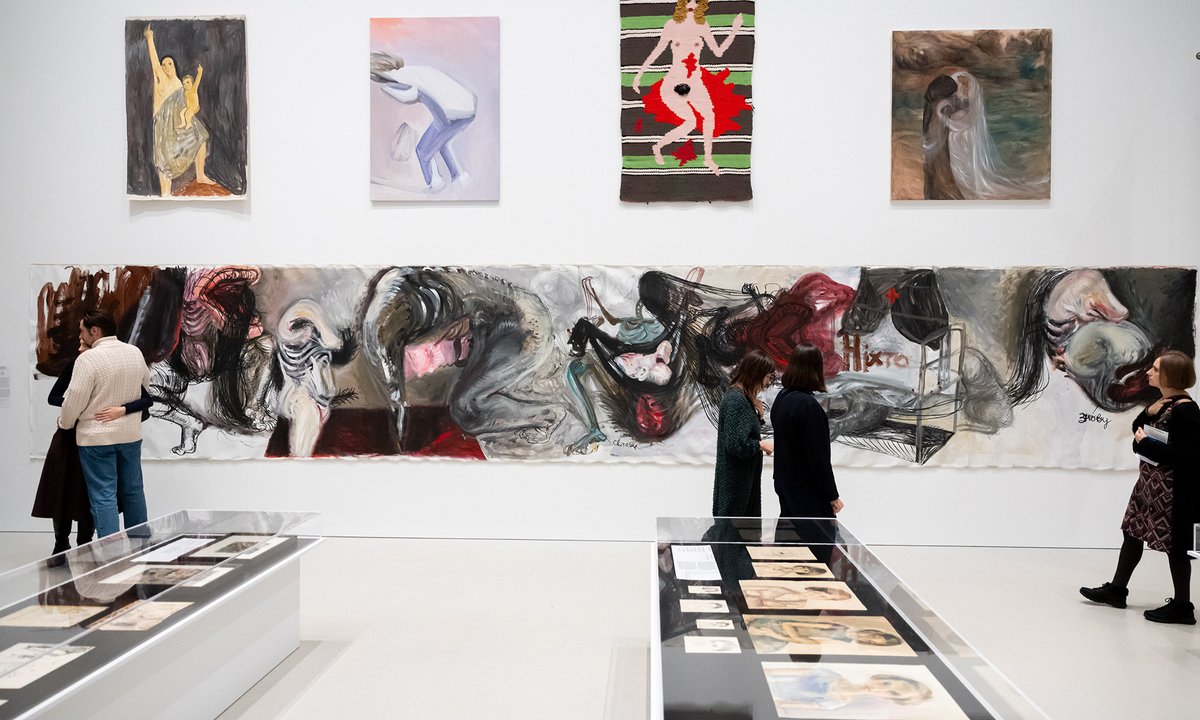
The Museum of Modern Art in Warsaw has launched "The Woman Question 1550-2025," a massive survey featuring nearly 200 works by 140 women artists spanning five centuries. Curated by Alison M. Gingeras, the exhibition uses the medieval concept of "la querelle des femmes" to explore how women have asserted their status as "citizen artists" against patriarchal structures. The show juxtaposes historical masterpieces by figures like Artemisia Gentileschi and Sofonisba Anguissola with contemporary provocations by Miriam Cahn and Lubaina Himid, focusing heavily on figurative painting and sculpture.

Why this rarely seen Van Gogh self-portrait deserves more attention

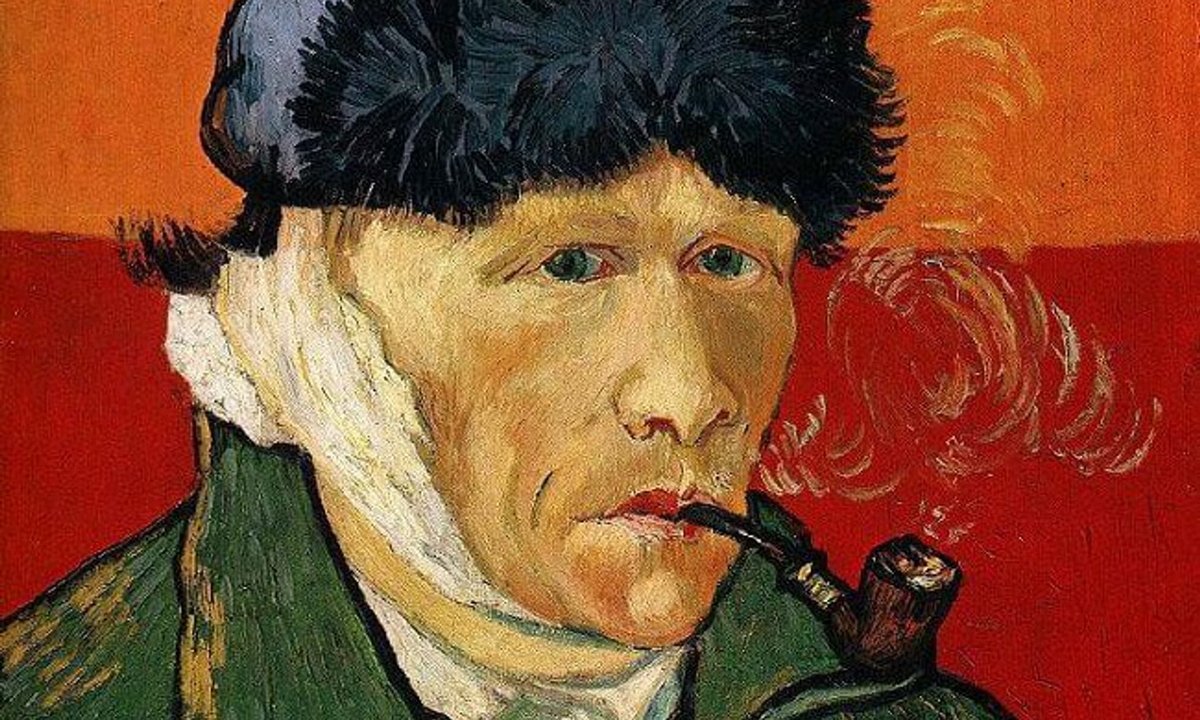
A blog post examines Van Gogh's lesser-known self-portrait, *Self-portrait with bandaged Ear and Pipe* (January 1889), held in a private collection and rarely exhibited—last lent outside Switzerland in 1990. The painting shows the artist clean-shaven, smoking a pipe, with a striking orange-red background, painted just weeks after he mutilated his ear following a row with Paul Gauguin. The post contrasts it with the more famous version in London's Courtauld Gallery, analyzing compositional details and the artist's psychological state.

The Big Review | 65,000 Years: A Short History of Australian Art at the Potter Museum of Art, Melbourne ★★★★★

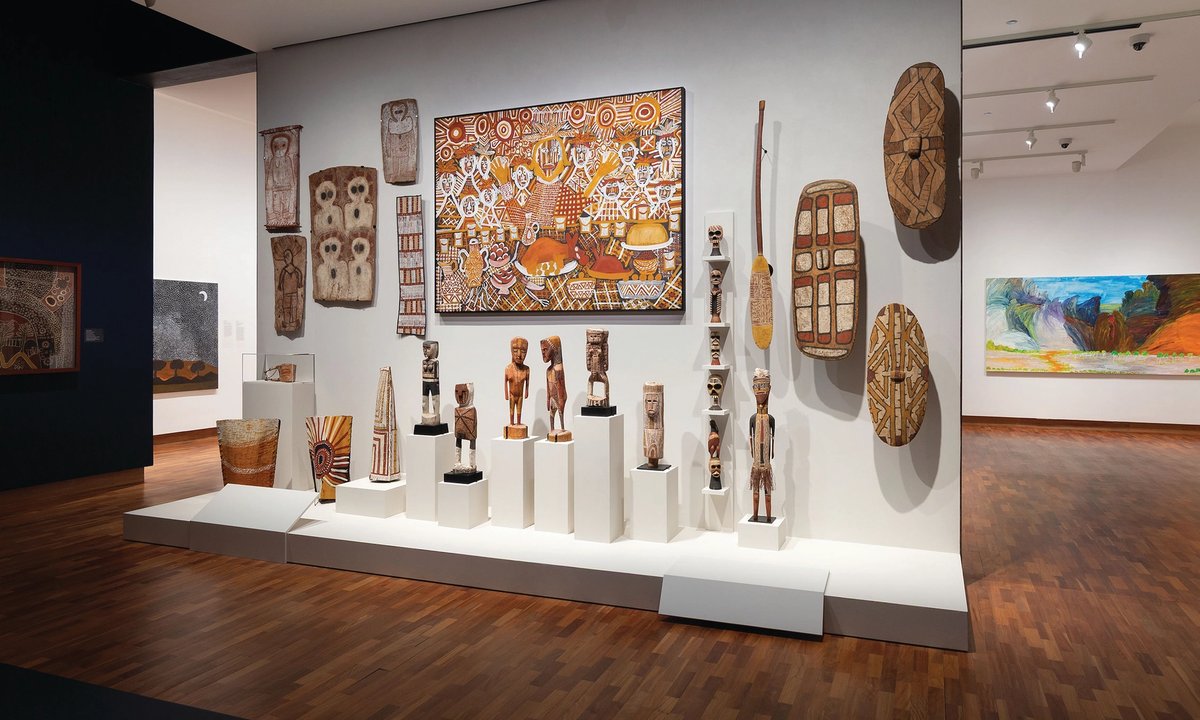
The article reviews the exhibition "65,000 Years: A Short History of Australian Art" at the Potter Museum of Art, University of Melbourne. The show features over 400 works, including 194 loans from 78 lenders, spanning 11 rooms and a decade of planning. It highlights rarely seen bark masterpieces from Arnhem Land, such as Woŋgu Munuŋgurr's "Djapu’ miny’tji" (1942), and juxtaposes colonial depictions with Indigenous perspectives, including works by William Barak and John Glover. The exhibition is on track to become the most visited in the museum's history.

How the Sienese painter Ambrogio Lorenzetti spoke truth to power

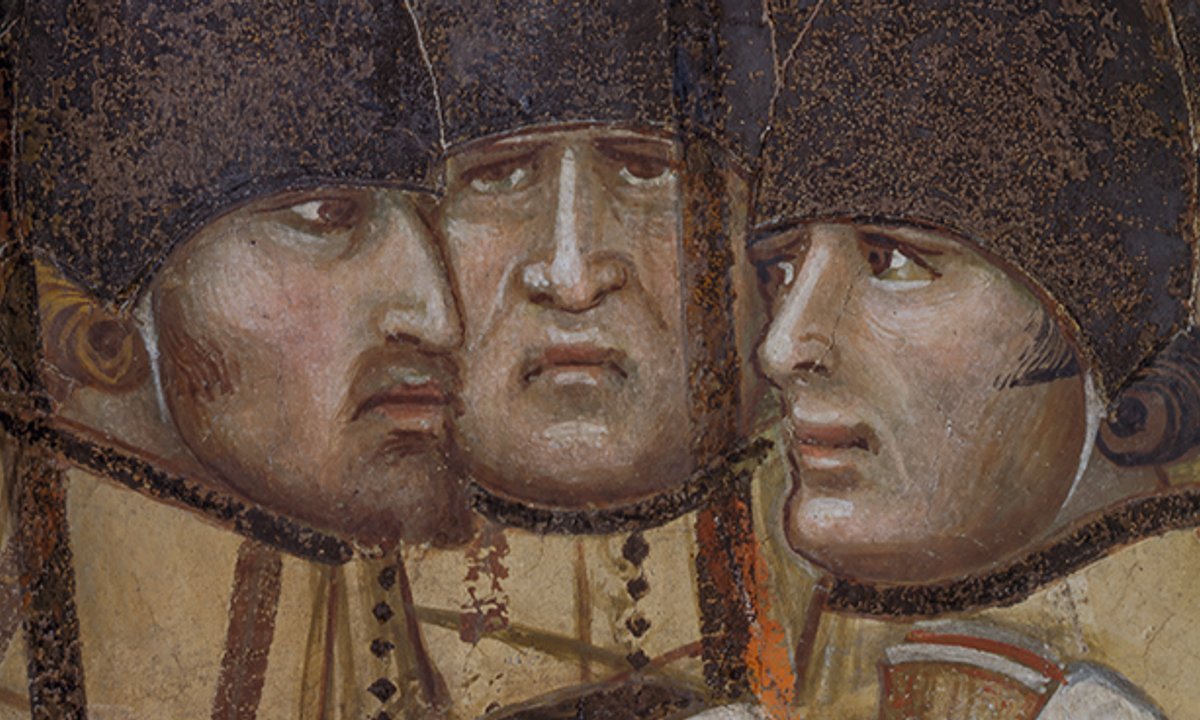
The article examines Ambrogio Lorenzetti's frescoes "Good and Bad Government" (1338-1339) in Siena's Sala dei Nove, arguing that the painter embedded a subtle critique of the ruling oligarchy. Jules Lubbock, a professor emeritus at the University of Essex, reinterprets the murals as a warning against repressive one-party rule, challenging the traditional view of Siena under the Nine as a golden age of good governance.

Manet Under the Magnifying Glass

Manet à la loupe

A new documentary film titled 'Le Monde dans un tableau : les lampes de Manet' offers a detailed investigation into Édouard Manet's final major painting, 'Un bar aux Folies Bergère'. The film features an eclectic mix of interviewees, from a Folies Bergère lighting technician to a Shintō monk and a Tokyo print editor, weaving together art history and broader historical context around the iconic work.

François Ozon’s 'The Stranger': A Film Between Surface Aesthetics and Political Reinterpretation

“Lo straniero” di François Ozon. Un film tra estetica delle superfici e rilettura politica

Director François Ozon has adapted Albert Camus’s existentialist masterpiece 'The Stranger' into a new feature film, premiering at the 82nd Venice Film Festival. Shot in stark black and white by cinematographer Manuel Dacosse, the film departs from the 1967 Luchino Visconti adaptation by leaning into a cold, clinical aesthetic inspired by Michelangelo Antonioni. The narrative follows Meursault, an emotionally detached clerk in colonial Algiers, whose impassive reaction to his mother's death and the subsequent senseless murder of an Arab man leads to his legal and moral condemnation.