filter_list Showing 28 results for "Masterpiece" close Clear
dashboard All 320 museum exhibitions 109trending_up market 78article news 65article culture 28gavel restitution 11rate_review review 9article local 7article policy 6person people 4candle obituary 3
date_range Range Today This Week This Month All
Subscribe

Monet and Van Gogh Masterpieces Hit the Shampoo Aisle

Beauty brand Dove has launched a limited-edition haircare collection called "The Art of Repair" featuring iconic artworks by Claude Monet, Mary Cassatt, and Vincent van Gogh on its product packaging. The shampoo, conditioner, and serum bottles display images of Monet's *The Japanese Footbridge*, Cassatt's *The Loge*, and Van Gogh's *Roses*, drawing a parallel between art conservation and hair repair. The collection is exclusively available at Walmart.
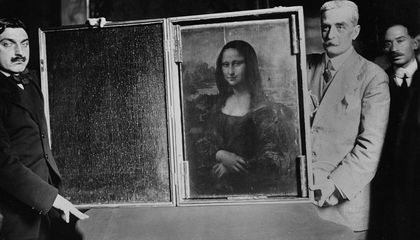
Andrew Lloyd Webber Is Writing a Musical About the Heist that Made ‘Mona Lisa’ Famous

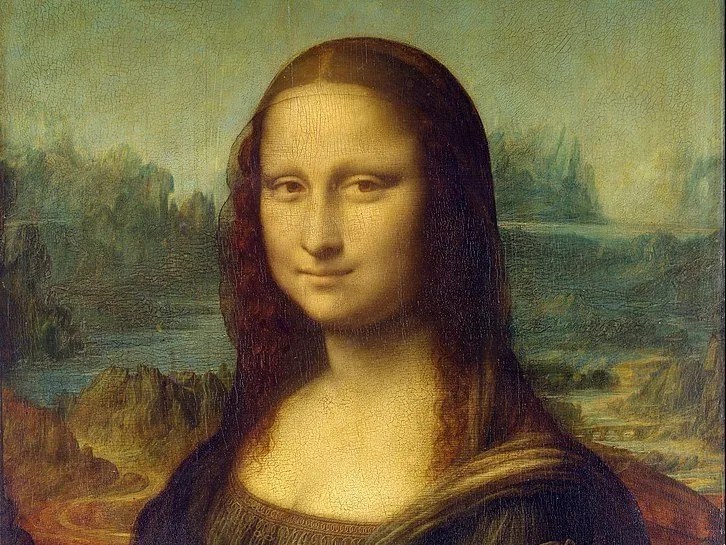
Renowned composer Andrew Lloyd Webber has announced he is developing a new musical centered on the 1911 theft of Leonardo da Vinci’s Mona Lisa. The production will dramatize the true story of Vincenzo Peruggia, a Louvre employee who stole the masterpiece and hid it for two years before it was recovered in Italy. Lloyd Webber revealed the project following the Broadway opening of Cats: The Jellicle Ball, noting that he is beginning the writing process immediately.

In The Christophers, an aging artist’s unfinished masterpieces are subjects of speculation and scheming

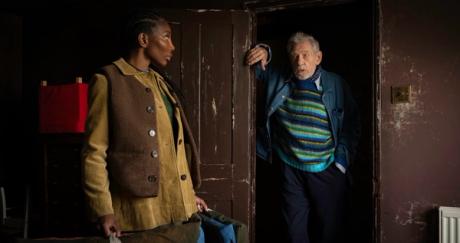
The Christophers is a new film starring Ian McKellen as Julian Sklar, a once-celebrated 1970s painter who has become a social pariah and reality TV villain. The plot follows a 'reverse art heist' where Sklar’s estranged children hire a restorer and former forger, played by Michaela Coel, to secretly finish a series of nine incomplete portraits of his former lover. The goal is to inflate the works' market value so they can be 'discovered' as masterpieces upon the aging artist's death.

Andrew Lloyd Webber Says He's Writing a New Musical About the Time the 'Mona Lisa' Vanished Without a Trace in 1911

Andrew Lloyd Webber, the legendary composer behind 'The Phantom of the Opera,' has announced he is developing a new musical centered on the 1911 theft of Leonardo da Vinci’s 'Mona Lisa.' The production will dramatize the true story of Vincenzo Peruggia, an Italian glazier who stole the masterpiece from the Louvre, leading to a two-year international search before the painting was recovered in Italy.

51% of Men Say Mona Lisa "Should Smile More"

A new visitor experience survey at the Louvre Museum has revealed that 51% of male respondents believe Leonardo da Vinci's Mona Lisa "should smile more." The finding highlights a specific demographic's critique of the artwork's famously enigmatic expression.

How Duchamp Inspired These 4 Artists

Contemporary artists continue to grapple with the legacy of Marcel Duchamp, specifically his 1917 readymade "Fountain." This analysis highlights four modern creators who have directly referenced or reinterpreted the iconic porcelain urinal to explore themes of gender, domesticity, and institutional critique.

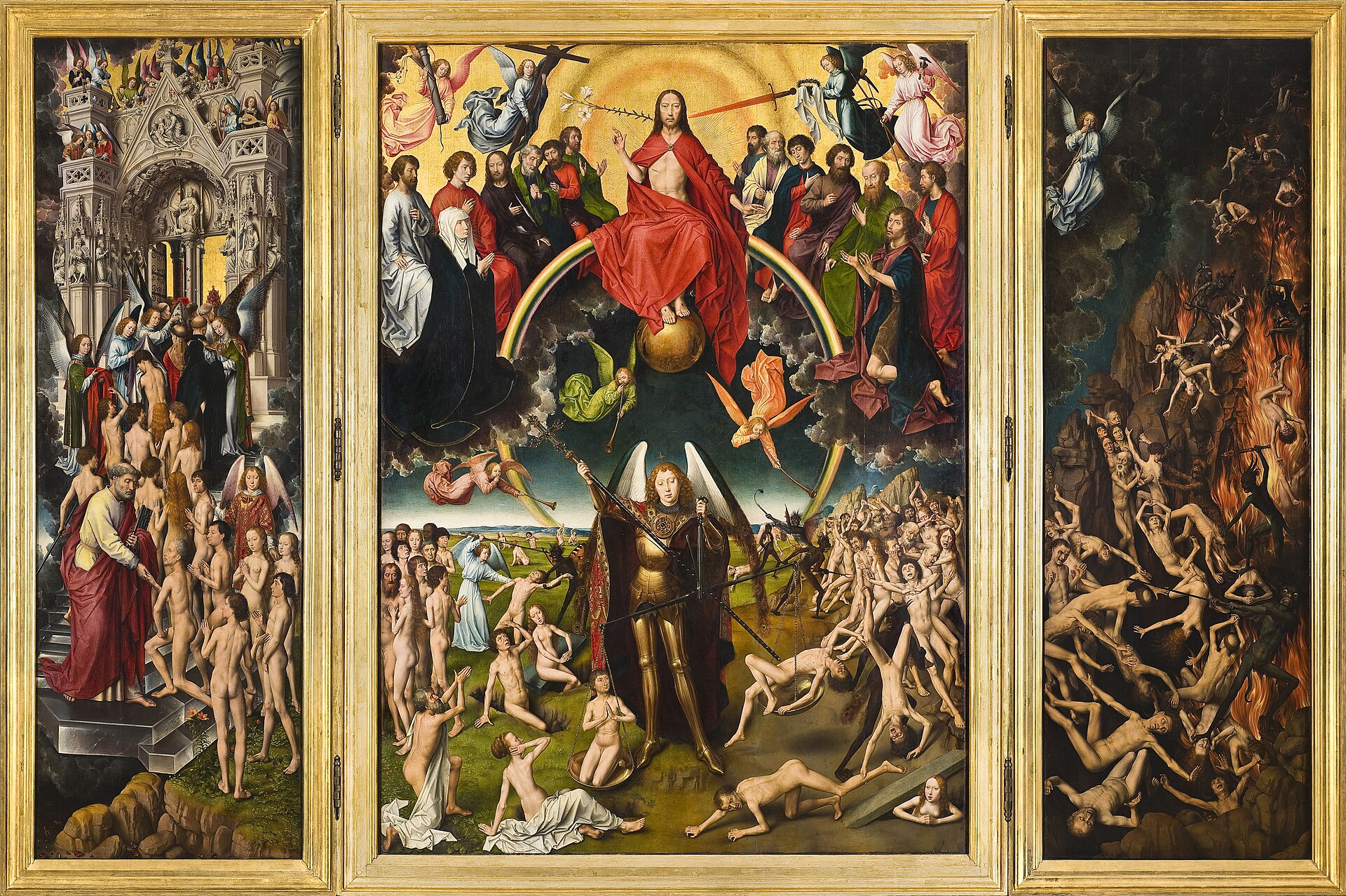
What Hans Memling's Last Judgment Still Tells Us

Was uns Hans Memlings Jüngstes Gericht noch sagt

Hans Memling's 15th-century triptych "The Last Judgment" is currently undergoing restoration at the National Museum in Gdańsk, Poland, and is expected to be off view until the end of the year. The artwork, painted before 1465, has a dramatic provenance, having been captured at sea by a privateer en route from Bruges to Florence and eventually finding a permanent home in Gdańsk after various displacements.

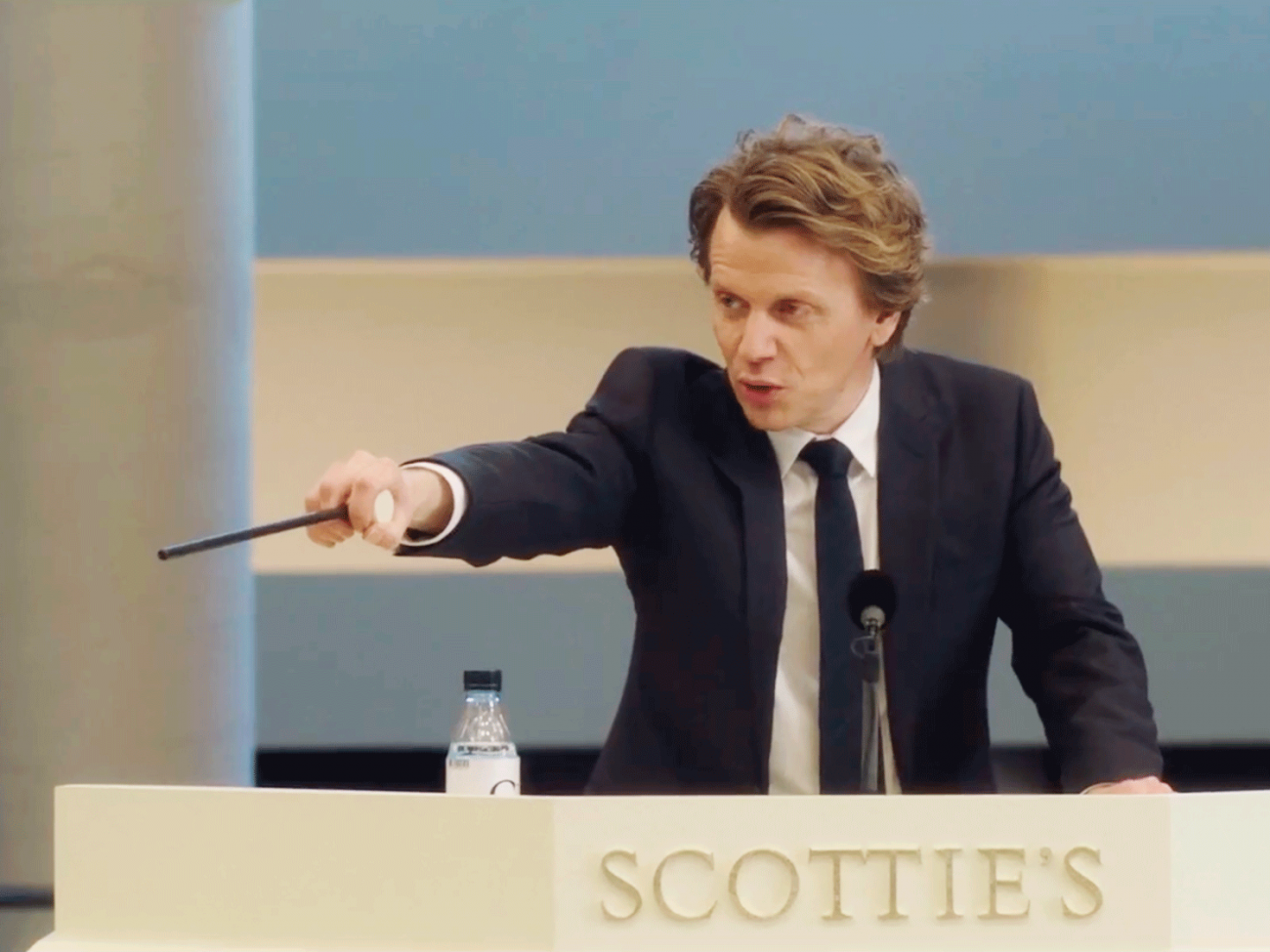
On Arte, 'The Stolen Painting' dives into auction houses through the rediscovery of an Egon Schiele looted by the Nazis

Sur Arte, « Le Tableau volé » plonge dans les salles de ventes aux enchères à travers la redécouverte d’un Egon Schiele spolié par les nazis

Director Pascal Bonitzer’s film 'Le Tableau volé' (The Stolen Painting) dramatizes the real-life 2005 discovery of a lost Egon Schiele masterpiece, 'Autumn Sun,' in the modest home of a factory worker in Mulhouse. The narrative follows a cynical auctioneer, played by Alex Lutz, as he navigates the authentication and eventual sale of the work, which was looted by the Nazis from Jewish collector Karl Grünwald during the 1940s.

On Arte, 'The Stolen Painting' dives into auction houses through the rediscovery of an Egon Schiele looted by the Nazis

Sur Arte, « Le Tableau volé » plonge dans les salles de ventes aux enchères à travers la redécouverte d’un Egon Schiele spolié par les nazis

Director Pascal Bonitzer’s film 'Le Tableau volé' (The Stolen Painting) dramatizes the real-life 2005 discovery of a lost Egon Schiele masterpiece, 'Autumn Sun,' in the modest home of a factory worker in Mulhouse. The narrative follows a cynical auctioneer, played by Alex Lutz, as he navigates the authentication and eventual sale of the work, which was looted by the Nazis from Jewish collector Karl Grünwald during World War II.

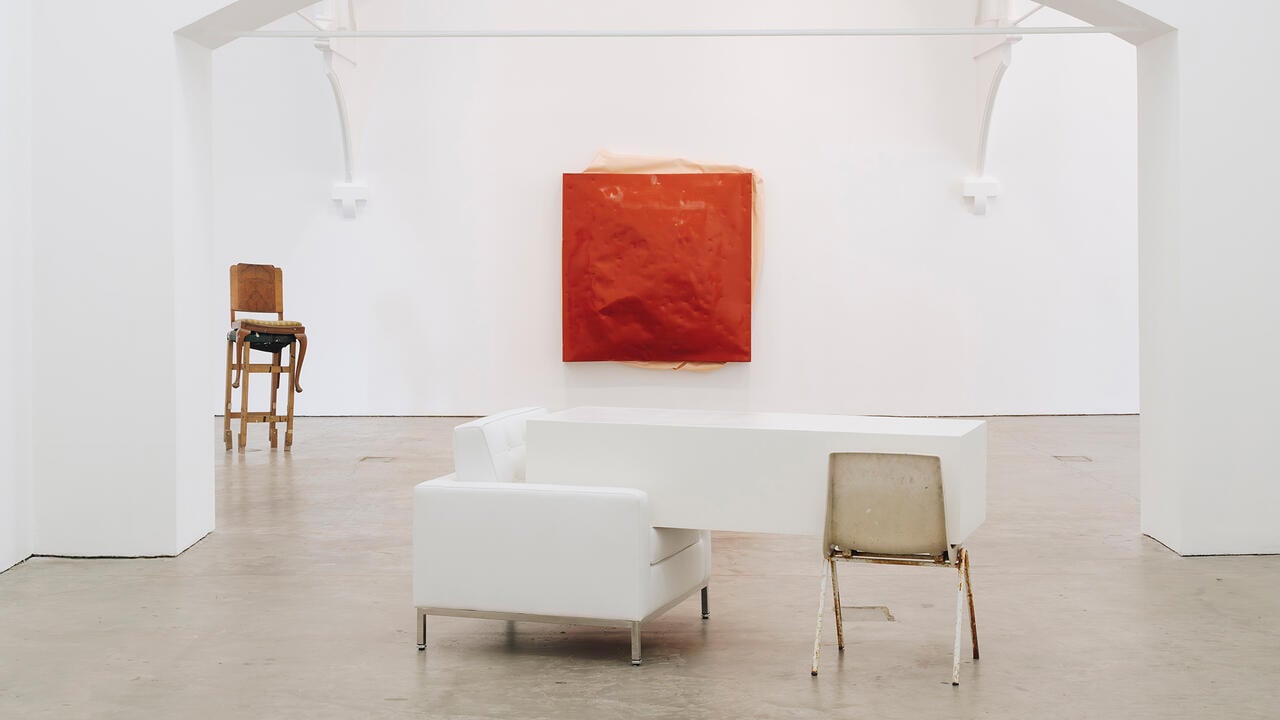
Miljohn Ruperto Rethinks Western Ideas of Time

The rise of the 'one-work exhibition' is transforming how audiences engage with art, shifting the focus from the rapid consumption of numerous objects to a singular, immersive spatial experience. By isolating a single masterpiece or installation, institutions are creating environments that demand 'slow looking' and provide a meditative counterpoint to the overwhelming speed of digital and contemporary visual culture.

Angela de la Cruz Breaks the Frame

The art world is witnessing a significant shift toward the 'one-work exhibition,' a format that rejects the traditional gallery model of high-volume displays in favor of singular, immersive encounters. By isolating a single masterpiece or installation, institutions are encouraging 'slow looking' and recasting the act of viewing as a deliberate spatial experience. This trend serves as a direct response to the digital age's relentless pace and the overwhelming 'glut' of contemporary visual culture.

6 Exhibitions to See During EXPO Chicago 2026

The art world is witnessing a significant shift toward 'one-work exhibitions,' where entire gallery or museum spaces are dedicated to a single object. This curatorial trend, often referred to as 'slow looking,' prioritizes deep engagement and spatial experience over the traditional model of high-volume, rapid-fire viewing. By isolating a single masterpiece or installation, institutions are challenging the 'speed and glut' that defines modern digital and visual consumption.

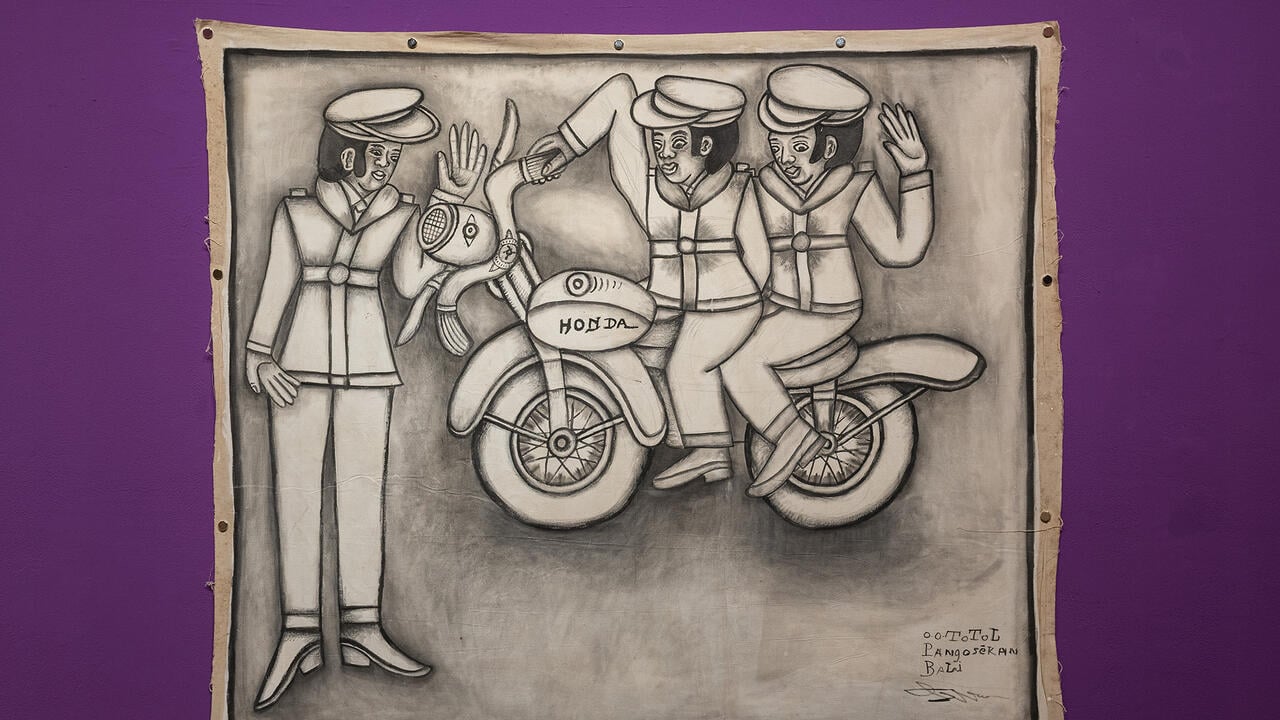
What Oototol’s Art Reveals about Indonesian History

Tara Anne Dalbow explores the emerging trend of 'one-work exhibitions,' where galleries and museums dedicate an entire show to a single masterpiece. This format encourages 'slow looking,' a meditative practice that prioritizes deep engagement and spatial experience over the rapid-fire consumption of images typical of the digital age.

Can Video Art Rewire South Korea’s Global Image?

The rise of the 'one-work exhibition' is transforming the traditional museum experience by focusing an entire show on a single object. These minimalist presentations prioritize 'slow looking' and spatial immersion, forcing viewers to engage deeply with a lone masterpiece rather than scanning through a crowded gallery of multiple works.

In Spain, art becomes popular thanks to this expert influencer. We interviewed him

In Spagna l’arte diventa popolare grazie a questo esperto influencer. Lo abbiamo intervistato

Miguel Ángel Cajigal, known as 'El Barroquista,' is a Spanish art historian and popularizer who has brought art history to prime-time television, radio, and social media. In an interview with Artribune, he discusses his books, including 'Otra historia del arte' (2021), his approach to making art accessible without dumbing it down, and his critique of the cult of the individual genius in art historiography. He emphasizes the collective nature of art production and reception, challenging the traditional focus on masterpieces and authorship.

The Poetics of Error Between Art and Architecture

La poetica dell’errore tra arte e architettura

This essay challenges the historical obsession with perfection in architecture and art, rooted in Hegelian philosophy where beauty is equated with truth and flawlessness. It argues that the pursuit of the 'ideal' is a cognitive bias that ignores the value of complexity and structural failure. By reframing the 'error' not as a mistake but as a generative method, the text suggests that imperfection is often what elevates a work to the status of a masterpiece.

That Time Raphael Visited Tivoli, Transforming Antiquity into Art

Quella volta che Raffaello visitò Tivoli trasformando l’antichità in arte

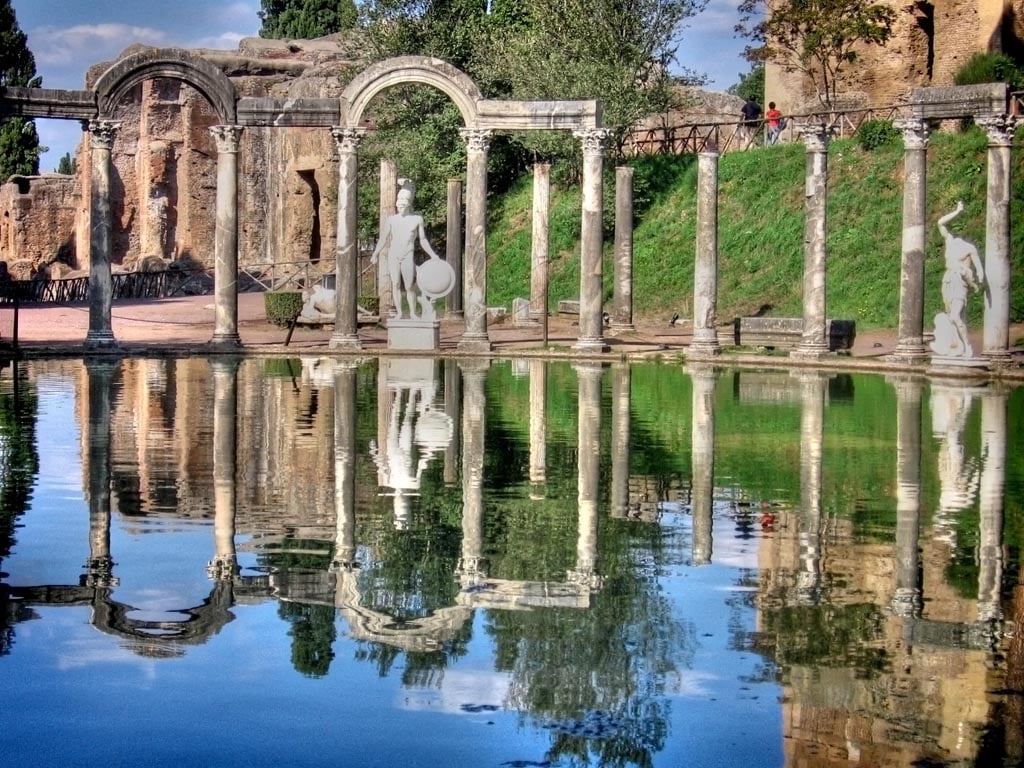
In April 1516, Raphael Sanzio embarked on a historic excursion to Tivoli alongside a prestigious circle of Renaissance intellectuals, including Baldassarre Castiglione and Pietro Bembo. This journey served as a critical field study for Raphael, who had recently been appointed as Rome's prefect of antiquities. By examining the complex ruins of Hadrian's Villa and the Sanctuary of the Sibyl, the group engaged in a sophisticated blend of archaeological investigation and humanist leisure that defined the cultural climate under Pope Leo X.

How Caravaggio’s Dark Masterpieces Mirror the Crimes in Netflix’s Ripley

as seen on ripley netflix caravaggio 2466041

The Netflix series Ripley, an adaptation of Patricia Highsmith’s novel, utilizes the works of Caravaggio as a central narrative and aesthetic device. The show follows Tom Ripley, a grifter who travels to Italy and eventually adopts the identity of a wealthy acquaintance after committing murder. Throughout the series, Ripley encounters several of Caravaggio's masterpieces, including The Seven Acts of Mercy and David with the Head of Goliath, which serve as dark mirrors to his own descent into violence.

Artists agonise over when a work is finished—but should we viewers care?

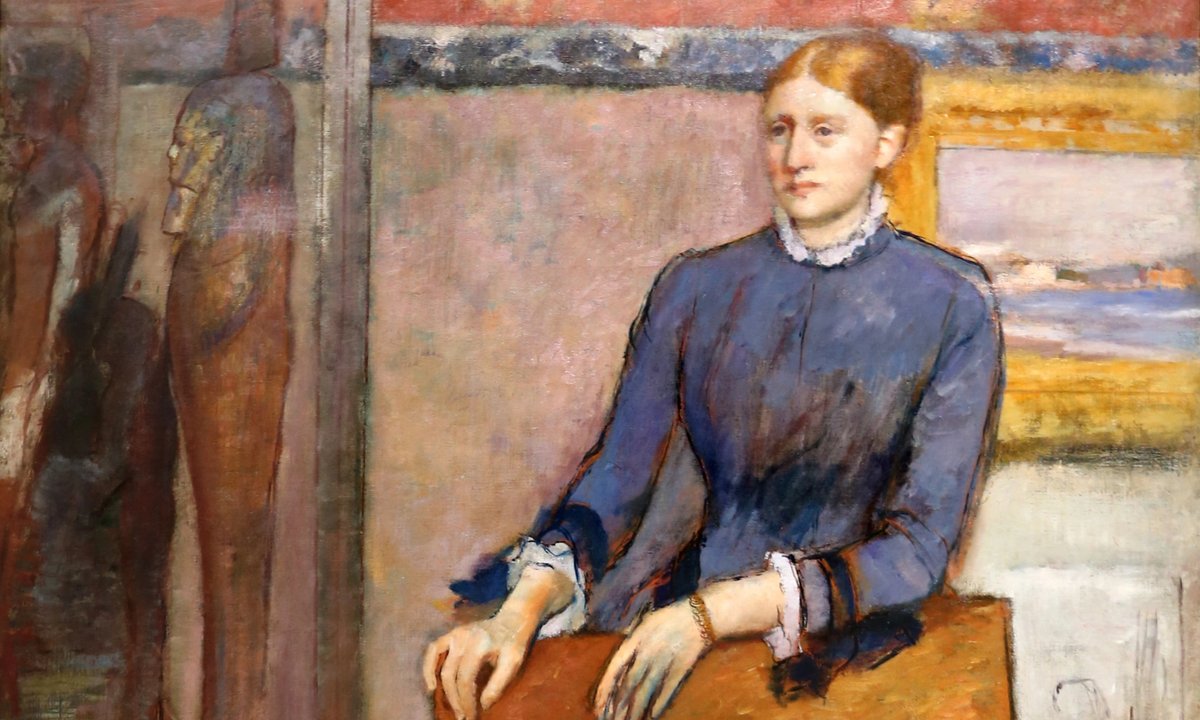
The article explores the perennial struggle artists face in determining when a work is complete, a process often fraught with the risk of overworking or 'wrecking' a piece. Drawing on insights from Howard Hodgkin and David Sylvester, it examines how artists like Degas, Matisse, and Cézanne navigated the boundary between a finished object and a work-in-progress, sometimes intentionally leaving canvases 'open' or 'fragmentarily complete' to preserve their emotional and visual immediacy.

New book digs into the little-known gallery that brought Modern art to America

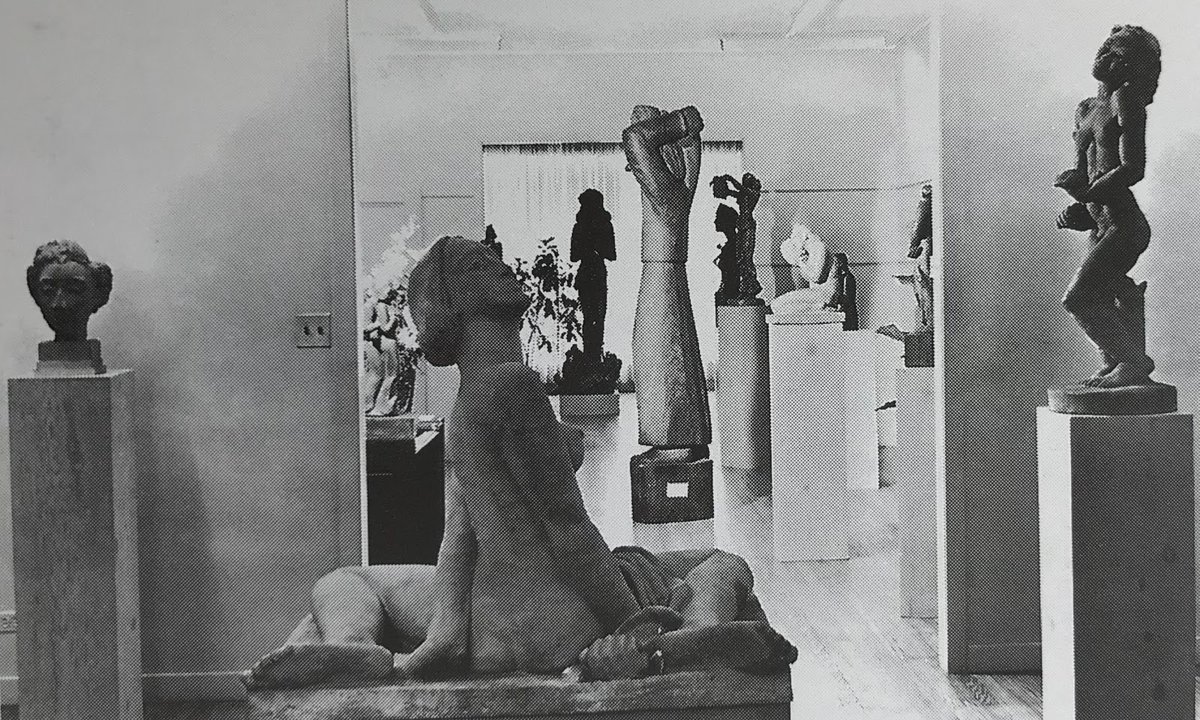
Researcher Julia May Boddewyn has published a new book, 'The Valentine Gallery: The Forgotten Story of Valentine Dudensing, Matisse, Picasso, and the US Market for Modern Art (1926-1947)', which unearths the history of a pivotal but overlooked New York gallery. Founded a century ago, the F. Valentine Dudensing Gallery was responsible for introducing European Modernism to America, hosting the first US solo shows for icons like Joan Miró and Piet Mondrian, and organizing the American debut of Picasso’s 'Guernica'.

Commentary | Art is more than its original context

Comment | Art is more than its original context

This commentary explores the tension between historical context and the immediate, physical experience of viewing art in the modern age. While art historians often focus on restoring works to their original origins—such as the rare, unmoved Giovanni Bellini altarpiece in Venice—the author argues that over-emphasizing biographical or political context can reduce a masterpiece to a mere illustration or a token in a power game.

untangling the myths behind henri rousseau eccentric masterpiece 2724971

The article examines the history and critical reception of Henri Rousseau's 1897 painting *The Sleeping Gypsy*. It details the painting's creation, its initial exhibition at the Société des Artistes Indépendants, and its subsequent journey through the art market—from being lost and rediscovered at a coal dealer's to being sold by dealer Daniel-Henry Kahnweiler and collected by John Quinn, before ultimately entering the collection of The Museum of Modern Art in New York.

an infamous rembrandt makes a cameo in the new knives out 2740706

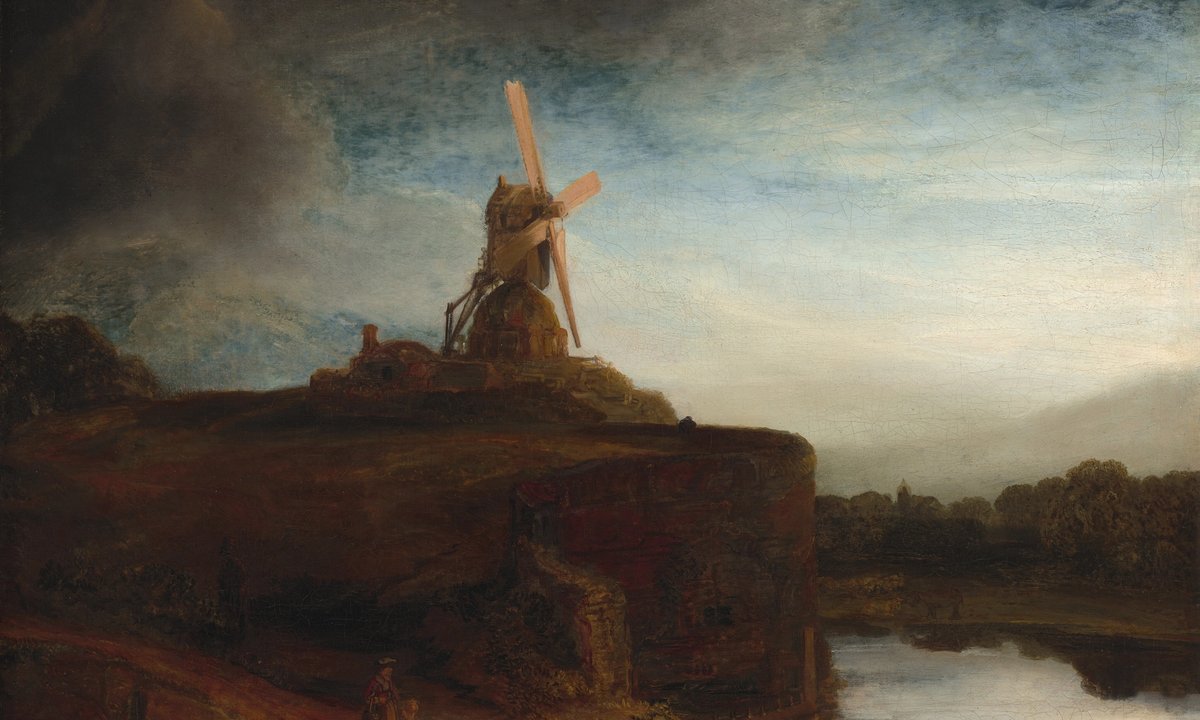
A reproduction of Rembrandt's stolen masterpiece, *Christ in the Storm on the Sea of Galilee* (1633), appears in the new Netflix film *Knives Out: Wake Up Dead Man*. The painting, one of 13 works stolen from Boston's Isabella Stewart Gardner Museum in 1990, is seen briefly in a character's study. The museum confirmed the use was not a collaboration, noting the image was used without permission.

lego art sets ranked 2740878

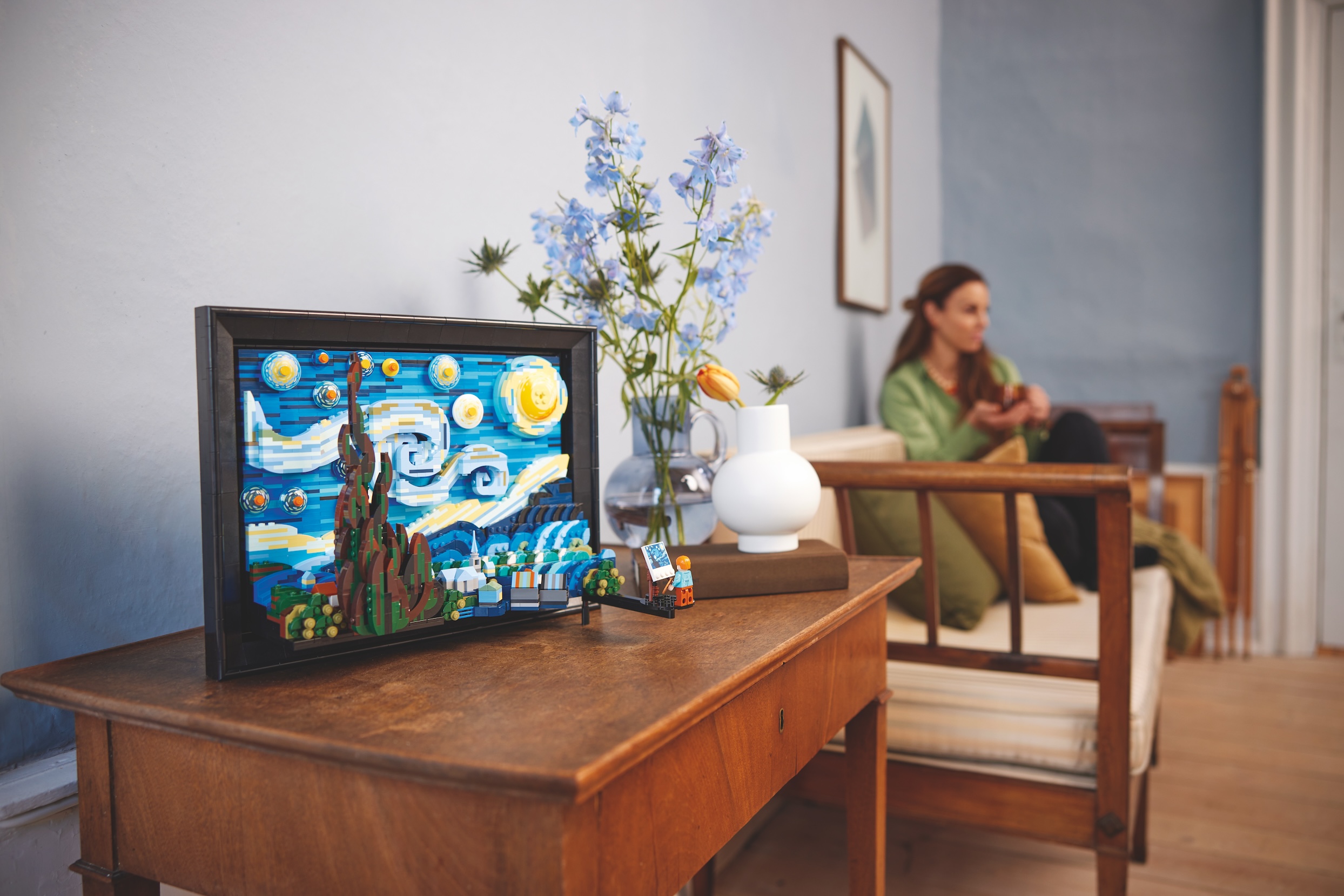
On International Lego Day, the article ranks Lego Art sets inspired by famous artworks, including Vincent van Gogh's *Sunflowers* and *Starry Night*, Hokusai's *The Great Wave*, and others. The ranking is done by the author and their brother, an Adult Fan of Lego, who rate each set from both an art critic and a Lego builder perspective.

see super bowl heroes depicted in classical paintings 239759

A Nobilified, a start-up that lets customers insert themselves into classic paintings for about $140, has created a series of artworks depicting Super Bowl heroes from the New England Patriots and Seattle Seahawks in historical masterpieces. Patriots quarterback Tom Brady appears as Prometheus (1868) by Gustave Moreau, tight end Rob Gronkowski as Abduction of Ganymede by Jupiter (ca. 1644) by Eustache Le Sueur, while Seahawks quarterback Russell Wilson is shown in Ideal portrait of a Spanish King (ca. 1643) by Alonso Cano, with other players featured in works by John Singleton Copley and Benjamin West.

suprising history behind whistlers mother 2723534

The article explores the enduring appeal of James McNeill Whistler's 1871 painting commonly known as "Whistler’s Mother," officially titled "Arrangement in Grey and Black, No.1." It recounts how the painting was acquired by the French state in 1891 and became the first American painting in the Louvre, now housed at the Musée d'Orsay. The piece also reveals little-known facts: the sitter's full name was Anna Matilda McNeill Whistler, who wore mourning clothes for 31 years after being widowed and moved in with her son in London, displacing his mistress. The article includes her recipe for a dessert called Floating Island and notes that Whistler incorporated his earlier etching "Black Lion Wharf" into the portrait.

curators reveal their favorite artworks of all time 2717382

Artnet News asked leading curators and museum directors to share their favorite artworks of all time. Connie Butler of MoMA PS1 chose David Hammons's "Bliz-aard Ball Sale" (1983), praising its connection from Duchamp to AI. Julieta Gonzalez of the Wexner Center selected Hans Holbein the Younger's "The Ambassadors" (1533), highlighting its anamorphic skull as a metaphor for viewing modernity from the margins. Madeleine Grynsztejn of MCA Chicago picked Francisco Goya's "A Pilgrimage to San Isidro" (1819–23) from his Black Paintings cycle, calling it a metaphor for fanaticism.

art bites doges palace fire 2718336

The Doge's Palace in Venice has suffered multiple fires over its history, with the most devastating occurring in 1577. That blaze destroyed the Great Council Chamber, consuming irreplaceable artworks including a 1365 fresco by Guariento di Arpo, portraits of past doges by Titian, and paintings by Tintoretto, Vittore Carpaccio, Pisanello, Bellini, and Paolo Veronese. The fire's cause remains unknown, but its impact was catastrophic due to the chamber's concentration of highly valued Renaissance paintings.