filter_list Showing 16 results for "THEO" close Clear
search
dashboard All 442 museum exhibitions 211article culture 85article news 46trending_up market 26article local 17rate_review review 16person people 16article policy 13candle obituary 7gavel restitution 5
date_range Range Today This Week This Month All
Subscribe

What does a woman swimming in urine tell us about the state of the world? Lots! – Venice Biennale review

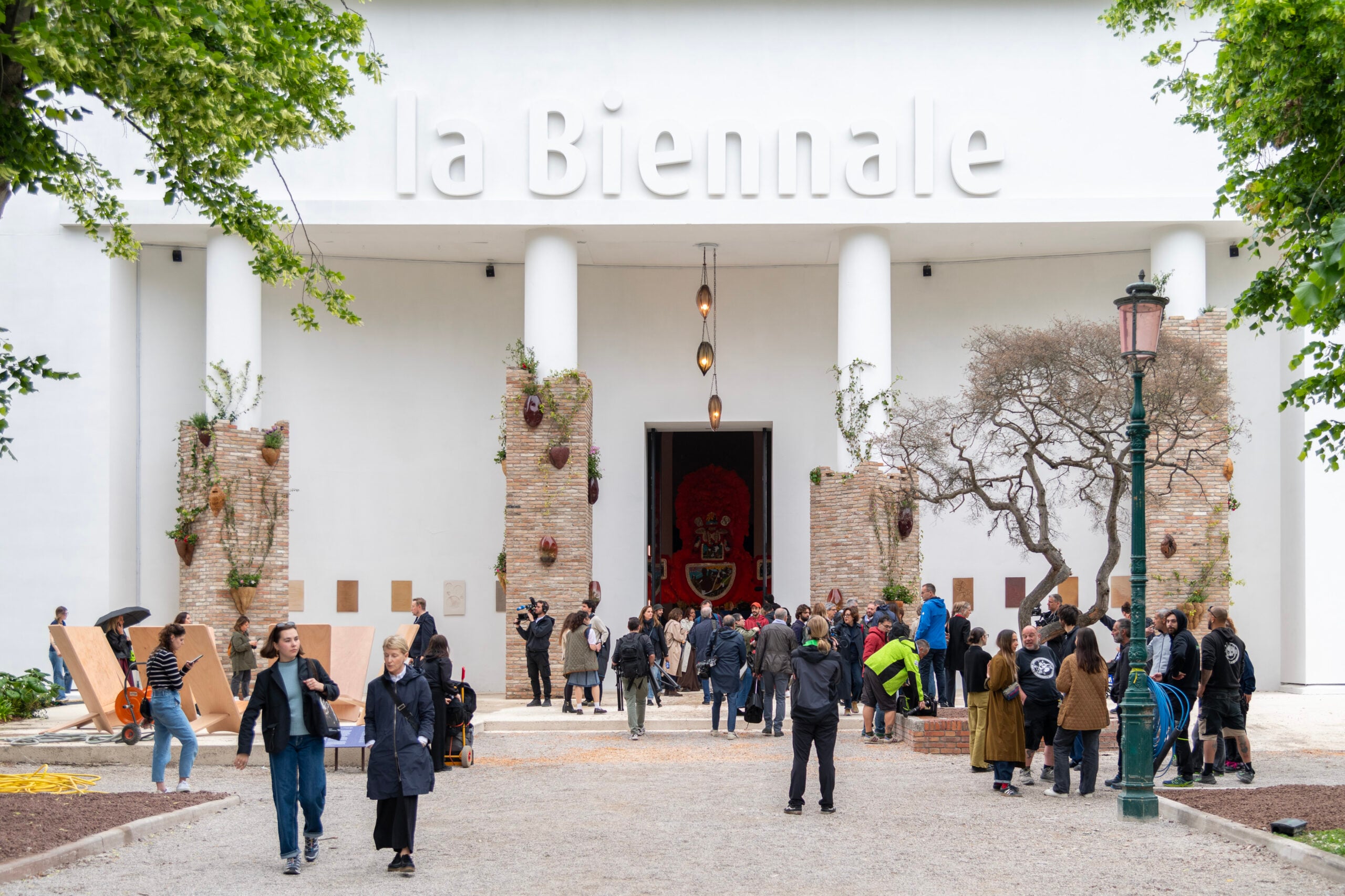
The 2026 Venice Biennale, curated by the late Koyo Kouoh under the theme "In Minor Keys," has been plagued by months of turmoil including countries withdrawing, artists being fired, exhibitions cancelled, funding pulled, and protests during the preview. A five-person curatorial team took over after Kouoh's death, resulting in what the critic describes as a disjointed, committee-driven exhibition that prioritizes quiet contemplation and healing over direct political engagement. The central shows in the Giardini and Arsenale feature a vast, poorly explained array of art from the global south, with installations of ceramics, textiles, slide projectors, and serene natural scenes that the critic finds anachronistic and dull.
Hydrojustice: A Review

A Non-Aspirational Justice: Review of Hydrojustice

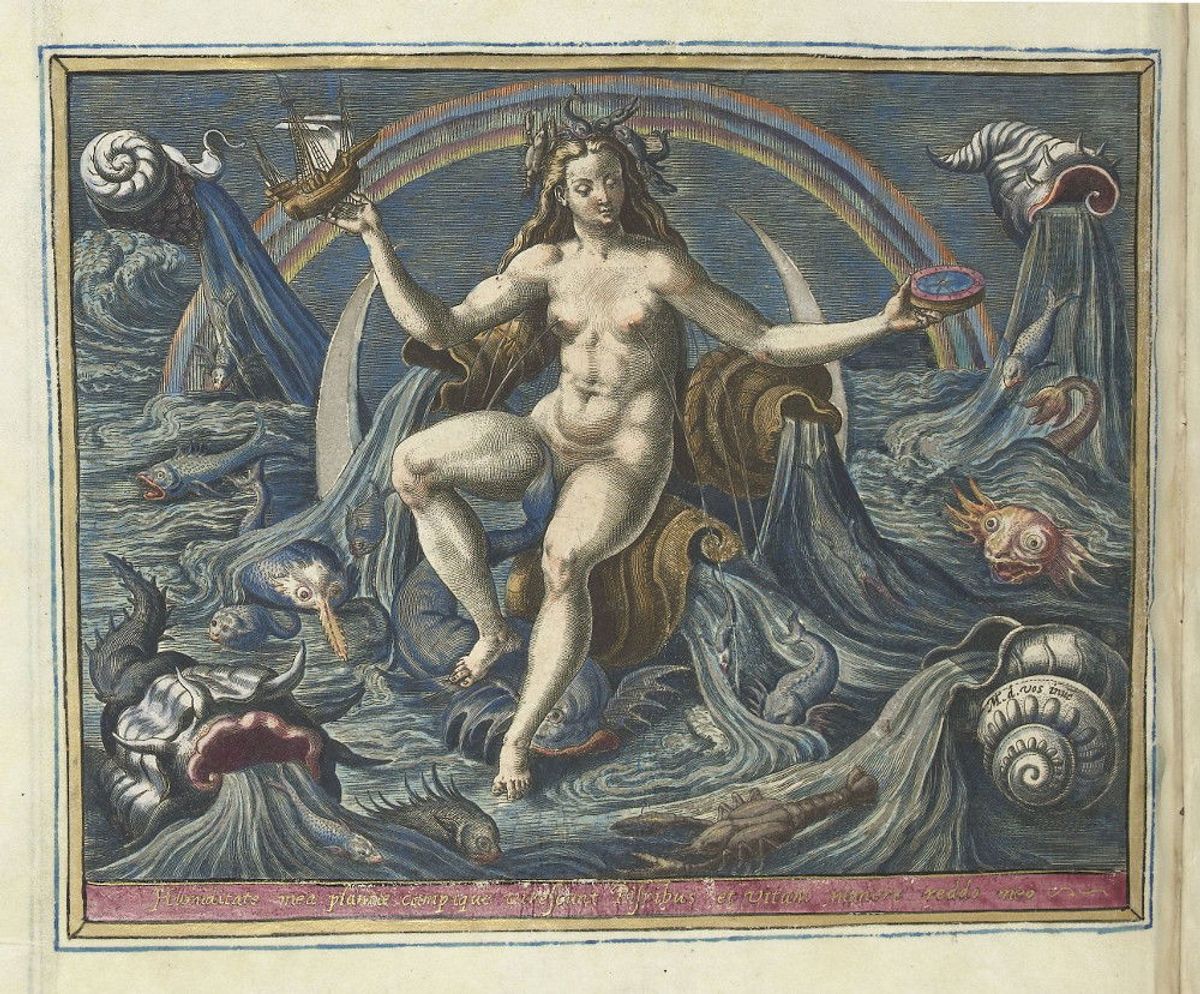
The article is a critical review of Andreas Philippopoulos-Mihalopoulos's book 'Hydrojustice,' which uses the concept of water as a lens to critique traditional, top-down legal justice and propose a more fluid, collective, and embodied alternative. The review frames this analysis through the recent erasure of a Banksy graffiti piece on the London Courts of Justice, which depicted a judge violently silencing a protester.

joseph beuys daniel spaulding honigpumpe

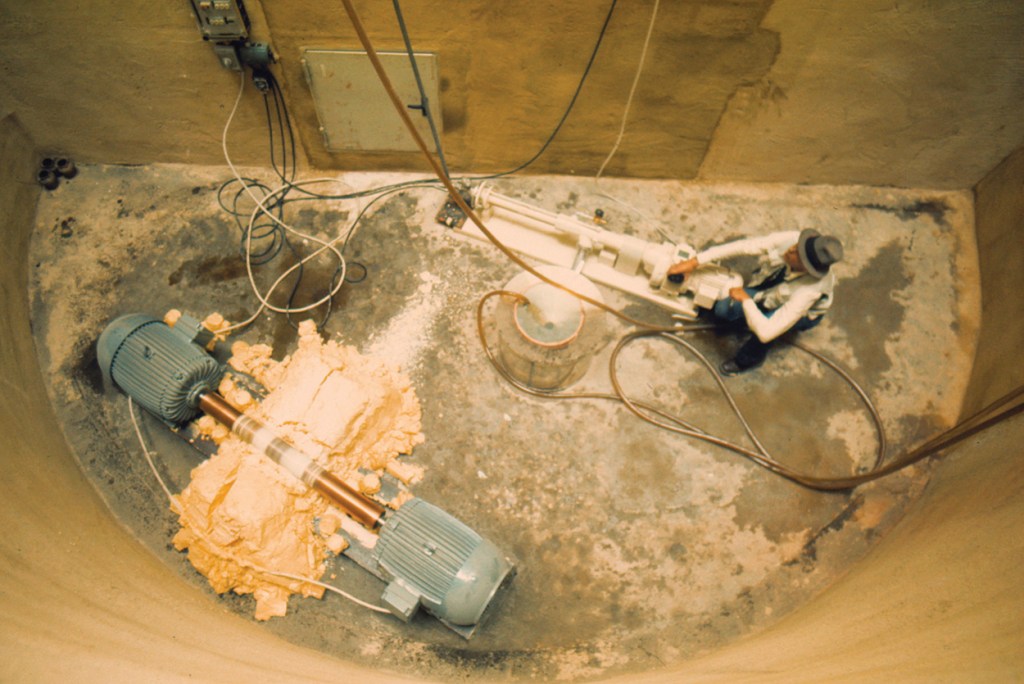
Joseph Beuys remains one of the most polarizing figures in 20th-century art, a former Nazi soldier who reinvented himself as a shamanic healer and a founding member of the Green Party. A new monographic study by art historian Daniel Spaulding, 'Joseph Beuys and History', re-evaluates the artist's legacy by confronting his refusal to apologize for his wartime past and his use of ambiguous materials like fat and felt. Spaulding argues that Beuys’s work should be read through the lens of 'bad faith,' where his utopian slogans masked a deep, unresolved engagement with the horrors of the Holocaust.

pierre huyghe las foundation

Pierre Huyghe has unveiled his most ambitious project to date in Berlin, a major exhibition titled 'Liminals' staged at the cavernous Halle am Berghain. Commissioned by the LAS Art Foundation as part of its 'Sensing Quantum' program, the installation features a massive 50-minute film projected in a former electrical station, accompanied by a droning, atmospheric soundscape. The work continues Huyghe’s exploration of AI-driven systems and 'unworlding,' attempting to create a space that transcends human subjectivity through bio-technological environments.

Comment | Perhaps artists do have only ‘ten good years’—but they can happen at any time in their career

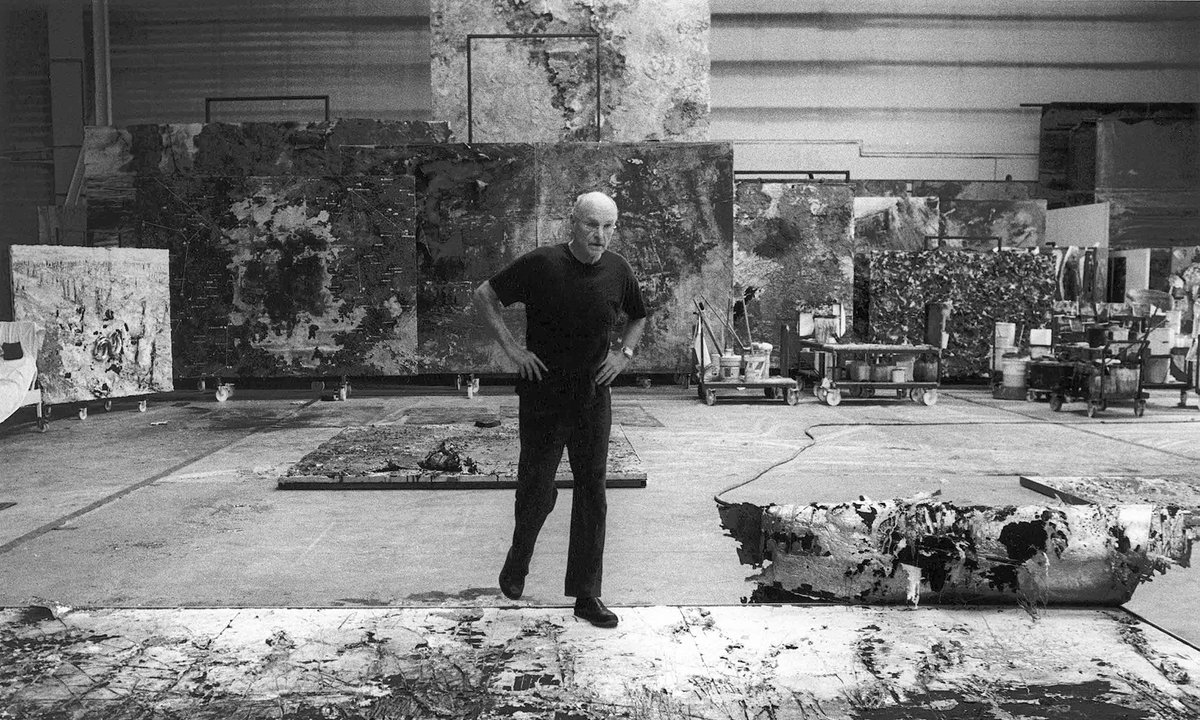
The article reflects on the idea that artists may have only 'ten good years' of peak creativity, prompted by a visit to the exhibition "Anselm Kiefer: Early Works" at the Ashmolean Museum in Oxford. The author contrasts the young Kiefer's deft, emotionally intimate works from 1969–1982 with his later, more grandiose output, arguing that Kiefer's early period surpasses anything he has achieved since. The piece also revisits critic Douglas Cooper's harsh dismissal of late Picasso and former Tate director Alan Bowness's theory of artistic prime.

The Carnegie International Looks Back at Itself

The 58th Carnegie International at the Carnegie Museum of Art in Pittsburgh looks back at its own 130-year history, featuring a gallery dedicated to past iterations. The exhibition includes Chris Ofili's "The Adoration of Captain Shit and the Legend of the Black Stars" (1998), which was originally shown in the 53rd International in 1999, the same year Ofili's more notorious "The Holy Virgin Mary" sparked controversy at the Brooklyn Museum. The article reviews how the current iteration captures the excitement of earlier exhibitions while providing commentary on authoritarianism and militarism.

Mary Frank Creates Her Own Pantheon

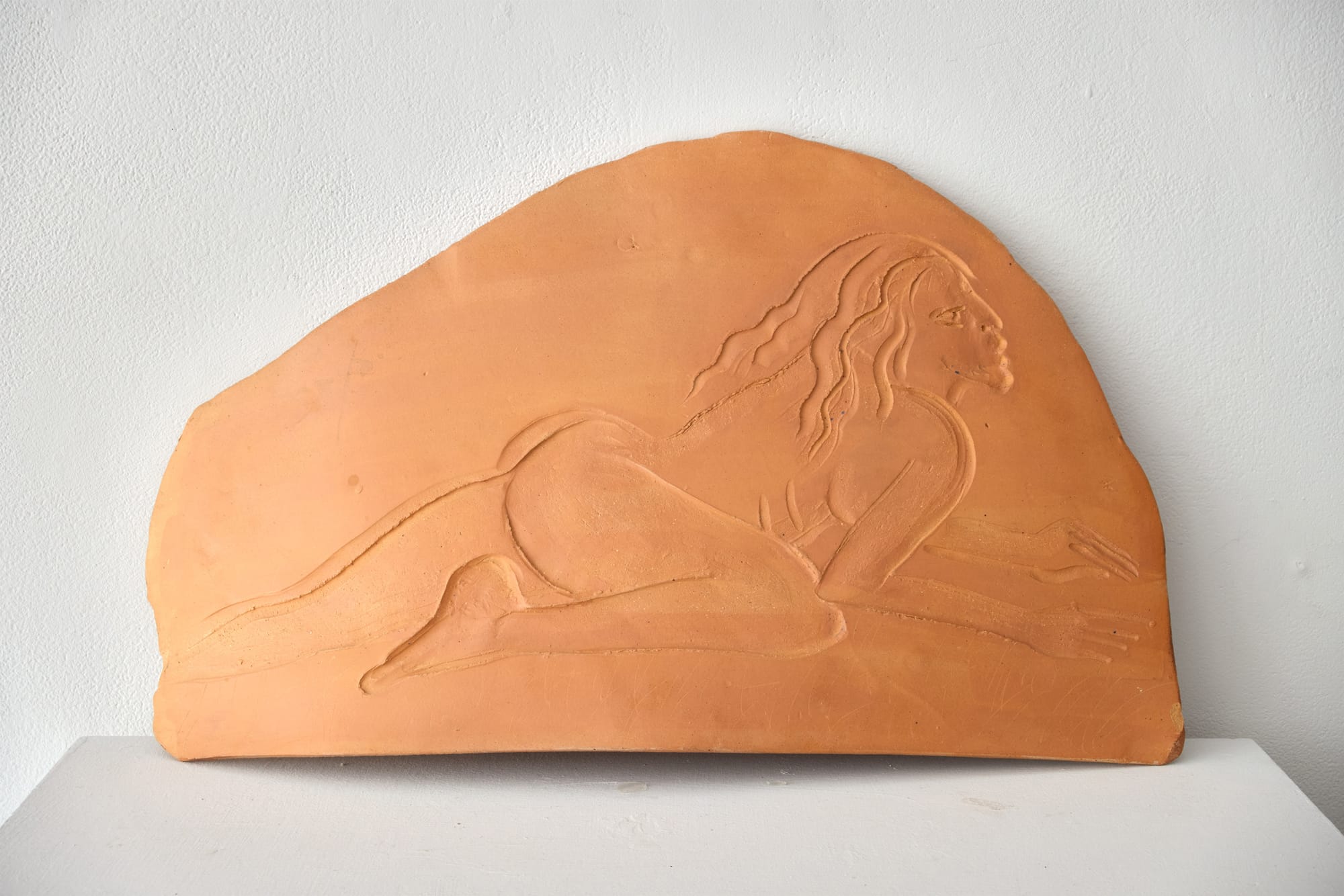
Mary Frank, an artist in her early 90s known for mythologically rooted sculpture and works on paper, is the subject of a focused exhibition at Steven Harvey Fine Art Projects in New York. Curated by Steven Harvey, the show presents 11 sculptures in wood, bronze, and ceramic from 1958 to 1985, alongside five works on paper, including a monotype and an oil-on-paper piece. Frank’s work, influenced by her study with Martha Graham, centers on self-sustaining female figures that embody agency, tenderness, and survival, often rendered in ceramic slabs or carved wood.

art 2026 whitney biennial review artists

The 2026 Whitney Biennial, curated by Marcela Guerrero and Drew Sawyer, features 56 artists and collectives without a unifying theme or title. The review describes the exhibition as intentionally incoherent, reflecting America's current state of irrationality and violence. Notable works include Oswaldo Maciá's scent-based 'Requiem for the Insects', Zach Blas's apocalyptic AI installation, Emilie Louise Gossiaux's sculptures honoring her guide dog, Ash Arder's multimedia works exploring ecology and infrastructure, and Enzo Camacho and Ami Lien's politically charged diorama 'For a Just War Against America'. The show's atmosphere is dominated by clanging percussion, ominous drones, and discordant sounds, with a general tenor of unease.

Why this rarely seen Van Gogh self-portrait deserves more attention

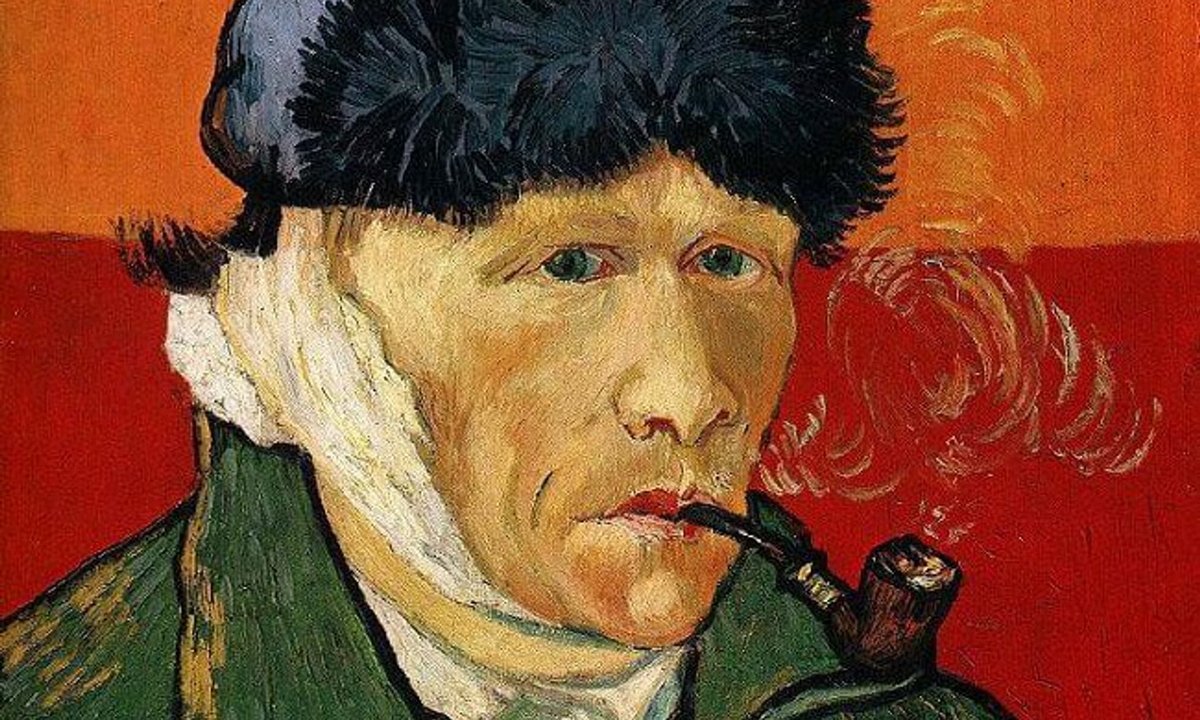
A blog post examines Van Gogh's lesser-known self-portrait, *Self-portrait with bandaged Ear and Pipe* (January 1889), held in a private collection and rarely exhibited—last lent outside Switzerland in 1990. The painting shows the artist clean-shaven, smoking a pipe, with a striking orange-red background, painted just weeks after he mutilated his ear following a row with Paul Gauguin. The post contrasts it with the more famous version in London's Courtauld Gallery, analyzing compositional details and the artist's psychological state.

The Big Review | Fra Angelico at Palazzo Strozzi and Museo di San Marco, Florence ★★★★★

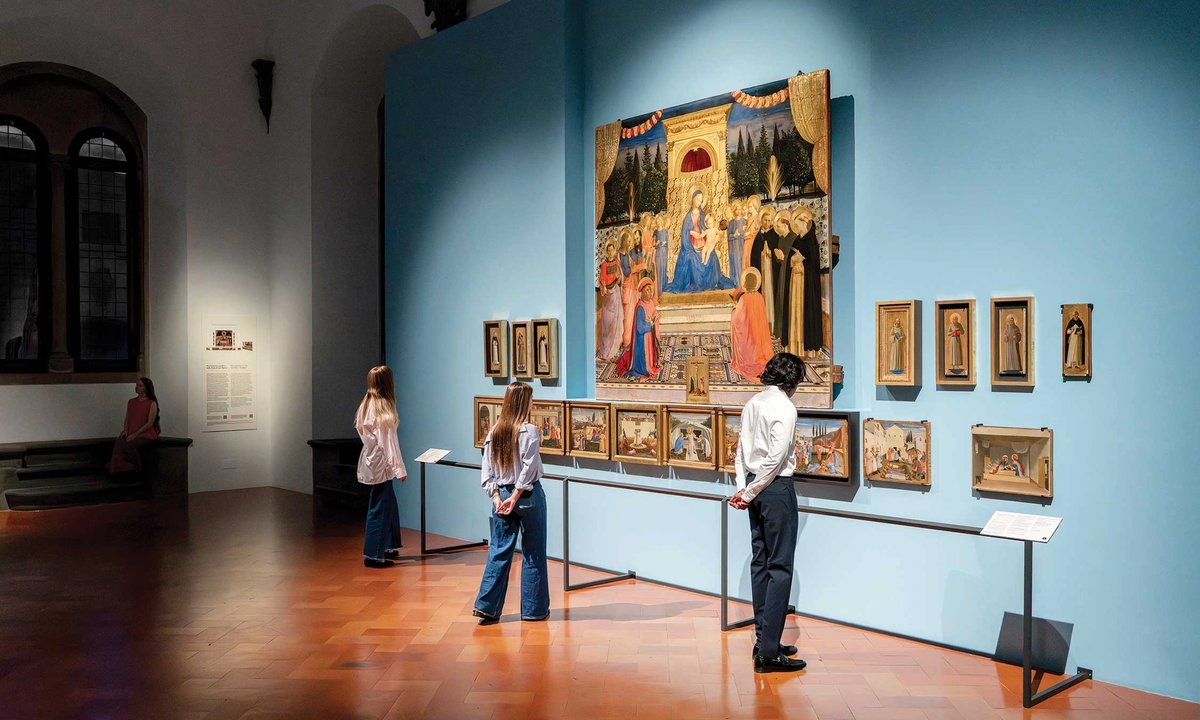
A major two-venue exhibition dedicated to early Renaissance master Fra Angelico (c. 1395-1455) has opened at Palazzo Strozzi and Museo di San Marco in Florence. The show, four years in the making, features unprecedented loans from over 70 museums and 28 newly conserved works, including the Fiesole Altarpiece (c. 1420-23) and the San Marco Altarpiece (1438-43). It reunites dispersed predella panels and decorative components looted during the Napoleonic era, presenting the most complete picture of Fra Angelico to date while challenging the notion that his work was archaic.

The Spiritual Ear: On Daniel Heller-Roazen’s Far Calls

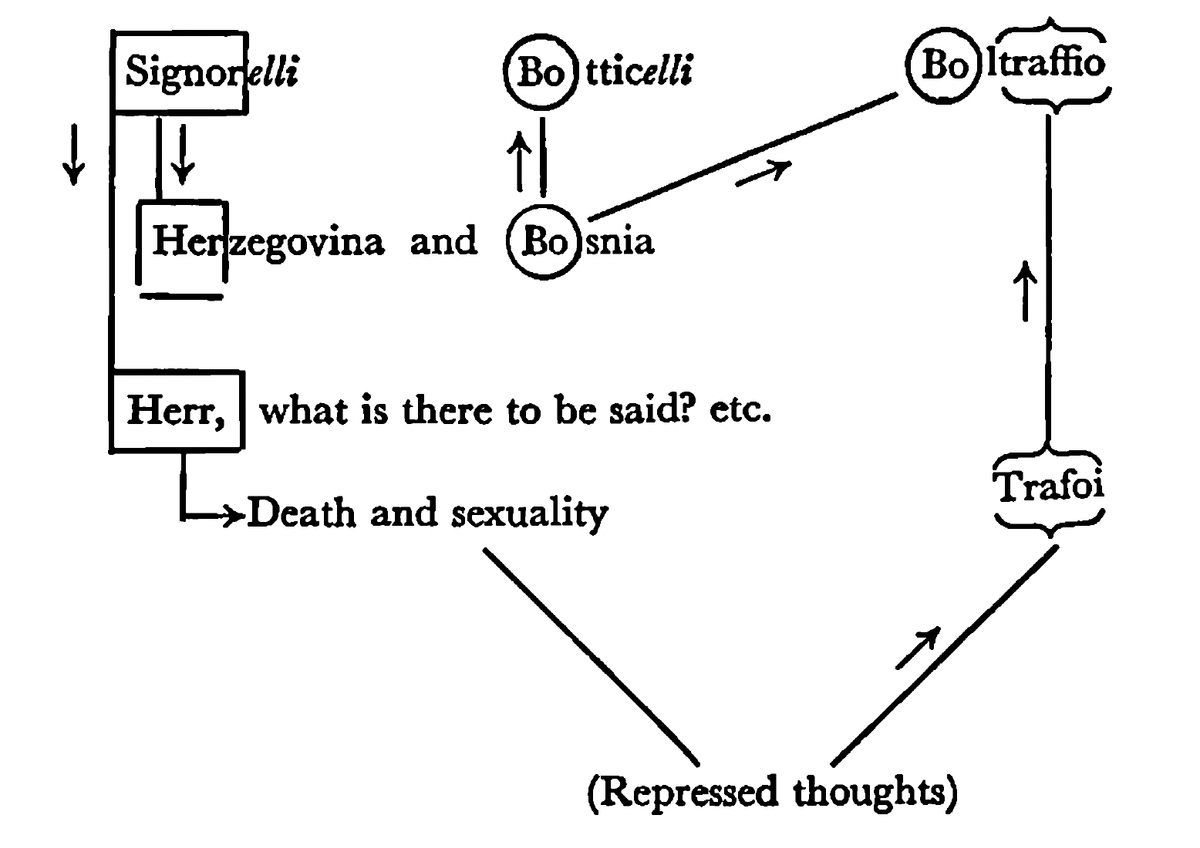
The article is a critical review of Daniel Heller-Roazen's new book, 'Far Calls: On Omens, Slips, & Epiphanies.' It examines the book's central thesis, which explores the historical and philosophical concept of a 'spiritual ear'—the interval between speaking and hearing where language escapes its intended meaning, giving rise to omens, slips of the tongue, and epiphanies. The review traces Heller-Roazen's genealogical investigation from ancient divinatory practices to modern psychoanalysis, highlighting his argument that linguistic accidents hold prophetic potential.

Holbein biography interrogates the artist's life and work from a different angle

Elizabeth Goldring’s new biography of Hans Holbein the Younger takes a documentary-focused approach, prioritizing archival evidence over visual analysis. The book examines Holbein’s life (1497/8–1543) through chronological chapters, using inventories, correspondence, and other records to correct long-held assumptions and propose new theories about his work. Goldring’s detective work includes identifying the green curtain in Holbein’s portrait of Sir Thomas More as a reference to the sitter’s role as chancellor of the Duchy of Lancaster, and suggesting that a lost painting of the More family was given to Erasmus as a gift.

Body as Device. Guide and Reflection on the Performances of the Venice Biennale

Corpo come dispositivo. Guida e riflessione sulle performance della Biennale di Venezia

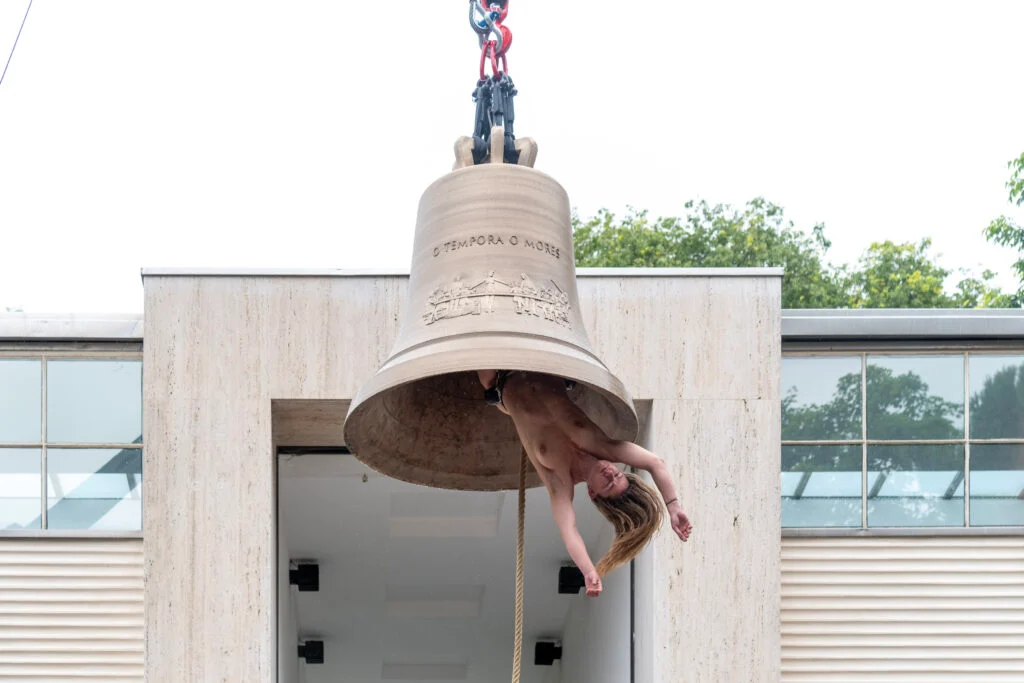
The article analyzes the role of performance art at the 2026 Venice Biennale, arguing that performance is no longer a rediscovered genre but a structurally institutionalized primary form of experience production. It examines how the body reemerges not as an alternative to image-based works but as an internal interruption of the artwork system, preventing closure and reintroducing instability. Key pavilions are discussed: Austria's Florentina Holzinger with "Sancta" draws on 1970s radical performance and feminist body art, creating an immersive environment of continuous movement; Belgium's Miet Warlop with "IT NEVER SSST" engages post-dramatic theater and postmodern dance repetition; Japan's Ei Arakawa-Nash with "Grass Babies, Moon Babies" activates Gutai avant-garde legacies through viewer interaction with soft dolls.

What is the international exhibition of the Venice Biennale like? Review of "In minor keys" by Koyo Kouoh

Com’è la mostra internazionale della Biennale di Venezia? Recensione di “In minor keys” di Koyo Kouoh

The 2026 Venice Biennale, titled "In minor keys" and curated by the late Koyo Kouoh, opens to the public on May 9 amid controversies including the absence of the president's name in the colophon at the Arsenale entrance. The exhibition, organized by Kouoh's team (Rory Tsapayi, Siddharta Mitter, Marie Helene Pereira, Gabe Beckhurst Feijoo, and Rasha Salty), unfolds across the Giardini and the Arsenale's Corderie, featuring works that balance strength and beauty with a harmonious mix of voices and themes. The Giardini section is particularly compelling, with a non-linear, polycentric layout that feels like a living organism, while the Arsenale offers further depth.

A new ‘anti-biography’ rips apart the myth of Leonardo as a solitary genius

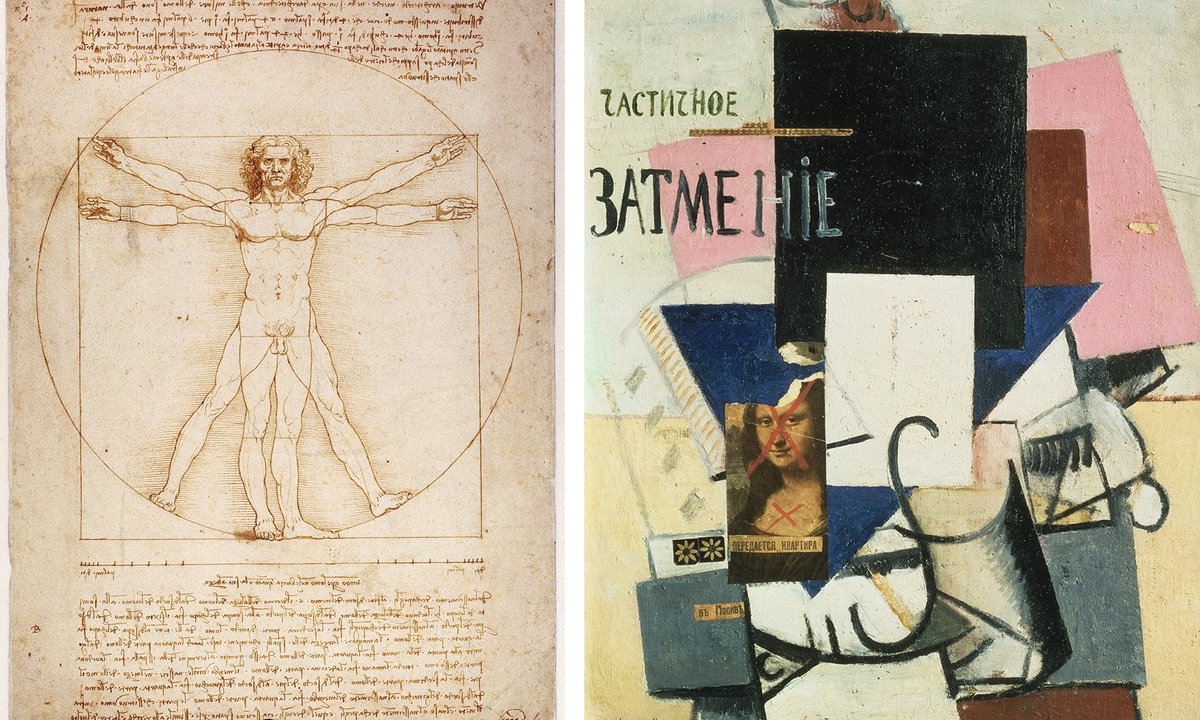
Stephen J. Campbell, a professor of art history at Johns Hopkins University, has published a new book titled *Leonardo da Vinci: An Untraceable Life*, which he frames as an "anti-biography." The book aims to dismantle the mythology surrounding Leonardo da Vinci, arguing that the fragmentary archival record has led to speculative and often outlandish theories that portray him as a solitary genius ahead of his time. Campbell repositions Leonardo within the artistic and intellectual context of late 15th- and early 16th-century Europe, critiquing how media, the art market, and popular culture have commercialized his legacy.

Spectral Nomenclature. Anastasia Pavlou  by Arnisa Zeqo

Artist Anastasia Pavlou’s practice is explored through her engagement with literature, memory, and the materialization of language. Her large-scale paintings, which draw formal comparisons to Art Informel and Abstract Expressionism, function as conceptual lexicons where titles—often direct citations from writers like Dionne Brand and Virginia Woolf—carry as much weight as the paint itself. Works such as "The Reader Interrogates Narrative, but Poetry Interrogates the Reader" demonstrate her interest in the "spectral" side of nomenclature, where naming serves to summon ghosts of the past while acknowledging the failures of language to capture emotion.