filter_list Showing 122 results for "Contrast" close Clear
search
dashboard All 122 museum exhibitions 53rate_review review 31article culture 19article local 9article news 5trending_up market 4person people 1
date_range Range Today This Week This Month All
Subscribe

Christie’s Double-Header Totals $1.1 B., With Several Trophy Works Notching New Records

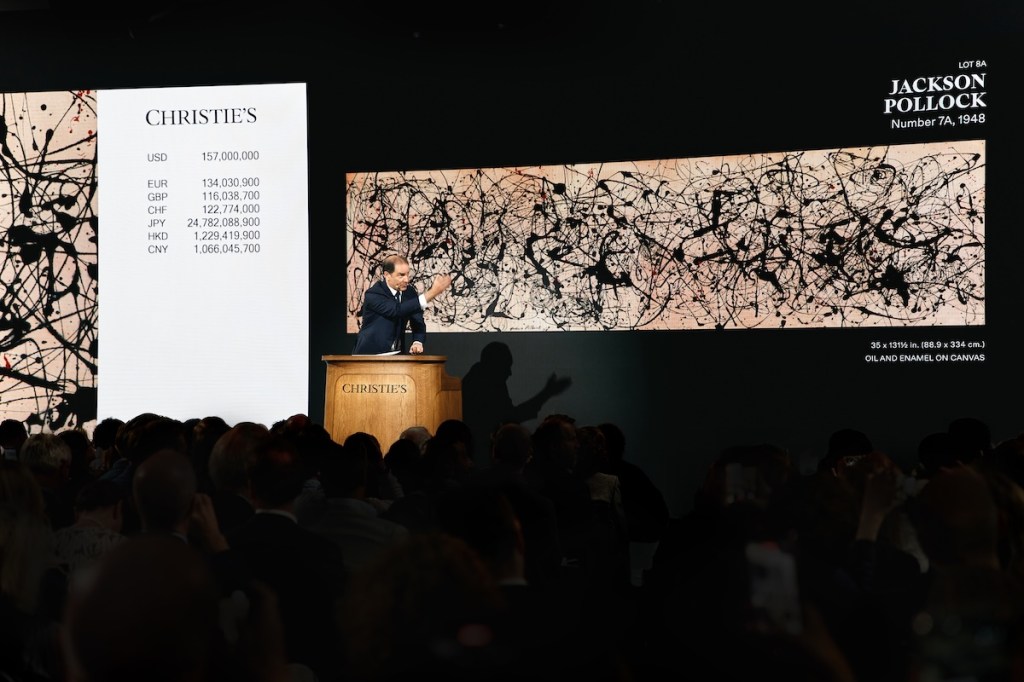
Christie’s held two evening sales on Monday—the S.I. Newhouse collection and a 20th-century art sale—that together generated $1.1 billion across 64 lots. The Newhouse tranche alone made $630.8 million, bringing the cumulative total of the collection to over $1 billion, making it likely the most expensive collection ever sold at auction after Paul Allen’s $1.7 billion blockbuster. Top lots included Jackson Pollock’s *Number 7A, 1948* at $181.2 million (the fourth most expensive painting ever sold at auction), Constantin Brâncuși’s *Danaïde* at $107.6 million, and a Mark Rothko work at $98.4 million.
The village where Van Gogh spent his final days celebrates its most distinguished visitor

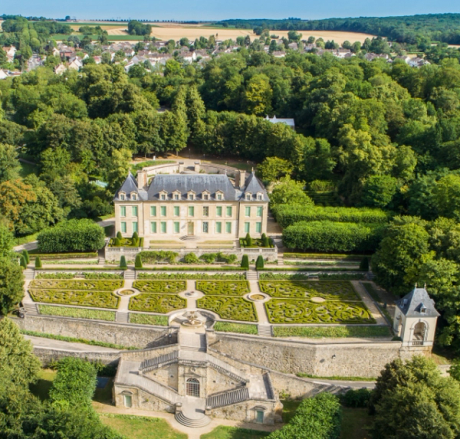
An exhibition titled "Van Gogh, Influencer: Legacies in Motion" has opened at the Château of Auvers-sur-Oise, the village near Paris where Vincent van Gogh spent his final 70 days and died by suicide in July 1890. The show, running until 3 January 2027, features nearly a hundred works by artists influenced by Van Gogh, including Léonide Bourges, Charles-François Daubigny, and Léo Gausson, though no original Van Gogh paintings are included. Curated by Wouter van der Veen, the exhibition explores visual parallels and stylistic contrasts between Van Gogh’s iconic works—such as *Church at Auvers* and *Wheatfield with Crows*—and those of his contemporaries and followers.

Dealer Matthew Brown More Than Doubles His Los Angeles Space with Move to Hollywood Media District: ‘I Really Believe in LA’

Los Angeles art dealer Matthew Brown is relocating his gallery to a significantly larger, 13,000-square-foot former warehouse in the Hollywood Media District. The new space, designed by architect Markus Dochantschi, more than doubles his exhibition area and includes offices, viewing rooms, and storage. The inaugural exhibition will feature artist Mimi Lauter, marking her first Los Angeles show in eight years.

Notes from New York: The World in a Convex Mirror

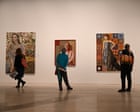
The article reviews the sixth edition of MoMA PS1's quinquennial survey 'Greater New York 2026,' which coincides with the institution's 50th anniversary. It highlights works by artists such as Covey Gong, Win McCarthy, Mekko Harjo, and Sophie Friedman-Pappas, noting how the exhibition's themeless structure and use of reflective surfaces create a hall of distorted reflections. The show includes 53 emerging and midcareer artists, mostly millennials, and is accompanied by a block party and gala rather than a dedicated commemorative exhibition like FORTY (2016).

Big Crisis, Small Gestures

Große Krise, kleine Gesten

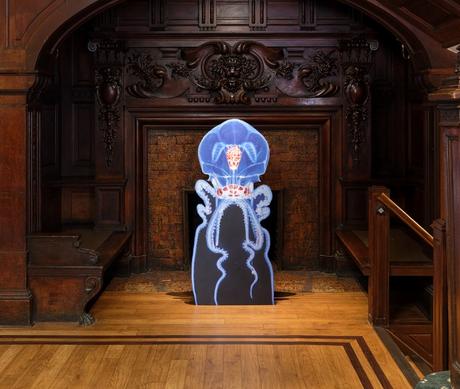
The article reviews the second edition of the Klima Biennale Wien, which opened in early April in Vienna. It notes that while the biennale aims to address the urgent triple crisis of climate change, biodiversity loss, and pollution, its execution falls short. The exhibition features symbolic works such as a beached whale, a broken boat, and a compostable SUV sculpture, but these motifs feel repetitive and lack the necessary impact. The author contrasts these with historical precedents like Menashe Kadishman's 1978 Venice Biennale installation and Joseph Beuys' "7000 Eichen" (1982), arguing that the themes of nature and sustainability are not new, only the urgency has intensified.

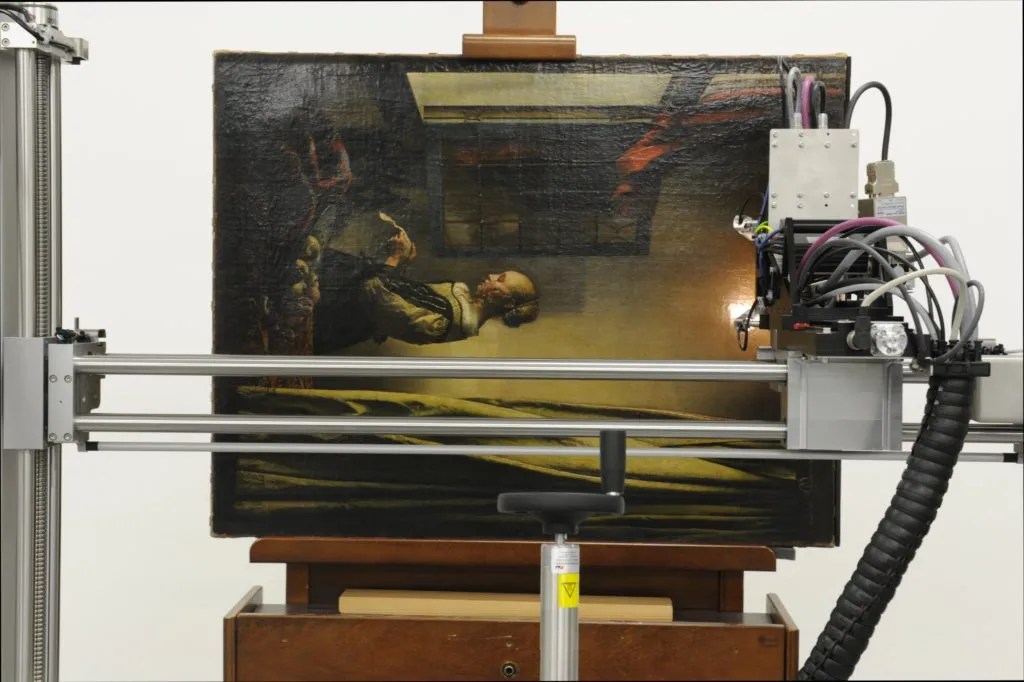
One Erased Vermeer, Two Books, and No Consensus

Two new books examine the legacy of Johannes Vermeer from contrasting angles. Ruth Bernard Yeazell's "Vermeer's Afterlives" (Princeton University Press) explores how the artist's open-ended, figureless interiors have inspired later creators, from painter George Deem to novelist Tracy Chevalier. Andrew Graham-Dixon's "Vermeer: A Life Lost and Found" restores the historical and religious context of 17th-century Delft, arguing that modern readings have overlooked the original meanings of Vermeer's works.

Think you have strong opinions about the 2026 Archibald prize? Check out the portraits that didn’t make the cut | Dee Jefferson

The article explores the annual ritual of the Archibald Prize, Australia's most famous portrait competition, through the lens of the 2026 edition. The author, Dee Jefferson, describes the predictable cycle of public enthusiasm, critical disdain, and media coverage that surrounds the prize, noting recurring trends like brown suits, oversized heads, and the dominance of male artists painting male subjects. The piece highlights specific works in this year's exhibition, including a portrait of musician Keli Holiday by Sindy Sinn that the author finds disorienting, and contrasts the main exhibition with the Salon des Refusés, the showcase of rejected entries, which includes a provocative portrait of Patricia Piccinini by Wendy Sharpe featuring exaggerated anatomy.

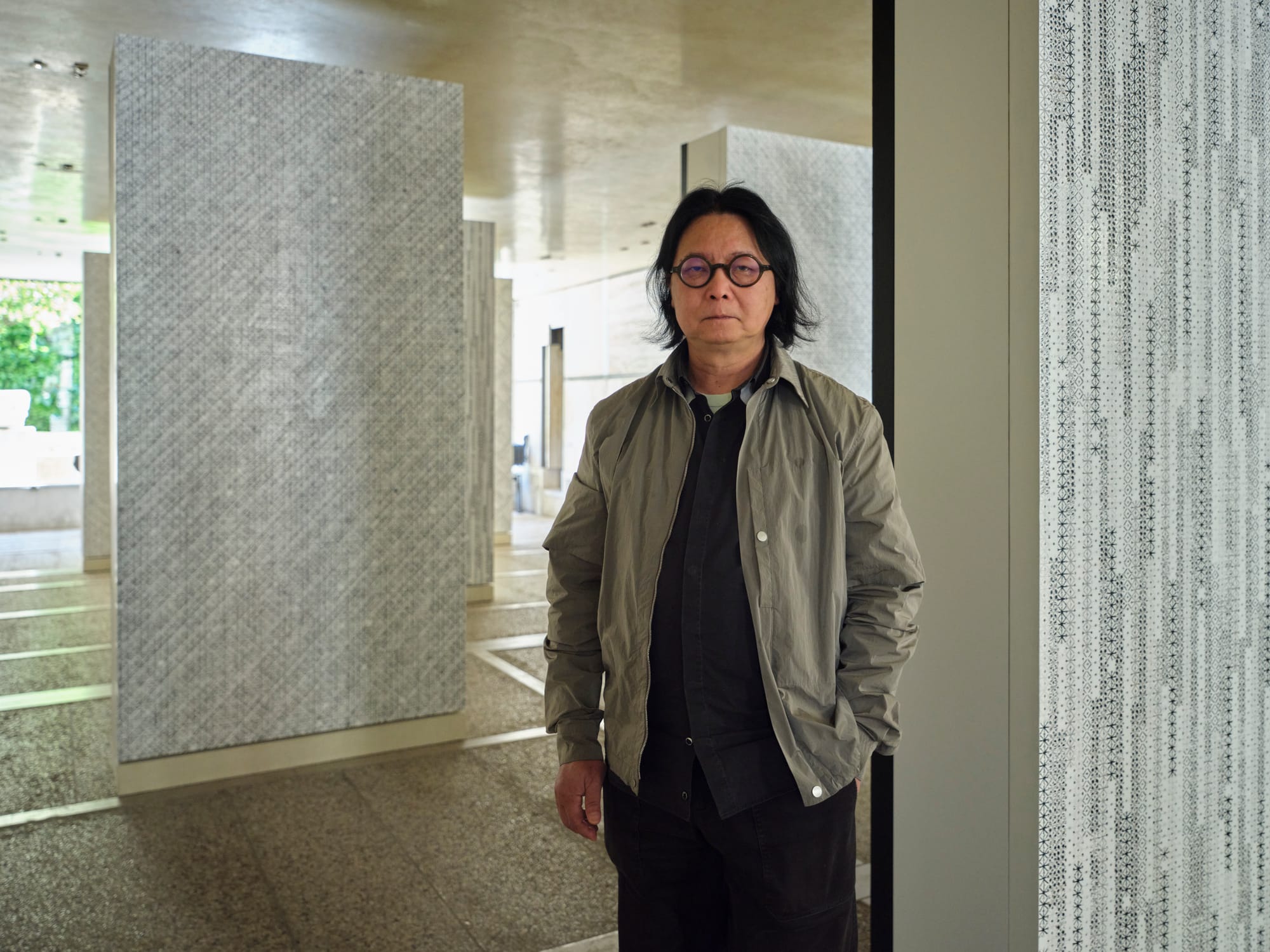
The Permanence of Refusal: Interview with Ding Yi

Chinese artist Ding Yi, who first appeared at the Venice Biennale in 1993 as part of the inaugural Chinese contemporary art exhibition, has returned to Venice with his first solo show in the city, titled “Cosmotechnics: Ding Yi as a Planetary Code” at Fondazione Querini Stampalia. The exhibition, referencing philosopher Yuk Hui's concept of cosmotechnics, traces Ding Yi's abstract visual language from the 1980s to the present, featuring new and historic works that engage with the modernist architecture of Carlo Scarpa. In an interview with ArtAsiaPacific during the 61st Venice Biennale preview week, Ding Yi reflects on the evolution of his practice, his travels, and the deep perceptual frameworks of ancient civilizations.

Esther fair goes out on top

The Esther art fair, a satellite of Frieze New York, opened its third and final iteration at Estonian House on East 34th Street. Founded by Estonian gallerists Olga Temnikova and Margot Samel, the fair eschews conventional stands, instead arranging 22 participating galleries and three bespoke projects throughout the historic Beaux-Arts building’s basement, salons, and upper floors. Highlights include sold-out presentations at Adams and Ollman and Management, works by Katja Novitskova, Jill Goldstein, and Elīna Vītola, and a special project by Darja Popolitova and Madlen Hirtentreu turning beauty-industry equipment into installations. Gallerists praised the cooperative atmosphere, contrasting it with larger, more institutionalized fairs.

Inside the Unlikely Bond Between Lucian Freud and Kate Moss

In 2002, Lucian Freud unveiled a portrait of a naked and pregnant Kate Moss, a rare celebrity subject for the artist who had turned down Princess Diana. A new film, *Moss & Freud*, dramatizes the unlikely friendship that developed between the aging painter and the supermodel during the creation of *Naked Portrait (2002)*. Directed by James Lucas, the film stars Ellie Bamber as Moss and Derek Jacobi as Freud, and explores their intense studio sessions, personal revelations, and the bond that formed despite their contrasting lifestyles.

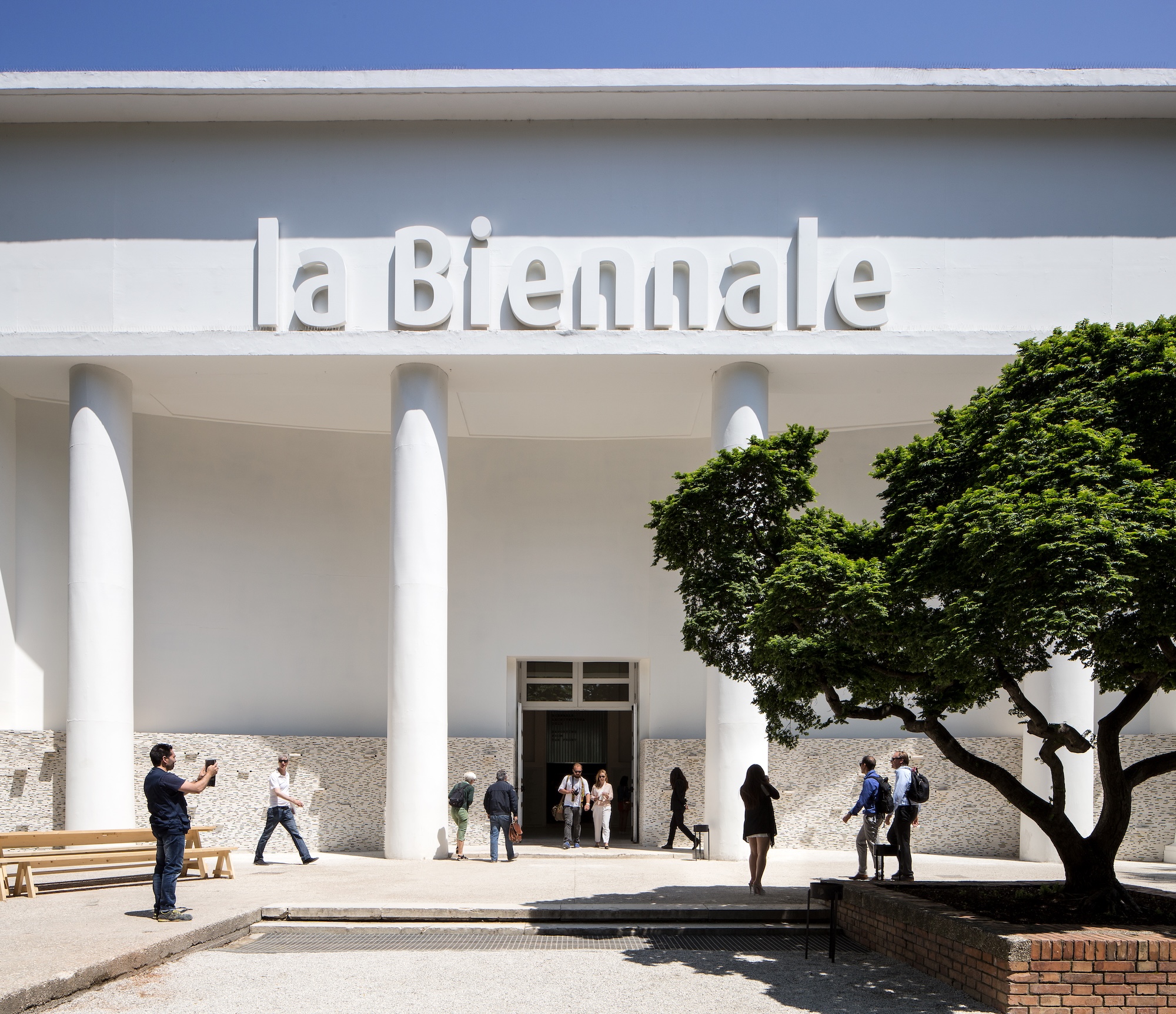
At the Venice Biennale, Koyo Kouoh’s ‘In Minor Keys’ Looks Deeply at Lush Gardens and a Scarred Earth

Koyo Kouoh's exhibition 'In Minor Keys' at the 2026 Venice Biennale centers on the practices of two deceased artists, Issa Samb and Beverly Buchanan, whose ways of thinking animate the show through dedicated 'Shrines' in the Central Pavilion. The exhibition also draws on Marcel Duchamp's legacy, featuring works by over a dozen contemporary artists including Akinbode Akinbiyi, Guadalupe Rosales, Natalia Lassalle-Morillo, Guadalupe Maravilla, Sofía Gallisá Muriente, and Avi Mograbi, whose installation 'Between a River and a Sea' contrasts pre-1948 business directories with a 2023 Gaza Yellow Pages. A section called 'The Schools' highlights artist-run spaces such as Denniston Hill, Guest Artists Space (G.A.S.) Foundation, blaxTARLINES, and the Nairobi Contemporary Art Institute.

In Giverny, Monet does not benefit everyone

À Giverny, Monet ne profite pas à tout le monde

The article examines the economic paradox of Giverny, the French village where Claude Monet lived and painted. While Monet's gardens attract nearly one million visitors annually—with ticket sales estimated at €9-10 million—the village itself, with a population of just 430 and an annual budget of €600,000, sees almost none of that revenue. Visitors flood in for half-day trips, queue for hours to see the gardens, and leave by evening, spending little in local shops. The gardens, run by the Académie des beaux-arts, are tax-exempt and operate as a closed economic loop, with their boutique and restaurant generating income that stays within the institution.

Alma Allen Offers a Quiet Vision in Venice—Even as Questions Swirl the U.S. Pavilion

Alma Allen's exhibition "Call Me the Breeze" has opened at the U.S. Pavilion for the 61st Venice Biennale. The Utah-born sculptor presents a pared-down, whimsical show that contrasts with the bombastic work of his predecessors, grouping new and old pieces to explore themes of conflict, mourning, and transcendence inspired by Hieronymus Bosch's *Visions of the Afterlife*. The exhibition was produced hurriedly over a few months, and Allen, who typically leaves his works untitled, felt compelled to explain his art for the first time in 30 years amid controversy surrounding his commission.

Review: The Good, The Bad and The Venice Biennale

The article reviews the 2024 Venice Biennale, focusing on controversies over Russia's and Israel's participation. Protests erupted during opening week, leading the EU to cut funding and the International Jury to resign. As a result, awards like the Golden Lion and Silver Lion will be decided by public vote, with many pavilions and artists withdrawing in protest. The main exhibition, curated under the theme 'Minor Keys,' features standout works by Alfredo Jaar and Carrie Schneider, alongside national pavilions like Austria's provocative entry by Florentina Holzinger.

When the story has already been told -- ‘Gordon Parks: The South in Color’ at Jackson Fine Art

Gordon Parks: The South in Color, curated by Dawoud Bey, is on view at Jackson Fine Art in Atlanta through June 13. The exhibition celebrates the 20th anniversary of The Gordon Parks Foundation and the 70th anniversary of Parks’ 1956 Life magazine feature on segregation in the South. The show presents a broader selection of Parks’ photographs than the original magazine spread, including iconic works like In-Home Barbershop, Shady Grove, Alabama, 1956. The article, written by a photographer and writer for ArtsATL, reflects on the experience of seeing Parks’ work in person and contrasts the gallery presentation with the editorial framing of the Life feature.

An Unlikely Friendship Between Artist and Forger

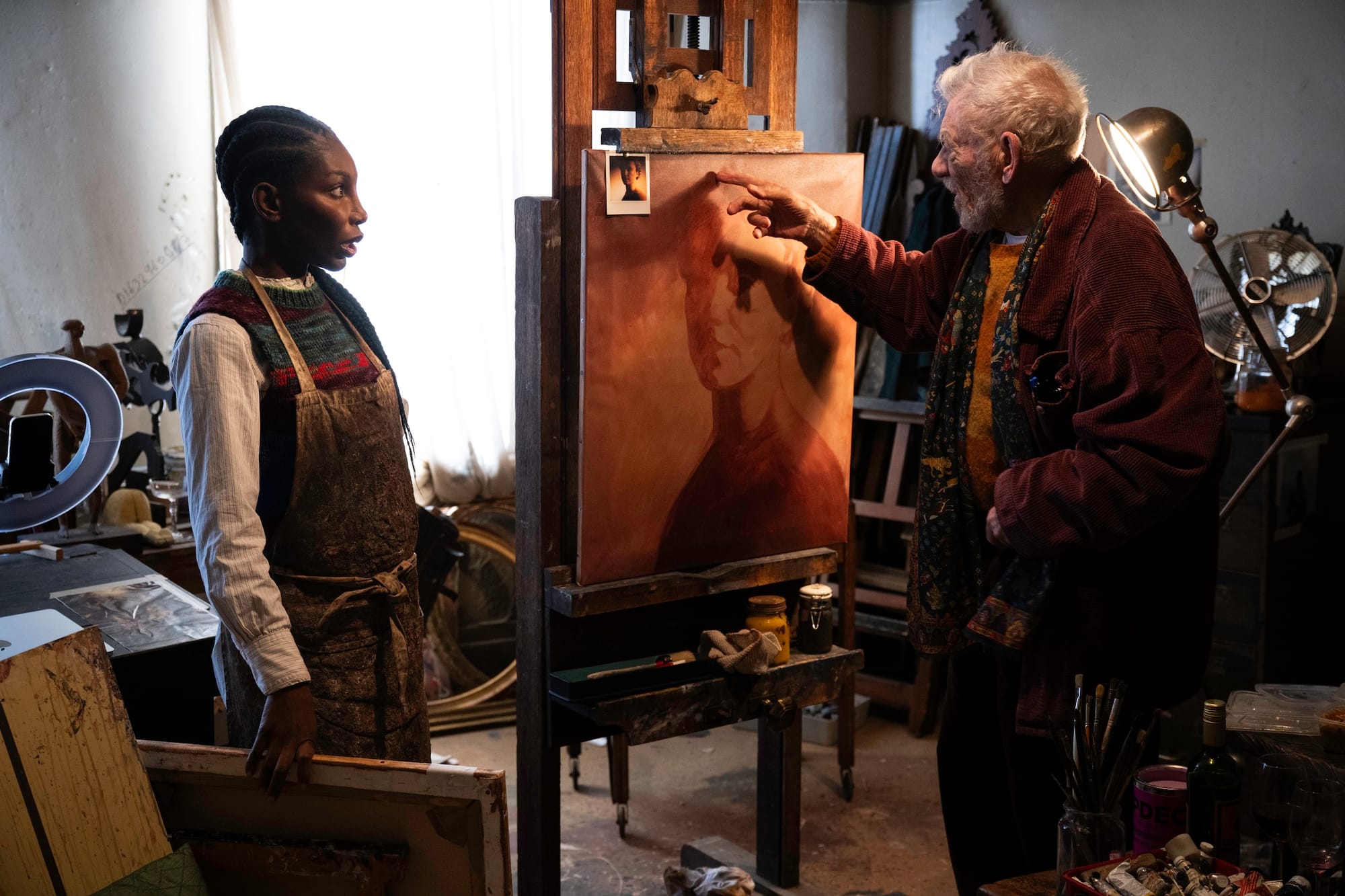
The article reviews Steven Soderbergh's 2026 film "The Christophers," which follows an unlikely friendship between two painters in London: Julian Sklar (Ian McKellen), an older artist facing cancellation, and Lori Butler (Michaela Coel), a young painter who restores and forges artworks. The film explores themes of attention, artistic legacy, and the purpose of art, contrasting with darker narratives like "Tár" by offering a comedic yet profound take on these issues.

The Carnegie International Looks Back at Itself

The 58th Carnegie International at the Carnegie Museum of Art in Pittsburgh looks back at its own 130-year history, featuring a gallery dedicated to past iterations. The exhibition includes Chris Ofili's "The Adoration of Captain Shit and the Legend of the Black Stars" (1998), which was originally shown in the 53rd International in 1999, the same year Ofili's more notorious "The Holy Virgin Mary" sparked controversy at the Brooklyn Museum. The article reviews how the current iteration captures the excitement of earlier exhibitions while providing commentary on authoritarianism and militarism.

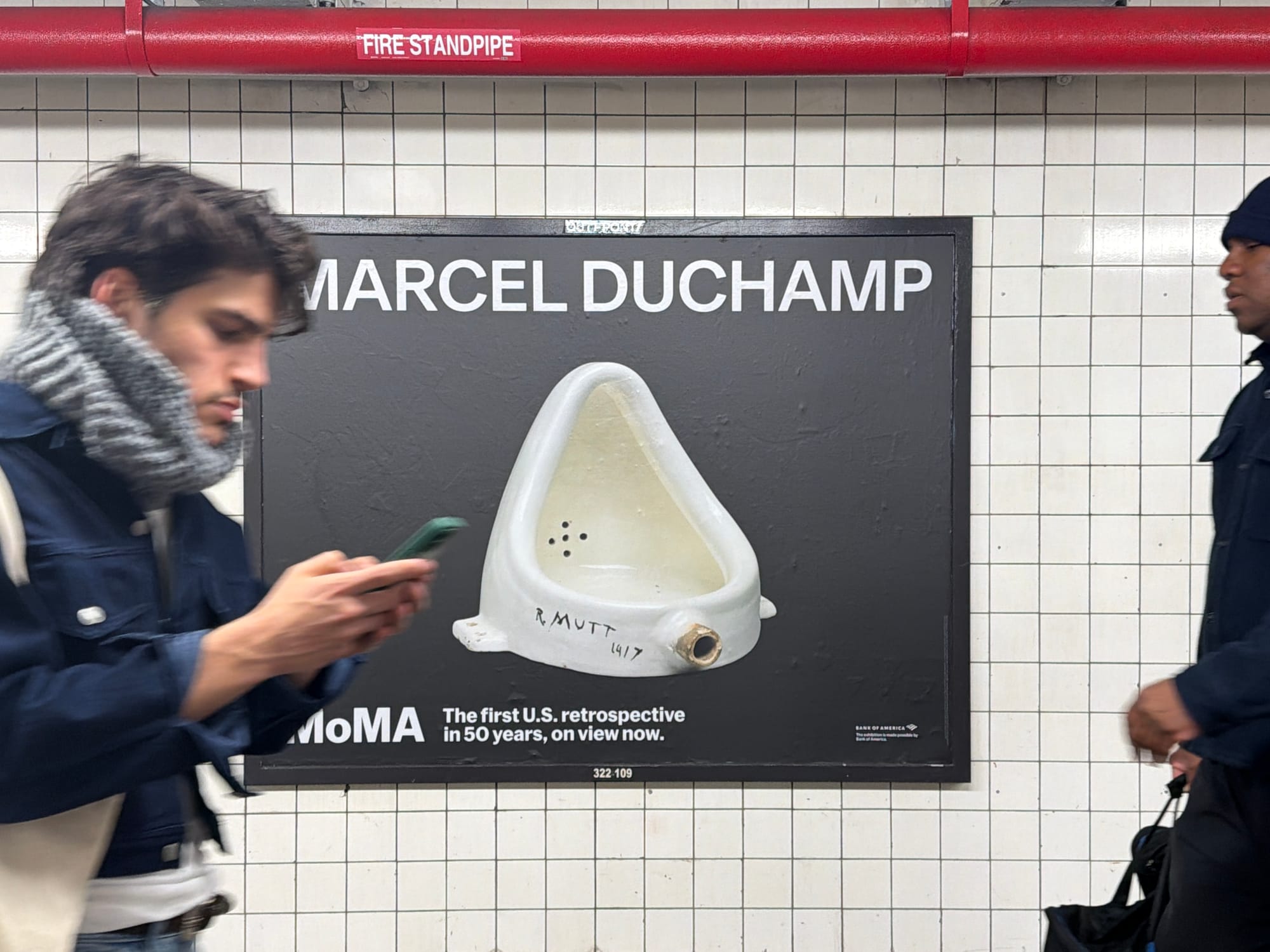
I’ve Got the Post-Duchamp Blues

The article is a review of the Marcel Duchamp retrospective at the Museum of Modern Art (MoMA) in New York, the first such show since 1973. Featuring around 300 works from Duchamp's six-decade career, the exhibition includes his iconic readymades like "Fountain" (1917) and early paintings such as "Nude Descending a Staircase, No. 2" (1912). Co-curated by MoMA's Ann Temkin and Michelle Kuo along with Matthew Affron of the Philadelphia Museum of Art, the show runs through August 22, 2026, before traveling to Philadelphia.

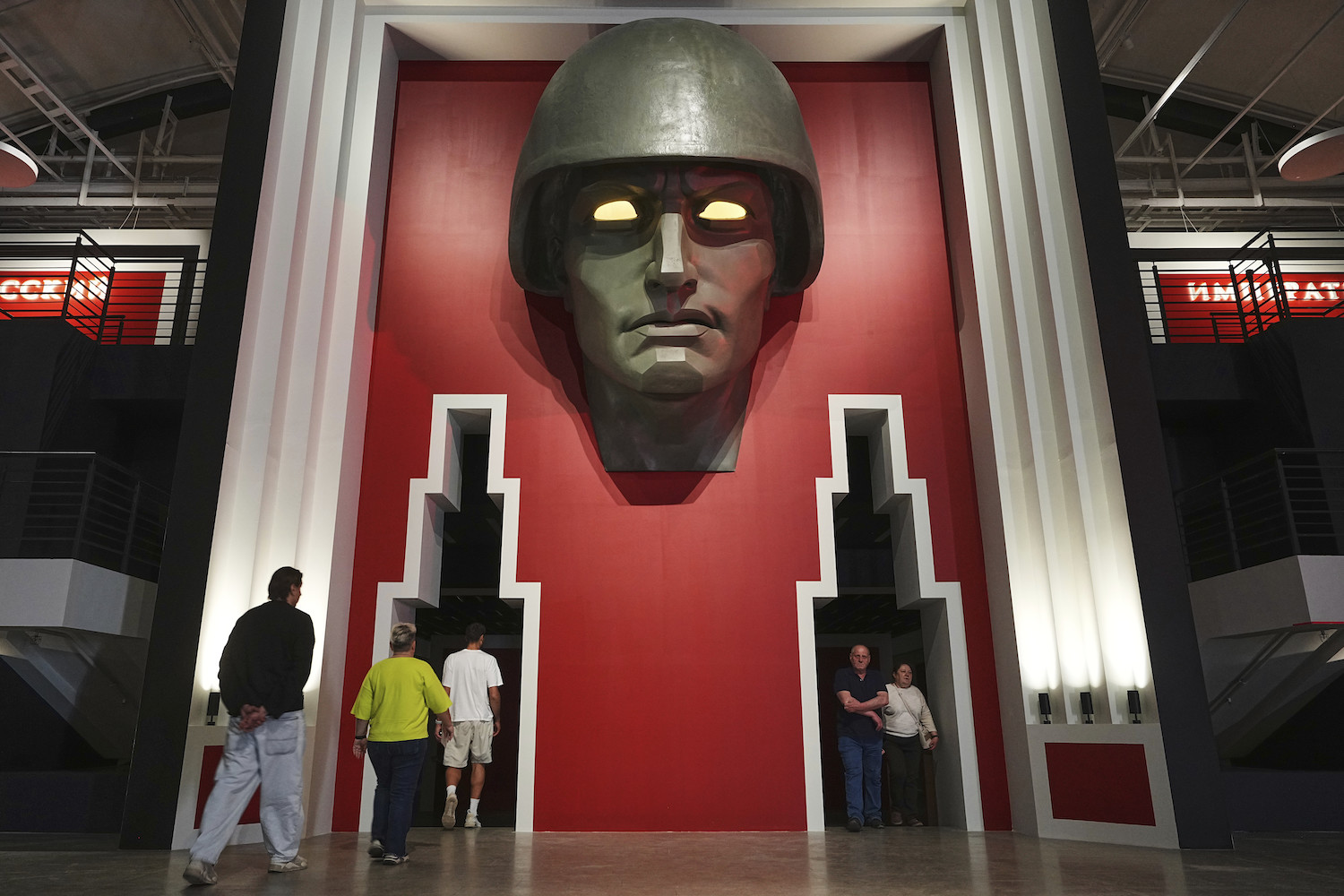
Faces of Russian Art

Gesichter der russischen Kunst

On the Venice Biennale, the Russian Pavilion presents itself as a space for dialogue, while simultaneously a major exhibition in St. Petersburg titled "Russischer Imperativ" (Russian Imperative) opened on May 8 at the Manezh exhibition hall, glorifying war as a historical imperative of Russian identity. Curated by Anton Belikov, a Moscow artist and former Russian soldier who fought in Ukraine, the show features works from state museums like the Tretyakov Gallery, blending historical battles with the current war in Ukraine, and includes a monumental, fascistoid design with a ten-meter-tall installation of a soldier's head. The exhibition has sparked outrage on social media and in Russian exile media for its militaristic propaganda.

Stühle, die zum Reden zwingen

The article examines a peculiar three-seat sofa called the "Indiscret" on display in the Louvre, designed in 19th-century France under Napoleon III to force conversation among sitters. This "Conversation Chair" reflects an era when furniture was deliberately crafted to create social intimacy and control guest behavior, in stark contrast to modern public seating that often discourages lingering through hostile architecture.

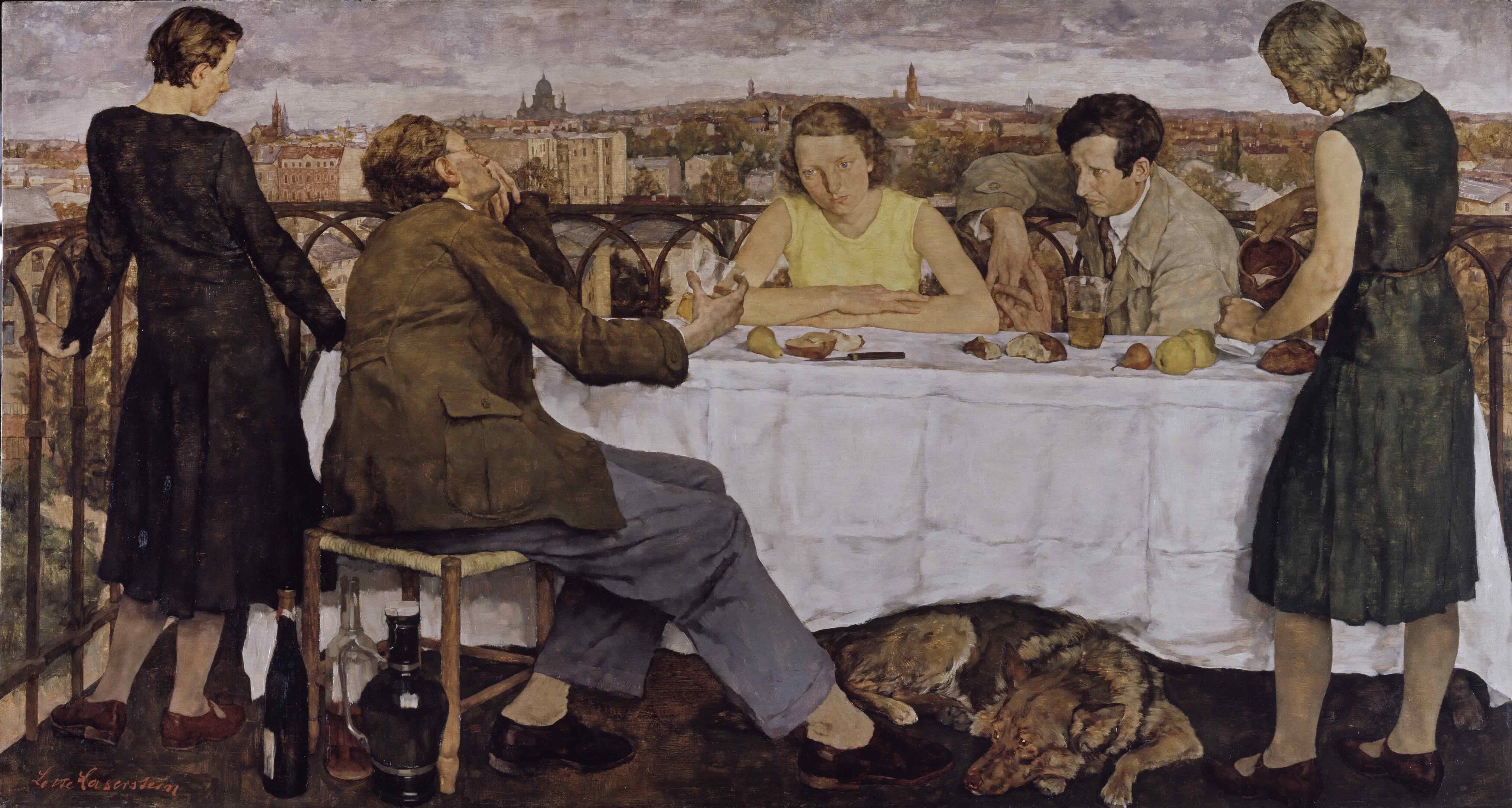
How much Berlin fits on 230 square meters?

Wie viel Berlin passt auf 230 Quadratmeter?

The Neue Nationalgalerie in Berlin has opened a compact exhibition titled "Ruin und Rausch: Berlin 1910–1930," featuring 35 works across just 230 square meters in a side cabinet of the lower floor. The show uses paintings, sculptures, film clips, and audio poems to tell the story of Berlin between World War I and the Nazi takeover, contrasting themes of excess and poverty, emancipation and extremism. It is structured in three chapters: "Berlin im Taumel" (Berlin in Frenzy), "Schatten der Großstadt" (Shadows of the Big City), and "Die Urbane Frau" (The Urban Woman), with works by artists such as Ernst Ludwig Kirchner, Otto Dix, and Otto Nagel.

Cécile Debray : « Une proposition poétique de dialogue entre trois œuvres pour une délectation esthétique »

Cécile Debray, president of the Musée national Picasso-Paris, discusses a rare collaboration with galleries to present a three-artist exhibition in Venice during the Biennale. The show brings together Pablo Picasso, Giorgio Morandi, and Claudio Parmiggiani around the theme of the object and still life, highlighting unexpected philosophical and poetic connections. Debray explains how the selection of 14 Picasso works balances iconic pieces with lesser-known ones, including sculptures, to create a dialogue with Morandi's rigorous, serial approach and Parmiggiani's metaphysical art.

« Le jardin anglais incarne une vision de la société » : une expo à Versailles explore cette passion de l’Europe des Lumières

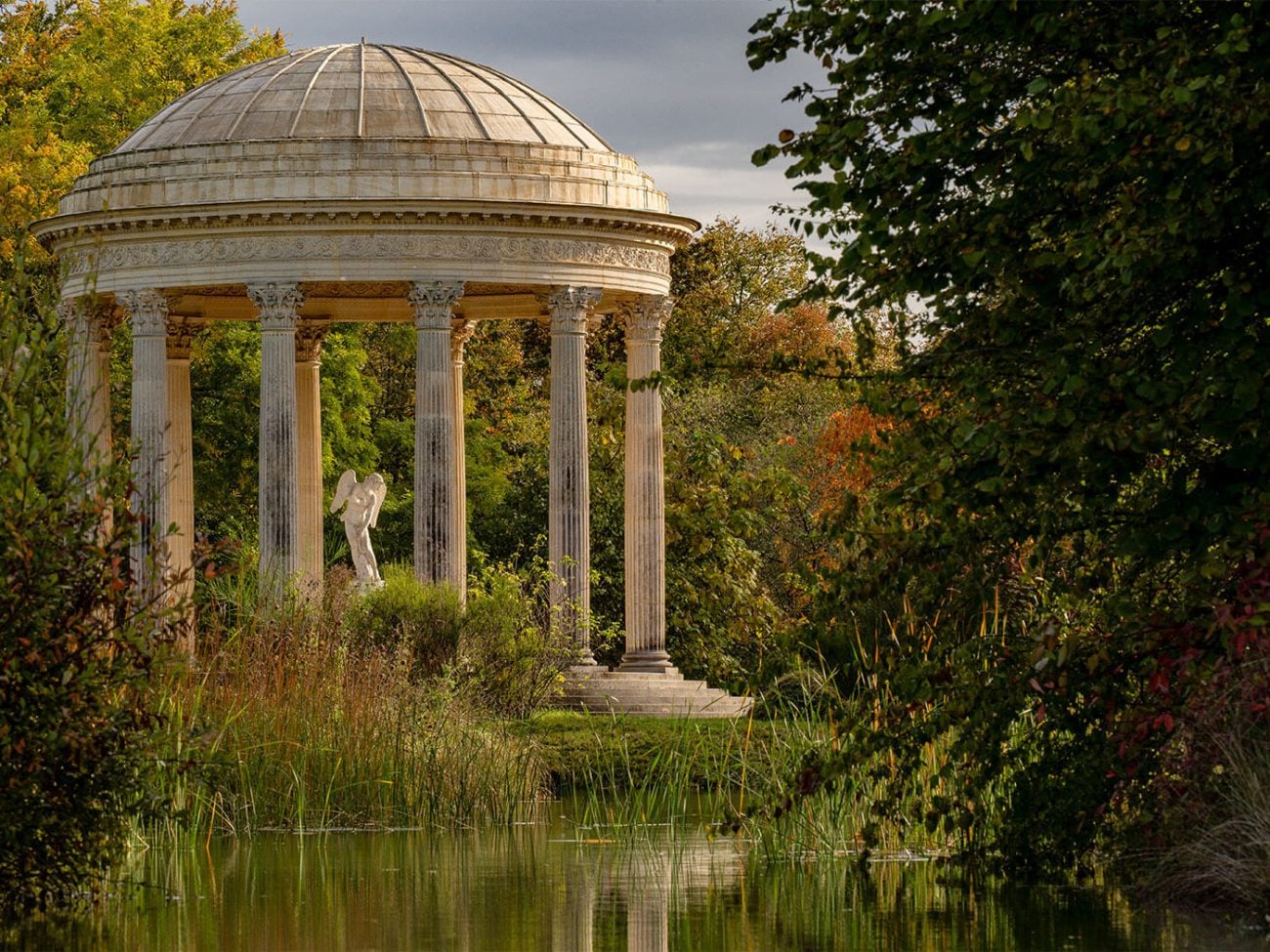
The article explores an exhibition at the Grand Trianon in Versailles dedicated to the English garden, a style that emerged in 18th-century Europe as a deliberate contrast to the rigid symmetry of the formal French garden. Curator Élisabeth Maisonnier and museum director Laurent Salomé explain how these gardens, with their winding paths, irregular flowerbeds, and surprise features like grottoes and pagodas, were carefully constructed to imitate and amplify nature's complexity, drawing on influences from antiquity, the Middle Ages, and China.

« À qui appartiennent ces œuvres ? » : le destin des biens culturels spoliés par les nazis au cœur d’un nouvel espace au musée d’Orsay

On May 5, the Musée d'Orsay in Paris inaugurated a new dedicated space in the Pavillon Amont for artworks looted during World War II that remain unclaimed by their owners or heirs. The room, titled "À qui appartiennent ces œuvres ?" ("Who owns these works?"), features thirteen pieces including sculptures by Auguste Rodin and paintings by Auguste Renoir, Edgar Degas, and Eugène Boudin. These represent a fraction of the museum's 225 MNR (Musées nationaux récupération) holdings, part of a national legacy of approximately 2,000 looted works still held in French museums.

Comment | We must avoid amputating art in the name of preservation

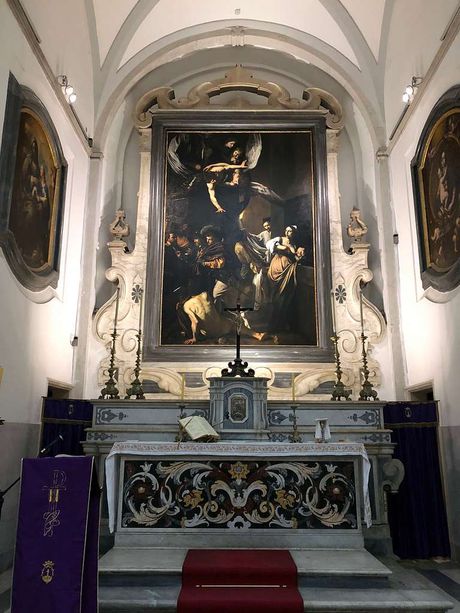
The article recounts the author's experience viewing Caravaggio's *Seven Acts of Mercy* (1607) in its original chapel in Naples, where the painting's crowded, dramatic composition directly mirrors the chaotic streets of the city, revealing its sacred meaning through context. In contrast, the author describes Caravaggio's *Flagellation of Christ* (1607), moved from the church of San Domenico Maggiore to the Museo di Capodimonte for security reasons, as a painting "marooned"—its spiritual purpose broken, reduced to a mere object for aesthetic appreciation.

Le vedute veneziane di Francesco Guardi tornano in laguna da un museo di Lisbona

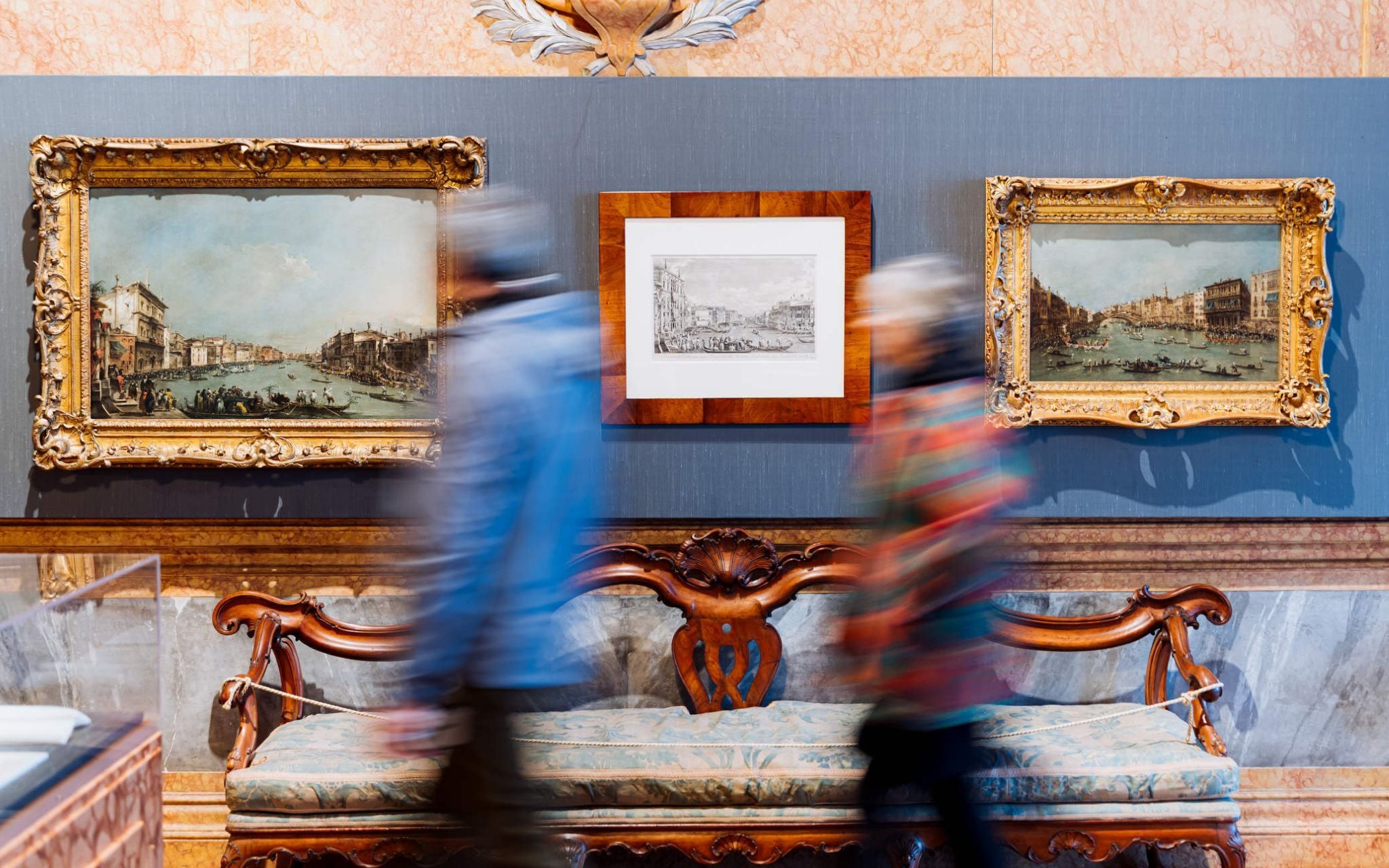
Ca' Rezzonico, the Museum of 18th-Century Venice, has opened its exhibition season with a selection of ten paintings by Francesco Guardi (1712–1793) on loan from the Calouste Gulbenkian Museum in Lisbon. The works, dated between 1770 and 1790, include iconic Venetian views such as the Festa della Sensa in Piazza San Marco and the Regata sul Canal Grande, showcasing Guardi's distinctive loose brushwork and atmospheric perspective. The exhibition also features drawings from civic collections, including Il Gran Teatro La Fenice and two watercolored sheets depicting Le nozze del duca di Polignac.

10 exhibitions to look out for in May

Warren Feeney's article highlights 10 exhibitions opening in May 2026, primarily in Christchurch, New Zealand. Featured shows include Stone Maka's 'MONO' at Jonathan Smart Gallery, exploring Tongan tapa cloth traditions; Jess Nicholson's 'Ka maumahara te uku (the clay remembers)' at CoCA Toi Moroki, focusing on Ngāi Tahu culture and land connections; and a group exhibition 'Indigo' at Art on the Quay, featuring seven Central Otago artists. Other notable shows include Jane Barry, Sandra Hussey, and Laurie Roodt's 'Three Exhibitions' at Chambers Art Gallery, and Stephanie Postles' 'What These Walls Remember' at City Art Depot's new Up Stairs space.

Gala Porras-Kim: Future spaces replicate earlier spaces

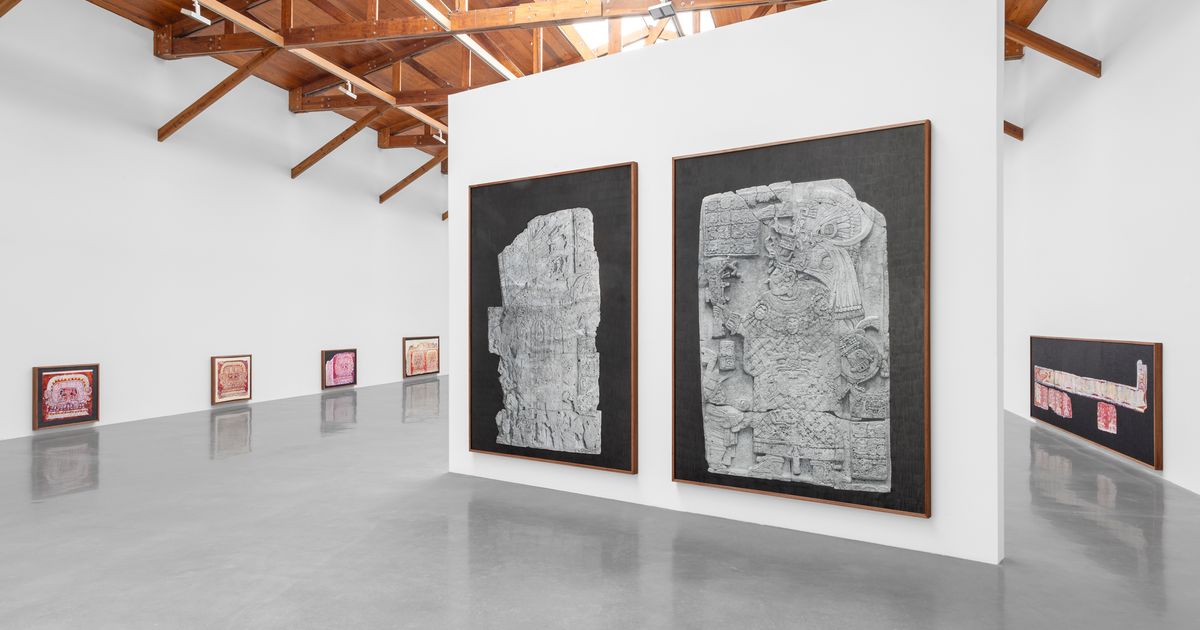
Gala Porras-Kim presents her first exhibition at kurimanzutto in Mexico City, titled "Future spaces replicate earlier spaces," running from April 11 to June 13, 2026. The show brings together works that examine how museums and conservation institutions reclassify objects removed from their original contexts, using reconstruction and resituating to explore their spatial, material, and temporal conditions. Central to the exhibition is the installation "The motion of an alluvial record" (2024), which recreates the humid marshland atmosphere of the Yucatán Peninsula inside the gallery, contrasting with the controlled climates of museums. Other works include drawings replicating wall decorations from the Techinantitla complex in Teotihuacan, which were fragmented and sold on the black market, and graphite drawings of objects by artist Brígido Lara, whose "original interpretations" of Totonac ritual clay objects were mistakenly catalogued as Pre-Hispanic artifacts in major museums.

The Enviable Life of a 1970s Soho Gallerist

Paula Cooper opened her pioneering gallery in Soho in 1968, betting on the then-desolate industrial neighborhood as artists began moving into its lofts. She cultivated deep, personal relationships with the artists she represented, such as Lynda Benglis and Joel Shapiro, as well as with other major figures like Jasper Johns, fostering a slower, more humane art world pace. Her success helped transform Soho into a major gallery district, attracting institutions like Sonnabend and Castelli.

An Abandoned Shipyard in Venice Is Getting a New Life Thanks to This Congolese Choreographer

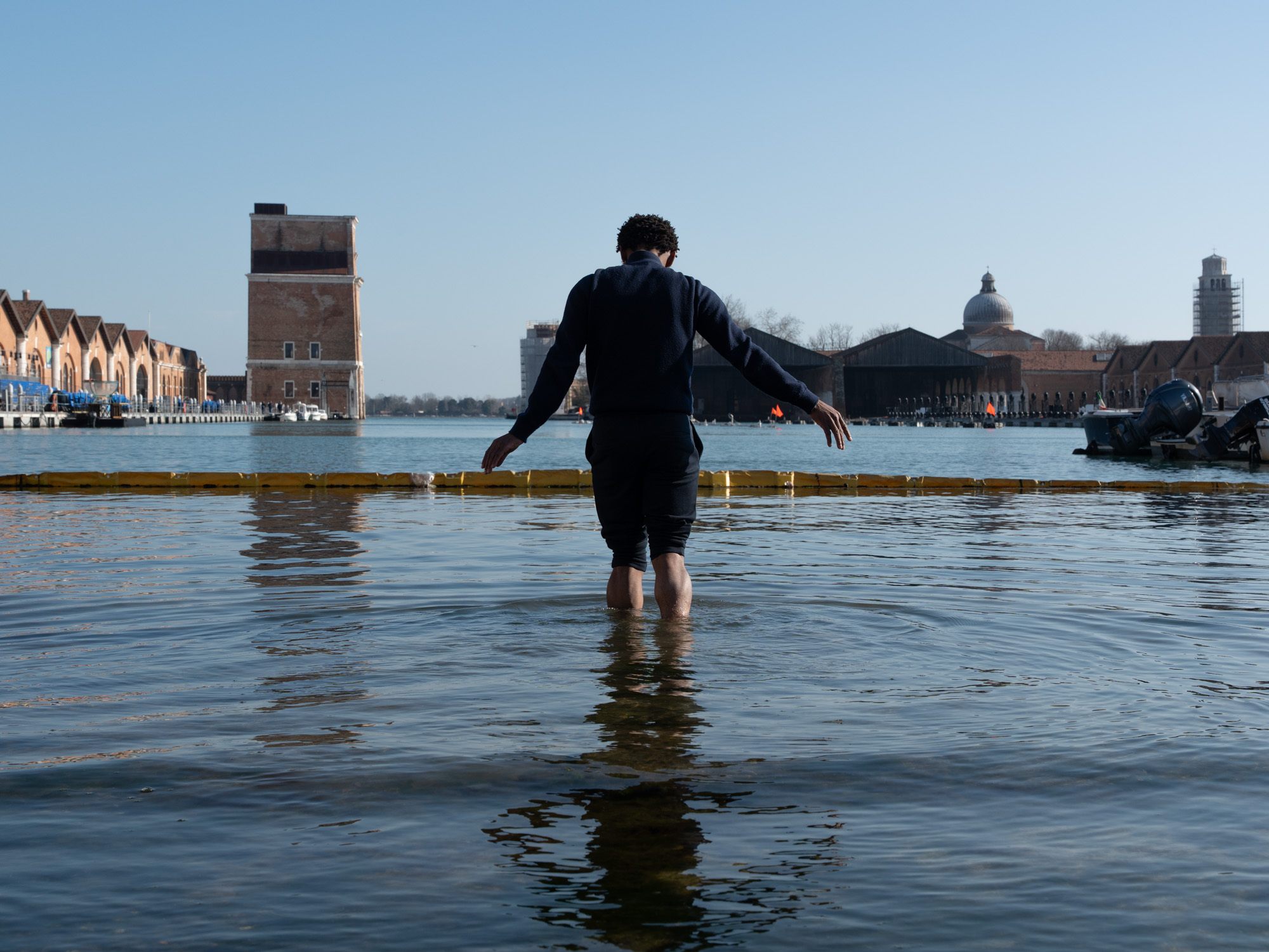
Congolese choreographer Faustin Linyekula is staging "The Galeazze Project," a performance in a 16th-century shipyard complex in Venice that has been inaccessible since World War II and never open to the public. Commissioned by the nonprofit Scuola Piccola Zattere, the work will bring up to 500 people into the 32,291-square-foot open-air ruin for two nights during the 2026 Venice Biennale preview week. The rental fee from the performance will help stabilize and restore the floors of the historic Galeazze site.