filter_list Showing 391 results for "TERRA" close Clear
search
dashboard All 391 museum exhibitions 228article news 45article local 28article culture 24trending_up market 20person people 15gavel restitution 11article policy 10rate_review review 5candle obituary 3article event 2
date_range Range Today This Week This Month All
Subscribe

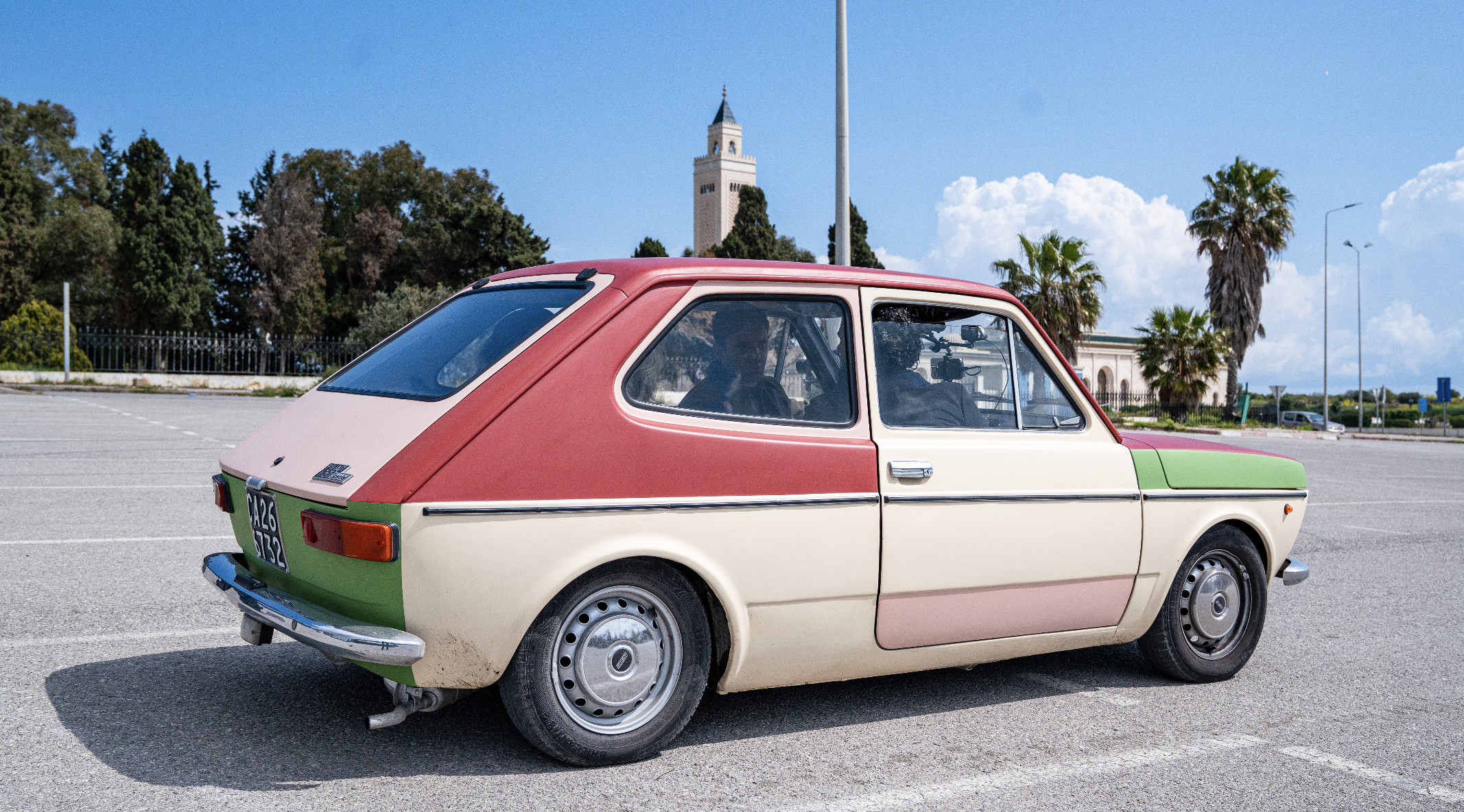
An Italian artist makes an exhibition in Tunis inspired by Le Corbusier's architectures

Un artista italiano fa una mostra a Tunisi ispirandosi alle architetture di Le Corbusier

Italian artist Cristian Chironi has opened the seventh chapter of his ongoing project "My house is a Le Corbusier" with an exhibition in Tunis titled "My house is a Le Corbusier (Villa Baizeau)". The project centers on Villa Baizeau, a Le Corbusier-designed house built between 1928 and 1930 for industrialist Lucien Baizeau, which is now inaccessible inside the Tunisian presidential park. Chironi, inspired by a failed attempt by artist Costantino Nivola to bring Le Corbusier's architecture to his hometown Orani, instead travels the world temporarily inhabiting Le Corbusier's buildings. For this iteration, he set up a residency at La Boîte – Centre d'Art & d'Architecture in the Medina of Tunis from January 22 to April 5, 2026, culminating in an exhibition that opened April 3, 2026, using the villa as a lens to read the city rather than a physical space to occupy.
Il Padiglione Italia alla Biennale è il più internazionale di sempre

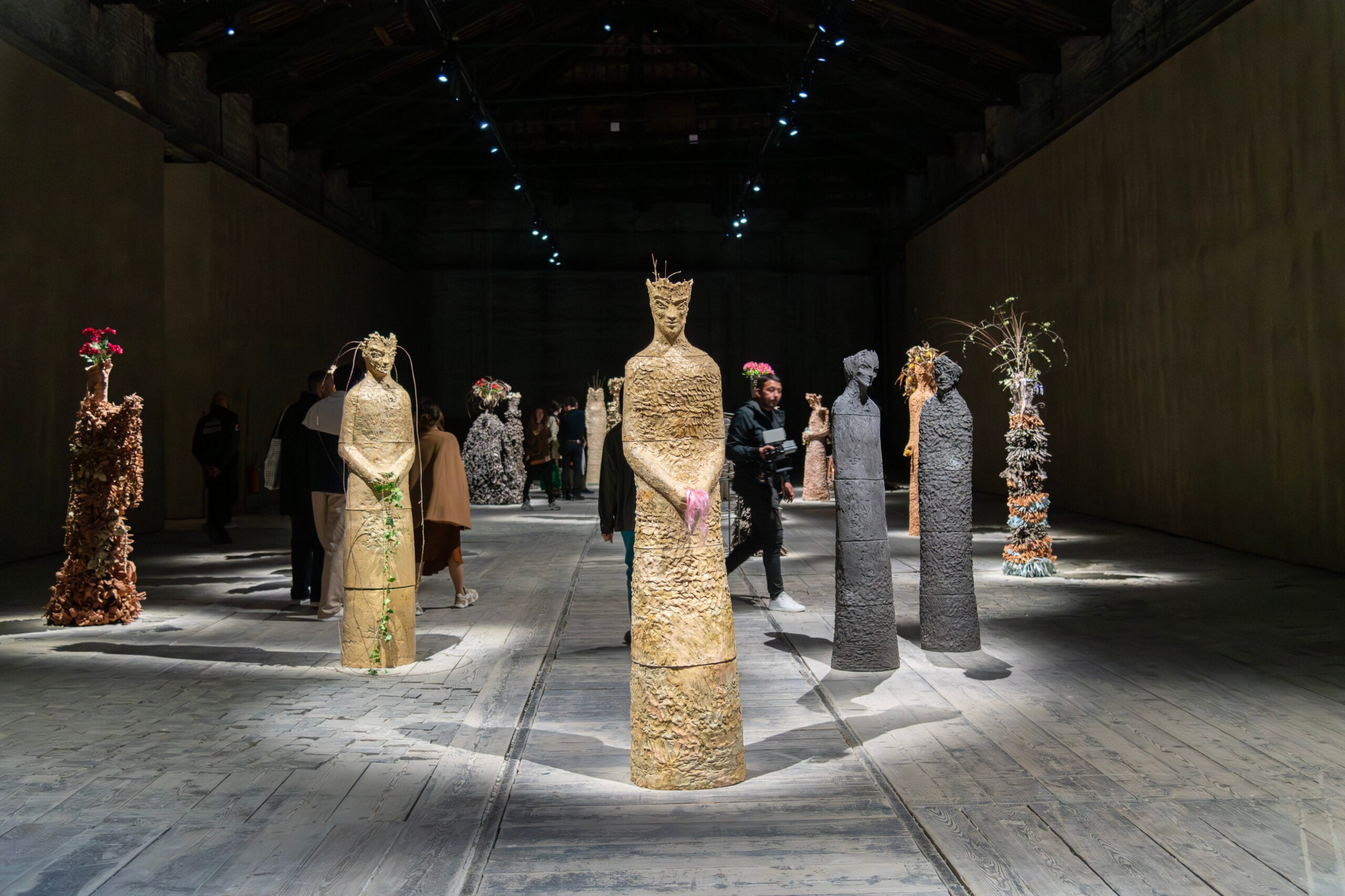
Chiara Camoni presents the Italian Pavilion at the 2026 Venice Biennale with her exhibition "Con Te Con Tutto" in the Arsenale. The show is divided into two sections: the first features monumental yet intimate sculptures, including her signature "sister" figures made from necklaces and terracotta fragments, while the second section continues the installation with a focus on circular production and zero waste. Camoni emphasizes a return to front-facing statuary, avoiding the gigantism of past editions, and works with sustainable, handmade processes.

Un ciclo di mostre è allestito sotto terra in un ipogeo del quartiere Pigneto a Roma

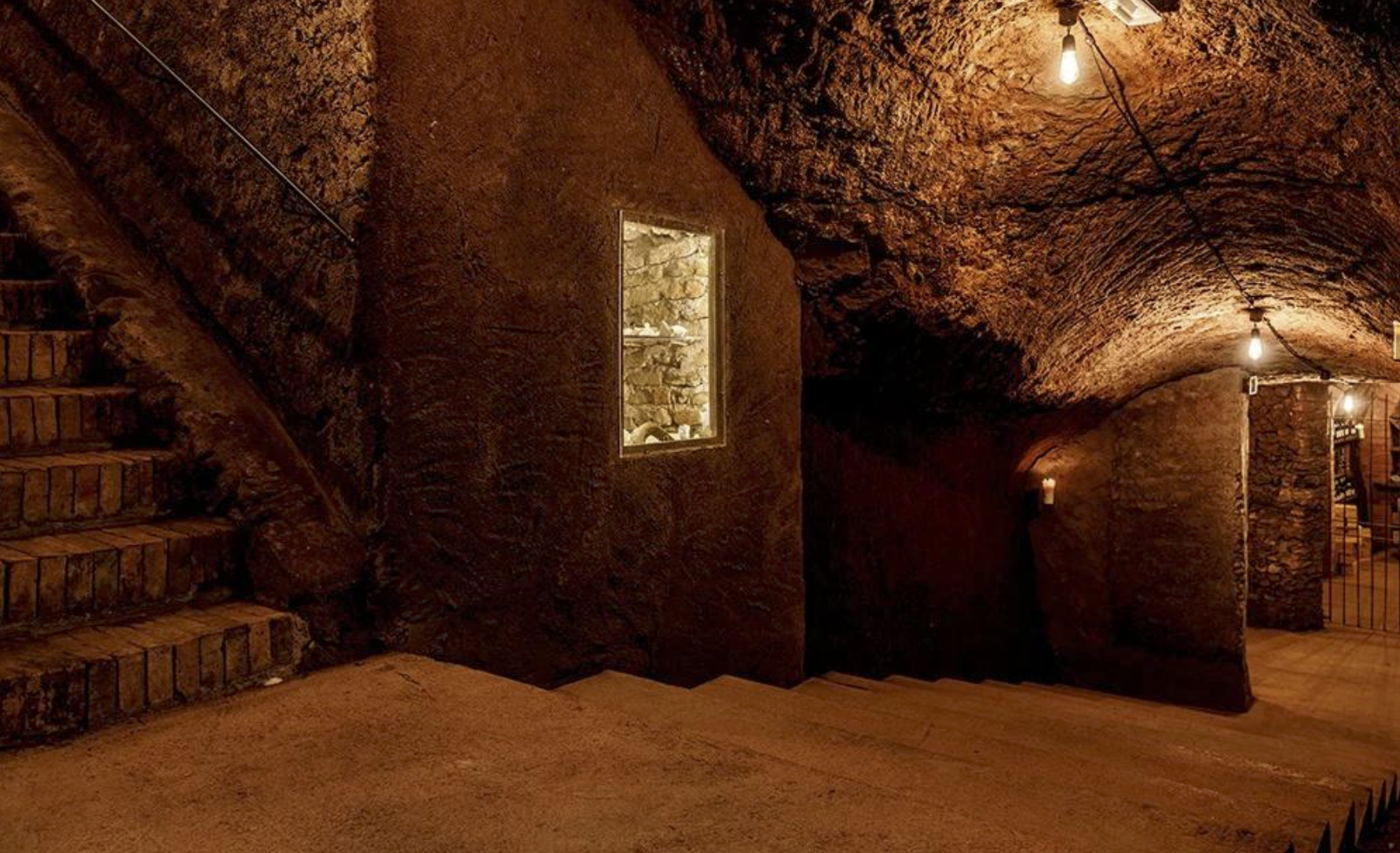
A family of entrepreneurs acquired an ancient bar in Rome's Pigneto neighborhood in 2020, inheriting a Roman-era hypogeum dating back to the 1st century BC. Originally a pozzolana quarry, later a wine cellar and WWII air-raid shelter, the space beneath the historic bar Necci dal 1924 reopened to the public on March 12 as an exhibition venue. It now hosts "Sottoforma," a cycle of three exhibitions curated by Donatella Giordano and Agatha Jaubourg that explore the theme of the invisible through contemporary art. The first exhibition features works by Eva Marisaldi, Enrico Serotti, and Luca Vitone, running until March 31, followed by shows with Iginio De Luca and Liliana Moro in April, and José Angelino and Elena Bellantoni in May 2026.

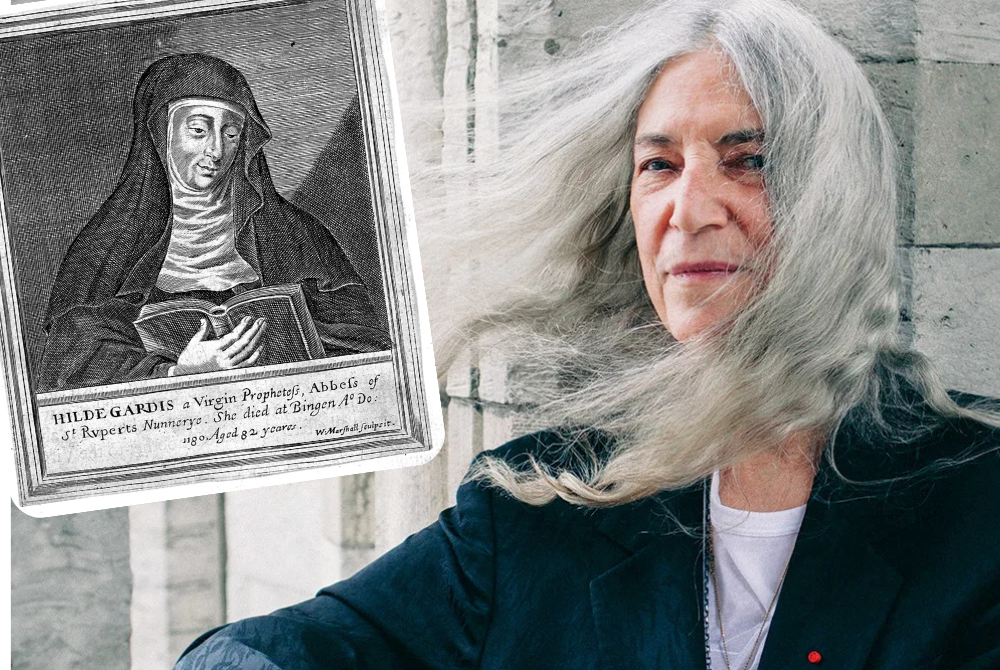
The Daughters of Sound. Hildegard of Bingen and Patti Smith are at the Vatican Pavilion at the Biennale

Le figlie del suono. Ildegarda di Bingen e Patti Smith sono al Padiglione Vaticano alla Biennale

The article profiles a meeting between the author and Patti Smith, exploring her new memoir "Bread of Angels" and her connection to the 12th-century Benedictine abbess and mystic Hildegard of Bingen. Both women are presented as figures who see music as a living resonance that can awaken a primordial, sacred vibration within humanity. The piece also notes that Smith wrote the preface to the author's book "A passo d'uomo" and that both she and Hildegard are featured at the Vatican Pavilion at the Venice Biennale.

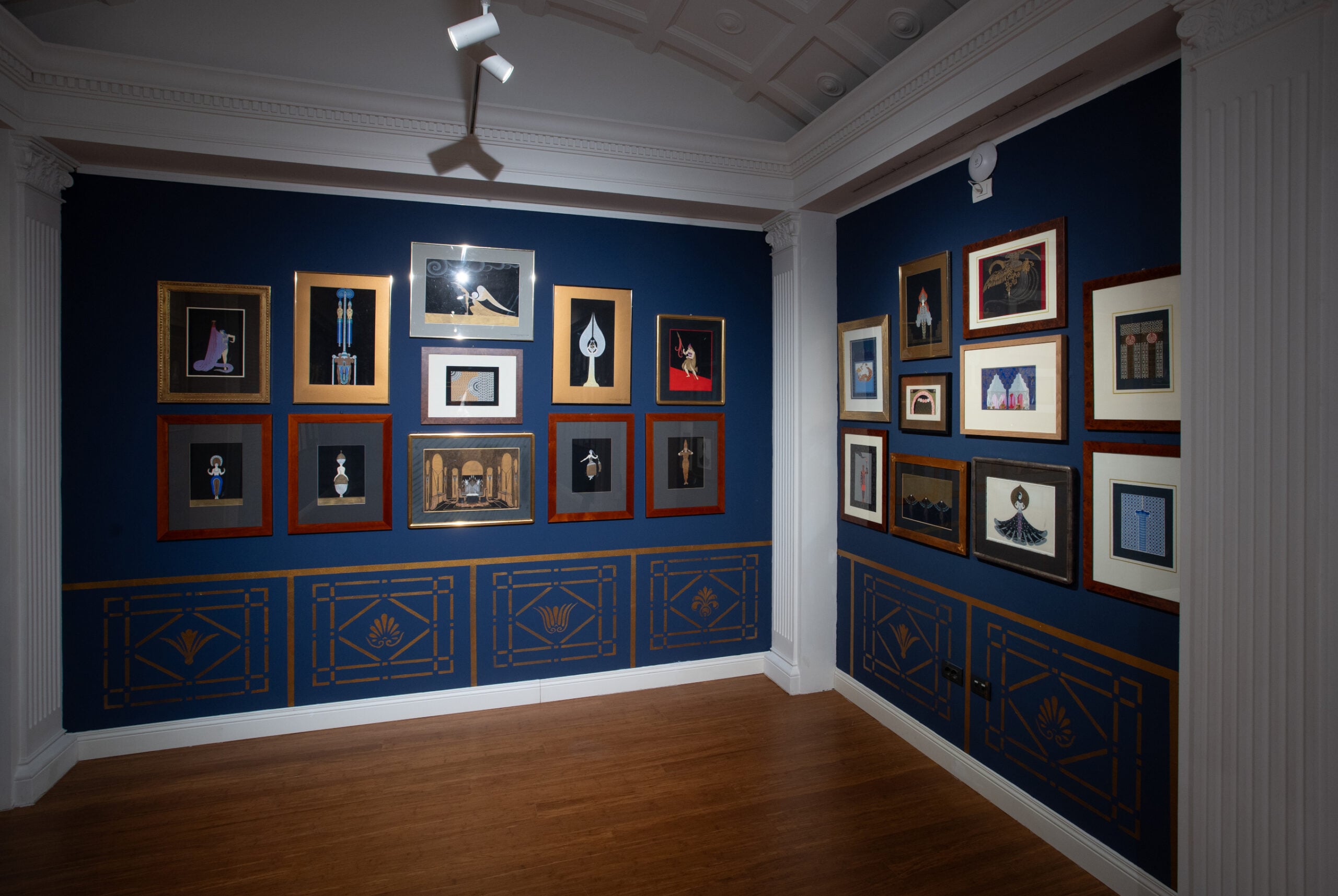
Near Parma, the Timeless Elegance of Erté is on Display at Labirinto della Masone

Vicino a Parma c’è l’intramontabile eleganza di Erté in mostra al Labirinto della Masone

The Labirinto della Masone near Parma is hosting a comprehensive exhibition titled "Erté. Lo stile è tutto," showcasing the work of the Russian-born Art Déco master Romain de Tirtoff, known as Erté. The display features a diverse array of drawings, gouaches, models, and sketches, many of which were originally acquired by the late publisher Franco Maria Ricci. The exhibition traces Erté's journey from his aristocratic Russian roots to his rise in Paris as a collaborator of Paul Poiret and a visionary of theatrical and couture design.

At the Venice Biennale, protests, self-mutilation and rage against Israel and Russia. Is anyone left to talk about the art?

At the 61st Venice Biennale, protests and controversies have overshadowed the art itself. The Art Not Genocide Alliance (ANGA) demonstrated against the inclusion of Israel and Russia, while the Israeli Pavilion became a flashpoint. Artist Belu-Simion Fainaru, presenting his installation "Rose of Nothingness" in a temporary space, complained that he was forced to defend his art's right to exist amid questions about politics rather than his work. The Biennale also saw barricades, strikes, the resignation of the Golden Lion jury, Iran's last-minute withdrawal, and anger directed at the American pavilion over Trump administration policies. The central exhibition, "In Minor Keys," curated by the late Koyo Kouoh, was eclipsed by these events.

Skylands Museum of Art presents Spotlight on the Artist: Massimo Rao

The Skylands Museum of Art in Lafayette, New Jersey, has opened a new exhibition titled "Spotlight on the Artist: Massimo Rao," featuring eight works by the late Italian artist from the museum's permanent collection. The display includes oil and tempera paintings, lithographs, and drawings, such as "Portrait" and "Shelter Made of Ashes & Recollections," and will run through October 2025 in the museum's Sanctuary Gallery. Rao, known for his classic yet mysterious style blending Renaissance influences with Nordic Mannerism and pre-Raphaelite approaches, often depicted surreal, moonlit figures and was called "the Painter of the Moon." Born in 1950 near Naples, he studied art history and architecture, exhibited internationally, and died in 1996 at age 46; his hometown opened a museum dedicated to him in 2012.

Deux sculptures de la Roldana préemptées par l'Espagne

Spain has preempted two polychrome terracotta sculptures by Luisa Roldán, known as La Roldana, at an Abalarte auction on December 5, 2025. The works, *La Fuite en Égypte* and *L’Éducation de la Vierge*, each sold for €335,500 including fees. *La Fuite en Égypte* has been acquired by the Museo del Prado in Madrid, while *L’Éducation de la Vierge* has gone to the Museo Nacional de Escultura in Valladolid.

The Long-Awaited Reopening of the Musée Bonnat

La réouverture attendue du Musée Bonnat

After fifteen years of closure, the Musée Bonnat (now renamed Bonnat-Helleu) in Bayonne, France, has finally reopened. The closure was initially due to structural problems, including collapsing skylights and leaks, and even before that, much of the collection had been inaccessible. The renovated museum now features a new extension built from a former school, housing the public reception area, an exhibition space, a courtyard with a café terrace, and storage. The galleries display the museum's full holdings, including Rubens sketches, terracottas from the Paul Cailleux collection, and works by Léon Bonnat himself.

Archaeologists Uncover a 2,000-Year-Old Hillfort in Estonia

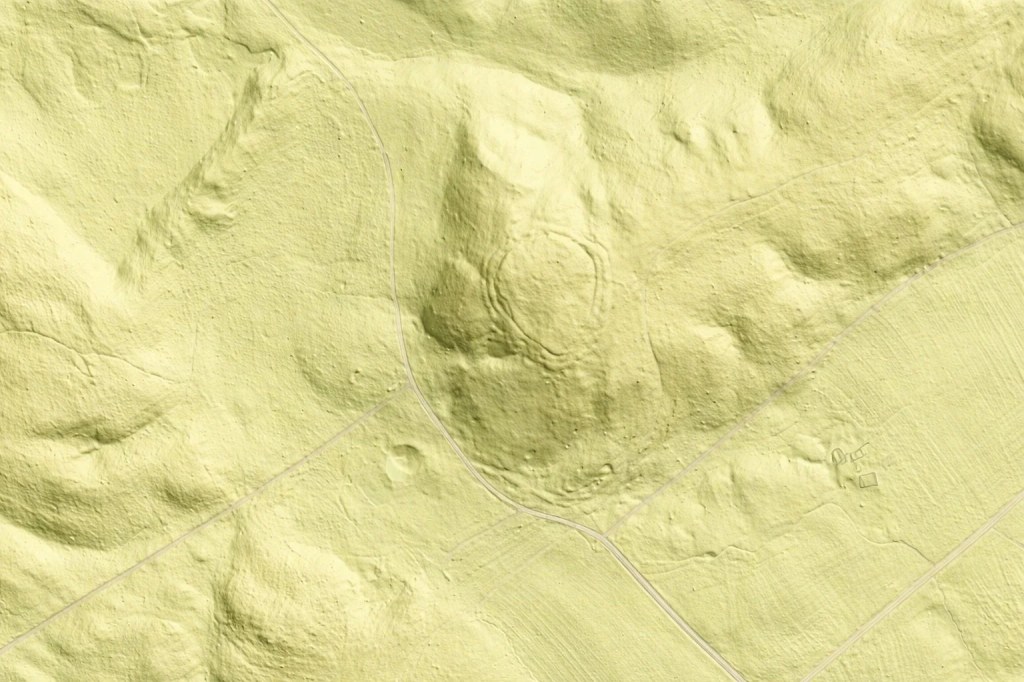
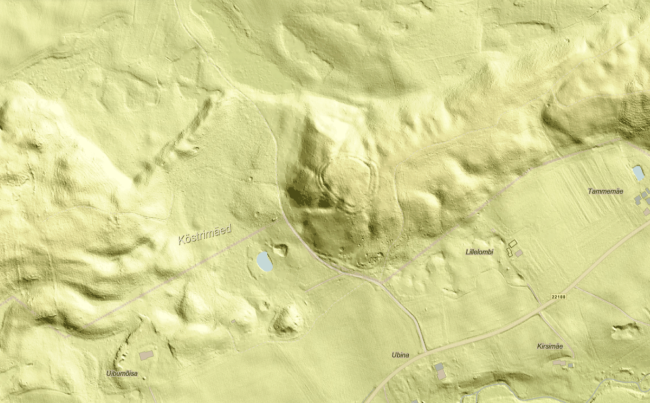
Archaeologists from the University of Tartu have discovered a 2,000-year-old Iron Age hillfort at Köstrimägi in Tartu County, Estonia. Using high-resolution terrain mapping, the team identified a 16,000-square-foot fortification featuring an unusual stepped rampart system that dates back to between 41 BCE and 9 CE. Despite its size, the site yielded few artifacts beyond pottery fragments and charcoal, suggesting a very brief period of occupation before it was destroyed by fire.

lebanese ministry of culture urges unesco to grant enhanced protections to cultural property

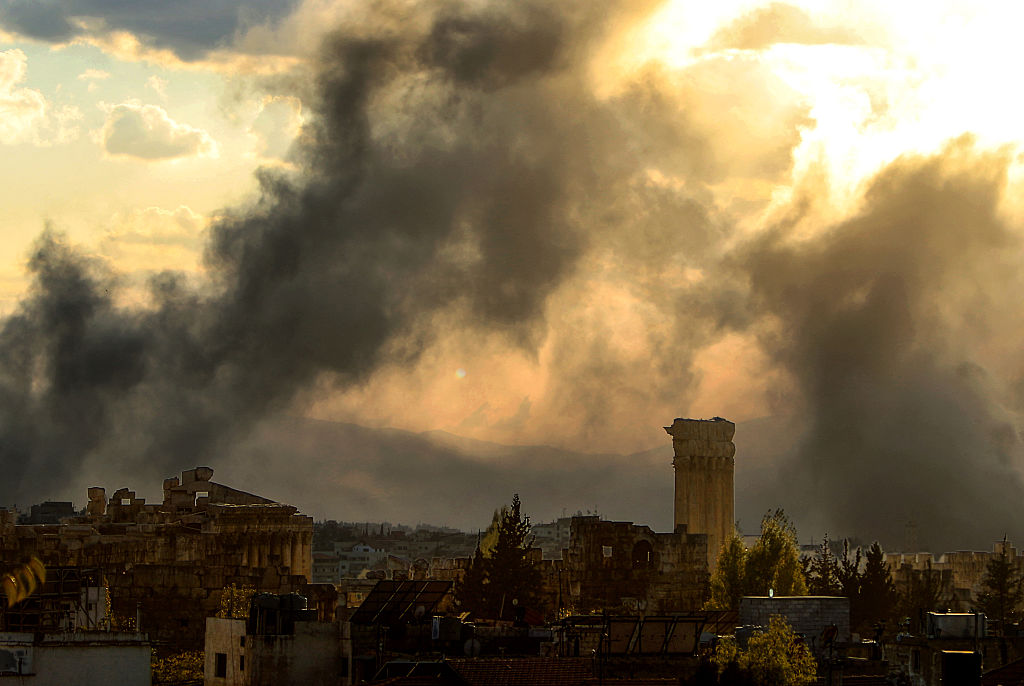
Lebanon’s Ministry of Culture has formally petitioned UNESCO to secure enhanced protections for the nation’s cultural heritage sites as regional conflict intensifies. Culture Minister Ghassan Salamé urged the UN agency to intervene with belligerent parties to ensure the safety of irreplaceable landmarks, including the National Museum of Beirut and the Roman ruins of Baalbek. UNESCO confirmed it has shared the coordinates of these World Heritage sites with all involved parties to prevent accidental or intentional targeting during military operations.

french police search institut du monde arabe as part of epstein probe

French police conducted a raid on the Institut du Monde Arabe in Paris as part of an investigation into its former president, Jack Lang, and his daughter, Caroline Lang. The probe, led by the National Financial Prosecutor's Office, focuses on suspicions of aggravated tax fraud and money laundering linked to their names appearing in the newly released Jeffrey Epstein files. Lang, a former culture minister, resigned from the institute to protect its reputation, denying all allegations.

huge persepolis destruction

The article recounts the Sack of Persepolis in 330 B.C.E., when Alexander the Great and his Macedonian forces pillaged and destroyed the Achaemenid capital. It describes Persepolis as a marvel of ancient architecture, including the 31-acre limestone terrace, the Apadana hall with 36 columns, and the palace of Xerxes I. Ancient sources like Diodorus of Sicily and Plutarch offer conflicting accounts of the destruction—whether it was spontaneous, premeditated, or fueled by alcohol—while modern historians view it as a political act of retribution for Xerxes' attack on Athens.

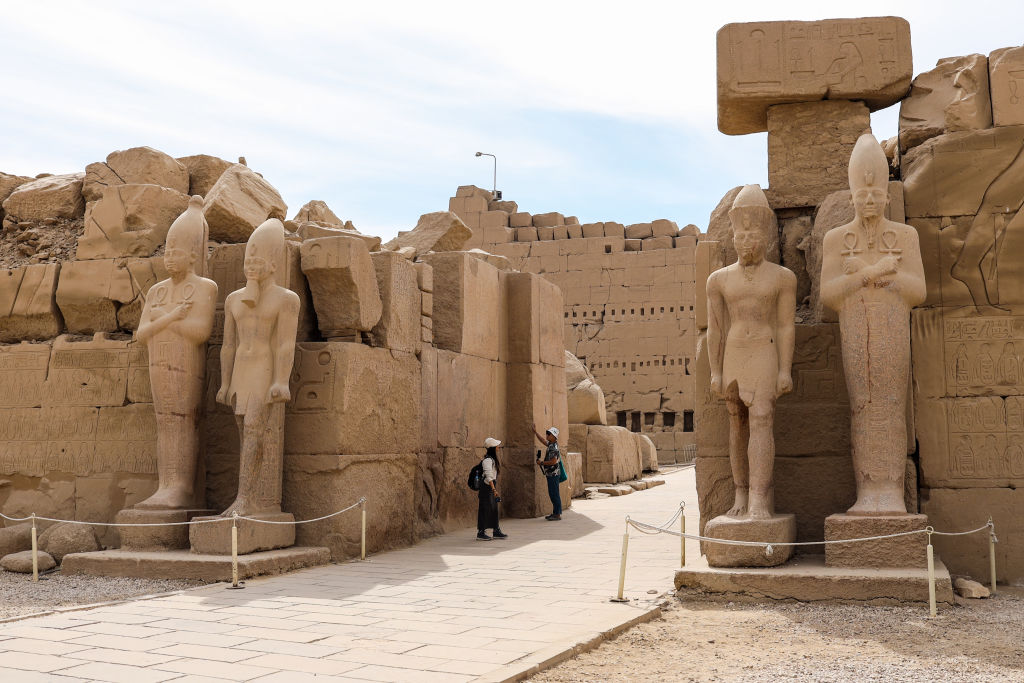
a new study conducted the most comprehensive survey of egypts karnak temple revealing unprecedented detail

A new study published in the journal Antiquity reveals that Egypt’s Karnak Temple was originally built on a small island, or “fluvial terrace,” surrounded by river channels. The research, led by Ben Pennington of the University of Southampton, is the first comprehensive geoarchaeological survey of the site, analyzing 61 sediment cores and thousands of ceramic fragments. It dates the earliest occupation of Karnak to around 2520 BCE, with ceramics from 2305–1980 BCE, and shows that ancient Egyptians geo-engineered the landscape by dumping desert sand into channels to create new building land.

pompeii garden of hercules restoration

The Pompeii Archaeological Park has unveiled the restored Garden of Hercules, replanted with 1,200 violets, 1,000 ruscus plants, 800 antique roses, vines, and fruit trees to mirror its appearance 2,000 years ago. The restoration is based on botanical research from the 1950s by Wilhelmina Jashemski, who identified pollen, spores, and plant fossils at the site. The garden, located on Regio VIII, Insula 2, also features a recreated ancient irrigation system and a terracotta statue of Hercules, and was once used for commercial perfume production.

scientists recreate egyptian blue pigment

A team of researchers has successfully recreated Egyptian blue, the world's oldest synthetic pigment, which was used by ancient Egyptians from as early as 3100 B.C.E. The study, published in NPJ Heritage Science, was led by John S. McCloy of Washington State University and Edward P. Vicenzi of the Smithsonian Institution's Museum Conservation Institute, in collaboration with the Carnegie Museum of Natural History. The researchers experimented with various minerals, heating them in ovens at around 1,000 degrees Celsius for up to 11 hours, and used modern microscopy and analysis techniques to compare their results with ancient artifacts from the Carnegie Museum's collection.

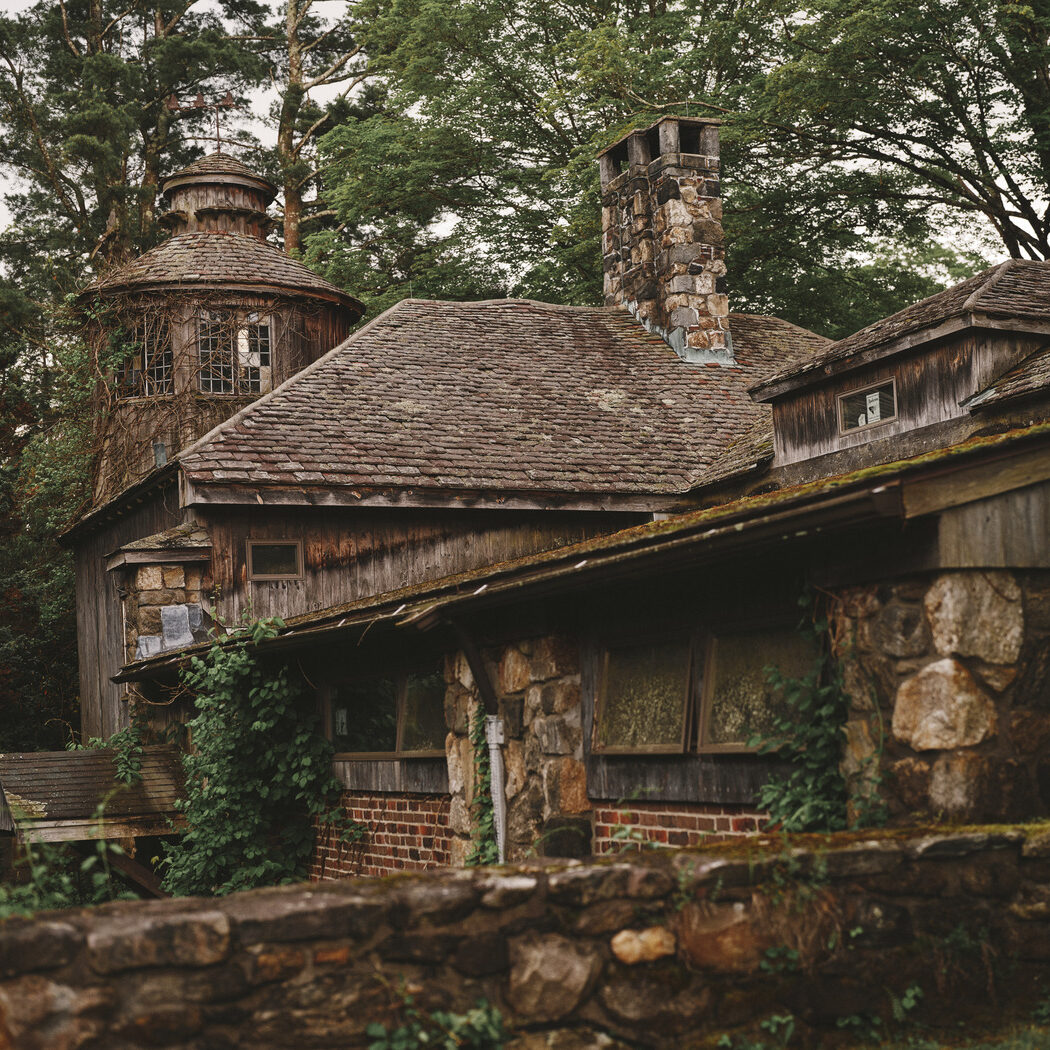
design coolwater childs estate connecticut

The article profiles Coolwater, a historic estate in Norfolk, Connecticut, owned by the Childs family for over a century. Originally a colonial farmhouse built around 1803, it was purchased by Starling Winston Childs in 1909. The property features a later addition designed by architect Alfredo Taylor, a prolific local designer who created over 50 buildings in the area. The estate is filled with family heirlooms, including Currier & Ives lithographs, a Jubilee-era tapestry, and eclectic decor that blends Adirondack lodge style with Colonial Revival elements. Siblings Starling Winston Childs and Elisabeth Gill, now the family elders, share stories of the house's quirks, such as its poor insulation and a subterranean basketball court.

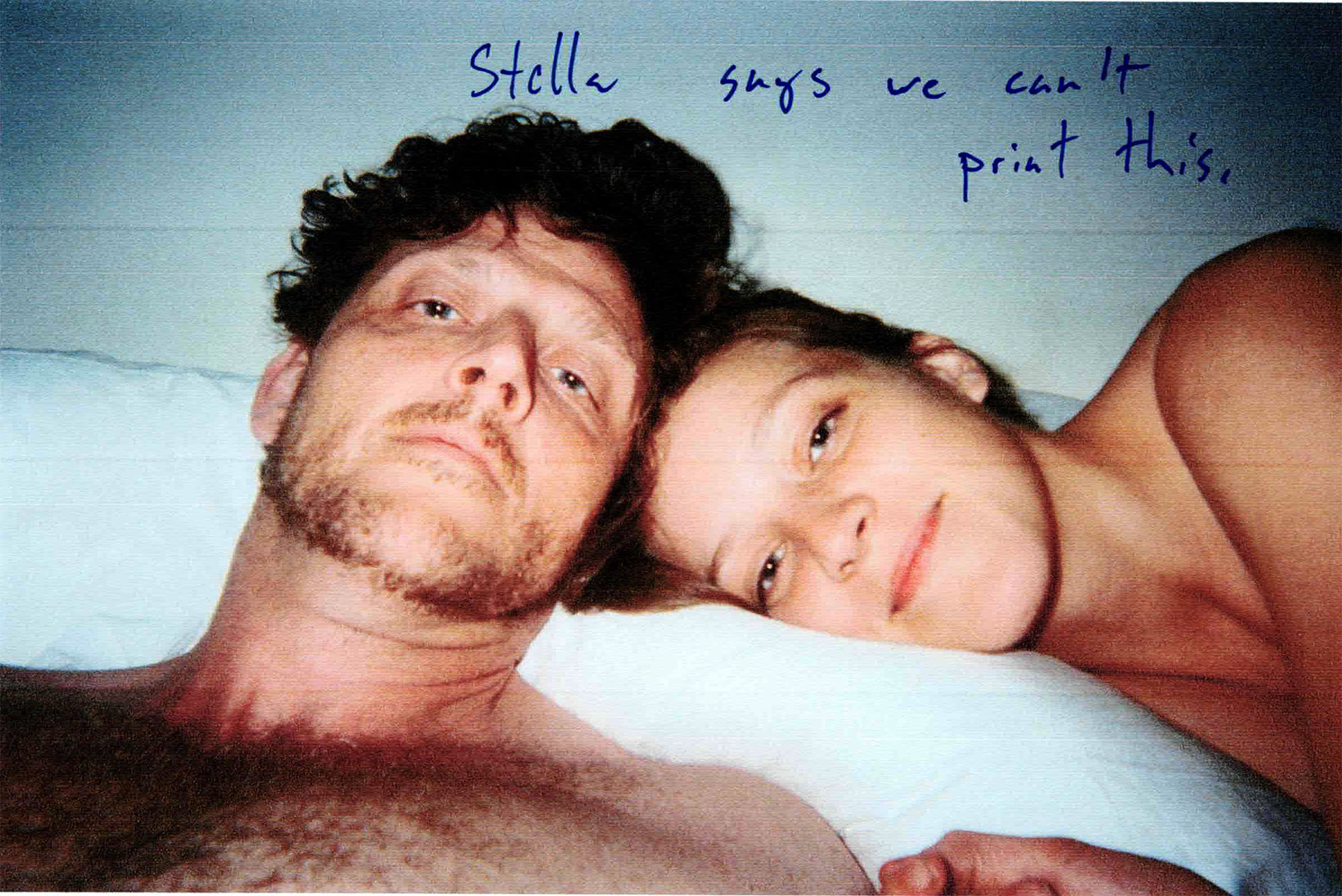
parties culture sam chermayeff stella roos wedding

Sam Chermayeff and Stella Roos are planning a day-long wedding party for 250 people in an abandoned Fascist-era villa in Rome, originally built as Olivetti offices. The couple, who live in Berlin but have no family there, decided on Rome for its festive appeal. They initially considered joining the Catholic Church to secure a venue but ultimately arranged to hold their ceremony in a ruined church on the Appia Antica, with artist Tacita Dean asked to officiate. The party venue, inherited by a friend of a friend, sits near the Baths of Caracalla and features overgrown gardens and dusty rooms. Invitations were designed by their friend Leo of Something Fantastic, and the couple's mood board includes whimsical details like an ice sculpture, tiny potatoes, and a flower chain.

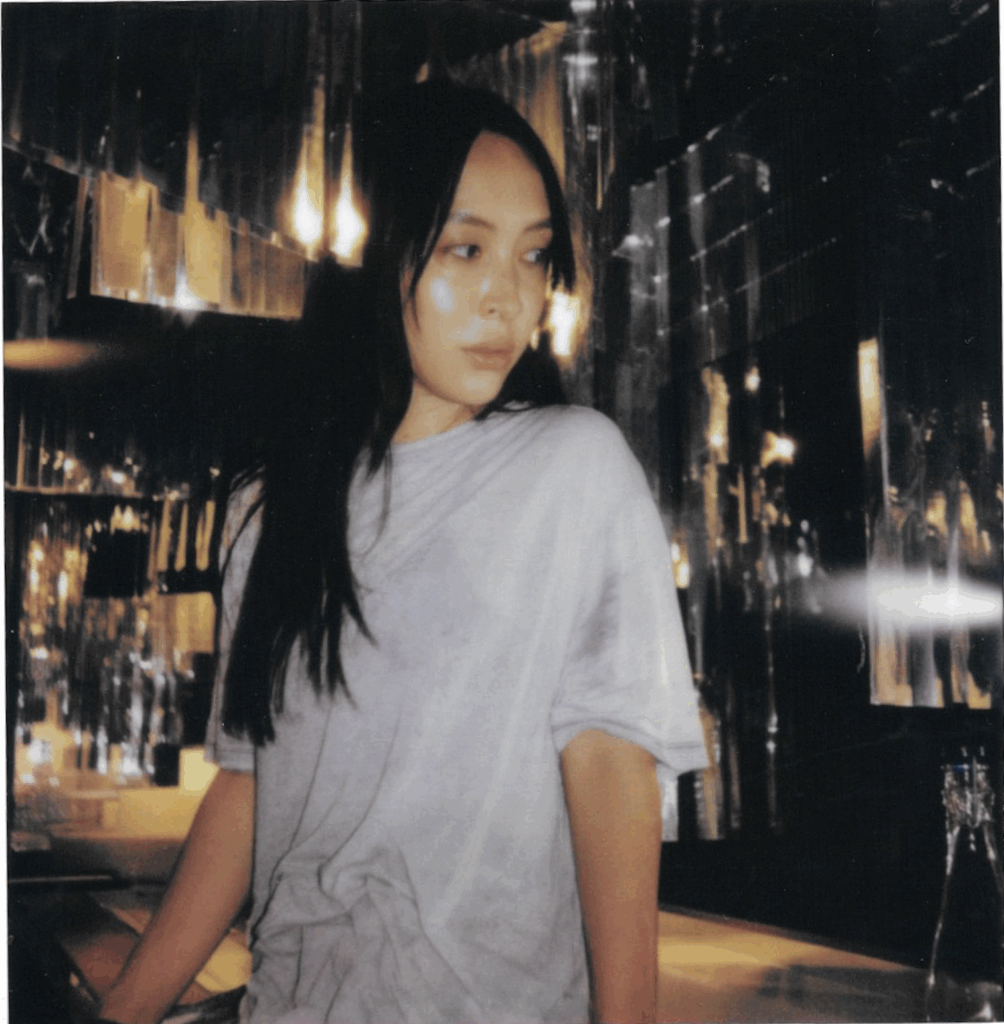
art diane severin nguyen protest music

Artist-filmmaker Diane Severin Nguyen is preparing for her live-performance directorial debut, "WAR SONGS," premiering at the Performa Biennial in November 2025 at BRIC in Brooklyn. The piece features a cast of musicians performing a wide-ranging program of protest music, from Woody Guthrie to Black Sabbath, led by musical director Laszlo Horvath. Nguyen, known for her films exploring performance and identity, is working with a group that practices being a band rather than an actual band, creating a raw, protean work that blends music, theater, and filmic sensibilities.

art chicago mca queer artists

The Museum of Contemporary Art Chicago has organized a summer exhibition titled 'To Share a Garden,' bringing together over 30 artists in a decade-spanning review of queer art and activism. The show draws its theme from Chicago's historic motto 'urbs in horto' (city in a garden) and features works from the 1980s to the present, including pieces by Brendan Fernandes, Nick Cave, Mary Patten, and Doug Ischar. The exhibition acts as a visual archive of queer artistic expression, spanning from the AIDS crisis protests to contemporary movements.

The unstoppable creativity of ceramicist Pippin Drysdale

At 82, ceramicist Pippin Drysdale is the subject of a major retrospective, "Infinite Terrain," which opened in December at the Art Gallery of Western Australia (AGWA). The exhibition, curated by Isobel Wise, spans Drysdale's prolific 40-year career and was sparked by a chance, spirited encounter with AGWA director Colin Walker. Drysdale, who began ceramics in 1981 after earlier ventures in herbs and paper flowers, studied at Perth Tech, Anderson Ranch in Colorado, and Curtin University, and her work has been deeply influenced by travels to Italy, Siberia, and Russia.

À Marseille, l’installation textile monumentale d’Adrien Vescovi déploie ses couleurs

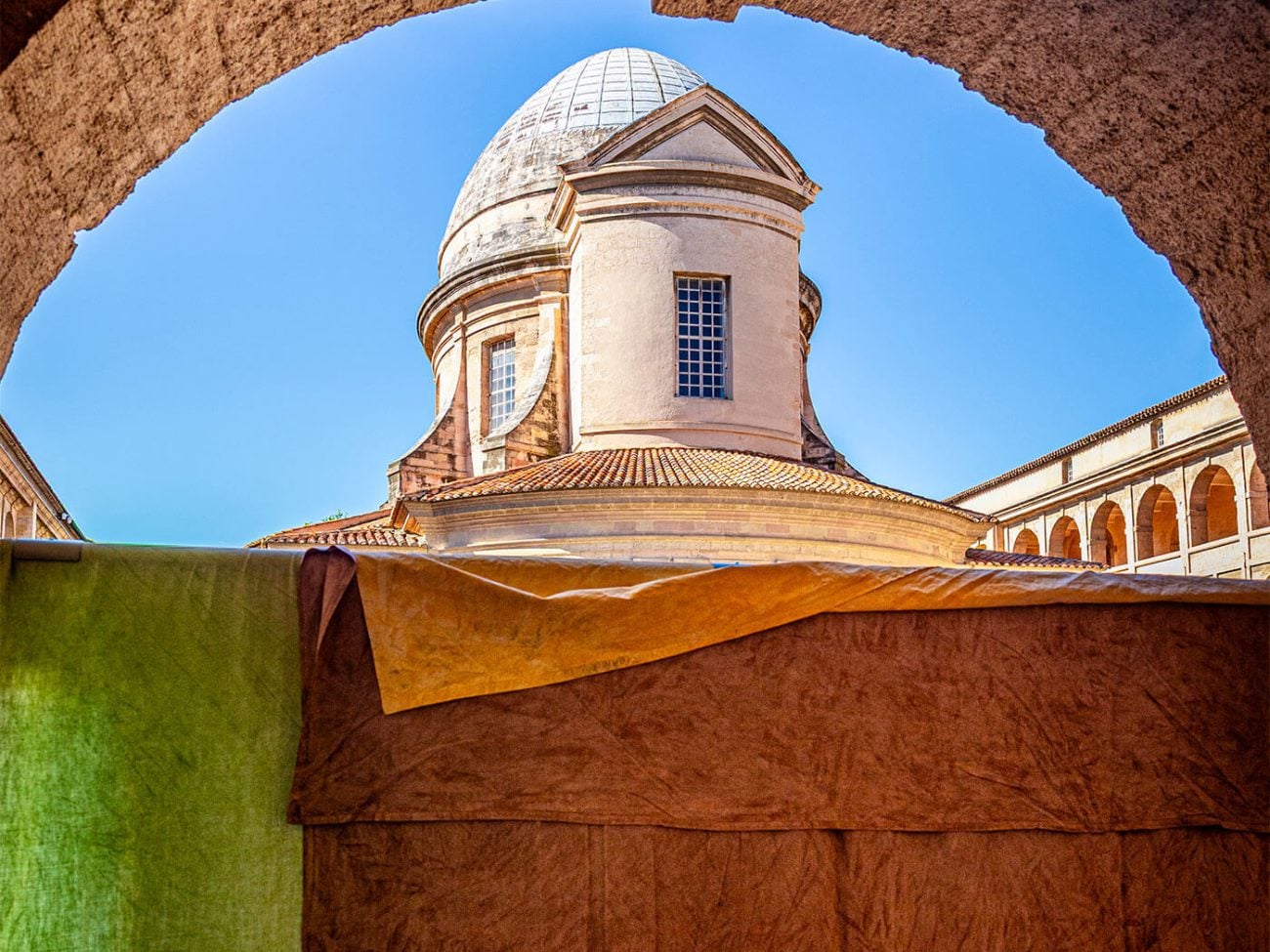
Artist Adrien Vescovi has installed a monumental textile work titled "Dormir comme le soleil" at the Vieille Charité in Marseille. The installation features over 600 dyed sheets suspended across 108 arches of the former hospice, using natural pigments from plants, spices, and ochres. The fabrics, dyed in a labor-intensive process involving large wooden spoons and cauldrons, are designed to fade and evolve over the eight-month exhibition, responding to wind, humidity, and Mediterranean light.

La Rocabella : une résidence d’artistes paradisiaque qui croise les disciplines près de Toulon

La Rocabella, a Belle Époque villa near Toulon, France, has been transformed into an interdisciplinary artist residency by Jean-Baptiste Rudelle, co-founder of Criteo. Built in 1898 by architect Hans-Georg Tersling, the estate now hosts ceramic sculptors, comic artists, documentary filmmakers, and musicians in two-month sessions, with themes like 'Les Gardiennes de la mer' linking their work. The residency, funded entirely by Rudelle, aims to foster cross-disciplinary collaboration in a serene Mediterranean setting.

US Returns 337 Looted Objects to Italy in Repatriation Effort

The United States officially returned 337 looted antiquities to Italy at a ceremony held at La Marmora barracks in Rome. Of these, 221 objects were repatriated through the Manhattan District Attorney’s Office, while the remaining 116 were recovered on April 10, 2026, via joint efforts by the FBI, Homeland Security Investigations, the District Attorney’s Office, and Christie’s New York auction house. The objects span from the Villanovan era (900–700 BCE) to the Hellenistic period (323–31 BCE) and include a 1st-century CE marble head of Alexander the Great, a bronze sculpture from Herculaneum, and two Egyptian basalt sculptures.

Unusually Large, 2,000-Year-Old Hillfort Discovered in Estonia

Archaeologists from the University of Tartu have discovered a massive 2,000-year-old hillfort at Köstrimägi in Tartu County, Estonia. Utilizing high-resolution terrain mapping, the team identified a 4,800-square-meter Iron Age fortification featuring concentric ramparts and shallow ditches, a structural complexity rarely seen in the region. Radiocarbon dating suggests the site was active for a relatively short period, specifically between 41 BCE and 9 CE.

Anoushka Mirchandani Conjures Ancient Mythological Nature Spirits in Vibrant Oil Paintings

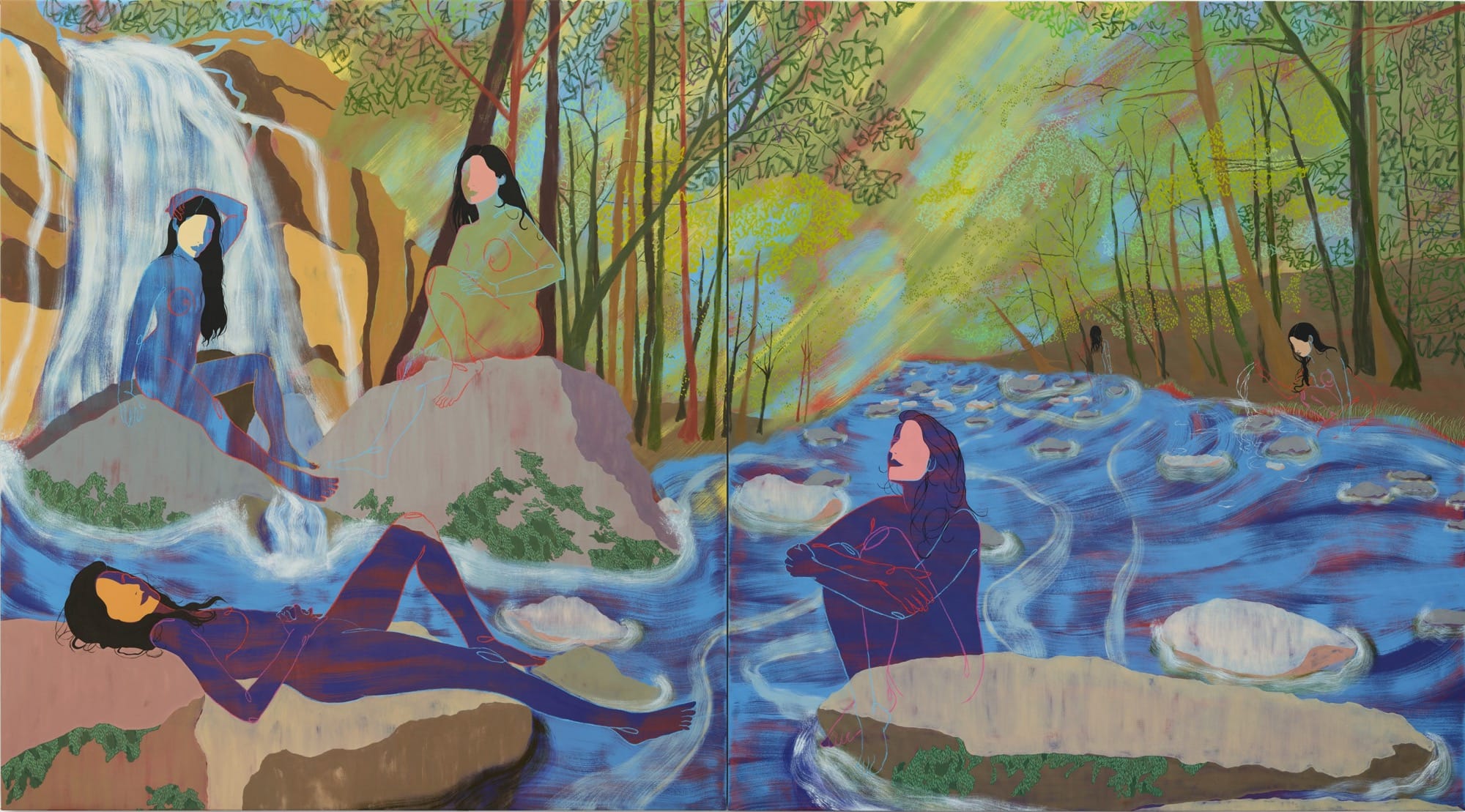
San Francisco-based artist Anoushka Mirchandani presents a solo exhibition, 'My Body Was a River Once,' at ICA San José. The show features vibrant oil paintings that depict apsaras, ancient Southeast Asian mythological nature spirits associated with water and transformation, drawing from the artist's Indian heritage and childhood memories of sites like the Ajanta and Ellora caves.

Running from one image to another, from one time to another, from one hope to another: at Circolo, in Milan, an exhibition on the contemporary Lebanese scene

The article reviews "Shifting Crossroads. Beirut Contemporary," an exhibition at Circolo in Milan that surveys the contemporary Lebanese art scene. It features internationally recognized artists like Mona Hatoum and Simone Fattal alongside emerging talents, including works from the Saikalis Bay Foundation, founded in 2024 by Nicole Saikalis and Matteo Bay. The show spans historical-archival investigation, photography, installation, painting, and sculpture, with pieces such as Stéphanie Saadé's "Stage of Life" (2021), Catherine Cattaruzza's "I am Folding the Land" (2022), and Joana Hadjithomas & Khalil Joreige's "Waiting for the Barbarians" (2013) exploring themes of memory, fragility, and geopolitical instability.

Sea-themed art exhibition to be shown at Manningtree gallery

The North House Gallery in Manningtree is set to host a solo exhibition featuring more than 40 works by artist Isabella Dyson. The show, titled "Isabella Dyson: Paintings," focuses on the transient nature of the sea and weather, utilizing a muted color palette and a mix of oil, acrylic, and pastel. The collaboration began serendipitously when the artist visited the gallery and showed her portfolio to the staff on her phone, leading to her immediate inclusion in a group show and this subsequent solo presentation.

Geological encounters

Wadi Finan Art Gallery presents "Geological Encounters," an exhibition running from April 25 to May 14, 2026, at its Jabal Amman location in Amman, Jordan. The show features the work of Jordanian artist and architect Ammar Khammash, whose multidisciplinary practice engages directly with Jordan's terrains, responding to their geological, social, and cultural conditions.

'Cursed!': Toledo Museum of Art to host exhibit exploring the power of ancient magic in the Mediterranean world

The Toledo Museum of Art will host a major exhibition titled 'Cursed! The Power of Magic in the Ancient World' from March 21 to July 5. The show features 75 objects spanning two millennia, including Egyptian artwork, Mesopotamian sculptures, and Greek and Roman relics, exploring themes like protective magic, communication with gods, and magic in daily life.