filter_list Showing 528 results for "Quest" close Clear
search
dashboard All 528 museum exhibitions 220article news 118article culture 57rate_review review 42trending_up market 20article policy 19person people 17article local 16gavel restitution 12candle obituary 7
date_range Range Today This Week This Month All
Subscribe

7 new art and culture books in bookstores. Maps of the present: between art, work, memory and forms of perception

7 nuovi libri d’arte e cultura in libreria. Mappe del presente: tra arte, lavoro, memoria e forme della percezione

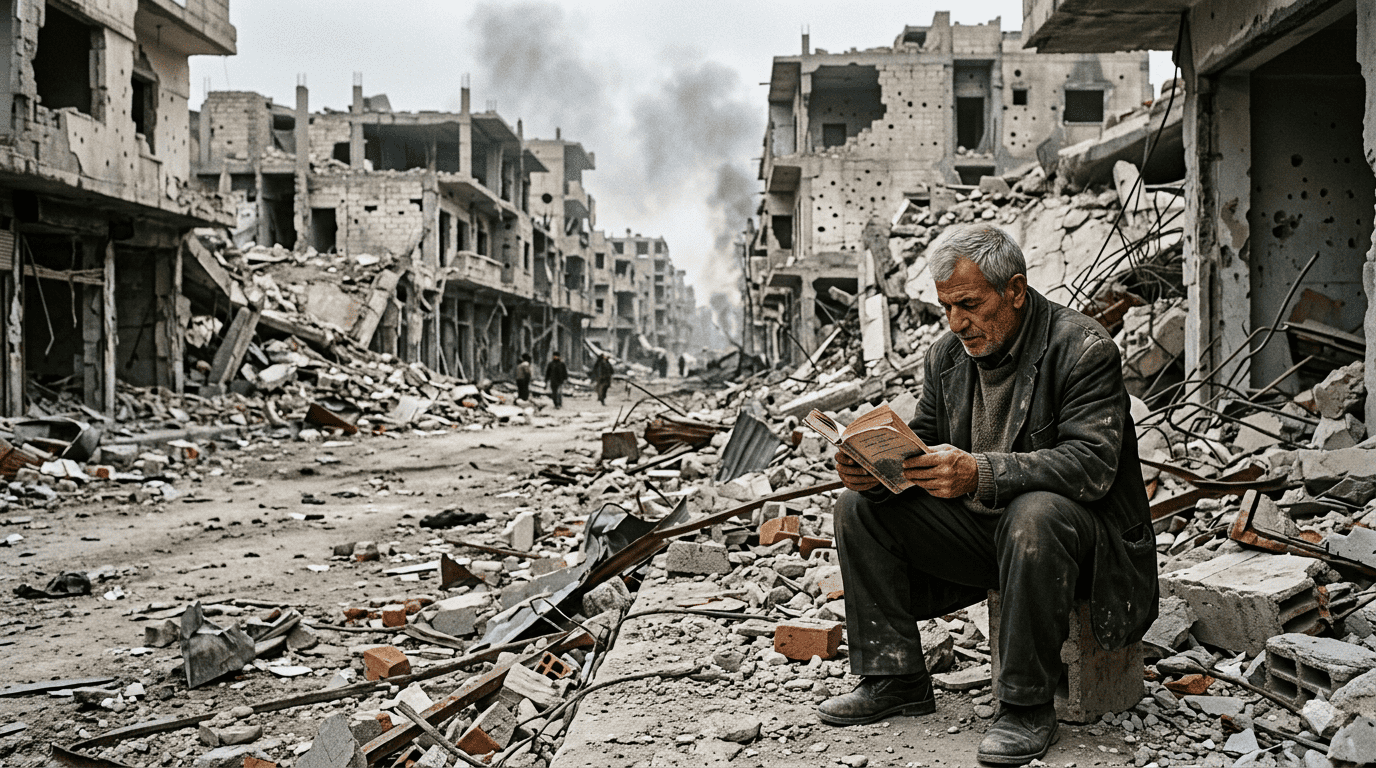
This article from Artribune presents a curated selection of seven new art and culture books recently released in Italy. The featured titles range from a theoretical lexicon for 21st-century arts edited by Nicolas Martino, which redefines key terms like 'author,' 'AI,' and 'care,' to a poetic pop-up book by Japanese designer Katsumi Komagata titled 'Piccolo Albero,' which uses paper engineering to narrate the cycle of life. Other works explore themes of labor, memory, domestic space (Giorgio Morandi), inner labyrinths (Andrea Bocconi), and direct testimony from Gaza, all aiming to provide new frameworks for understanding a fractured present.
Art and technology meet in the augmented reality of artist Lois He

Arte e tecnologia si incontrano nella realtà aumentata dell’artista Lois He

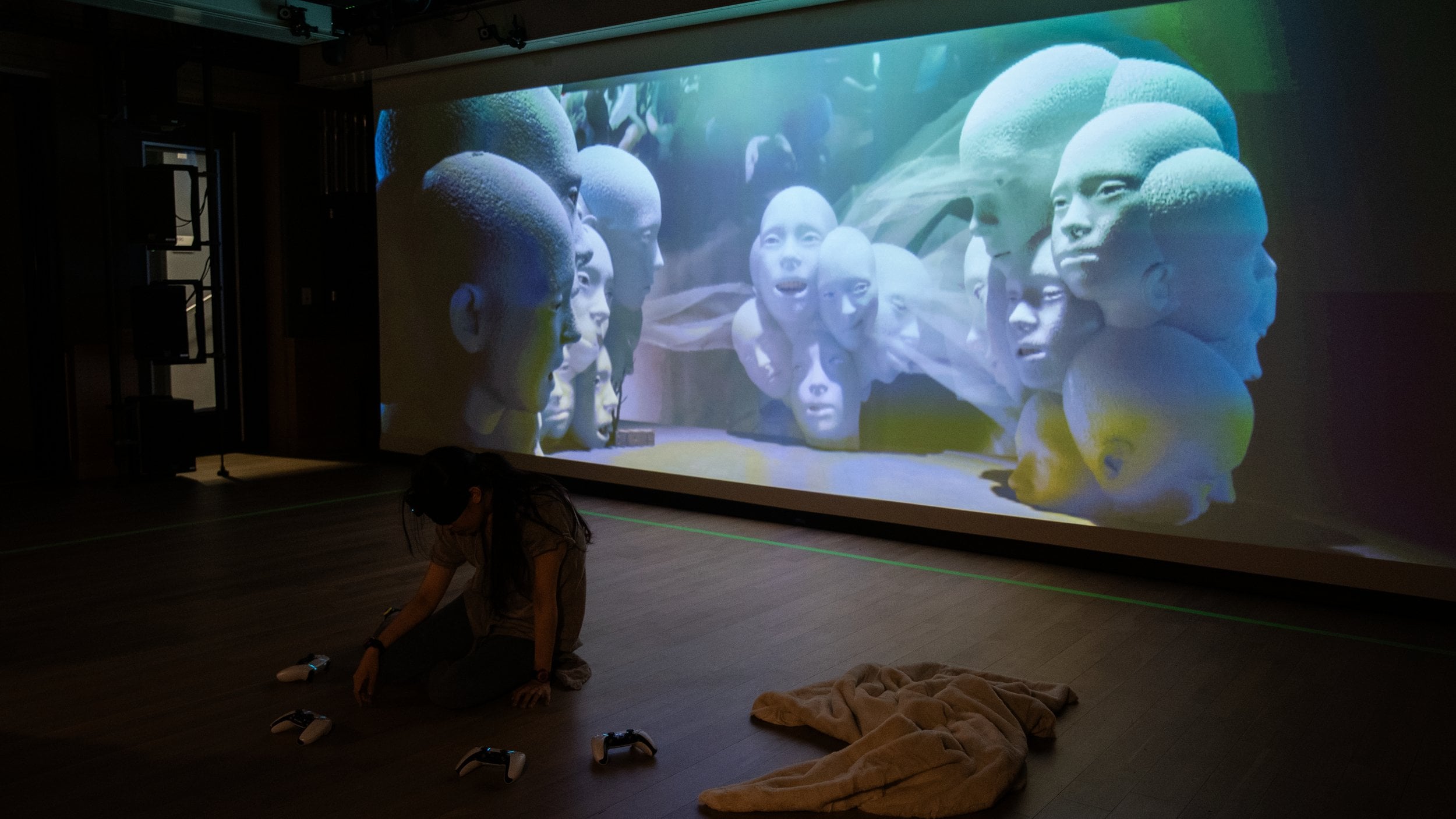
Lois He, a Chinese-born artist now based in New York, creates immersive XR installations that blend art and technology, transforming viewers into active participants. Her works, such as "Rising River," an AI-driven virtual reality experience, and "The Silent Carnival," a digital reinterpretation of Goethe's Faust, explore identity, emotion, and the impact of external agents like technology and culture. He also collaborates with institutions like the Museo Dalí and the NYU Neuroscience Institute, merging art with literature and science.

L’arte vibra come un’onda. 7 artisti nell’elegante mostra a Casa Sanlorenzo a Venezia

Casa Sanlorenzo, the artistic division of the luxury yacht brand, has opened a new exhibition titled "Waves" in Venice, coinciding with the Venice Biennale. Curated by Sergio Risaliti and Cristiano Seganfreddo, the show spans 1,000 square meters across two floors plus a 600-square-meter garden, featuring works by seven artists: Alexander Calder, Lucio Fontana, Fausto Melotti, Tony Cragg, Marcello Maloberti, Christine Safa, and Friedrich Andreoni. The exhibition explores the concept of the wave as a metaphor for artistic expression, with a focus on sculpture and sound, including Melotti's poetic sculptures, Andreoni's immersive sound installation, and Calder's mobiles.

An Italian artist makes an exhibition in Tunis inspired by Le Corbusier's architectures

Un artista italiano fa una mostra a Tunisi ispirandosi alle architetture di Le Corbusier

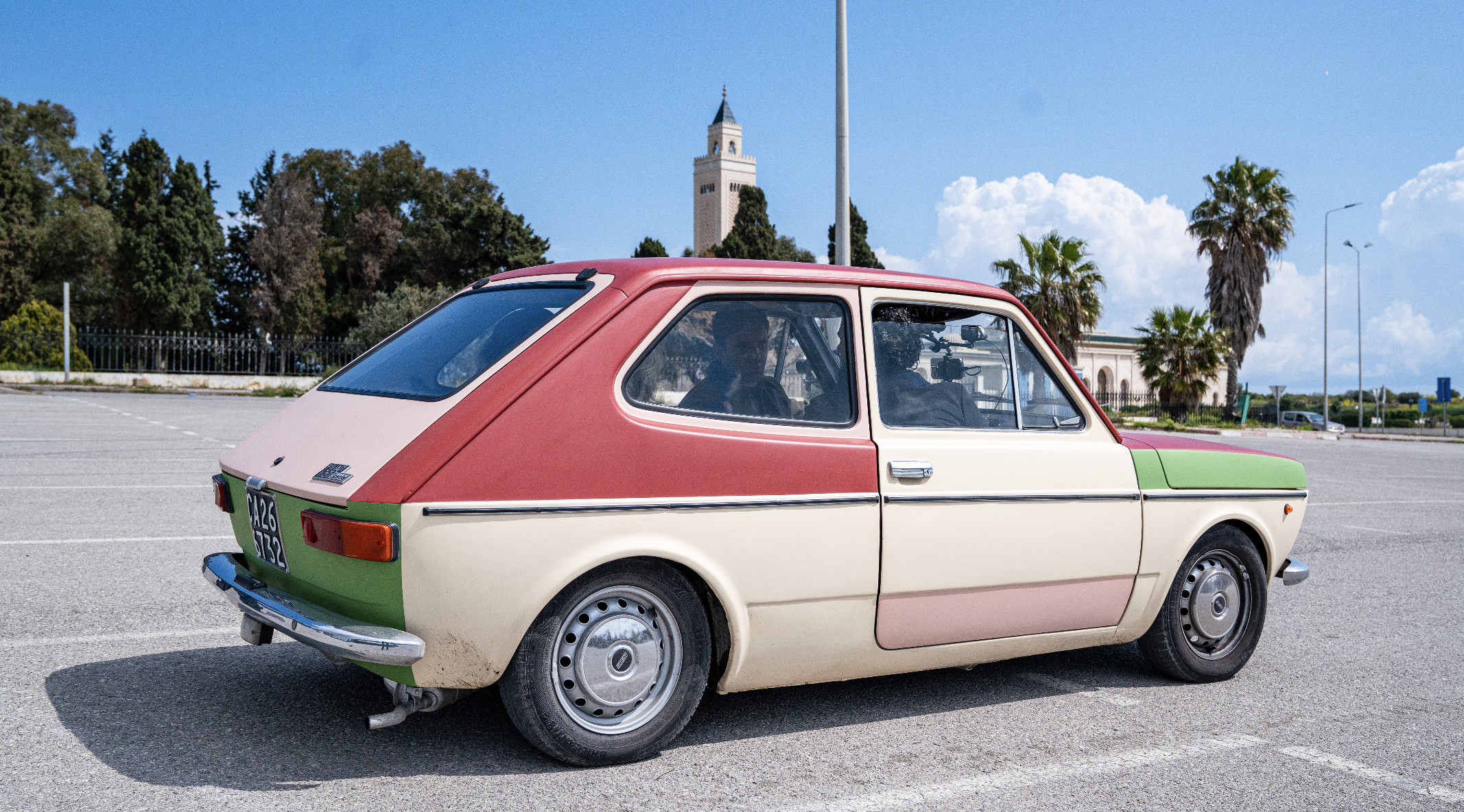
Italian artist Cristian Chironi has opened the seventh chapter of his ongoing project "My house is a Le Corbusier" with an exhibition in Tunis titled "My house is a Le Corbusier (Villa Baizeau)". The project centers on Villa Baizeau, a Le Corbusier-designed house built between 1928 and 1930 for industrialist Lucien Baizeau, which is now inaccessible inside the Tunisian presidential park. Chironi, inspired by a failed attempt by artist Costantino Nivola to bring Le Corbusier's architecture to his hometown Orani, instead travels the world temporarily inhabiting Le Corbusier's buildings. For this iteration, he set up a residency at La Boîte – Centre d'Art & d'Architecture in the Medina of Tunis from January 22 to April 5, 2026, culminating in an exhibition that opened April 3, 2026, using the villa as a lens to read the city rather than a physical space to occupy.

L’artista Kader Attia ci racconta la sua opera alla Biennale di Venezia 2026. L’intervista

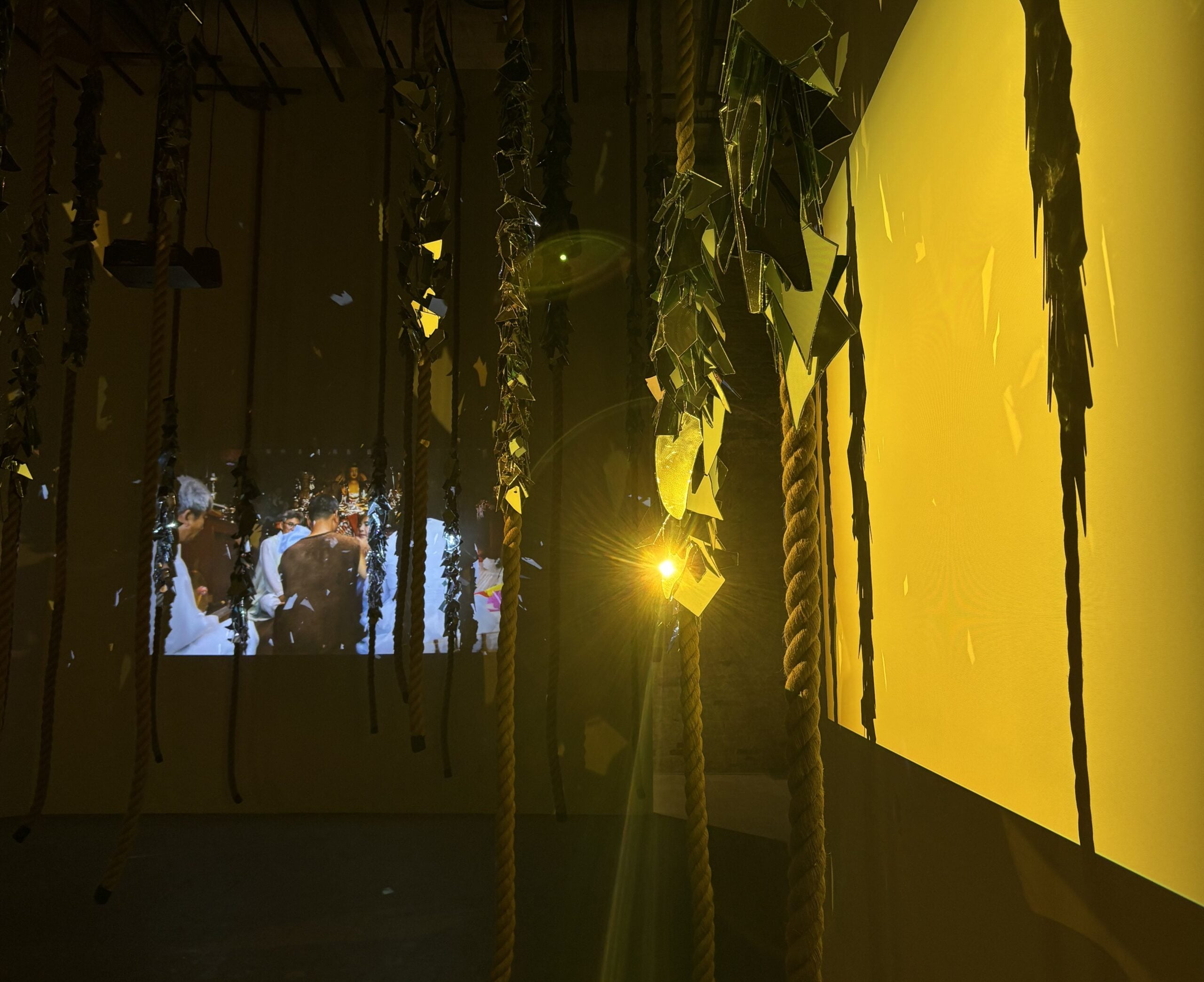
Kader Attia presents his multimedia installation "Whisper of Traces" at the 2026 Venice Biennale, curated by Koyo Kouoh under the theme "In Minor Keys." The work explores the intersections of magic, spirituality, traditional healing, and digitalization, drawing on Attia's long-standing interest in how colonialism, neoliberalism, and technology have transformed shamanic and healing practices. Attia describes the project as an accumulation of psychic traces from human history, which his mother called "ghosts."

The Biennale releases the rules for voting on the Visitors' Lions while many artists and pavilions renounce competing for the prizes

La Biennale diffonde il regolamento per votare i Leoni dei Visitatori mentre molti artisti e padiglioni rinunciano a concorrere ai premi

The 61st Venice Biennale has opened to the public, introducing a controversial new voting system for the Golden Lions. After the entire jury resigned en masse on April 30, the Biennale decided to let the public decide the winners of the so-called "Leoni dei Visitatori" (Visitors' Lions). Voting is open from May 9 to November 22, 2026, and requires ticket holders to visit both main venues (Giardini and Arsenale) to receive a voting link. One vote per person is allowed for each of two categories: an artist in the main international exhibition "In Minor Keys" curated by Koyo Kouoh, and a national pavilion.

This unpublished comic tries to tell us what the Biennale of the future will be like

Questo fumetto inedito prova raccontarci come sarà la Biennale del futuro

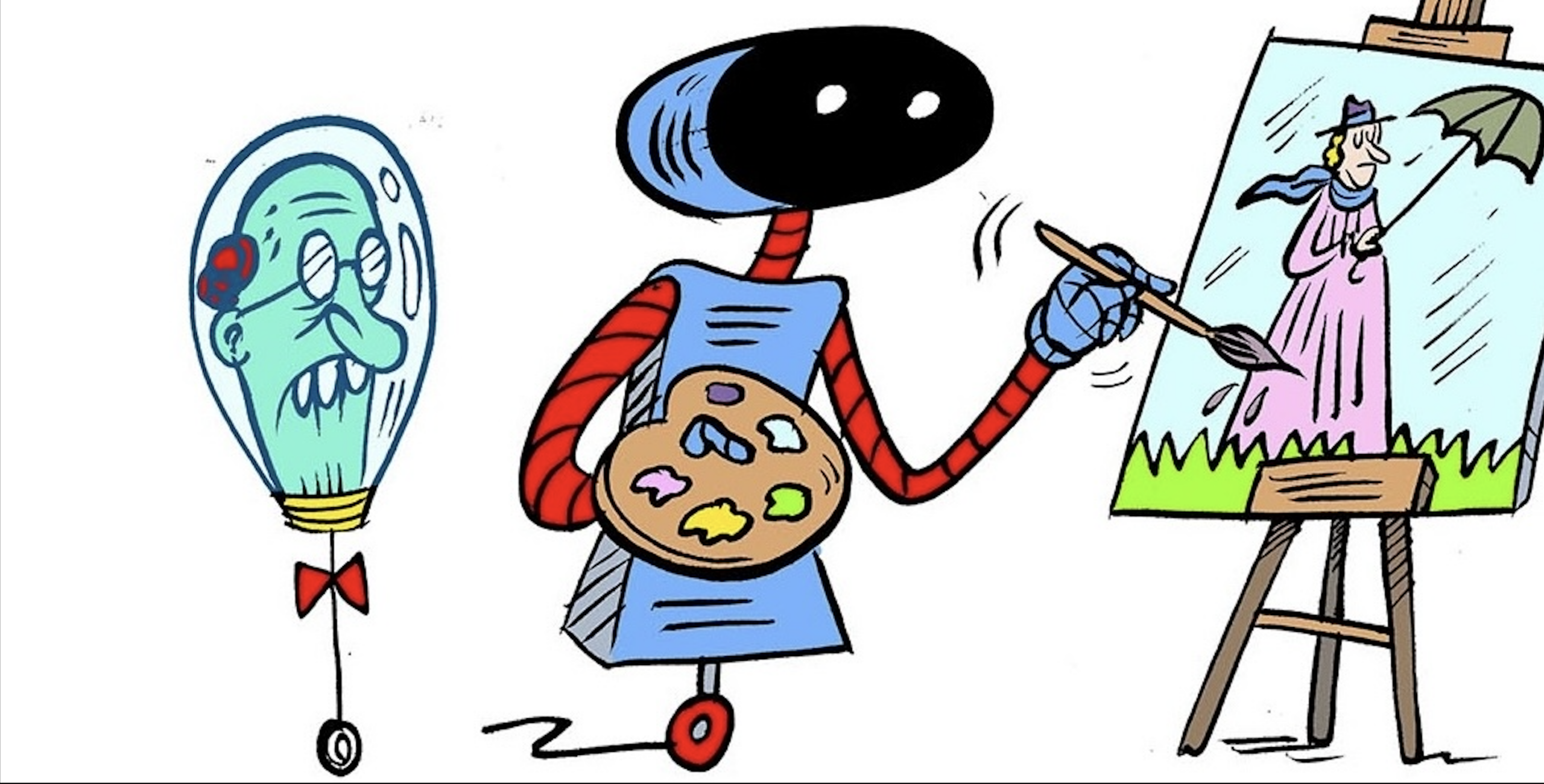
Hurricane (Ivan Manuppelli), a leading figure in Italian underground comics, creates an original comic titled "Biennale 2126" for Artribune, imagining what the Venice Biennale might look like in the future. In an accompanying interview, he discusses his satirical approach, the enduring relevance of underground comics, and the importance of critiquing power through art.

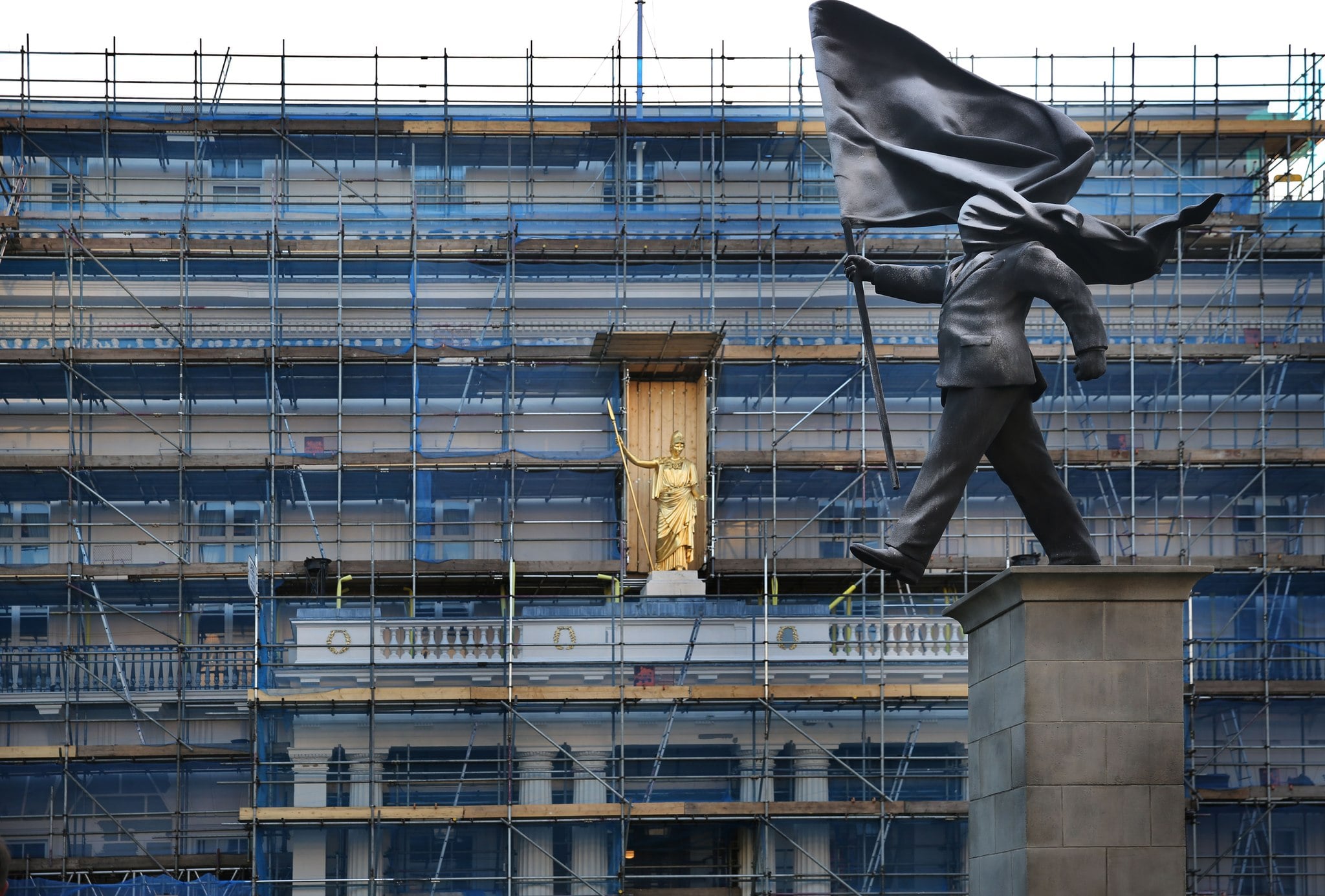
A Londra compare una statua firmata da Banksy. Trovata di marketing o davvero una nuova opera dell’artista?

A satirical statue has appeared in Waterloo Place, London, depicting a man in a suit with his face covered by a large waving flag. Initially met with skepticism due to its unusual chalk signature and three-dimensional form—departing from Banksy's typical stencil and mural work—the artist later claimed the piece via an ironic video on his Instagram page. The statue stands near the Crimean War Memorial and statues of Edward VII and Florence Nightingale, and is interpreted as a critique of authoritarian trends in democracies.

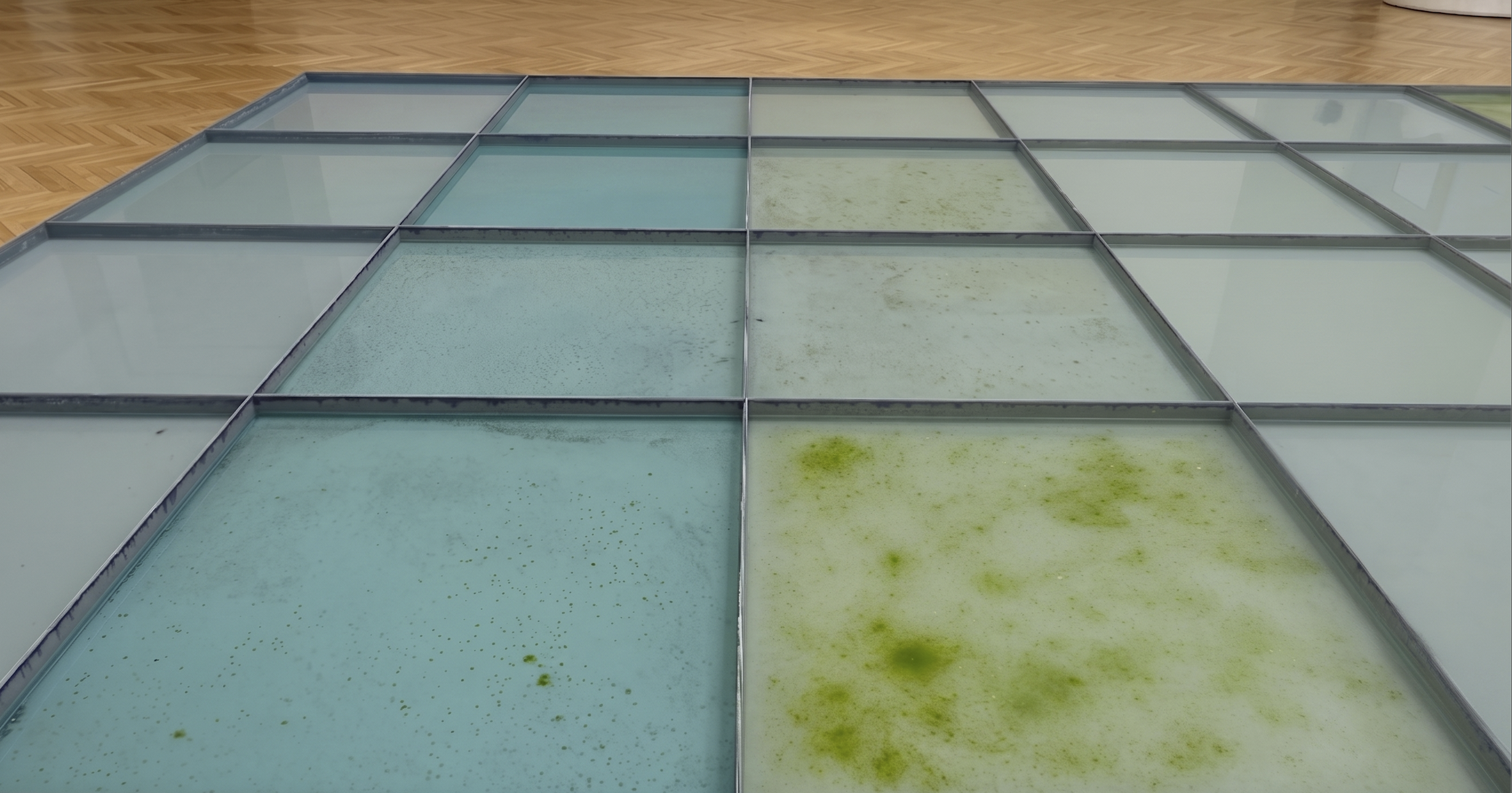
Una delle opere più importante esposte alla Galleria Nazionale di Roma sta ammuffendo

An article by Laura Carlotta Cortoni on Artribune reports that Pino Pascali's iconic 1967 work "32 mq di mare circa" ("32 square meters of sea approximately"), on display at the Galleria Nazionale d'Arte Moderna e Contemporanea (GNAMC) in Rome, is covered in mold, dust, and insects due to a total lack of maintenance. The author describes the installation as resembling a neglected warehouse and notes that visitors unfamiliar with the piece mistake the decay for an intentional environmental statement, creating a critical paradox given Pascali's own series of works titled "Muffe" (Molds).

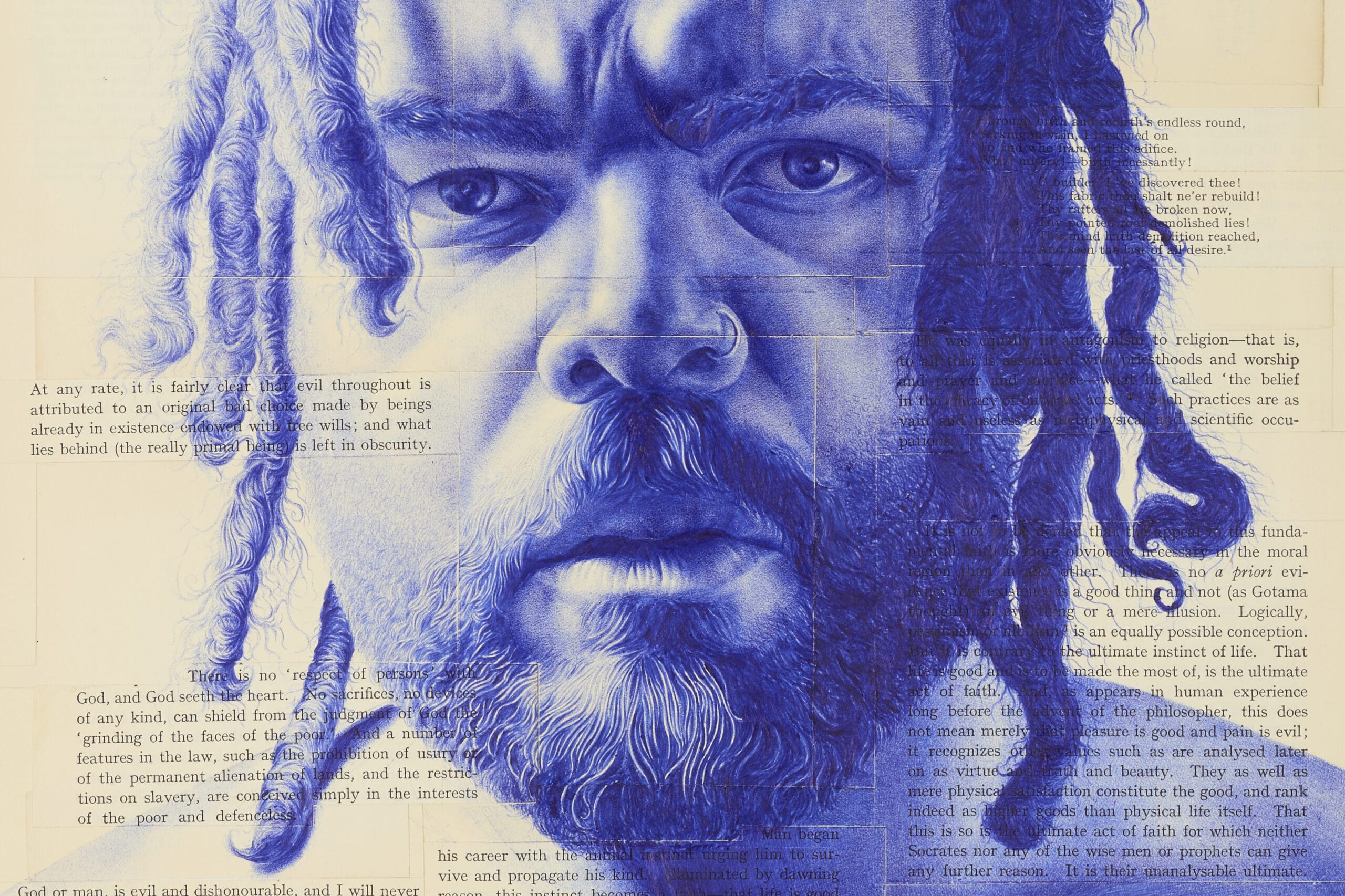
Habib Hajallie’s Meticulous Ballpoint Pen Drawings Examine the Depths of Emotion

Habib Hajallie, a Kent-based artist of Sierra Leonean and Lebanese heritage, presents a new solo exhibition titled "Black & Blue" at Larkin Durey in London. The show features meticulous ballpoint pen drawings on found fragments of philosophical and historical texts, exploring themes of memory, connection, and loss. For this series, Hajallie switched from black to blue ink as he grapples with the stillbirth of his daughter and the loss of his sister four years ago. Works include self-portraits and depictions of Black cultural figures, conveying emotions such as despair, confusion, numbness, and care.

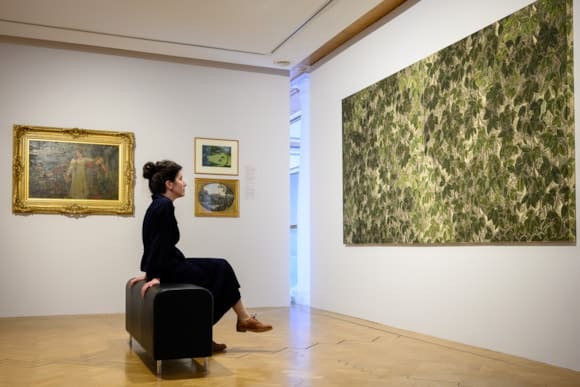
Inspiring Connections

An exhibition titled "Jean F. Watson: An Artistic Legacy" at the City of Edinburgh showcases over 40 historical and contemporary Scottish artworks acquired through the Jean F. Watson Bequest Fund. Featured artists include Arthur Melville, JD Fergusson, Anne Redpath, Joan Eardley, Eduardo Paolozzi, Elizabeth Blackadder, Alison Watt, and Leena Nammari, among others. Highlights include Fergusson's "The Blue Hat, Closerie des Lilas," Blackadder's "Irises," and a pandemic-inspired installation by Virginia Hutchison. The display spans drawing, painting, printmaking, photography, and sculpture across 250 years.

At the Venice Biennale, protests, self-mutilation and rage against Israel and Russia. Is anyone left to talk about the art?

At the 61st Venice Biennale, protests and controversies have overshadowed the art itself. The Art Not Genocide Alliance (ANGA) demonstrated against the inclusion of Israel and Russia, while the Israeli Pavilion became a flashpoint. Artist Belu-Simion Fainaru, presenting his installation "Rose of Nothingness" in a temporary space, complained that he was forced to defend his art's right to exist amid questions about politics rather than his work. The Biennale also saw barricades, strikes, the resignation of the Golden Lion jury, Iran's last-minute withdrawal, and anger directed at the American pavilion over Trump administration policies. The central exhibition, "In Minor Keys," curated by the late Koyo Kouoh, was eclipsed by these events.

3 Questions with Gallerist Daniel Cooney

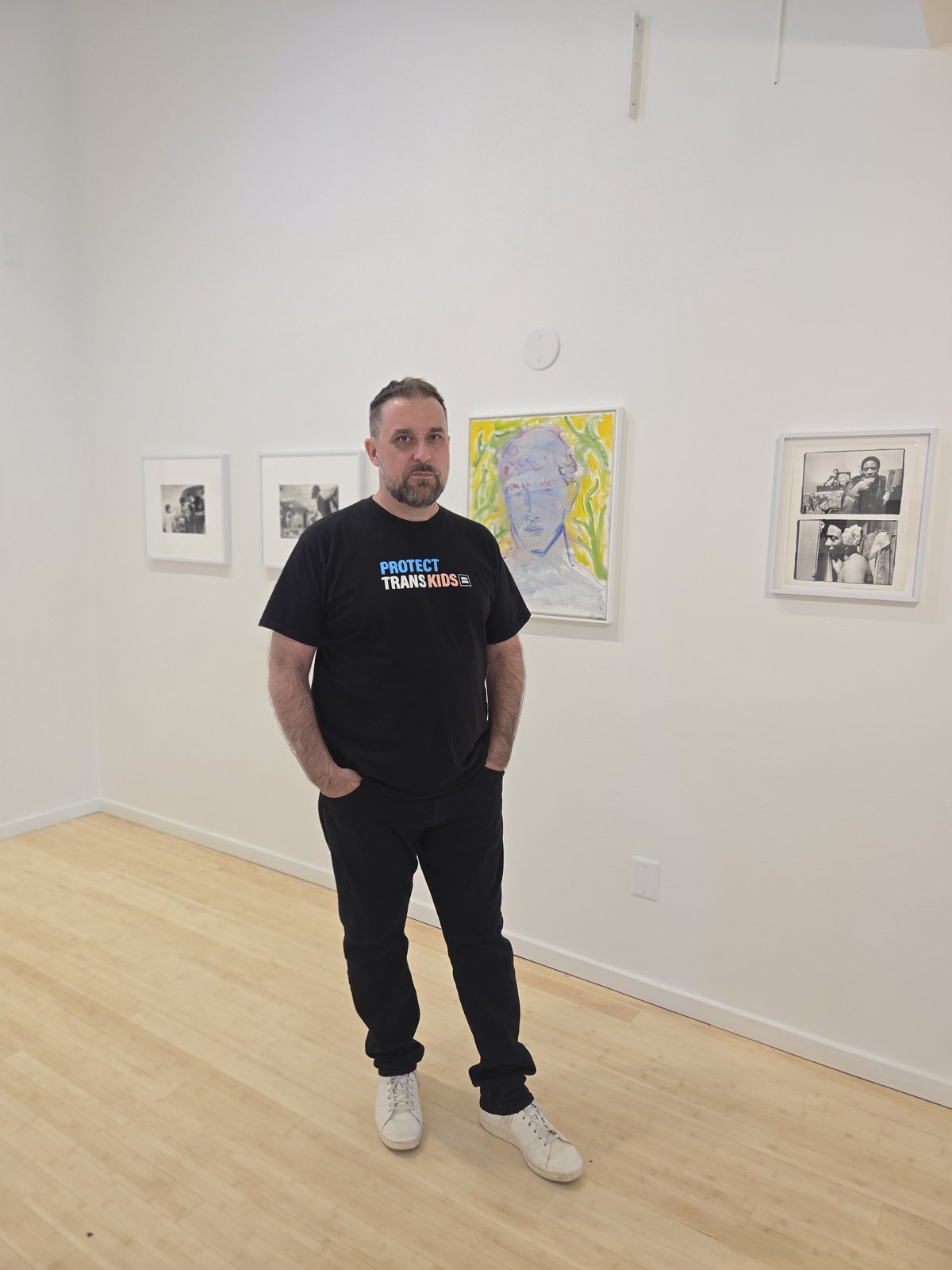
Santa Fe gallerist Daniel Cooney of Daniel Cooney Fine Art discusses his gallery's focus one year after relocating from New York City. In an interview, Cooney explains that while his gallery prominently features LGBTQ artists, its core mission is supporting underrepresented artists broadly—including emerging talents, overlooked older artists, and estates. He notes a continued emphasis on photography, his own background, but also shows other mediums. Cooney expresses interest in featuring more local New Mexico artists but has not yet integrated deeply into the local scene.

WORDS WORDS WORDS at Everard Read shows the power of words in contemporary art

The article reviews 'WORDS, WORDS, WORDS,' an exhibition at Everard Read Gallery's CIRCA space in South Africa, which explores the role of language in contemporary visual art. Curated with a focus on how words are bent, repeated, fragmented, and reassembled, the show features works by South African artists including Willem Boshoff and Luca Evans, who engage with conceptual art traditions from Dada to Barbara Kruger. Boshoff's braille-inset wooden piece 'Planet of Echinus' questions inclusion and exclusion in language, while Evans' work riffs on Joseph Kosuth's iconic text pieces using ancient wood-inlay techniques.

Fátima González Doesn’t Want You to Shy Away From Asking Your Art Questions

Fátima González, founder of Mexico City-based gallery Campeche, recounts her journey from working the front desk at Kurimanzutto to opening her own gallery. After earning a graduate degree at the School of Visual Arts in New York and returning to Kurimanzutto in sales, she left in February 2020, just before lockdown. During the pandemic, she planned her gallery, found a space in one day, and opened with a group show of all-women artists from Mexico City. Campeche is now making its Frieze New York debut.

Notre-Dame: The Lie About Respecting Viollet-le-Duc's Light

Notre-Dame : le mensonge sur le respect de la lumière de Viollet-le-Duc

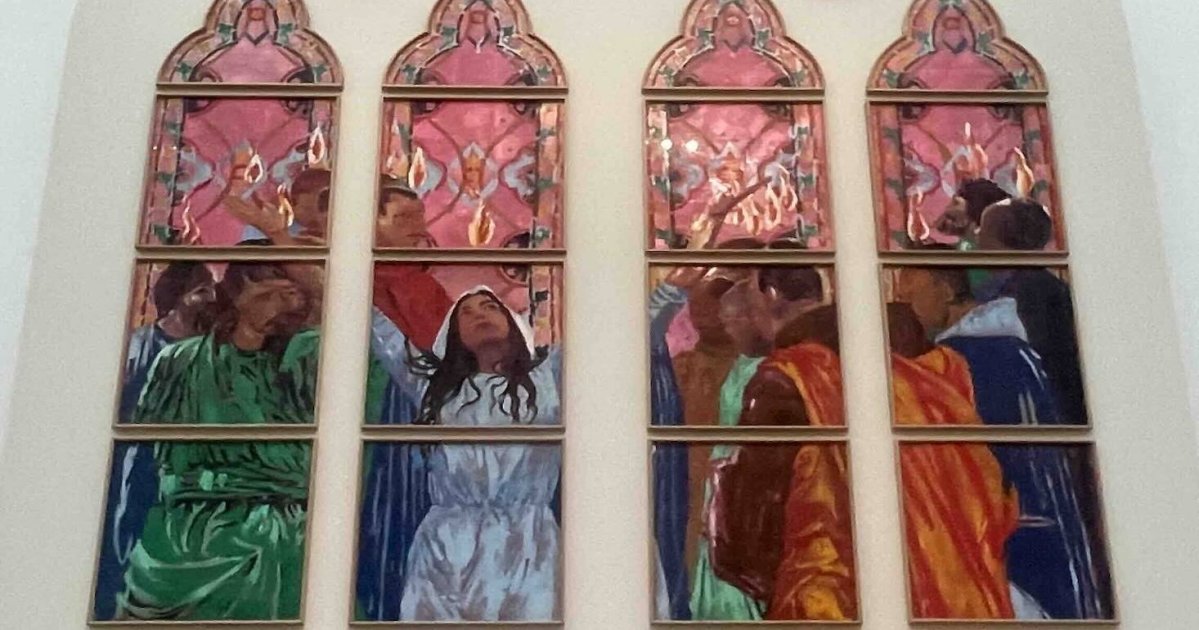
The article criticizes the planned replacement of the stained-glass windows in Notre-Dame Cathedral, designed by Claire Tabouret, arguing that the public establishment behind the project has made false claims about respecting the original light and colors of Eugène Viollet-le-Duc's 19th-century windows. The author compares the existing and proposed windows baie by baie, asserting that the new designs do not match the chromatic balance or light quality, and calls the official justification a lie. It also highlights two additional alleged falsehoods: that the law for Notre-Dame's restoration deliberately omitted the Venice Charter (when the culture minister said it was unnecessary because the charter was already binding), and that the National Commission for Heritage and Architecture had approved the window replacement (which the author claims is contradicted by the commission's own minutes and multiple members).

Hubert Robert & Fragonard. Le sentiment de la nature

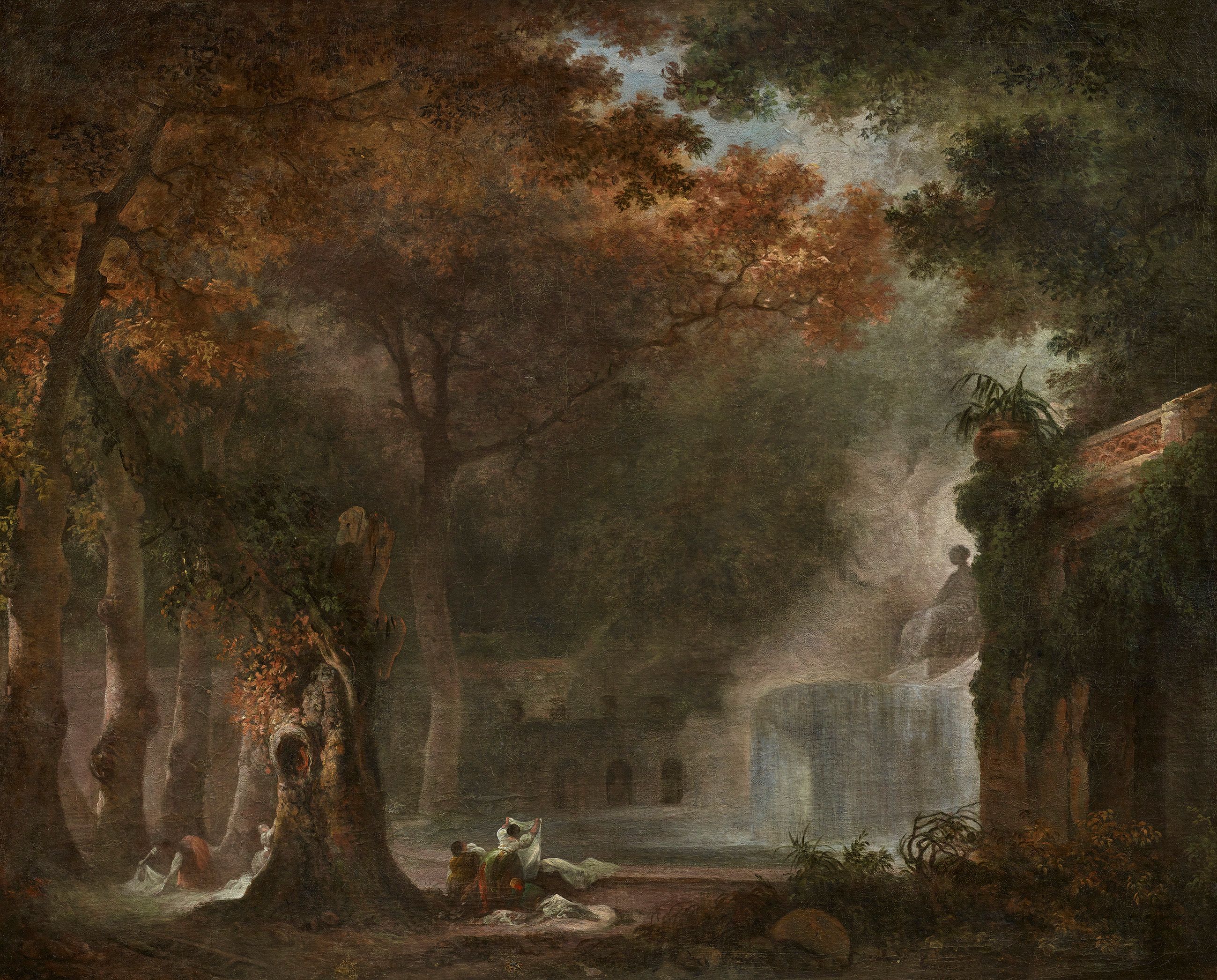
The Musée d'art et d'archéologie in Valence, France, is presenting an exhibition titled "Hubert Robert & Fragonard. Le sentiment de la nature" from March 7 to June 21, 2026. The show traces the artistic friendship between Hubert Robert and Jean-Honoré Fragonard, who met as young French artists sketching in the ruins of Rome under the guidance of Charles-Joseph Natoire. It features works from the museum's renowned collection of sanguine drawings, notably those from the foundational bequest of Julien Victor Veyrenc (1835-1836), and includes new attributions proposed by curator Sarah Catala, a graduate conservator from the Institut National du Patrimoine.

Notre-Dame : les travaux commencent, le combat se poursuit

Work has begun on replacing the stained-glass windows at Notre-Dame Cathedral in Paris, with scaffolding installed immediately after the work permit was posted. The project involves removing six ornamental windows created in 1864 by Alfred Gérente under Eugène Viollet-le-Duc and installing six new windows by artist Claire Tabouret and the master glassmakers Simon-Marq. The authorization, signed by the prefect, has sparked legal challenges from the heritage association Sites & Monuments, who argue the replacement is neither conservation nor restoration. The article details how the state's own authorization document inadvertently strengthens opponents' arguments by affirming that the entire cathedral, including Viollet-le-Duc's windows, is protected as a historic monument.

The Politics of In-action: Review of In-action: Viennese Actionism and the Passivities of Performance Art

Caroline Lillian Schopp's new book *In-action: Viennese Actionism and the Passivities of Performance Art* (2025) offers a revisionist history of Viennese Actionism, a movement retroactively named in 1970 by Peter Weibel and Valie Export. Schopp introduces the term "in-action" to describe a politics of artistic action that emphasizes intimacy, hesitation, and vulnerability rather than the violent or liberatory extremes typically associated with the movement. She expands the canon to include women artists such as Anna Brus, Hanel Koeck, and Ingrid Wiener, and reexamines the work of Rudolf Schwarzkogler, whose death was mythologized as a suicide by self-castration but was actually a fall from a window. Through close readings of photographs, Schopp argues that Schwarzkogler's performances were characterized by passivity and "in-sincerity," challenging the dominant narrative of actionism as aggressive or heroic.

Israeli organisation threatens legal action against Canadian Museum for Human Rights over Palestine exhibition

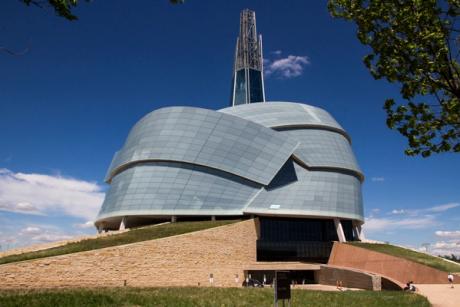
The Israeli organization Shurat Hadin has threatened legal action against the Canadian Museum for Human Rights (CMHR) in Winnipeg over its upcoming exhibition "Palestine Uprooted: Nakba Past and Present," scheduled to open on June 27. The group sent a legal letter to the museum's board and leadership, alleging the exhibition promotes a one-sided narrative that could fuel antisemitism and violate Canadian federal law, and calling for an independent review. The CMHR is reviewing the letter but declined further comment, while supporters like Independent Jewish Voices argue the museum is right to tell the story of the Nakba from the perspective of Palestinian victims.

1,200-Year-Old Limestone Lintel was Inadvertently Repatriated to Mexico Instead of to Guatemala

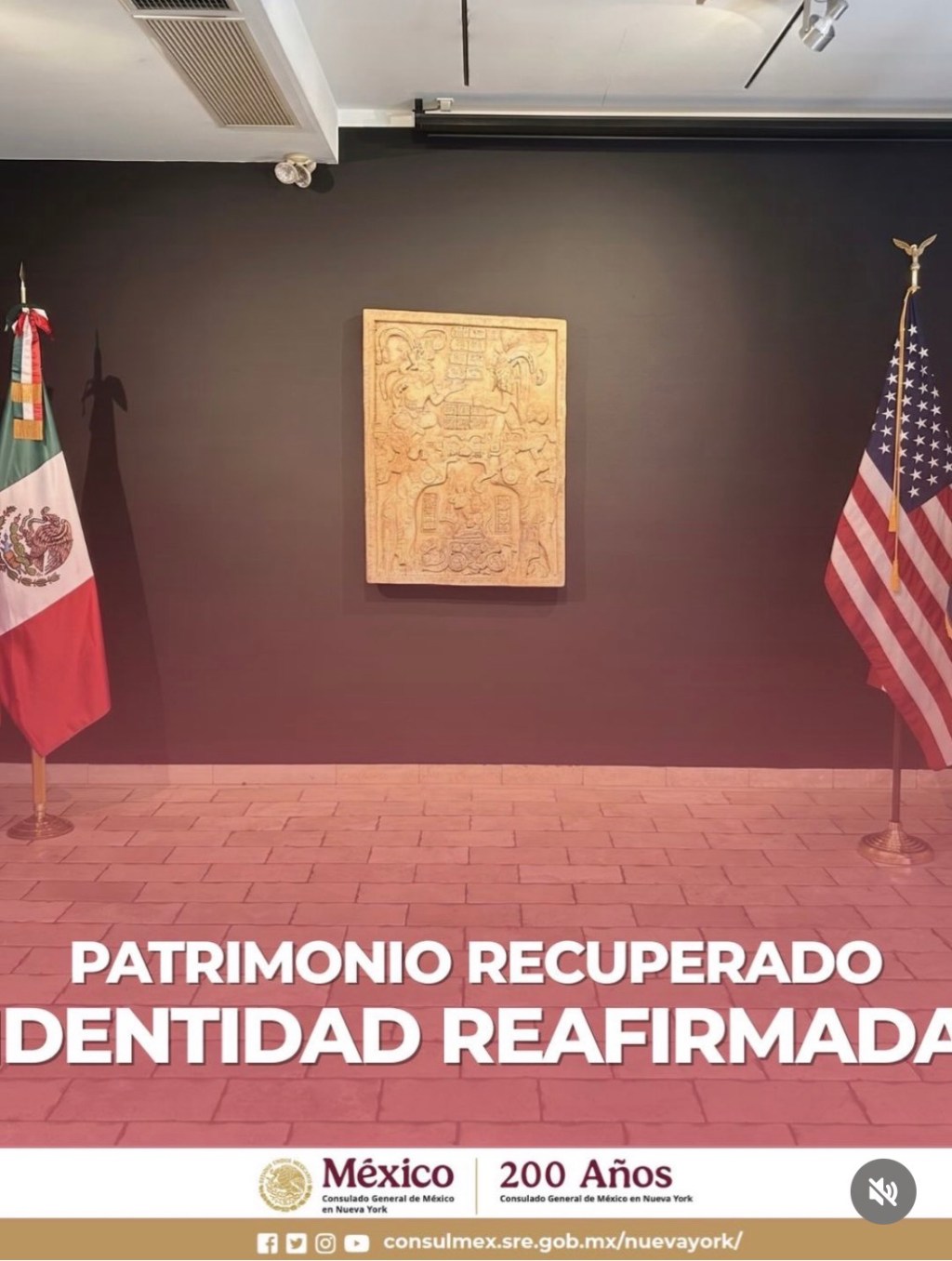
A 1,200-year-old limestone lintel, carved by the ancient Maya artist Mayuy and depicting a ruler of Yaxchilán, was repatriated from the United States to Mexico in mid-April after an American businessman turned it over to the Mexican consulate in New York. However, Guatemala's cultural minister has begun proceedings to reclaim the artifact, arguing that it was originally removed from the Guatemalan side of the Usumacinta River, not Mexico. The lintel was first documented by American explorers Dana and Ginger Lamb in the 1950s in an area called Laxtunich, and its exact provenance has been disputed by scholars.

Israel’s Artist Reportedly Pressured Venice Biennale Before Jury’s Resignation

Artist Belu-Simion Fainaru, Israel’s representative at the Venice Biennale, reportedly pressured the exhibition’s organizers before the five-person jury abruptly resigned last week. The jury, tasked with selecting Golden Lion winners, had stated it would not consider nations charged with crimes against humanity by the International Criminal Court—applying to Israel and Russia. According to Italian news agency Adnkronos, Fainaru alleged “racial discrimination” and “antisemitism,” threatened to take his claims to the European Court of Human Rights, and the Biennale warned jury members they could be held personally liable for damages. Hyperallergic confirmed the threats of legal action, and a Biennale spokesperson acknowledged the reports were true.

How sweet it is: chocolate Russell Crowe at the Malta Pavilion

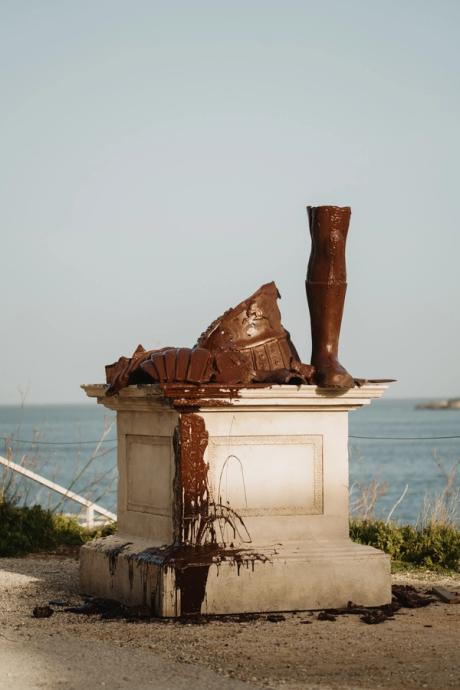
Artist Charlie Cauchi presents a 150-kg chocolate sculpture of Russell Crowe as Maximus from *Gladiator* in her installation *Dolce* at the Malta Pavilion's group exhibition *No Need To Sparkle: Experiments in Love and Revolution* in the Arsenale during the Venice Biennale. The chocolate effigy, originally made by Tiziano Cassar for the Hamrun Chocolate Festival in 2023, was previously admired by Crowe himself, who joked about being made of chocolate.

US Border Wall Construction Damages 1,000-Year-Old Indigenous Land Art in Arizona

Construction crews building a barrier between the United States and Mexico have damaged a 200-foot-long etching of a fish embedded in the land in Arizona, known as the Las Playas Intaglio, which is thought to be 1,000 years old. According to a report in the Washington Post, workers destroyed a 60-to-70-foot portion of the ancient Indigenous land art as part of President Donald Trump’s $46.5 billion border-wall project. Satellite imagery confirmed the destruction, showing bulldozer marks running through about a third of the fish formation. U.S. Customs and Border Protection acknowledged the incident, stating that a contractor inadvertently disturbed the cultural site on April 23, 2026, and that the remaining portion has been secured.

From Eurovision to the Venice Biennale, culture contests are being overshadowed by politics

The Venice Biennale and Eurovision Song Contest are being overshadowed by political controversies rather than artistic merit. At the Venice Biennale, the Russian pavilion opened for press previews for the first time since the Ukraine invasion, a decision that may cost the festival €2m in EU funds. The Israeli pavilion will open despite protests from 200 artists and curators, while the South African pavilion will remain empty after its government blocked an artist's tribute to a Palestinian poet. The Iranian pavilion is also shut, and the awarding jury has resigned en masse, meaning no Golden or Silver Lion awards will be given for the first time in 40 years. Similarly, Eurovision's 70th anniversary is dominated by five countries boycotting over Israel's participation, with little focus on the music.

1,000-year-old archaeological site bulldozed during construction of Mexico-US border wall

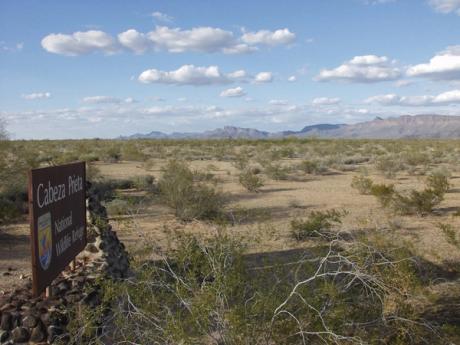
On 24 April, a Department of Homeland Security contractor bulldozed a 1,000-year-old intaglio—a 280ft by 50ft etching in the desert sand—during construction of the US-Mexico border wall in Arizona's Cabeza Prieta National Wildlife Refuge. The site, sacred to local Indigenous communities including the Hia-Ced O’odham, was part of a UNESCO biosphere and contained over 3,000 petroglyphs. Despite warnings from tribal members and refuge staff, the contractor destroyed a 70ft stretch of the fish-shaped intaglio, which elders and archaeologists describe as an irreplaceable cultural and archaeological treasure.

Preemptive Listening review – artist’s film about sirens is buzzing with sonic ideas

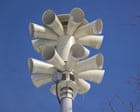
The Guardian reviews Aura Satz's art film "Preemptive Listening," which explores the cultural and political meanings of sirens as warning devices. The film features a drone shot of a siren in a residential area, a soundtrack by composer Laurie Spiegel, and commentary from British-Egyptian actor Khalid Abdalla on sirens during the 2011 Arab Spring protests. It also covers sirens on Nakba day in Palestine, a US activist linking emergency vehicle lights to danger for Black women, clocks frozen at the time of the Fukushima disaster, and a Maori activist discussing environmental catastrophe. The reviewer finds the film's ideas interesting but notes it lacks coherence as a feature-length experience, suggesting it would be better suited to a gallery setting.

U.S. Returns Hundreds of Looted Antiquities to Italy

U.S. officials formally returned 337 looted antiquities, archival materials, and artworks to Italy during a ceremony at Rome’s La Marmora barracks. The objects, spanning from the Villanovan era (900–700 B.C.E.) through the Hellenistic period (323–31 B.C.E.), include Etruscan, Greek, Italic, and Egyptian artifacts. The repatriation was coordinated by Italy’s Carabinieri Command for the Protection of Cultural Heritage, the U.S. Federal Bureau of Investigation, the Department of Homeland Security, and the office of Manhattan District Attorney Alvin Bragg Jr. Key items include a marble head of Alexander the Great, a bronze sculpture from Herculaneum, and Egyptian basalt sculptures. Some 221 objects were recovered via the Manhattan DA, while the remaining 116 were secured with help from Christie’s.

Row Over Russia’s Return to the Venice Biennale Deepens

Newly leaked emails reveal that the Venice Biennale has been secretly coordinating with Russia since last summer to facilitate its return to the 2025 edition, despite ongoing international sanctions. The correspondence, published by Italian outlets Open and La Repubblica, shows Biennale president Pietrangelo Buttafuoco, director Andrea Del Mercato, and Russian commissioner Anastasia Karneeva working together on visa issues, pavilion logistics, and a legal strategy to bypass E.U. sanctions prohibiting collaboration with state-backed Russian entities. Russia's pavilion will be open during preview days with performers activating the space, while footage will play for the public from a closed pavilion thereafter.

Can a Venice Biennale Pavilion Be Rock ‘n’ Roll? At the Belgium Pavilion, Miet Warlop Makes the Case.

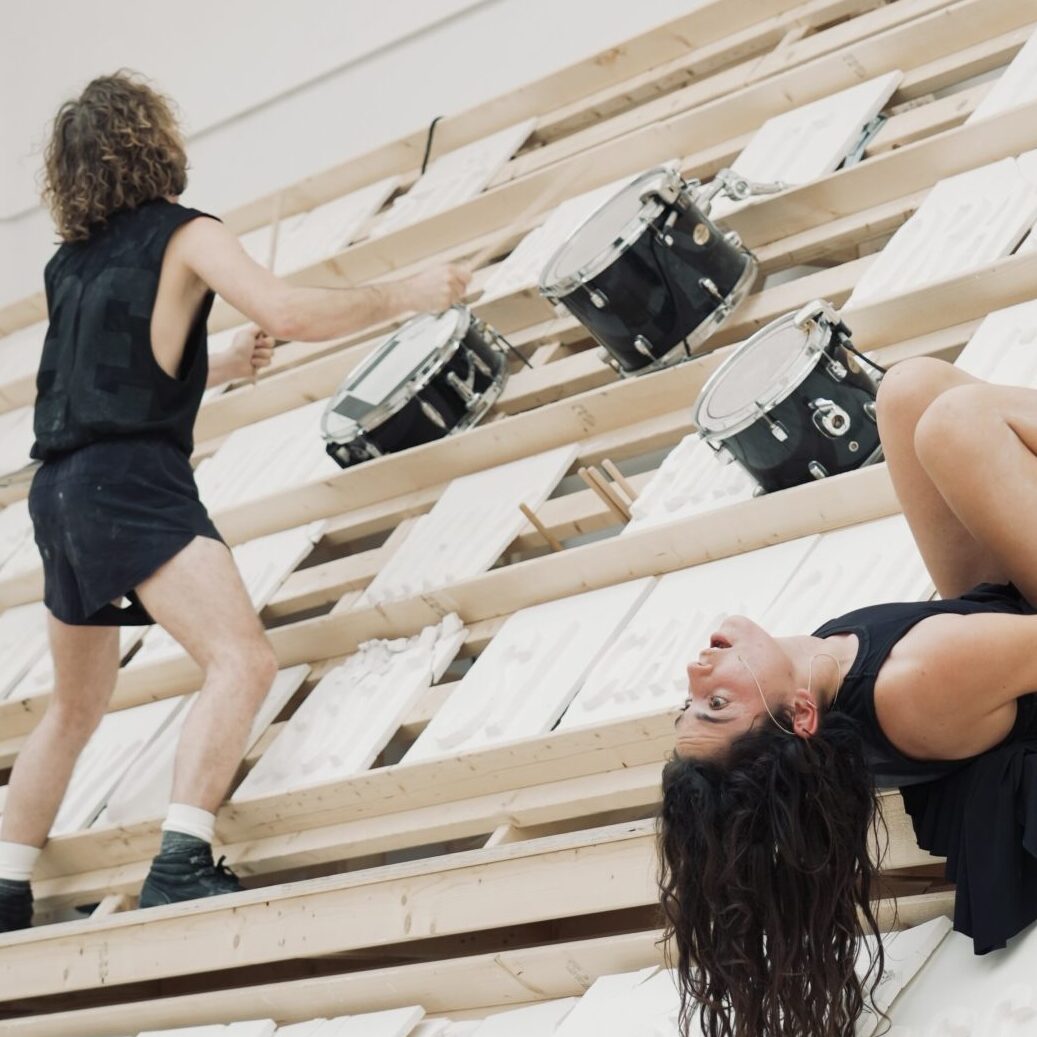
Miet Warlop, a Belgian artist known for her avant-garde theater work, is representing Belgium at the 2026 Venice Biennale with a performance-installation titled "IT NEVER SSST." The project transforms the Belgian Pavilion into a chaotic, sensory-filled space where performers climb wooden structures, bang drums, and break plaster boards inscribed with multilingual text, reflecting the noise and misunderstandings of contemporary life. Curated by Caroline Dumalin, the pavilion blurs the line between theater and visual art, with live performances occurring only part of the time while sculptors continuously remake plaster reliefs throughout the Biennale's run.