filter_list Showing 653 results for "Ancient" close Clear
search
dashboard All 653 museum exhibitions 344article news 142article culture 42article local 31gavel restitution 27article policy 24trending_up market 18rate_review review 12person people 8candle obituary 5
date_range Range Today This Week This Month All
Subscribe

san francisco asian art museum returns sculptures thailand

Four ancient bronze sculptures illegally removed from Thailand in the 1960s have been repatriated from San Francisco’s Asian Art Museum to their original home in Thailand, following an investigation led by the US Department of Homeland Security. The works, which were featured in the museum’s 2024 exhibition “Moving Objects: Learning from Local and Global Communities,” were linked to convicted antiquities trafficker Douglas Latchford and had been acquired by the museum’s founding collector Avery Brundage. The Asian Art Commission unanimously approved the return after a two-stage voting process that began in September 2024 and concluded in April 2025.

lower pecos cave paintings radiocarbon date

Three Texas-based researchers have successfully radiocarbon dated ancient cave paintings in the Lower Pecos Canyonlands along the Rio Grande border between Mexico and West Texas, using a novel combination of technologies. By dating the deer bone marrow used as a paint binder—rather than the mineral pigments themselves—and employing plasma oxidation to extract carbon, the team analyzed 53 figures across 12 sites. Their findings, published in *Science Advances*, reveal that individual murals were created in single painting events, not accumulated over centuries, and that the paintings span four millennia, from about 5,760 to 1,035 years ago.

egyptian ceramic vessel ancient pompeii canteen

A nearly 2,000-year-old Egyptian ceramic vessel, a bucket-shaped situla, was discovered during conservation work at the Thermopolium of Regio V in Pompeii. The faience pot, decorated with Egyptian-style hunting reliefs, was found in the kitchen of a well-preserved fast-food restaurant that served the working- and middle-class residents of the Roman city before its destruction by Mount Vesuvius in 79 CE. The discovery was published by the Pompeii Archaeological Park’s online journal.

ancient egyptian iconography roman bathhouse sagalassos turkey

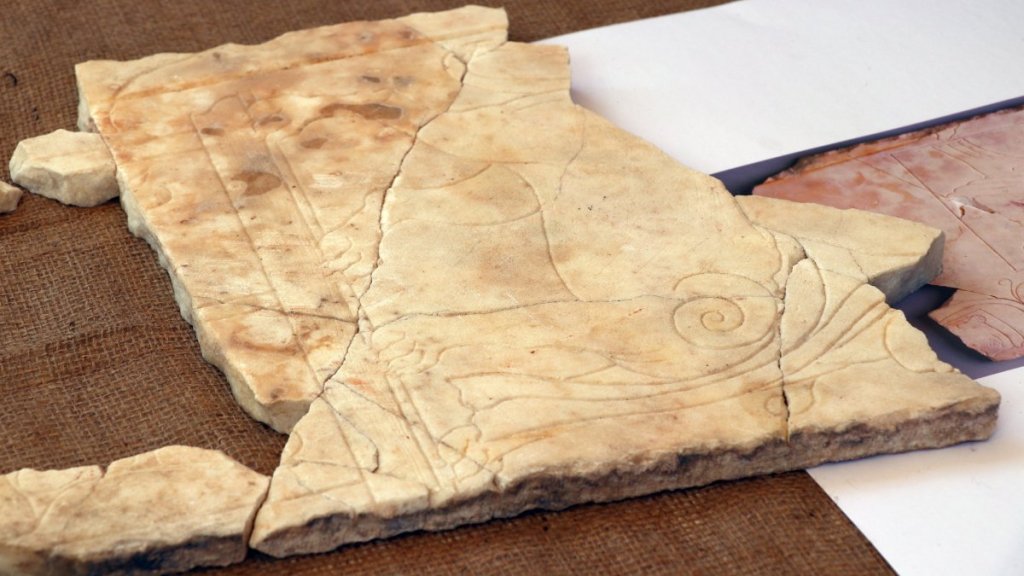
Archaeologists have identified ancient Egyptian iconography on a marble lintel in a Roman-era bathhouse at Sagalassos, Turkey. The carving depicts the sphinx god Tutu, flanked by two human figures wearing the crowns of Upper and Lower Egypt, along with deities Horus and Sobek. Dating to the reign of Emperor Augustus (27 BCE–14 CE), the panel was found in the frigidarium and was sourced from marble quarried over 124 miles away in the Afyonkarahisar region.

ancient rome new orleans tombstone

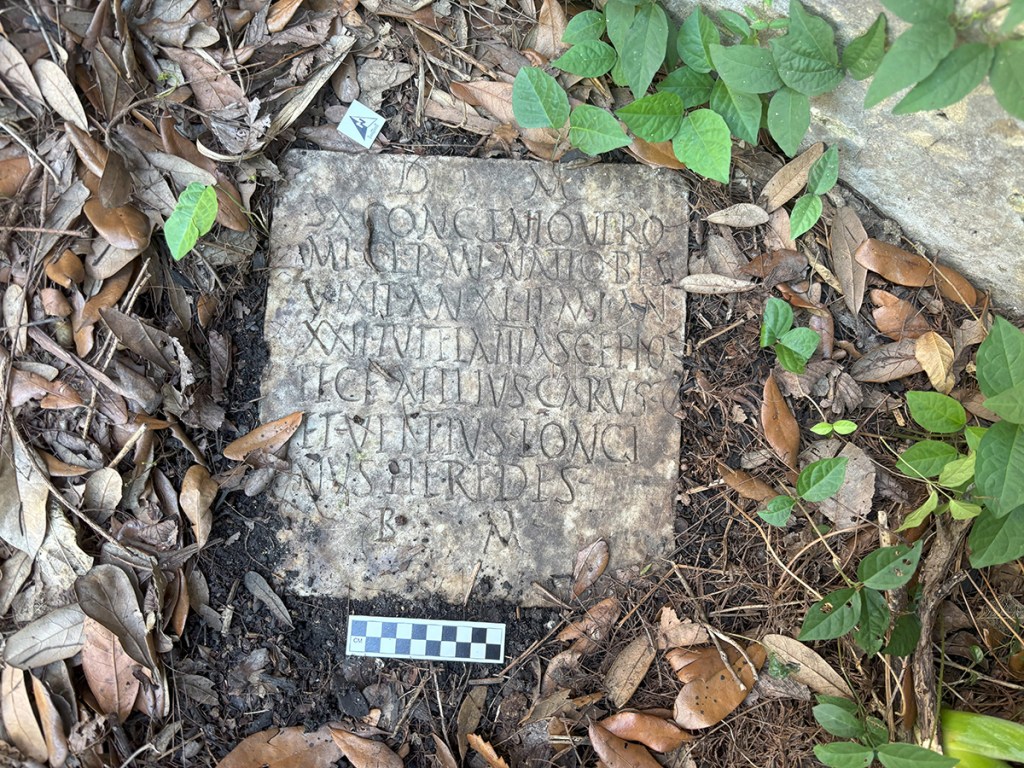
A 2nd-century Roman gravestone inscribed for a sailor named Sextus Congenius Verus was discovered in March 2025 by Daniella Santoro and Aaron Lorenz while doing yard work at their New Orleans home. University of New Orleans archaeologist D. Ryan Gray, working with colleagues at the University of Innsbruck and Tulane University, traced the stone to a missing object from a museum in Civitavecchia, Italy. Researchers believe it was brought to the U.S. as a souvenir by a member of the 34th division of the Fifth Army after the liberation of Rome in 1944. The FBI’s Art Crime Team is now involved in repatriating the headstone to Italy.

a new study conducted the most comprehensive survey of egypts karnak temple revealing unprecedented detail

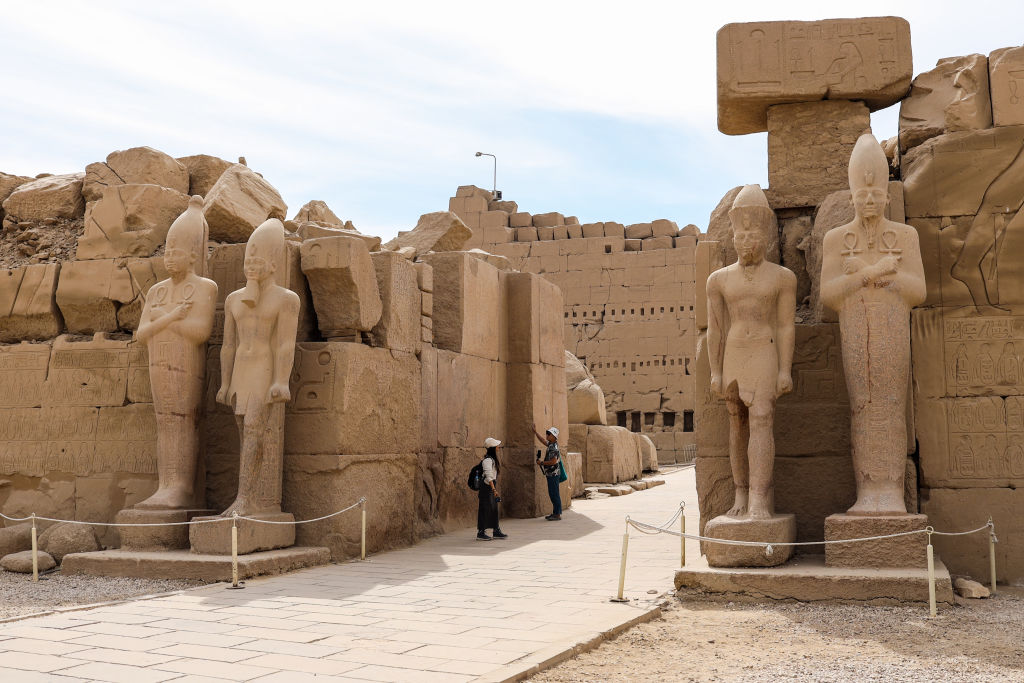
A new study published in the journal Antiquity reveals that Egypt’s Karnak Temple was originally built on a small island, or “fluvial terrace,” surrounded by river channels. The research, led by Ben Pennington of the University of Southampton, is the first comprehensive geoarchaeological survey of the site, analyzing 61 sediment cores and thousands of ceramic fragments. It dates the earliest occupation of Karnak to around 2520 BCE, with ceramics from 2305–1980 BCE, and shows that ancient Egyptians geo-engineered the landscape by dumping desert sand into channels to create new building land.

statue egypt saqqara archaeology grave robbers

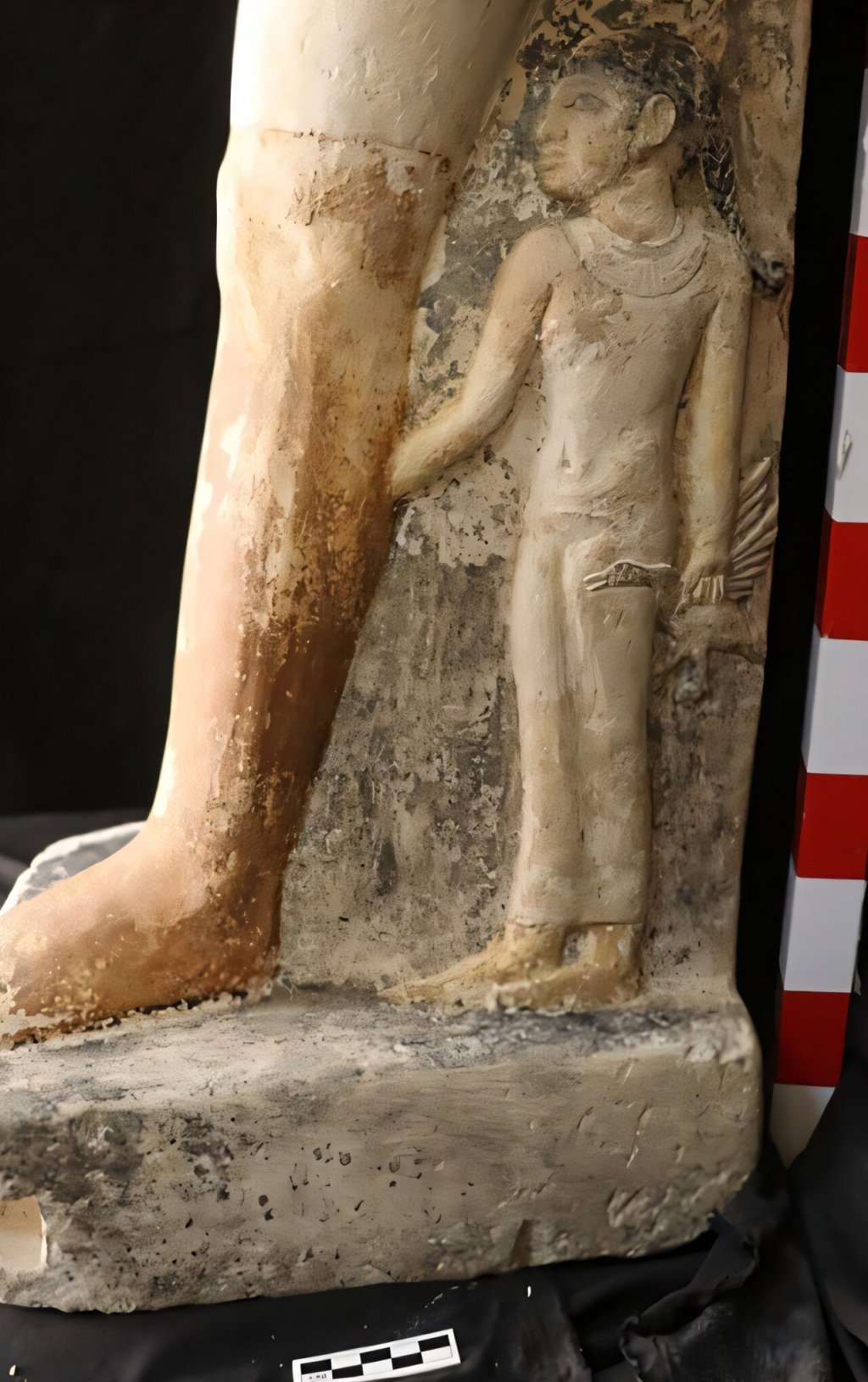
Archaeologists working at the Gisr el-Mudir enclosure in Saqqara, Egypt, discovered an unusual limestone statue left behind by grave robbers. Unearthed in 2021 but detailed only recently by Zahi Hawass and Sarah Abdoh in the Journal of Egyptian Archaeology, the statue depicts a nobleman, his wife, and their young daughter. The daughter is carved in bas-relief rather than fully in the round, a stylistic departure from typical Old Kingdom family statuary.

egyptian antiquities trafficker jfk airport prison sentence

Egyptian doctor Ashraf Omar Eldarir has been sentenced to six months in prison by U.S. District Judge Rachel P. Kovner for smuggling hundreds of ancient Egyptian artifacts into the United States. Eldarir was arrested in 2019 after importing over 600 artifacts without declaring them on customs forms, including a polychrome relief, Roman limestone pieces, gold amulets, and wooden tomb model figures dating to 1900 BCE. The largest seizure of smuggled antiquities at JFK Airport occurred in January 2020, when customs officers found 590 artifacts wrapped in bubble wrap and foam, with loose sand and dirt indicating recent excavation. Eldarir pleaded guilty to four counts of smuggling and used fake provenances—including forged documents and photoshopped photographs—to sell artifacts at U.S. auction houses.

murujuga rock art australia receives unesco world heritage status

UNESCO has granted World Heritage status to Murujuga, an ancient Aboriginal rock art site in Western Australia's Pilbara region, despite concerns about its vulnerability to emissions from nearby gas and fertilizer plants. The site contains over 1 million petroglyphs, including the oldest known depiction of a human face, dating back up to 50,000 years. Indigenous groups campaigned for two decades for protection, and the Australian government nominated the site in 2023. However, the Karratha Gas Plant, operated by Woodside Energy, sits on the nominated land, and ICOMOS had warned that emissions pose a risk to the rock art. The UNESCO designation was unanimous, but an amendment was added requiring Australia to continue monitoring industrial impact.

archaeologists peru ancient 3500 year old city penico

Peru’s Ministry of Culture has unveiled the archaeological site of Peñico, a 3,500-year-old city in the province of Huaura, after eight years of research and conservation. Dating back to 1800 BCE, the “City of Social Integration” was strategically built to enhance monumentality, prevent flooding, and promote trade. It likely served as a hub linking Pacific coast cultures with the Andes and Amazon. Archaeologist Ruth Shady, director of the Caral Archaeological Zone, led the research and noted that Peñico emerged after the Caral civilization was devastated by climate change. The site includes 18 structures, among them a major administrative building with depictions of conch shell trumpets called pututus, and yielded artifacts such as clay sculptures, necklaces, and stone tools. The site opened for tourism on July 3, with a traditional Andean festival planned for July 12.

pompeii garden of hercules restoration

The Pompeii Archaeological Park has unveiled the restored Garden of Hercules, replanted with 1,200 violets, 1,000 ruscus plants, 800 antique roses, vines, and fruit trees to mirror its appearance 2,000 years ago. The restoration is based on botanical research from the 1950s by Wilhelmina Jashemski, who identified pollen, spores, and plant fossils at the site. The garden, located on Regio VIII, Insula 2, also features a recreated ancient irrigation system and a terracotta statue of Hercules, and was once used for commercial perfume production.

murujuga rock art woodside gas unesco concerns

Australian politicians are pushing back against UNESCO's concerns that ancient rock art in Murujuga, Western Australia, is endangered by the proposed expansion of the Karratha Gas Plant, operated by Woodside Energy. The site contains up to 1 million petroglyphs, some dating back 47,000 years, and UNESCO's advisory body ICOMOS has warned that industrial emissions are a major threat. Australia's environmental minister Murray Watt has disputed ICOMOS's findings, calling them factually inaccurate, while Woodside claims the expansion will help transition away from coal and achieve net zero by 2050.

looted antiquities sold facebook marketplace palmyra syria

Thieves in Syria are looting ancient artifacts from archaeological sites like Palmyra, a UNESCO World Heritage city dating back to the 3rd century BCE, and selling them on Facebook Marketplace. The looting has surged since the overthrow of former president Bashar al-Assad in December, with traffickers listing funerary gold, statues, and mosaics alongside ordinary secondhand goods. The Antiquities Trafficking and Heritage Anthropology Research (ATHAR) Project reports that nearly one-third of its 1,500 Syrian cases occurred in December alone, and sales are happening faster than ever—mosaics that once took a year to sell now move in two weeks.

how nebra sky disc made study

Researchers from Otto-von-Guericke University in Magdeburg, Germany, and the Saxony-Anhalt-State Museum of Prehistory, in collaboration with engineering firm DeltaSigma Analytics and coppersmith Herbert Bauer, have successfully replicated the manufacturing process of the Nebra Sky Disk, a 3,600-year-old bronze artifact depicting the cosmos. By analyzing a small sample of the disk using advanced techniques like energy dispersive X-ray spectroscopy and electron backscatter diffraction, the team determined the disk was cast and then forged at least 10 times through repeated heating and hammering. Bauer replicated this by annealing a similar metal mixture 55 times, revealing that the disk's microstructure matches a stage after 10 forging cycles, not the final 55, indicating the original preform was thinner and wider than assumed.

women ancient pompeii

A new exhibition at the Pompeii Archaeological Park, titled “Being a Woman in Ancient Pompeii,” aims to correct centuries of historical neglect by highlighting the lives of real women from the ancient city. Through frescoes, artifacts, inscriptions, and an interactive app, the show presents the stories of entrepreneurs, priestesses, innkeepers, artisans, sex workers, and slaves—including Clodia Nigella, a public pig-keeper; Faustilla, a pawnbroker; Asellina, a tavern owner who employed bar workers and sex workers; Julia Felix, an independent property owner who rented out her bathhouse; and Eumachia, a businesswoman. Co-curated by archaeologist Francesca Ghedini, the exhibition uses archaeological evidence to reconstruct the personalities and daily activities of these women, whose roles have long been obscured by male-dominated historical narratives.

scientists recreate egyptian blue pigment

A team of researchers has successfully recreated Egyptian blue, the world's oldest synthetic pigment, which was used by ancient Egyptians from as early as 3100 B.C.E. The study, published in NPJ Heritage Science, was led by John S. McCloy of Washington State University and Edward P. Vicenzi of the Smithsonian Institution's Museum Conservation Institute, in collaboration with the Carnegie Museum of Natural History. The researchers experimented with various minerals, heating them in ovens at around 1,000 degrees Celsius for up to 11 hours, and used modern microscopy and analysis techniques to compare their results with ancient artifacts from the Carnegie Museum's collection.

eu import regulations

The European Union's Regulation 2019/880, aimed at combating illicit trafficking and terrorism, will take effect on June 28, imposing stricter import controls on antiquities and artworks over 200 years old and valued above €18,000 ($19,500). The regulation requires importers to provide evidence that an object was lawfully exported from its country of origin, even for items exported decades ago when such documentation was not required. This reverses the presumption of innocence, placing the burden of proof on importers. Dealers and experts express concern that the rules are not based on market realities, as importers must be registered within the E.U., forcing non-E.U. dealers to rely on third-party agents or shippers. The regulation also poses challenges for ancient objects, where borders and export controls may be historically ambiguous.

peru halves protected area near nazca lines

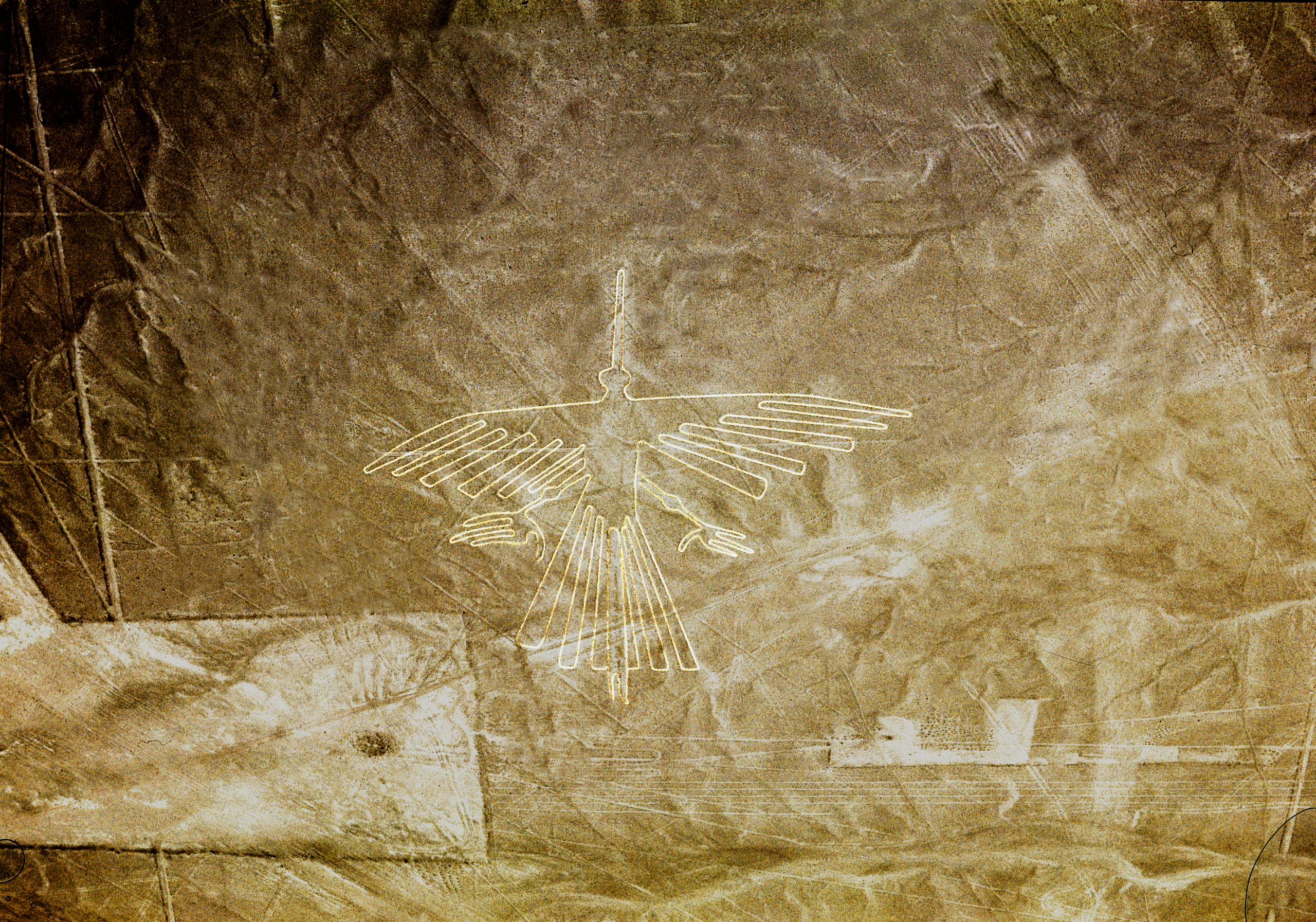
Peru's Culture Ministry has reduced the protected area surrounding the Nazca Lines by nearly half, from approximately 2,162 square miles to 1,235 square miles. The move shrinks the Nazca Archaeological Reserve, a UNESCO World Heritage Site, and archaeologists warn it could expose the ancient geoglyphs to exploitation by informal miners seeking to legitimize their operations amid a global surge in precious metal prices.

nazca lines reduced reserve plan

Peru’s Ministry of Culture has announced a plan to shrink the Nazca Lines and Geoglyphs Archaeological Reserve from 2,175 square miles to 1,236 square miles—a reduction of more than 40 percent. The decision, formalized in a May 28 resolution, has drawn sharp criticism from archaeologists, environmentalists, and former officials, who argue it removes protections from areas where informal mining is expanding. Vice Minister Moira Novoa Silva cited economic development and community participation as motivations, but critics say the move violates Peru’s environmental impact assessment law and could damage the UNESCO World Heritage site.

mrbeast mexico ancient mayan sites outrage

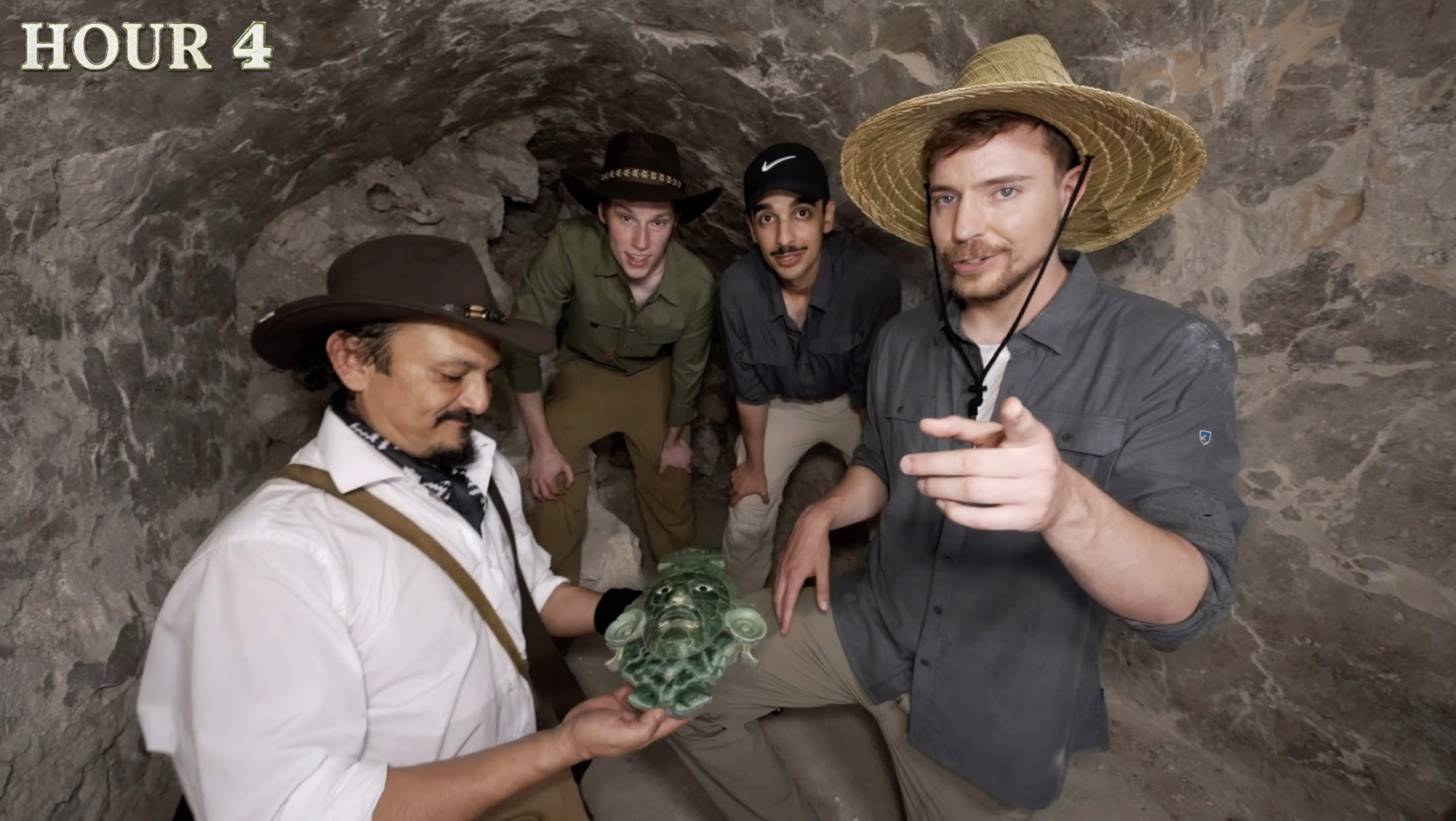
Mexico’s National Institute of Anthropology and History (INAH) has filed an administrative lawsuit against the production company of YouTuber MrBeast (James Donaldson) over a video titled “I Explored 2000 Year Old Ancient Temples,” uploaded on May 10, 2025. The video shows MrBeast and his companions exploring Mayan sites in Yucatán, including Chichén Itzá, Calakmul, and Balamcanché, and features a scene where he promotes his snack brand Feastables as “the only Mayan-approved snack on the planet.” INAH alleges that the permit granted to Full Circle Media did not authorize commercial advertising or false information, and it demands compensation and a public retraction. The controversy escalated after Mexico’s President Claudia Sheinbaum called for further investigation into whether the permit was violated.

parthenon dark lighting effects

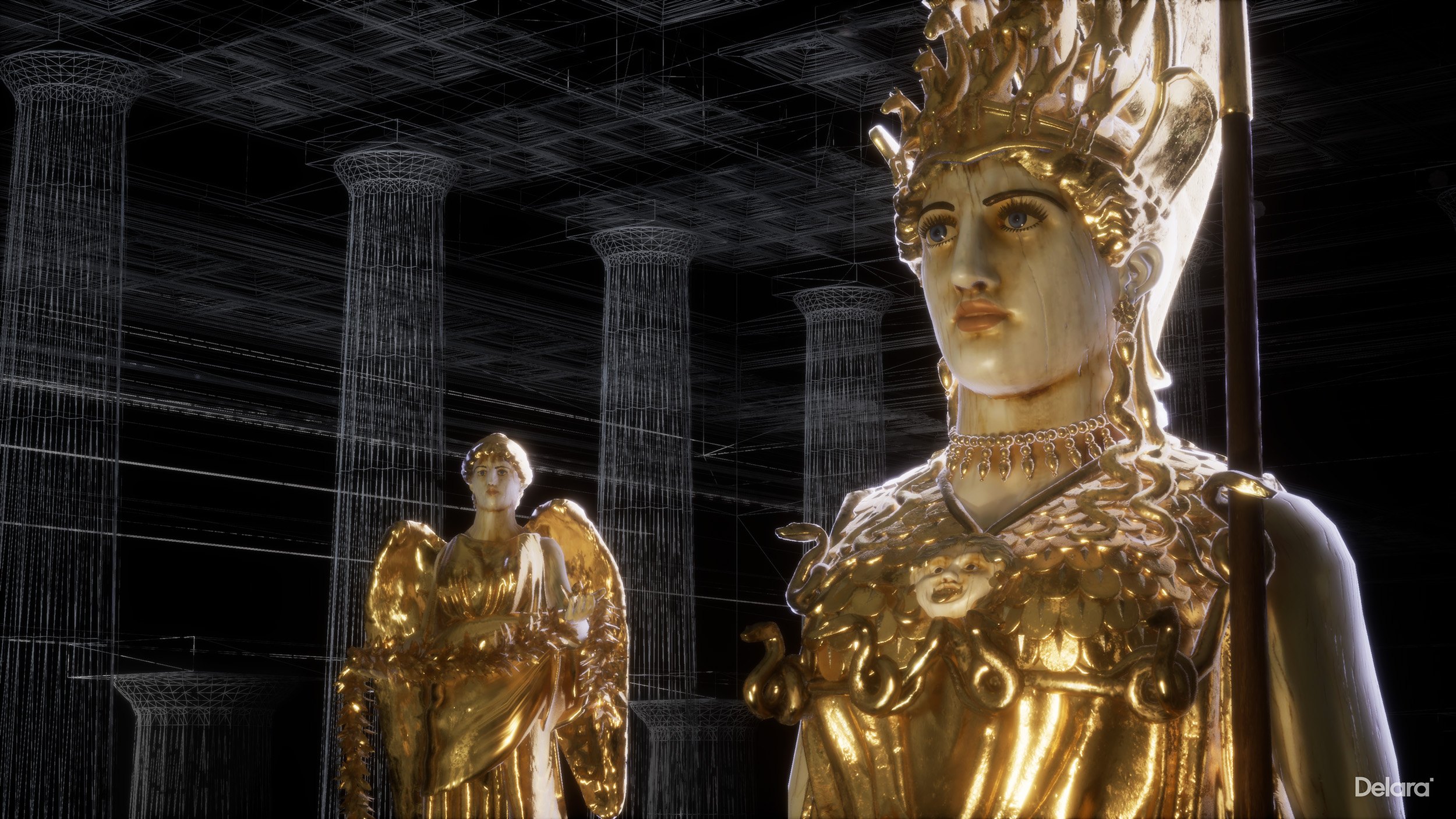
Archaeologist Juan de Lara of Oxford University has published a paper challenging the long-held belief that the Parthenon in Athens was a brightly lit, open space. Using a 3D model that simulates natural and artificial light, Lara argues the temple was actually dark and dim, with sunlight barely reaching the statue of Athena's waist and a wooden ceiling blocking any translucency from marble roof tiles. He also suggests that hand-held torches, rather than numerous lamps, were used for artificial light, and that the reflective pool in front of Athena's statue did little to illuminate the space.

ancient greek author title oxford herculaneum scroll

Researchers have identified the title and author of a charred scroll from Herculaneum, which was buried by the 79 CE eruption of Mount Vesuvius. Using X-ray imaging and AI analysis at the Diamond synchrotron facility in Oxfordshire, they determined the scroll is part of the multivolume work *On Vices* by the Epicurean philosopher Philodemus, dating to the 1st century CE. The scroll is one of three from the Villa of the Papyri housed at the Bodleian Libraries, Oxford University, and its contents had been unknown for 2,000 years. The discovery was awarded the $60,000 first title prize from the Vesuvius Challenge, an international competition that uses AI to decipher the unopenable scrolls.

jewels buddha auction sothebys hong kong piprahwa gems

Sotheby’s Hong Kong will auction a collection of several hundred ancient Indian gem relics linked to Buddha’s mortal remains, known as the Piprahwa Gems, on May 7. The gems, dating to the Mauryan Empire (circa 240–200 BC), were unearthed in 1898 by British engineer William Caxton Peppé in Piprahwa, India, and have been held in a private British collection for over a century. The sale is estimated at HK$100 million (about $12.9 million USD).

huge olmec heads mesoamerica

A farmer in southern Mexico discovered the first Olmec head in the late 1850s while clearing land for corn cultivation. Since then, 17 colossal stone heads have been unearthed, primarily at the San Lorenzo Tenochtitlan archaeological site in Veracruz. Carved by the Olmec civilization between 1200 and 400 B.C.E., these basalt monuments range from 3.5 to 11.5 feet tall and weigh up to 45 tons. Each head features unique facial expressions and is thought to depict individual Olmec rulers, possibly serving as funerary monuments. The heads are now held by institutions such as the National Museum of Anthropology in Mexico City and the Xalapa Museum of Anthropology.

great sphinx origin

The article examines the enduring mystery of who the Great Sphinx of Giza was modeled after. While the 66-foot-tall statue is universally recognized, its origins remain debated among Egyptologists. Some believe Pharaoh Khafre commissioned it in his own image, citing a 1853 discovery of a Khafre statue nearby and a connecting road to his pyramid. Others argue it was built by Khafre's brother Redjedef to honor their father Khufu, the builder of the Great Pyramid. Damage to the Sphinx's nose from erosion and human conflict complicates identification.

Step Aboard the Superyacht Circling This Year’s Cannes Film Festival

Over the weekend of the Cannes Film Festival, director Ron Howard premiered his documentary *Avedon*, which traces photographer Richard Avedon's rise from a working-class Jewish immigrant background to a defining chronicler of American culture. The film received a second life aboard the Renaissance superyacht with a party hosted by editor Graydon Carter, Ancient chairman and CEO Alexander Klabin, and Burgess chief executive John Beckett. Guests included actors Natasha Lyonne and Rosemarie Dewitt, photographer Jean Pigozzi, model Eddie Mitsou, Avedon's grandchildren Michael, Matthew, and Caroline Avedon, and producers Courtney Kivowitz, Sara Bernstein, Darcie Reisler, Dallas Rexer, Chris St. John, and Justin Wilkes. The after-hours cocktail allowed attendees to relive the film's most impactful scenes while mingling with the producers and the photographer's family.

art rob teeters art advisor sagaponack home collecting

Art advisor Rob Teeters opens his 1950s Sagaponack home to CULTURED magazine, revealing how he curates his personal collection alongside his husband, ceramicist Bruce M. Sherman. The home features a mix of ancient artifacts, such as a third-century Roman marble head, and contemporary works by Wade Guyton, Sherrie Levine, and Matias Faldbakken, alongside Sherman's own polychrome ceramics. Teeters, who founded Front Desk Apparatus in 2006 and leads the Dallas nonprofit art space the Power Station, discusses the nuanced process of living with art and how arrangement, lighting, and even the texture of a room affect the experience.

art mimosa echard amant show france

French artist Mimosa Echard presents "Facial," a new exhibition at Amant in East Williamsburg, Brooklyn, running through February 16, 2026. The show features a series of palimpsest-like canvases and a video work of Times Square, inspired by Echard's pedestrian observations of New York City. Key motifs include ginkgo trees—which she links to survival, ancient sexuality, and the city's olfactory character—and the repetitive eye imagery found on beauty salon facades, which she interprets as a form of "sweet surveillance." Echard, who won the Prix Marcel Duchamp in 2022, created the works during a two-month residency in the neighborhood, drawing on her characteristic blend of botanical and digital themes.

Theodoros Papagiannis: Reusing Materials For Art’s Slow Arrow, As An Antidote To Barbarism

Theodoros Papagiannis, a Greek sculptor and professor, is the subject of a tribute exhibition titled "In Praise of Sculpture" at the Sianti Gallery in Athens. The show features works by eighteen artists, all graduates of the 1st Sculpture Workshop of the Athens School of Fine Arts, honoring Papagiannis as their teacher. In an interview, Papagiannis discusses his philosophy of reusing materials, the importance of memory in art, and his belief that art must remain rooted in tradition while engaging with the present. He also reflects on Greece's sculptural heritage, the influence of ancient works like the Elgin Marbles, and his ongoing project of drawing from Greece's archaeological museums.

Leigh Magar, High-End Milliner Turned Indigo Artist, Dies at 57

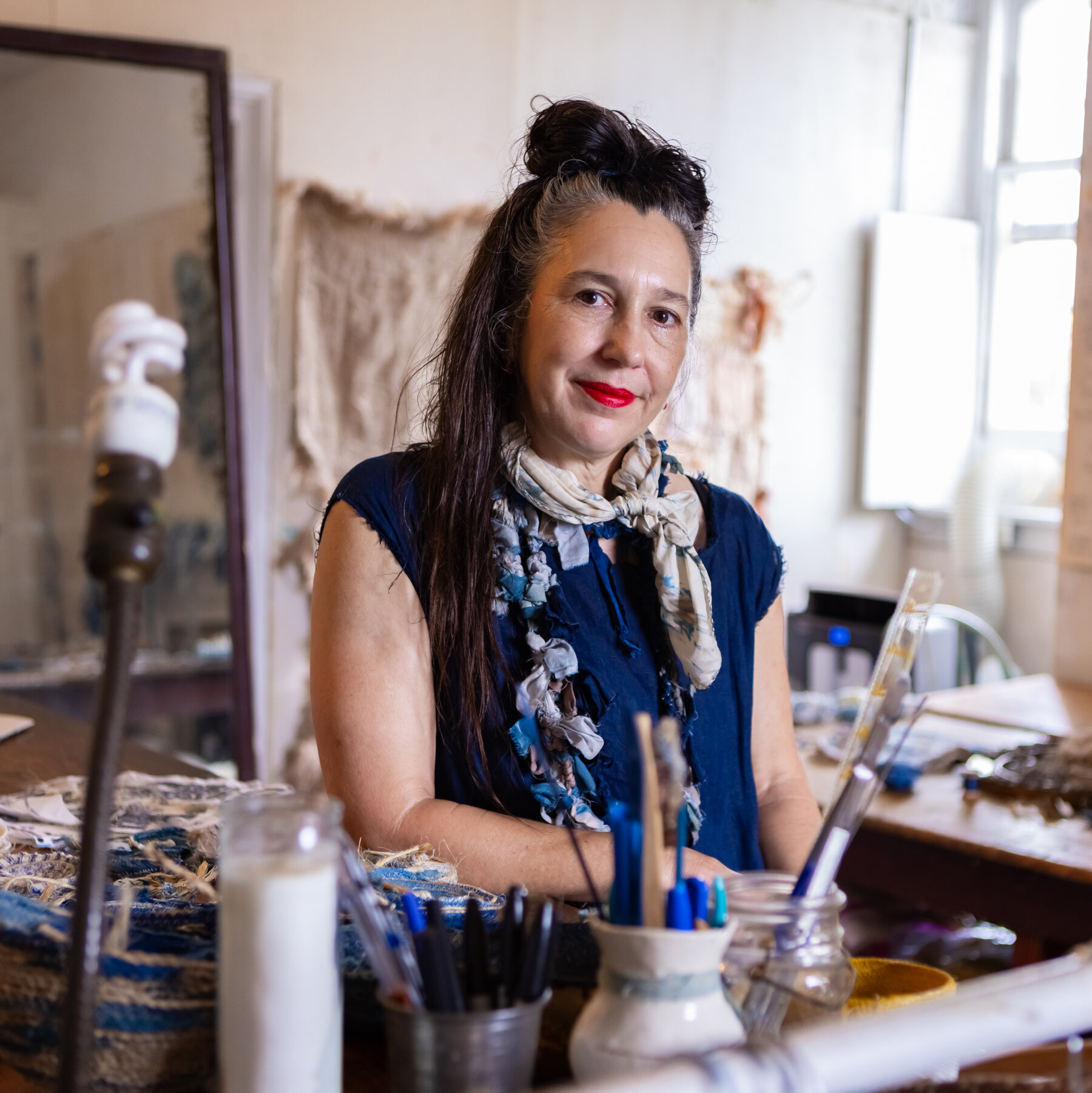
Leigh Magar, a celebrated milliner who crafted bespoke hats for celebrities including Beyoncé and members of the royal family, has died at age 57. After building a high-profile career in Charleston, South Carolina, she relocated to a remote island off the coast, where she shifted her artistic focus to cultivating indigo and creating natural dyes, becoming a dedicated practitioner of the ancient craft.